
Diving at Cenote Noh-Mozon (Mexico)
Approaching Cenote Noh-Mozon initiates with a thrilling descent, often involving a 9-meter (30-foot) vertical plunge into stunning sapphire waters. This natural pool-like setting invites immediate exploration, distinguishing itself from typical lake dives. Its semi-open structure ensures that sunlight illuminates a substantial portion, creating an inviting mirror panorama beneath the jungle canopy. Divers are drawn here for the unique transition from surface to subterranean wonders.
At Cenote Noh-Mozon, the ambient air temperature is currently recorded at 28°C. This dive site in Mexico is operating under normal seasonal weather patterns. Familiarize yourself with the local topography prior to navigating.
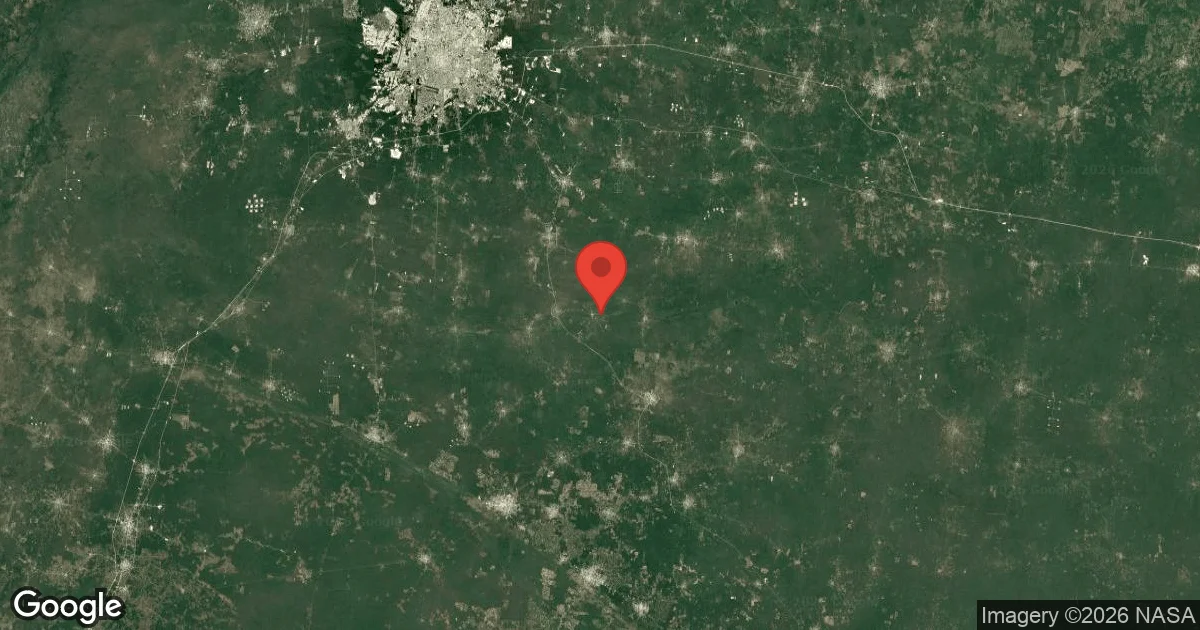
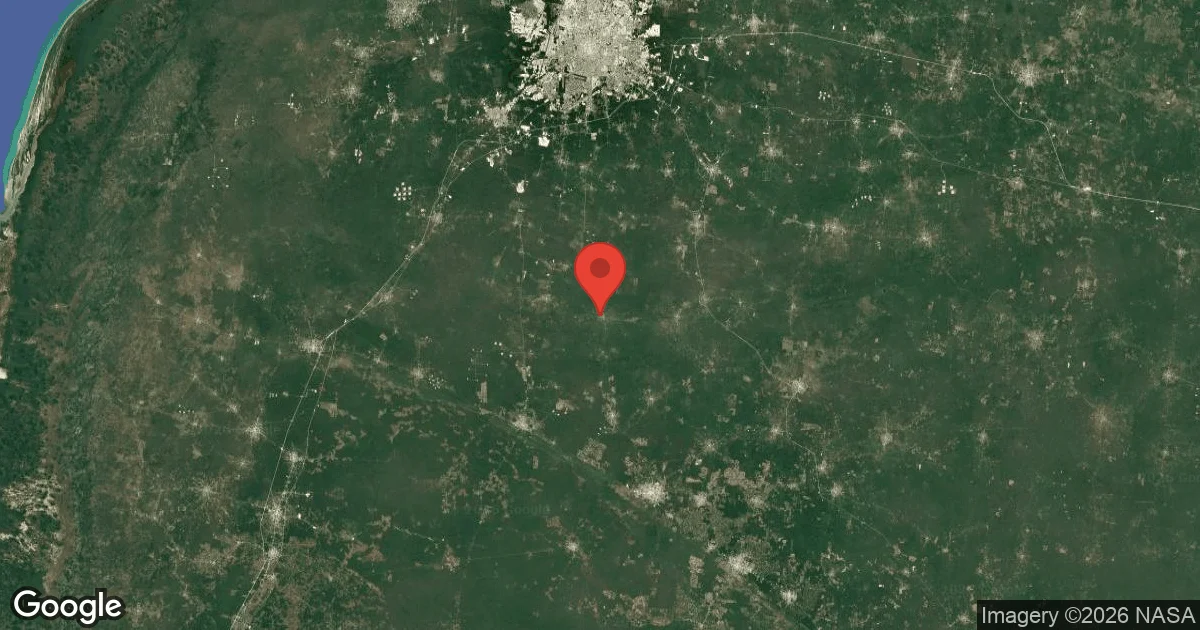
Dive Site Location & Key Facts
Dive Site Overview
Exploring Cenote Noh-Mozon reveals a comprehensive journey through the Yucatán Peninsula's distinctive underwater cave systems, accommodating divers from Open Water to advanced Cave certification. A clear progression guides divers from its initial open water area into expansive cavern zones, which reach a maximum depth of 24 meters (78 feet).
Beyond these illuminated caverns, technical cave divers access intricate passages extending to significant depths, far past recreational limits. In the semi-open sections, sunlight streams in, creating dynamic light shows that dance across the water and illuminate rock formations. Further within, the environment transforms into a quiet, hidden world, where bizarre limestone formations and impressive halls become the primary visual focus.
This aquatic expanse, approximately 30 by 20 meters, provides ample room for guided exploration. Descending through the thermocline, divers may notice subtle shifts in temperature, indicating the mixing of different water layers.
A dramatic transition unfolds from sunlit areas to the profound darkness of the cave system, highlighting the cenote's varied character. Navigating these subterranean chambers requires careful attention and respect for their ancient beauty.
Conditions are Excellent
07:00 - 14:00
Optimal conditions expected
Current conditions near Cenote Noh-Mozon show 28° air, --° sea temperature, N/A waves, and 11 km/h wind. Forecast data is refreshed regularly to ensure accuracy.
Best Time to Dive
Planning a dive at Cenote Noh-Mozon is best during the dry season, specifically from January through May, when conditions are most stable. During these months, the region experiences consistently low rainfall, typically less than 1 mm, contributing to optimal underwater visibility. Air temperatures are pleasantly warm, ranging from 23.5°C (74°F) in January to 31°C (88°F) by May. While the cenote is accessible year-round, the wetter season from June to October sees increased rainfall, potentially affecting surface conditions and accessibility though not typically impacting the cenote's clear waters. Water temperatures within the cenote remain remarkably consistent, generally between 24-26°C (74-79°F), varying little with the seasons. Dive scores remain excellent during the dry period, shifting to good ratings in the rainy season.
PEAK SEASON SCORE
Scores combine air & water temps, waves, wind & rainfall for overall conditions.
BEST MONTHS TO DIVE
Monthly records compiled from satellite and marine observation nodes over the last 3 years. Data provided by Open-Meteo and MET Norway.
Dive Experience & Conditions
Descending into Cenote Noh-Mozon provides a sensory journey, moving from sun-drenched surface waters into the cool, clear embrace of the underground. Water temperatures consistently hover around 24-26°C (74-79°F) throughout the year, offering a comfortable experience for most divers with appropriate exposure protection. Visibility is typically excellent, often described as crystal-clear, allowing distant geological formations to come into sharp focus. Inside the cavern zones, light rays penetrate from overhead openings, creating dramatic visual effects against the massive stalactites and stalagmites. Deeper within the cave system, the environment becomes more challenging and intimate; divers navigate along main passages that feature mighty corridors, or venture into smaller side passages, often densely adorned with delicate dripstones. The absence of strong currents makes buoyancy control paramount for navigating these intricate spaces without disturbing the fragile formations.
Dive Difficulty & Safety Guidelines
Before entering Cenote Noh-Mozon, divers should ensure they meet the necessary health and fitness requirements for scuba diving; some chronic health conditions, medications, or recent surgeries may require physician approval. While the open water sections are accessible to certified Open Water divers, venturing into the deeper cavern zone, at its recreational limits, or the cave system, which extends beyond recreational depth ranges, demands specific cavern or cave diving certifications.
Never attempt to exceed personal certification limits. Always dive with a certified guide experienced in cenote environments; their local knowledge is invaluable.
Maintaining excellent buoyancy control is crucial. This practice protects the delicate geological formations and prevents disturbing the silty bottom, which can quickly reduce visibility for everyone, making navigation challenging.
Recommended Equipment
- Dive Computer
This gear list is based on verified equipment signals for Cenote Noh-Mozon, Mexico. Always confirm final gear choices with your dive operator, guide, or liveaboard.
Recommended Dive Suit
Based on regional estimates and current weather, the likely required exposure protection is a 3mm wetsuit. Note that local currents and upwellings can alter this. Divers who tend to get cold easily may prefer slightly thicker exposure protection.
Because recent water temperature readings are not available for Cenote Noh-Mozon, the guidance below is based mainly on current air conditions and seasonal expectations. Current surface air temperatures are roughly 28°C (83°F).
Forecast confidence is somewhat lower, with potential for varied conditions ahead. Cooler days are ahead; you might want a warmer option for later in the week. Bringing an additional thermal layer can be helpful if conditions change.
Emergency & Medical Support
Essential information to help you plan your dive trip to Cenote Noh-Mozon.

Hyperbaric chambers are a critical part of dive safety infrastructure. Availability varies significantly by region, and not all dive areas have immediate access.
Before diving, it's recommended to:
- confirm nearest medical facilities
- check emergency procedures with local dive operators
- ensure dive insurance covers evacuation if required
Divers Alert Network
Diving emergency assistance available through DAN World.
+1-919-684-9111- 24/7 emergency hotline
- Diving medical assistance
- Evacuation coordination
Emergency contacts are provided for reference. Always verify local emergency services before diving.
Marine Life at Cenote Noh-Mozon
While large marine fauna isn't typically observed in Cenote Noh-Mozon, the primary highlights here are the captivating geological features and the interplay of light. Divers primarily encounter an intricate network of limestone formations, including impressive stalactites and stalagmites that have developed over millennia.
As sunlight filters through openings, it illuminates these structures, creating ethereal visual displays. Within the deeper, darker sections of the cenote, the focus shifts entirely to the unique formations that line the walls and ceiling, creating an awe-inspiring, silent, and ancient underwater landscape.
Dive Sites Near Cenote Noh-Mozon
View all dive sites in MexicoDiscover more underwater gems in this area.
Dive Centers Near Cenote Noh-Mozon
Today: 08:00 - 16:00
Nearest Airports
Nearest airports to help plan travel to this dive area.
Search Flights
Check available flights and routes on Expedia, using the nearby airports listed in this section.
Search Flights on ExpediaFrequently Asked Questions
What dive certifications are required for Cenote Noh-Mozon?
Open Water certification is sufficient for the initial open and cavern areas. However, to explore the deeper cave sections, specialized Cavern or full Cave Diver certifications are required due to the overhead environment and advanced skill demands.
What is the water temperature in Cenote Noh-Mozon?
Water temperatures in Cenote Noh-Mozon are remarkably consistent year-round, typically ranging between 24-26°C (74-79°F). Such stable conditions ensure comfortable diving with appropriate exposure protection.
What is the maximum depth for diving in Cenote Noh-Mozon?
The maximum depth for recreational cavern diving is around 24 meters (78 feet). For certified cave divers, the system extends to more significant depths within its intricate passages.
Do I need to bring my own dive equipment?
While bringing your own equipment is always an option, quality rental gear is available on-site. This includes BCDs with integrated weight systems, regulators, boots, open-heel fins, and 3mm long wetsuits to suit the cenote conditions.
What kind of dive site is Cenote Noh-Mozon?
Cenote Noh-Mozon is primarily a semi-open cenote that transitions into extensive cavern and full cave systems. It's characterized by clear freshwater, stunning geological formations, and dramatic light effects in its shallower, sunlit areas.
Are there any medical requirements for diving here?
Yes, like all scuba diving, a minimum level of health and fitness is required. Certain medical conditions, medications, or recent surgeries may necessitate written approval from a physician before you can dive.
What are the operating hours for Cenote Noh-Mozon?
Cenote Noh-Mozon is generally open seven days a week, from Monday to Sunday. Operating hours are typically between 08:00 and 17:00.
Planning to dive Cenote Noh-Mozon?
Send one inquiry and receive offers directly from the best verified local dive operators.
Conditions are Excellent
07:00 - 14:00
Optimal conditions expected
Current conditions near Cenote Noh-Mozon show 28° air, --° sea temperature, N/A waves, and 11 km/h wind. Forecast data is refreshed regularly to ensure accuracy.