
Diving at Cenote Suem (Mexico)
Descending into Cenote Suem reveals a submerged landscape shaped by ancient geological processes. This freshwater environment often features impressive limestone formations, with shafts of natural light piercing through openings to illuminate cave interiors. Divers navigate intricate passages where its primary freshwater setting transitions into the confined spaces of a cenote, creating a distinctive underwater vista that feels both ancient and alive. It's a journey into the Earth's hidden aquatic systems, distinct from open water.
At Cenote Suem, the ambient air temperature is currently recorded at 25.5°C. This dive site in Mexico is operating under normal seasonal weather patterns. Familiarize yourself with the local topography prior to navigating.
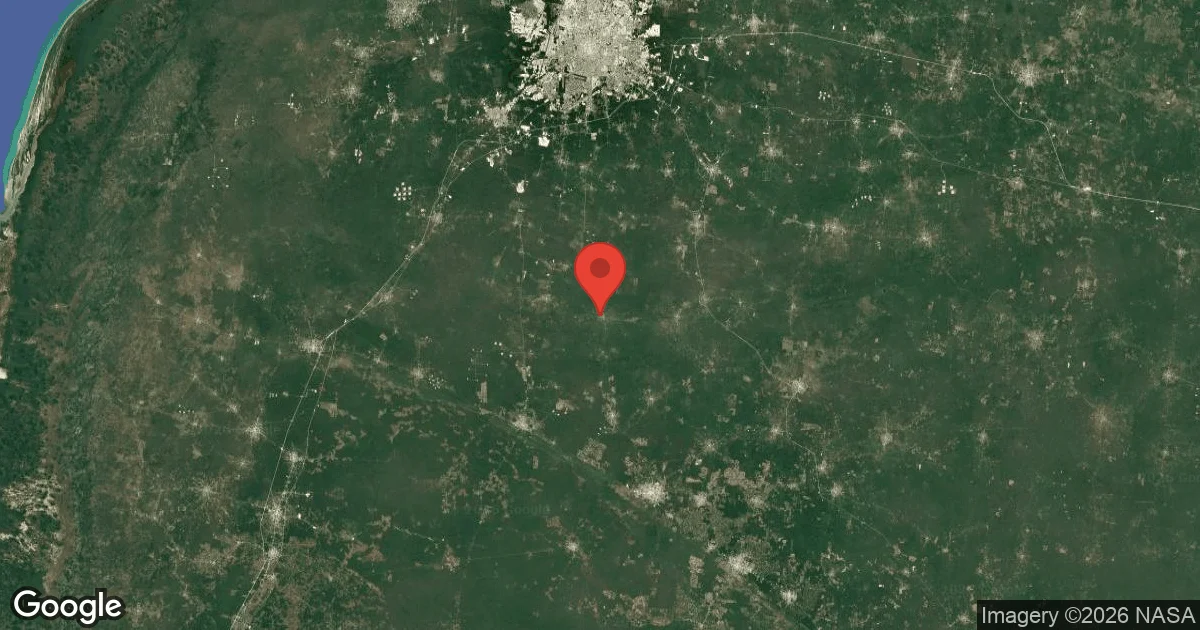
Dive Site Location & Key Facts
Dive Site Overview
Exploring Cenote Suem offers a dive into the captivating underground river systems of Mexico's Yucatán Peninsula. Unlike typical ocean dives, this unique freshwater setting presents a labyrinth of submerged caverns and passages.
Divers might find themselves tracing a river-like flow through areas reminiscent of mangrove roots, observing the subtle shifts in the underwater environment. While specific depths for Suem aren't detailed, other cenotes in the region feature descents to around 30 m (100 ft) right above a sulfuric halocline. Shallower sections around 12 meters are common for stalactite viewing, and even down to 4 meters for observing historical artifacts.
Each dive is a journey through sculpted rock formations, sometimes revealing clear water layered with a distinct halocline. The experience combines the thrill of cavern diving with the serene beauty of a subterranean freshwater realm.
Navigation within these spaces is generally guided along permanent lines, ensuring a clear path through the geological wonders.
Conditions are Good
Optimal conditions expected
Current conditions near Cenote Suem show 26° air, --° sea temperature, N/A waves, and 8 km/h wind. Forecast data is refreshed regularly to ensure accuracy.
Best Time to Dive
Considering optimal conditions, the period from January through May is ideal for diving Cenote Suem, as indicated by consistently excellent dive scores. During these months, the air temperature ranges from approximately 23.5-31°C (74-88°F), paired with minimal rainfall, typically less than 1 mm (0.04 in) per month. This dry season likely contributes to stable water conditions and optimal visibility, enhancing the visual experience of the cenote's formations. From June to December, dive scores remain good, though air temperatures can fluctuate between 24-29°C (75-84°F). Rainfall increases slightly during this latter half of the year, averaging 1.3-5.8 mm (0.05-0.23 in) monthly. Even with increased precipitation, the enclosed nature of cenotes means visibility is less affected than in open water, allowing for good diving conditions year-round, though the drier months often present the most pristine clarity.
PEAK SEASON SCORE
Scores combine air & water temps, waves, wind & rainfall for overall conditions.
BEST MONTHS TO DIVE
Monthly records compiled from satellite and marine observation nodes over the last 3 years. Data provided by Open-Meteo and MET Norway.
Dive Experience & Conditions
A dive at Cenote Suem immerses you in a sensory experience dominated by the interplay of light and shadow in an enclosed, freshwater environment. As you descend, the water temperature, while not consistently reported, generally hovers around a comfortable range, typically 22-27°C (72-81°F) in cenotes throughout the region. The feeling of cool, still water surrounds you, often providing exceptional visibility that allows distant formations to appear strikingly clear. In some sections, you might encounter a halocline, a visible layer where fresh and saltwater meet, creating mesmerizing visual effects like shimmering 'vertical light sabres' as light refracts. Navigating the cavern systems, you'll feel the enclosed nature of the space, a stark contrast to open ocean dives. This setting delivers a quiet, almost meditative dive, punctuated by the silent grandeur of stalactites and the unique geological structures inherent to a cenote.
Dive Difficulty & Safety Guidelines
Diving Cenote Suem requires careful attention to buoyancy control and strict adherence to cavern diving protocols. As an overhead environment, maintaining awareness of your surroundings and respecting depth limits is paramount. Divers should be comfortable in confined spaces and proficient in finning techniques to avoid disturbing the delicate silt on the cenote floor, which can quickly reduce visibility.
Always follow a trained guide who is familiar with the specific cenote and its layout. Entry and exit points are typically straightforward, but the intricate nature of the submerged passages necessitates remaining on designated lines.
Prepare for depths that might reach the recreational limits, potentially around 30 m (100 ft) in deeper sections, though many formations are found in shallower ranges. Your dive should be conducted within no-decompression limits, and proper gas management is always a priority.
Recommended Equipment
- Dive Computer
This gear list is based on verified equipment signals for Cenote Suem, Mexico. Always confirm final gear choices with your dive operator, guide, or liveaboard.
Recommended Dive Suit
Based on regional estimates and current weather, the likely required exposure protection is a 3mm wetsuit. Note that local currents and upwellings can alter this.
Because recent water temperature readings are not available for Cenote Suem, the guidance below is based mainly on current air conditions and seasonal expectations. Current surface air temperatures are roughly 26°C (78°F).
Due to unpredictable weather patterns, conditions may change rapidly.
Due to technical issues with our weather providers, live updates are temporarily delayed. The data above reflects the conditions at the time of the last successful fetch.
Emergency & Medical Support
Essential information to help you plan your dive trip to Cenote Suem.

Hyperbaric chambers are a critical part of dive safety infrastructure. Availability varies significantly by region, and not all dive areas have immediate access.
Before diving, it's recommended to:
- confirm nearest medical facilities
- check emergency procedures with local dive operators
- ensure dive insurance covers evacuation if required
Divers Alert Network
Diving emergency assistance available through DAN World.
+1-919-684-9111- 24/7 emergency hotline
- Diving medical assistance
- Evacuation coordination
Emergency contacts are provided for reference. Always verify local emergency services before diving.
Marine Life at Cenote Suem
Within the calm, freshwater environment of Cenote Suem, divers often first notice the unique adaptations of its inhabitants to the cenote ecosystem. Needlefish, for instance, are sometimes observed hunting just beneath the surface, especially near a visible red halocline layer if present.
The sparse but intriguing marine life is a natural extension of this aquatic environment, showcasing species comfortable in brackish or freshwater settings. While not heavily populated like a coral reef, the subtle movements of these creatures against the backdrop of ancient geological formations offer a distinct viewing experience.
Divers should maintain a watchful eye for small freshwater fish and crustaceans that may inhabit the nooks and crannies of the cavern walls and floor.
Dive Sites Near Cenote Suem
View all dive sites in MexicoDiscover more underwater gems in this area.
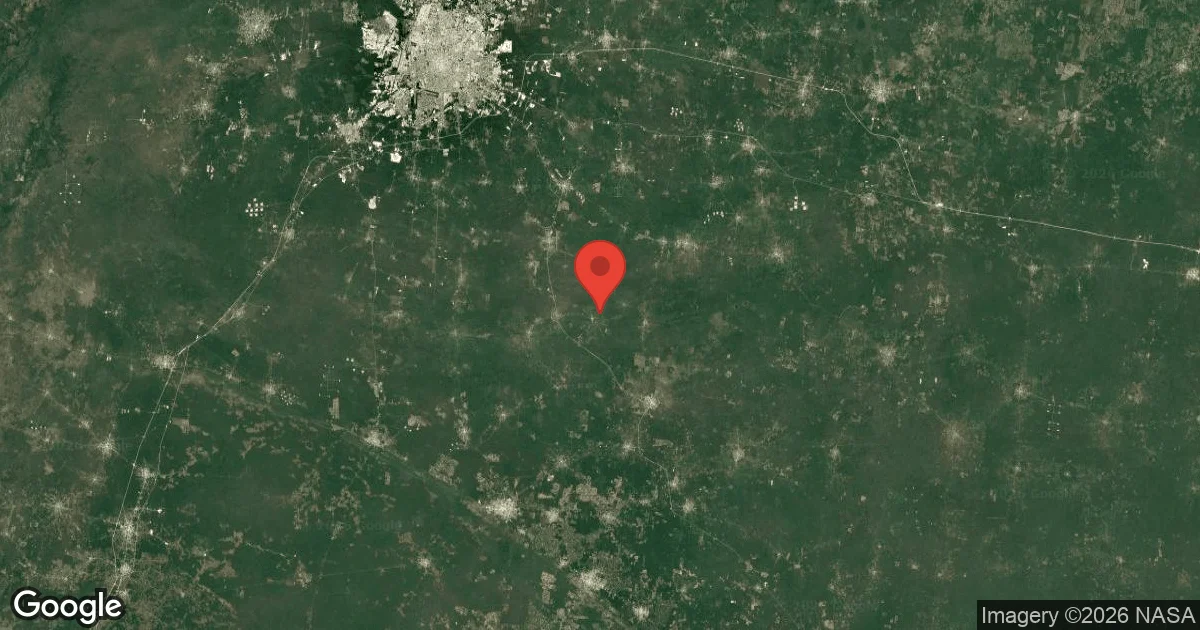
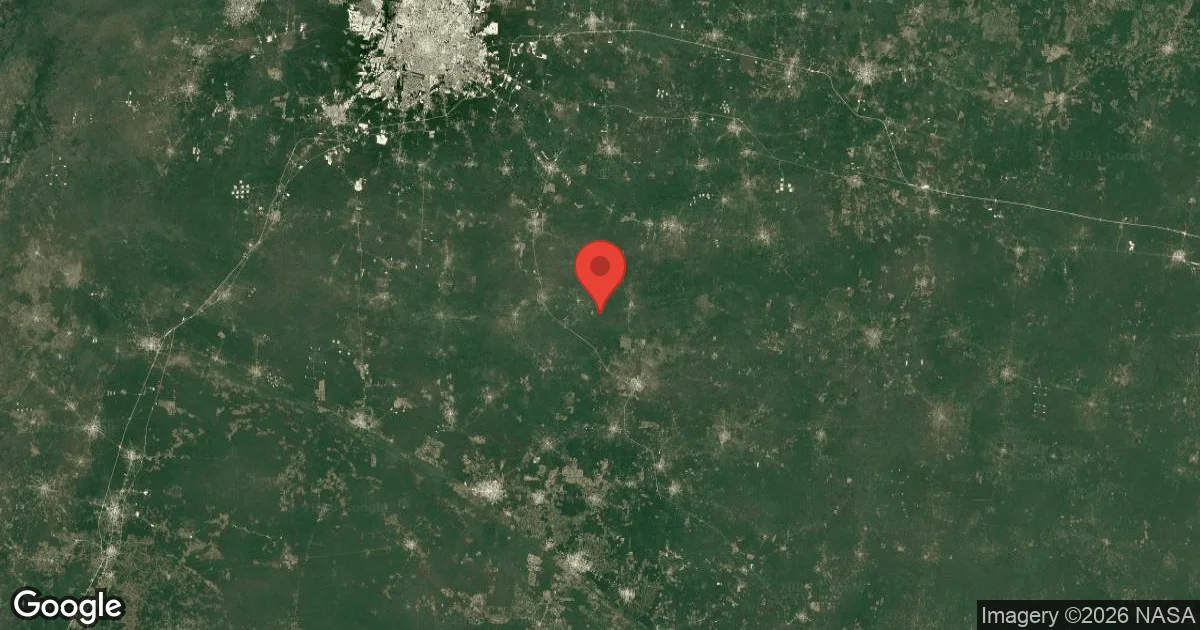
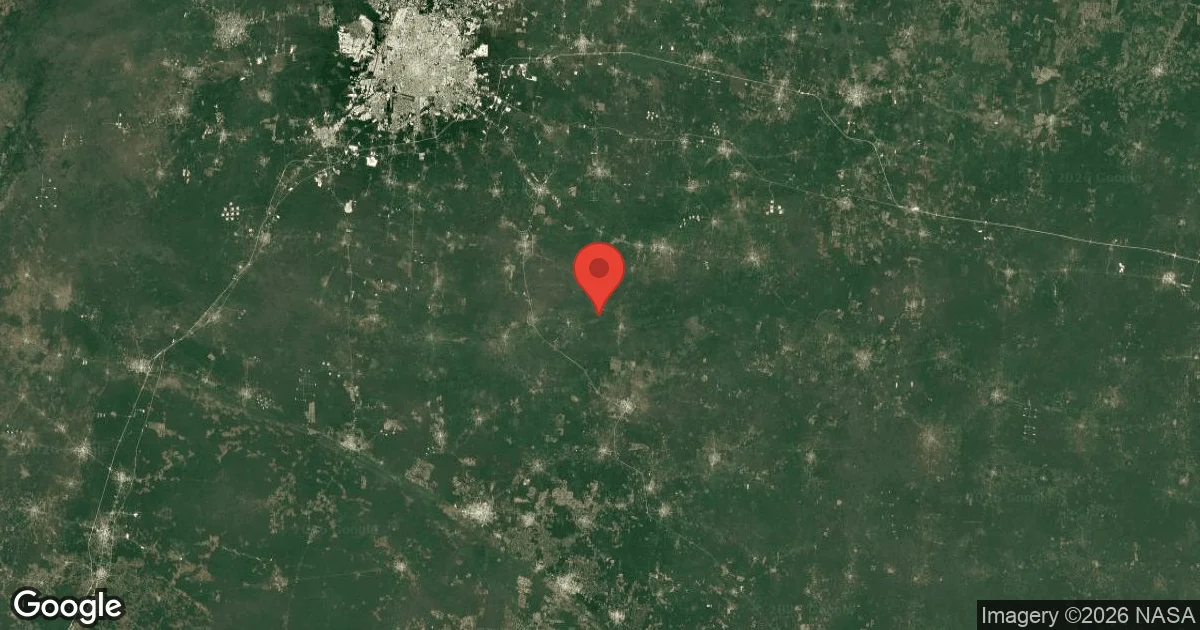
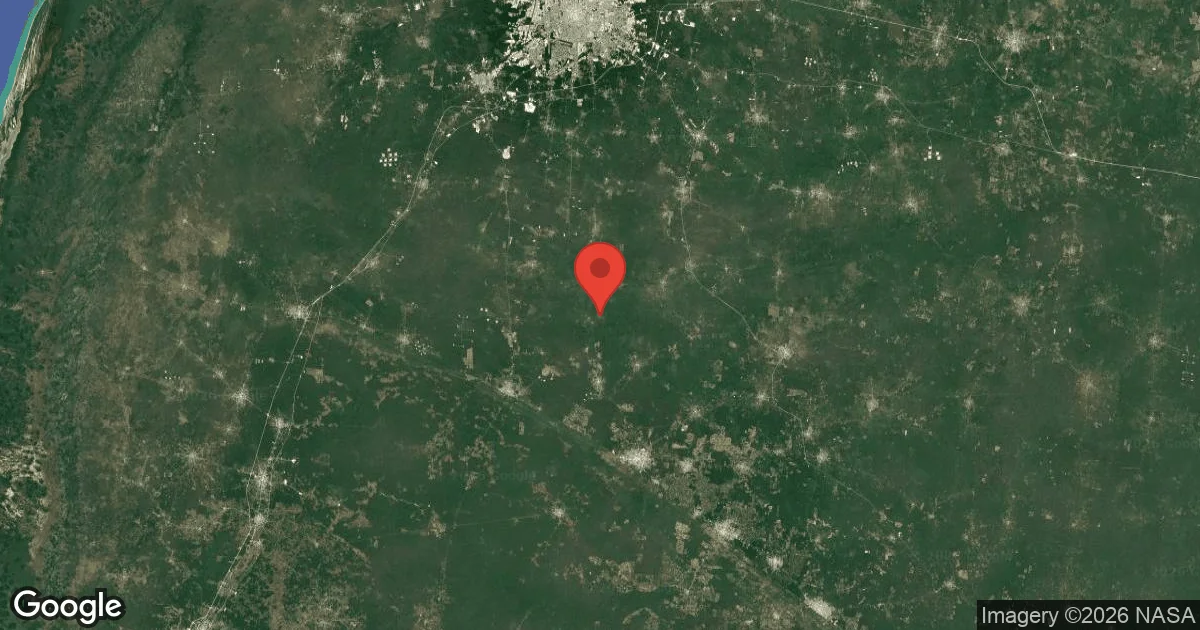
Dive Centers Near Cenote Suem
Today: 09:00 - 18:00
Nearest Airports
Nearest airports to help plan travel to this dive area.
Search Flights
Check available flights and routes on Expedia, using the nearby airports listed in this section.
Search Flights on ExpediaFrequently Asked Questions
What is the typical depth range for diving in Cenote Suem?
While specific depths for Cenote Suem aren't explicitly provided, cenotes in this region generally offer a range of experiences. Some dives may reach up to 30 m (100 ft), while shallower sections around 4-12 m (13-40 ft) often showcase stalactites and other formations.
What kind of dive experience can I expect at Cenote Suem?
Diving here is a cavern or cave experience, depending on your certification level. Expect to navigate through submerged passages with impressive rock formations, possibly encountering haloclines and shafts of light. It's a serene freshwater dive focused on geology and unique light effects.
What is a halocline and will I see it?
A halocline is a visible layer where fresh and saltwater meet, creating a shimmering, often distorted visual effect underwater. It's a common feature in many cenotes. Whether you'll see one depends on the specific dive profile and the cenote's hydrological conditions on the day of your dive.
Is special certification required for Cenote Suem?
For basic cenote cavern dives, an Open Water Diver certification is typically sufficient if diving with a certified guide. However, for exploring beyond the natural light zone into true caves, specific cave diving certification is mandatory due to the overhead environment.
What is the water temperature like in Cenote Suem?
Water temperatures in cenotes are generally quite stable. While specific data for Cenote Suem is not consistently reported, regional cenotes typically range from 22-27°C (72-81°F). A 3-5mm wetsuit is usually comfortable.
How is the visibility in Cenote Suem?
Visibility in cenotes is often excellent, frequently exceeding 30 meters due to the lack of suspended particles. However, poor buoyancy control by divers can stir up the silt on the bottom, temporarily reducing clarity, so maintaining good trim is important.
What marine life might I encounter?
Marine life in Cenote Suem is adapted to its freshwater environment. You might observe needlefish, especially near the surface or halocline layers, and various small freshwater fish or crustaceans in crevices. It's a less biodiverse environment than the ocean, but offers unique sightings.
Planning to dive Cenote Suem?
Send one inquiry and receive offers directly from the best verified local dive operators.
Conditions are Good
Optimal conditions expected
Current conditions near Cenote Suem show 26° air, --° sea temperature, N/A waves, and 8 km/h wind. Forecast data is refreshed regularly to ensure accuracy.