
Diving at Cenote Tanimax (Mexico)
Across the Yucatán Peninsula, cenotes like Tanimax offer divers a unique exploration of submerged cave systems. These natural sinkholes often feature varied depth profiles, moving from open-water entries to more confined overhead environments. While specific depth details for Cenote Tanimax are not widely reported, cenotes in this region typically range from shallow depths to over 30 m (100 ft), often revealing impressive geological formations.
The latest environmental reading at Cenote Tanimax indicates an air temperature of 24.5°C. The regional climate in Mexico is aligning with expected historical averages. Prepare your gear according to these specific local conditions.
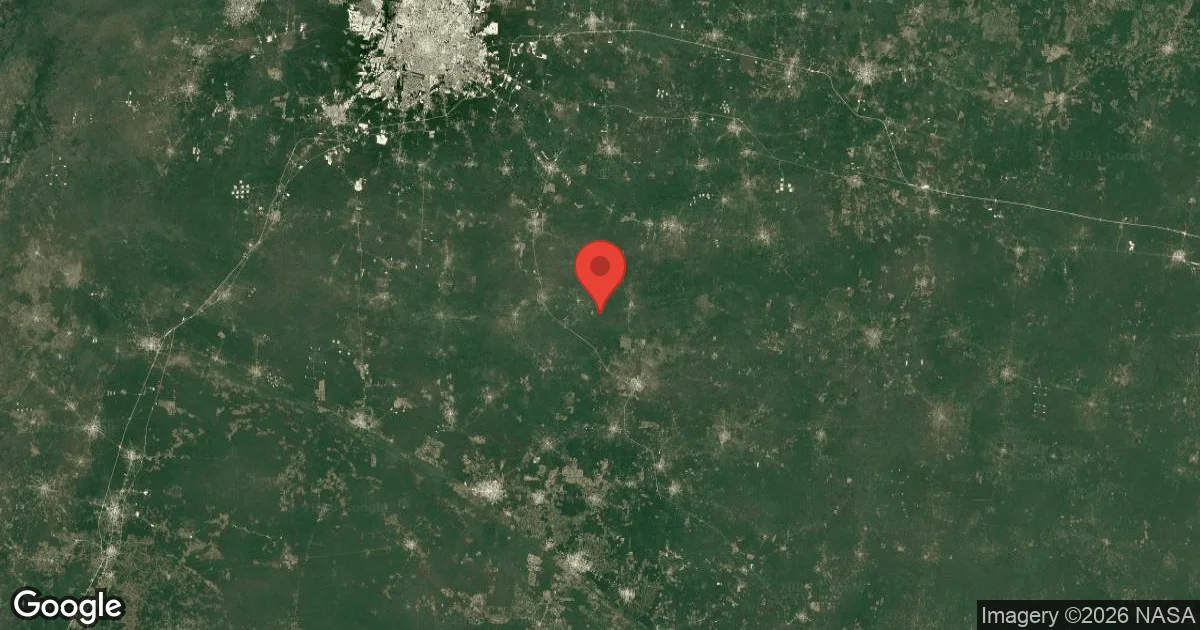
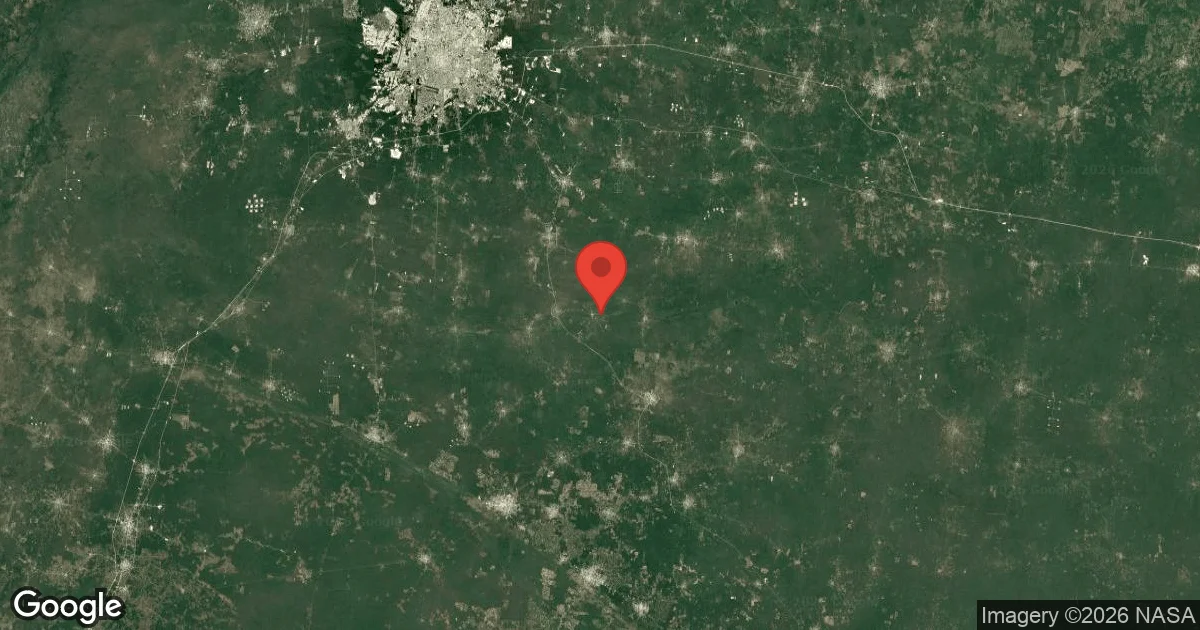
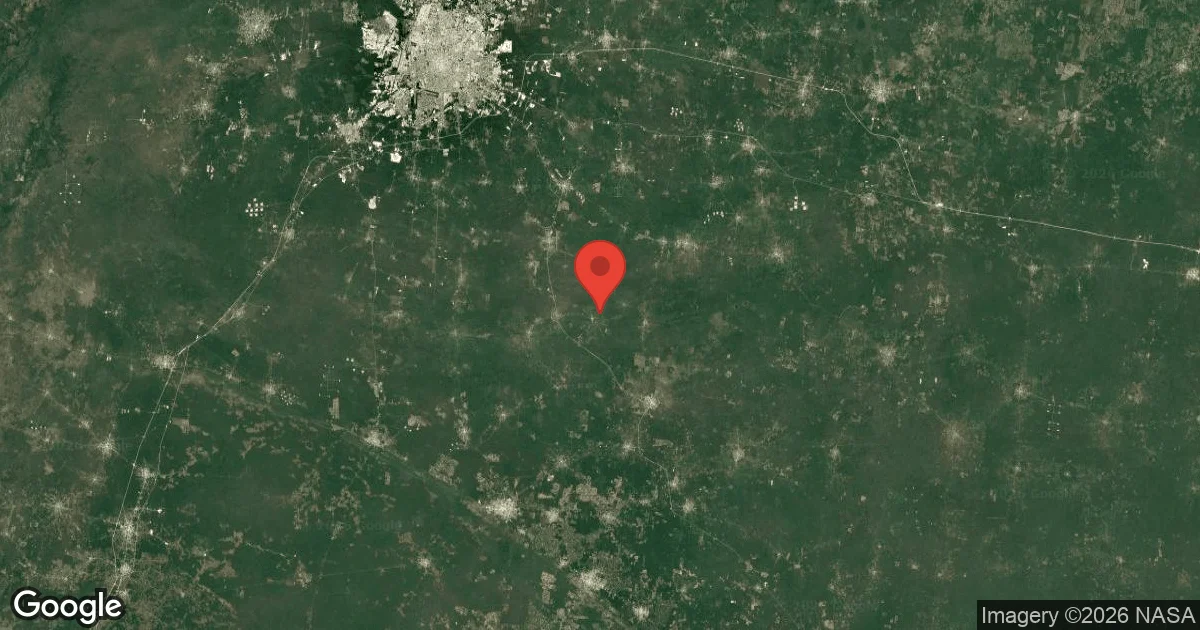
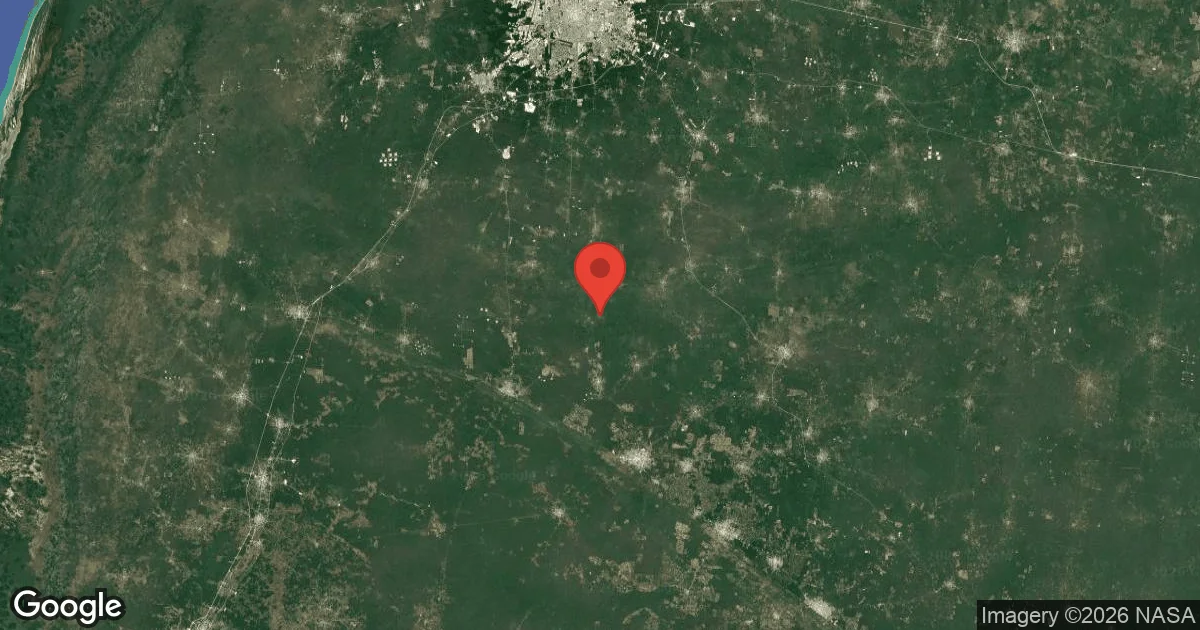
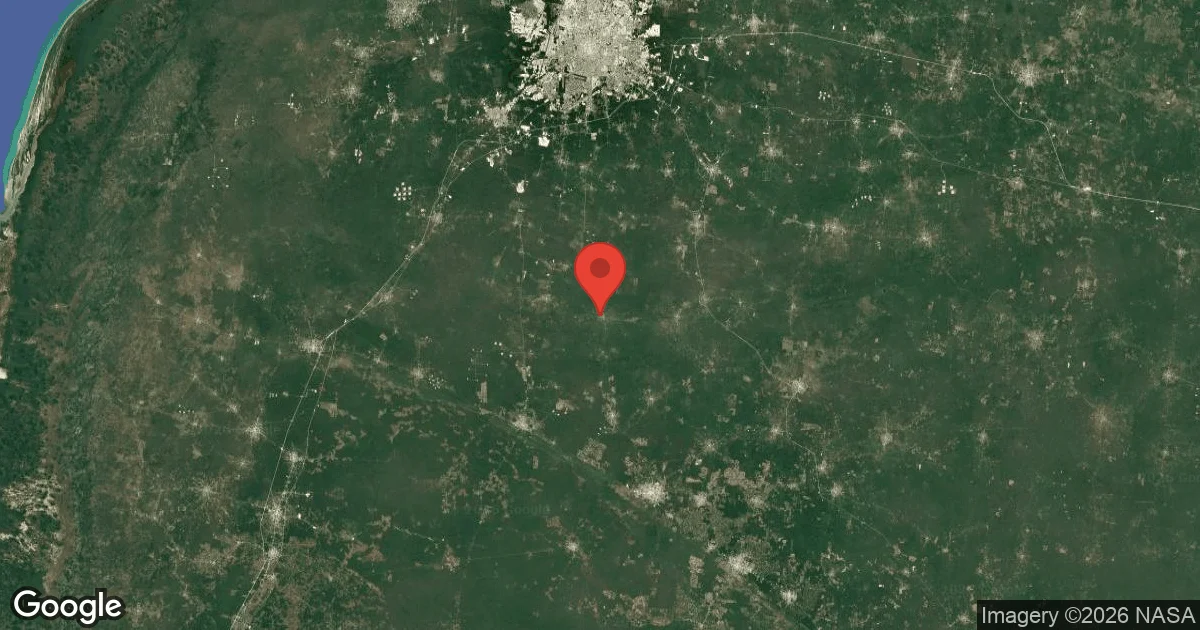
Dive Site Location & Key Facts
Dive Site Overview
Exploring a cenote in this region invariably means navigating fascinating underwater topography. Many cenotes are characterized by expansive caverns and tunnels, carved into the limestone bedrock over millennia.
Divers frequently encounter dramatic Stalactite and Stalagmite formations, which create intricate underwater landscapes. These formations can be truly monumental, shaping vast Limestone Caves and sometimes forming imposing columns that stretch from ceiling to floor. Light penetration varies significantly; some areas feature stunning light shafts from surface openings, while others transition into darker, more enclosed sections requiring artificial illumination.
Shifting light and shadow constantly reshape the perceived environment. The water column itself can present unique phenomena like haloclines, visible layers where fresh and saltwater meet, occasionally causing a shimmering effect and a noticeable temperature shift.
While precise details for Cenote Tanimax's specific layout are not consistently documented, the general cenote diving experience in Mexico's Yucatán offers an immersive journey through a subterranean world, often feeling like a geological expedition.
Conditions are Excellent
07:00 - 14:00
Optimal conditions expected
Current conditions near Cenote Tanimax show 25° air, --° sea temperature, N/A waves, and 12 km/h wind. Forecast data is refreshed regularly to ensure accuracy.
Best Time to Dive
Optimizing visibility for a cenote dive is often best achieved during the drier months, which in this region typically span from January through May. During this period, the air temperatures are comfortably warm, ranging from 23.5-31°C (74-88°F), and rainfall is at its lowest, often below 1 mm (0.04 inches) per month. Less surface runoff generally contributes to clearer conditions underwater, enhancing the already excellent visibility characteristic of cenote environments. While diving is possible year-round, with 'Good' dive scores reported even during the wetter season from June to December, increased rainfall can introduce more organic matter into the water, potentially affecting clarity in some areas.
PEAK SEASON SCORE
Scores combine air & water temps, waves, wind & rainfall for overall conditions.
BEST MONTHS TO DIVE
Monthly records compiled from satellite and marine observation nodes over the last 3 years. Data provided by Open-Meteo and MET Norway.
Dive Experience & Conditions
Entering a cenote like Tanimax often involves negotiating natural terrain, such as stairs or rocky paths, leading down to the water's edge. Once submerged, divers typically experience remarkably stable and temperate water conditions, consistently cool throughout the year, though specific temperatures for this site are not consistently reported. Horizontal visibility can be exceptional, often exceeding 30 m (100 ft) in clear freshwater sections. Navigating the overhead environment demands precise buoyancy control and strong spatial awareness. Encounters with haloclines are common in deeper sections, where the denser saltwater creates a visual distortion and a noticeable temperature shift. Some cenotes in the area are known for providing ample space, making them suitable for divers comfortable with cavern environments.
Dive Difficulty & Safety Guidelines
Diving in any cenote necessitates adherence to strict safety protocols, primarily due to the overhead environment. Always dive with a certified cavern or cave guide, and ensure all divers possess appropriate training for overhead environments. Maintaining excellent buoyancy control is paramount to avoid disturbing the delicate silt on the cenote floor, which can quickly reduce visibility to zero.
Divers must carry multiple independent light sources and be familiar with their use. Staying within the planned dive path and following guide lines is crucial for preventing disorientation.
Respecting depth limits and decompression obligations is also vital, especially when exploring deeper sections or traversing haloclines.
Recommended Equipment
Overhead environment. Do not enter beyond training and gas planning limits.
- Dive Computer
- Primary & Backup Lights
- Reel / Spool
- Cutting Tool
This gear list is based on verified equipment signals for Cenote Tanimax, Mexico. Always confirm final gear choices with your dive operator, guide, or liveaboard.
Recommended Dive Suit
Based on regional estimates and current weather, the likely required exposure protection is a 3-5mm wetsuit. Note that local currents and upwellings can alter this. Because recent water temperature readings are not available for Cenote Tanimax, the guidance below is based mainly on current air conditions and seasonal expectations. Current surface air temperatures are roughly 25°C (76°F).
Longer-range forecasts show some uncertainty in upcoming temperature trends.
Conditions can vary slightly across different parts of the same dive site.
Emergency & Medical Support
Essential information to help you plan your dive trip to Cenote Tanimax.

Hyperbaric chambers are a critical part of dive safety infrastructure. Availability varies significantly by region, and not all dive areas have immediate access.
Before diving, it's recommended to:
- confirm nearest medical facilities
- check emergency procedures with local dive operators
- ensure dive insurance covers evacuation if required
Divers Alert Network
Diving emergency assistance available through DAN World.
+1-919-684-9111- 24/7 emergency hotline
- Diving medical assistance
- Evacuation coordination
Emergency contacts are provided for reference. Always verify local emergency services before diving.
Marine Life at Cenote Tanimax
While cenotes are primarily celebrated for their geological formations, observations of freshwater marine life can still be a subtle highlight. In other cenotes across the Yucatán, divers might initially notice small crustaceans, catfish, or various types of freshwater fish, often found near the surface or in areas with more vegetation.
These inhabitants are well-adapted to the unique cenote ecosystem. Occasionally, divers report observing needlefish or other small schooling fish, especially in cenotes connected to open water or mangrove systems where food sources are more prevalent.

Dive Sites Near Cenote Tanimax
View all dive sites in MexicoDiscover more underwater gems in this area.
Dive Centers Near Cenote Tanimax
Today: 08:00 - 16:00
Nearest Airports
Nearest airports to help plan travel to this dive area.
Search Flights
Check available flights and routes on Expedia, using the nearby airports listed in this section.
Search Flights on ExpediaFrequently Asked Questions
What is a cenote?
Cenotes are natural sinkholes, sacred to the ancient Maya, formed when limestone bedrock collapses, exposing groundwater. They are often interconnected by extensive underground river systems, providing unique freshwater diving experiences within caves or open pools.
What dive certification is required for cenote diving?
For most recreational cenote dives within the 'cavern zone' (always within sight of an exit and natural light), an Open Water Diver certification is sufficient when accompanied by a certified cenote guide. For penetration into true cave environments, specialized Full Cave Diver certification is mandatory.
What is a halocline?
A halocline is a distinct layer in the water column where fresh water and denser saltwater meet. It creates a visible shimmering effect, akin to looking through oily water, and a noticeable change in temperature. Passing through it requires careful buoyancy adjustments.
Are there strong currents in cenotes?
Generally, cenotes do not have strong currents. Water movement is usually minimal, allowing for calm and controlled dives. However, very subtle flows might be present in specific interconnected systems, but they rarely pose a significant challenge.
How cold is the water in Cenote Tanimax?
Cenote water temperatures in the Yucatán Peninsula are typically quite consistent year-round, usually hovering around 24-26°C (75-79°F). While specific data for Tanimax is not available, divers can expect these generally cool and stable conditions.
Is it dark inside a cenote?
Some cenotes have large open entrances with abundant natural light, while others lead into much darker cavern and cave environments. Even in illuminated areas, a dive light is always recommended to highlight formations and potential hazards, and multiple lights are essential for overhead environments.
Planning to dive Cenote Tanimax?
Send one inquiry and receive offers directly from the best verified local dive operators.
Conditions are Excellent
07:00 - 14:00
Optimal conditions expected
Current conditions near Cenote Tanimax show 25° air, --° sea temperature, N/A waves, and 12 km/h wind. Forecast data is refreshed regularly to ensure accuracy.