
Diving at San Carlos, Sonora (Mexico)
The waters surrounding San Carlos hold a rich maritime history, with artificial reefs deliberately created from decommissioned naval vessels. Jacques Cousteau once recognized the broader Sea of Cortez as "the world's aquarium," underscoring its historical ecological significance. This region continues to be a vibrant destination for divers seeking to explore both natural formations and purpose-sunk wrecks.
Evening condition tracking at San Carlos, Sonora features an air temperature of 31.5°C. We have recorded wave heights measuring 0.3 m during this period. These figures outline the environmental parameters currently present.
Dive Site Location & Key Facts
Dive Site Overview
San Carlos' underwater topography offers a compelling mix of natural and artificial structures, providing diverse diving opportunities. Expansive natural reef systems complement several purpose-sunk vessels, creating a dynamic environment.
Among these, the ARM Santos Degollado (P106), formerly the USS Gladiator, is a notable wreck measuring about 67 m (220 ft) in length, 9.7 m (32 ft) in beam, and standing 12 m (40 ft) tall from its deepest point. This former minesweeper, used in WWII and the Korean War, now serves as an artificial reef accessible to divers and snorkelers. The Suchiate BI-05 and the more recently sunk Santos (March 3, 2022) further augment the artificial reef landscape.
Beyond these, sites like Isla San Pedro Nolasco, located one to two hours away, allow interaction with sea lions. Punta San Pedro, a local sea mount, and Window Rock also provide distinct dive profiles, while Isla Pastel offers arches and underwater treasures near an estuary.
Conditions are Excellent
07:00 - 14:00
Optimal conditions expected
Current conditions near San Carlos, Sonora show 31° air, 32° sea temperature, 0.5 m waves, and 19 km/h wind. Forecast data is refreshed regularly to ensure accuracy.
Best Time to Dive
Diving in San Carlos generally maintains a "Good" score throughout the entire year, yet conditions exhibit seasonal variations. From January to April, air temperatures typically range from 18°C to 23.5°C (64-74°F), with consistently low rainfall averaging less than 0.3 mm. During the warmer months of July and August, air temperatures rise to 31.5-32°C (89-90°F). September sees the highest average rainfall at approximately 2.39 mm, though still quite minimal. Water temperatures are not consistently reported but generally align with air temperature trends, meaning cooler conditions in winter and warmer conditions in summer. Considering these patterns, planning your trip during the spring or fall often provides a comfortable balance between moderate air temperatures and minimal precipitation, though good diving is consistently available.
PEAK SEASON SCORE
Scores combine air & water temps, waves, wind & rainfall for overall conditions.
BEST MONTHS TO DIVE
Monthly records compiled from satellite and marine observation nodes over the last 3 years. Data provided by Open-Meteo and MET Norway.
Dive Experience & Conditions
Descending into San Carlos' waters, divers will encounter conditions that typically necessitate substantial thermal protection. Due to varying underwater temperatures and potential thermoclines, a full 7 mm wetsuit is recommended. Complementary gear, such as 6.5-7 mm boots, 5 mm gloves, and a 6.5-7 mm hood, ensures comfort during extended dives. Visibility can fluctuate depending on local weather and currents, but clear conditions often prevail, revealing intricate reef structures and the distinct outlines of artificial wrecks. Upon reaching sites like the Santos Degollado, divers experience the sheer scale of the sunken vessel, exploring its structure and the marine life that now calls it home. Currents are generally manageable but can be present, particularly around exposed sites or during tidal changes, requiring divers to remain aware and plan accordingly.
Dive Difficulty & Safety Guidelines
While San Carlos doesn't have specific publicly listed hazards, maintaining safe diving practices remains paramount. Divers should always prioritize their training and experience, ensuring they dive within their limits. Local dive operators typically adhere to established safety protocols, and engaging with certified guides is always advisable.
For minors, a parent or guardian must be present on the boat or at the beach, and specific certification trips for younger divers (10-11 years old) may incur an additional fee due to lower instructor-to-student ratios. Continuous education, such as participating in a Rescue Weekend course, can significantly enhance one's skills and buddy awareness, contributing to overall dive safety.
Recommended Equipment
- Dive Computer
This gear list is based on verified equipment signals for San Carlos, Sonora, Mexico. Always confirm final gear choices with your dive operator, guide, or liveaboard.
Recommended Dive Suit
For divers planning standard recreational dives, dive skin or rash guard is usually a suitable option. Divers vary widely in how quickly they feel cold underwater.
At the moment, divers exploring San Carlos, Sonora will likely experience water temperatures near 32°C (90°F). Surface air temperatures are resting at 31°C (88°F).
Weather models indicate a small drop in surface temperatures later this week. Cooler days are ahead; you might want a warmer option for later in the week. Bringing an additional thermal layer can be helpful if conditions change.
Emergency & Medical Support
Essential information to help you plan your dive trip to San Carlos, Sonora.

Hyperbaric chambers are a critical part of dive safety infrastructure. Availability varies significantly by region, and not all dive areas have immediate access.
Before diving, it's recommended to:
- confirm nearest medical facilities
- check emergency procedures with local dive operators
- ensure dive insurance covers evacuation if required
Divers Alert Network
Diving emergency assistance available through DAN World.
+1-919-684-9111- 24/7 emergency hotline
- Diving medical assistance
- Evacuation coordination
Emergency contacts are provided for reference. Always verify local emergency services before diving.
Marine Life at San Carlos, Sonora
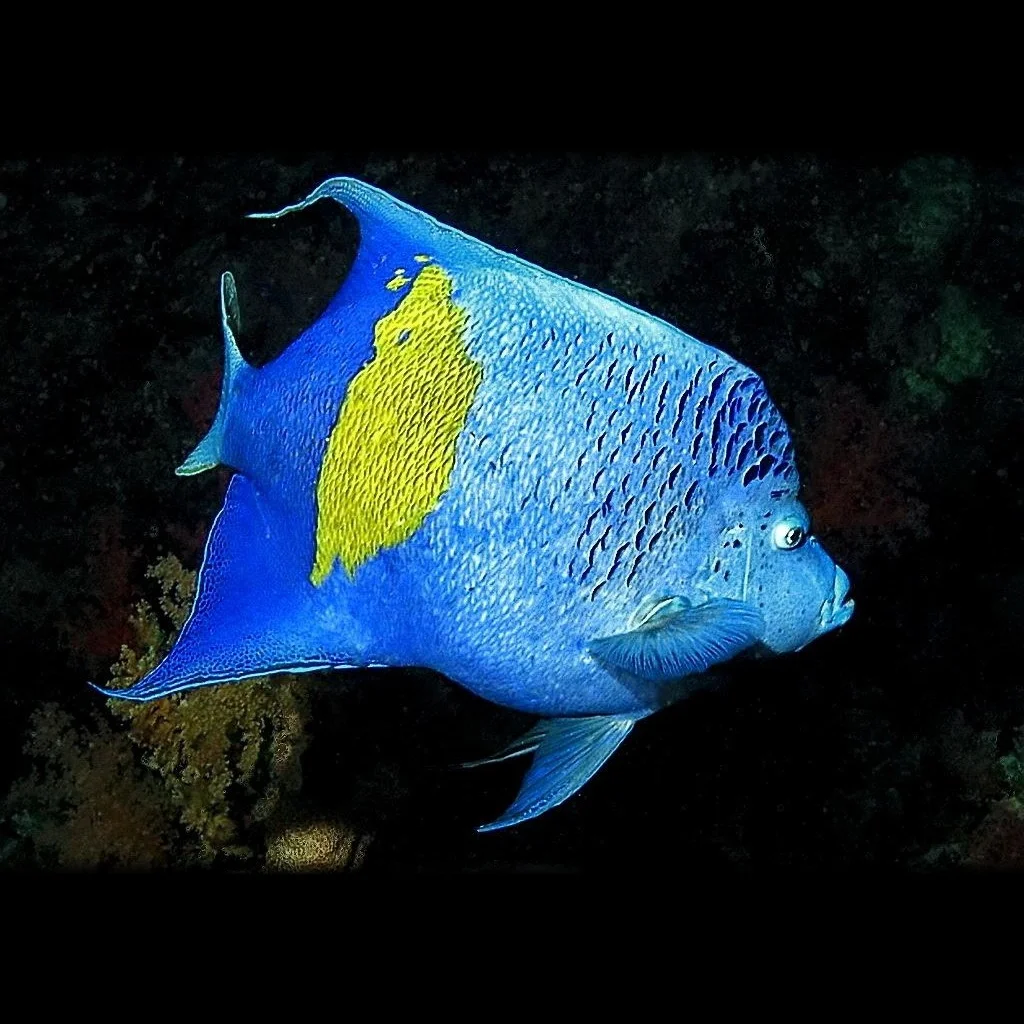
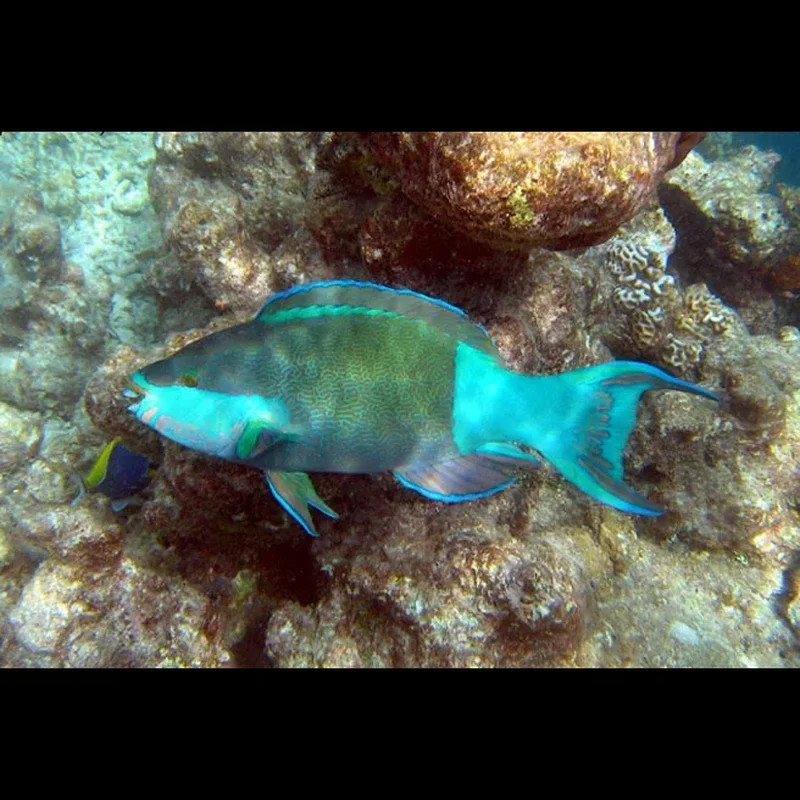
What often captures a diver's attention first in San Carlos is the remarkable diversity of marine life, earning the Sea of Cortez its reputation as a "world's aquarium." At Isla San Pedro Nolasco, encounters with playful sea lions are a significant draw. Exploring the artificial reefs and natural formations reveals a spectrum of species including parrotfish, triggerfish, king and Cortez angelfish, blennies, puffers, and wrasse.
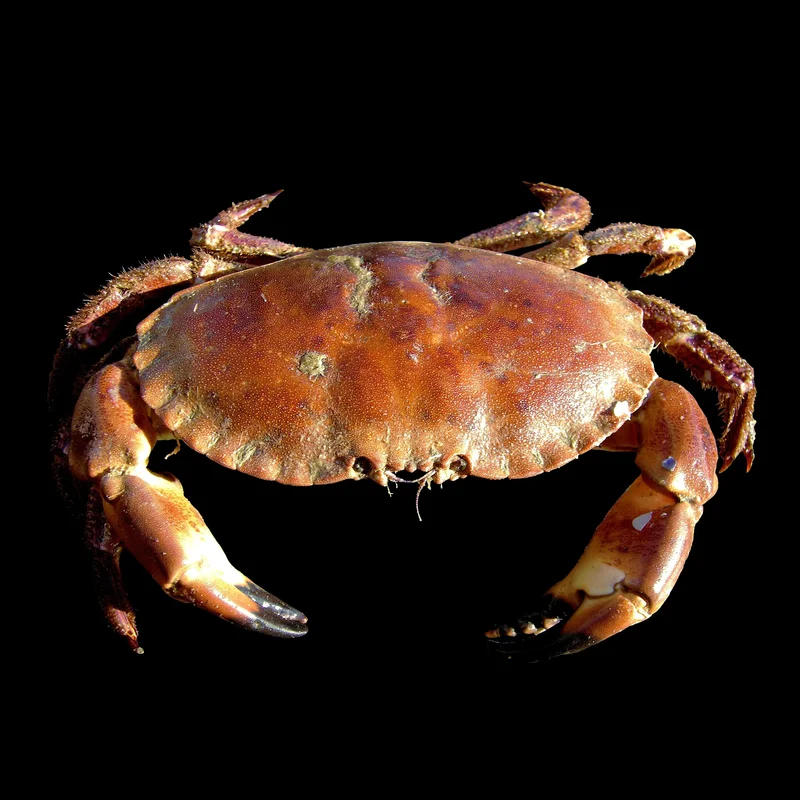
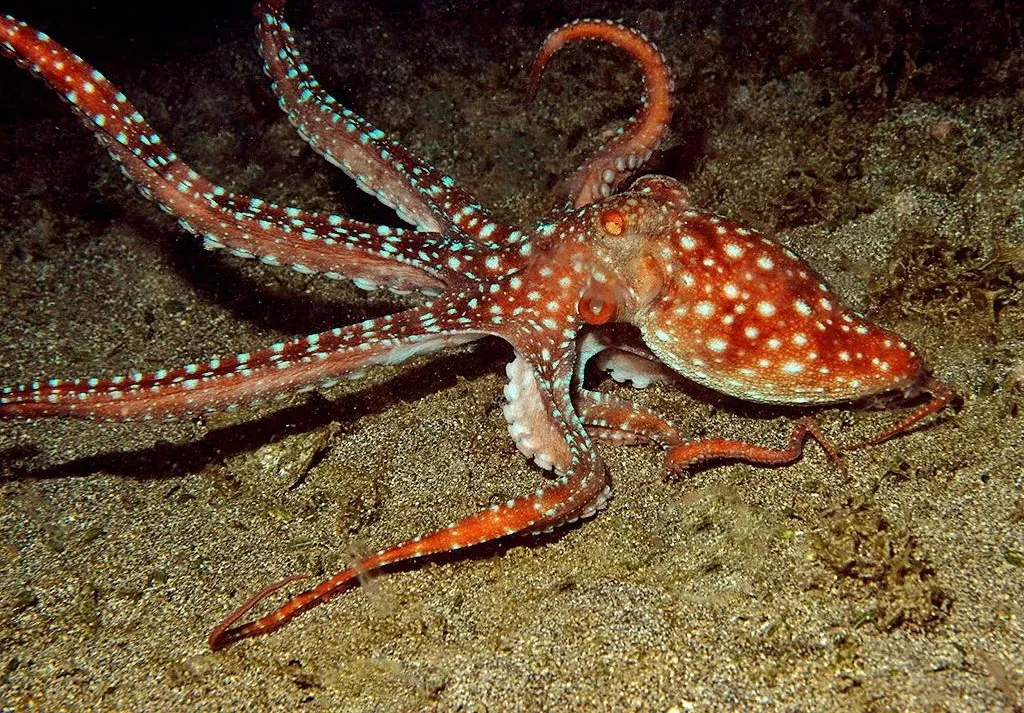
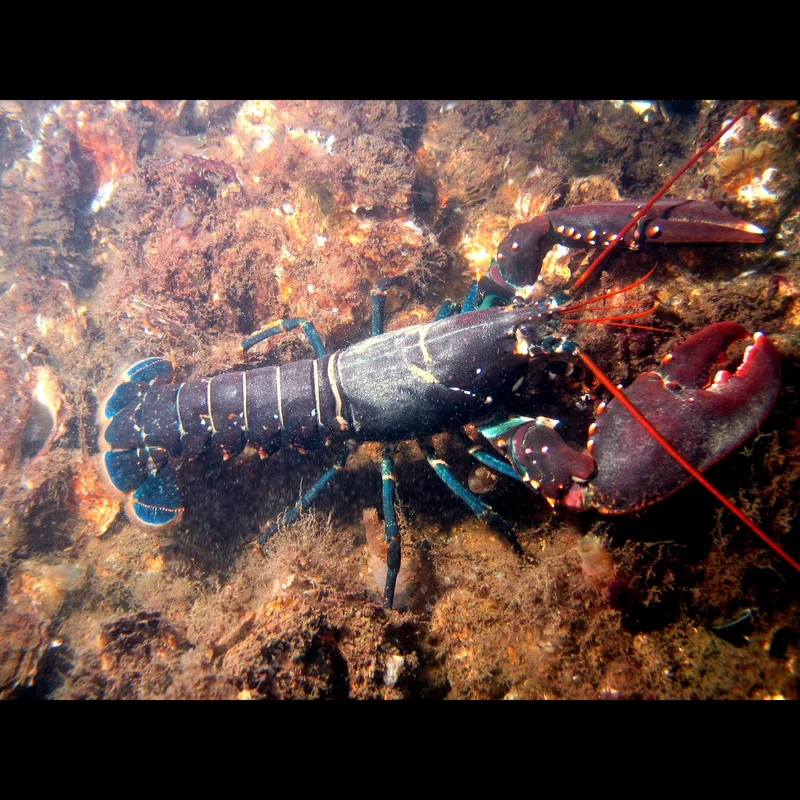
Observing large starfish, stonefish, rock lobsters, small octopuses, crabs, and various rays is also common. Even smaller packages of interesting marine life, such as a variety of shells, contribute to the vibrant ecosystem.
Dive Centers Near San Carlos, Sonora
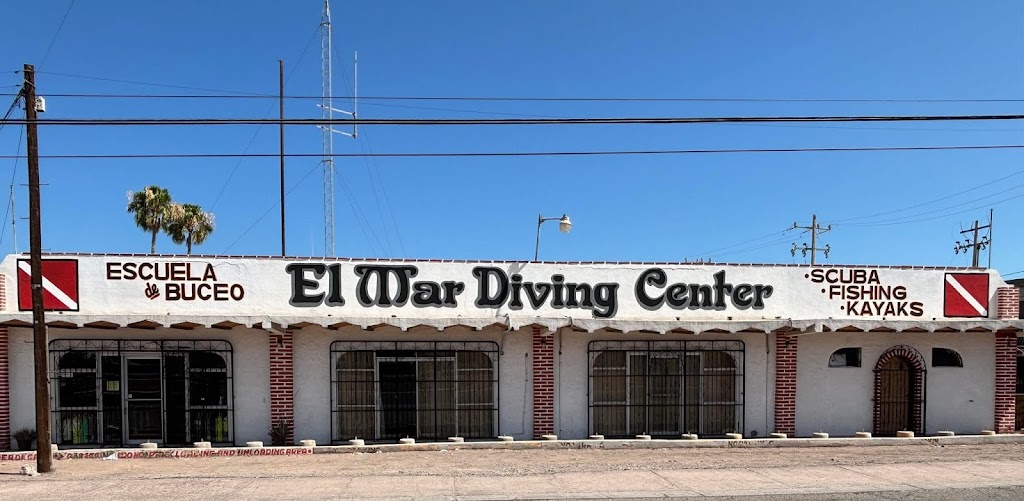
Today: 08:00 - 17:00
Nearest Airports
Nearest airports to help plan travel to this dive area.
Search Flights
Check available flights and routes on Expedia, using the nearby airports listed in this section.
Search Flights on ExpediaFrequently Asked Questions
What types of dive sites are available in San Carlos?
San Carlos offers a mix of natural reef systems, sea mounts, and artificial wrecks. You can explore islands like San Pedro Nolasco and Isla Pastel, or dive the purpose-sunk vessels such as the Santos Degollado, Suchiate, and the recently sunk Santos.
Can I dive with sea lions in San Carlos?
Yes, Isla San Pedro Nolasco is a popular site for diving and snorkeling with sea lions. This island is typically located 1-2 hours from San Carlos.
What kind of exposure protection is recommended for diving here?
To stay warm and comfortable underwater, a full 7 mm wetsuit is highly recommended. You'll also want 6.5-7 mm boots, 5 mm gloves, and a 6.5-7 mm hood due to varying water temperatures.
Are there opportunities for wreck diving certifications?
Yes, San Carlos is a suitable location to pursue PADI Wreck Specialty certification. Packages are often available that combine training dives with exploration of the local wrecks like the Santos Degollado.
Is San Carlos suitable for snorkelers or non-divers?
Absolutely. Many dive sites, particularly the artificial reefs, are designed to be viewable for snorkelers. There are also specific packages for snorkelers and non-divers, including options for boat trips without diving.
What are the common marine species divers might encounter?
Divers frequently see parrotfish, triggerfish, angelfish (King & Cortez), blennies, pufferfish, and wrasse. Encounters with sea lions, rays, rock lobsters, small octopuses, and a variety of shells are also common.
What is the Santos Degollado wreck?
The Santos Degollado, formerly the USS Gladiator, is a decommissioned Auk class minesweeper that served in WWII and the Korean War. It was sunk in San Carlos to create an artificial reef, measuring about 67 m (220 ft) long and standing 12 m (40 ft) tall.
Planning to dive San Carlos, Sonora?
Send one inquiry and receive offers directly from the best verified local dive operators.
Conditions are Excellent
07:00 - 14:00
Optimal conditions expected
Current conditions near San Carlos, Sonora show 31° air, 32° sea temperature, 0.5 m waves, and 19 km/h wind. Forecast data is refreshed regularly to ensure accuracy.