
Diving at Sistema Cocodrilo (Mexico)
Exploring a system such as Sistema Cocodrilo typically involves navigating intricate subsurface passages, common in Mexico's karst topography. These formations often reveal networks of tunnels and chambers, shaped by millennia of geological activity. Divers traverse environments where freshwater meets saltwater, creating visible haloclines. Such systems are characterized by unique rock formations and potential for vast, interconnected spaces. Understanding the layout requires careful planning and experienced guidance for a rewarding experience.
Evening condition tracking at Sistema Cocodrilo features an air temperature of 27.5°C. We have recorded wave heights measuring 0.8 m during this period. These figures outline the environmental parameters currently present.
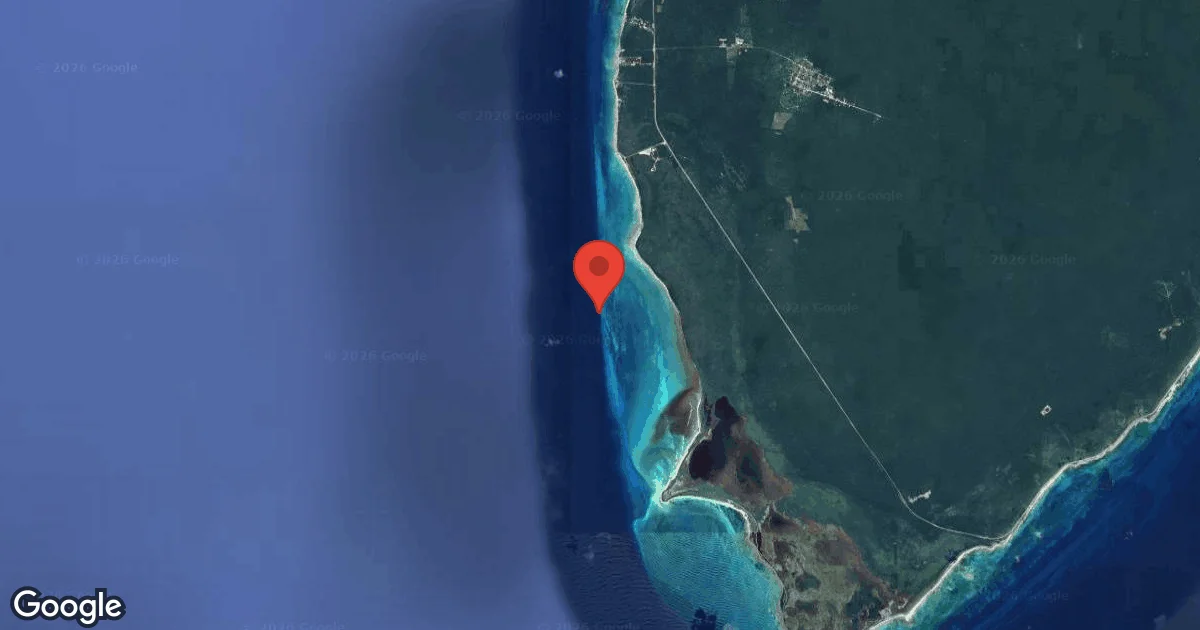
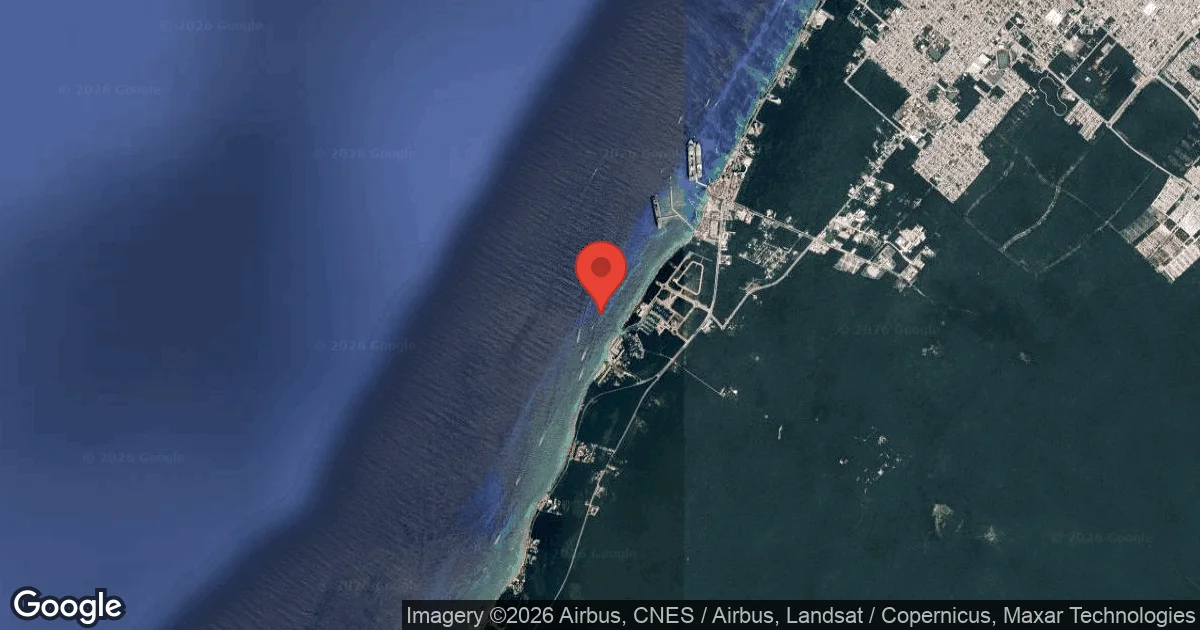
Dive Site Location & Key Facts
Dive Site Overview
The geological genesis of submerged systems like Sistema Cocodrilo traces back millions of years, as limestone bedrock fractured and eroded, forming vast underground caverns. Over time, these filled with water, creating the unique environments divers explore today.
In the broader Mexican context, these subterranean water bodies, often referred to as cenotes, held profound cultural and spiritual significance for ancient Mayan civilizations. They served as vital water sources, ceremonial sites, and, for some, entrances to the underworld. Contemporary diving within these systems connects explorers to this rich heritage, navigating geological formations that have remained undisturbed for millennia.
While specific details for Sistema Cocodrilo are not readily available, such systems generally present a journey through distinct freshwater and saltwater layers, often revealing incredible light effects where shafts penetrate the surface. The inherent stillness of these enclosed environments contrasts sharply with oceanic dives, requiring a different approach to buoyancy and propulsion.
Exploring these systems requires a mindful appreciation for their delicate ecosystems and ancient formations. These dives offer a distinct perspective, moving through environments that tell a geological story in every stalactite and stalagmite, inviting divers to connect with a timeless natural history.
Conditions are Excellent
07:00 - 14:00
Optimal conditions expected
Current conditions near Sistema Cocodrilo show 28° air, 30° sea temperature, 0.5 m waves, and 9 km/h wind. Forecast data is refreshed regularly to ensure accuracy.
Best Time to Dive
Optimizing your diving experience at systems within this region largely depends on atmospheric conditions influencing surface access and overall comfort. Air temperatures generally range from 24-29°C (75-84°F) throughout the year, making surface intervals pleasant at any time. For minimal rain, the period from January through May typically sees the lowest precipitation, averaging just 0.8-1.6 mm. This drier season can contribute to clearer overhead conditions for entry points and less surface runoff. While water temperatures for Sistema Cocodrilo aren't consistently reported, other local dive sites typically feature stable temperatures, suggesting a consistent environment. During months like August and September, wind speeds tend to be lower, around 13-14 km/h (8-9 mph), potentially offering calmer surface conditions around entries. Rainfall picks up from June to November, peaking around 5-8 mm, which might affect visibility in shallower, open cenote areas. Dive scores remain consistently good (7-8) across all months, indicating favorable conditions year-round, but choosing the drier, less windy months could enhance overall comfort and ease of access.
PEAK SEASON SCORE
Scores combine air & water temps, waves, wind & rainfall for overall conditions.
BEST MONTHS TO DIVE
Monthly records compiled from satellite and marine observation nodes over the last 3 years. Data provided by Open-Meteo and MET Norway.
Dive Experience & Conditions
Descending into a cave system like Sistema Cocodrilo often presents a profound sensory shift. Visibility typically remains exceptional, often exceeding 30 meters (100 ft), as the water filters through the limestone bedrock. The stillness underwater is striking; without ocean currents, movements feel deliberate and controlled. You might feel a distinct temperature change as you pass through a halocline, where colder, denser saltwater meets warmer freshwater. Light penetration varies dramatically; from sunbeams piercing open areas to absolute darkness in deeper passages, requiring reliable dive lights. The feeling of vast, enclosed spaces can be both awe-inspiring and demanding, calling for precise buoyancy control and a calm demeanor. Flow inside these systems is minimal or absent, creating an environment focused on exploration and observation rather than drift. Each turn can reveal new rock formations, emphasizing the ancient, sculpted nature of the surroundings. It's an environment that encourages introspection and careful navigation.
Dive Difficulty & Safety Guidelines
Approaching any overhead environment, including systems similar to Sistema Cocodrilo, demands specific training and strict adherence to established protocols. Always dive with a certified cave or cavern guide, even in what appear to be straightforward passages. Maintaining excellent buoyancy control is paramount to avoid disturbing the silty bottom and compromising visibility for yourself and others.
Proper line following is non-negotiable for safe navigation, ensuring a clear path for entry and exit. Divers must carry redundant light sources, as natural light diminishes quickly away from entry points.
Plan your gas consumption conservatively, accounting for the unique challenges of overhead diving. Never exceed your training limits.
Respecting the fragile formations within these systems is also crucial; accidental contact can cause irreparable damage to geological structures that took millennia to form.
Recommended Equipment
- Dive Computer
This gear list is based on verified equipment signals for Sistema Cocodrilo, Mexico. Always confirm final gear choices with your dive operator, guide, or liveaboard.
Recommended Dive Suit
Conditions in the coming days are expected to stay within a similar temperature range.
Factors such as dive duration, depth, and activity level can influence how warm a diver feels underwater.
Dive skin or rash guard typically balances flexibility and thermal protection in these temperatures. A hood or vest is suggested for sensitive divers due to surface winds. The latest environmental readings for Sistema Cocodrilo suggest water temperatures around 30°C (86°F). Surface air temperatures are resting at 28°C (82°F).
Due to technical issues with our weather providers, data hasn't been fetched for over 48 hours. The data above reflects the conditions at the time of the last successful fetch.
Emergency & Medical Support
Essential information to help you plan your dive trip to Sistema Cocodrilo.

Hyperbaric chambers are a critical part of dive safety infrastructure. Availability varies significantly by region, and not all dive areas have immediate access.
Before diving, it's recommended to:
- confirm nearest medical facilities
- check emergency procedures with local dive operators
- ensure dive insurance covers evacuation if required
Divers Alert Network
Diving emergency assistance available through DAN World.
+1-919-684-9111- 24/7 emergency hotline
- Diving medical assistance
- Evacuation coordination
Emergency contacts are provided for reference. Always verify local emergency services before diving.
Marine Life at Sistema Cocodrilo
Unique geology in these submerged systems creates a distinctive underwater landscape where marine life adaptations are often subtle. While not teeming with large pelagics, these environments support specialized inhabitants.
Divers might encounter blind cave fish, adapted to perpetual darkness, or various crustaceans living in interstitial spaces. Occasionally, in areas closer to the surface or openings, small freshwater fish or turtles can be observed.
A primary highlight, however, often lies in the ancient formations themselves: intricate stalactites, stalagmites, and columns compose a calcified artistry, reflecting the slow, persistent work of water and minerals over geological timescales. This sculpted environment becomes the central focus of observation.
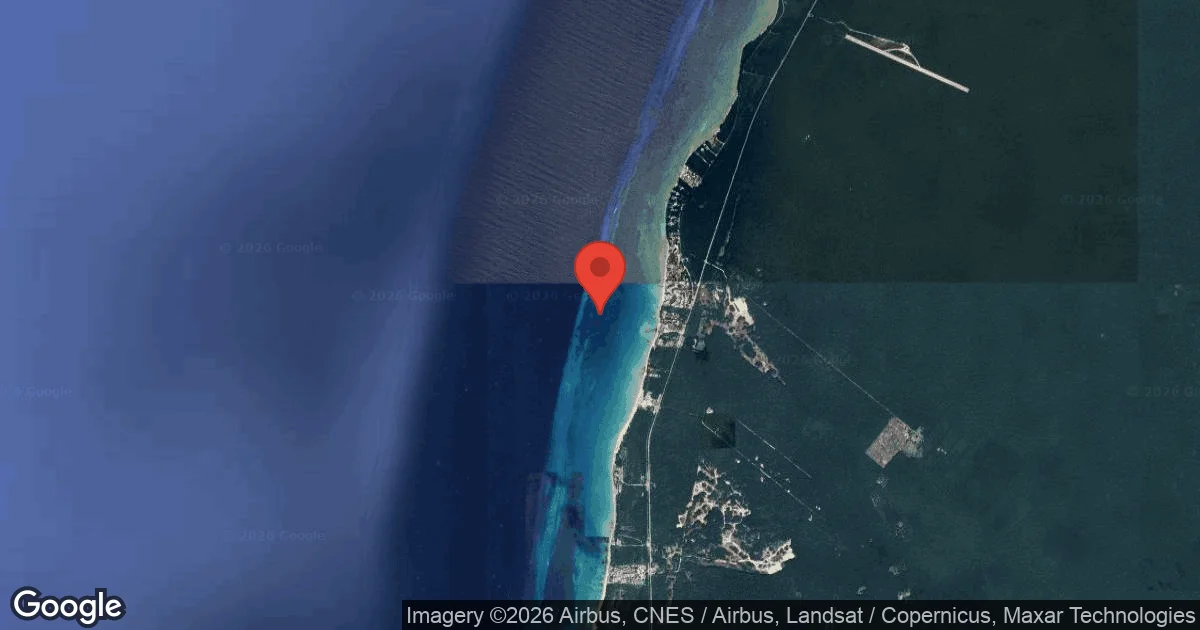
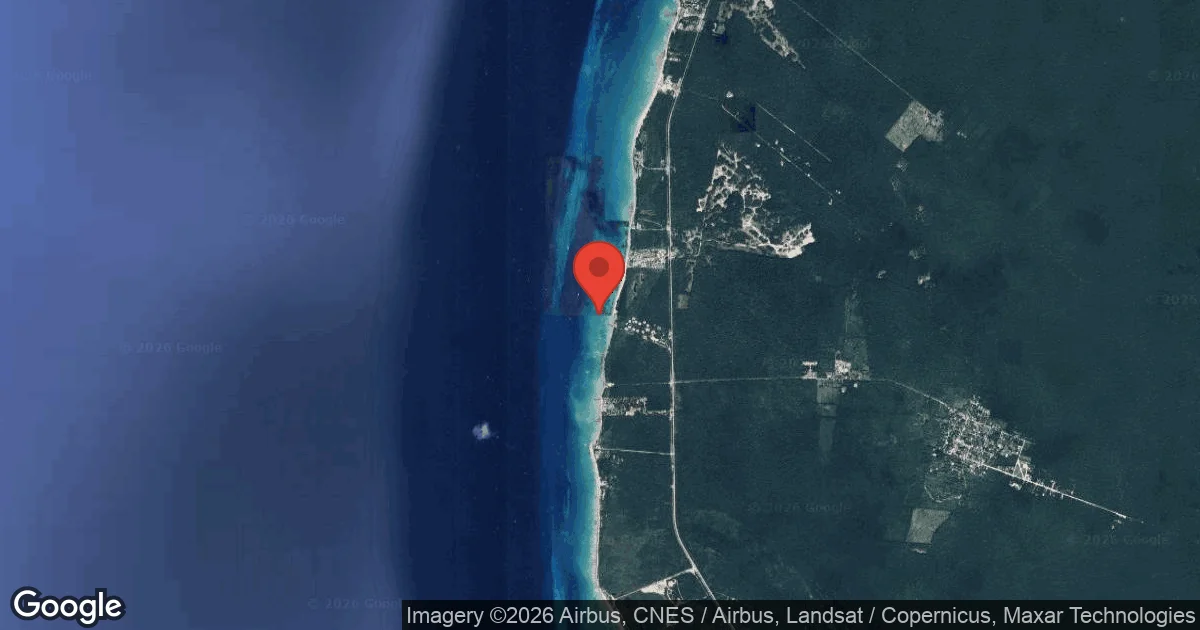
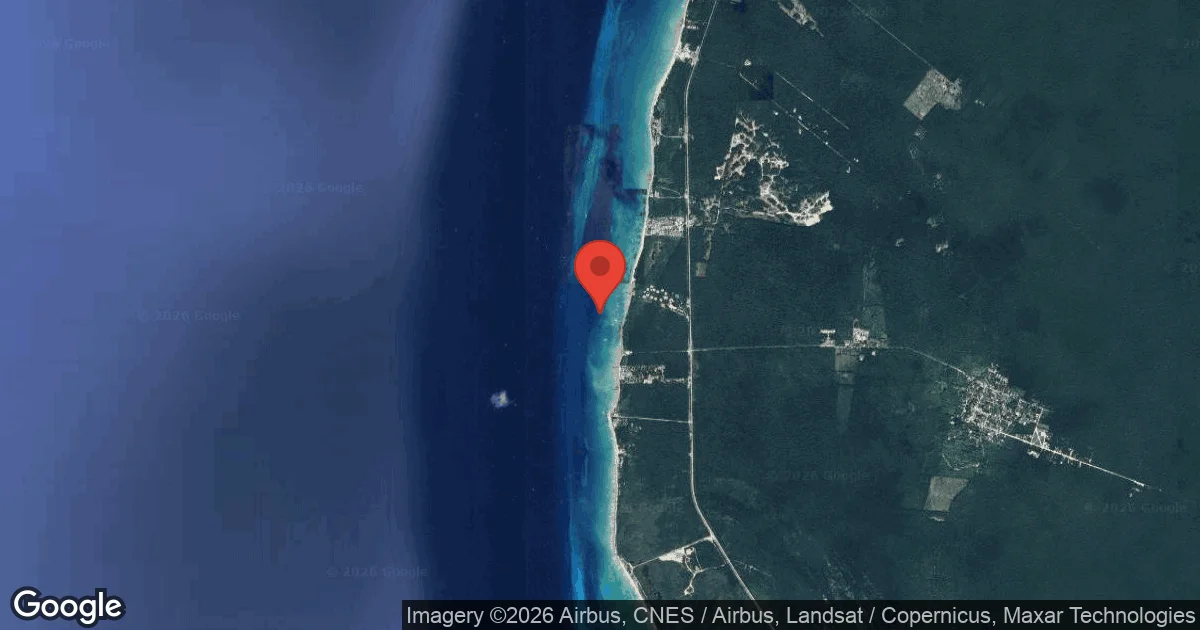
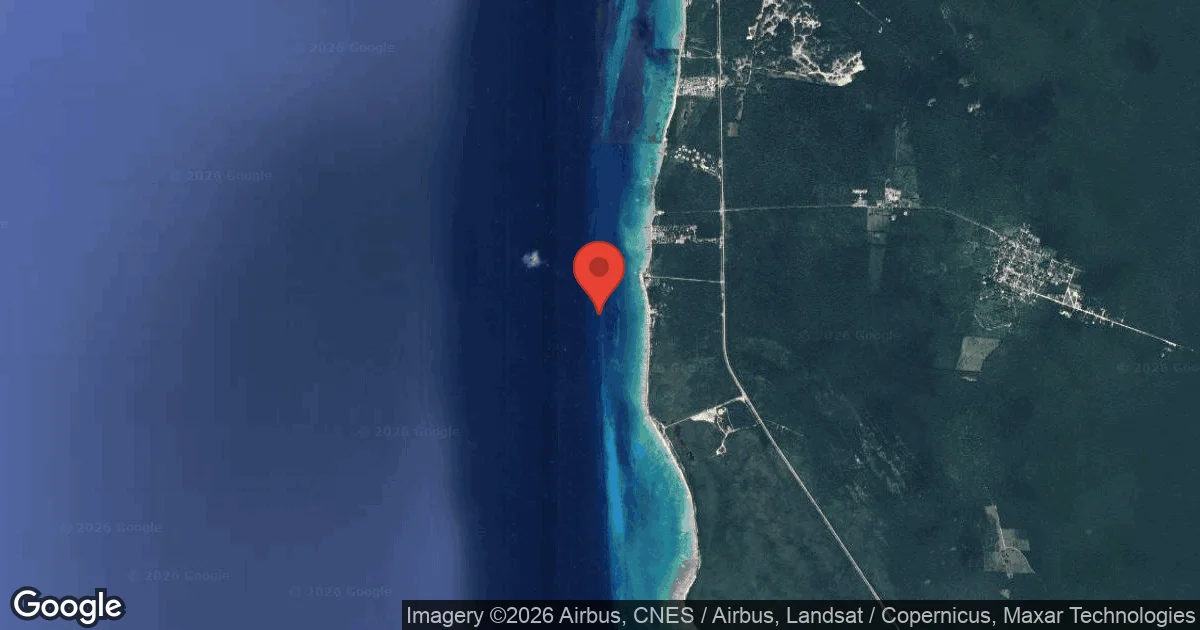
Dive Sites Near Sistema Cocodrilo
View all dive sites in MexicoDiscover more underwater gems in this area.
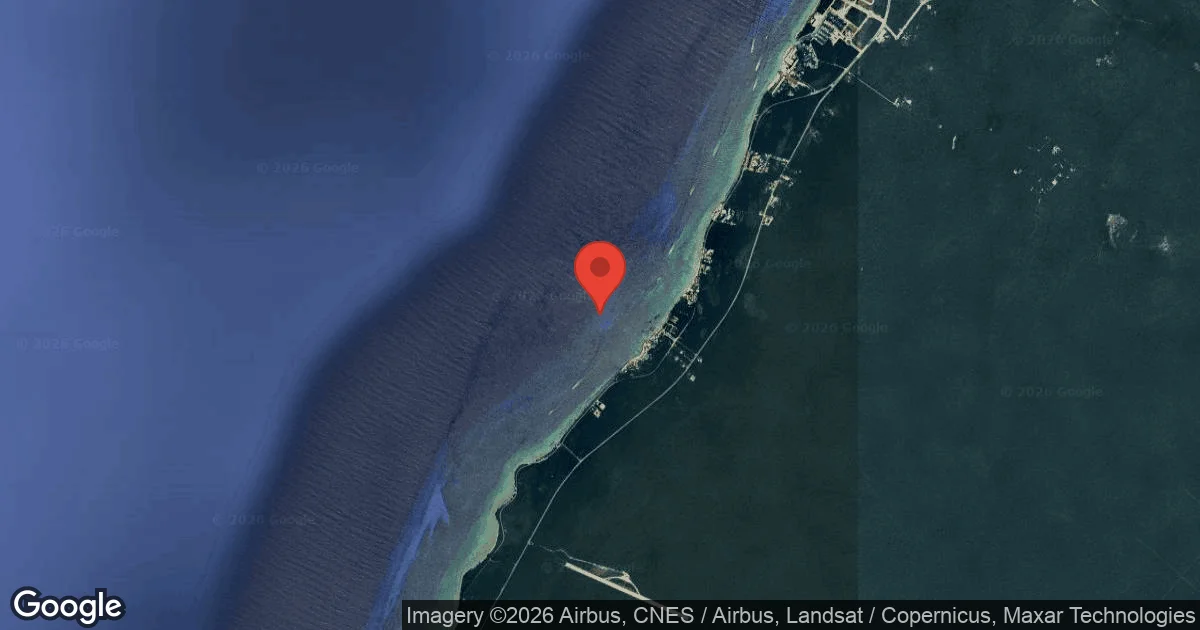
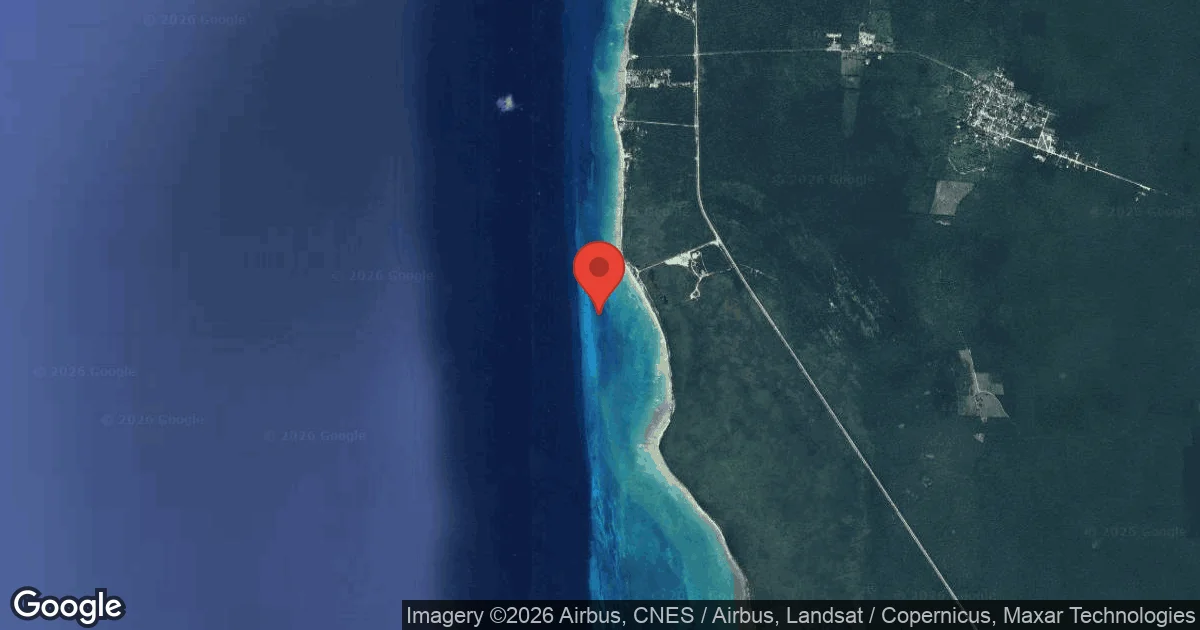
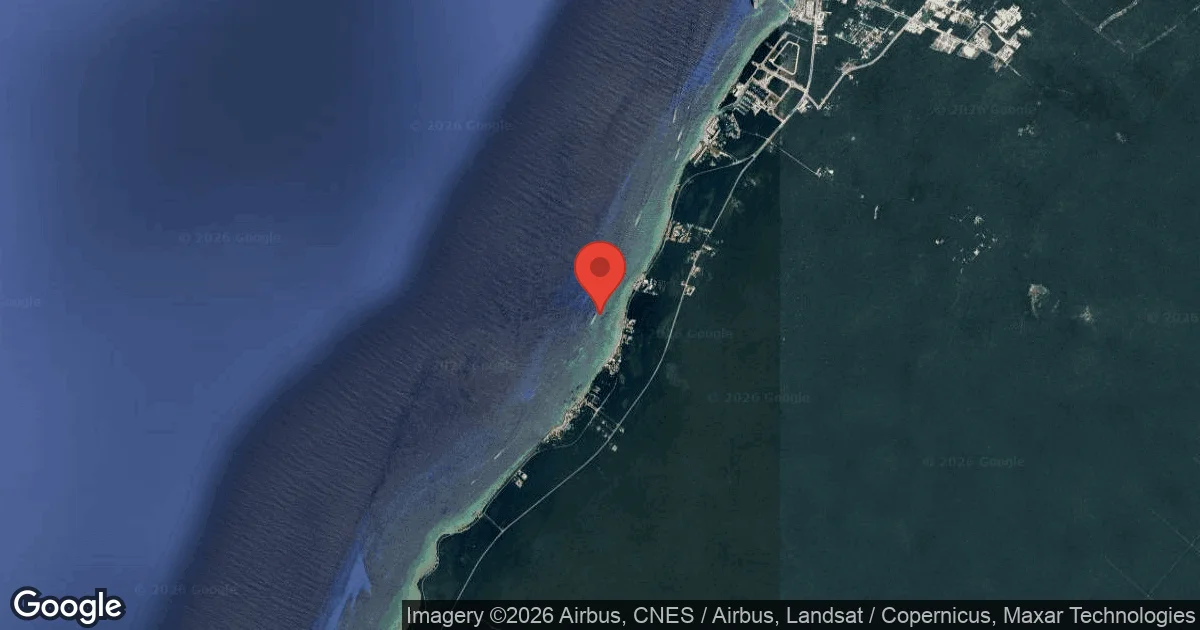
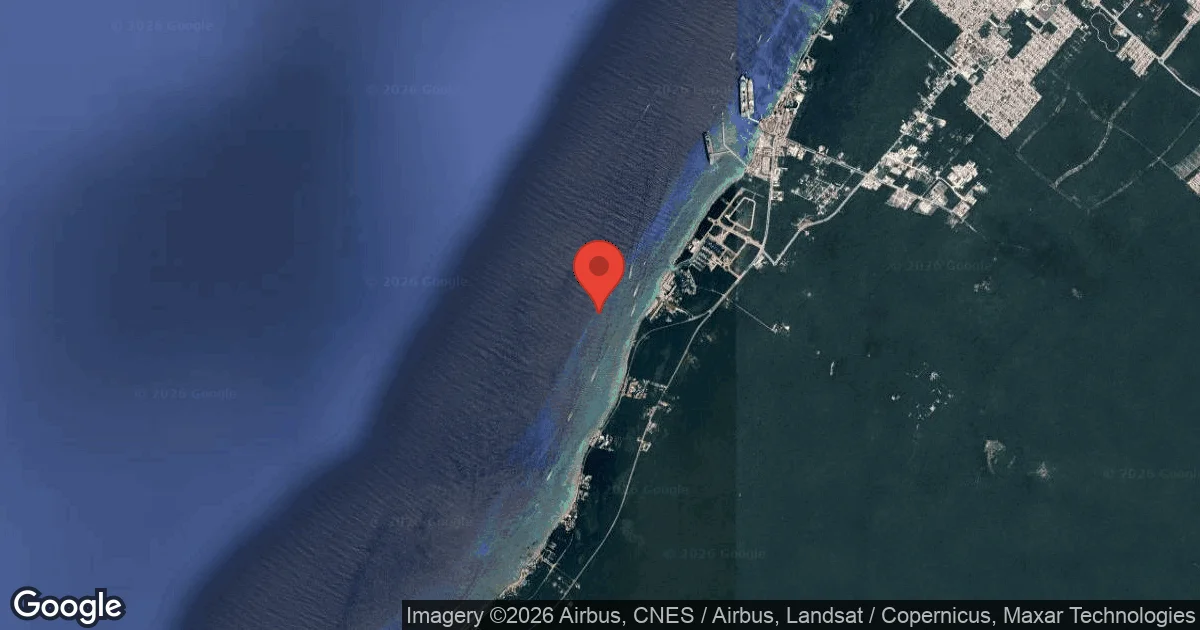
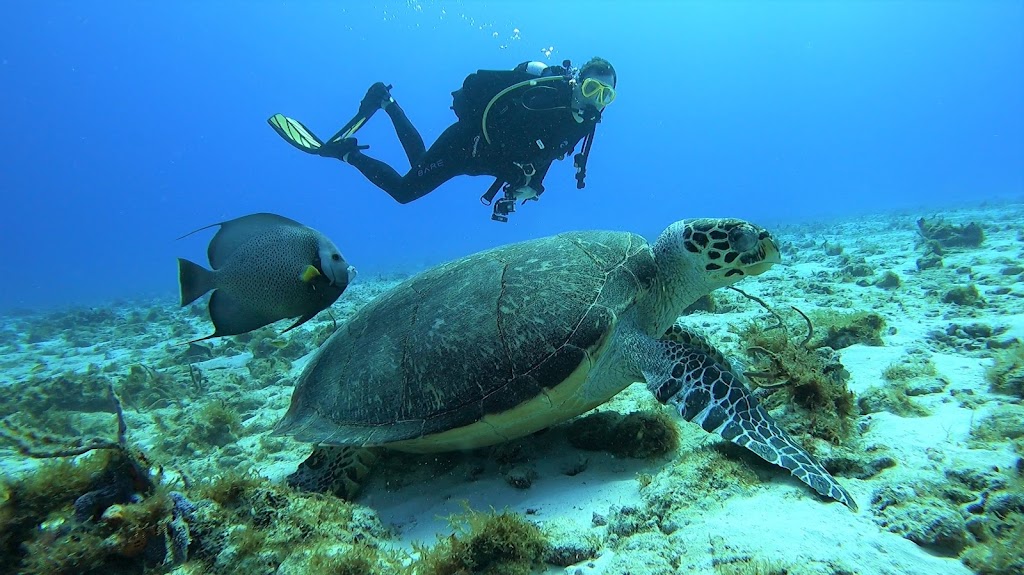
Dive Centers Near Sistema Cocodrilo
Today: 07:00 - 18:00
Nearest Airports
Nearest airports to help plan travel to this dive area.
Search Flights
Check available flights and routes on Expedia, using the nearby airports listed in this section.
Search Flights on ExpediaFrequently Asked Questions
Is Sistema Cocodrilo suitable for beginner divers?
Entry-level open water certification isn't sufficient for overhead environments like this system. Specialized cavern or cave training is required due to the unique challenges of limited overhead access and navigation.
What is a halocline?
A halocline is a distinct layer where freshwater meets saltwater, creating a visible shimmering effect due to different refractive indices. Passing through it, divers can experience a temporary blur and a temperature change.
Are there currents within the system?
Unlike ocean dives, significant currents are typically absent in these enclosed systems. This allows for very still and controlled diving, though proper propulsion techniques are still crucial.
What kind of visibility can be expected?
Visibility is generally excellent, often exceeding 30 meters (100 ft), as the water is filtered through the limestone. Disturbing the silty bottom, however, can quickly reduce visibility.
What training is needed to dive in such a system?
To explore overhead environments safely, divers need at least Cavern Diver certification. Deeper penetration into more complex areas requires full Cave Diver training.
Can I dive Sistema Cocodrilo independently?
No, diving an overhead system like this requires an experienced, certified cave or cavern guide. This ensures safety, proper navigation, and adherence to environmental guidelines.
Planning to dive Sistema Cocodrilo?
Send one inquiry and receive offers directly from the best verified local dive operators.
Conditions are Excellent
07:00 - 14:00
Optimal conditions expected
Current conditions near Sistema Cocodrilo show 28° air, 30° sea temperature, 0.5 m waves, and 9 km/h wind. Forecast data is refreshed regularly to ensure accuracy.