Loading...

Diving at Sankisan Maru (Micronesia)
Published
Last updated
Resting upright just off the west-southwest shore of Uman Island in Chuuk Lagoon, Sankisan Maru—also indexed in wartime records as Yamakisan Maru—combines Chuuk's most vibrant shallow mast coral garden with wide-open World War II cargo holds documented by Divers Alert Network. After a massive magazine detonation during Operation Hailstone on 18 February 1944 obliterated her entire stern, the intact 95 m / 312 ft forward hull settled on an even keel with her foremast rising to just 3 m / 10 ft, weather deck at 15 m / 50 ft, and seabed at 24 to 28 m / 79 to 92 ft. Ideal for Open Water and Intermediate wreck divers escorted by a licensed Chuukese guide, her sunlit decks and holds showcase Isuzu military trucks, aircraft radial engines, and crates of small-arms ammunition.
Current morning readings from Sankisan Maru indicate an air temperature of 29°C. Surface wave heights are averaging around 1.3 m at this time. These local measurements provide a baseline for your daily dive planning.
Dive Site Location & Key Facts
Site Characteristics
Max Depth
28m92ft
Visibility
20m66ft
Entry TypeBoat
Water Typesalt
Dive Types
ArchaeologicalReefWreck
Dive Site Overview
Completed in March 1942 as a 4,776-gross-ton Standard Type B cargo vessel measuring 112.2 to 113 m / 368 to 371 ft overall according to the IJN Tokusetsu Kansen archival database and Item #31 of the U.S. National Park Service Truk Lagoon NHL nomination, Sankisan Maru was requisitioned by the Imperial Japanese Navy in October 1943 and steamed into Chuuk on 12 February 1944—just five days before the American carrier raid. During Operation Hailstone on 17–18 February 1944, Task Force 58 dive- and torpedo-bombers struck her aft holds packed with high-explosive munitions.
The resulting magazine explosion vaporized the stern section and sent the 95 m / 312 ft forward and midships hull straight down onto sand at 24 m / 79 ft beneath the bow and 28 m / 92 ft at the severed midships blast rim mapped in Bill Jeffery's side-scan sonar survey. Because the main weather deck sits at a bright 15 m / 50 ft and wide cargo hatches lie completely open to natural tropical sunlight, divers enjoy long, relaxed no-decompression bottom times.
Along the forward weather deck and inside Hold No. 1 sit six Isuzu cargo truck chassis with intact rubber tires and steering columns beside glass medicine bottles and hundreds of thousands of 7.7 mm machine-gun rounds, while Holds No. 2 and No. 3 contain crated aircraft radial engines and wings highlighted in the 2024 NPS Chuuk StoryMap. Rising to within 3 m / 10 ft of the surface, the surviving forward mast now supports one of the densest soft-coral gardens in Micronesia.
Sankisan Maru
Conditions are Moderate
6/10
Confidence: 8/10
Indicates meteorological model agreement and data availability.
Best Dive Window
Optimal conditions expected
06:12
18:45
H: 10:45
L: 16:20
Air / Sea Temp
29° / 29°
Wave Height
1.3 m
Wind Speed
31 km/h ENE
Rain Chance
50%
Current conditions near Sankisan Maru show 29° air, 29° sea temperature, 1.3 m waves, and 31 km/h wind. Forecast data is refreshed regularly to ensure accuracy.
Radius: ~12km
Updated: Nov 25, 2026, 13:57 local timeMARINE: OPEN-METEOWEATHER: YR.NO
Best Time to Dive
Tucked in the lee of Uman Island inside Chuuk Lagoon, Sankisan Maru is diveable year-round in warm 28 to 30°C / 82 to 86°F water with negligible currents and 15 to 30 m / 50 to 100 ft visibility per SPREP's Chuuk Lagoon oceanographic report. December through April brings crisp trade-wind skies and brilliant overhead sunbeams illuminating the 3 to 15 m / 10 to 50 ft foremast and deck trucks.
June through October delivers calm lagoon boat rides from Weno, making Sankisan Maru an outstanding second or third dive of the day after a deeper morning wreck. Even after tropical rain showers, Uman Island's leeward shelter keeps surface chop minimal around the foremast.
PEAK SEASON SCORE
74/100
GoodScores combine air & water temps, waves, wind & rainfall for overall conditions.
BEST MONTHS TO DIVE
JUL
AUG
SEP
DIVE SCORE GUIDE (0–100)
Excellent (90–100)
Very Good (80–89)
Good (70–79)
Moderate (50–69)
Poor (30–49)
Not Recommended (0–29)
Monthly records compiled from satellite and marine observation nodes over the last 3 years. Data provided by Open-Meteo and MET Norway.
Dive Experience & Conditions
Dive boats run 25 minutes south from Weno to Uman Island, mooring beside the shallow foremast whose coral-festooned crosstrees reach within 3 m / 10 ft of the surface. Dropping down the mast to the 15 m / 50 ft forward weather deck, divers photograph three coral-encrusted Isuzu military truck frames with recognizable fenders, tires, and engine blocks bathed in natural daylight. Wide, unobstructed hatch coamings lead down into Hold No. 1 between 18 and 24 m / 59 and 79 ft, where additional trucks sit alongside wooden cases of 7.7 mm machine-gun cartridges and cobalt-blue and amber medicine bottles described by Divers Alert Network.
Swimming aft through Holds No. 2 and No. 3 reveals radial aircraft engines and spare airframe components before the hull ends dramatically in twisted, outward-peeled steel plating at the 24 to 28 m / 79 to 92 ft midships blast zone. Currents stay gentle at under 0.5 knots, and teams spend their final 15 minutes spiraling slowly up the 3 to 12 m / 10 to 40 ft foremast—widely regarded as the densest soft-coral mast garden in Chuuk Lagoon.
Dive Difficulty & Safety Guidelines
Generous 3 to 24 m / 10 to 79 ft depths make Sankisan Maru accessible to Open Water and Intermediate divers for exterior deck and open-hatch viewing, always accompanied by a certified Chuukese guide with a mandatory $30 State Monument permit under Chuuk State Law No. 5-99-19. Never touch, pocket, or rearrange small-arms bullets, medicine bottles, or ordnance, which is a criminal offense under Chuuk State and FSM historic preservation statutes.
Critical chemical and UXO warning: Underwater heritage investigations by Bill Jeffery on ResearchGate and the 2024 NPS StoryMap document corroded Japanese depth charges in the deeper 24 to 28 m / 79 to 92 ft aft blast zone leaching toxic picric acid (shimose explosive), which creates a localized dead zone on the seabed and can cause severe chemical skin burns or detonation if disturbed. Chemical assays in Frontiers in Marine Science also detected pockets of trapped aviation gasoline, diesel, and bunker oil at 28 m / 92 ft in the ruined machinery space, so keep your tour focused on the safe, sunlit forward half and mast. Because Weno Island's volunteer chamber is basic and on-call only per Divers Alert Network, dive conservatively on Nitrox and maintain active evacuation coverage to U.S. Naval Base Guam.
Recommended Equipment
Overhead / entanglement risk. Wreck penetration requires proper training.
- Dive Computer
- DSMB
- Primary & Backup Lights
- Wreck Reel
- Cutting Tool
This gear list is based on verified equipment signals for Sankisan Maru, Micronesia. Always confirm final gear choices with your dive operator, guide, or liveaboard.
Recommended Dive Suit
Subtle variations in currents or depth can sometimes influence perceived water temperature.
Dive skin or rash guard tends to perform well in water temperatures like those currently observed here. Consider warmer surface protection (like a boat coat) due to brisk winds. Forecast models show minimal temperature variation in the coming days.
Divers heading to Sankisan Maru today should expect water temperatures around 29°C (85°F). Surface air temperatures are resting at 29°C (85°F).
Sankisan Maru conditions last reviewed: 13:57 local time (UTC+10), Nov 25, 2026
Emergency & Medical Support
Essential information to help you plan your dive trip to Sankisan Maru.

Hyperbaric chambers are a critical part of dive safety infrastructure. Availability varies significantly by region, and not all dive areas have immediate access.
Before diving, it's recommended to:
- confirm nearest medical facilities
- check emergency procedures with local dive operators
- ensure dive insurance covers evacuation if required
24/7 Available
Divers Alert Network
Diving emergency assistance available through DAN World.
+1-919-684-9111- 24/7 emergency hotline
- Diving medical assistance
- Evacuation coordination
Emergency contacts are provided for reference. Always verify local emergency services before diving.
Marine Life at Sankisan Maru
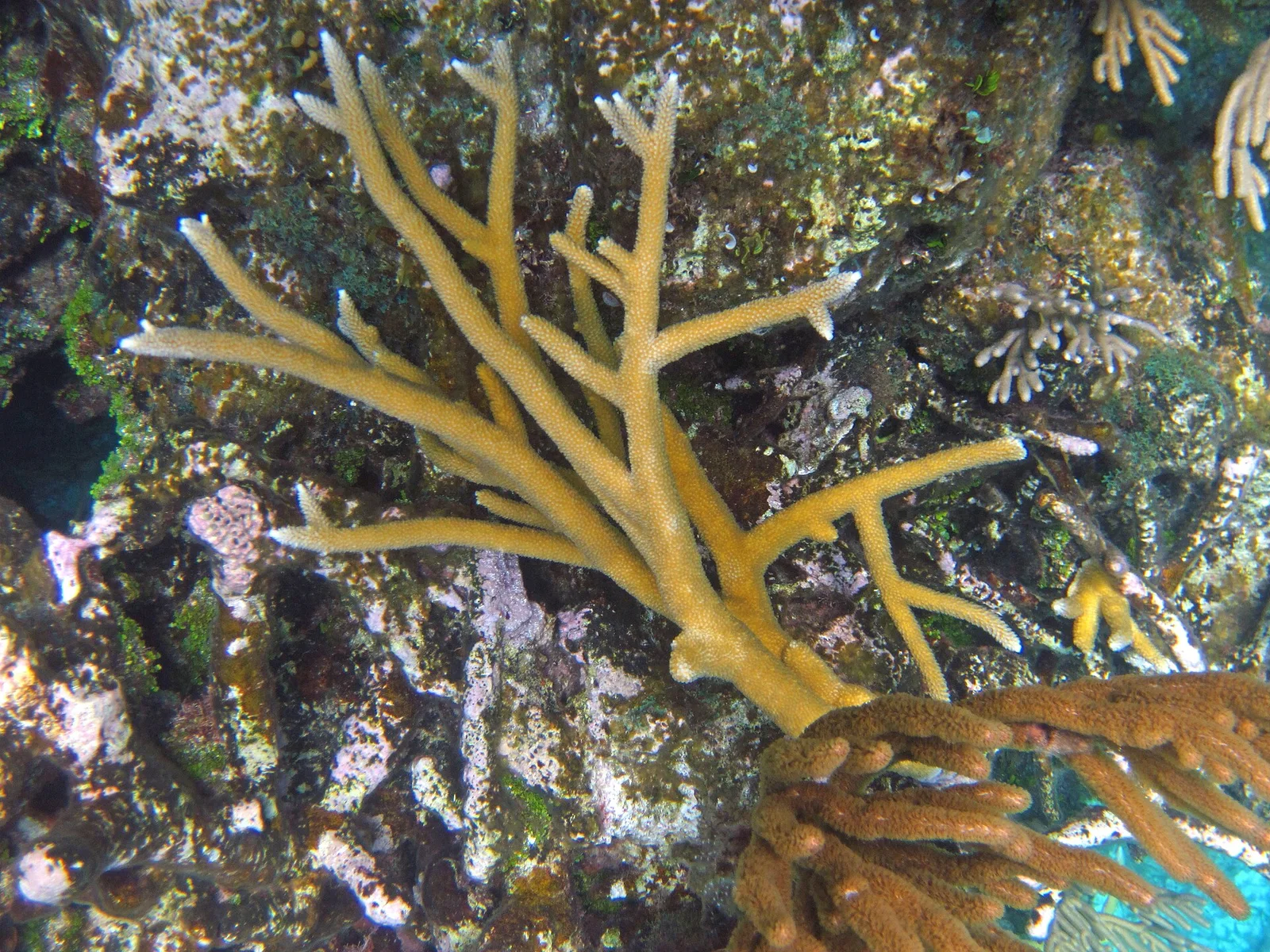
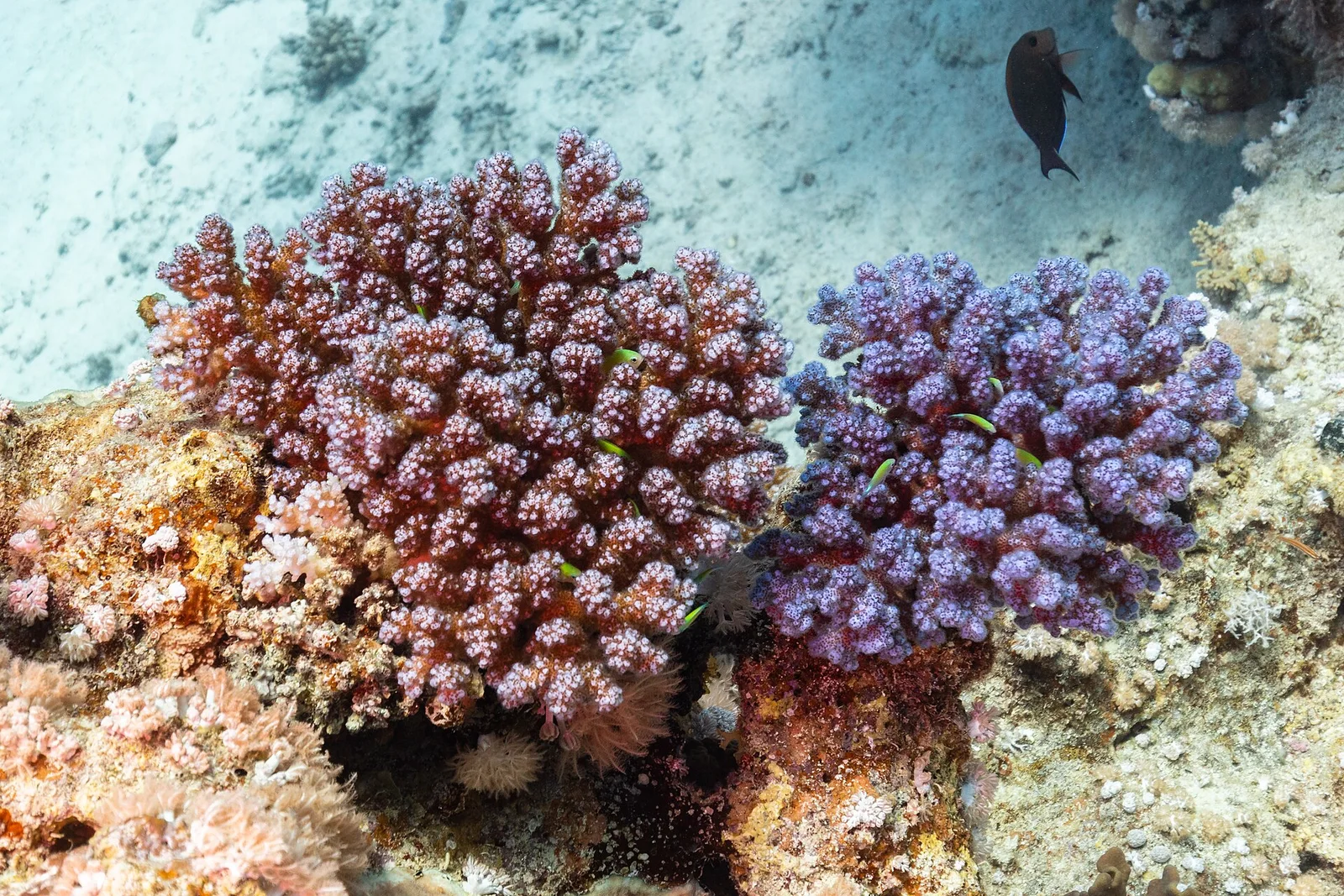
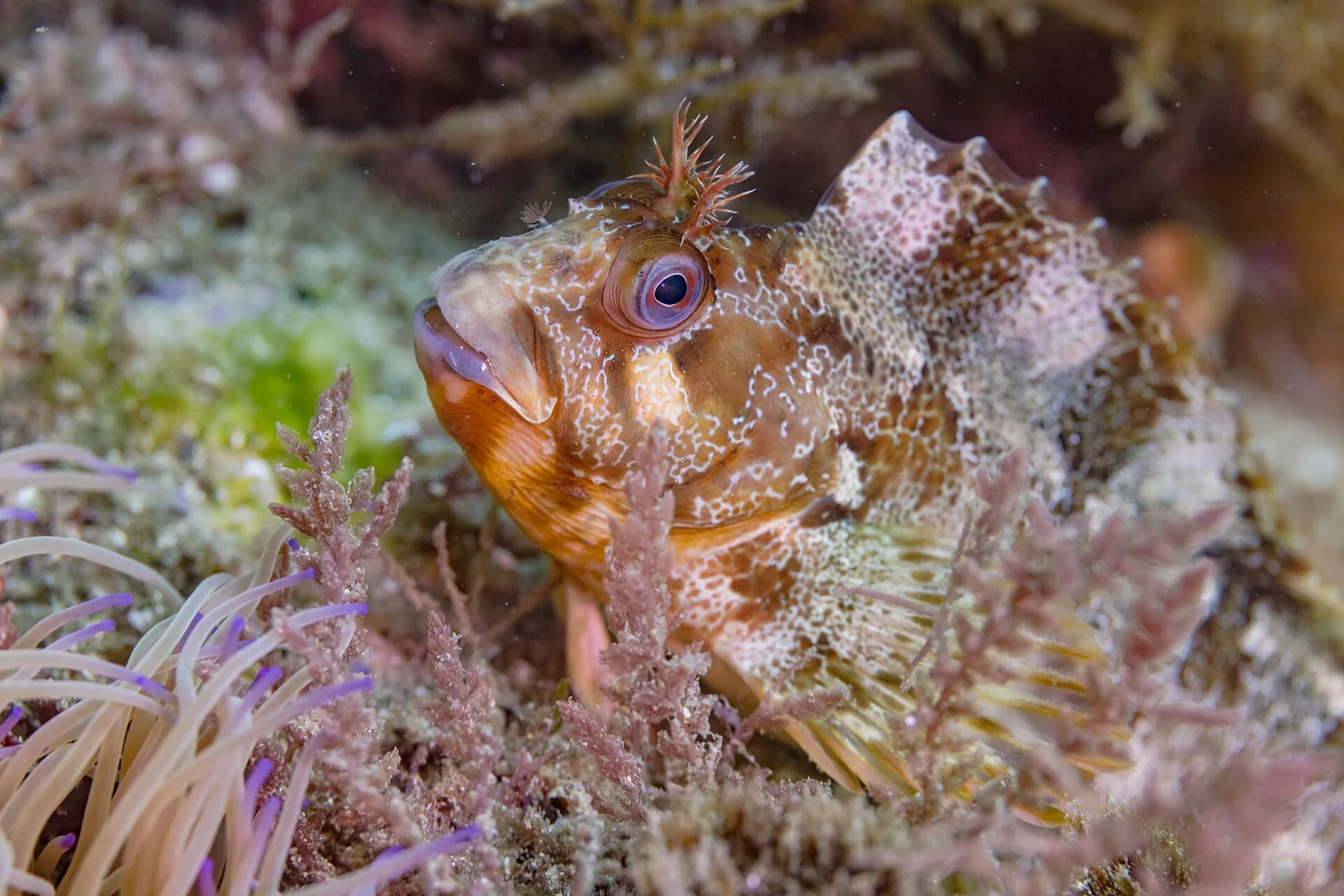
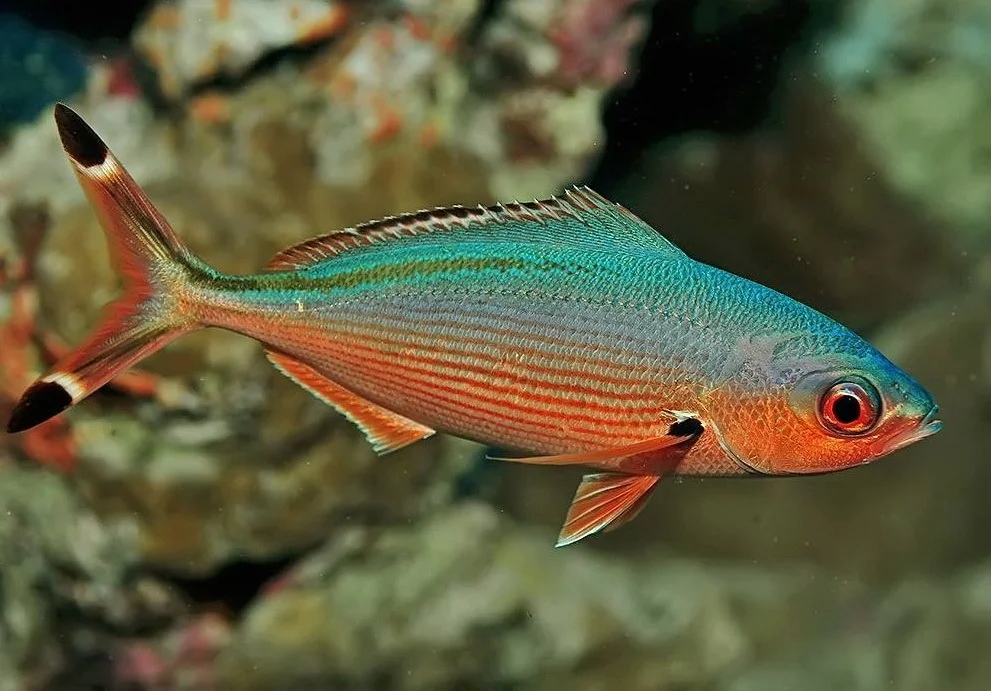
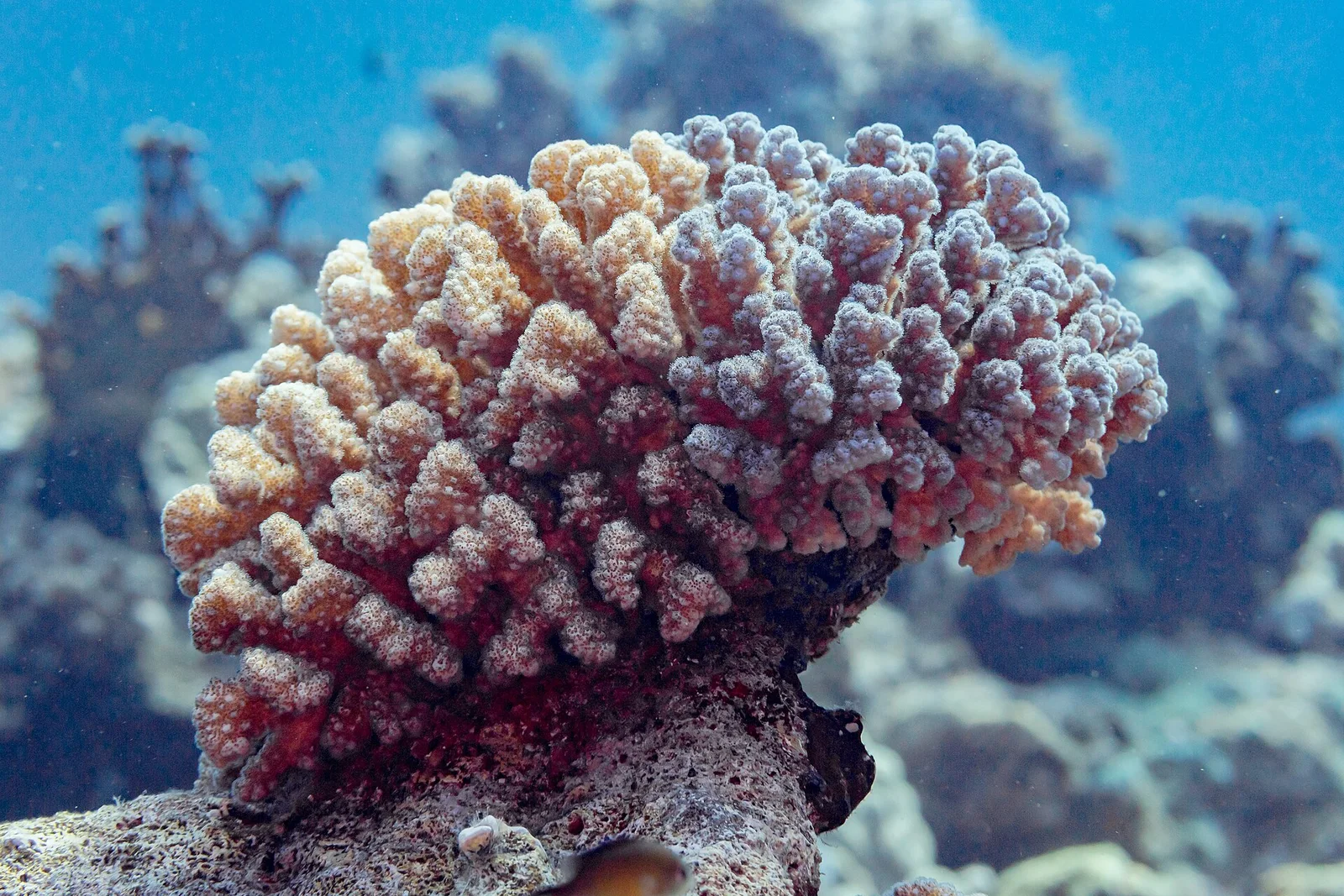
Rising into sunlit surface currents at 3 to 15 m / 10 to 50 ft, the foremast, crosstrees, and kingposts of Sankisan Maru blaze with thick clusters of pink, orange, and purple carnation soft corals (Dendronephthya), branching staghorn corals, sea anemones, and sponges highlighted by Divers Alert Network. Resident anemonefish, longnose hawkfish, blennies, damselfish, and spotfin lionfish weave through the truck cabs and mast rigging while yellowtail fusiliers and bluefin trevally school in mid-water.
By stark ecological contrast, the deeper 24 to 28 m / 79 to 92 ft aft blast perimeter exhibits visibly suppressed coral growth where picric acid slowly leaches from wartime ordnance as documented in the 2024 NPS Chuuk survey.
1 / 2
Image contributors:James St. John, Diego Delso
Want to contribute photos or local dive knowledge? Learn how to contributeDive Sites Near Sankisan Maru
View all dive sites in MicronesiaDiscover more underwater gems in this area.
Max 37 m
6.4 km
advancedFujikawa Maru
OceanReef
Max 38 m
15.2 km
intermediateShinkoku Maru
ArchaeologicalBoat
Max 64 m
9.5 km
advancedSan Francisco Maru
ArchaeologicalBoat
Max 48 m
11.4 km
advancedNippo Maru
ArchaeologicalBoat
Max 34 m
11.8 km
advancedYamagiri Maru
ArchaeologicalBoat
Max 38 m
23.3 km
advancedIJN Fumizuki
ArchaeologicalBoat
Max 37 m
6.4 km
advancedFujikawa Maru
OceanReef
Max 38 m
15.2 km
intermediateShinkoku Maru
ArchaeologicalBoat
Max 64 m
9.5 km
advancedSan Francisco Maru
ArchaeologicalBoat
Max 48 m
11.4 km
advancedNippo Maru
ArchaeologicalBoat
Max 34 m
11.8 km
advancedYamagiri Maru
ArchaeologicalBoat
Max 38 m
23.3 km
advancedIJN Fumizuki
ArchaeologicalBoat
Dive Centers Near Sankisan Maru
No Dive Centers Local To Sankisan Maru
Are you a dive center visiting this location? Get listed to reach divers.
Nearest Airports
Nearest airports to help plan travel to this dive area.
Chuuk International Airport TKK
19 km
💵 Currency: USD
Search Flights
Check available flights and routes on Expedia, using the nearby airports listed in this section.
Search Flights on ExpediaAffiliate link · Dive Navigator may earn a commission at no extra cost to you.
Frequently Asked Questions
What happened to the stern of the Sankisan Maru?
During Operation Hailstone on 18 February 1944, U.S. carrier bombs ignited high-explosive munitions stowed in the aft holds, triggering a massive magazine detonation that completely obliterated the stern and left the surviving 95 m / 312 ft forward hull upright. Twisted, blast-peeled hull plating behind Hold No. 3 still marks the exact edge of that explosion.
Why is Sankisan Maru suitable as a shallow second dive in Chuuk Lagoon?
Unlike deeper Chuuk wrecks, Sankisan Maru's coral-covered foremast rises to 3 m / 10 ft, her truck-lined weather deck sits at 15 m / 50 ft, and the forward cargo holds bottom out around 24 m / 79 ft. Those sunlit, moderate depths allow extended no-decompression bottom times ideal for photographing the trucks and soft-coral mast.
What is the picric acid hazard near the back of Sankisan Maru?
Corroded Japanese depth charges scattered in the 24 to 28 m / 79 to 92 ft aft blast zone slowly leach picric acid (shimose explosive), creating a barren patch on the seabed. Divers stay forward on the intact hull and never touch ordnance or sediment in the blast crater.
Why do some naval records call this ship Yamakisan Maru?
Both names come from the exact same Japanese kanji characters (山鬼山丸): 'Sankisan' uses the Sino-Japanese reading while 'Yamakisan' uses the native Japanese reading of the first character. Both U.S. National Park Service and Japanese naval archives cross-index the wreck under both spellings.
Are dive guides mandatory even on shallow Chuuk wrecks like Sankisan Maru?
Yes. Chuuk State Law No. 5-99-19 applies to every WWII vessel and aircraft inside the lagoon monument regardless of depth, requiring a monument permit and a certified Chuukese guide.
Trip Inquiry
Planning to dive Sankisan Maru?
Tell us your dates and diving needs. We'll review your request and seek offers from relevant local dive centers.
Request Dive Offers Free request for offers • No booking obligation
Sankisan Maru
Conditions are Moderate
6/10
Confidence: 8/10
Indicates meteorological model agreement and data availability.
Best Dive Window
Optimal conditions expected
06:12
18:45
H: 10:45
L: 16:20
Air / Sea Temp
29° / 29°
Wave Height
1.3 m
Wind Speed
31 km/h ENE
Rain Chance
50%
Current conditions near Sankisan Maru show 29° air, 29° sea temperature, 1.3 m waves, and 31 km/h wind. Forecast data is refreshed regularly to ensure accuracy.
Radius: ~12km
Updated: Nov 25, 2026, 13:57 local timeMARINE: OPEN-METEOWEATHER: YR.NO