Loading...

Diving at Shinkoku Maru (Micronesia)
Published
Last updated
Sitting upright on an even keel northwest of Fefan Island, the 160.2 m / 526 ft Imperial Japanese Navy fleet oiler Shinkoku Maru blends Pearl Harbor naval history with one of the richest soft-coral artificial reefs in the Pacific as surveyed by Coral Cay Conservation. Sunk by aerial torpedo on 18 February 1944 during Operation Hailstone, her coral-draped bow gun and upper superstructure start at an accessible 12 m / 40 ft above an 18 m / 59 ft tank deck and 36 to 38 m / 118 to 125 ft stern propeller. Welcoming Intermediate and Advanced wreck and night divers escorted by a certified Chuukese guide, she preserves a famous midships medical operating table, tiled aft galley stoves, and soaring Dendronephthya soft-coral gardens.
Early observations for Shinkoku Maru report a surface air temperature of 29°C. The water surface is currently presenting wave heights of 1.1 m. Consider these environmental metrics before beginning your descent.
Dive Site Location & Key Facts
Site Characteristics
Max Depth
38m125ft
Visibility
22m72ft
Entry TypeBoat
Water Typesalt
Dive Types
ArchaeologicalDeepReef
Dive Site Overview
Completed in February 1940 by Kawasaki Dockyard Co. in Kobe at 10,020 GRT for Kobe Sanbashi K.K., Shinkoku Maru measured 160.2 m / 526 ft overall (153.4 m / 503 ft between perpendiculars) with a 19.8 m / 65 ft beam according to CombinedFleet's Shinkoku Maru class specification and Kawasaki-type oiler archival records. Requisitioned by the Imperial Japanese Navy in August 1941, she refueled Vice Admiral Nagumo's carrier strike force en route to Pearl Harbor in December 1941 and served at the Indian Ocean raids and the Battle of Midway.
Fortunately for Chuuk's ecosystem, she pumped most of her bulk fuel into Tonan Maru No. 3 shortly before U.S. Task Force 58 launched Operation Hailstone on 17–18 February 1944. Damaged by daytime bombs and night radar strikes from USS Enterprise VT-10 Avengers before a Mark XIII aerial torpedo tore into her port quarter on 18 February 1944, she settled upright on the seabed with 86 men killed.
Recent archaeological updates in the 2024 National Park Service Chuuk StoryMap by Jeffery and Ishii note two major modern milestones: an August 2018 tropical storm partially collapsed the upper midships wheelhouse, and a 2023 Japanese government mission respectfully recovered accessible human remains for repatriation while leaving the ship's famous surgical operating table and telegraph in situ.
Shinkoku Maru
Conditions are Moderate
6/10
Confidence: 8/10
Indicates meteorological model agreement and data availability.
Best Dive Window
Optimal conditions expected
06:12
18:45
H: 10:45
L: 16:20
Air / Sea Temp
29° / 29°
Wave Height
1.1 m
Wind Speed
33 km/h ENE
Rain Chance
100%
Current conditions near Shinkoku Maru show 29° air, 29° sea temperature, 1.1 m waves, and 33 km/h wind. Forecast data is refreshed regularly to ensure accuracy.
Radius: ~12km
Updated: Nov 25, 2026, 08:30 local timeMARINE: OPEN-METEOWEATHER: YR.NO
Best Time to Dive
Twenty-year NOAA reanalysis data in the SPREP Chuuk Lagoon environmental assessment confirm steady 28 to 30°C / 82 to 86°F water temperatures year-round with visibility spanning 15 to 30 m / 50 to 100 ft. December through April brings drier northeast trade winds (~9 knots) and the clearest visibility for wide-angle shots of the 12 m / 40 ft bow gun and kingposts.
Between June and October, calm Intertropical Convergence Zone doldrums create flat boat anchorages over the northwest fleet, ideal for Shinkoku Maru's world-famous night dives when nocturnal soft corals, crinoids, and hunting reef sharks peak. Late summer and early autumn visitors should still track July-through-November western Pacific typhoon advisories.
PEAK SEASON SCORE
75/100
GoodScores combine air & water temps, waves, wind & rainfall for overall conditions.
BEST MONTHS TO DIVE
JUN
JUL
AUG
DIVE SCORE GUIDE (0–100)
Excellent (90–100)
Very Good (80–89)
Good (70–79)
Moderate (50–69)
Poor (30–49)
Not Recommended (0–29)
Monthly records compiled from satellite and marine observation nodes over the last 3 years. Data provided by Open-Meteo and MET Norway.
Dive Experience & Conditions
Dive boats run 20 to 30 minutes west from Weno Island to tie onto the mooring above the 160.2 m / 526 ft tanker—a hull so immense that comprehensive exterior and interior tours span two or three dives. Descending to just 12 m / 40 ft at the bow reveals the iconic 12 cm / 4.7-inch naval gun, telegraph, and windlass completely cloaked in pastel soft corals, sponges, and anemones. Gliding aft along the raised catwalk above the 18 to 20 m / 59 to 66 ft main tank deck leads to the midships bridge house, where guided teams navigate carefully past storm-collapsed upper plating to view the intact surgical operating table inside the ship's dispensary documented by Divers Alert Network.
Further aft, the stern deckhouse opens into a spacious galley with tiled stoves before descending into the multi-tier Kawasaki-MAN diesel engine room at 22 to 32 m / 72 to 105 ft and out the port-quarter torpedo hole above the massive four-bladed propeller at 36 to 38 m / 118 to 125 ft. Currents remain mild across the hull, allowing unhurried shallow finishes and spectacular night dives along the 12 to 18 m / 40 to 59 ft superstructure.
Dive Difficulty & Safety Guidelines
Exterior tours of the 12 to 20 m / 40 to 66 ft bow gun, catwalk, and upper decks suit Intermediate divers, while descending to the 38 m / 125 ft propeller or entering the engine room requires Advanced Open Water and Wreck Diver skills. Under Chuuk State Law No. 5-99-19, every diver must hold a valid $30 Chuuk Lagoon State Monument permit arranged via a licensed local operator and dive accompanied by a certified Chuukese guide, never touching medical instruments or crew artifacts.
In-situ corrosion measurements by Ian MacLeod in Frontiers in Marine Science warn that historical dynamite-fishing shockwaves stripped protective marine concretion on Shinkoku Maru and accelerated hull thinning by up to 46 percent, contributing to the 2018 upper-bridge collapse. Avoid unstable collapsed midships overhead beams, watch for roughly 3,584 liters of residual trapped bunker and lube oil surveyed in Jeffery and Ishii's 2024 report, and use strict frog-kick trim inside the silty engine room. Because Weno Island's volunteer chamber is basic and staffed only on call per Divers Alert Network, dive Enriched Air Nitrox within MOD limits and carry air-evacuation insurance to U.S. Naval Base Guam 1,019 km / 633 mi northwest.
Recommended Equipment
Deep dive hazard. Increased narcosis and gas consumption risk.
Overhead / entanglement risk. Wreck penetration requires proper training.
- Dive Computer
- DSMB
- Primary & Backup Lights
- Wreck Reel
- Cutting Tool
This gear list is based on verified equipment signals for Shinkoku Maru, Micronesia. Always confirm final gear choices with your dive operator, guide, or liveaboard.
Recommended Dive Suit
Individual comfort in the water can vary significantly from diver to diver, even under the same conditions.
For most recreational dives, dive skin or rash guard should provide comfortable protection. Consider warmer surface protection (like a boat coat) due to brisk winds. Forecast trends indicate little change in overall diving conditions during the next few days.
Water temperatures across the dive area at Shinkoku Maru are presently estimated to be around 29°C (85°F). Surface air temperatures are resting at 29°C (84°F).
Shinkoku Maru conditions last reviewed: 08:30 local time (UTC+10), Nov 25, 2026
Emergency & Medical Support
Essential information to help you plan your dive trip to Shinkoku Maru.

Hyperbaric chambers are a critical part of dive safety infrastructure. Availability varies significantly by region, and not all dive areas have immediate access.
Before diving, it's recommended to:
- confirm nearest medical facilities
- check emergency procedures with local dive operators
- ensure dive insurance covers evacuation if required
24/7 Available
Divers Alert Network
Diving emergency assistance available through DAN World.
+1-919-684-9111- 24/7 emergency hotline
- Diving medical assistance
- Evacuation coordination
Emergency contacts are provided for reference. Always verify local emergency services before diving.
Marine Life at Shinkoku Maru
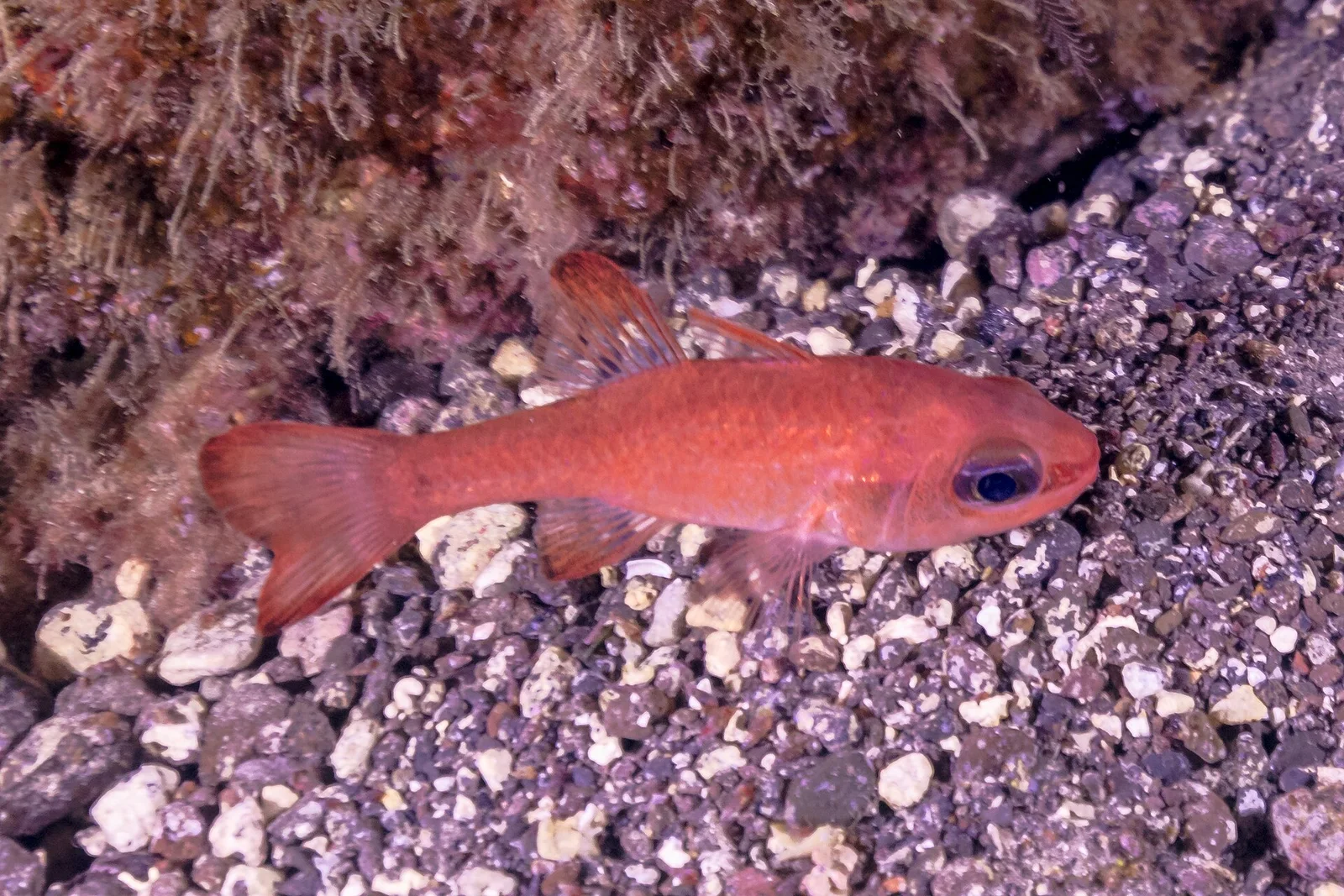
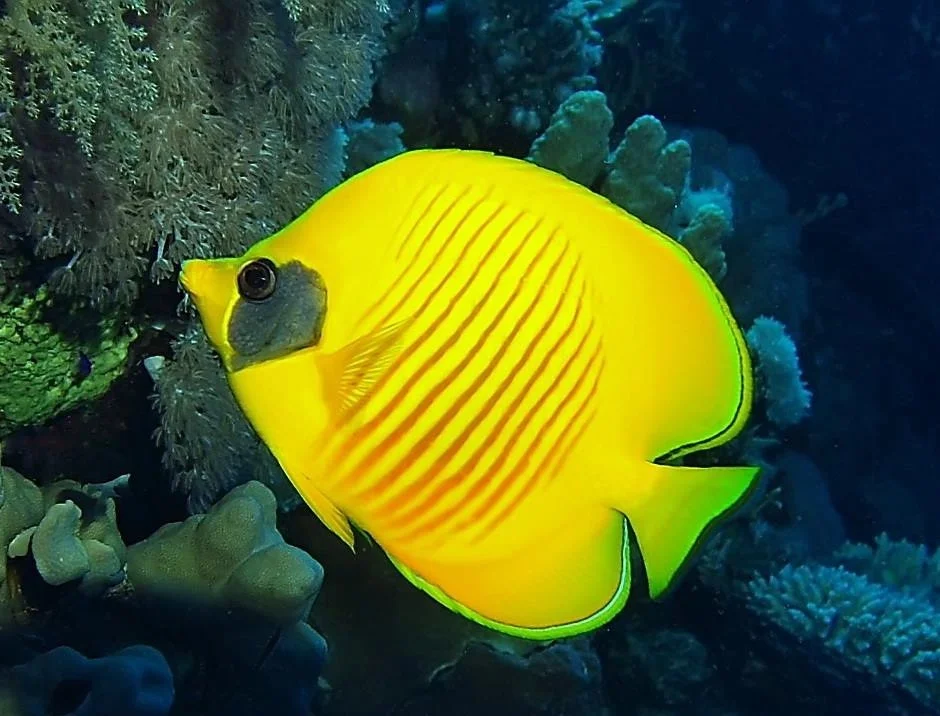
Ecological transects across Shinkoku Maru by Coral Cay Conservation recorded nearly 25 percent hard-coral cover (Acropora and Fungia) and 14 percent vibrant Dendronephthya carnation soft-coral cover blanketing the kingposts, catwalk, and bow gun. Dense clouds of cardinalfish and glassfish pack the companionways alongside anemonefish, chevron butterflyfish, eastern triangle butterflyfish, parrotfish, and groupers.
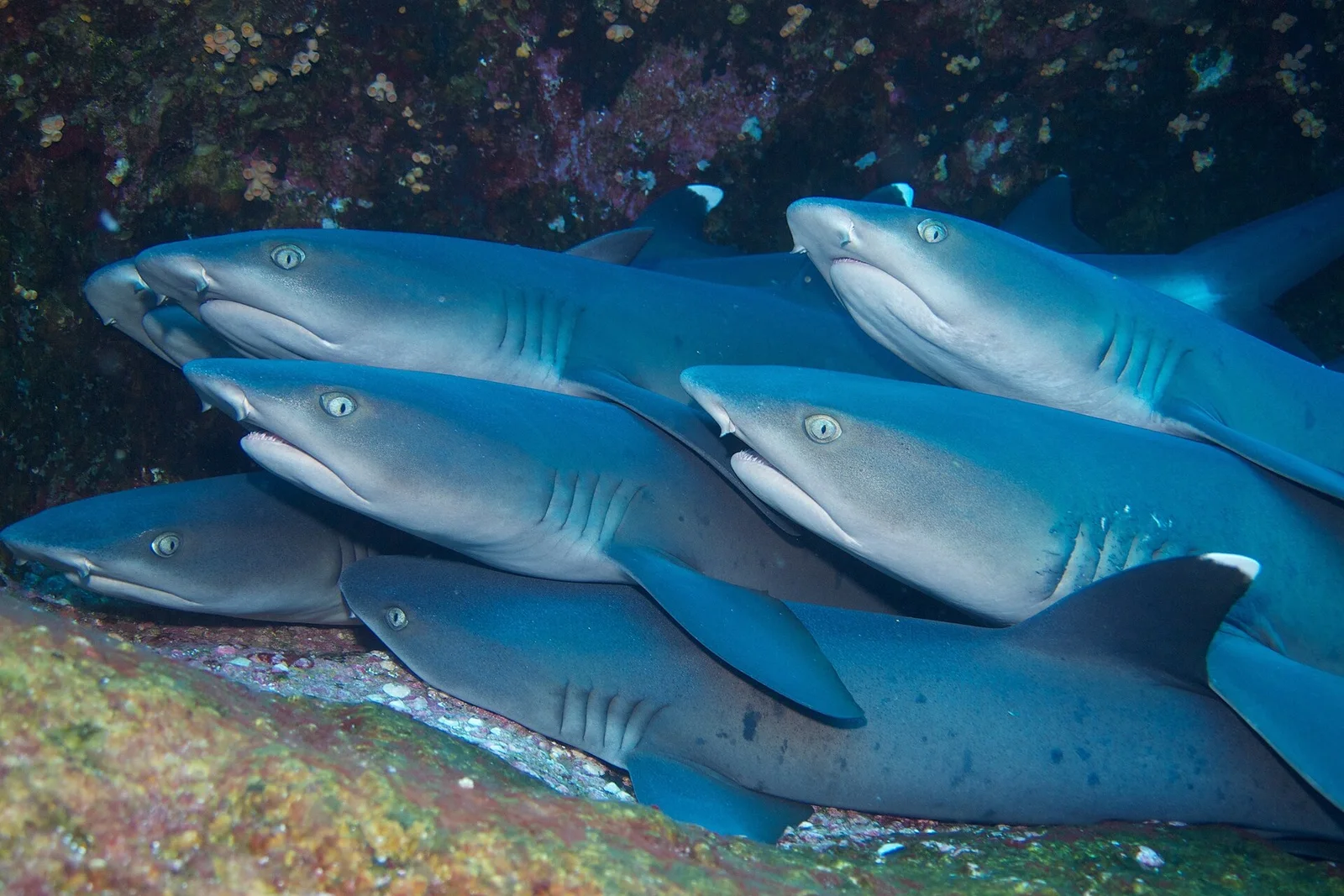
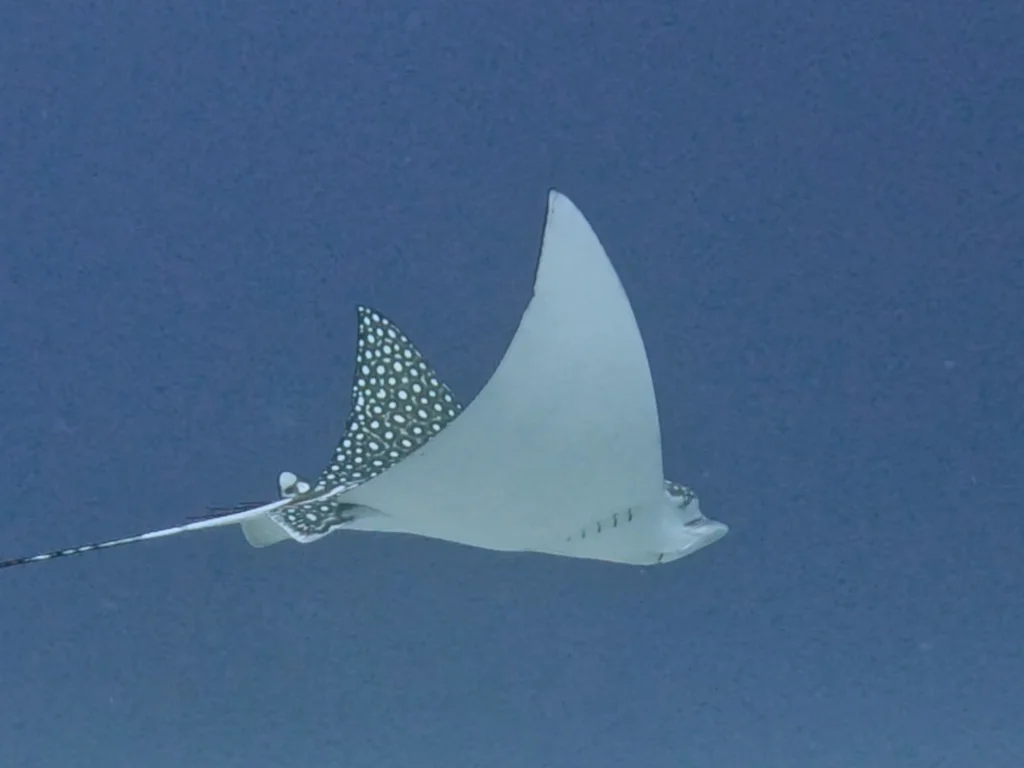
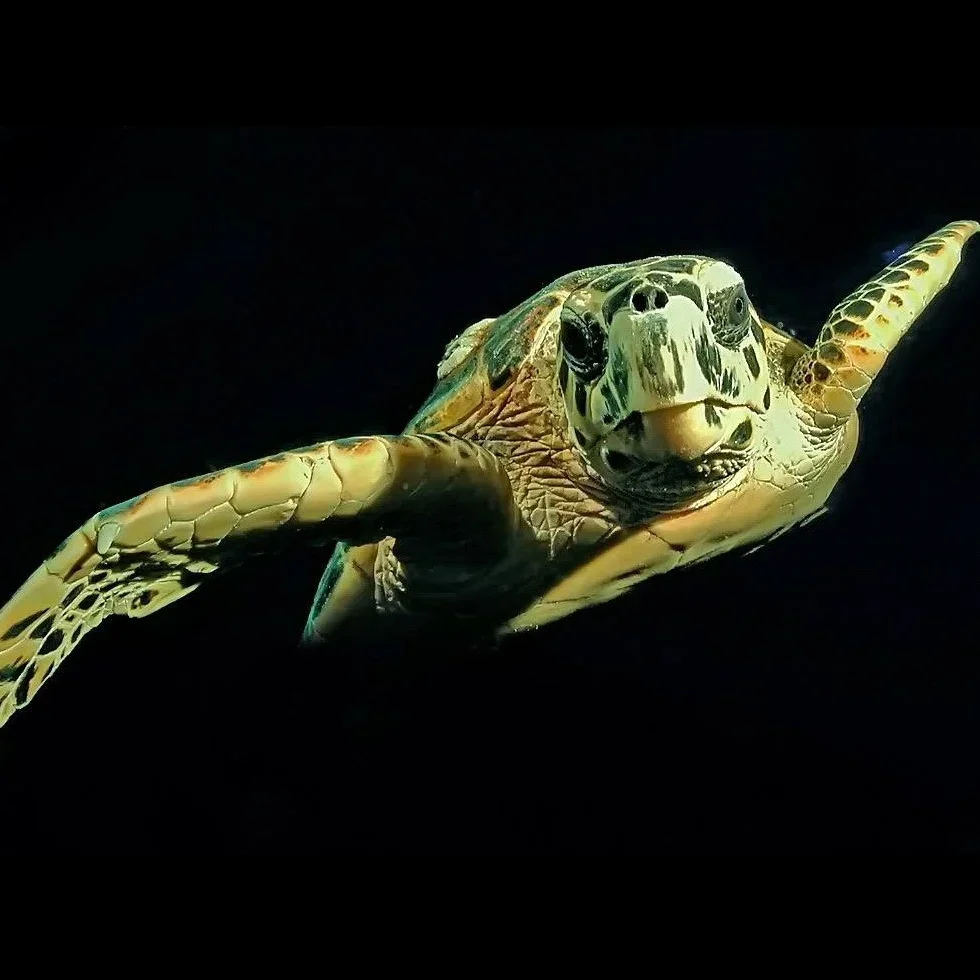
Hawksbill sea turtles regularly browse deck sponges at 15 to 20 m / 50 to 66 ft while whitetip reef sharks and spotted eagle rays cruise past the hull.
1 / 2
Image contributors:Elias Levy, Dan Schofield + 1 more
Want to contribute photos or local dive knowledge? Learn how to contributeDive Sites Near Shinkoku Maru
View all dive sites in MicronesiaDiscover more underwater gems in this area.
Max 34 m
4.7 km
advancedYamagiri Maru
ArchaeologicalBoat
Max 38 m
8.2 km
advancedIJN Fumizuki
ArchaeologicalBoat
Max 37 m
13.6 km
advancedFujikawa Maru
OceanReef
Max 28 m
15.2 km
intermediateSankisan Maru
ArchaeologicalBoat
Max 64 m
15 km
advancedSan Francisco Maru
ArchaeologicalBoat
Max 48 m
15.5 km
advancedNippo Maru
ArchaeologicalBoat
Max 34 m
4.7 km
advancedYamagiri Maru
ArchaeologicalBoat
Max 38 m
8.2 km
advancedIJN Fumizuki
ArchaeologicalBoat
Max 37 m
13.6 km
advancedFujikawa Maru
OceanReef
Max 28 m
15.2 km
intermediateSankisan Maru
ArchaeologicalBoat
Max 64 m
15 km
advancedSan Francisco Maru
ArchaeologicalBoat
Max 48 m
15.5 km
advancedNippo Maru
ArchaeologicalBoat
Dive Centers Near Shinkoku Maru
No Dive Centers Local To Shinkoku Maru
Are you a dive center visiting this location? Get listed to reach divers.
Nearest Airports
Nearest airports to help plan travel to this dive area.
Chuuk International Airport TKK
10 km
💵 Currency: USD
Search Flights
Check available flights and routes on Expedia, using the nearby airports listed in this section.
Search Flights on ExpediaAffiliate link · Dive Navigator may earn a commission at no extra cost to you.
Frequently Asked Questions
Did the Shinkoku Maru really participate in the Pearl Harbor attack?
Yes. Requisitioned as an Imperial Japanese Navy fleet oiler in August 1941, Shinkoku Maru sailed in the First Air Fleet supply train refueling Japan's strike carriers for the December 1941 attack on Pearl Harbor as well as the June 1942 Battle of Midway.
Is the famous surgical operating table still inside Shinkoku Maru after the 2018 storm?
Yes. Although an August 2018 tropical storm collapsed sections of the upper wheelhouse above it, the ship's medical dispensary and operating table remain recognizable on guided dives, while accessible human remains were respectfully repatriated by a Japanese mission in 2023.
What depths do divers reach on Shinkoku Maru?
The coral-covered bow gun, kingposts, and upper superstructure rise to just 12 m / 40 ft, and the main tank deck sits around 18 m / 59 ft. Descending to the torpedo blast hole and giant four-bladed stern propeller reaches 36 to 38 m / 118 to 125 ft.
Why is Shinkoku Maru considered the best night dive in Chuuk Lagoon?
Its shallow 12 to 18 m / 40 to 59 ft bow, kingposts, and midships railings explode with color after dark as nocturnal Dendronephthya soft corals, cup corals, basket stars, and hunting reef fish open across the steel. Calm lagoon anchorages make post-sunset descents onto the shallow superstructure straightforward.
Is there leaking oil inside the Shinkoku Maru?
She transferred nearly all bulk cargo oil to Tonan Maru No. 3 right before sinking, though a Japanese survey estimated ~3,584 liters of residual heavy fuel and lubricant trapped in deep spaces, so divers avoid disturbing overhead pockets. Keeping careful frog-kick buoyancy prevents loosening rust concretion around those residual fuel compartments.
Trip Inquiry
Planning to dive Shinkoku Maru?
Tell us your dates and diving needs. We'll review your request and seek offers from relevant local dive centers.
Request Dive Offers Free request for offers • No booking obligation
Shinkoku Maru
Conditions are Moderate
6/10
Confidence: 8/10
Indicates meteorological model agreement and data availability.
Best Dive Window
Optimal conditions expected
06:12
18:45
H: 10:45
L: 16:20
Air / Sea Temp
29° / 29°
Wave Height
1.1 m
Wind Speed
33 km/h ENE
Rain Chance
100%
Current conditions near Shinkoku Maru show 29° air, 29° sea temperature, 1.1 m waves, and 33 km/h wind. Forecast data is refreshed regularly to ensure accuracy.
Radius: ~12km
Updated: Nov 25, 2026, 08:30 local timeMARINE: OPEN-METEOWEATHER: YR.NO