Loading...

Diving at IJN Fumizuki (Micronesia)
Published
Resting upright with a slight port list on the lagoon floor north of Udot Island, IJN Fumizuki is one of the rare true fleet warships diveable inside Chuuk Lagoon's Truk Lagoon Underwater Fleet National Historic Landmark. Measuring 102.4 m / 336 ft long with a knife-narrow 9.16 m / 30 ft beam, the Mutsuki-class destroyer sank on 18 February 1944 during Operation Hailstone and now sits between 28 and 38 m / 92 and 125 ft. Reserved for Advanced Deep and Technical divers accompanied by a certified Chuukese guide, her decks still display 12 cm naval guns, 610 mm torpedo tubes, and stern depth-charge racks.
Starting the day at IJN Fumizuki, the ambient air temperature is recorded at 28.5°C. Ongoing monitoring shows wave heights measuring 1.1 m. This data represents the current surface conditions for early activities.
Dive Site Location & Key Facts
Site Characteristics
Max Depth
38m125ft
Visibility
22m72ft
Entry TypeBoat
Water Typesalt
Dive Types
ArchaeologicalDeepTechnical
Dive Site Overview
Completed in July 1926 by Fujinagata Shipyards in Osaka as Destroyer No. 29 and renamed Fumizuki in 1928, the 1,315-long-ton warship belonged to the first Japanese destroyer class armed with triple 610 mm / 24-inch torpedo tubes according to CombinedFleet's Fumizuki record. During her summer 1943 refit at Sasebo, engineers removed her aft torpedo mount and two of her four 12 cm guns to add 25 mm Type 96 anti-aircraft batteries, twin 13 mm bridge machine guns, and four depth-charge throwers carrying 36 depth charges.
Caught in the lagoon on 17 February 1944 during Task Force 58's Operation Hailstone strikes, Fumizuki suffered fatal flooding after an aerial torpedo or Avenger near-miss bomb hit and sank on 18 February with 29 crewmen killed despite assistance from Matsukaze and Hakachi. Her slender destroyer lines contrast sharply with Chuuk's bulky merchant freighters, letting divers take in the entire narrow beam in a single glance.
In-situ electrochemical surveys directly on Fumizuki down to 36 m / 118 ft by MacLeod in Frontiers in Marine Science highlight how marine concretion protects her thin naval plating while storm waves and blast-fishing shockwaves steadily accelerate localized corrosion. Clear lagoon waters and minimal current allow divers to trace her complete 102.4 m / 336 ft hull from bow gun to stern.
IJN Fumizuki
Conditions are Moderate
6/10
Confidence: 8/10
Indicates meteorological model agreement and data availability.
Best Dive Window
Optimal conditions expected
06:12
18:45
H: 10:45
L: 16:20
Air / Sea Temp
29° / 29°
Wave Height
1.1 m
Wind Speed
29 km/h ENE
Rain Chance
100%
Current conditions near IJN Fumizuki show 29° air, 29° sea temperature, 1.1 m waves, and 29 km/h wind. Forecast data is refreshed regularly to ensure accuracy.
Radius: ~12km
Updated: Nov 25, 2026, 04:54 local timeMARINE: OPEN-METEOWEATHER: YR.NO
Best Time to Dive
Protected inside Chuuk's vast barrier-reef lagoon at 7 degrees north latitude, IJN Fumizuki stays warm at 28.7 to 30.1°C / 84 to 86°F from surface to 38 m / 125 ft year-round with virtually zero thermocline. June through November brings the calmest equatorial doldrums (0.84 to 0.91 m waves and lighter 22 to 26 km/h winds) for the glassiest boat crossings north of Udot Island alongside passing tropical showers.
From December through April, drier skies and brisker northeast trade winds (30 to 38 km/h, peaking in December and February) create choppier surface rides across the open lagoon while maintaining crisp 20 to 30 m / 65 to 100 ft underwater visibility on the deep destroyer deck. Midday sun between 10:00 and 14:00 maximizes ambient illumination down to 30 to 38 m / 98 to 125 ft.
PEAK SEASON SCORE
75/100
GoodScores combine air & water temps, waves, wind & rainfall for overall conditions.
BEST MONTHS TO DIVE
JUN
AUG
SEP
DIVE SCORE GUIDE (0–100)
Excellent (90–100)
Very Good (80–89)
Good (70–79)
Moderate (50–69)
Poor (30–49)
Not Recommended (0–29)
Monthly records compiled from satellite and marine observation nodes over the last 3 years. Data provided by Open-Meteo and MET Norway.
Dive Experience & Conditions
Dive boats run 25 to 35 minutes west-southwest from Weno past Udot Island, dropping down the mooring line directly onto the destroyer's compact bridge and upper deckhouse at 28 to 30 m / 92 to 98 ft. Finning forward along the narrow 9.16 m / 30 ft weather deck reveals the preserved 12 cm / 4.7-inch bow gun, bridge anti-aircraft gun platforms, and the signature triple 610 mm torpedo tube mount amidships. Continuing aft past the funnels and torpedo-loading gear leads to the depth-charge racks and throwers near the 36 to 38 m / 118 to 125 ft sandy lagoon floor.
Currents inside the sheltered Udot sector remain negligible to mild, allowing relaxed exterior tours around the razor-sharp destroyer bow and stern within 20 to 25 minutes on lean Nitrox or staged decompression. Ascending the shotline cleanly with a slow 5 m / 16 ft stop wraps up one of Chuuk's most atmospheric warship dives.
Dive Difficulty & Safety Guidelines
With the shallowest bridge tier starting at 28 m / 92 ft and the seabed sitting at 37 to 40 m / 121 to 131 ft, IJN Fumizuki requires Advanced Open Water plus Deep Diver training—and technical staged-decompression gear for extended bottom time or engine-room visits. Under Chuuk State Law No. 5-99-19, every diver must hold a valid Chuuk Lagoon State Monument permit via a licensed local operator and dive accompanied by a certified Chuukese guide, strictly honoring Japanese war-grave protections. Maintain zero-contact buoyancy around live depth charges, torpedoes, and 12 cm shells flagged by UNESCO, and watch gas MOD carefully (EAN32 hits 1.4 bar at 33.7 m / 111 ft). Carry redundant lights and avoid tight interior spaces where rust silt can rapidly reduce visibility.
Medical evacuations reported by Divers Alert Network document that Weno's local chamber has frequently lacked available staff, requiring fixed-wing air medevac (~1,025 km / 637 mi NW, costing over $60,000 USD without insurance) to U.S. Naval Base Guam, where civilian dive injuries comprise 47 percent of all hyperbaric patients.
Recommended Equipment
Deep dive hazard. Increased narcosis and gas consumption risk.
Overhead / entanglement risk. Wreck penetration requires proper training.
- Dive Computer
- DSMB
- Primary & Backup Lights
- Wreck Reel
- Cutting Tool
This gear list is based on verified equipment signals for IJN Fumizuki, Micronesia. Always confirm final gear choices with your dive operator, guide, or liveaboard.
Recommended Dive Suit
Dive skin or rash guard is widely used for recreational dives in waters of this temperature. Consider warmer surface protection (like a boat coat) due to brisk winds. Water conditions at IJN Fumizuki are currently measured at approximately 29°C (85°F). Surface air temperatures are resting at 29°C (84°F).
Short-term weather patterns suggest stable conditions for divers visiting the area.
Water temperatures can occasionally shift throughout the day depending on currents and depth layers.
IJN Fumizuki conditions last reviewed: 04:54 local time (UTC+10), Nov 25, 2026
Emergency & Medical Support
Essential information to help you plan your dive trip to IJN Fumizuki.

Hyperbaric chambers are a critical part of dive safety infrastructure. Availability varies significantly by region, and not all dive areas have immediate access.
Before diving, it's recommended to:
- confirm nearest medical facilities
- check emergency procedures with local dive operators
- ensure dive insurance covers evacuation if required
24/7 Available
Divers Alert Network
Diving emergency assistance available through DAN World.
+1-919-684-9111- 24/7 emergency hotline
- Diving medical assistance
- Evacuation coordination
Emergency contacts are provided for reference. Always verify local emergency services before diving.
Marine Life at IJN Fumizuki
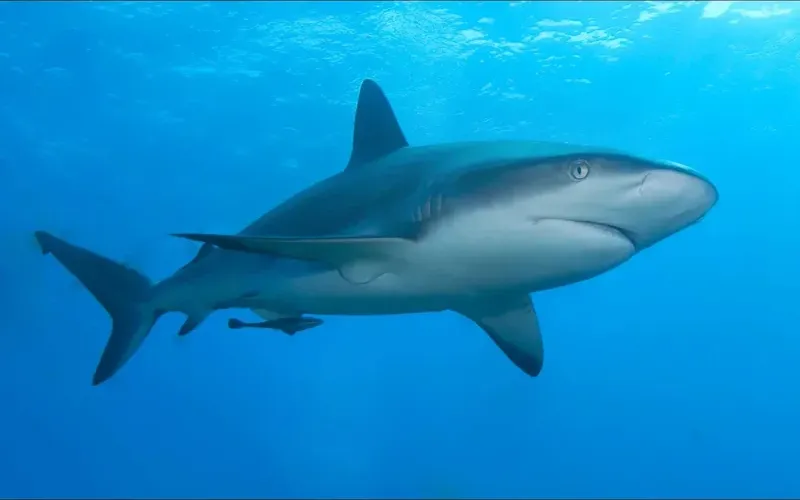
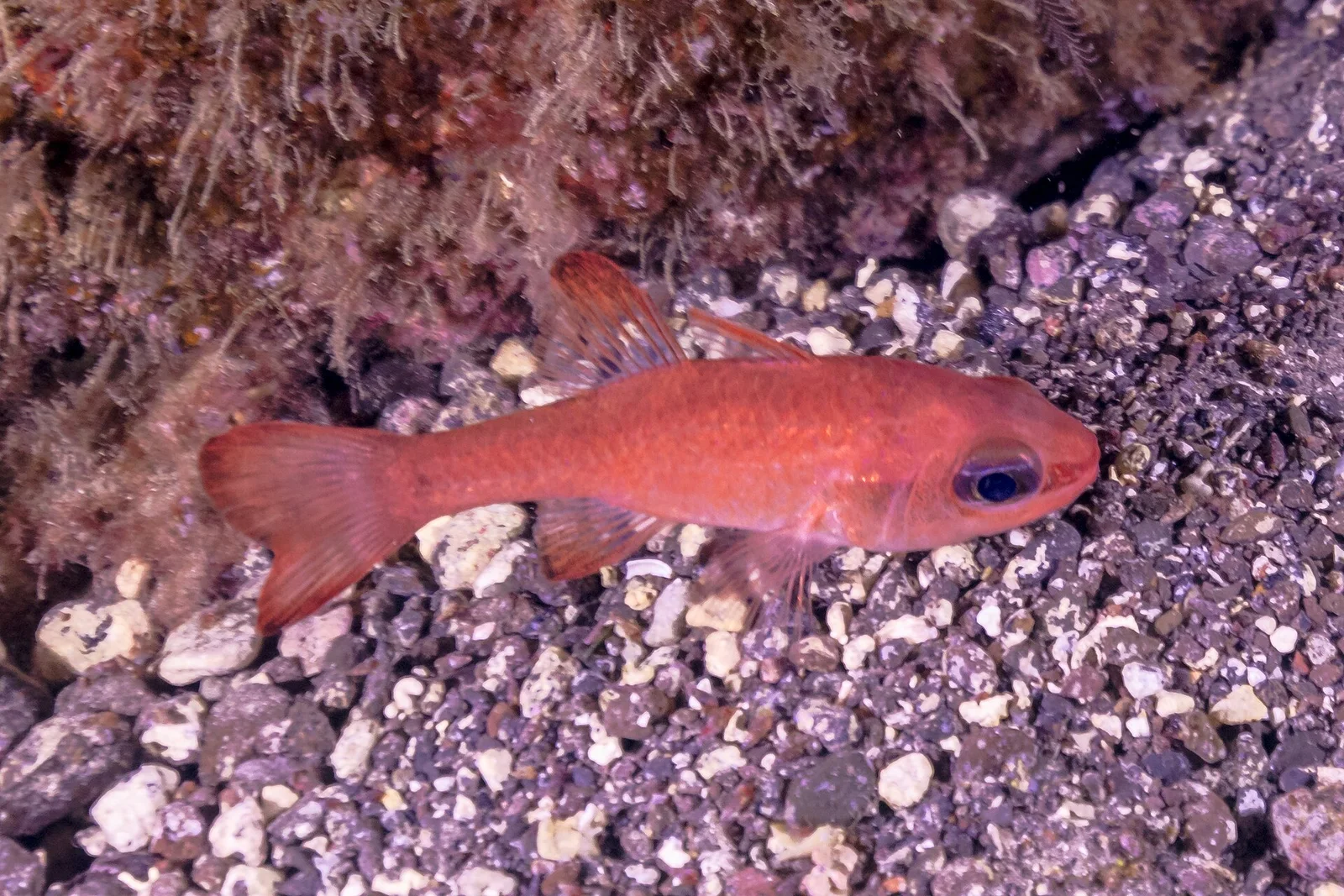
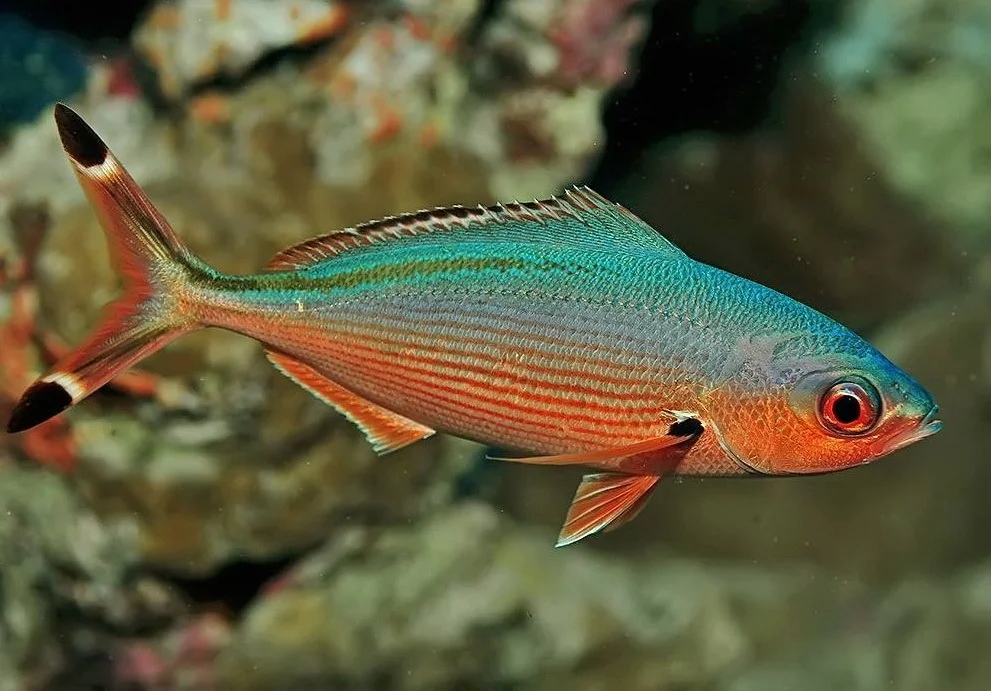
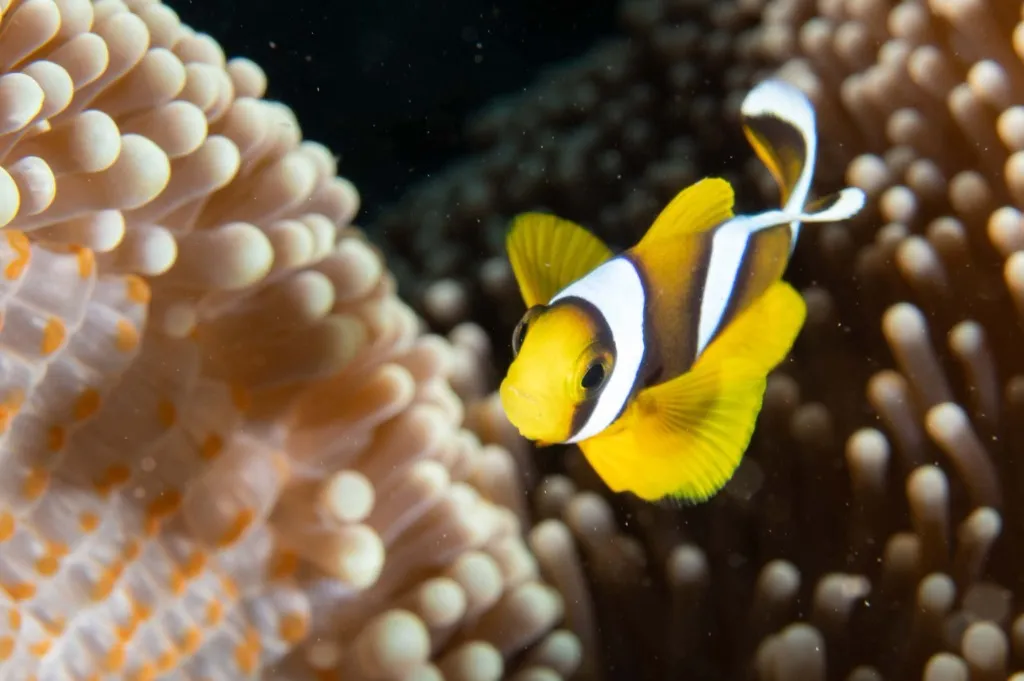
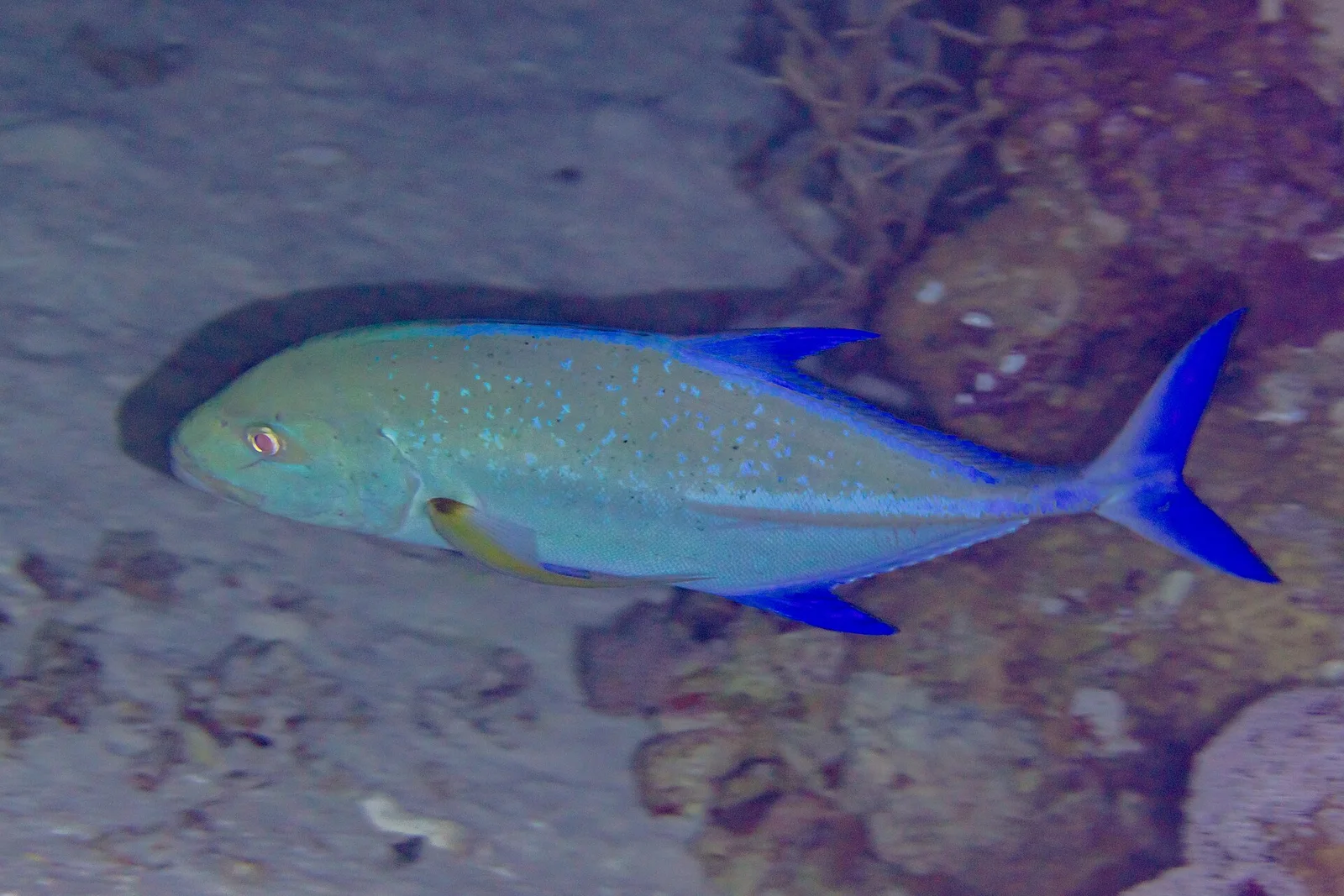
Thick marine concretion across IJN Fumizuki's gun barrels, torpedo tubes, and narrow hull plates supports colorful carnation soft corals (Dendronephthya), gorgonian sea fans, sponges, and encrusting hard corals documented in Frontiers in Marine Science. Schools of yellowback fusiliers, bigeye trevally, and cardinalfish weave around the bridge stanchions alongside resident anemonefish and spotfin lionfish.
Occasional grey reef sharks glide out of the blue past the sharp destroyer bow.
1 / 2
Image contributors:Albert kok, Diego Delso
Want to contribute photos or local dive knowledge? Learn how to contributeDive Sites Near IJN Fumizuki
View all dive sites in MicronesiaDiscover more underwater gems in this area.
Max 34 m
12.6 km
advancedYamagiri Maru
ArchaeologicalBoat
Max 38 m
8.2 km
intermediateShinkoku Maru
ArchaeologicalBoat
Max 37 m
21.6 km
advancedFujikawa Maru
OceanReef
Max 64 m
22.7 km
advancedSan Francisco Maru
ArchaeologicalBoat
Max 48 m
22.8 km
advancedNippo Maru
ArchaeologicalBoat
Max 28 m
23.3 km
intermediateSankisan Maru
ArchaeologicalBoat
Max 34 m
12.6 km
advancedYamagiri Maru
ArchaeologicalBoat
Max 38 m
8.2 km
intermediateShinkoku Maru
ArchaeologicalBoat
Max 37 m
21.6 km
advancedFujikawa Maru
OceanReef
Max 64 m
22.7 km
advancedSan Francisco Maru
ArchaeologicalBoat
Max 48 m
22.8 km
advancedNippo Maru
ArchaeologicalBoat
Max 28 m
23.3 km
intermediateSankisan Maru
ArchaeologicalBoat
Dive Centers Near IJN Fumizuki
No Dive Centers Local To IJN Fumizuki
Are you a dive center visiting this location? Get listed to reach divers.
Nearest Airports
Nearest airports to help plan travel to this dive area.
Chuuk International Airport TKK
13 km
💵 Currency: USD
Search Flights
Check available flights and routes on Expedia, using the nearby airports listed in this section.
Search Flights on ExpediaAffiliate link · Dive Navigator may earn a commission at no extra cost to you.
Frequently Asked Questions
How deep does the destroyer IJN Fumizuki rest in Chuuk Lagoon?
Her upper bridge and main weather deck sit at 28 to 30 m / 92 to 98 ft, while the sandy lagoon seabed around her hull lies at 36 to 40 m / 118 to 131 ft. She rests upright with a slight list to port.
What weapons can divers still see on IJN Fumizuki?
Divers can inspect her 12 cm / 4.7-inch naval guns, anti-aircraft mounts added during her 1943 Sasebo refit, triple 610 mm / 24-inch torpedo tubes amidships, and stern depth-charge racks and throwers. All ordnance must remain strictly untouched.
Where in Chuuk Lagoon is IJN Fumizuki located?
Verified lagoon wreck surveys place IJN Fumizuki upright in open water north of Udot Island at approximately 07°26'57"N, 151°43'23"E. Licensed local guides manage mooring runs and dive briefings.
Are permits and Chuukese guides mandatory to dive IJN Fumizuki?
Yes. Chuuk State Law No. 5-99-19 mandates a Chuuk Lagoon State Monument permit arranged through a licensed local operator and underwater escort by a certified Chuukese dive guide.
Where are injured divers evacuated if a decompression emergency occurs in Chuuk?
Weno's local chamber is unreliable due to staffing gaps, so serious decompression illness requires air-ambulance evacuation ~1,025 km / 637 mi northwest to the U.S. Naval Base Guam Recompression Chamber. Active DAN evacuation insurance is essential.
Trip Inquiry
Planning to dive IJN Fumizuki?
Tell us your dates and diving needs. We'll review your request and seek offers from relevant local dive centers.
Request Dive Offers Free request for offers • No booking obligation
IJN Fumizuki
Conditions are Moderate
6/10
Confidence: 8/10
Indicates meteorological model agreement and data availability.
Best Dive Window
Optimal conditions expected
06:12
18:45
H: 10:45
L: 16:20
Air / Sea Temp
29° / 29°
Wave Height
1.1 m
Wind Speed
29 km/h ENE
Rain Chance
100%
Current conditions near IJN Fumizuki show 29° air, 29° sea temperature, 1.1 m waves, and 29 km/h wind. Forecast data is refreshed regularly to ensure accuracy.
Radius: ~12km
Updated: Nov 25, 2026, 04:54 local timeMARINE: OPEN-METEOWEATHER: YR.NO