Loading...

Diving at San Francisco Maru (Micronesia)
Published
Last updated
Resting upright on an even keel in the deep 4th Fleet Anchorage southeast of Tonoas Island, San Francisco Maru—universally revered as Chuuk Lagoon's Million Dollar Wreck—represents one of the premier technical wreck dives on Earth according to Divers Alert Network. While her forward mast rises toward 30 m / 98 ft, the intact bridge begins at 42.7 m / 140 ft, the main deck sits at 45 to 48.8 m / 148 to 160 ft, and the sandy seabed drops to 64.0 m / 210 ft. Accessible exclusively to Technical trimix and rebreather divers escorted by a licensed Chuukese guide, her forecastle bow gun, three Type 95 Ha-Go light tanks, Isuzu trucks, and stacked spherical sea mines remain frozen in February 1944.
Starting the day at San Francisco Maru, the ambient air temperature is recorded at 29°C. Ongoing monitoring shows wave heights measuring 1.2 m. This data represents the current surface conditions for early activities.
Dive Site Location & Key Facts
Site Characteristics
Max Depth
64m210ft
Visibility
25m82ft
Entry TypeBoat
Water Typesalt
Dive Types
ArchaeologicalDeepTechnical
Dive Site Overview
Completed in March 1919 by Kawasaki Dockyard Co. in Kobe at 5,831 GRT, San Francisco Maru measured 117.3 m / 385 ft overall with a 15.5 m / 51 ft beam according to CombinedFleet's San Francisco Maru record and Entry #19 of the U.S. National Park Service Truk Lagoon NHL inventory. Requisitioned by the Imperial Japanese Navy in January 1942, she steamed into Truk Lagoon on 4 February 1944 in Convoy No. 3120 carrying a full load of frontline armored vehicles, aircraft engines, torpedoes, and naval mines.
Following initial carrier attacks on 17 February 1944 during Operation Hailstone, Grumman TBF Avengers from USS Essex struck the ship on 18 February with six 500-pound bombs, sending her stern-first to the 64 m / 210 ft seabed with five crewmen killed. Jacques-Yves Cousteau's team rediscovered the upright hull in 1969, and side-scan sonar surveys in Bill Jeffery's AIMA study confirmed her remarkably intact 117 m / 385 ft profile.
On the raised bow 'bandstand' platform stands Chuuk's most photographed coral-draped 75 mm / 3-inch deck gun above twin anchor chains. Just aft along the 48.8 m / 160 ft forward deck sit three Type 95 Ha-Go three-man light tanks—one on port and two wedged together on starboard after shifting during the sinking—flanking holds packed with Isuzu Type 94 trucks and hemispherical mines.
San Francisco Maru
Conditions are Moderate
6/10
Confidence: 8/10
Indicates meteorological model agreement and data availability.
Best Dive Window
Optimal conditions expected
06:12
18:45
H: 10:45
L: 16:20
Air / Sea Temp
29° / 29°
Wave Height
1.2 m
Wind Speed
31 km/h ENE
Rain Chance
50%
Current conditions near San Francisco Maru show 29° air, 29° sea temperature, 1.2 m waves, and 31 km/h wind. Forecast data is refreshed regularly to ensure accuracy.
Radius: ~12km
Updated: Nov 25, 2026, 13:58 local timeMARINE: OPEN-METEOWEATHER: YR.NO
Best Time to Dive
Sheltered inside Chuuk's barrier reef, San Francisco Maru maintains consistent 28 to 29.5°C / 82 to 85°F water from the surface all the way to the 64 m / 210 ft lagoon floor per Divers Alert Network. December through April offers the driest skies and clearest 25 to 30+ m / 82 to 100+ ft deep-water light penetration, letting technical teams spot the bow gun and Ha-Go tanks clearly during descent.
From June through October, light winds create glassy lagoon surface intervals ideal for gearing up in twinsets and rebreathers, though tropical showers slightly soften shallow visibility. Midday sun between 10:00 and 14:00 maximizes ambient illumination at 45 to 58 m / 148 to 190 ft.
PEAK SEASON SCORE
74/100
GoodScores combine air & water temps, waves, wind & rainfall for overall conditions.
BEST MONTHS TO DIVE
JUL
AUG
SEP
DIVE SCORE GUIDE (0–100)
Excellent (90–100)
Very Good (80–89)
Good (70–79)
Moderate (50–69)
Poor (30–49)
Not Recommended (0–29)
Monthly records compiled from satellite and marine observation nodes over the last 3 years. Data provided by Open-Meteo and MET Norway.
Dive Experience & Conditions
Technical dive boats run 25 to 35 minutes southeast from Weno into the 4th Fleet Anchorage, securing to a shotline or mooring buoy with hang bars rigged for staged oxygen decompression. Descending past the forward mast tip around 30 m / 98 ft, divers reach the upper bridge house at 42.7 m / 140 ft and drop onto the forecastle at 45 to 47 m / 148 to 154 ft to circle the sponge-wrapped 75 mm bow gun. Moving aft along the 48.8 m / 160 ft forward weather deck brings teams face to face with the three Type 95 Ha-Go light tanks, whose turrets and 37 mm barrels still carry delicate coral polyps surveyed by Divers Alert Network.
Peering into Hold No. 1 and Hold No. 2 between 50 and 58 m / 164 and 190 ft reveals stacked spherical and hemispherical sea mines, boxed detonators, torpedo bodies, aircraft engines, and Isuzu cargo trucks documented in MDPI Diversity deep-wreck transects. Currents on the 52 to 64 m / 171 to 210 ft hull are typically negligible, allowing calm gas management and motionless hovering above fragile rust silt before ascending the forward mast and shotline for staged decompression stops.
Dive Difficulty & Safety Guidelines
Lying entirely below recreational 40 m / 130 ft limits, San Francisco Maru is strictly restricted to certified Technical Extended Range, Normoxic Trimix, and Closed-Circuit Rebreather divers carrying redundant bailout/deco gases and dual multi-gas computers. Under Chuuk State Law No. 5-99-19, every diver must hold a valid Chuuk Lagoon State Monument permit arranged via a licensed local operator and dive accompanied by a certified Chuukese guide, with zero tolerance for touching war graves or relics. Exercise extreme caution inside Hold No. 1 and Hold No. 2, where stacks of live sea mines, aerial bombs, and wooden crates of cordite/detonators are held in place only by corroding steel and brittle coral concretion as warned by UNESCO's Chuuk UXO assessment and Frontiers in Marine Science.
Breathing deep air at 50 to 64 m / 164 to 210 ft induces severe nitrogen narcosis and elevated gas density, making helium-based normoxic trimix strongly recommended by Divers Alert Network. Weno Island's basic volunteer recompression chamber is not equipped for complex technical saturation/trimix emergencies per peer-reviewed chamber readiness studies, requiring pressurized air-ambulance medevac 1,019 km / 633 mi northwest to U.S. Naval Base Guam.
Recommended Equipment
Technical depth range. Advanced planning, gas management, and appropriate certification required.
Overhead / entanglement risk. Wreck penetration requires proper training.
- Dive Computer
- DSMB
- Primary & Backup Lights
- Wreck Reel
- Cutting Tool
This gear list is based on verified equipment signals for San Francisco Maru, Micronesia. Always confirm final gear choices with your dive operator, guide, or liveaboard.
Recommended Dive Suit
Dive skin or rash guard usually provides adequate warmth in water around this temperature. Consider warmer surface protection (like a boat coat) due to brisk winds. Water conditions at San Francisco Maru are currently measured at approximately 29°C (85°F). Surface air temperatures are resting at 29°C (84°F).
Environmental conditions are expected to remain consistent in the short-term outlook.
Conditions can vary slightly across different parts of the same dive site.
San Francisco Maru conditions last reviewed: 13:58 local time (UTC+10), Nov 25, 2026
Emergency & Medical Support
Essential information to help you plan your dive trip to San Francisco Maru.

Hyperbaric chambers are a critical part of dive safety infrastructure. Availability varies significantly by region, and not all dive areas have immediate access.
Before diving, it's recommended to:
- confirm nearest medical facilities
- check emergency procedures with local dive operators
- ensure dive insurance covers evacuation if required
24/7 Available
Divers Alert Network
Diving emergency assistance available through DAN World.
+1-919-684-9111- 24/7 emergency hotline
- Diving medical assistance
- Evacuation coordination
Emergency contacts are provided for reference. Always verify local emergency services before diving.
Marine Life at San Francisco Maru
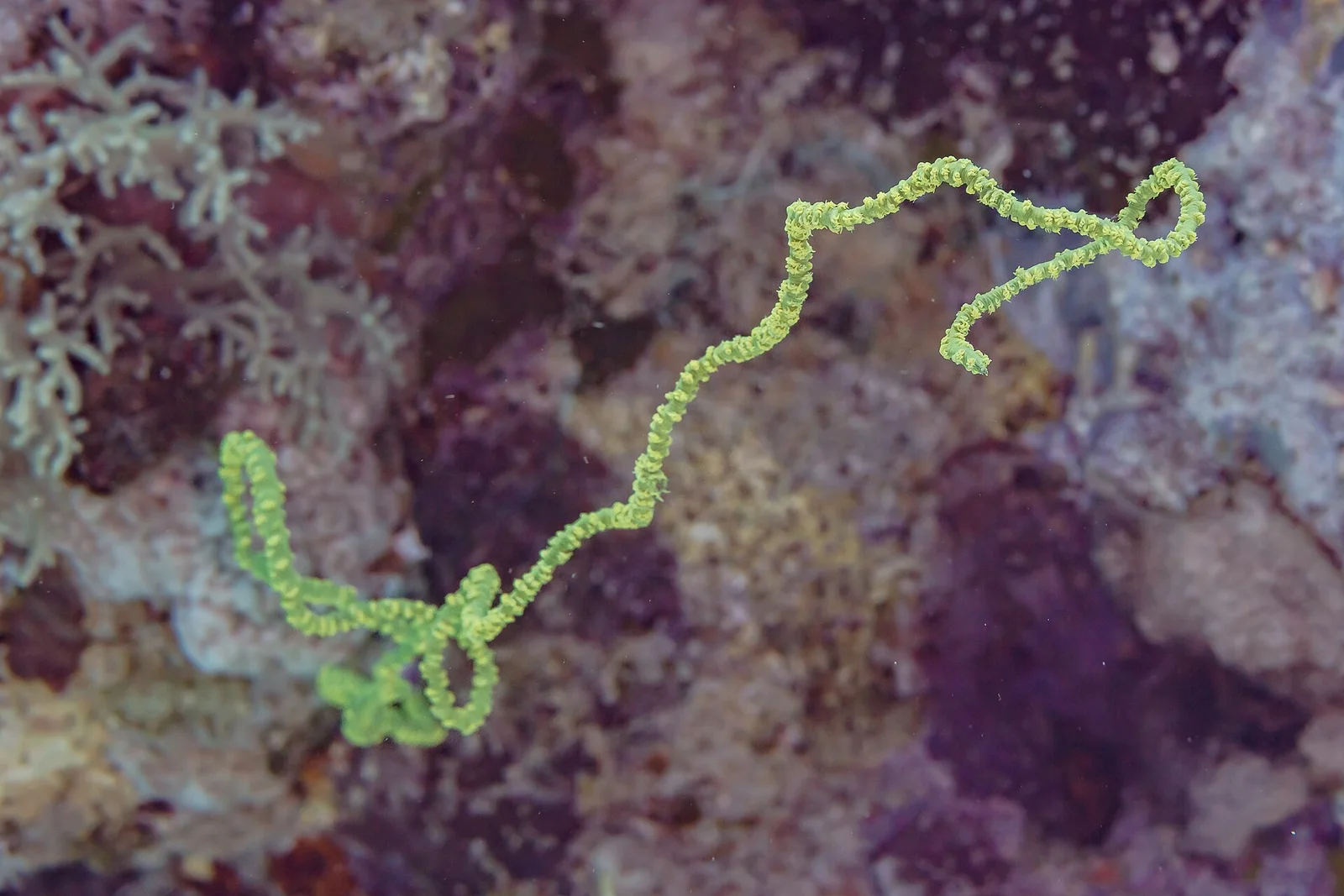
Quantitative deep-reef quadrat surveys at 56 m / 184 ft on San Francisco Maru by Asner et al. in MDPI Diversity verified eight hard-coral genera dominated by flower-like daisy corals (Goniopora), Porites, and bubble corals (Physogyra) colonizing the deck plates and Ha-Go tanks. Along the 30 to 47 m / 98 to 154 ft forward mast, kingposts, and 75 mm bow gun, lush carnation soft corals, black-coral whips, and encrusting sponges thrive in faint nutrient currents.
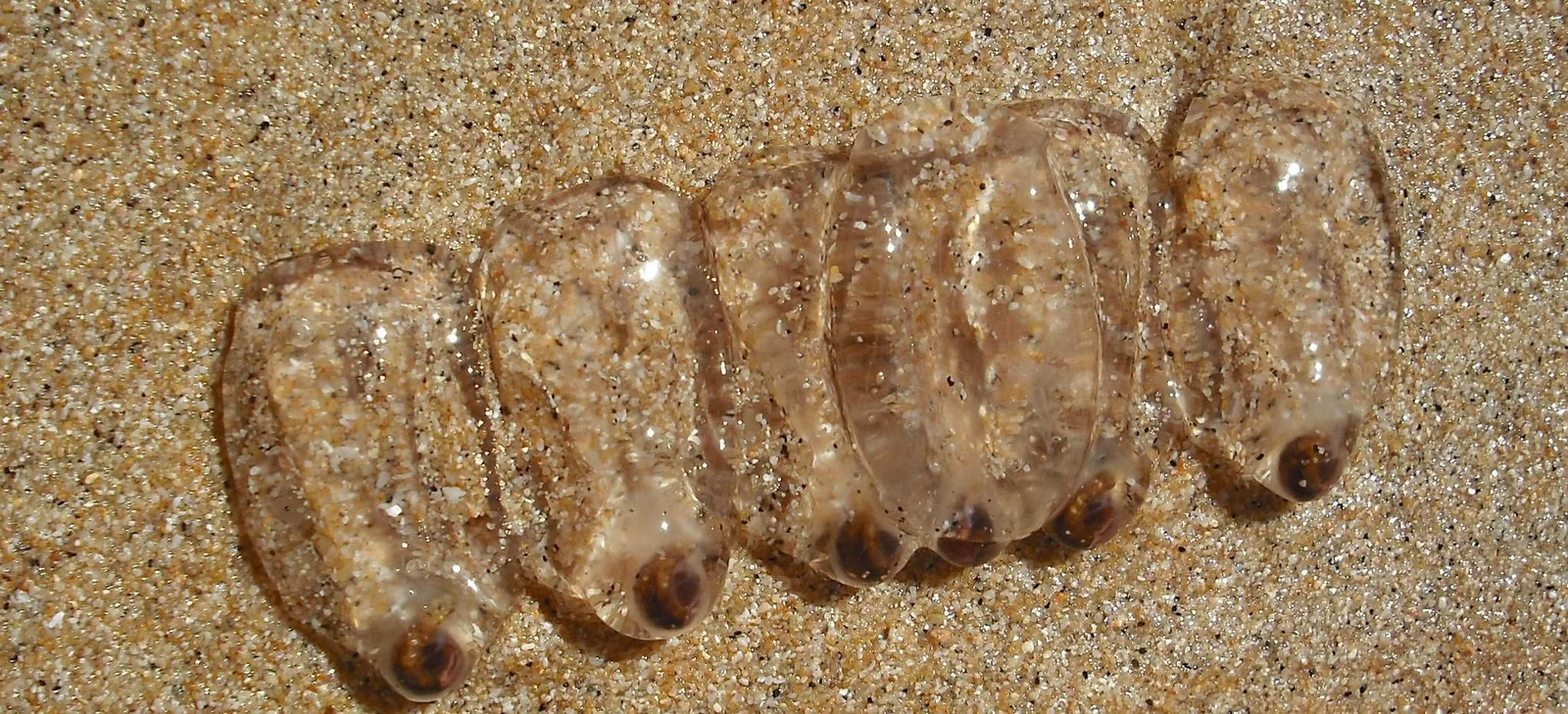
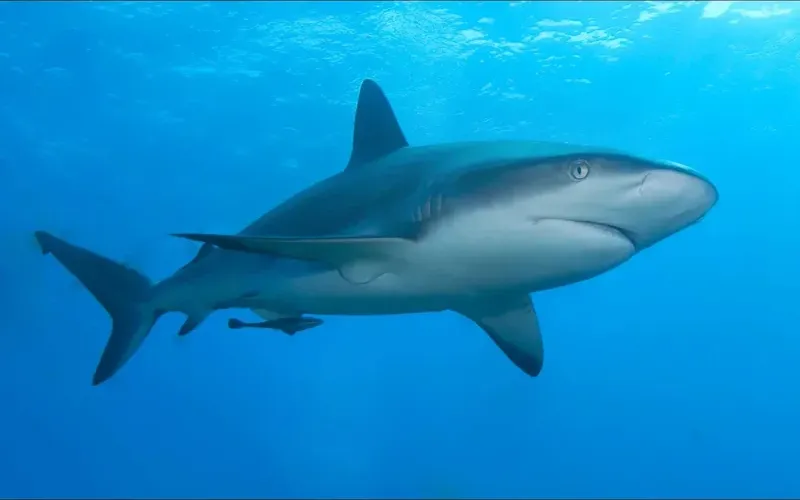
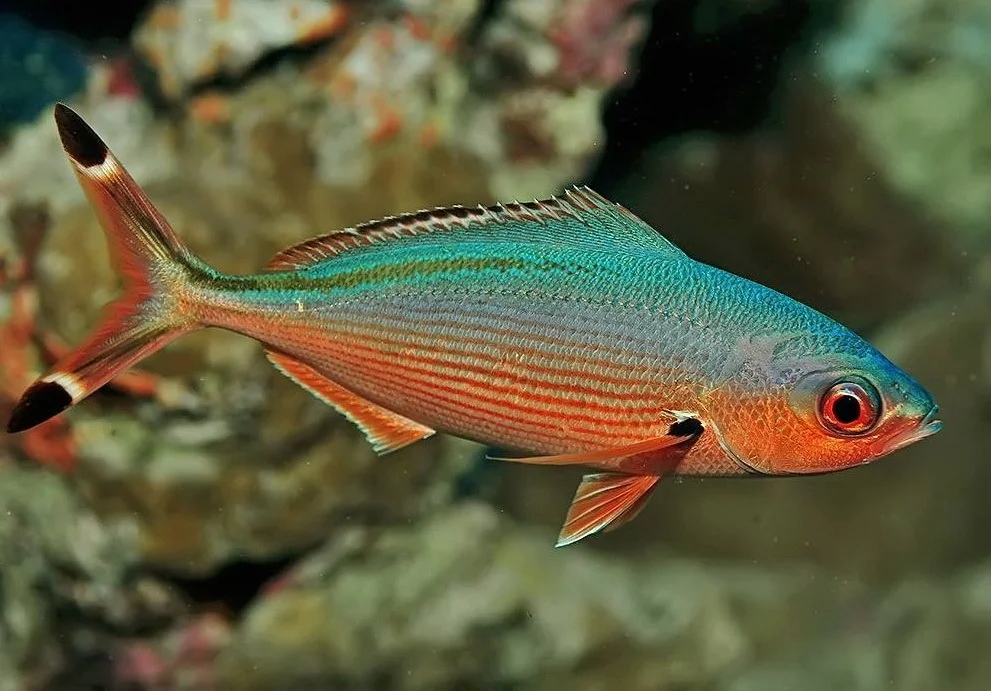
During extended decompression hangs in the upper 21 m / 70 ft, schools of bigeye trevally, yellowback fusiliers, drifting crown jellyfish, and occasional grey reef sharks circle the ascent line.
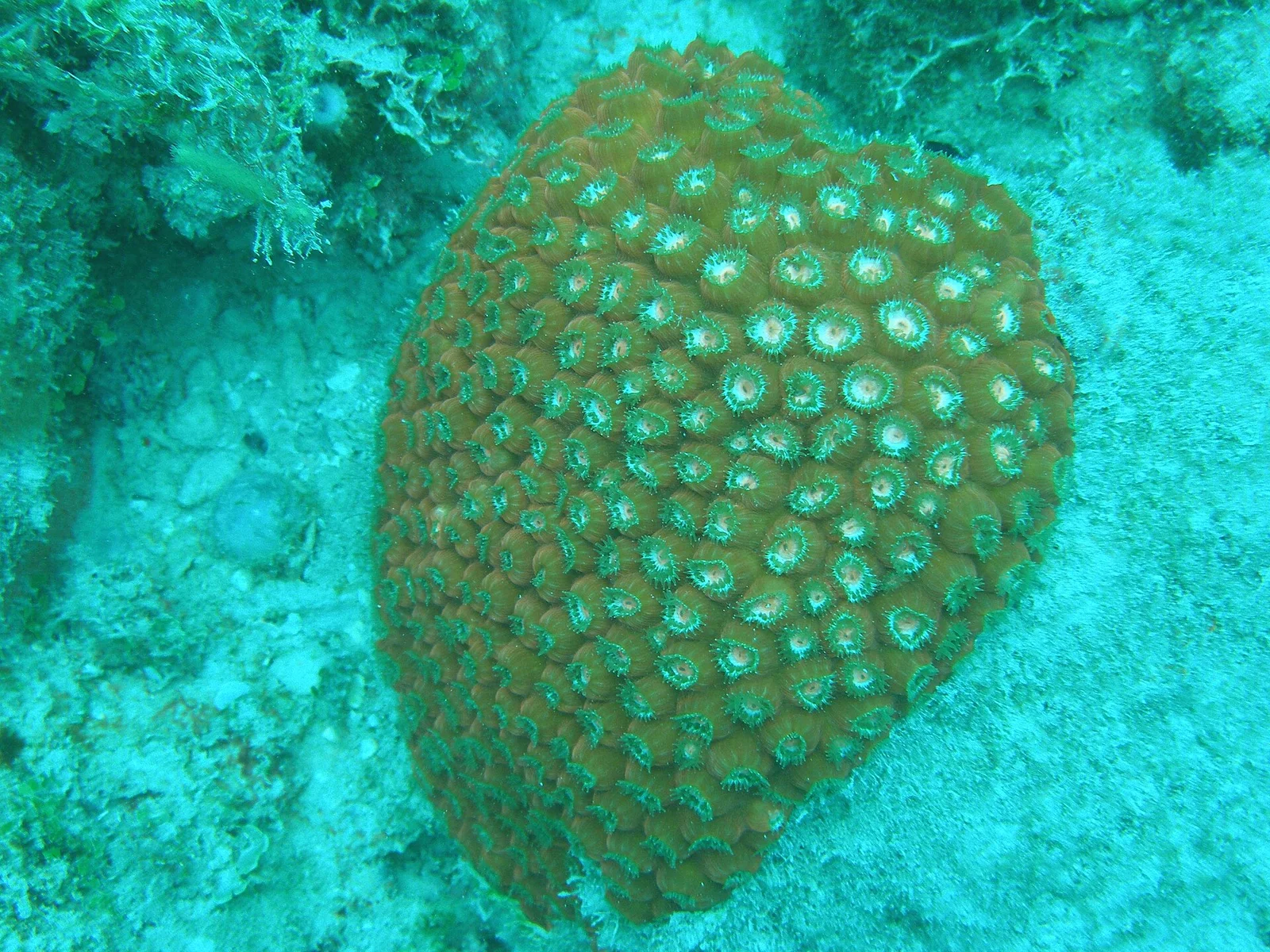
1 / 2
Image contributors:Claudia Ramírez, Albert kok + 2 more
Want to contribute photos or local dive knowledge? Learn how to contributeDive Sites Near San Francisco Maru
View all dive sites in MicronesiaDiscover more underwater gems in this area.
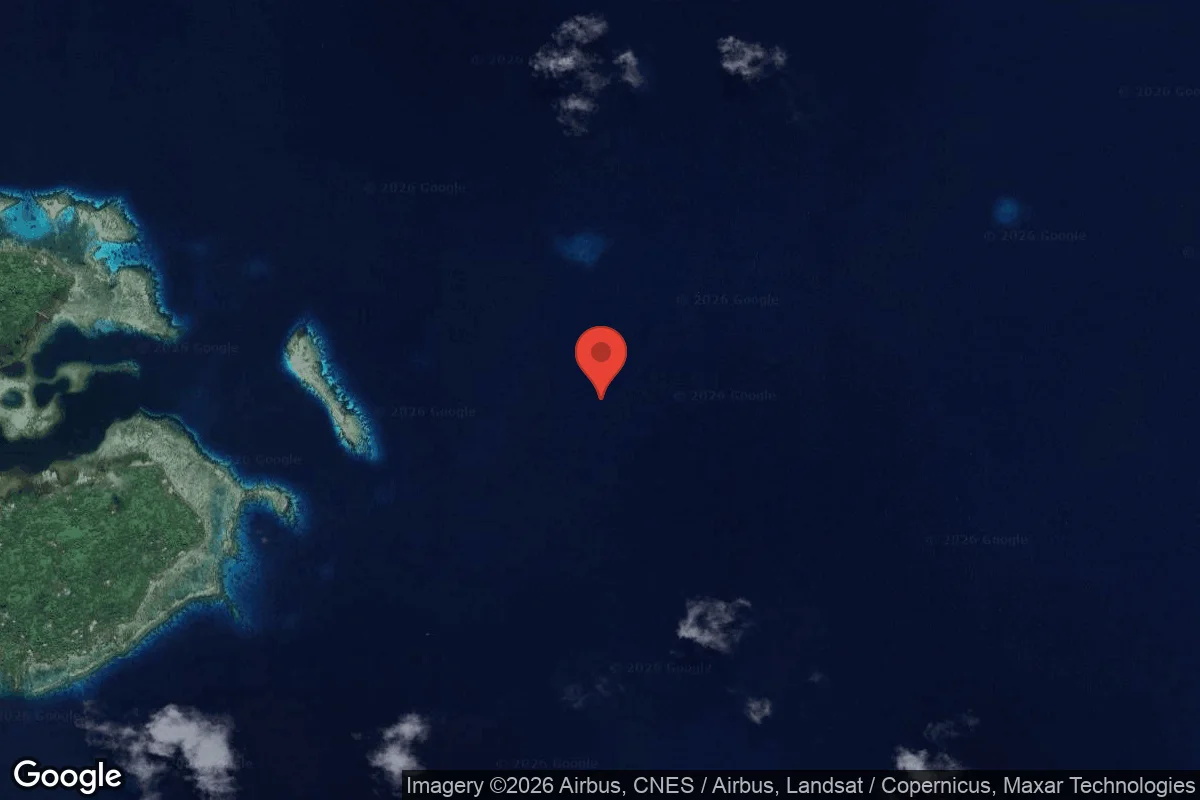
Max 48 m
2 km
advancedNippo Maru
ArchaeologicalBoat
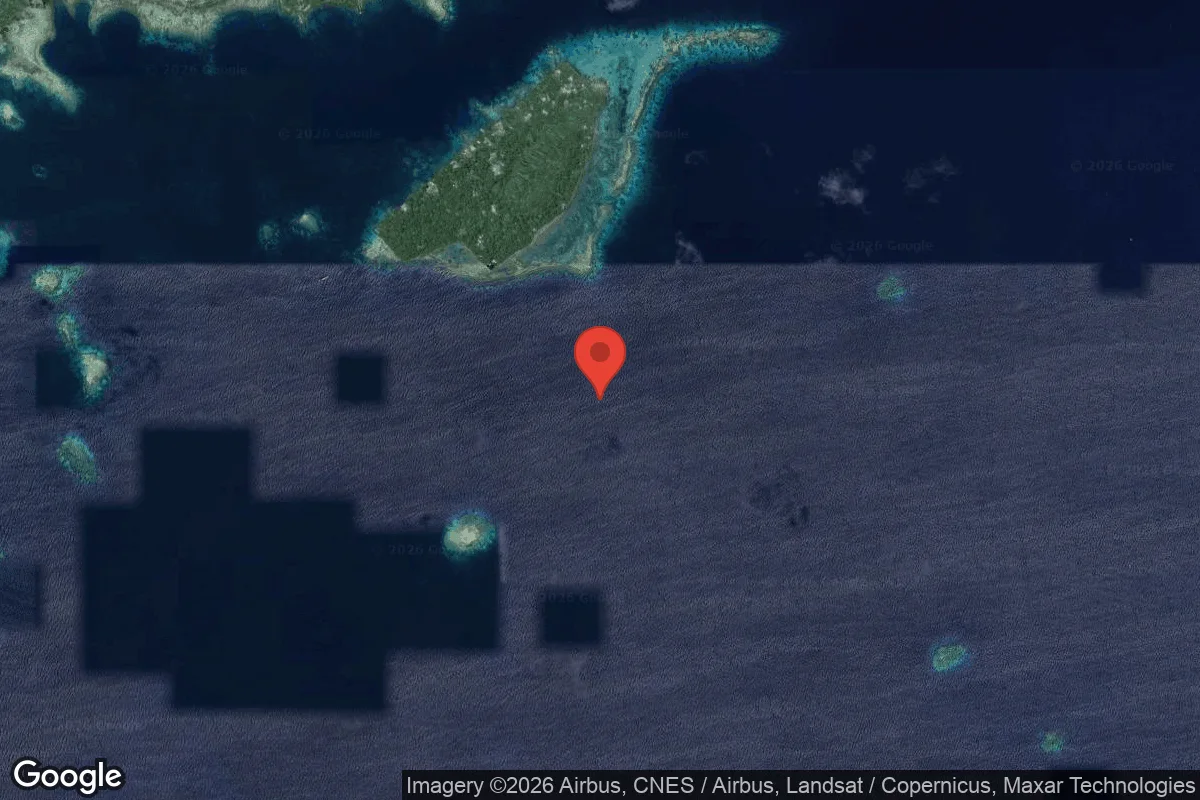
Max 37 m
3.2 km
advancedFujikawa Maru
OceanReef
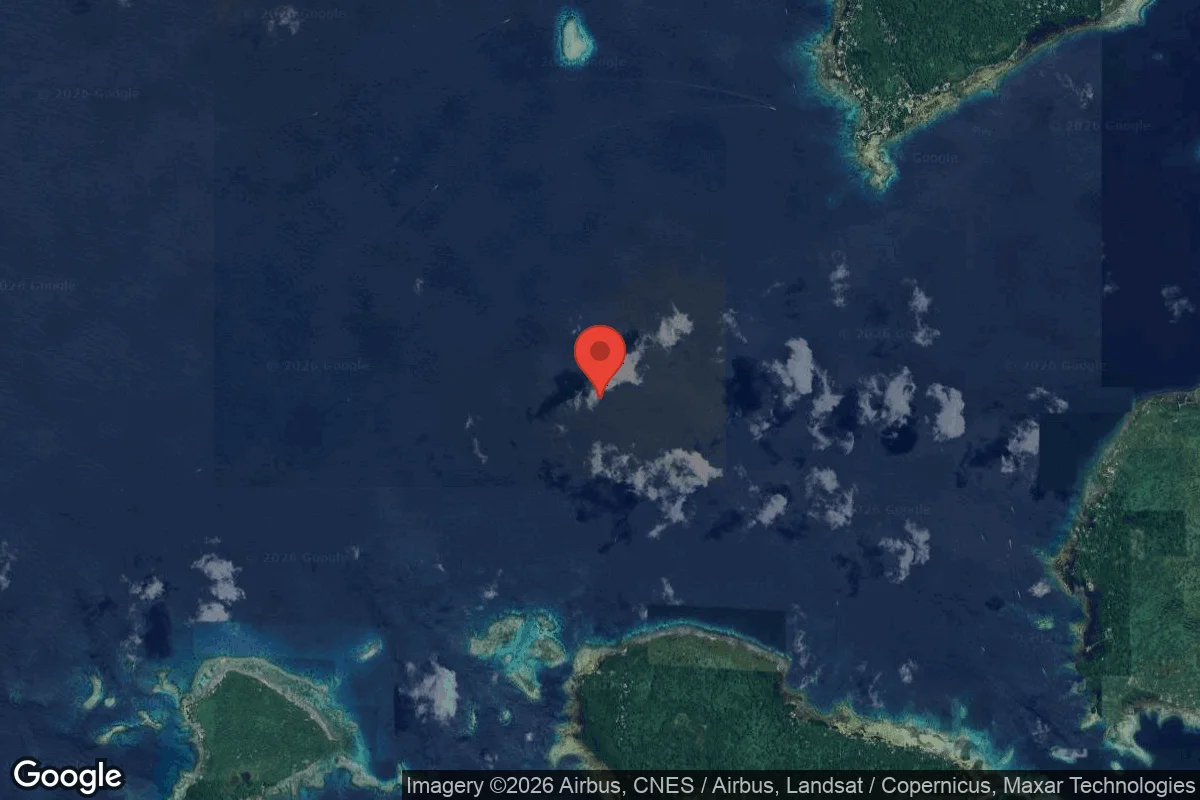
Max 34 m
10.4 km
advancedYamagiri Maru
ArchaeologicalBoat
Max 28 m
9.5 km
intermediateSankisan Maru
ArchaeologicalBoat
Max 38 m
15 km
intermediateShinkoku Maru
ArchaeologicalBoat
Max 38 m
22.7 km
advancedIJN Fumizuki
ArchaeologicalBoat
Max 48 m
2 km
advancedNippo Maru
ArchaeologicalBoat
Max 37 m
3.2 km
advancedFujikawa Maru
OceanReef
Max 34 m
10.4 km
advancedYamagiri Maru
ArchaeologicalBoat
Max 28 m
9.5 km
intermediateSankisan Maru
ArchaeologicalBoat
Max 38 m
15 km
intermediateShinkoku Maru
ArchaeologicalBoat
Max 38 m
22.7 km
advancedIJN Fumizuki
ArchaeologicalBoat
Dive Centers Near San Francisco Maru
No Dive Centers Local To San Francisco Maru
Are you a dive center visiting this location? Get listed to reach divers.
Nearest Airports
Nearest airports to help plan travel to this dive area.
Chuuk International Airport TKK
13 km
💵 Currency: USD
Search Flights
Check available flights and routes on Expedia, using the nearby airports listed in this section.
Search Flights on ExpediaAffiliate link · Dive Navigator may earn a commission at no extra cost to you.
Frequently Asked Questions
Why is the San Francisco Maru restricted to technical divers?
Even her shallowest intact bridge deckhouse sits at 42.7 m / 140 ft, while the bow gun, three Ha-Go tanks, and mine holds lie between 47 and 58 m / 154 and 190 ft above a 64 m / 210 ft seabed. Because the entire hull lies below the 40 m / 130 ft recreational ceiling, visiting her requires technical mixed-gas training and mandatory staged decompression.
Why is San Francisco Maru called the 'Million Dollar Wreck'?
Having arrived at Truk just two weeks before Operation Hailstone in February 1944, she sank fully loaded with an extraordinary manifest of three Type 95 Ha-Go tanks, Isuzu military trucks, aircraft engines, torpedoes, artillery shells, and hundreds of sea mines. Combined wartime replacement value of that intact military cargo inspired divers to dub her the Million Dollar Wreck.
Why sat two of the three tanks pressed against each other on the starboard deck?
Two Type 95 Ha-Go light tanks sit on the forward starboard deck and one on the port deck at 48.8 m / 160 ft. Bomb blasts and hull list during her stern-first sinking on 18 February 1944 slid the two starboard tanks together.
Are the sea mines inside Hold No. 1 still live?
Yes. UNESCO and corrosion researchers warn that the hemispherical sea mines and nearby crates of detonators inside the forward holds remain live explosives whose casings have thinned over eight decades in saltwater, requiring strict zero-contact trim.
What gas mix is recommended for diving San Francisco Maru?
Normoxic trimix (such as 18/45 or 21/35) on open-circuit twinsets or a closed-circuit rebreather paired with EAN50 and 100% oxygen decompression gases keeps narcotic depth low and gas density safe between 48 and 60 m / 157 and 197 ft. Divers ascend along the forward mast and shotline to complete multi-stage oxygen decompression stops.
Trip Inquiry
Planning to dive San Francisco Maru?
Tell us your dates and diving needs. We'll review your request and seek offers from relevant local dive centers.
Request Dive Offers Free request for offers • No booking obligation
San Francisco Maru
Conditions are Moderate
6/10
Confidence: 8/10
Indicates meteorological model agreement and data availability.
Best Dive Window
Optimal conditions expected
06:12
18:45
H: 10:45
L: 16:20
Air / Sea Temp
29° / 29°
Wave Height
1.2 m
Wind Speed
31 km/h ENE
Rain Chance
50%
Current conditions near San Francisco Maru show 29° air, 29° sea temperature, 1.2 m waves, and 31 km/h wind. Forecast data is refreshed regularly to ensure accuracy.
Radius: ~12km
Updated: Nov 25, 2026, 13:58 local timeMARINE: OPEN-METEOWEATHER: YR.NO