Loading...

Diving at Yamagiri Maru (Micronesia)
Published
Last updated
Lying 90 degrees on her port side in the Repair Anchorage north-northwest of Fefan Island, Yamagiri Maru holds the single heaviest naval ordnance artifact in Chuuk Lagoon: stacks of 46 cm / 18.1-inch armor-piercing shells built for the super-battleships Yamato and Musashi, verified in Item #1 of the U.S. National Park Service Truk Lagoon NHL inventory. Measuring 139.0 m / 456 ft overall (133.9 m / 439 ft between perpendiculars) at 6,439 GRT, her broad starboard hull forms a flat terrace at 15 m / 50 ft while her vertical hatches and propeller rest at 18 to 34 m / 59 to 112 ft. Suited to Advanced wreck divers accompanied by a certified Chuukese guide, she combines historic battleship ammunition with a soft-coral-wrapped stern propeller.
Starting the day at Yamagiri Maru, the ambient air temperature is recorded at 29°C. Ongoing monitoring shows wave heights measuring 1.1 m. This data represents the current surface conditions for early activities.
Dive Site Location & Key Facts
Site Characteristics
Max Depth
34m112ft
Visibility
20m66ft
Entry TypeBoat
Water Typesalt
Dive Types
ArchaeologicalDeepWreck
Dive Site Overview
Completed in July 1938 at Mitsubishi Heavy Industries' Yokohama Dockyard for Yamashita Kisen K.K., Yamagiri Maru measured 139.0 m / 456 ft overall with a 17.8 m / 58.3 ft beam at 6,438.83 GRT according to Mitsubishi shipyard and JACAR archival records and IJN Tokusetsu Kansen registry 327_028—resolving both a 220 m typographical error in dive guide prose and a clerical 3,188-ton copy-paste mix-up in the 1976 National Register table. Torpedoed and damaged off Mussau Island by USS Drum in August 1943, she limped into Chuuk in December 1943 for hull patch repairs.
During Operation Hailstone on 17 February 1944, Helldiver dive-bombers from USS Bunker Hill and USS Yorktown slammed 1,000-pound and 500-pound bombs directly into her engine room and Hold No. 3 as logged in CombinedFleet's Yamagiri Maru record. Rolling onto her port side as she sank rapidly with 11 crewmen killed, she settled on sand at 34 m / 112 ft (sloping to 37 m / 120 ft aft).
Inside Hold No. 5 rest dozens of Type 91 armor-piercing projectiles measuring 46 cm / 18.1 inches in diameter and weighing roughly 1,460 kg / 3,219 lb apiece—the largest naval shells ever fielded at sea—alongside construction steamrollers, while the blast-torn engine room remains a solemn war grave documented by Divers Alert Network. Along the broad 15 m / 50 ft starboard hull plate, divers can still inspect the steel repair patch welded over her 1943 submarine torpedo wound.
Yamagiri Maru
Conditions are Moderate
6/10
Confidence: 8/10
Indicates meteorological model agreement and data availability.
Best Dive Window
Optimal conditions expected
06:12
18:45
H: 10:45
L: 16:20
Air / Sea Temp
29° / 29°
Wave Height
1.1 m
Wind Speed
33 km/h ENE
Rain Chance
100%
Current conditions near Yamagiri Maru show 29° air, 29° sea temperature, 1.1 m waves, and 33 km/h wind. Forecast data is refreshed regularly to ensure accuracy.
Radius: ~12km
Updated: Nov 25, 2026, 06:35 local timeMARINE: OPEN-METEOWEATHER: YR.NO
Best Time to Dive
Protected inside the central islands of Chuuk Lagoon, Yamagiri Maru offers calm year-round diving in 28 to 30°C / 82 to 86°F water with 15 to 30 m / 50 to 100 ft visibility per SPREP's Chuuk Lagoon environmental study. December through April brings steady northeast trade winds and optimal underwater clarity for photographing the horizontal stern propeller and wide hull ruptures.
June through October brings flat, windless surface intervals between Fefan and Udot Islands, ideal for comfortable boat operations and Nitrox multi-dive itineraries. Zero thermocline from surface to 34 m / 112 ft keeps a single 3 mm wetsuit comfortable across every month.
PEAK SEASON SCORE
75/100
GoodScores combine air & water temps, waves, wind & rainfall for overall conditions.
BEST MONTHS TO DIVE
JUN
JUL
AUG
DIVE SCORE GUIDE (0–100)
Excellent (90–100)
Very Good (80–89)
Good (70–79)
Moderate (50–69)
Poor (30–49)
Not Recommended (0–29)
Monthly records compiled from satellite and marine observation nodes over the last 3 years. Data provided by Open-Meteo and MET Norway.
Dive Experience & Conditions
Boats from Weno run 20 to 25 minutes into the Repair Anchorage north of Fefan Island, dropping onto the broad, sunlit starboard hull plating lying flat like a flight deck at 15 m / 50 ft. Along the hull flank, divers can inspect both the steel repair patch from USS Drum's August 1943 torpedo hit and the massive amidships bomb rupture gaping into Hold No. 3. Dropping over the edge along the vertical weather deck between 18 and 28 m / 59 and 92 ft leads directly into wide-open Hold No. 5, where torch beams illuminate neatly stacked 46 cm / 18.1-inch Yamato-class battleship shells fitted with distinctive ballistic caps.
Continuing to the stern at 28 to 34 m / 92 to 112 ft reveals the giant single four-bladed propeller and rudder projecting sideways above the sand, completely draped in vibrant soft corals as highlighted by Divers Alert Network. Currents stay minimal across the anchorage, and ascending back onto the 15 m / 50 ft starboard hull plate provides a bright, sponge-covered terrace before the 5 m / 16 ft safety stop.
Dive Difficulty & Safety Guidelines
Visiting Hold No. 5 and the 34 m / 112 ft stern suits Advanced Open Water divers on Enriched Air Nitrox, whereas entering the sideways midships superstructure or engine room demands certified Wreck Penetration training with guidelines and redundant lights. Under Chuuk State Law No. 5-99-19, every diver requires a $30 Chuuk Lagoon State Monument permit arranged via a licensed local operator and underwater escort by a certified Chuukese guide. Because the ship lies 90 degrees on her port side, catwalks, ladders, and doorways inside the engine room are rotated sideways—a disorienting geometry compounded by tight squeezes and thick, zero-visibility rust silt explicitly warned against by Divers Alert Network.
Treat both the war-grave human remains fused into engine-room bulkhead debris documented in Bill Jeffery's heritage survey and the live 46 cm projectiles and propellant charges assessed by UNESCO with absolute zero-contact respect. Weno Island's volunteer chamber is basic and intermittently staffed per Divers Alert Network, so plan conservative no-decompression margins and carry active medevac insurance to U.S. Naval Base Guam.
Recommended Equipment
Deep dive hazard. Increased narcosis and gas consumption risk.
Overhead / entanglement risk. Wreck penetration requires proper training.
- Dive Computer
- DSMB
- Primary & Backup Lights
- Wreck Reel
- Cutting Tool
This gear list is based on verified equipment signals for Yamagiri Maru, Micronesia. Always confirm final gear choices with your dive operator, guide, or liveaboard.
Recommended Dive Suit
Dive skin or rash guard is often considered an appropriate level of exposure protection for conditions like these. Consider warmer surface protection (like a boat coat) due to brisk winds.
Current readings at Yamagiri Maru show water temperatures near 29°C (85°F). Surface air temperatures are resting at 29°C (84°F).
The forecast outlook suggests that temperatures will stay close to current levels.
Yamagiri Maru conditions last reviewed: 06:35 local time (UTC+10), Nov 25, 2026
Emergency & Medical Support
Essential information to help you plan your dive trip to Yamagiri Maru.

Hyperbaric chambers are a critical part of dive safety infrastructure. Availability varies significantly by region, and not all dive areas have immediate access.
Before diving, it's recommended to:
- confirm nearest medical facilities
- check emergency procedures with local dive operators
- ensure dive insurance covers evacuation if required
24/7 Available
Divers Alert Network
Diving emergency assistance available through DAN World.
+1-919-684-9111- 24/7 emergency hotline
- Diving medical assistance
- Evacuation coordination
Emergency contacts are provided for reference. Always verify local emergency services before diving.
Marine Life at Yamagiri Maru
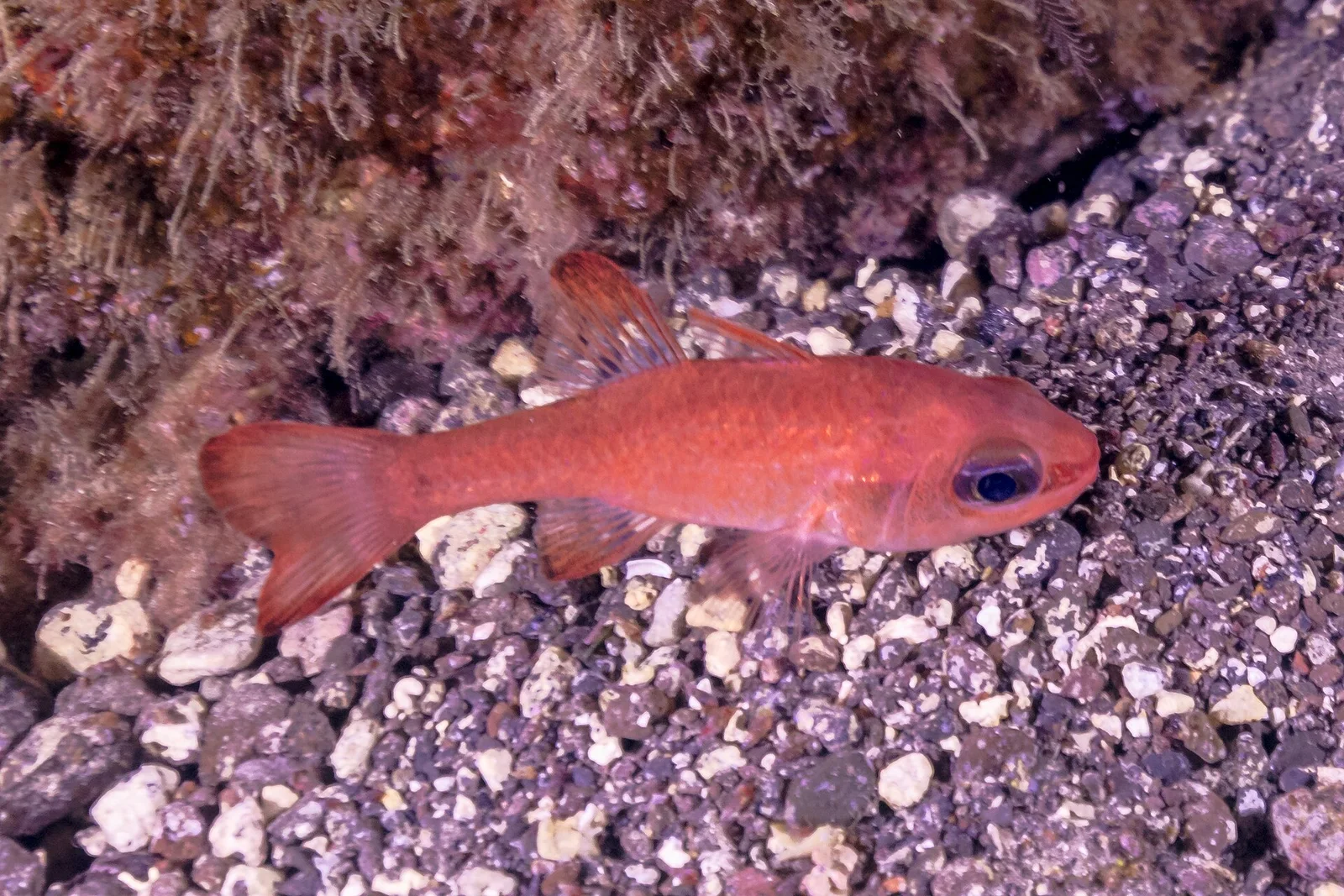
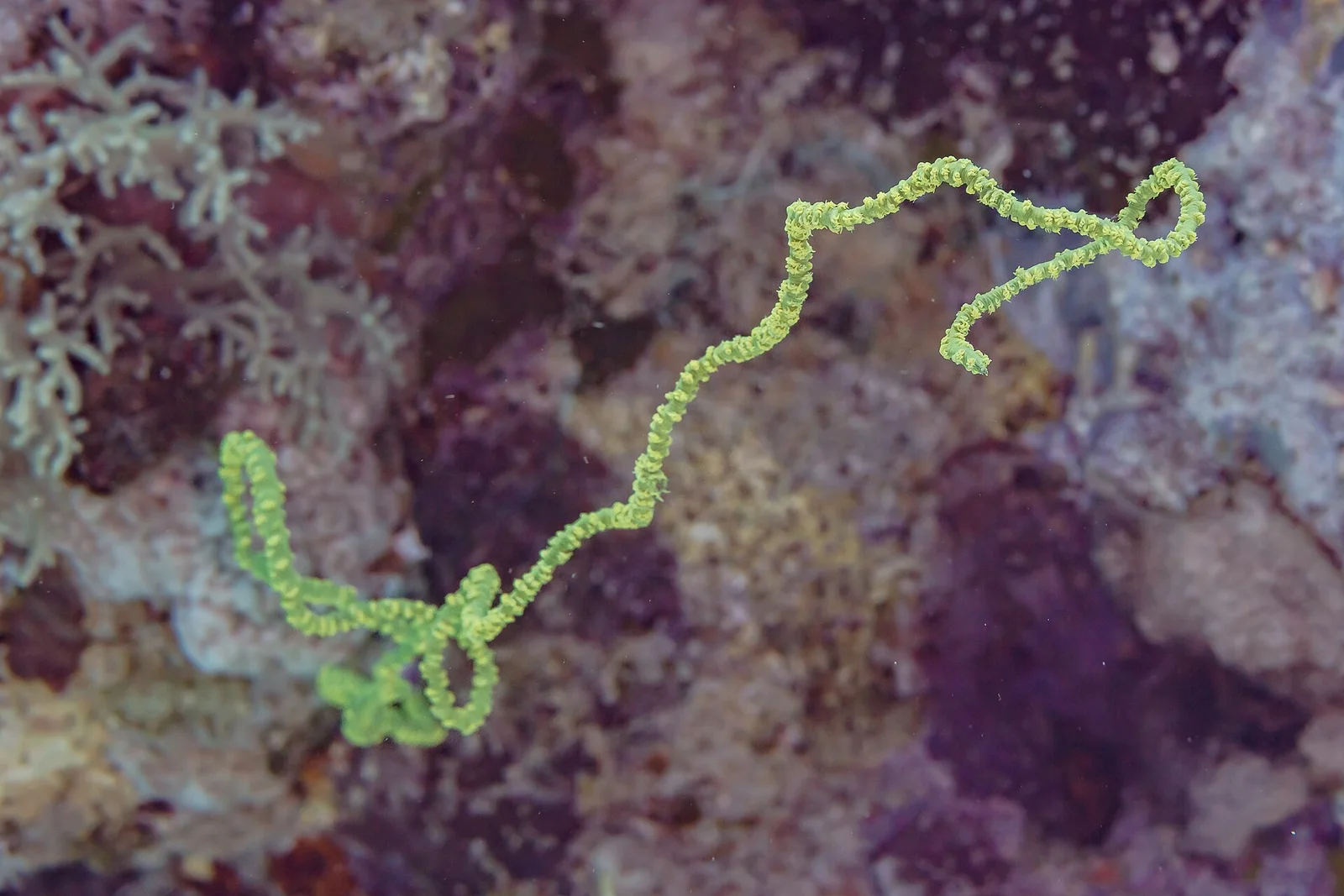
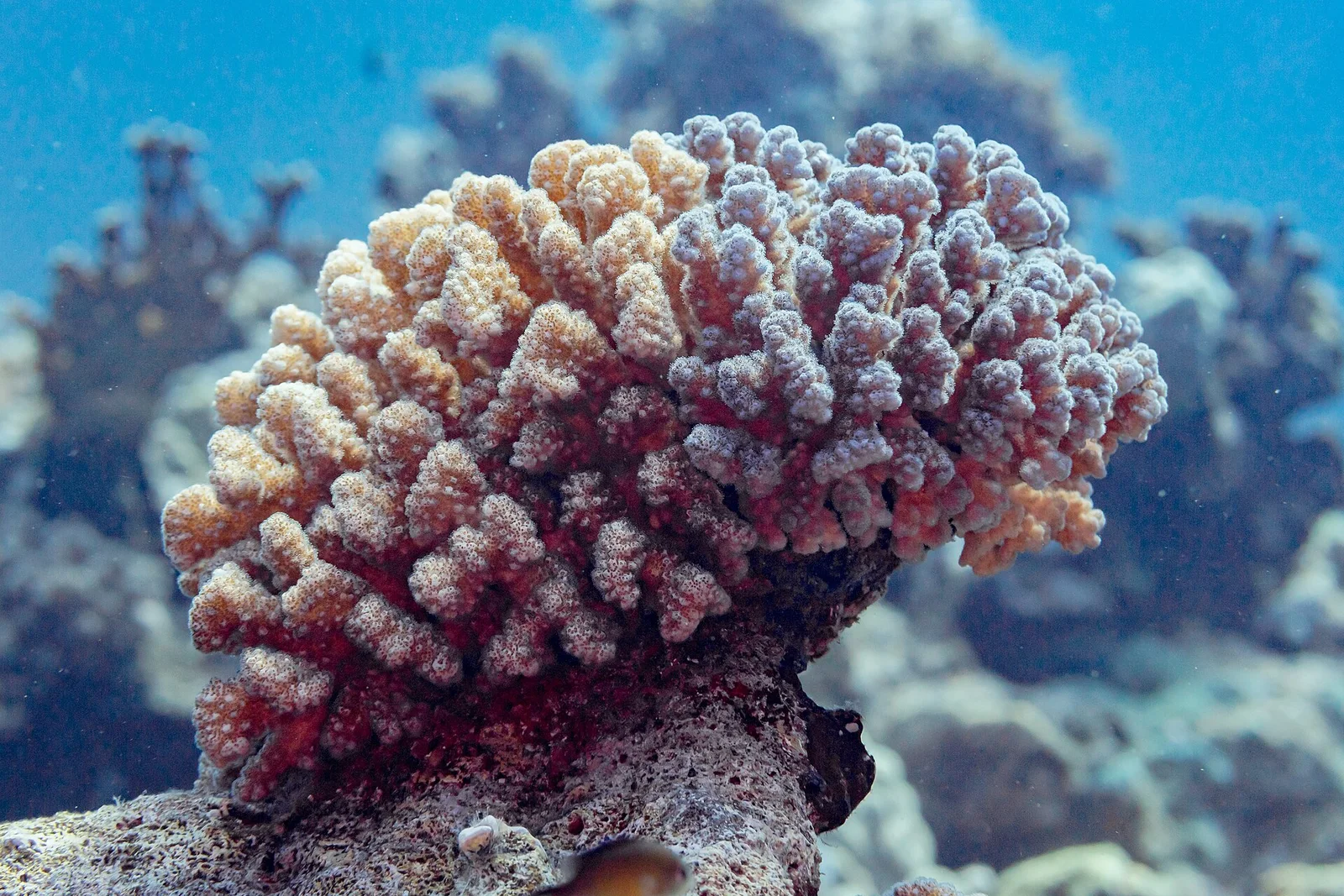
The massive horizontal stern propeller, rudder, and upper 15 m / 50 ft starboard gunwale of Yamagiri Maru are blanketed in glowing pink, orange, and violet carnation soft corals (Dendronephthya), black-coral bushes, and encrusting sponges featured by Divers Alert Network. Dense clouds of cardinalfish and glassfish hover beneath the stern overhang while anemonefish, spotfin lionfish, colorful nudibranchs, and reef wrasses populate the sunlit hull plates among Chuuk's 266 wreck-associated species noted in AIMA biological summaries.
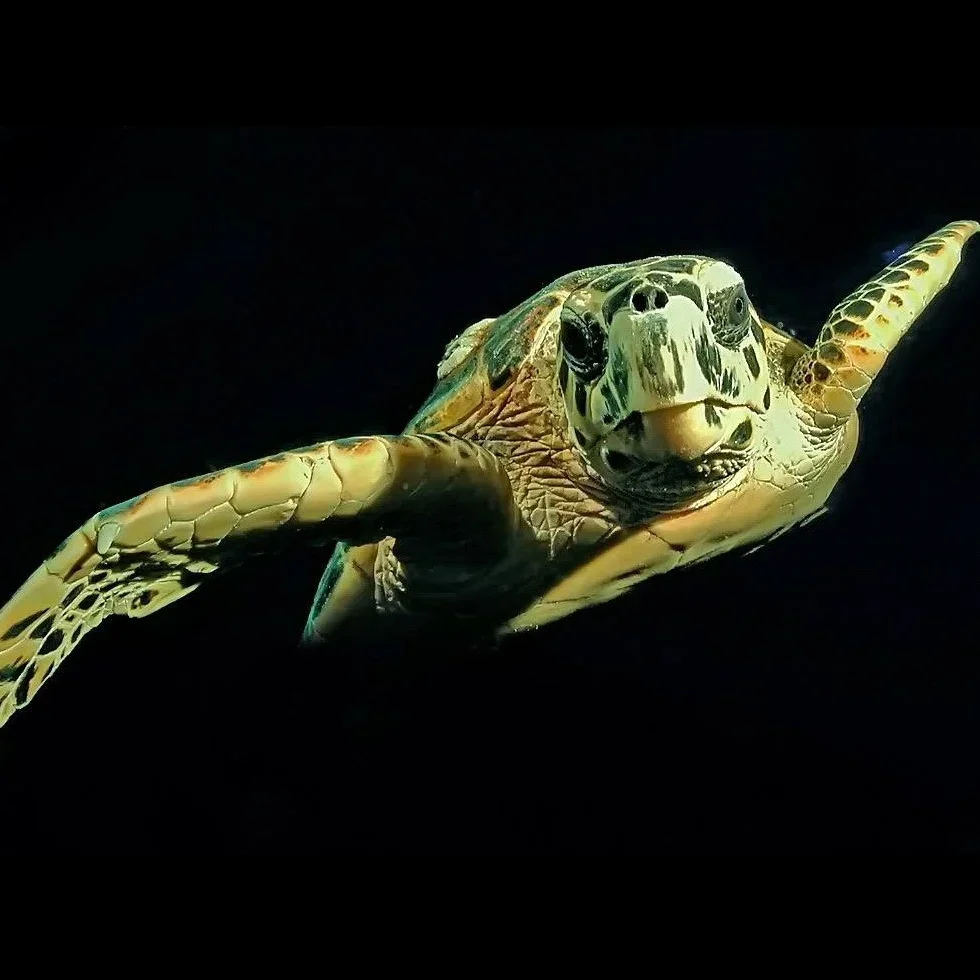
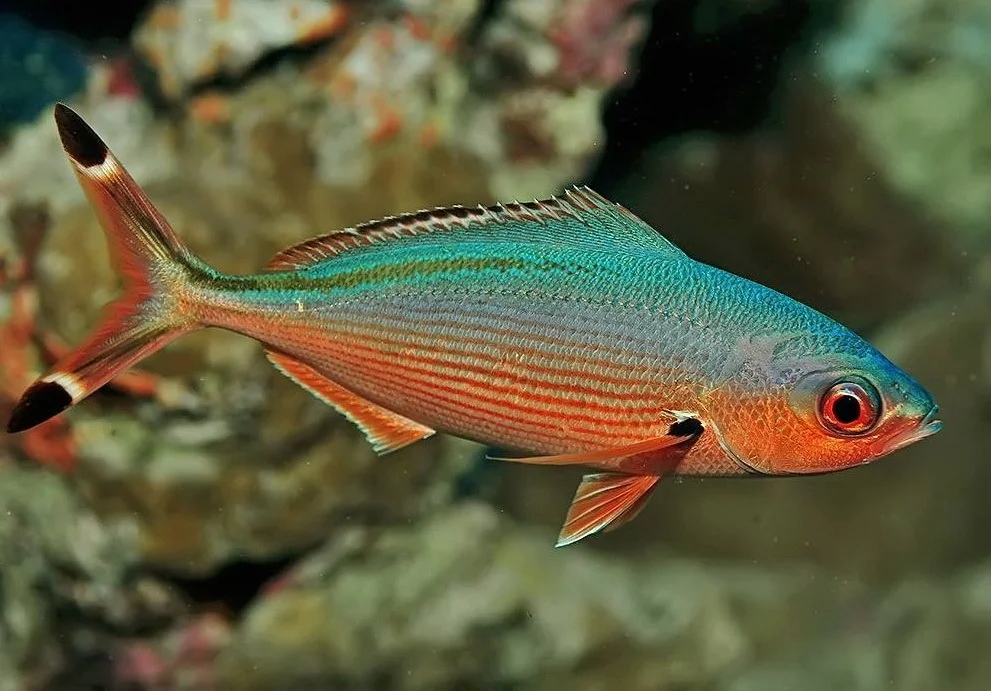
Out in the blue water above the hull, schools of yellowback fusiliers and trevally patrol past occasional hawksbill sea turtles resting on the flat starboard flank.
1 / 2
Image contributors:Diego Delso
Want to contribute photos or local dive knowledge? Learn how to contributeDive Sites Near Yamagiri Maru
View all dive sites in MicronesiaDiscover more underwater gems in this area.
Max 37 m
9.1 km
advancedFujikawa Maru
OceanReef
Max 38 m
4.7 km
intermediateShinkoku Maru
ArchaeologicalBoat
Max 38 m
12.6 km
advancedIJN Fumizuki
ArchaeologicalBoat
Max 64 m
10.4 km
advancedSan Francisco Maru
ArchaeologicalBoat
Max 48 m
10.9 km
advancedNippo Maru
ArchaeologicalBoat
Max 28 m
11.8 km
intermediateSankisan Maru
ArchaeologicalBoat
Max 37 m
9.1 km
advancedFujikawa Maru
OceanReef
Max 38 m
4.7 km
intermediateShinkoku Maru
ArchaeologicalBoat
Max 38 m
12.6 km
advancedIJN Fumizuki
ArchaeologicalBoat
Max 64 m
10.4 km
advancedSan Francisco Maru
ArchaeologicalBoat
Max 48 m
10.9 km
advancedNippo Maru
ArchaeologicalBoat
Max 28 m
11.8 km
intermediateSankisan Maru
ArchaeologicalBoat
Dive Centers Near Yamagiri Maru
No Dive Centers Local To Yamagiri Maru
Are you a dive center visiting this location? Get listed to reach divers.
Nearest Airports
Nearest airports to help plan travel to this dive area.
Chuuk International Airport TKK
8 km
💵 Currency: USD
Search Flights
Check available flights and routes on Expedia, using the nearby airports listed in this section.
Search Flights on ExpediaAffiliate link · Dive Navigator may earn a commission at no extra cost to you.
Frequently Asked Questions
Are the battleship shells inside Yamagiri Maru really 18.1 inches (46 cm) wide?
Yes. Although some dive articles casually call them 14-inch shells, the U.S. National Park Service inventory confirms Hold No. 5 carries 46 cm / 18.1-inch Type 91 armor-piercing projectiles weighing ~1,460 kg / 3,219 lb each, built exclusively for the Yamato and Musashi.
How long is the Yamagiri Maru—139 meters or 220 meters?
Original Mitsubishi Yokohama Dockyard and Japanese Ministry of Communications records confirm Yamagiri Maru measured 139.0 m / 456 ft overall (133.92 m / 439.4 ft between perpendiculars) at 6,439 GRT. The '220 m' figure printed in some dive books is a typographical error.
Why is engine-room penetration on Yamagiri Maru considered hazardous?
Because the hull rests 90 degrees on its port side, all interior corridors, ladders, and machinery sit rotated sideways, causing severe disorientation, while fine rust silt inside tight blast-damaged spaces can reduce visibility to zero with a single fin kick. Only certified wreck-penetration divers using continuous guidelines and redundant torches should enter the engine room.
Can divers see the Yamato battleship shells without deep technical gear?
Yes. Hold No. 5 opens sideways along the 18 to 28 m / 59 to 92 ft hull wall, allowing Advanced Open Water divers escorted by a licensed Chuukese guide to inspect the 46 cm shells comfortably within recreational Enriched Air Nitrox limits.
Why did Yamagiri Maru already have a hull patch before Operation Hailstone?
On 27 August 1943 off Mussau Island, U.S. submarine USS Drum hit Yamagiri Maru with two torpedoes. She survived and steamed to Chuuk's Repair Anchorage in December 1943, where she was undergoing hull repairs when Task Force 58 struck on 17 February 1944.
Trip Inquiry
Planning to dive Yamagiri Maru?
Tell us your dates and diving needs. We'll review your request and seek offers from relevant local dive centers.
Request Dive Offers Free request for offers • No booking obligation
Yamagiri Maru
Conditions are Moderate
6/10
Confidence: 8/10
Indicates meteorological model agreement and data availability.
Best Dive Window
Optimal conditions expected
06:12
18:45
H: 10:45
L: 16:20
Air / Sea Temp
29° / 29°
Wave Height
1.1 m
Wind Speed
33 km/h ENE
Rain Chance
100%
Current conditions near Yamagiri Maru show 29° air, 29° sea temperature, 1.1 m waves, and 33 km/h wind. Forecast data is refreshed regularly to ensure accuracy.
Radius: ~12km
Updated: Nov 25, 2026, 06:35 local timeMARINE: OPEN-METEOWEATHER: YR.NO