Loading...

Diving at Nippo Maru (Micronesia)
Published
Last updated
Anchored upright with a dramatic port list on the deep floor of the Combined Fleet anchorage east of Tonoas Island, Nippo Maru is one of Chuuk Lagoon's signature World War II time capsules documented in the U.S. National Park Service Truk Lagoon National Historic Landmark inventory. Sunk during Operation Hailstone on 18 February 1944, the 107.8 m / 354 ft auxiliary water carrier rises to 24 m / 79 ft at its famous intact wheelhouse while its main deck and stern drop from 36.6 m / 120 ft to 48.0 m / 157 ft. Reserved for Advanced Deep and Technical divers accompanied by a licensed Chuukese guide, her forward port deck still carries a Mitsubishi Type 95 Ha-Go light tank alongside three artillery pieces.
Current morning readings from Nippo Maru indicate an air temperature of 28.5°C. Surface wave heights are averaging around 1.2 m at this time. These local measurements provide a baseline for your daily dive planning.
Dive Site Location & Key Facts
Site Characteristics
Max Depth
48m157ft
Visibility
22m72ft
Entry TypeBoat
Water Typesalt
Dive Types
ArchaeologicalDeepTechnical
Dive Site Overview
Built in 1936 by Kawasaki Dockyard Co. in Kobe at 3,764 GRT, Nippo Maru measured 107.8 m / 354 ft overall with a 15.2 m / 50 ft beam according to Wrecksite's Nippo Maru registry and CombinedFleet's Nippo Maru operational history. Originally sailing commercial fruit routes between Taiwan and Japan, she was requisitioned by the Imperial Japanese Navy in August 1941 and refitted at Nagasaki into a specialized fleet fresh-water carrier (Kyusuisen).
During Task Force 58's Operation Hailstone carrier strikes, Grumman TBF Avenger torpedo-bombers from USS Essex scored daytime and night bomb hits on 17 February 1944, sending her to the lagoon bed at 03:10 on 18 February with zero crew fatalities. Rediscovered by divers in 1980 and mapped by side-scan sonar in Bill Jeffery's Chuuk archaeological survey, the hull sits upright on an even keel canted ~15 to 20 degrees to port.
Few wrecks anywhere match her concentration of military hardware on a single deck sweep. Behind the photogenic bridge helm and twin engine-order telegraphs sit a five-ton Type 95 Ha-Go tank at 38.1 m / 125 ft, three anti-tank and coastal artillery guns, truck chassis, gas masks, shells, and a corkscrewing staircase leading into a gauge-filled engine room described by Divers Alert Network.
Nippo Maru
Conditions are Moderate
6/10
Confidence: 8/10
Indicates meteorological model agreement and data availability.
Best Dive Window
Optimal conditions expected
06:12
18:45
H: 10:45
L: 16:20
Air / Sea Temp
29° / 29°
Wave Height
1.3 m
Wind Speed
27 km/h ENE
Rain Chance
100%
Current conditions near Nippo Maru show 29° air, 29° sea temperature, 1.3 m waves, and 27 km/h wind. Forecast data is refreshed regularly to ensure accuracy.
Radius: ~12km
Updated: Nov 24, 2026, 17:40 local timeMARINE: OPEN-METEOWEATHER: YR.NO
Best Time to Dive
Enclosed inside Chuuk's 2,130 sq km / 822 sq mi barrier-reef lagoon, Nippo Maru is diveable twelve months a year in isothermal 28 to 29.5°C / 82 to 85°F water with virtually zero thermocline down to 48 m / 157 ft according to Divers Alert Network's Chuuk guide. December through April brings steady northeast trade winds and the clearest 20 to 30 m / 65 to 100 ft ambient light on the deep wheelhouse and tank deck.
Between June and October, trade winds subside as the Intertropical Convergence Zone brings glassy-flat boat runs out beyond Tonoas Island alongside heavier tropical downpours. Even when surface plankton or jellyfish blooms gather in the upper 15 m / 50 ft, visibility around the 24 to 40 m / 79 to 130 ft hull usually stays crisp.
PEAK SEASON SCORE
74/100
GoodScores combine air & water temps, waves, wind & rainfall for overall conditions.
BEST MONTHS TO DIVE
JUL
AUG
SEP
DIVE SCORE GUIDE (0–100)
Excellent (90–100)
Very Good (80–89)
Good (70–79)
Moderate (50–69)
Poor (30–49)
Not Recommended (0–29)
Monthly records compiled from satellite and marine observation nodes over the last 3 years. Data provided by Open-Meteo and MET Norway.
Dive Experience & Conditions
Speedboats from Weno Island resorts and lagoon liveaboards run 20 to 30 minutes east past Tonoas Island, tying onto the descent line above the midships superstructure. Descending through warm blue water—often passing pulsing clouds of lagoonal jellyfish in the upper column—divers reach the upper bridge tier at 24 to 27.4 m / 79 to 90 ft, where empty window frames illuminate the wooden-spoke helm pedestal and dual brass telegraphs. Dropping forward onto the port-listed weather deck between 35 and 38.1 m / 115 and 125 ft reveals the unmistakable turret and tracks of the Mitsubishi Type 95 Ha-Go light tank parked beside three field and coastal defense guns documented by Divers Alert Network. Illuminating the open forward holds with primary torches exposes truck remnants, gas-mask canisters, glass bottles, and stacked artillery munitions, while trained technical wreck teams follow corkscrew stairs into the midships engine room down toward the 47.2 to 48.0 m / 155 to 157 ft stern seabed.
Currents at the deep anchorage are minimal, keeping fin-kick discipline paramount so fine rust silt never clouds the wheelhouse or machinery spaces. Teams ascend the mooring line carefully for staged decompression or extended deep-stop profiles, watching for stinging medusae near the 5 to 9 m / 16 to 30 ft hang zone.
Dive Difficulty & Safety Guidelines
Because the main deck and tank sit at 35 to 38.1 m / 115 to 125 ft and the stern touches 48 m / 157 ft, Nippo Maru requires Advanced Open Water with Deep Diver certification at minimum, while staged-decompression Technical or rebreather setups are essential to explore the holds and engine room safely. Section 5 of Chuuk State Law No. 5-99-19 requires every diver in the Chuuk Lagoon State Monument to hold a valid monument permit arranged through a licensed local dive operator and dive accompanied by a certified Chuukese guide. Removing, touching, or rearranging wheelhouse gauges, gas masks, bottles, or munitions violates both Chuuk State monument statutes and FSM Code Title 26, carrying stiff fines and imprisonment.
Electrochemical surveys in Frontiers in Marine Science and safety reviews by Divers Alert Network warn that aging steel bulkheads, live artillery shells, mines, and leaking caustic containers inside the holds pose severe collapse and chemical-burn hazards. Check gas-mix Maximum Operating Depths meticulously before descending—standard EAN32 exceeds 1.4 bar oxygen partial pressure above the tank deck at 33.7 m / 111 ft, requiring air, leaner EAN26–28, or normoxic trimix.
Weno Island's volunteer-run chamber has basic equipment and intermittent staffing per Divers Alert Network and peer-reviewed remote chamber analyses, so serious decompression illness requires a 1,019 km / 633 mi air-ambulance evacuation to U.S. Naval Base Guam.
Recommended Equipment
Technical depth range. Advanced planning, gas management, and appropriate certification required.
Overhead / entanglement risk. Wreck penetration requires proper training.
- Dive Computer
- DSMB
- Primary & Backup Lights
- Wreck Reel
- Cutting Tool
This gear list is based on verified equipment signals for Nippo Maru, Micronesia. Always confirm final gear choices with your dive operator, guide, or liveaboard.
Recommended Dive Suit
Divers visiting Nippo Maru today can expect water conditions around 29°C (85°F). Surface air temperatures are resting at 29°C (83°F).
Dive skin or rash guard is generally considered suitable for water temperatures like this. Consider warmer surface protection (like a boat coat) due to brisk winds.
Forecast trends indicate similar diving conditions over the next few days.
Nippo Maru conditions last reviewed: 17:40 local time (UTC+10), Nov 24, 2026
Emergency & Medical Support
Essential information to help you plan your dive trip to Nippo Maru.

Hyperbaric chambers are a critical part of dive safety infrastructure. Availability varies significantly by region, and not all dive areas have immediate access.
Before diving, it's recommended to:
- confirm nearest medical facilities
- check emergency procedures with local dive operators
- ensure dive insurance covers evacuation if required
24/7 Available
Divers Alert Network
Diving emergency assistance available through DAN World.
+1-919-684-9111- 24/7 emergency hotline
- Diving medical assistance
- Evacuation coordination
Emergency contacts are provided for reference. Always verify local emergency services before diving.
Marine Life at Nippo Maru
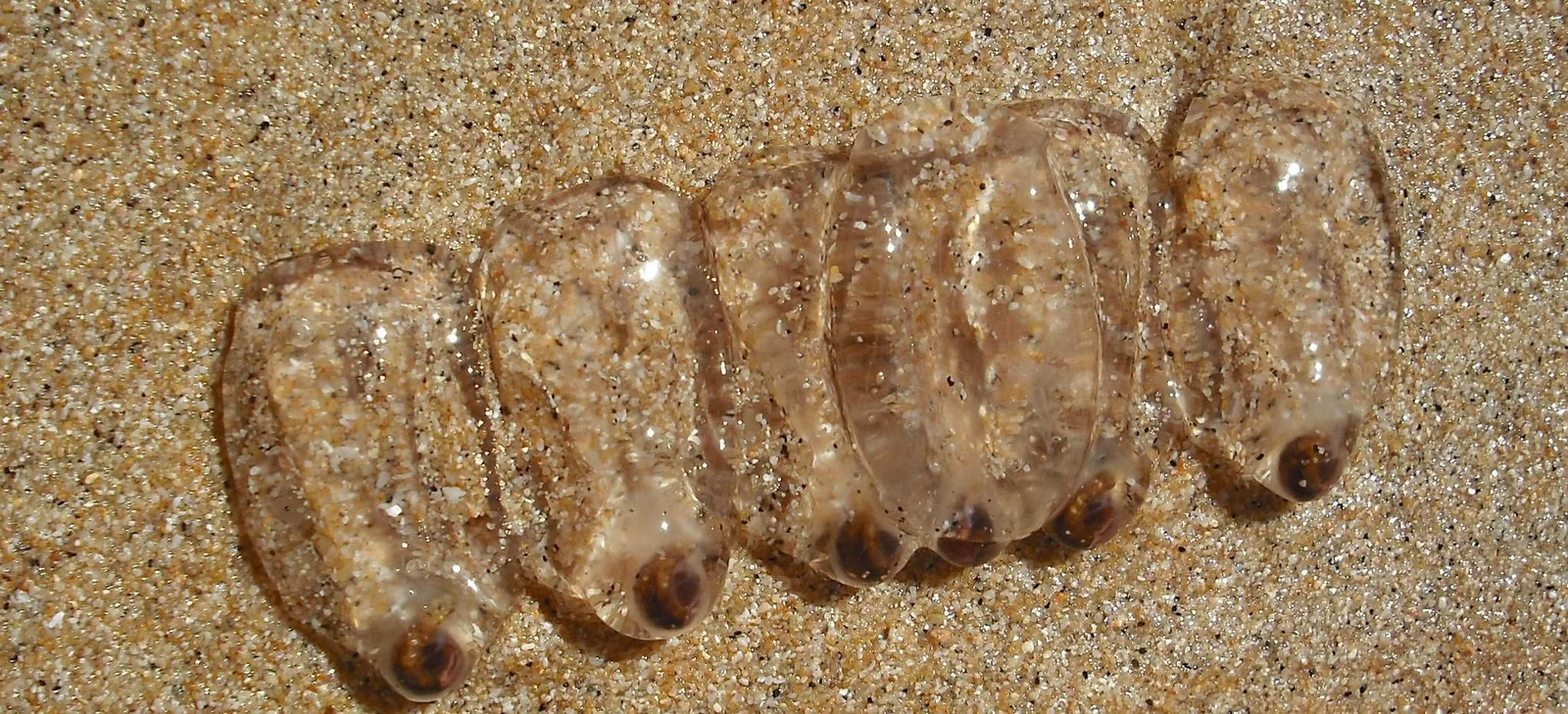
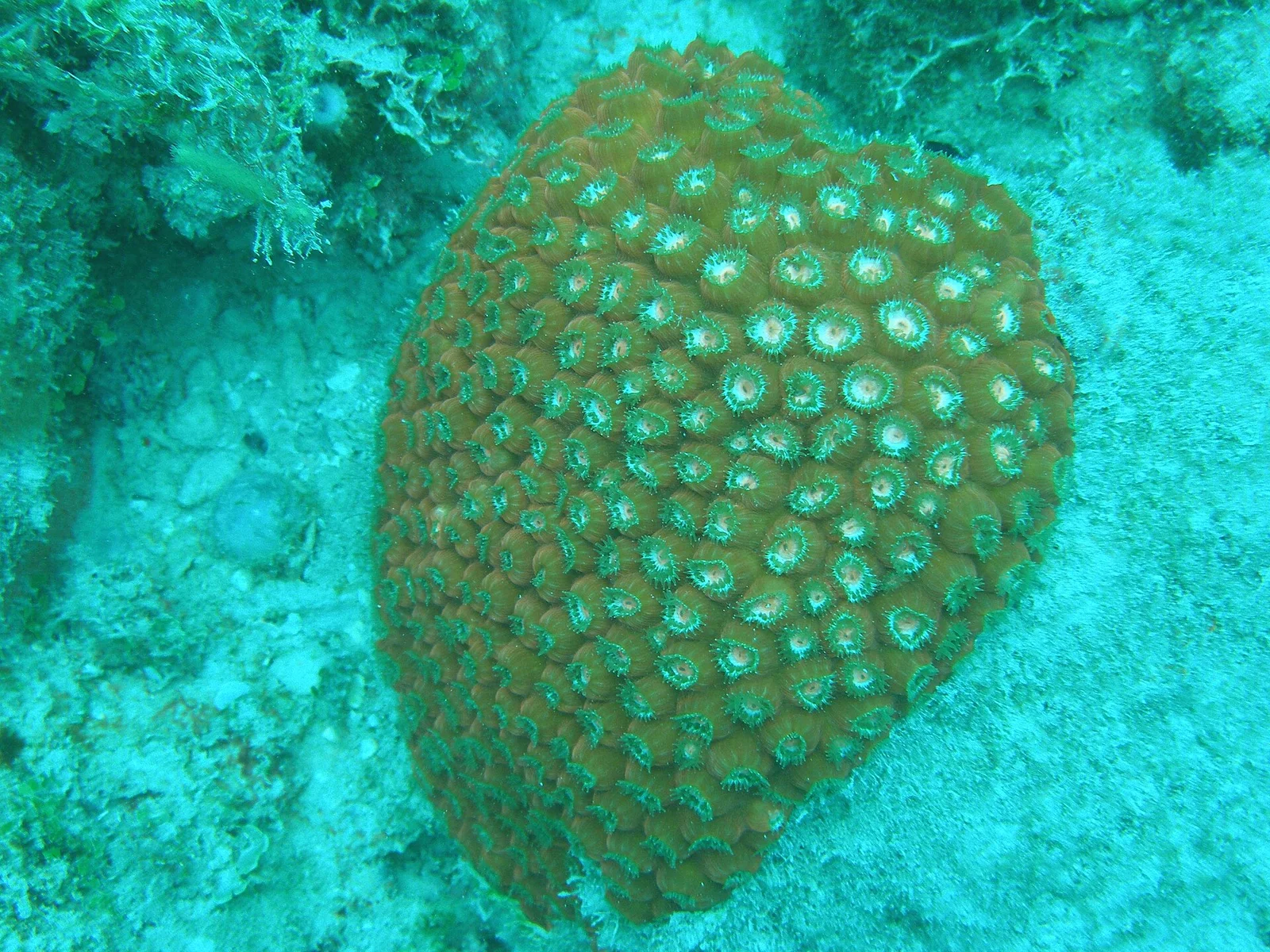
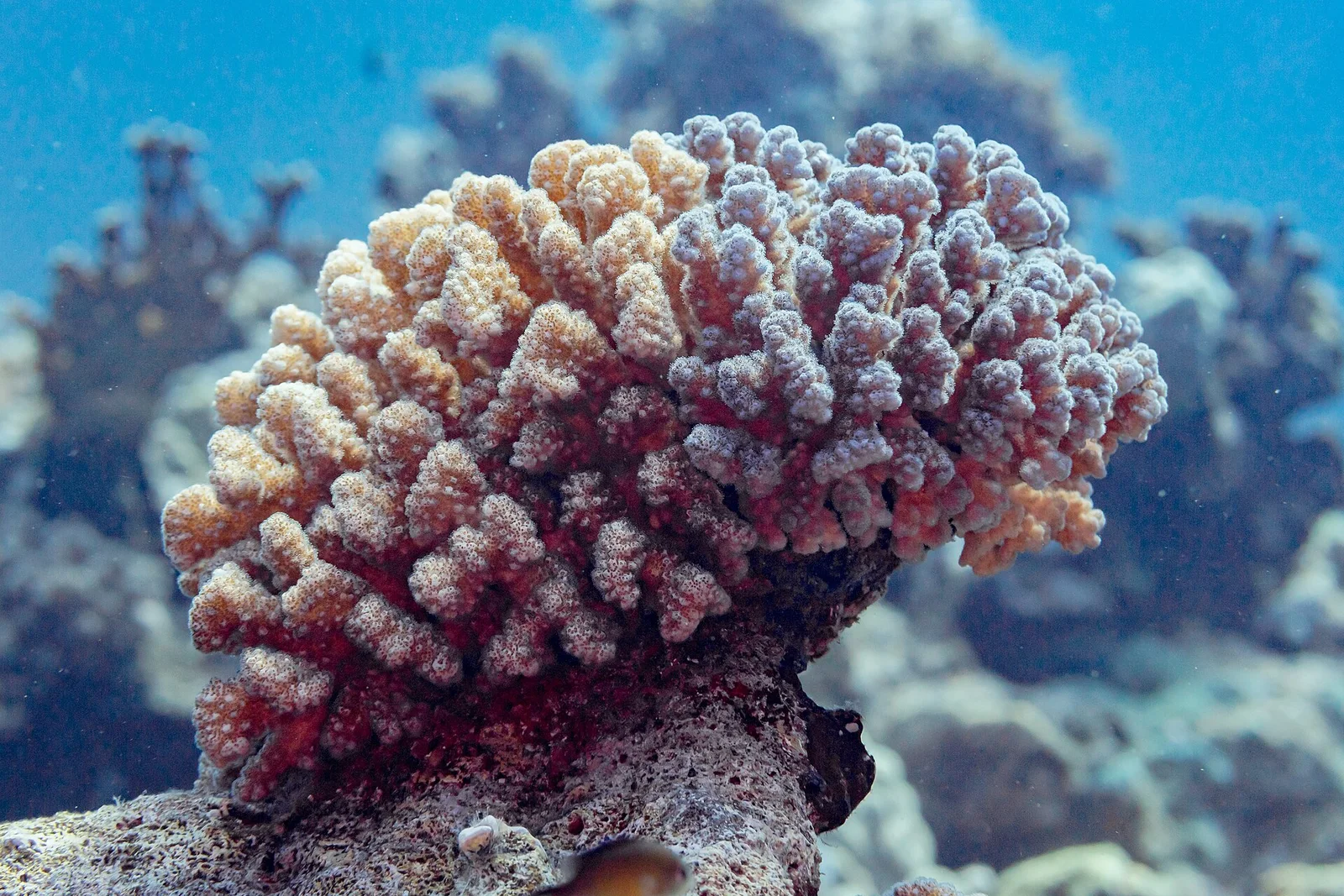
Swarms of translucent crown and moon jellyfish frequently drift across the upper ascent line above Nippo Maru, framing surreal wide-angle silhouettes of the masts and wheelhouse noted by Divers Alert Network. Along the 24 to 38 m / 79 to 125 ft bridge railings, gun barrels, and Ha-Go tank turret, low-light daisy corals (Goniopora), Porites colonies, carnation soft corals, and gorgonian sea fans surveyed across Chuuk's deep fleet in MDPI Diversity soften the wartime steel.
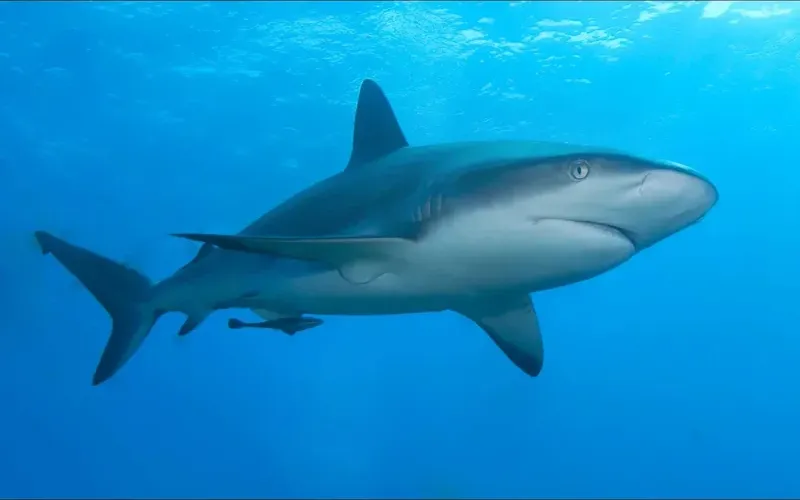
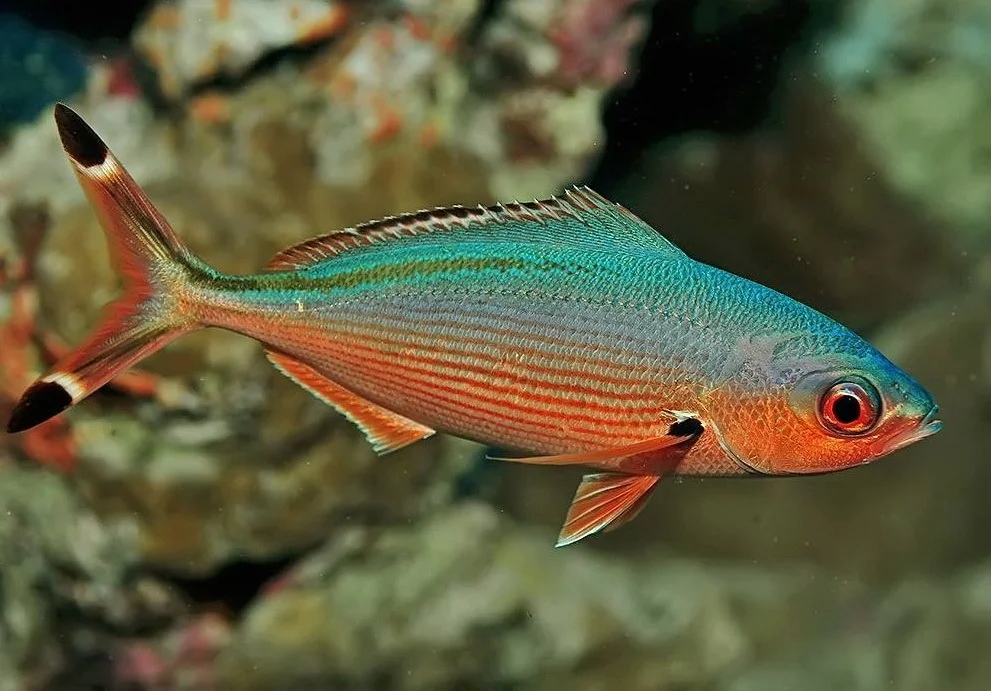
Schools of yellowback fusiliers, bigeye trevally, and resident spotfin lionfish patrol the superstructure while grey reef sharks occasionally cruise past the deep bow.
1 / 2
Image contributors:Claudia Ramírez, Albert kok + 2 more
Want to contribute photos or local dive knowledge? Learn how to contributeDive Sites Near Nippo Maru
View all dive sites in MicronesiaDiscover more underwater gems in this area.
Max 64 m
2 km
advancedSan Francisco Maru
ArchaeologicalBoat
Max 37 m
5.1 km
advancedFujikawa Maru
OceanReef
Max 34 m
10.9 km
advancedYamagiri Maru
ArchaeologicalBoat
Max 28 m
11.4 km
intermediateSankisan Maru
ArchaeologicalBoat
Max 38 m
22.8 km
advancedIJN Fumizuki
ArchaeologicalBoat
Max 38 m
15.5 km
intermediateShinkoku Maru
ArchaeologicalBoat
Max 64 m
2 km
advancedSan Francisco Maru
ArchaeologicalBoat
Max 37 m
5.1 km
advancedFujikawa Maru
OceanReef
Max 34 m
10.9 km
advancedYamagiri Maru
ArchaeologicalBoat
Max 28 m
11.4 km
intermediateSankisan Maru
ArchaeologicalBoat
Max 38 m
22.8 km
advancedIJN Fumizuki
ArchaeologicalBoat
Max 38 m
15.5 km
intermediateShinkoku Maru
ArchaeologicalBoat
Dive Centers Near Nippo Maru
No Dive Centers Local To Nippo Maru
Are you a dive center visiting this location? Get listed to reach divers.
Nearest Airports
Nearest airports to help plan travel to this dive area.
Chuuk International Airport TKK
12 km
💵 Currency: USD
Search Flights
Check available flights and routes on Expedia, using the nearby airports listed in this section.
Search Flights on ExpediaAffiliate link · Dive Navigator may earn a commission at no extra cost to you.
Frequently Asked Questions
How deep are the wheelhouse and the Japanese tank on the Nippo Maru?
The shallowest tier of the intact wheelhouse begins at 24 m / 79 ft (with the main helm floor around 27.4 m / 90 ft), while the Mitsubishi Type 95 Ha-Go light tank sits on the port forward deck at 38.1 m / 125 ft. The sandy seabed beneath the stern reaches 47.2 to 48.0 m / 155 to 157 ft.
Can recreational divers visit Nippo Maru without technical certification?
Experienced Deep-certified recreational divers can make a brief, disciplined no-decompression visit to the 24 to 27 m / 79 to 90 ft wheelhouse and peer at the 38 m / 125 ft tank and bow guns. Exploring the cargo holds, engine room, or 48 m / 157 ft stern requires technical staged-decompression training.
Are permits and local guides mandatory in Chuuk Lagoon?
Yes. Chuuk State Law No. 5-99-19 mandates that every wreck diver obtain a Chuuk Lagoon State Monument permit through a licensed local dive operator and dive accompanied underwater by a certified Chuukese dive guide.
Were lives lost when the Nippo Maru sank during Operation Hailstone?
Remarkably, Imperial Japanese Navy records confirm zero crew casualties aboard Nippo Maru when she sank at 03:10 on 18 February 1944 after daytime and night bomb hits by USS Essex Avengers. All hands evacuated safely before the water carrier settled in the Tonoas anchorage.
What hyperbaric chamber support is available in Chuuk?
Weno Island houses a basic volunteer-operated recompression chamber that is only intermittently available on call. Critical decompression emergencies require long-range air-ambulance evacuation roughly 1,019 km / 633 mi northwest to U.S. Naval Base Guam.
Trip Inquiry
Planning to dive Nippo Maru?
Tell us your dates and diving needs. We'll review your request and seek offers from relevant local dive centers.
Request Dive Offers Free request for offers • No booking obligation
Nippo Maru
Conditions are Moderate
6/10
Confidence: 8/10
Indicates meteorological model agreement and data availability.
Best Dive Window
Optimal conditions expected
06:12
18:45
H: 10:45
L: 16:20
Air / Sea Temp
29° / 29°
Wave Height
1.3 m
Wind Speed
27 km/h ENE
Rain Chance
100%
Current conditions near Nippo Maru show 29° air, 29° sea temperature, 1.3 m waves, and 27 km/h wind. Forecast data is refreshed regularly to ensure accuracy.
Radius: ~12km
Updated: Nov 24, 2026, 17:40 local timeMARINE: OPEN-METEOWEATHER: YR.NO