Loading...

Diving at Fujikawa Maru (Micronesia)
Published
Last updated
Resting upright on the sheltered floor of Chuuk Lagoon just south of Eten Island, Fujikawa Maru is a 133 m / 437 ft Imperial Japanese Navy armed aircraft transport sunk during Operation Hailstone in February 1944 and cataloged in National Park Service landmark records. Her coral-draped masts and twin kingposts reach into sunlit shallows while the keel sits evenly on silty lagoon sand at 34 to 37 m / 112 to 120 ft. Divers dropping to the main deck at 15 to 18 m / 50 to 60 ft encounter 152 mm / 6 in bow and stern deck guns alongside open cargo holds housing disassembled Mitsubishi A6M Zero fighter aircraft. Safeguarded under Chuuk State monument statutes, the ship combines World War II aviation history with dense Pacific soft coral gardens.
Current morning readings from Fujikawa Maru indicate an air temperature of 29°C. Surface wave heights are averaging around 1.2 m at this time. These local measurements provide a baseline for your daily dive planning.
Dive Site Location & Key Facts
Site Characteristics
Max Depth
37m121ft
Visibility
25m82ft
Entry TypeBoat
Water Typesalt
Dive Types
DeepReefWreck
Dive Site Overview
Completed in July 1938 at the Mitsubishi Heavy Industries shipyard in Nagasaki for the Toyo Kaiun line, Fujikawa Maru measured 133 m / 437 ft overall with a 17.8 m / 58.5 ft beam and 6,938 gross register tons. Built as a diesel-powered cargo and passenger vessel for trans-Pacific routes, she was requisitioned by the Imperial Japanese Navy in December 1940 and converted into an armed auxiliary aircraft ferry documented in the National Register of Historic Places inventory for Truk Lagoon. Naval crews fitted 152 mm / 6 in guns on the bow and stern plus anti-aircraft mounts to guard warplane deliveries across Pacific island bases.
After surviving an American submarine torpedo strike in late 1943, the transport anchored near the Eten Island airstrip in Chuuk Lagoon for repairs and cargo handling at the beginning of 1944. On 17 and 18 February 1944, United States Navy Task Force 58 launched Operation Hailstone, sending Grumman TBF Avenger torpedo bombers from Task Group 58.3 carriers USS Bunker Hill and USS Monterey against the Japanese anchorage. Bomb damage and an aerial torpedo hit amidships sank the burning vessel upright on the morning of 18 February 1944 during the offensive detailed in the Naval History and Heritage Command Operation Hailstone report.
Today Fujikawa Maru rests upright on an even keel across a flat silty-sand seabed at 34 to 37 m / 112 to 120 ft, a structural profile examined in Frontiers in Marine Science corrosion studies. Forward and aft masts flanked by heavy kingposts rise to within 3 to 9 m / 10 to 30 ft of the surface, leading down to the main weather deck and bridge superstructure between 12 and 18 m / 40 and 60 ft. Four wide cargo hatches open into holds spanning 18 to 27 m / 60 to 90 ft above the deeper machine shop and engine room at 30 to 37 m / 100 to 120 ft.
Designated as part of the Truk Lagoon Underwater Fleet National Historic Landmark in 1985 as noted by University of Guam maritime archaeologists, the wreck ranks as Chuuk's benchmark site for both external coral viewing and advanced interior tours. Advanced Open Water divers can inspect the masts, deck guns, and open fighter hold comfortably within recreational limits, while certified wreck-penetration teams return across multiple dives to navigate the workshop and engine spaces.
Fujikawa Maru
Conditions are Moderate
6/10
Confidence: 8/10
Indicates meteorological model agreement and data availability.
Best Dive Window
Optimal conditions expected
06:12
18:45
H: 10:45
L: 16:20
Air / Sea Temp
29° / 29°
Wave Height
1.2 m
Wind Speed
31 km/h ENE
Rain Chance
50%
Current conditions near Fujikawa Maru show 29° air, 29° sea temperature, 1.2 m waves, and 31 km/h wind. Forecast data is refreshed regularly to ensure accuracy.
Radius: ~12km
Updated: Nov 25, 2026, 13:00 local timeMARINE: OPEN-METEOWEATHER: YR.NO
Best Time to Dive
Ringed by a 225 km / 140 mi outer barrier reef enclosing a vast sheltered anchorage monitored by the NOAA Pacific Marine Environmental Laboratory Chuuk station, Fujikawa Maru is diveable every month of the year. Lagoon water temperatures remain steady between 28 and 30°C / 82 and 86°F from the surface down to 37 m / 120 ft without any noticeable thermocline according to Divers Alert Network seasonal records for Chuuk. From December through April, northeast trade winds bring drier weather and peak underwater clarity averaging 20 to 30 m / 65 to 100 ft, though brisk afternoon winds can raise light chop for small skiffs crossing from Weno Island.
Between May and October, trade winds subside and leave the lagoon surface glassy and flat as outlined in the Embassy of the Federated States of Micronesia travel guide. Higher tropical rainfall and summer plankton blooms can trim horizontal visibility toward 15 to 20 m / 50 to 65 ft during those months, yet subsurface conditions south of Eten Island remain calm and current-free. Divers prioritizing crisp wide-angle visibility over the bow gun and masts favor January through April, while summer visitors enjoy mirror-flat boat rides.
PEAK SEASON SCORE
75/100
GoodScores combine air & water temps, waves, wind & rainfall for overall conditions.
BEST MONTHS TO DIVE
JUN
SEP
OCT
DIVE SCORE GUIDE (0–100)
Excellent (90–100)
Very Good (80–89)
Good (70–79)
Moderate (50–69)
Poor (30–49)
Not Recommended (0–29)
Monthly records compiled from satellite and marine observation nodes over the last 3 years. Data provided by Open-Meteo and MET Norway.
Dive Experience & Conditions
Reaching Fujikawa Maru takes a 10 to 20 minute skiff transfer from dive resorts on Weno Island or a short tender ride from liveaboards anchored near Eten Island under Federated States of Micronesia visitor regulations. Divers descend mooring lines past soft-coral-covered cross-trees and twin cargo kingposts starting just 3 to 9 m / 10 to 30 ft below the surface before the upright 133 m / 437 ft hull opens below. Because the keel rests flat on silty sand at 34 to 37 m / 112 to 120 ft, deep teams often check the massive stern propeller and rudder on the bottom first before ascending gradually to the main deck at 15 to 18 m / 50 to 60 ft. On the elevated bow forecastle, a 152 mm / 6 in naval gun still displays its nineteenth-century British foundry plaque beside an encrusted brass engine telegraph, matched by a second big gun on the stern as described in Divers Alert Network Truk wreck surveys.
Open midship corridors between 12 and 18 m / 40 and 60 ft lead past the torpedo-damaged wheelhouse, tiled crew washrooms with porcelain sinks and a tub, and a galley stove documented in Southern Cross University heritage studies. Dropping through wide open hatch coamings between 18 and 27 m / 60 and 90 ft, divers pass artillery shells and fuel drums in Hold 1 before entering Hold 2, where disassembled Mitsubishi A6M Zero fighter fuselages, wings, spare propellers, radial engines, and a rare Mitsubishi A5M Claude airframe rest in ambient light. Trained penetration teams descending interior companionways to 30 to 37 m / 100 to 120 ft explore a machine shop with workbenches, vises, switchboards, and a tall cylindrical vertical air compressor nicknamed R2D2 beside the engine room. Warm 28 to 30°C / 82 to 86°F lagoon water, negligible current, and 15 to 30 m / 50 to 100 ft visibility allow unhurried multi-level ascents up the kingposts.
Dive Difficulty & Safety Guidelines
Exploring Fujikawa Maru involves two distinct safety levels depending on whether divers stay along the open exterior and wide cargo bays or enter confined lower decks. Advanced Open Water divers breathing Enriched Air Nitrox can comfortably inspect the masts, bow and stern guns, superstructure walkways, and the open Hold 2 Zero fighters between 15 and 27 m / 50 and 90 ft within recreational limits, whereas entering the narrow machine shop, R2D2 compressor compartment, and lower engine room down to 37 m / 120 ft requires formal Wreck Diver or Technical Wreck certification with redundant gas and lights. Fine layers of rust and lagoon silt coat every interior surface, meaning a single careless kick can drop visibility to zero in seconds inside pitch-black compartments. More than eighty years underwater combined with past blast fishing have accelerated hull corrosion on Fujikawa Maru by roughly 46 percent relative to undisturbed wrecks and caused partial collapse around the bridge and upper engine casing as measured in Frontiers in Marine Science electrochemical surveys.
Strict legal and ordnance precautions apply on every dive because the holds still contain live World War II artillery shells, small-arms ammunition, detonators, and torpedo parts flagged during the UNESCO Heritage Emergency Fund risk assessment in Chuuk Lagoon. Divers must never touch or move munitions, ship fittings, or human remains, as Federated States of Micronesia antiquities law and Chuuk State Act No. 5-17 require an official dive permit, mandate accompaniment by a licensed Chuukese guide, and enforce criminal penalties for artifact removal. Conservative dive computer margins and 5 minute safety stops at 5 m / 16 ft are essential in this remote archipelago. Weno Island maintains only a basic on-call recompression chamber, so serious decompression illness requires air ambulance evacuation 1,019 km / 633 mi northwest to U.S. Naval Base Guam under active medevac insurance as detailed in Divers Alert Network Chuuk safety guidance.
Recommended Equipment
Deep dive hazard. Increased narcosis and gas consumption risk.
Overhead / entanglement risk. Wreck penetration requires proper training.
- Dive Computer
- DSMB
- Primary & Backup Lights
- Wreck Reel
- Cutting Tool
This gear list is based on verified equipment signals for Fujikawa Maru, Micronesia. Always confirm final gear choices with your dive operator, guide, or liveaboard.
Recommended Dive Suit
Divers visiting Fujikawa Maru today can expect water conditions around 29°C (85°F). Surface air temperatures are resting at 29°C (85°F).
For the majority of recreational dives here, dive skin or rash guard should provide suitable protection. Consider warmer surface protection (like a boat coat) due to brisk winds.
Weather models currently point toward consistent diving conditions over the next several days.
Fujikawa Maru conditions last reviewed: 13:00 local time (UTC+10), Nov 25, 2026
Emergency & Medical Support
Essential information to help you plan your dive trip to Fujikawa Maru.

Hyperbaric chambers are a critical part of dive safety infrastructure. Availability varies significantly by region, and not all dive areas have immediate access.
Before diving, it's recommended to:
- confirm nearest medical facilities
- check emergency procedures with local dive operators
- ensure dive insurance covers evacuation if required
24/7 Available
Divers Alert Network
Diving emergency assistance available through DAN World.
+1-919-684-9111- 24/7 emergency hotline
- Diving medical assistance
- Evacuation coordination
Emergency contacts are provided for reference. Always verify local emergency services before diving.
Marine Life at Fujikawa Maru
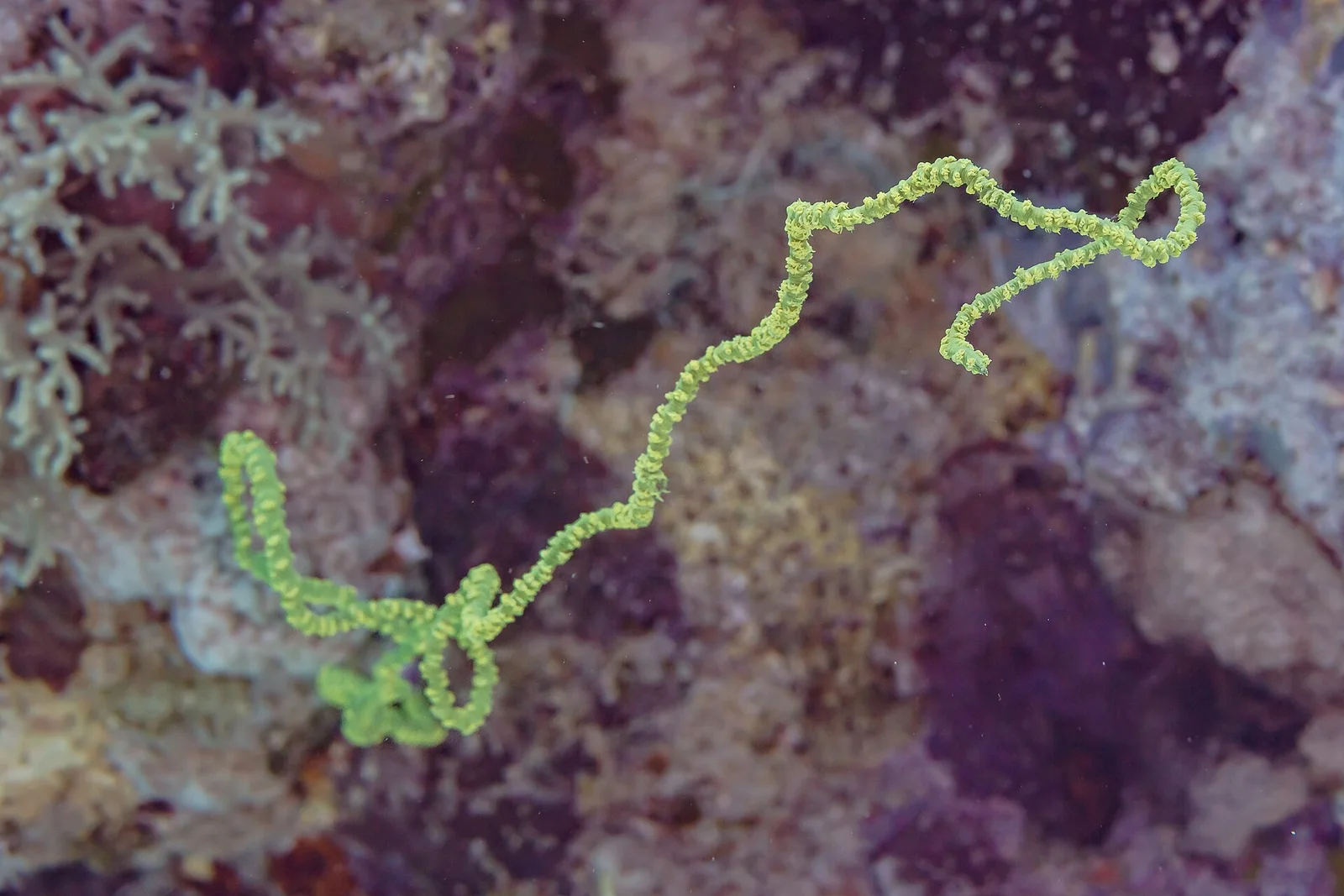
Eight decades underwater have transformed Fujikawa Maru into one of Chuuk Lagoon's richest artificial reefs, with coral density driven by shallow light penetration and gentle lagoon circulation documented in Frontiers in Marine Science benthic analyses. Thick gardens of red, pink, yellow, and lavender soft corals, black coral bushes, wide gorgonian fans, barrel sponges, and giant Tridacna clams blanket the masts, cross-trees, lifeboat davits, and both 152 mm / 6 in deck guns. Sunlit railings between 5 and 18 m / 16 and 60 ft support hard stony corals and sea anemones hosting resident pink anemonefish.
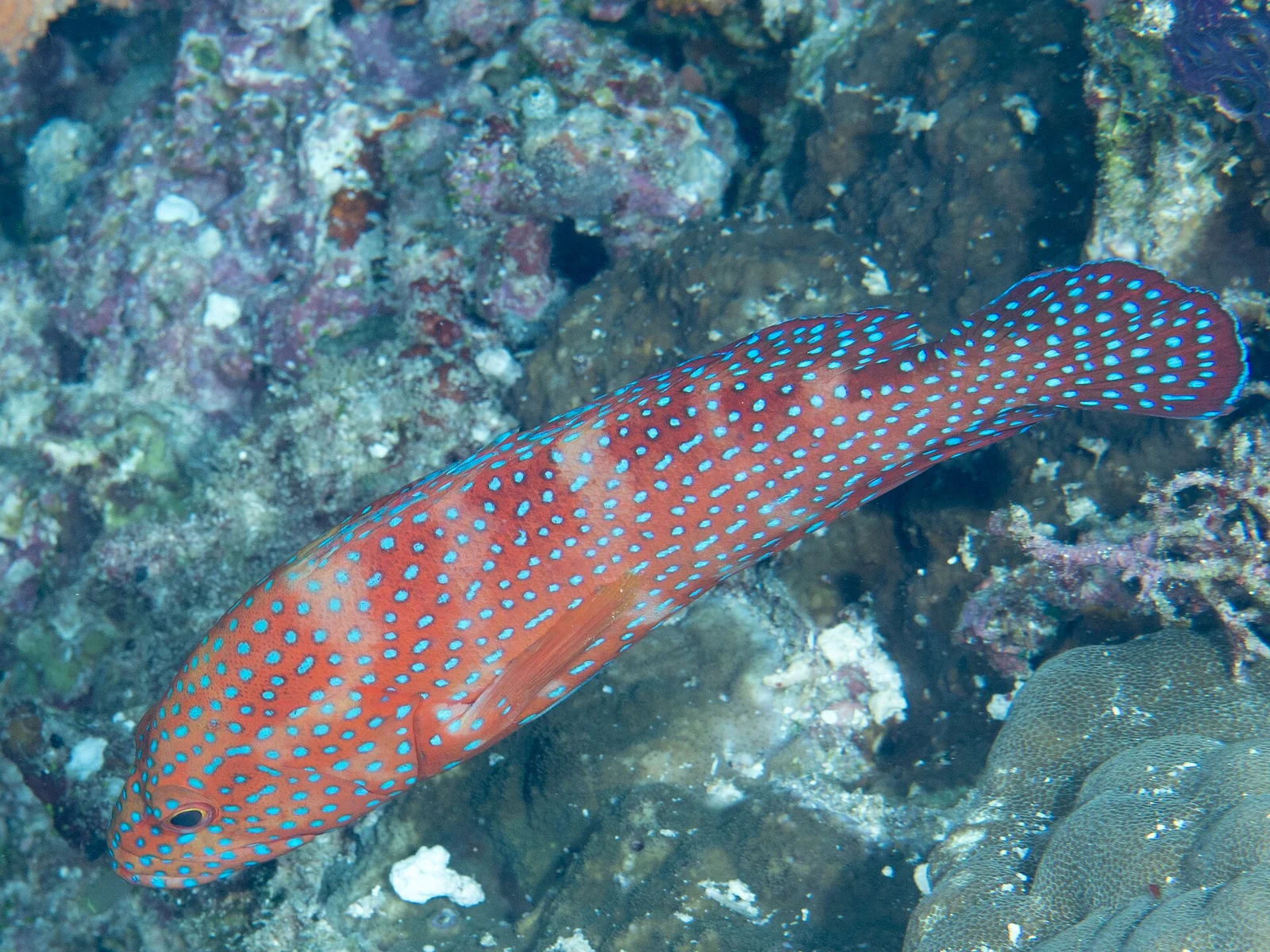
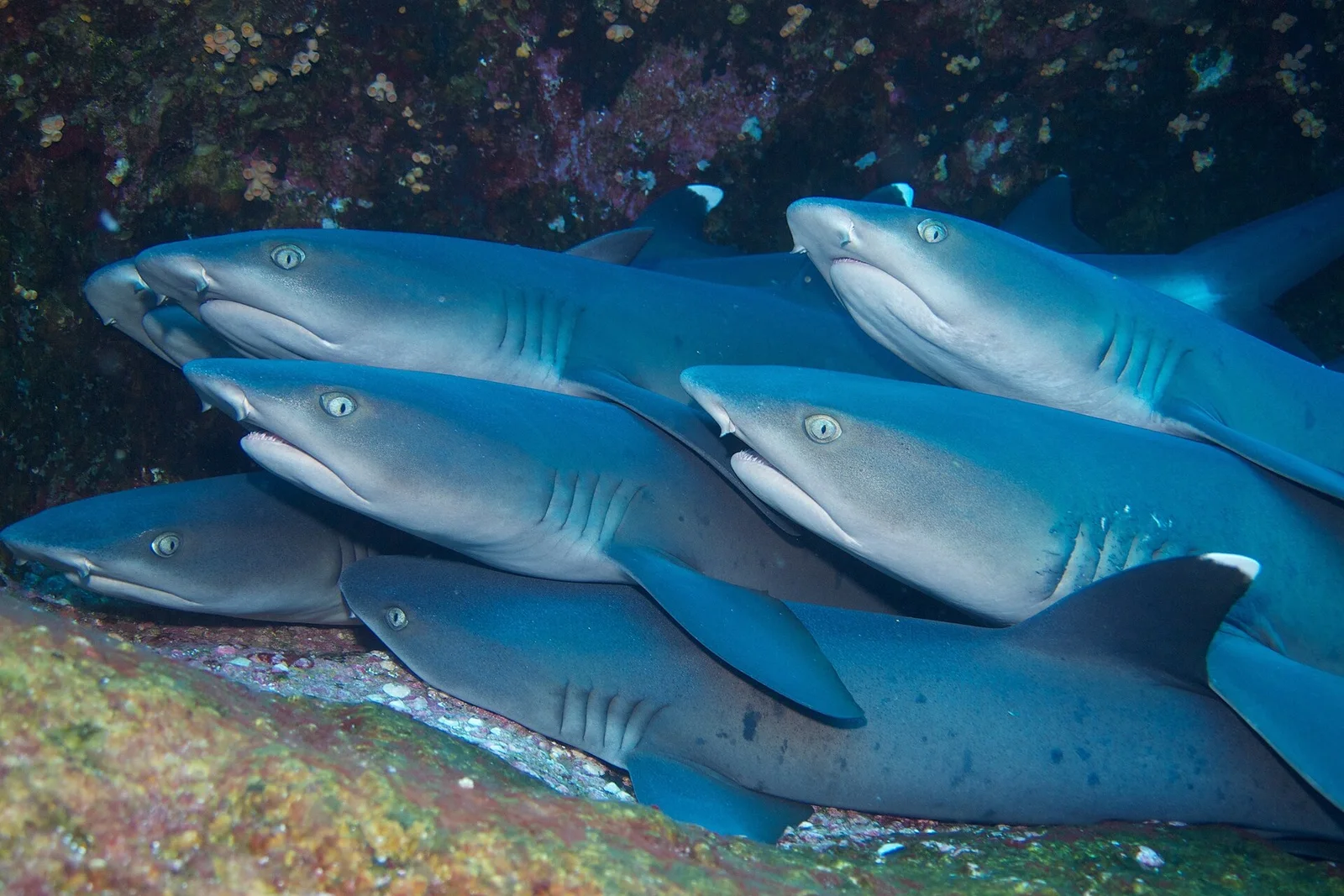
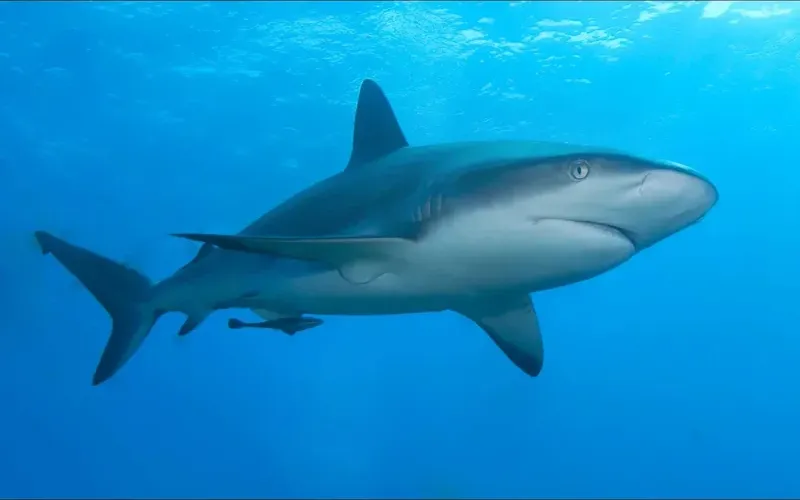
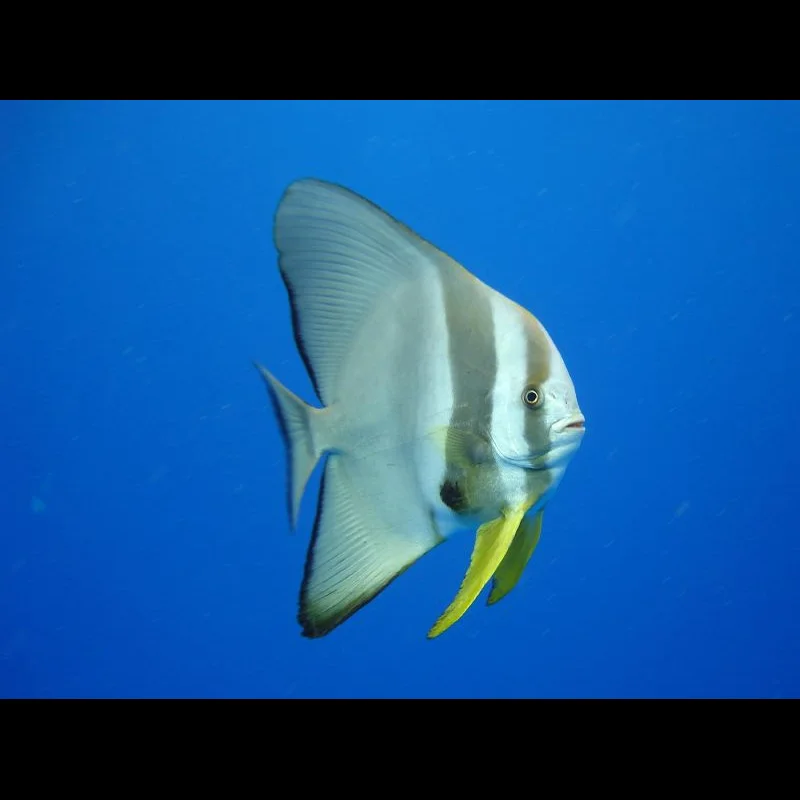
Dense clouds of blue-green chromis, anthias, and yellowtail fusiliers stream continuously around the rigging, drawing hunting bluefin trevally, bigeye jacks, batfish, and chevron barracuda into mid-water. Along the deeper silty seabed at 30 to 37 m / 100 to 120 ft, patrolling grey reef sharks, whitetip reef sharks, and squaretail coral groupers thrive under Micronesian reef conservation frameworks assessed in NOAA coral-reef fisheries research.
1 / 3
Image contributors:Rickard Zerpe, Elias Levy + 5 more
Want to contribute photos or local dive knowledge? Learn how to contributeDive Sites Near Fujikawa Maru
View all dive sites in MicronesiaDiscover more underwater gems in this area.
Max 34 m
9.1 km
advancedYamagiri Maru
ArchaeologicalBoat
Max 64 m
3.2 km
advancedSan Francisco Maru
ArchaeologicalBoat
Max 48 m
5.1 km
advancedNippo Maru
ArchaeologicalBoat
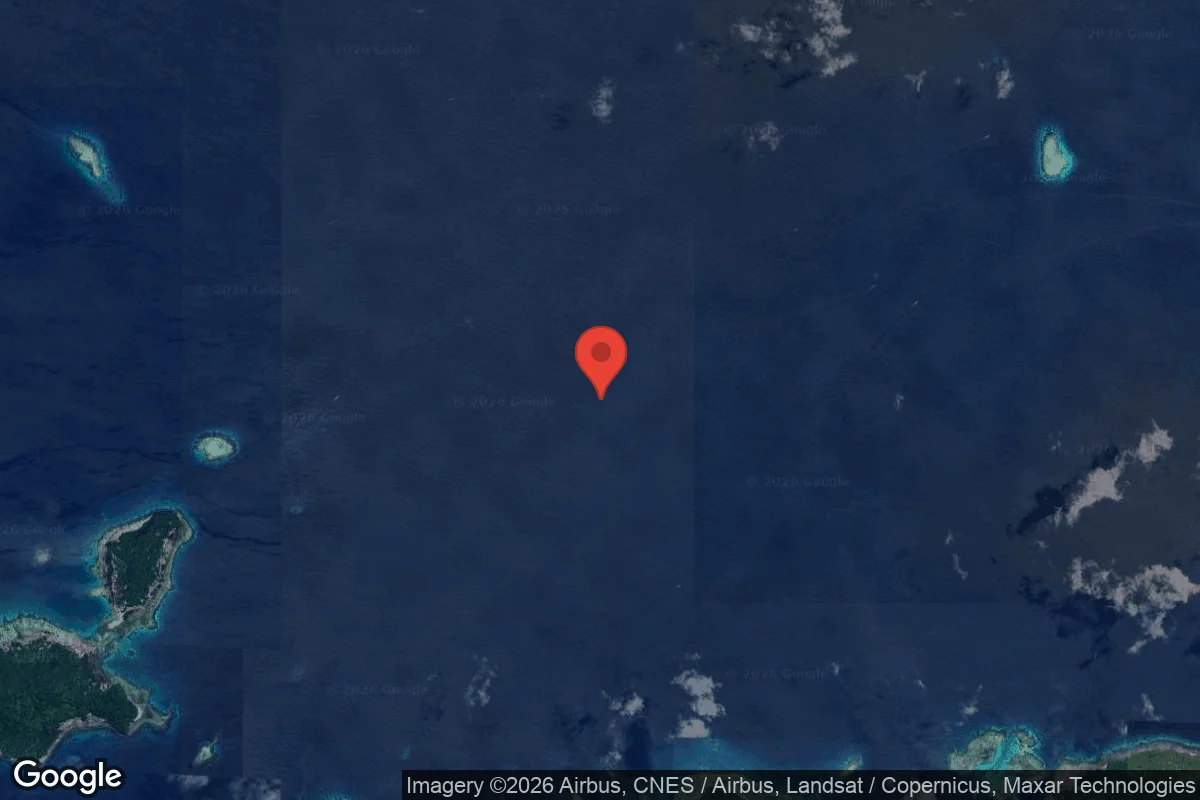
Max 38 m
13.6 km
intermediateShinkoku Maru
ArchaeologicalBoat
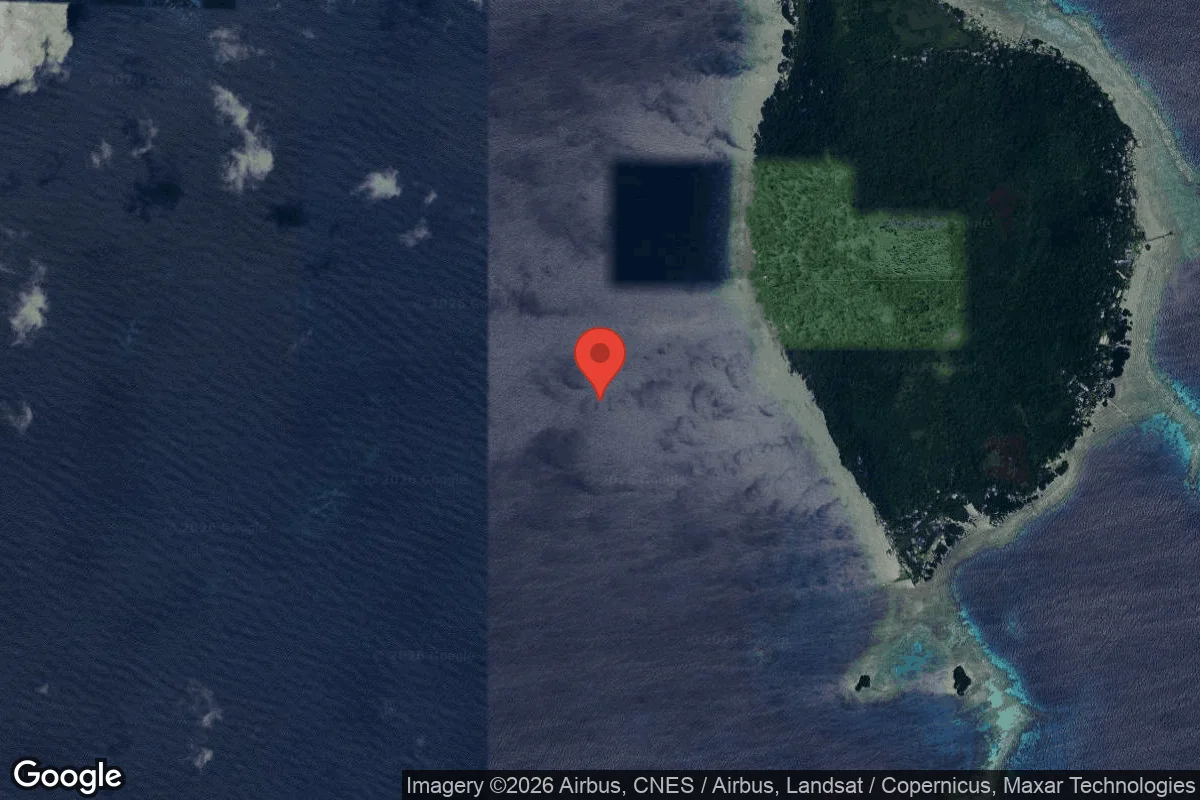
Max 28 m
6.4 km
intermediateSankisan Maru
ArchaeologicalBoat
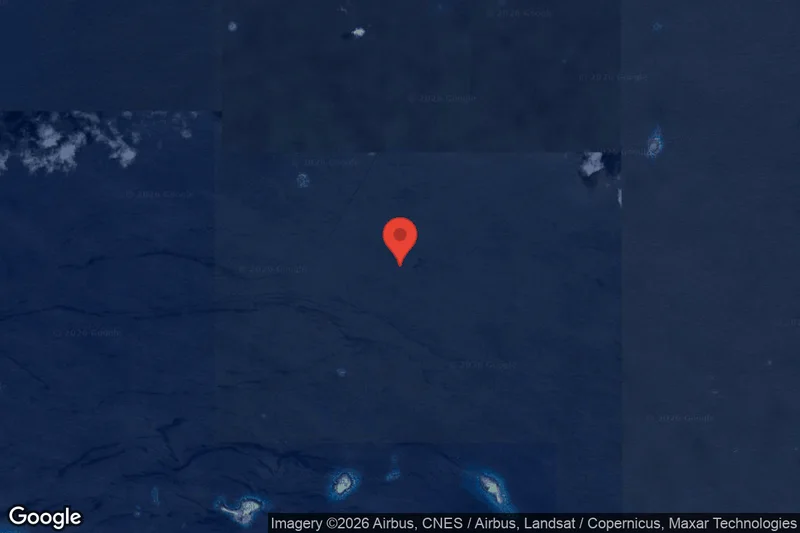
Max 38 m
21.6 km
advancedIJN Fumizuki
ArchaeologicalBoat
Max 34 m
9.1 km
advancedYamagiri Maru
ArchaeologicalBoat
Max 64 m
3.2 km
advancedSan Francisco Maru
ArchaeologicalBoat
Max 48 m
5.1 km
advancedNippo Maru
ArchaeologicalBoat
Max 38 m
13.6 km
intermediateShinkoku Maru
ArchaeologicalBoat
Max 28 m
6.4 km
intermediateSankisan Maru
ArchaeologicalBoat
Max 38 m
21.6 km
advancedIJN Fumizuki
ArchaeologicalBoat
Dive Centers Near Fujikawa Maru
No Dive Centers Local To Fujikawa Maru
Are you a dive center visiting this location? Get listed to reach divers.
Nearest Airports
Nearest airports to help plan travel to this dive area.
Chuuk International Airport TKK
14 km
💵 Currency: USD
Search Flights
Check available flights and routes on Expedia, using the nearby airports listed in this section.
Search Flights on ExpediaAffiliate link · Dive Navigator may earn a commission at no extra cost to you.
Frequently Asked Questions
How deep is the Fujikawa Maru shipwreck in Chuuk Lagoon?
Fujikawa Maru sits upright on a flat silty-sand bottom at 34 to 37 m / 112 to 120 ft, while her main weather deck lies at 15 to 18 m / 50 to 60 ft. Her coral-draped masts and kingposts rise to within 3 to 9 m / 10 to 30 ft of the surface, offering an ideal multi-level ascent profile.
Where are the Mitsubishi Zero fighter planes located on Fujikawa Maru?
The disassembled fighter aircraft rest inside forward Hold 2 between roughly 18 and 27 m / 60 and 90 ft, reached through a wide open hatch on the foredeck. Alongside several Mitsubishi A6M Zero fuselages, wings, and radial engines, the hold preserves the airframe of a rare Mitsubishi A5M Claude fighter.
What certification level is required to dive Fujikawa Maru?
An Advanced Open Water certification paired with Enriched Air Nitrox training is recommended for exploring the exterior hull, deck guns, and open forward aircraft hold down to 27 m / 90 ft. Entering the enclosed machine shop, R2D2 compressor room, and engine room at 30 to 37 m / 100 to 120 ft requires formal wreck-penetration or technical training.
Do divers need a permit and a local guide to dive Fujikawa Maru?
Yes, under Chuuk State Act No. 5-17, every diver must hold an official state dive permit arranged through a licensed local operator and dive accompanied by a certified Chuukese guide. Removing or disturbing wartime artifacts carries severe fines and imprisonment.
Is there unexploded ordnance inside the Fujikawa Maru wreck?
Yes, Hold 1 and interior storage bays still hold live World War II artillery shells, small-arms ammunition crates, and fuel drums sunk in February 1944. Divers must maintain careful buoyancy and never touch or disturb corroded munitions or fragile bulkheads.
How long does it take to reach Fujikawa Maru by boat?
Dive skiffs departing resorts on Weno Island reach the moorings off the southern shore of Eten Island in 10 to 20 minutes across sheltered lagoon water. Liveaboard vessels frequently anchor nearby in the calm fleet roadstead for multi-dive access.
What hyperbaric medical facilities are available near Chuuk Lagoon?
Weno Island has a basic privately run recompression chamber with on-call staff, while serious decompression emergencies require air ambulance evacuation 1,019 km / 633 mi northwest to the multiplace chamber at U.S. Naval Base Guam. Active dive accident and air evacuation insurance is mandatory before traveling to Chuuk.
Trip Inquiry
Planning to dive Fujikawa Maru?
Tell us your dates and diving needs. We'll review your request and seek offers from relevant local dive centers.
Request Dive Offers Free request for offers • No booking obligation
Fujikawa Maru
Conditions are Moderate
6/10
Confidence: 8/10
Indicates meteorological model agreement and data availability.
Best Dive Window
Optimal conditions expected
06:12
18:45
H: 10:45
L: 16:20
Air / Sea Temp
29° / 29°
Wave Height
1.2 m
Wind Speed
31 km/h ENE
Rain Chance
50%
Current conditions near Fujikawa Maru show 29° air, 29° sea temperature, 1.2 m waves, and 31 km/h wind. Forecast data is refreshed regularly to ensure accuracy.
Radius: ~12km
Updated: Nov 25, 2026, 13:00 local timeMARINE: OPEN-METEOWEATHER: YR.NO