
Diving at Canterbury Wreck (New Zealand)
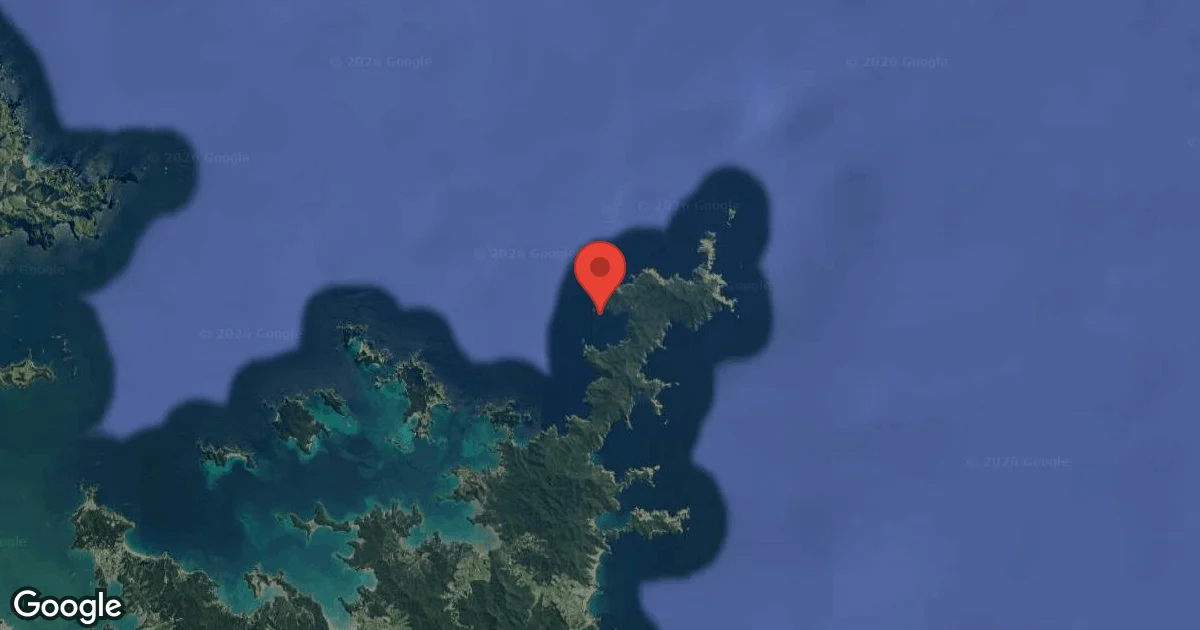
Approaching the HMNZ Canterbury wreck demands a clear understanding of its unique structure as a purpose-sunk artificial reef. Located in Deep Water Cove, this frigate rests upright, presenting distinct diving zones suitable for various certification levels. Its placement within a protected Rahui underscores a commitment to marine conservation, shaping the overall dive experience for those exploring this significant site.
Evening condition tracking at Canterbury Wreck features an air temperature of 13°C. We have recorded wave heights measuring 0.9 m during this period. These figures outline the environmental parameters currently present.
Dive Site Location & Key Facts
Dive Site Overview
Intentional scuttling on November 3, 2007, marked the transformation of the HMNZ Canterbury (F421) from a New Zealand Navy Leander Class frigate, active 1971-2005, into a vibrant artificial reef. Deliberate sinking in Deep Water Cove aimed to boost fish populations and provide a compelling attraction for divers.
Resting bolt upright on the sand, its impressive profile awaits exploration. At the bow, depths reach approximately 32 m (105 ft), while the stern descends to 36 m (118 ft). Superstructure's apex lies comfortably at about 12 m (39 ft).
Upper deck sections generally span from 22 m (72 ft) to 27 m (89 ft), creating an engaging environment for many certification levels. Dive planning for the Canterbury involves considering its extensive preparation for divers, including purpose-cut access holes facilitating entry to its upper levels.
Navigating these interior spaces typically requires careful buoyancy control and an understanding of wreck diving procedures. Exploring below these upper decks and venturing into deeper penetration zones, however, demands specialized technical training and meticulous planning beyond standard certifications.
Overall, its accessible design ensures an engaging and progressive dive for those certified to at least 30 m (100 ft), with deeper exploration presenting additional challenges and rewards.
Conditions are Good
High Wind Advisory (41km/h). Unsafe surface.
Current conditions near Canterbury Wreck show 13° air, 16° sea temperature, 1.0 m waves, and 41 km/h wind. Forecast data is refreshed regularly to ensure accuracy.
Best Time to Dive
Seasonal changes significantly influence dive experiences at the Canterbury Wreck, even though year-round diving remains feasible. Optimal periods for visibility and comfort often fall between November and March. Dive scores frequently register as 'Good' during February and March, correlating with average air temperatures of approximately 20.5°C (69°F) and 19°C (66°F), along with minimal rainfall (1.6mm and 1.4mm). November and December also typically offer 'Good' conditions, where air temperatures average 17°C (63°F) and 19.5°C (67°F). Water temperatures hover around 22-27°C (72-81°F) during these warmer months, usually leading to better surface conditions. Winter months, from June through August, present a different dynamic. While 'Moderate' dive scores are common, divers might encounter calmer seas and often observe Jewel Anemones spawning, adding a unique highlight to colder water excursions. Planning for suitable thermal protection becomes essential for winter dives, ensuring comfort when exploring the wreck.
PEAK SEASON SCORE
Scores combine air & water temps, waves, wind & rainfall for overall conditions.
BEST MONTHS TO DIVE
Monthly records compiled from satellite and marine observation nodes over the last 3 years. Data provided by Open-Meteo and MET Norway.
Dive Experience & Conditions
Descending upon the Canterbury wreck, divers first encounter the top of its superstructure at a comfortable 12 m (39 ft). This initial phase offers clear visibility of the vessel's preserved form. The upper deck then extends deeper, resting between 22 m (72 ft) and 27 m (89 ft), a prime area for Advanced Open Water divers using Nitrox 32% to maximize bottom time. The wreck itself is perfectly intact, having been specifically prepared for diver access with large, purpose-cut holes facilitating entry into its upper levels. Exploring deeper than 30 m (100 ft), down to the sand at 32 m (105 ft) at the bow or 36 m (118 ft) at the stern, requires more meticulous planning and technical training to safely navigate the lower decks and engine room.
Dive Difficulty & Safety Guidelines
Navigating the Canterbury Wreck effectively requires appropriate certification and recent dive experience, primarily due to its depth and the inherent complexities of wreck diving. Open Water divers must undertake a Deep Adventure Dive to explore past 18 m (60 ft), which can contribute to their Advanced Adventurer certification. If you are an Open Water diver, you must have dived within the last year; Advanced Certified divers or higher need to have dived within the past two years.
A refresher day trip is strongly advised if you're concerned about your skills or haven't dived in temperate water using a 7mm suit recently.
Additionally, Deep Water Cove operates under a Rahui, a no-take zone, requiring adherence to conservation guidelines.
Recommended Equipment
Deep dive hazard. Increased narcosis and gas consumption risk.
Overhead / entanglement risk. Wreck penetration requires proper training.
- Dive Computer
- DSMB
- Primary & Backup Lights
- Wreck Reel
- Cutting Tool
This gear list is based on verified equipment signals for Canterbury Wreck, New Zealand. Always confirm final gear choices with your dive operator, guide, or liveaboard.
Recommended Dive Suit
With water temperatures around 16°C (61°F), many divers find a 5-7mm wetsuit provides comfortable protection.
Being prepared with flexible exposure options is a common approach among experienced divers.
The next few days appear likely to bring similar environmental conditions.
Emergency & Medical Support
Essential information to help you plan your dive trip to Canterbury Wreck.

Hyperbaric chambers are a critical part of dive safety infrastructure. Availability varies significantly by region, and not all dive areas have immediate access.
Before diving, it's recommended to:
- confirm nearest medical facilities
- check emergency procedures with local dive operators
- ensure dive insurance covers evacuation if required
Divers Alert Network
Diving emergency assistance available through DAN World.
+1-919-684-9111- 24/7 emergency hotline
- Diving medical assistance
- Evacuation coordination
Emergency contacts are provided for reference. Always verify local emergency services before diving.
Marine Life at Canterbury Wreck
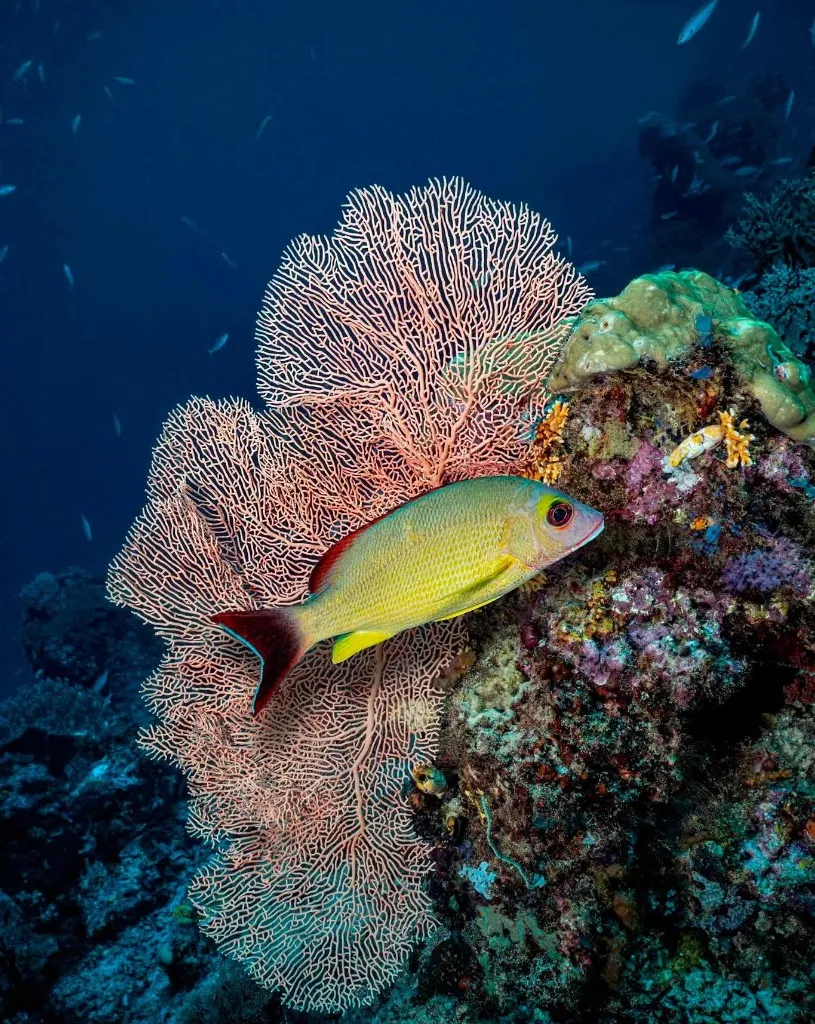
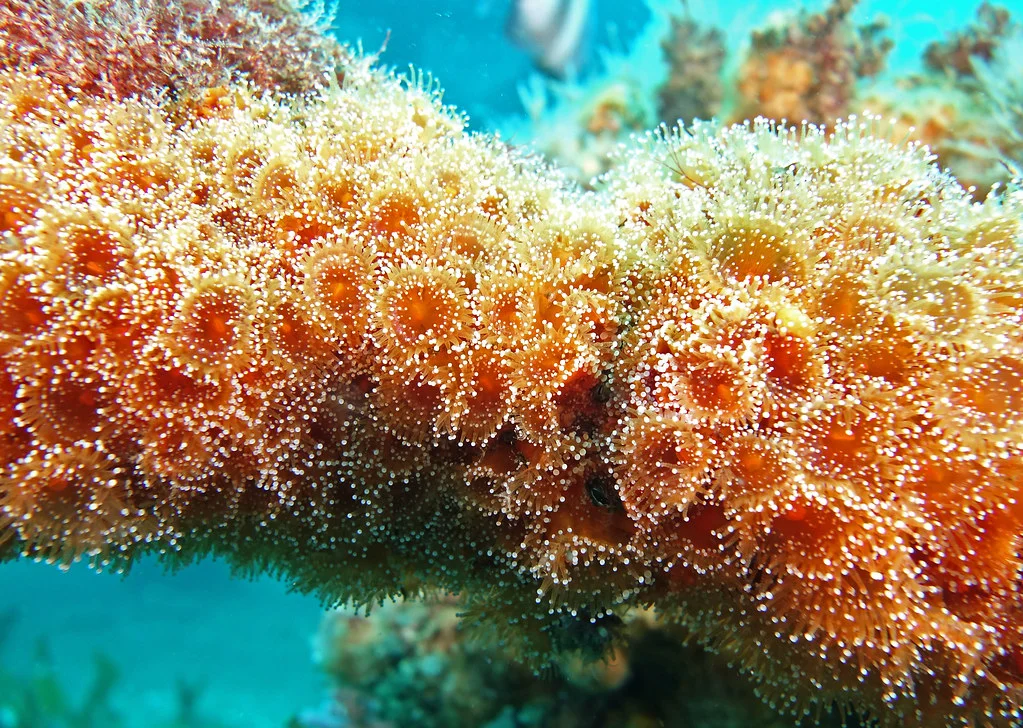
Upon arrival at the Canterbury, divers often first notice the vibrant encrusting life covering its exterior, a clear sign of its successful transformation into an artificial reef. Jewel Anemones create colourful patches, spawning during special winter trips, adding seasonal interest.
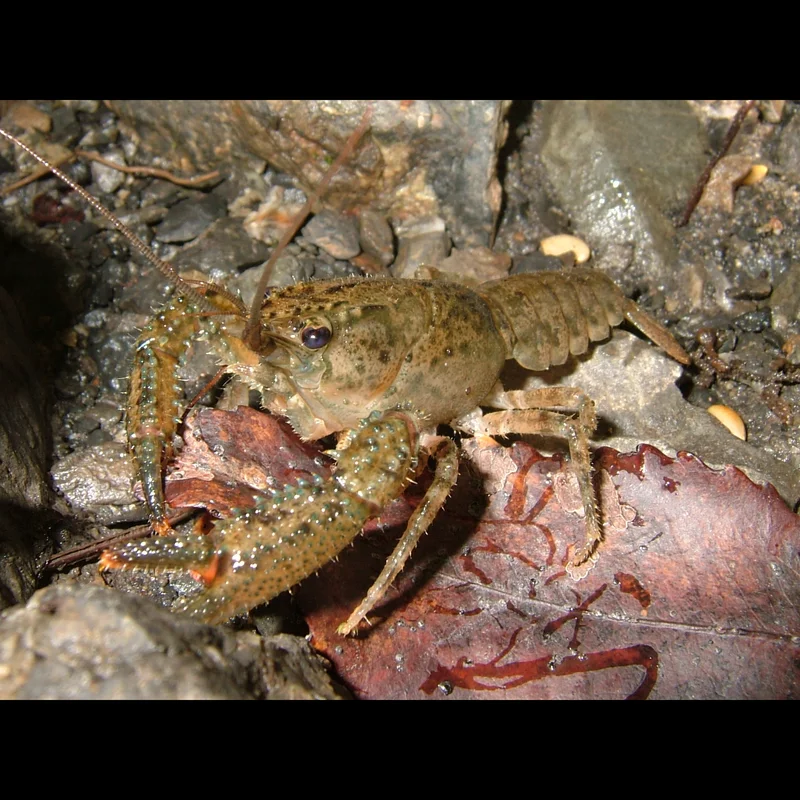
Massive schools of sweep find refuge within the wreck's structure, often being pursued by large kingfish and snapper patrolling the vicinity. In the darker, interior sections, schools of Big Eyes gather, while large crayfish can be spotted in the various holes and crevices around the wreck.
Dive Sites Near Canterbury Wreck
View all dive sites in New ZealandDiscover more underwater gems in this area.
Dive Centers Near Canterbury Wreck
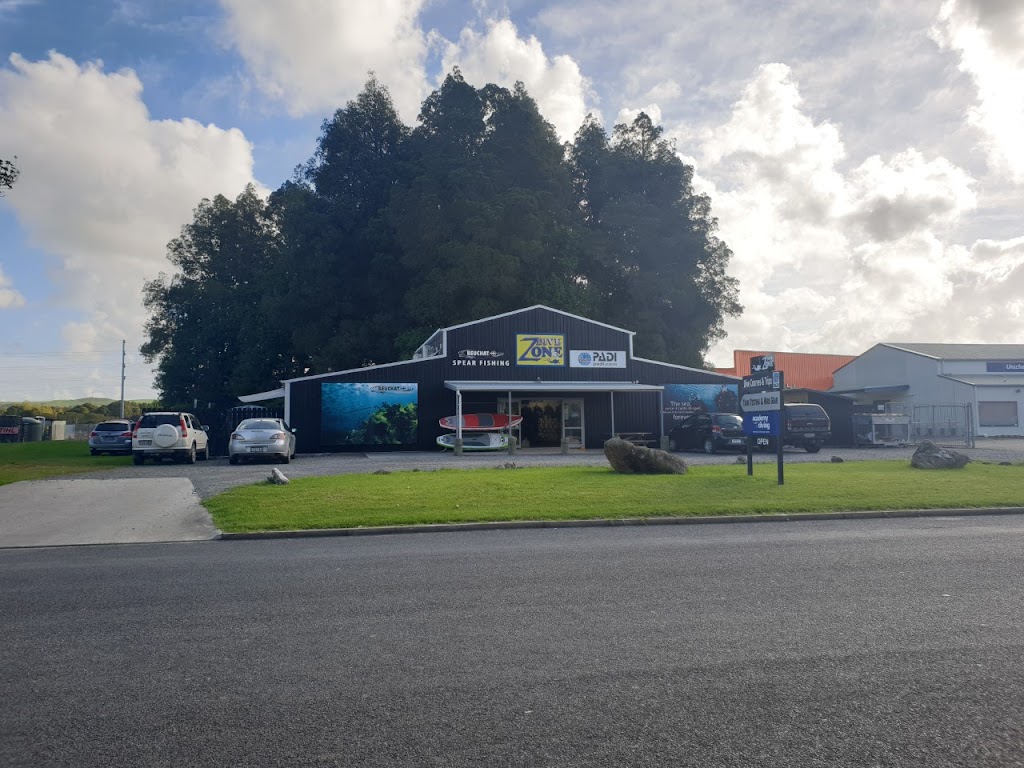
Today: 08:00 - 17:00
Nearest Airports
Nearest airports to help plan travel to this dive area.
Search Flights
Check available flights and routes on Expedia, using the nearby airports listed in this section.
Search Flights on ExpediaFrequently Asked Questions
What is the Canterbury Wreck?
The Canterbury Wreck is the former HMNZ Canterbury (F421), a New Zealand Navy Leander Class frigate. It was deliberately scuttled in Deep Water Cove in 2007 to create an artificial reef and a dive attraction.
What are the key depths of the wreck?
The top of the superstructure is at 12 m (39 ft), the upper deck is between 22 m (72 ft) and 27 m (89 ft), and the wreck rests on the sand at a maximum depth of 36 m (118 ft) at the stern.
What certification is required to dive the Canterbury Wreck?
Certified Open Water divers can dive the wreck in conjunction with a Deep Adventure Dive. Advanced Open Water certification or higher allows for more extensive exploration.
Is Nitrox recommended for this dive?
Yes, Enriched Air Nitrox 32% is a popular choice for exploring the upper areas of the wreck, potentially allowing for longer bottom times and extended exploration.
What marine life can I expect to see?
The wreck is covered in colourful encrusting life, including Jewel Anemones. Divers frequently encounter schools of sweep, large kingfish, snapper, crayfish, and Big Eyes sheltering within the wreck.
Are there any special regulations for diving here?
Yes, Deep Water Cove is a Rahui, or 'no-take zone,' meaning no marine life can be harvested from the area. All divers must respect this conservation status.
What if I haven't dived recently?
If you haven't dived within the last year (for Open Water divers) or two years (for Advanced divers), or if you're unfamiliar with temperate water diving and 7mm wetsuits, a refresher course is strongly advised before visiting the wreck.
Planning to dive Canterbury Wreck?
Send one inquiry and receive offers directly from the best verified local dive operators.
Conditions are Good
High Wind Advisory (41km/h). Unsafe surface.
Current conditions near Canterbury Wreck show 13° air, 16° sea temperature, 1.0 m waves, and 41 km/h wind. Forecast data is refreshed regularly to ensure accuracy.