
Diving at Hmsnz Canterbury Wreck (New Zealand)
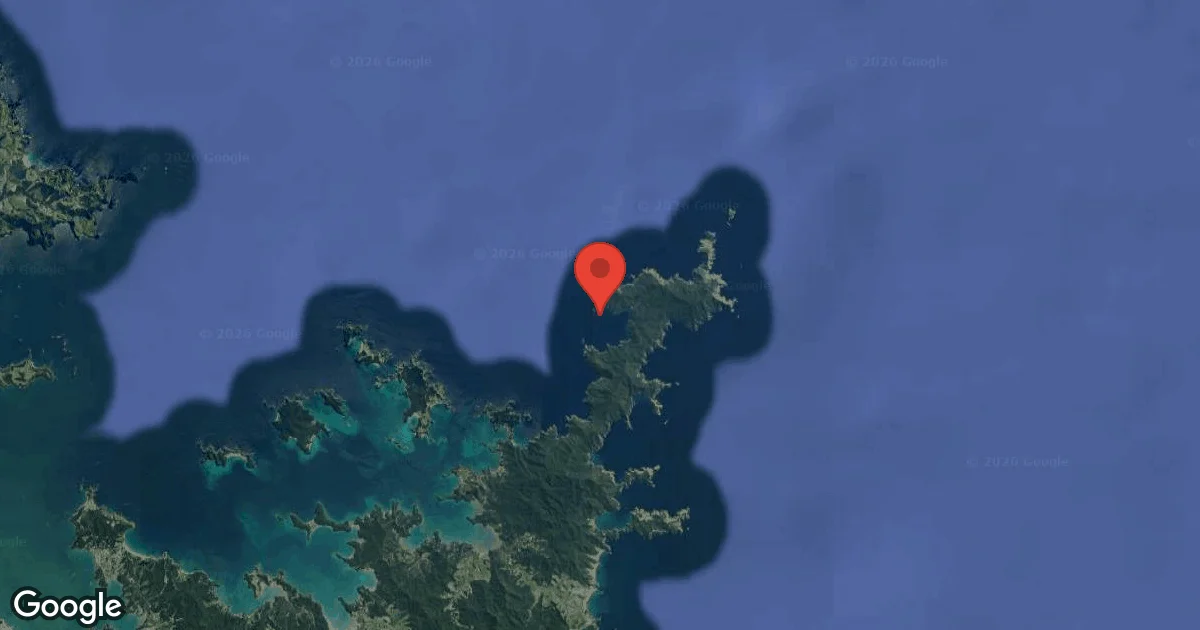
HMNZS Canterbury, a former Leander Class frigate, now functions as an artificial reef in Deep Water Cove, Bay of Islands, New Zealand. Scuttled on 3 November 2007, the vessel lies upright on the seabed. Its bow sits at 32 m (105 ft) and the stern at 36 m (118 ft). An impressive superstructure begins at 12 m (39 ft); the upper deck lies at 22-27 m (72-89 ft). This setup makes it accessible for a range of certified divers.
As evening covers Hmsnz Canterbury Wreck, the local air temperature is measured at 16.5°C. The current wave height at the surface is recorded at 0.8 m. These late-day readings characterize the surface conditions for the night.
Dive Site Location & Key Facts
Dive Site Overview
Purpose-sunk for the diving community, HMNZS Canterbury presents an inviting and well-prepared wreck for exploration. Numerous extra access points and large cut-outs enhance both entry and exit, facilitating straightforward penetration and swim-through opportunities.
Fully intact and upright within the sheltered Deep Water Cove, the frigate provides a stable environment, minimizing surge and making navigation predictable. Advanced Open Water divers utilizing Nitrox 32% typically spend 35 to 45 minutes exploring the upper sections, carefully navigating prepared interior compartments. This dive experience includes the extensive main deck, which lies between 22 m (72 ft) and 27 m (89 ft).
Technical divers, with appropriate training, can extend their exploration into deeper sections, such as the engine room and lower decks. Such deep access demands careful planning and specialized skills, given the maximum depth of 36 m (118 ft) at the stern.
Its designation as a Rahui, a no-take zone, contributes significantly to a vibrant marine ecosystem. Protection attracts and shelters diverse fish populations, creating a richer, more dynamic underwater experience compared to many other wreck sites.
Conditions are Moderate
High Wind Advisory (42km/h). Unsafe surface.
Current conditions near Hmsnz Canterbury Wreck show 17° air, 16° sea temperature, 1.0 m waves, and 42 km/h wind. Forecast data is refreshed regularly to ensure accuracy.
Best Time to Dive
Optimizing your dive experience at the HMNZS Canterbury typically aligns with the warmer, less rainy months offering 'Good' dive scores. February, March, November, and December stand out, with February and March showing the highest average air temperatures around 19-20.5°C (66-69°F) and the lowest rainfall, ranging from 1.38-1.62 mm. November and December also present favorable conditions, with average air temperatures from 17-19.5°C (63-67°F) and moderate wave heights around 1.1 m (3.6 ft), contributing to calmer sea states. While conditions vary, these periods generally offer the best combination of comfort and visibility, which can range widely between 8 and 30 m (26 and 98 ft).
PEAK SEASON SCORE
Scores combine air & water temps, waves, wind & rainfall for overall conditions.
BEST MONTHS TO DIVE
Monthly records compiled from satellite and marine observation nodes over the last 3 years. Data provided by Open-Meteo and MET Norway.
Dive Experience & Conditions
Descending upon the Canterbury wreck, divers initially encounter the top of the superstructure at 12 m (39 ft), providing an immediate point of interest. Recreational divers certified to 30 m (100 ft) can explore the extensive upper deck, which spans between 22 m (72 ft) and 27 m (89 ft). The external sections are adorned with colorful encrusting life, while internal penetration dives are made relatively easy by the deliberate placement of large access holes. Using 32% Enriched Air Nitrox is a popular choice for extending bottom time on these shallower areas. The wreck rests on the sand at a maximum depth of 36 m (118 ft) at the stern, offering further exploration for those with technical training, including access to the engine room and lower levels. Visibility at the site can vary, typically ranging from 8 to 30 meters (26 to 98 ft), depending on local conditions.
Dive Difficulty & Safety Guidelines
Approaching the HMNZS Canterbury wreck safely requires adherence to specific certifications and dive planning. Divers must be certified; Advanced Open Water certification is generally suitable for exploring the upper sections. Those wishing to navigate the interior upper levels will benefit from a dedicated wreck specialty course.
For exploration below 30 m (100 ft), technical training is necessary, allowing for advanced planning and execution of penetration dives to the lower decks. Before any trip, participants must be in good health, complete a medical declaration, and be able to swim a minimum of 200 m (656 ft) unassisted.
If you haven't dived in over 12 months or in cold water with a 7mm suit, a refresher course is recommended to ensure comfort and proficiency before diving.
Recommended Equipment
Deep dive hazard. Increased narcosis and gas consumption risk.
Overhead / entanglement risk. Wreck penetration requires proper training.
- Dive Computer
- DSMB
- Primary & Backup Lights
- Wreck Reel
- Cutting Tool
This gear list is based on verified equipment signals for Hmsnz Canterbury Wreck, New Zealand. Always confirm final gear choices with your dive operator, guide, or liveaboard.
Recommended Dive Suit
For divers planning standard recreational dives, 5-7mm wetsuit is usually a suitable option. Consider warmer surface protection (like a boat coat) due to brisk winds. A thermal robe or jacket is recommended between dives. Divers vary widely in how quickly they feel cold underwater.
The waters surrounding Hmsnz Canterbury Wreck are currently maintaining temperatures close to 16°C (61°F). Surface air temperatures are resting at 17°C (62°F).
Environmental conditions may feel slightly cooler as the week progresses. Cooler days are ahead; you might want a warmer option for later in the week. Bringing an additional thermal layer can be helpful if conditions change.
Emergency & Medical Support
Essential information to help you plan your dive trip to HMSNZ Canterbury Wreck.

Hyperbaric chambers are a critical part of dive safety infrastructure. Availability varies significantly by region, and not all dive areas have immediate access.
Before diving, it's recommended to:
- confirm nearest medical facilities
- check emergency procedures with local dive operators
- ensure dive insurance covers evacuation if required
Divers Alert Network
Diving emergency assistance available through DAN World.
+1-919-684-9111- 24/7 emergency hotline
- Diving medical assistance
- Evacuation coordination
Emergency contacts are provided for reference. Always verify local emergency services before diving.
Marine Life at Hmsnz Canterbury Wreck
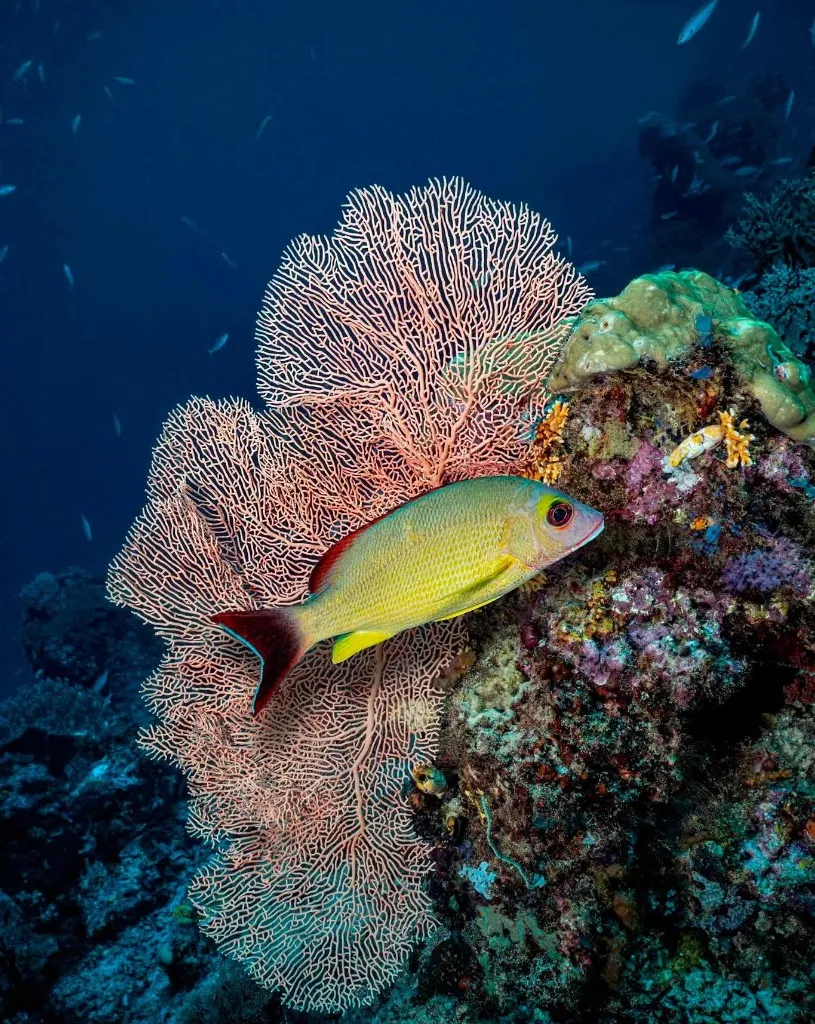
The HMNZS Canterbury serves as an important hub for marine life, flourishing partly due to Deep Water Cove's status as a Rahui. Massive schools of sweep find refuge within the wreck's structure, often sought by predatory kingfish and snapper patrolling the exterior.
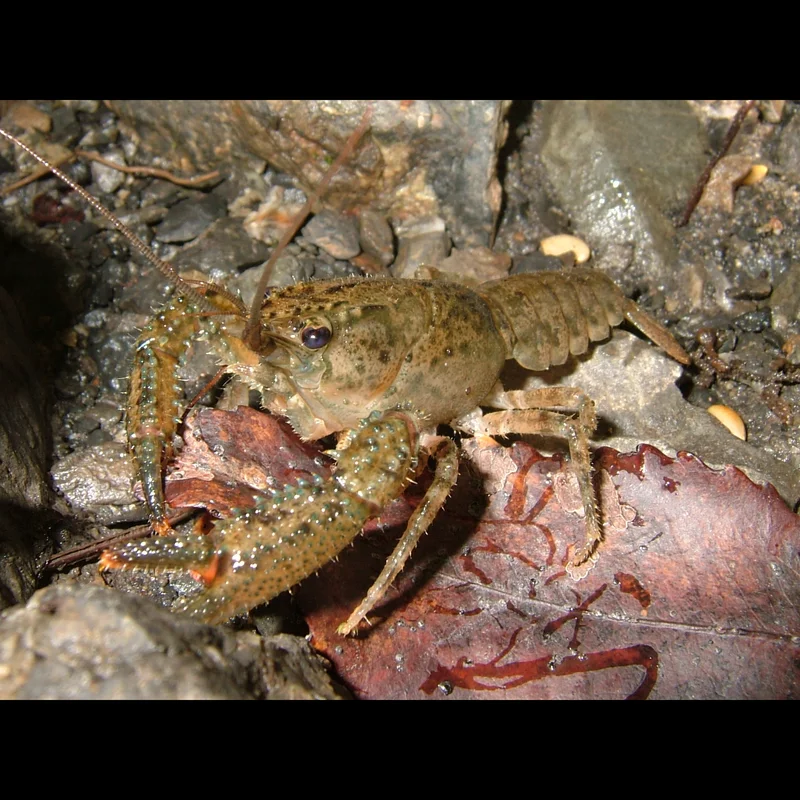
Wrasse are commonly observed, along with large crayfish that inhabit various holes and crevices. In the darker, more secluded areas, large schools of Big Eyes can be found.
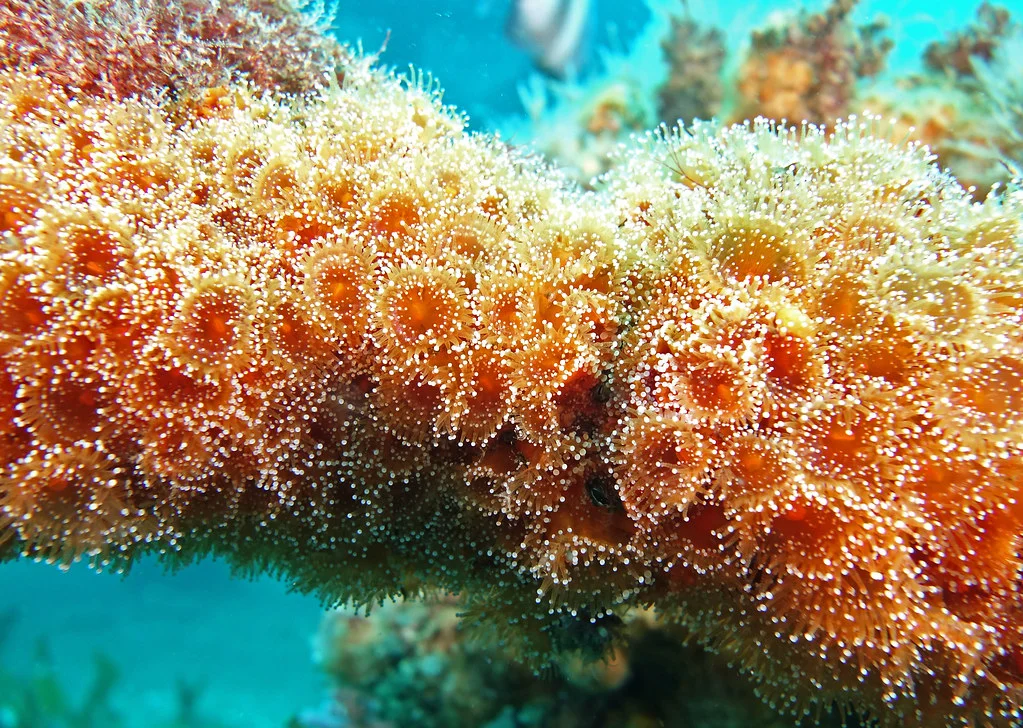
During winter, special trips may offer the chance to observe vibrant Jewel Anemones spawning, adding to the wreck's dynamic ecosystem.

Dive Sites Near Hmsnz Canterbury Wreck
View all dive sites in New ZealandDiscover more underwater gems in this area.
Dive Centers Near Hmsnz Canterbury Wreck
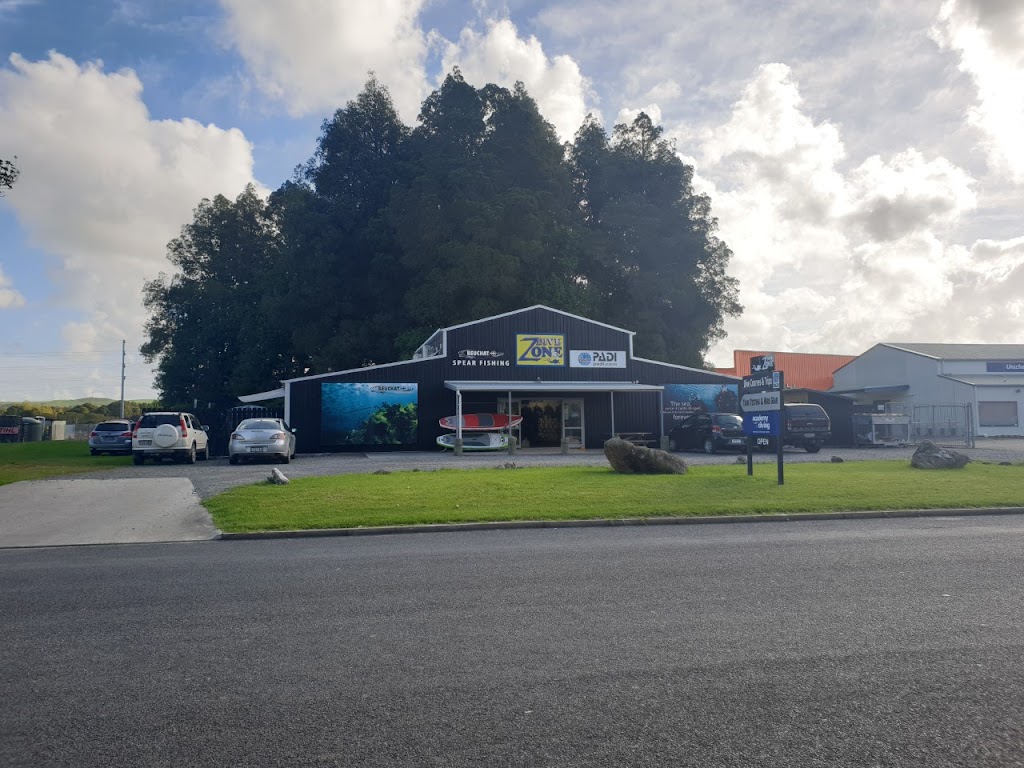
Today: 08:00 - 17:00
Nearest Airports
Nearest airports to help plan travel to this dive area.
Search Flights
Check available flights and routes on Expedia, using the nearby airports listed in this section.
Search Flights on ExpediaFrequently Asked Questions
Where is the HMNZS Canterbury wreck located?
HMNZS Canterbury wreck is situated in Deep Water Cove, within the Bay of Islands, New Zealand. It's an artificial reef, purposely scuttled to enhance the local marine environment and provide a dive site.
What is the maximum depth of the wreck?
This wreck rests on the sand, with its bow at 32 m (105 ft) and stern at 36 m (118 ft). Its superstructure begins much shallower, with the highest point at 12 m (39 ft).
What certification is needed to dive the Canterbury wreck?
An Advanced Open Water certification is generally sufficient for exploring the upper sections. For internal penetration dives or deeper exploration, a wreck specialty or technical diving certification is recommended and often required.
Are there penetration opportunities on the wreck?
Yes, the wreck was prepared with divers in mind, featuring extra access points and large cut-outs. This design provides ample opportunities for controlled penetration and swim-throughs, especially in the upper levels.
What kind of marine life can be seen?
Divers often encounter schools of sweep, snapper, kingfish, wrasse, and large crayfish. In darker areas, large schools of Big Eyes are present, and colorful encrusting life, including Jewel Anemones, covers the wreck's exterior.
Is Deep Water Cove a protected area?
Yes, Deep Water Cove is designated as a Rahui, which is a traditional Māori no-take zone. This protection helps to preserve the marine life and ecosystem around the HMNZS Canterbury wreck.
What is the typical dive duration for recreational divers?
Most Advanced Open Water divers using Nitrox 32% can expect a dive time of approximately 35 to 45 minutes on the HMNZS Canterbury wreck, including a 5-minute safety stop.
Planning to dive Hmsnz Canterbury Wreck?
Send one inquiry and receive offers directly from the best verified local dive operators.
Conditions are Moderate
High Wind Advisory (42km/h). Unsafe surface.
Current conditions near Hmsnz Canterbury Wreck show 17° air, 16° sea temperature, 1.0 m waves, and 42 km/h wind. Forecast data is refreshed regularly to ensure accuracy.