
Diving at Putataua Bay (New Zealand)
Approaching Putataua Bay for a dive requires an initial assessment of the shore entry conditions, especially during periods of higher wave activity. While generally an accessible site for various skill levels, being mindful of changing ocean states ensures a smoother, safer experience. Divers should always prioritize careful entry and exit planning to mitigate any minor surf challenges, particularly when carrying gear. Such diligence supports a stress-free exploration of the bay's underwater topography.
As evening covers Putataua Bay, the local air temperature is measured at 12°C. The current wave height at the surface is recorded at 0.8 m. These late-day readings characterize the surface conditions for the night.
Dive Site Location & Key Facts
Dive Site Overview
Putataua Bay, located along the rocky shoreline near Matauri Bay in New Zealand, presents a compelling dive site for exploration. Beyond its underwater allure, the bay holds historical weight, notably serving as Reverend Samuel Marsden's landing site in the early 19th century.
Below the surface, a beautiful reef system extends around the point, intricately structured with numerous guts and gullies. Exploring these formations reveals hidden sections and offers interesting swim-throughs for observant divers, creating a varied underwater landscape that invites close inspection and prolonged bottom time. Rated as an easy dive suitable for all experience levels, divers can comfortably explore a maximum depth of 18 meters (59 feet).
A tranquil shore dive experience, it's accessible directly from the beach. While conditions near the Rainbow Warrior wreck often present minimal current, water movement within the bay itself can vary, sometimes showing moderate activity.
Variation depends significantly on local tidal phases and broader weather patterns, requiring pre-dive assessment. Coastal areas surrounding Matauri Bay are recognized for their secluded beaches and clear waters, suggesting generally reliable visibility that contributes to enjoyment of the bay's diverse underwater realm.
Conditions are Good
Optimal conditions expected
Current conditions near Putataua Bay show 12° air, 16° sea temperature, 0.7 m waves, and 39 km/h wind. Forecast data is refreshed regularly to ensure accuracy.
Best Time to Dive
Optimal dive experiences at Putataua Bay call for focusing on months with higher dive scores and stable conditions. December through March generally offer peak conditions, with air temperatures ranging from 18.5-20°C (65-68°F) and relatively low rainfall, making for pleasant surface intervals. February and March typically register the highest dive scores. While specific water temperature data isn't consistently reported for the bay, the surrounding Northland region sees its warmest waters during these summer months. Moderate conditions are observed in April and May, which tend to have increased wave heights and rainfall. Even during winter months from June to November, dive scores remain good, though air temperatures drop to between 12.5-17°C (54-63°F), suggesting a need for thicker exposure protection.
PEAK SEASON SCORE
Scores combine air & water temps, waves, wind & rainfall for overall conditions.
BEST MONTHS TO DIVE
Monthly records compiled from satellite and marine observation nodes over the last 3 years. Data provided by Open-Meteo and MET Norway.
Dive Experience & Conditions
Underwater, Putataua Bay reveals a beautiful reef system defining its terrain. A series of guts and gullies features here, creating interesting swim-throughs and sheltered areas for marine life. Visibility can be quite good, often allowing clear views of abundant fish. A comfortable recreational depth range is maintained throughout the bay, typically not exceeding 18 meters (59 feet). As a shore entry, conditions can sometimes be influenced by surface chop, but once submerged, the bay's natural structure generally provides a calm environment. Water temperatures in the broader region vary depending on the season, necessitating appropriate thermal protection. Exploring various crevices and reef formations consistently offers divers new perspectives and hidden marine encounters.
Dive Difficulty & Safety Guidelines
Ensuring a safe dive at Putataua Bay begins with a thorough pre-dive check of the shore entry point. While classified as an easy site for all levels, understanding local tidal influence and potential surface conditions ensures a smooth descent. Divers should carry a dive flag, especially since spearfishing is common in the wider region, enhancing visibility to surface users.
Maintaining awareness of other water activities helps prevent potential conflicts underwater. No specific hazards are routinely reported for Putataua Bay; however, general principles of responsible diving, such as staying within certification limits and diving with a buddy, are always applicable.
Familiarity with basic navigation for shore dives will also prove beneficial for exploring the reef system effectively.
Recommended Equipment
- Dive Computer
- DSMB
- Hard-soled Dive Boots
This gear list is based on verified equipment signals for Putataua Bay, New Zealand. Always confirm final gear choices with your dive operator, guide, or liveaboard.
Recommended Dive Suit
With water temperatures around 16°C (61°F), many divers find a 5-7mm wetsuit provides comfortable protection.
Being prepared with flexible exposure options is a common approach among experienced divers.
Current forecasts indicate relatively stable conditions for the coming days.
Emergency & Medical Support
Essential information to help you plan your dive trip to Putataua Bay.

Hyperbaric chambers are a critical part of dive safety infrastructure. Availability varies significantly by region, and not all dive areas have immediate access.
Before diving, it's recommended to:
- confirm nearest medical facilities
- check emergency procedures with local dive operators
- ensure dive insurance covers evacuation if required
Divers Alert Network
Diving emergency assistance available through DAN World.
+1-919-684-9111- 24/7 emergency hotline
- Diving medical assistance
- Evacuation coordination
Emergency contacts are provided for reference. Always verify local emergency services before diving.
Marine Life at Putataua Bay
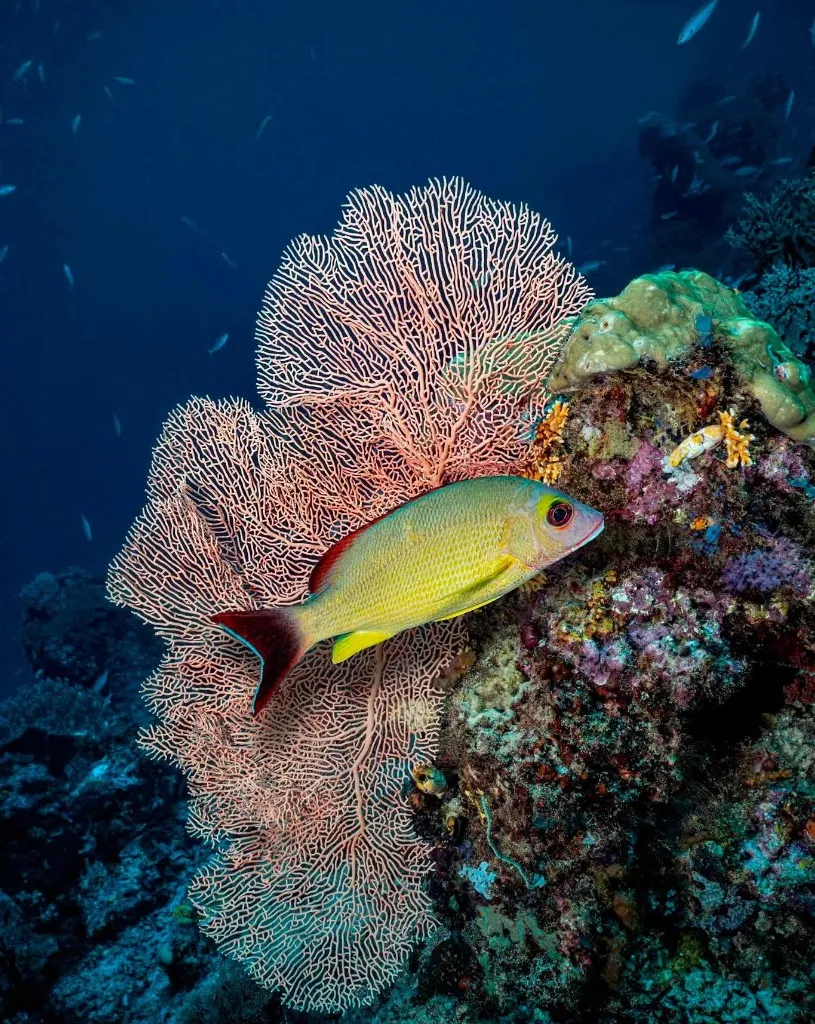
Diving at Putataua Bay, divers will first notice the active fish life around the reef system. Snapper are a common sight, often seen schooling or foraging among the rocks.
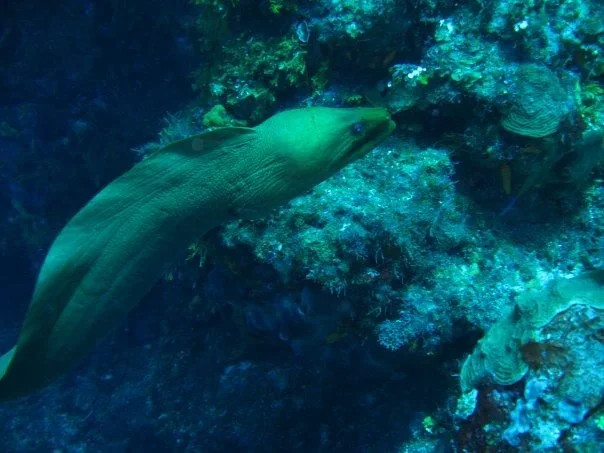
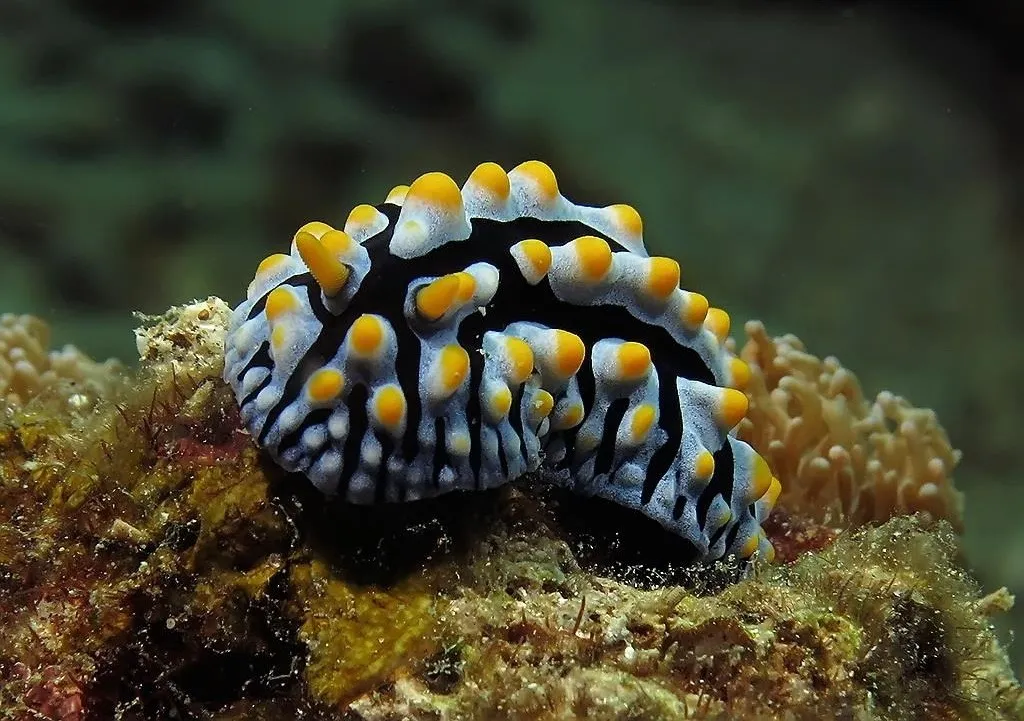
Exploring the crevices and underhangs frequently reveals moray eels peeking out from their retreats. Look closely for the intricate details of nudibranchs, which can be found slowly moving across the reef.
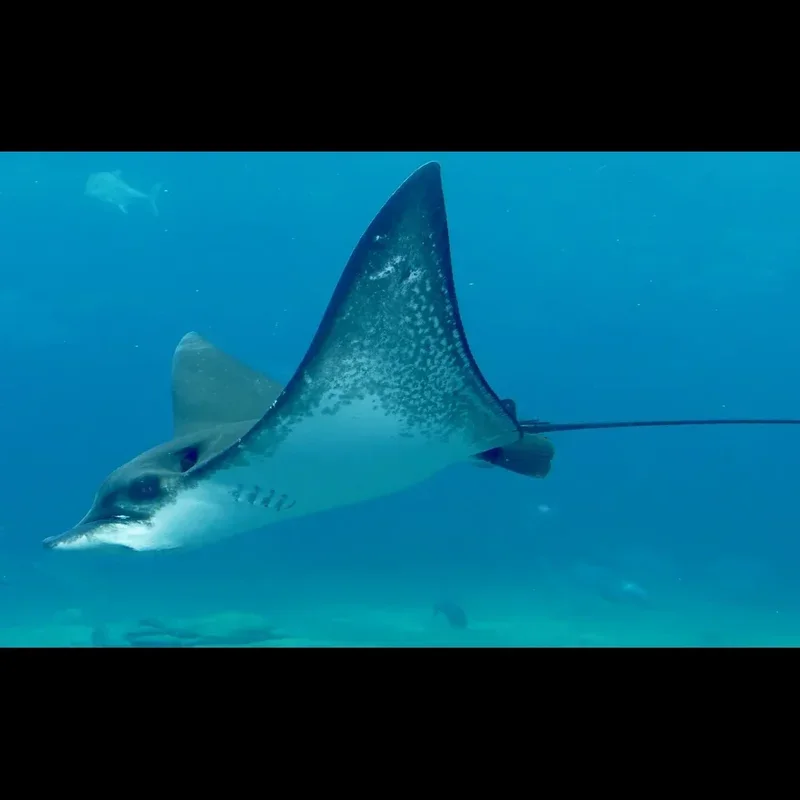
Octopus are known to hide within the wreck, and can also be observed in the bay's natural structures. Eagle rays may glide gracefully through the deeper sections, while rainbow wrasse and triplefins dart among the shallower reef areas, adding vibrant color to the underwater scenery.
Dive Centers Near Putataua Bay

Today: 08:00 - 17:00
Nearest Airports
Nearest airports to help plan travel to this dive area.
Search Flights
Check available flights and routes on Expedia, using the nearby airports listed in this section.
Search Flights on ExpediaFrequently Asked Questions
Is Putataua Bay suitable for beginner divers?
Yes, Putataua Bay is described as an 'awesome easy dive site for all levels' with a maximum depth of 18 meters (59 feet). Its accessibility makes it well-suited for divers with open water certification or higher.
What kind of marine life can I expect to see at Putataua Bay?
Common sightings include snapper, moray eels, octopus, eagle rays, nudibranchs, rainbow wrasse, and triplefins. Bay reefs and their guts provide habitat for diverse species.
What is the best time of year to dive Putataua Bay?
December to March generally offer the best conditions, with good dive scores and warmer air temperatures. Good dive scores are reported throughout most of the year, so proper exposure protection can make other seasons enjoyable.
Is Putataua Bay a shore dive or boat dive?
Putataua Bay is primarily a shore dive, offering easy access from the beach. Direct access from the coastline allows divers to plan their entry and exit.
What is the maximum depth at Putataua Bay?
Maximum depth recorded for diving at Putataua Bay is 18 meters (59 feet). It falls within recreational diving limits, making it accessible for many certified divers.
How does water temperature vary at Putataua Bay?
Specific water temperature data for Putataua Bay is not consistently reported. Air temperatures in the surrounding region range from a low of 12.5°C (54°F) in winter to 20°C (68°F) in summer, indicating water temperatures will also fluctuate seasonally.
Planning to dive Putataua Bay?
Send one inquiry and receive offers directly from the best verified local dive operators.
Conditions are Good
Optimal conditions expected
Current conditions near Putataua Bay show 12° air, 16° sea temperature, 0.7 m waves, and 39 km/h wind. Forecast data is refreshed regularly to ensure accuracy.