
Diving at Titahi Bay North (New Zealand)
The varied coastline of Titahi Bay North offers a distinct perspective, where rugged cliffs meet accessible shorelines. This area tells a unique geological story, diverging from the lower reefs found elsewhere along the coast. It’s a site primarily known for its direct shore access, attracting local divers eager to explore its specific blend of rocky and sandy environments.
Evening condition tracking at Titahi Bay North features an air temperature of 14.5°C. We have recorded wave heights measuring 0.9 m during this period. These figures outline the environmental parameters currently present.
Dive Site Location & Key Facts
Dive Site Overview
A convenient entry point, Titahi Bay North welcomes divers seeking straightforward shore access to varied underwater terrain. Its accessible nature makes it a frequent choice for local divers exploring the rocky reef system that extends along the shoreline.
Common marine life inhabits these reef areas, offering consistent observation opportunities within a recreational depth range. Getting into the water here is simple, with an easy entry and exit; this also contributes to its suitability for night dives. During after-dark explorations, good ambient lighting from shore minimizes reliance on dive lights for navigation, and minimal reported underwater hazards enhance diver comfort.
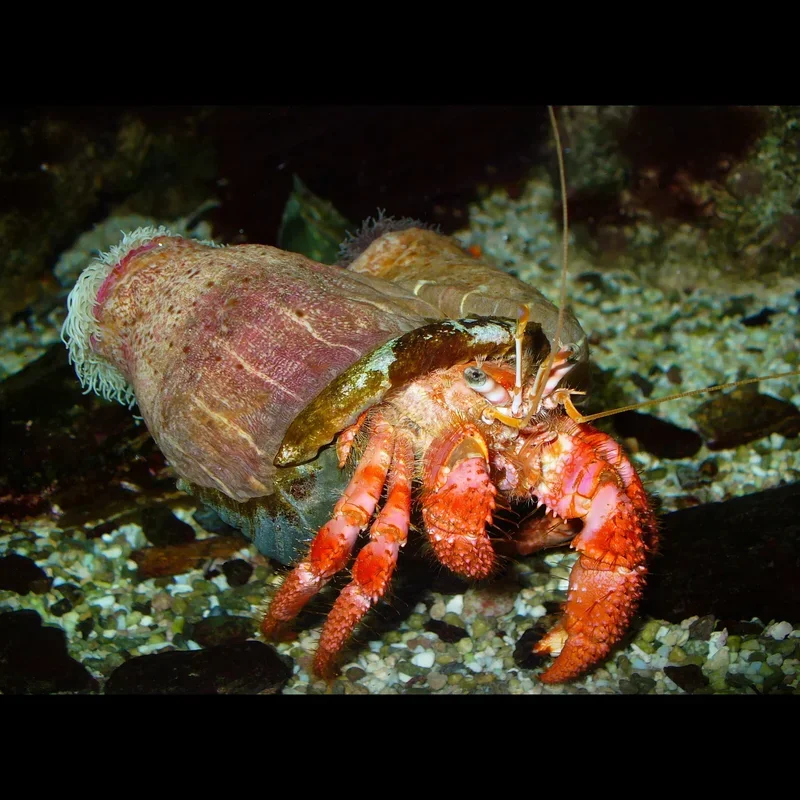
Beyond the reef, swimming out over the sandy bottom often reveals flatfish like flounder, alongside the active presence of hermit crabs. Divers should note potential daytime challenges, as increased boat traffic and surfcasting activity can affect both visibility and overall diver comfort.
Subtle current patterns specific to this coast introduce distinct marine growths and unique fish populations when compared to other regional sites, contributing to a diverse local ecosystem. Exploring its shallower sections provides a reliable introduction to the area's subaquatic environment, with options for deeper boat-accessed dives offshore reaching 12-15 meters (40-50 ft) for those seeking further exploration. Maximum shore dive depth is typically 6 meters (19 ft).
Conditions are Poor
High Wind Advisory (55km/h). Unsafe surface.
Current conditions near Titahi Bay North show 14° air, 14° sea temperature, 1.9 m waves, and 55 km/h wind. Forecast data is refreshed regularly to ensure accuracy.
Best Time to Dive
Seasonal changes significantly influence diving conditions at Titahi Bay North, with the months of January and February generally rated 'Good' for diving. During this period, average air temperatures range around 17-17.5°C (63-64°F), contributing to more comfortable surface conditions. Wind speeds are typically around 27-28 km/h (17 mph), while wave heights average approximately 1.1 meters (3.6 ft). Rainfall is generally lower in these months, averaging 2.3-2.7 mm. November also presents 'Good' dive conditions, with air temperatures averaging 14.5°C (58°F) and lower rain levels. Water temperature is not consistently reported for this specific location, but local divers often prepare for cooler conditions typical of New Zealand's South Coast. Expect 'Moderate' conditions from March through October, when air temperatures are cooler and wind speeds can increase, particularly in September and October when average wind speeds reach 33-34 km/h (20-21 mph) and wave heights can be higher.
PEAK SEASON SCORE
Scores combine air & water temps, waves, wind & rainfall for overall conditions.
BEST MONTHS TO DIVE
Monthly records compiled from satellite and marine observation nodes over the last 3 years. Data provided by Open-Meteo and MET Norway.
Dive Experience & Conditions
This site's underwater profile for shore diving typically reaches a maximum depth of 6 meters (19 feet), primarily exploring the rocky reef and adjacent sandy bottom. While boat access to outer reefs can provide deeper dives up to 12-15 meters (40-50 ft), most shore entries focus on the shallower areas. Visibility can fluctuate considerably; it's often clear in southerly conditions, but tends to be low during or for several days following northerly winds. A 10-knot westerly wind can result in clear conditions below a choppy surface, with reported visibility around 3-5 meters (10-16 ft). Tidal patterns here are approximately opposite to those in Wellington Harbour; when it's high tide there, it's near low tide at Titahi Bay North. This specific bay experiences no strong current flows within its confines, yet the broader coast sees subtle current-driven changes.
Dive Difficulty & Safety Guidelines
Approaching any dive site requires careful consideration, and Titahi Bay North is generally considered to have minimal underwater hazards for shore divers.
However, always be vigilant for stray fishing line, which can pose an entanglement risk. Water Safety New Zealand consistently advises that all divers, especially freedivers, should always dive with a buddy, maintain constant mutual monitoring, and employ a one-up, one-down system.
With a simple entry and exit, this site is often chosen for night dives. Divers should be aware of potential daytime activity, including boat traffic and people surfcasting, which could affect local conditions or require additional caution. Planning dives around these activities is recommended.
Recommended Equipment
- Dive Computer
- Hard-soled Dive Boots
This gear list is based on verified equipment signals for Titahi Bay North, New Zealand. Always confirm final gear choices with your dive operator, guide, or liveaboard.
Recommended Dive Suit
7mm wetsuit or semidry usually provides adequate warmth in water around this temperature. Consider warmer surface protection (like a boat coat) due to brisk winds. A thermal robe or jacket is recommended between dives. For divers entering the water at Titahi Bay North, temperatures are currently hovering around 14°C (57°F). Surface air temperatures are resting at 14°C (58°F).
Forecasts suggest a slight cooling pattern in the days ahead. Cooler days are ahead; you might want a warmer option for later in the week. Some divers bring an extra layer for surface intervals between dives.
Conditions can vary slightly across different parts of the same dive site.
Emergency & Medical Support
Essential information to help you plan your dive trip to Titahi Bay North.

Hyperbaric chambers are a critical part of dive safety infrastructure. Availability varies significantly by region, and not all dive areas have immediate access.
Before diving, it's recommended to:
- confirm nearest medical facilities
- check emergency procedures with local dive operators
- ensure dive insurance covers evacuation if required
Divers Alert Network
Diving emergency assistance available through DAN World.
+1-919-684-9111- 24/7 emergency hotline
- Diving medical assistance
- Evacuation coordination
Emergency contacts are provided for reference. Always verify local emergency services before diving.
Marine Life at Titahi Bay North
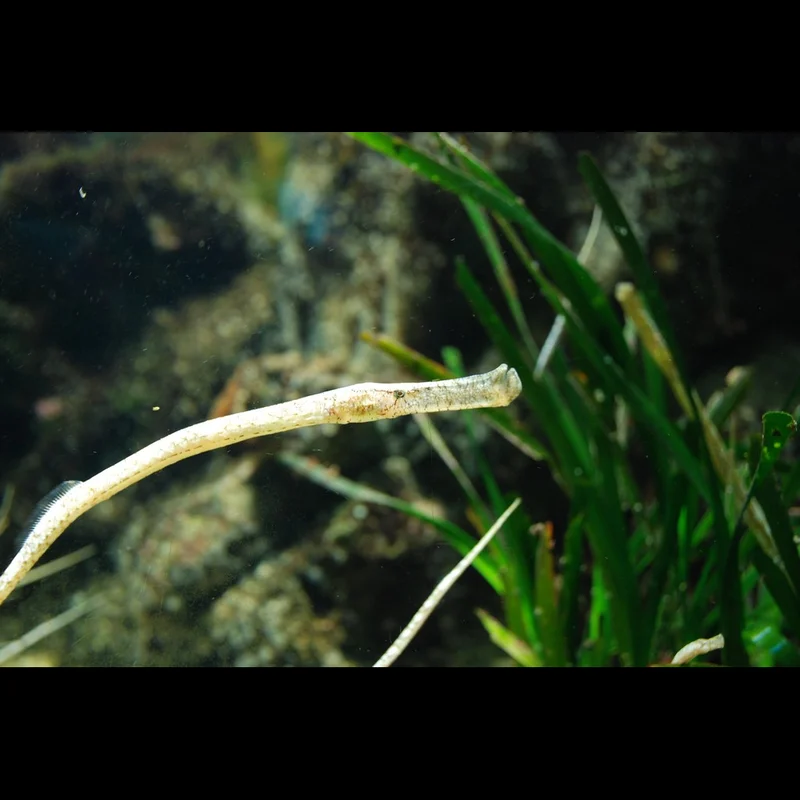
The diverse underwater environment at Titahi Bay North presents a mix of rocky reefs and expansive sandy bottoms, each hosting specific marine species. Divers frequently spot pipefish navigating the reef structures.
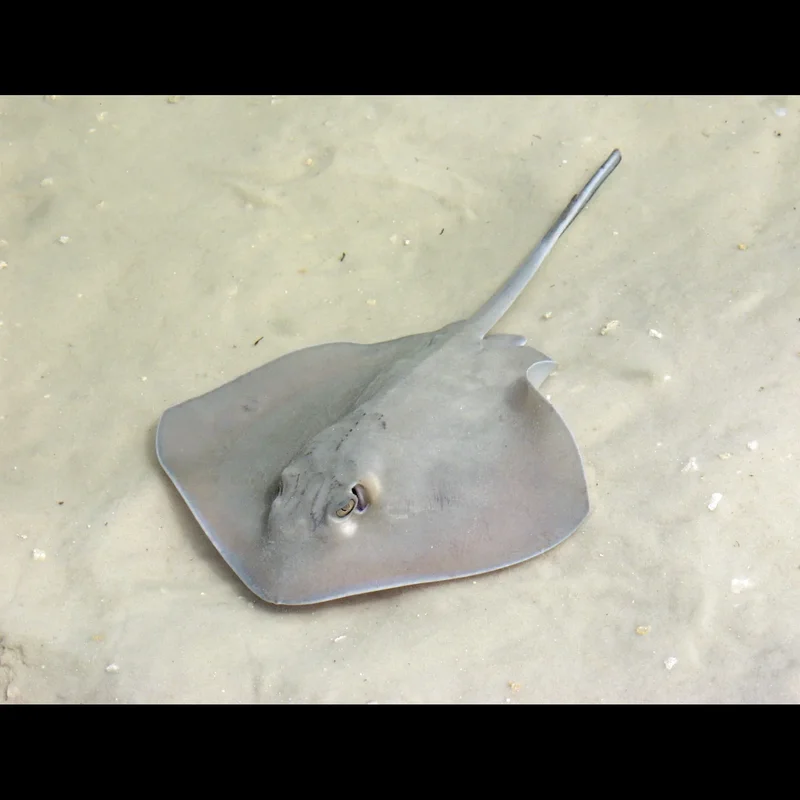
The sandy stretches are particularly suited for stingrays, which can often be observed resting between rocky formations. Other sightings include flounder and hermit crabs, which blend into the sandy substrate.
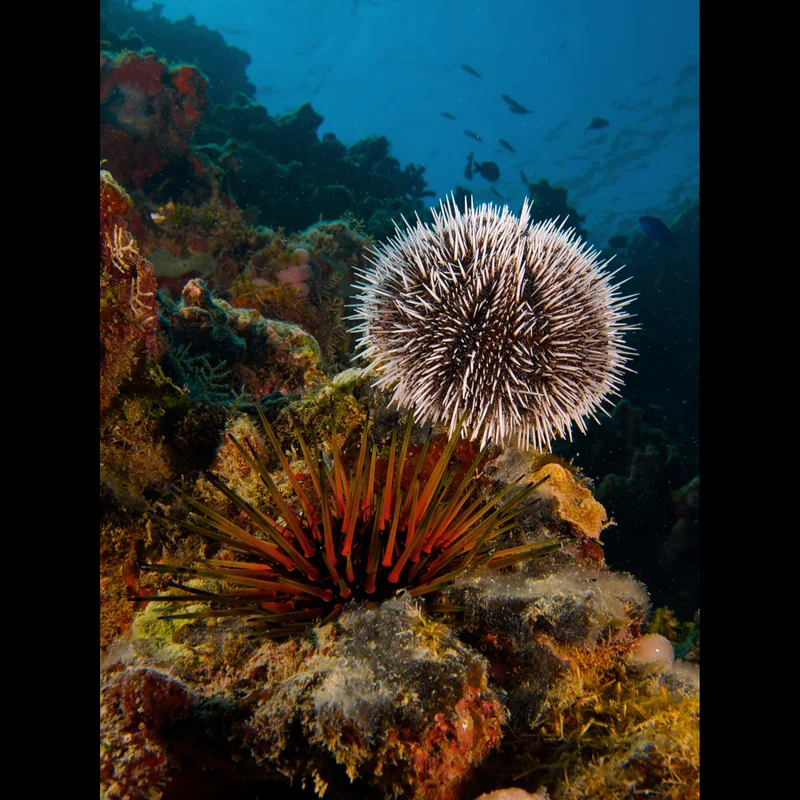
Sea urchins are also present within the rocky habitats, contributing to the invertebrate community of the bay.
Dive Sites Near Titahi Bay North
View all dive sites in New ZealandDiscover more underwater gems in this area.
Dive Centers Near Titahi Bay North
Today: 09:00 - 16:00
Nearest Airports
Nearest airports to help plan travel to this dive area.
Search Flights
Check available flights and routes on Expedia, using the nearby airports listed in this section.
Search Flights on ExpediaFrequently Asked Questions
What is the typical depth for shore diving at Titahi Bay North?
Shore diving at Titahi Bay North typically reaches a maximum depth of around 6 meters (19 feet). While deeper areas exist, they are generally accessed by boat further offshore, reaching 12-15 meters (40-50 ft).
How clear is the visibility at Titahi Bay North?
Visibility varies depending on weather patterns. It's often clearer during southerly conditions. Northerly winds can reduce visibility for several days, though a westerly wind with a choppy surface might still yield 3-5 meters (10-16 ft) of clarity below.
Is Titahi Bay North suitable for night diving?
Yes, Titahi Bay North is considered suitable for night diving. It features a simple entry and exit, combined with good lighting from the shore and minimal reported underwater hazards, making it a viable option for after-dark exploration.
What marine life can be expected at this dive site?
Divers exploring Titahi Bay North often encounter pipefish along the rocky reefs. Stingrays are commonly seen resting on the sandy bottom, and flounder and hermit crabs are also frequently spotted in the sandy areas. Sea urchins inhabit the rocky sections.
Are there strong currents within Titahi Bay North?
Within Titahi Bay itself, there are no reported strong current flows. However, the broader coastline can experience subtle current-driven changes in marine life distribution, so divers should remain aware of general coastal conditions.
What are the primary entry points for diving?
Entry to Titahi Bay North is primarily from the shore, utilizing sandy or gravel beaches. The better diving is often found around the northern side of the bay along a rock wall, with convenient parking nearby.
Planning to dive Titahi Bay North?
Send one inquiry and receive offers directly from the best verified local dive operators.
Conditions are Poor
High Wind Advisory (55km/h). Unsafe surface.
Current conditions near Titahi Bay North show 14° air, 14° sea temperature, 1.9 m waves, and 55 km/h wind. Forecast data is refreshed regularly to ensure accuracy.