
Diving at Rocky Bay (New Zealand)
Rocky Bay on the eastern side of the Great Mercury Islands reveals a diverse underwater topography. The site features extensive kelpie reef systems and distinct channels, interspersed with sandy patches. Divers encounter a varied landscape offering multiple exploration routes, from shallower reef edges to deeper bay sections. Its blend of rock formations and soft sand creates an engaging environment.
Evening condition tracking at Rocky Bay features an air temperature of 13°C. We have recorded wave heights measuring 1 m during this period. These figures outline the environmental parameters currently present.
Dive Site Location & Key Facts
Dive Site Overview
Exploring Rocky Bay offers divers a rich tapestry of New Zealand's dynamic underwater world. This site delivers a spectrum of experiences, from navigating vibrant kelp forests to drifting over expansive white sand patches and intricate rocky reefs.
Numerous crevices and ledges provide natural habitats for a variety of marine creatures, inviting detailed inspection. Beyond the natural reef structures, divers might encounter reported historic wrecks, adding an intriguing element of discovery to the bay's exploration. The diverse terrain ensures a wide range of diving opportunities.
Open Water certified divers can comfortably explore shallower reef edges and sandy areas, typically to depths around 18 m / 60 ft. For those with Advanced Open Water certification, the site allows venturing into deeper sections, reaching a recommended maximum of 30 m / 100 ft.
Rocky Bay presents an engaging environment ideal for both relaxed underwater adventure and focused discovery, with its varied landscape always revealing something new.
Conditions are Poor
High Wind Advisory (55km/h). Unsafe surface.
Current conditions near Rocky Bay show 13° air, 14° sea temperature, 1.9 m waves, and 55 km/h wind. Forecast data is refreshed regularly to ensure accuracy.
Best Time to Dive
Optimizing visibility at Rocky Bay generally aligns with the warmer summer and late autumn months. Conditions are often most favorable from January through February and again in November, when dive scores are consistently rated 'Good'. During these periods, air temperatures range from approximately 14.5-17.5°C / 58-64°F, and rainfall tends to be lower, typically between 2.3-2.7 mm, which contributes to clearer water. While conditions remain 'Moderate' throughout much of the year, September and October can see increased wave heights averaging 1.5-1.6 m / 4.9-5.2 ft and stronger winds, potentially impacting visibility more significantly. Planning dives outside these windier periods often yields the best underwater clarity.
PEAK SEASON SCORE
Scores combine air & water temps, waves, wind & rainfall for overall conditions.
BEST MONTHS TO DIVE
Monthly records compiled from satellite and marine observation nodes over the last 3 years. Data provided by Open-Meteo and MET Norway.
Dive Experience & Conditions
Conditions at Rocky Bay generally support relaxed exploration. Divers typically find the site easy to navigate, with varied terrain encompassing reefs, natural channels, and stretches of sand. These create distinct micro-environments, each with its own character. Water temperatures are not consistently reported but generally reflect New Zealand's temperate coastal waters, experiencing seasonal fluctuations. While strong currents are not frequently highlighted as a dominant feature, localized water movement can occur, especially around channels or more exposed reef edges. The deeper central parts of the bay reveal extensive kelp systems, which invite detailed scrutiny and patient observation. Expect visibility to vary with weather patterns and seasonal plankton blooms, though calmer periods often bring clearer water.
Dive Difficulty & Safety Guidelines
Approaching Rocky Bay requires standard dive planning, focusing on the varied underwater terrain and potential for deeper exploration. While specific hazards are not consistently reported, always be mindful of kelp entanglement; a cutting tool is a prudent addition to your kit. Given the site's extensive reef systems and channels, sound navigation skills are beneficial to maximize your dive and safely return to your ascent point.
As with any dive, respect all marine life, maintain appropriate buoyancy to protect the delicate ecosystems, and always dive within your certification limits. Dive with a buddy and conduct thorough equipment checks.
Recommended Equipment
- Dive Computer
- DSMB
- Hard-soled Dive Boots
This gear list is based on verified equipment signals for Rocky Bay, New Zealand. Always confirm final gear choices with your dive operator, guide, or liveaboard.
Recommended Dive Suit
Exposure protection is partly a personal preference.
7mm wetsuit or semidry typically provides a reliable level of thermal protection for dives here. Consider warmer surface protection (like a boat coat) due to brisk winds. A thermal robe or jacket is recommended between dives. Environmental conditions are expected to remain consistent in the short-term outlook.
Water temperatures across the dive area at Rocky Bay are presently estimated to be around 14°C (57°F). Surface air temperatures are resting at 13°C (56°F).
Due to technical issues with our weather providers, live updates are temporarily delayed. The data above reflects the conditions at the time of the last successful fetch.
Emergency & Medical Support
Essential information to help you plan your dive trip to Rocky Bay.

Hyperbaric chambers are a critical part of dive safety infrastructure. Availability varies significantly by region, and not all dive areas have immediate access.
Before diving, it's recommended to:
- confirm nearest medical facilities
- check emergency procedures with local dive operators
- ensure dive insurance covers evacuation if required
Divers Alert Network
Diving emergency assistance available through DAN World.
+1-919-684-9111- 24/7 emergency hotline
- Diving medical assistance
- Evacuation coordination
Emergency contacts are provided for reference. Always verify local emergency services before diving.
Marine Life at Rocky Bay
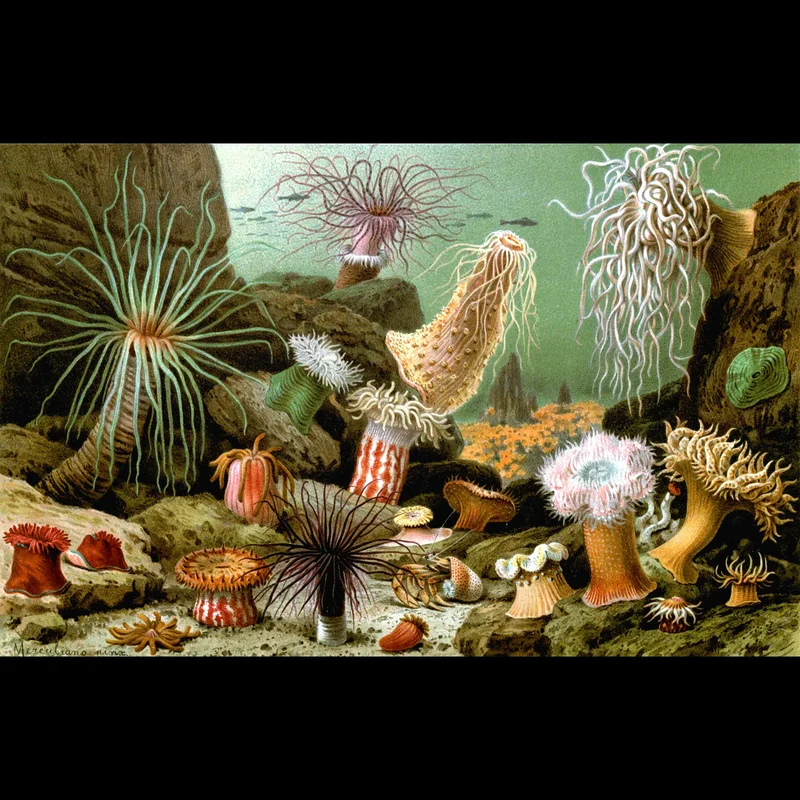
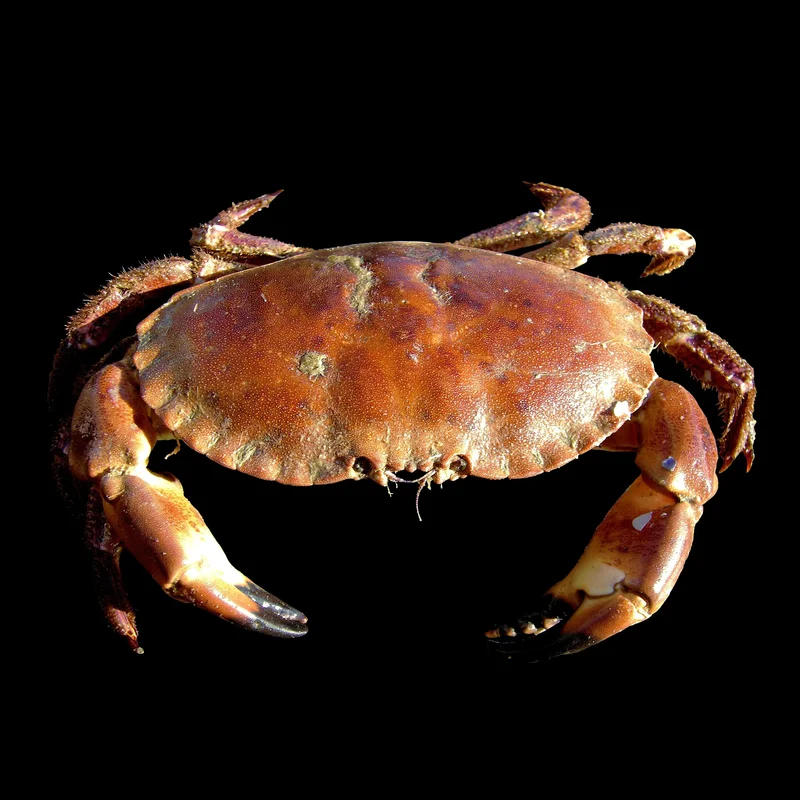
Marine life thrives across Rocky Bay's varied underwater landscape. Within the kelp forests and rocky crevices, divers regularly encounter various crabs, starfish, and sea anemones.
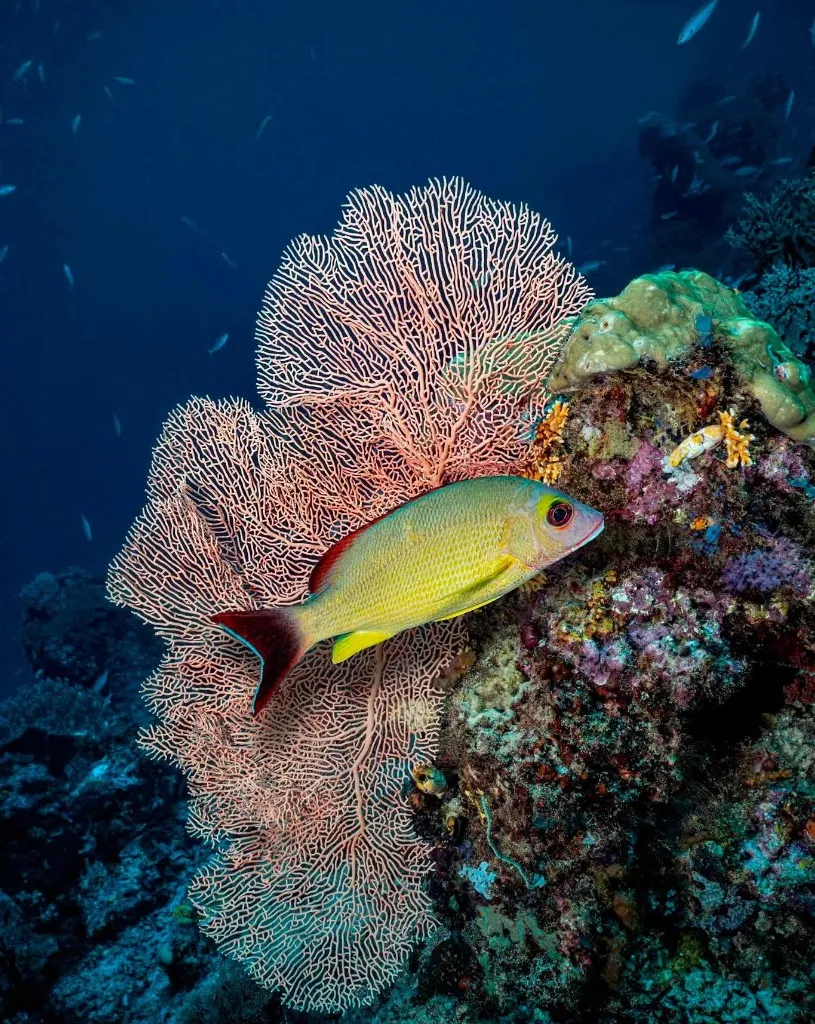
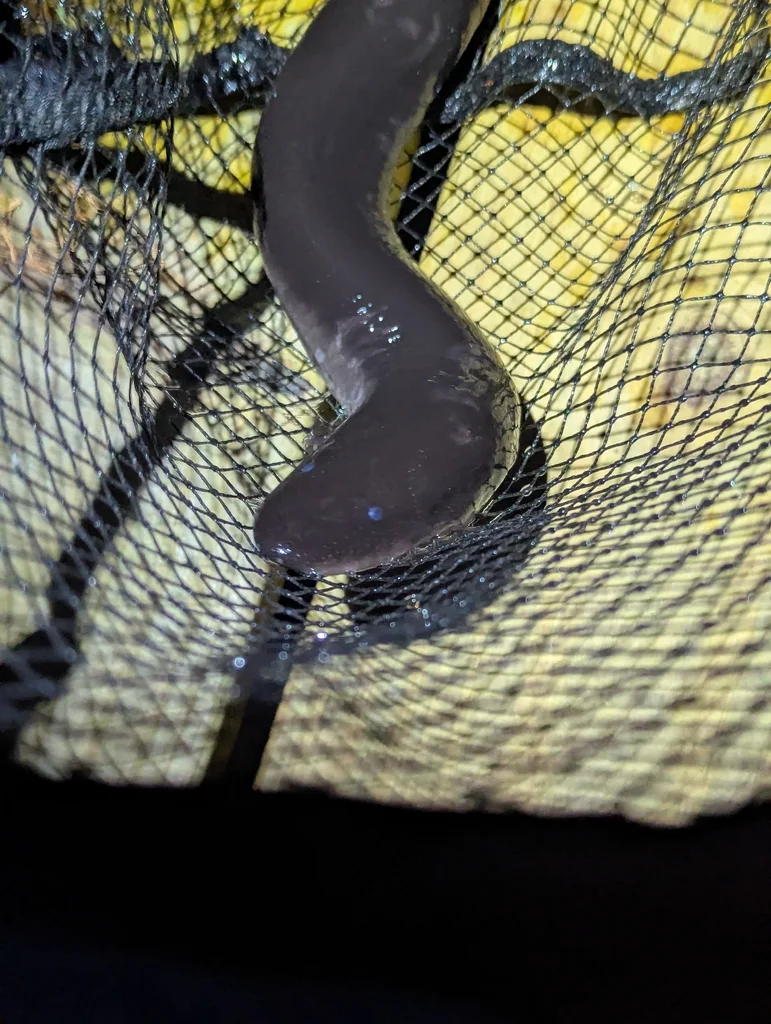
Look for conger eels peering from their rocky hideaways. Reef structures host paua, urchins, and a good variety of fish, including schools of snapper.
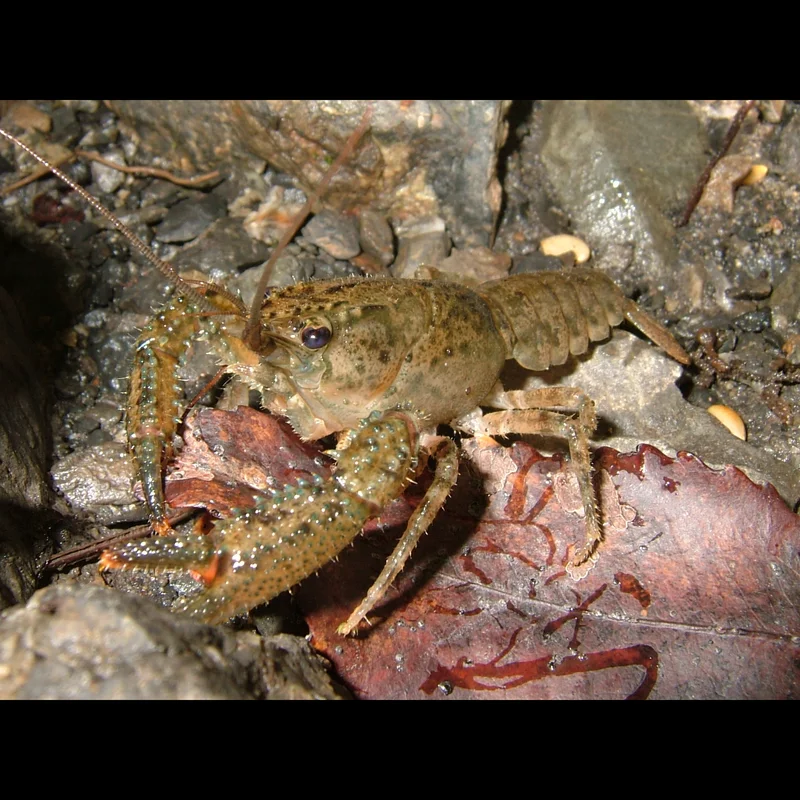
Crayfish are commonly observed among the rocks, and there's always a chance of spotting an octopus or even schooling koheru, adding an exciting element of surprise to any dive.
Dive Sites Near Rocky Bay
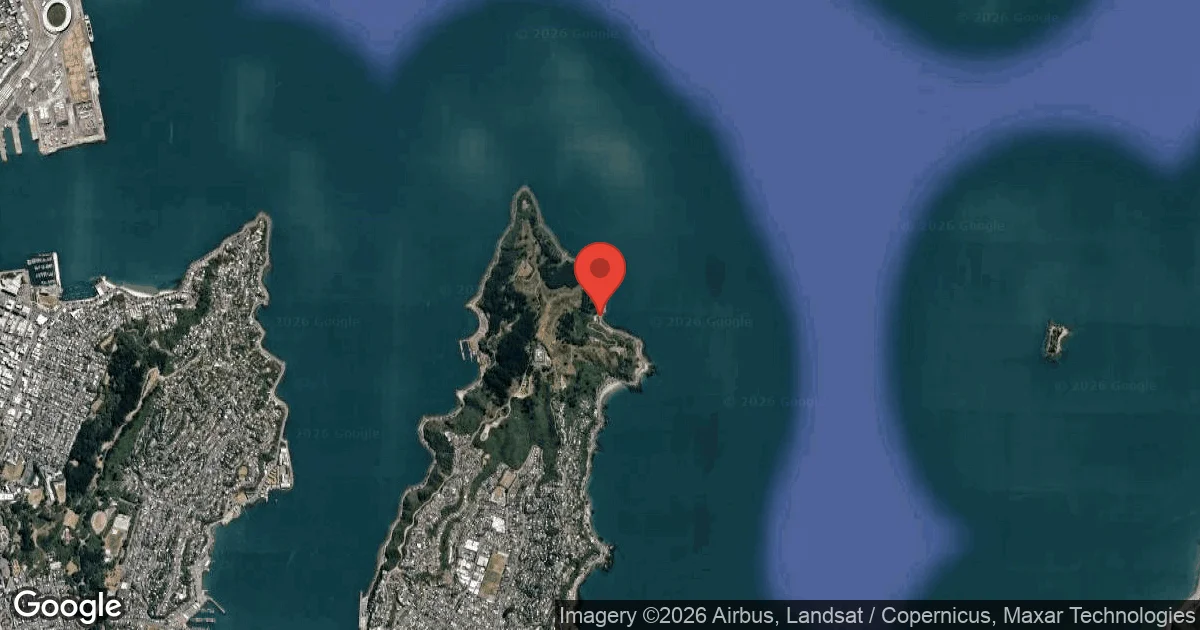
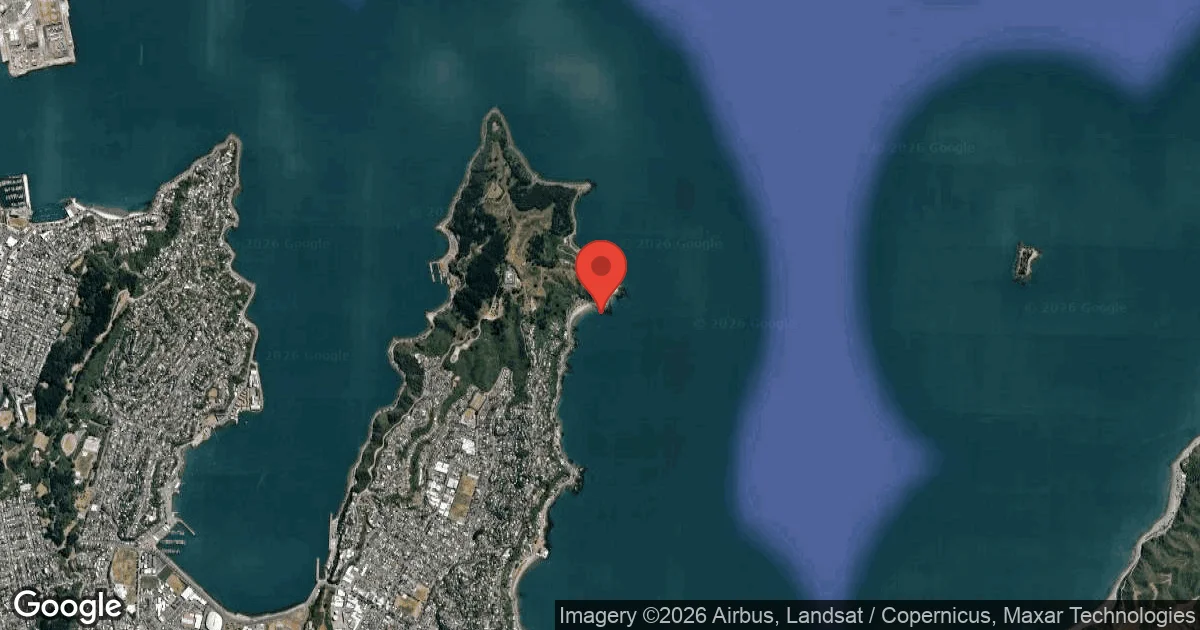
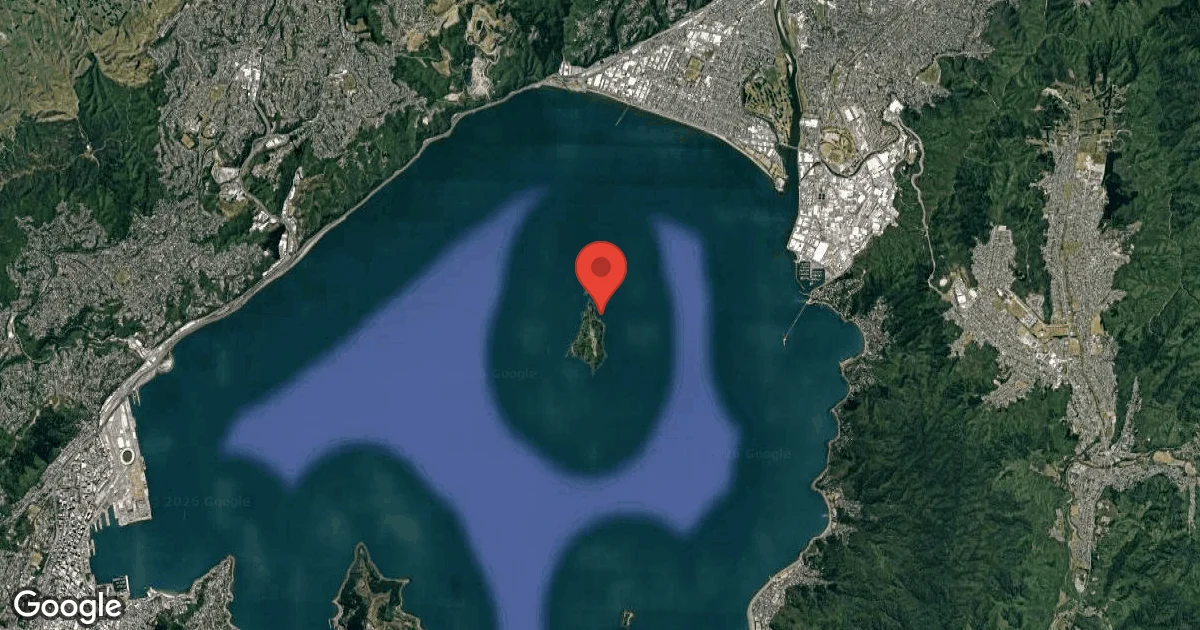
View all dive sites in New ZealandDiscover more underwater gems in this area.
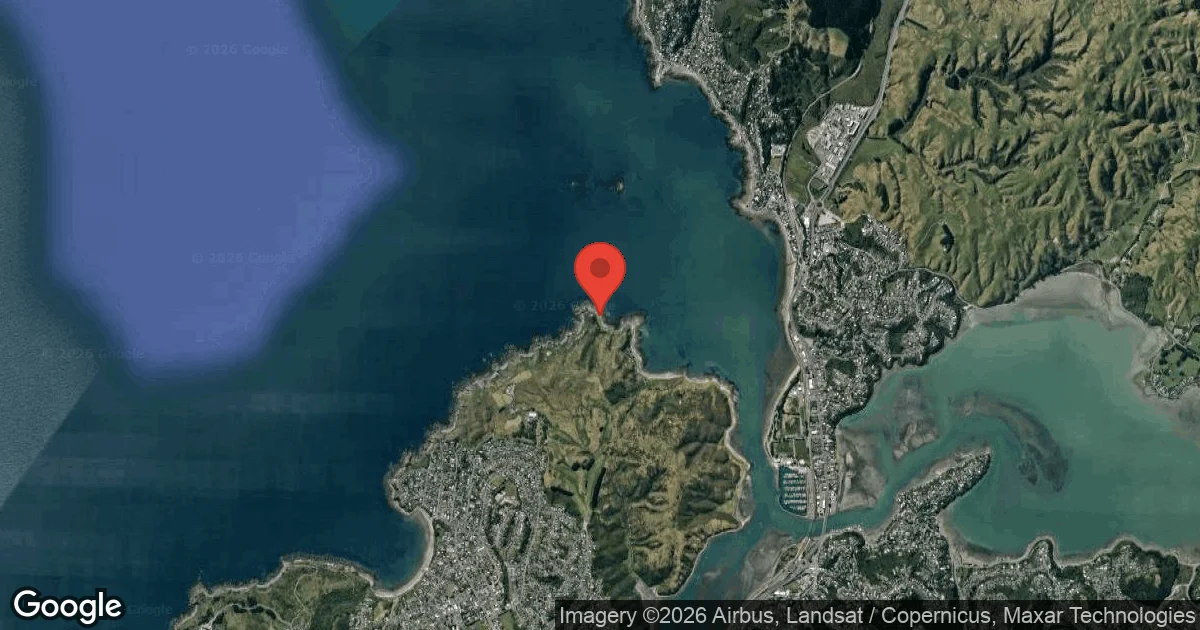
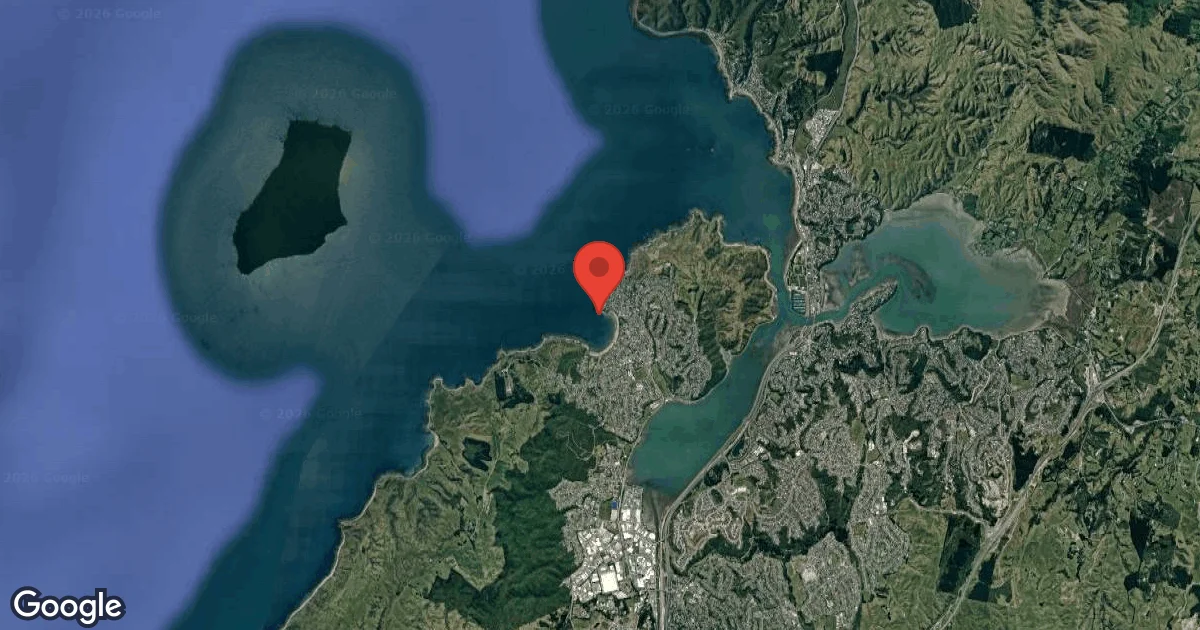
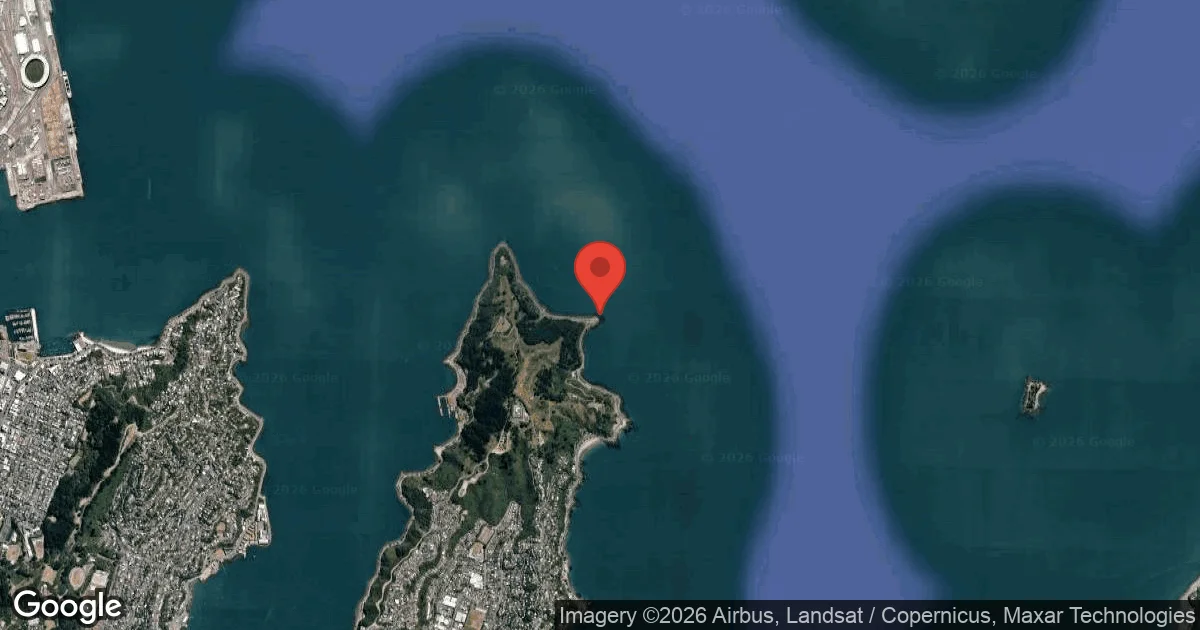
Dive Centers Near Rocky Bay
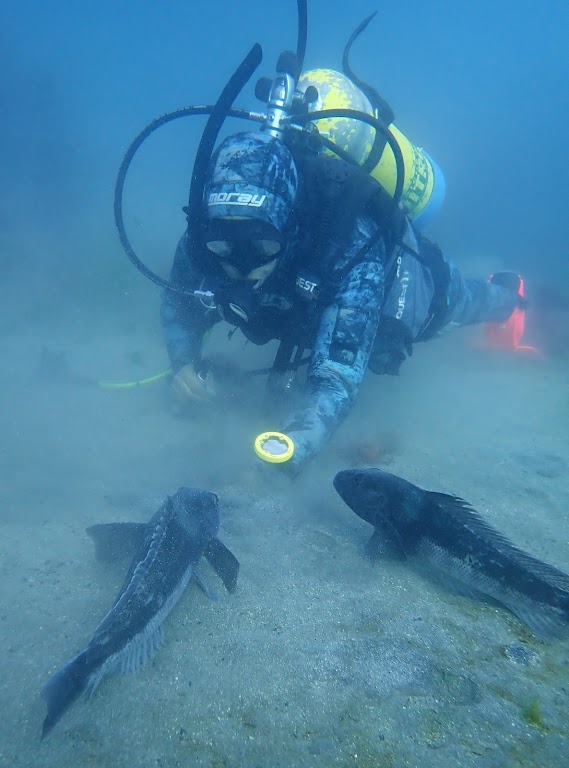
Today: 09:00 - 16:00
Nearest Airports
Nearest airports to help plan travel to this dive area.
Search Flights
Check available flights and routes on Expedia, using the nearby airports listed in this section.
Search Flights on ExpediaFrequently Asked Questions
What is the best time of year to dive Rocky Bay?
The most favorable conditions for diving Rocky Bay are typically from January to February and in November. These months generally offer 'Good' dive scores due to milder air temperatures and reduced rainfall, contributing to better visibility.
What kind of marine life can I expect to see?
You can anticipate seeing diverse marine life such as starfish, crabs, conger eels, and sea anemones. The site is also home to paua, urchins, crayfish, octopus, and various fish species like snapper and occasionally schooling koheru.
What is the underwater topography like at Rocky Bay?
The topography is quite varied, featuring extensive kelpie reef systems, distinct channels, and stretches of white sand. There are plenty of rocky areas to explore, including deeper parts of the bay with substantial kelp forests.
What certification level is recommended for diving here?
Rocky Bay accommodates various certification levels. Open Water divers can comfortably explore shallower areas, typically the reef edges and sandy patches. Advanced Open Water certification enables access to the deeper sections of the bay, where extensive kelp forests await.
Are there any specific hazards to be aware of?
Specific hazards are not consistently reported, but divers should be prepared for potential kelp entanglement in the extensive kelp forests. Standard safe diving practices, including carrying a cutting tool and practicing good buoyancy, are always recommended.
What are the typical water temperatures?
Water temperatures at Rocky Bay are not consistently reported but will vary seasonally, reflecting New Zealand's temperate coastal climate. Expect cooler waters, especially outside the summer months, making appropriate thermal protection important.
Is Rocky Bay suitable for beginner divers?
Yes, parts of Rocky Bay can be suitable for adventurous beginners, particularly for those looking to expand their experience beyond basic open water dives. The 'easy diving' nature reported for some sections makes it approachable, especially with local guidance.
Planning to dive Rocky Bay?
Send one inquiry and receive offers directly from the best verified local dive operators.
Conditions are Poor
High Wind Advisory (55km/h). Unsafe surface.
Current conditions near Rocky Bay show 13° air, 14° sea temperature, 1.9 m waves, and 55 km/h wind. Forecast data is refreshed regularly to ensure accuracy.