
Diving at Kau Point (New Zealand)
Engaging with Wellington's dynamic marine environment means preparing for a site that rewards attentive divers. Kau Point presents a dive opportunity that shifts from artificial reef structures to natural kelp beds and sandy bottoms. Navigating its varying visibility and currents requires sound dive planning and adaptation to conditions. This site challenges divers to explore its diverse micro-habitats, promising distinct underwater encounters for those who embrace its character.
Evening condition tracking at Kau Point features an air temperature of 9.5°C. We have recorded wave heights measuring 1.6 m during this period. These figures outline the environmental parameters currently present.
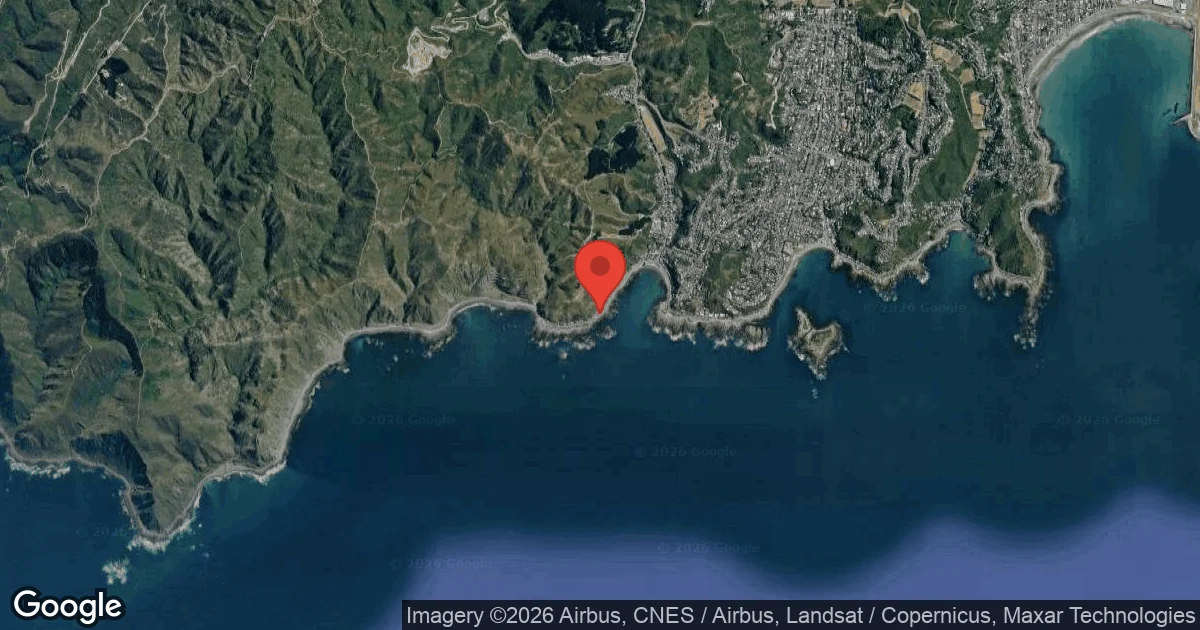
Dive Site Location & Key Facts
Dive Site Overview
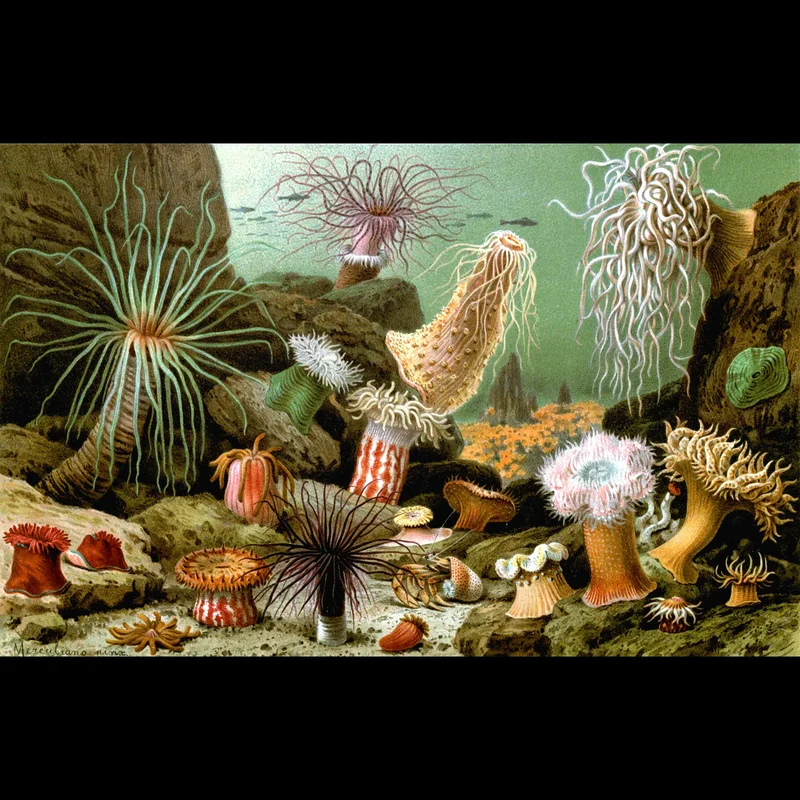
This shore dive location offers a multifaceted exploration, segmenting into three primary zones. On the point's right side, an artificial reef constructed from a grid of tires supports a vibrant community of anemones, nudibranchs, and various reef fish, including occasional conger eels.
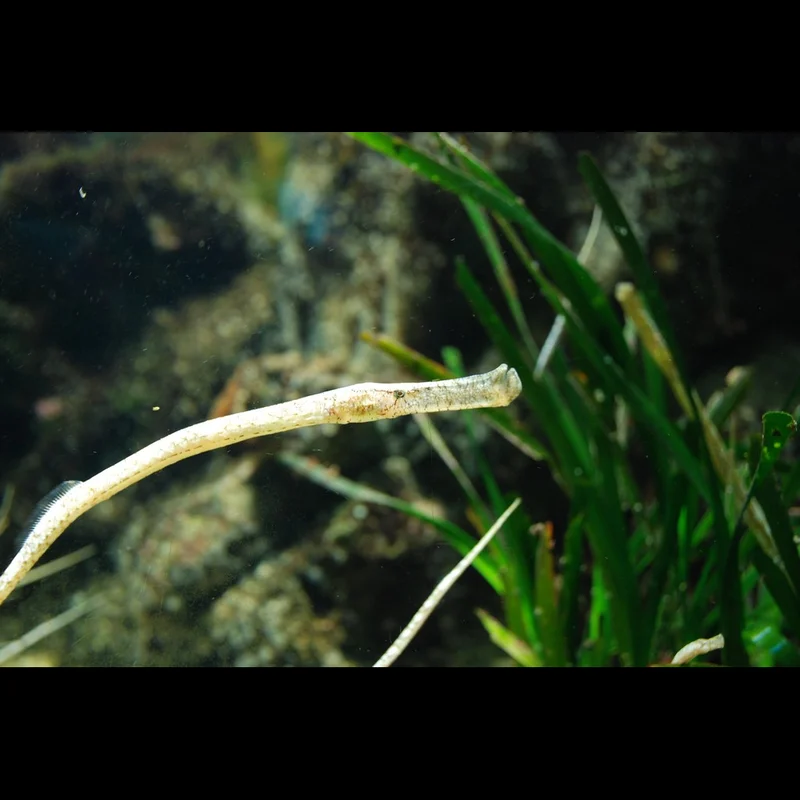
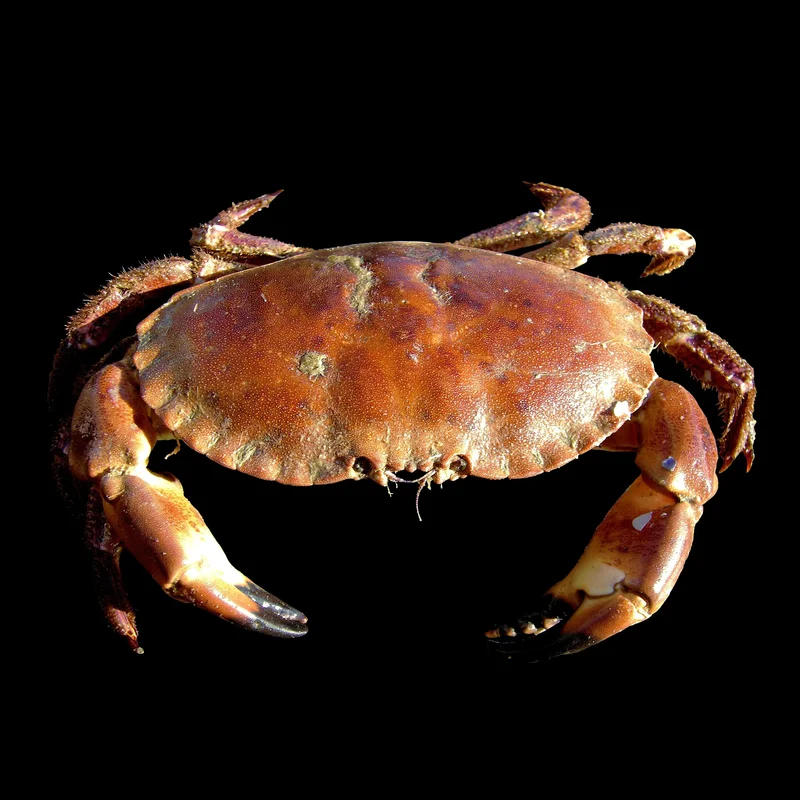
Moving to the left, a shallow kelp bed serves as a nursery for juvenile fish species, crayfish, seahorses, and pipefish. As one ventures offshore from either side, the topography descends to a sand and silty seafloor, which becomes home to flatfish, crabs, stargazers, and rays.
The maximum depth encountered at Kau Point can reach 22 m (72 ft), allowing for extended exploration of its varied bottom composition. The transitions between rocky reefs, kelp patches, and sandy flats make for an interesting profile, even with the sometimes-limited visibility.
This dive is about observing the subtle changes and adapting to what the environment presents on any given day.
Conditions are Poor
High Wind Advisory (49km/h). Unsafe surface.
Current conditions near Kau Point show 10° air, 14° sea temperature, 1.9 m waves, and 49 km/h wind. Forecast data is refreshed regularly to ensure accuracy.
Best Time to Dive
Visibility often dictates the overall dive experience at Kau Point, and it's important to note that it can be low, fluctuating with tidal movements and recent rainfall. The warmer summer months, particularly January and February, generally present slightly more stable air temperatures, averaging around 17°C (63°F). During these months, rainfall tends to be lower, which might contribute to improved, though not guaranteed, clarity. Despite the moderate dive scores throughout the year, focusing on periods of minimal wind (which typically averages 25-33 km/h or 15-20 mph) and after a spell of dry weather can marginally enhance underwater visibility. Planning dives around slack tide can also mitigate the effects of strong currents often present near the point.
PEAK SEASON SCORE
Scores combine air & water temps, waves, wind & rainfall for overall conditions.
BEST MONTHS TO DIVE
Monthly records compiled from satellite and marine observation nodes over the last 3 years. Data provided by Open-Meteo and MET Norway.
Dive Experience & Conditions
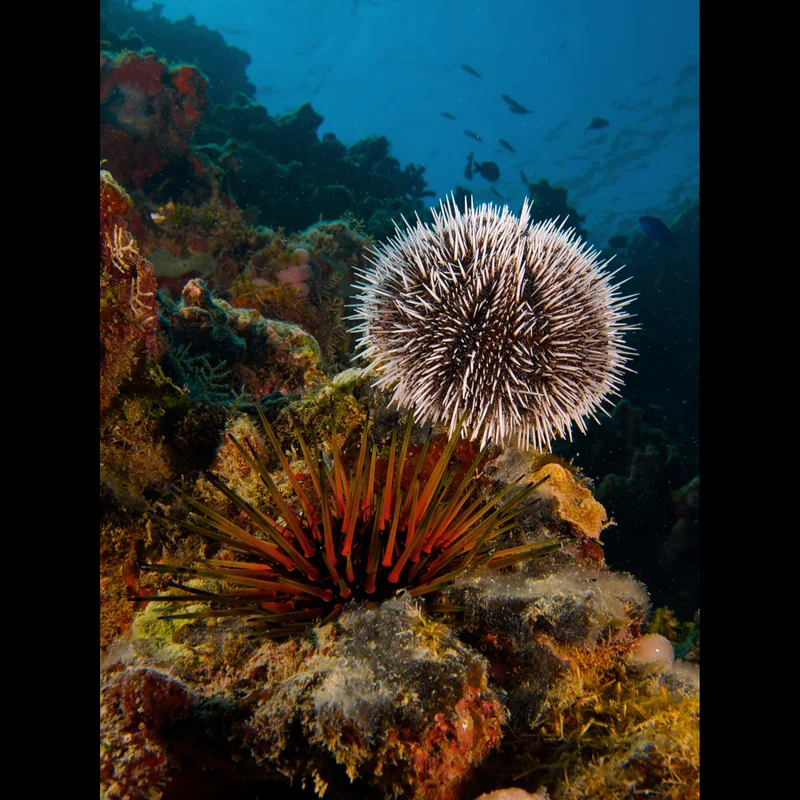
Descending into Kau Point often reveals a landscape where conditions can shift quite noticeably. Entering from shore, divers typically encounter the shallow kelp beds, which transition to rocky reefs. These reefs, particularly towards Point Halswell, can present as 'kina barren' in some areas due to sea urchin abundance, though sections where kelp is re-establishing can also be found. Moving deeper or into sheltered areas, the artificial tire reef provides a denser, more structured environment. Visibility varies significantly and is not consistently reported as excellent; expect conditions to range from clear to quite silty, depending on tidal cycles and recent weather. Strong tidal currents near the point are a consideration, requiring careful planning and awareness during the dive.
Dive Difficulty & Safety Guidelines
Approaching Kau Point requires an understanding of its variable marine dynamics. Strong tidal currents can develop near the point, so divers should meticulously plan their entry and exit points and consider dive timing around slack tide. Maintaining good buoyancy control is crucial, especially over silty bottoms, to prevent reducing visibility for yourself and others.
While no specific inherent hazards are consistently reported, the presence of kina barren areas suggests an ecosystem undergoing changes, emphasizing the need for respectful interaction. Divers should carry appropriate signaling devices, such as a surface marker buoy (SMB), to enhance safety during ascent and aid surface support in locating them.
Recommended Equipment
- Dive Computer
- DSMB
- Hard-soled Dive Boots
- Pointer / Muck Stick
This gear list is based on verified equipment signals for Kau Point, New Zealand. Always confirm final gear choices with your dive operator, guide, or liveaboard.
Recommended Dive Suit
With water temperatures around 14°C (56°F), many divers find a 7mm wetsuit or semidry provides comfortable protection.
Local dive briefings can provide the most accurate guidance.
The forecast outlook suggests that temperatures will stay close to current levels.
Due to technical issues with our weather providers, live updates are temporarily delayed. The data above reflects the conditions at the time of the last successful fetch.
Emergency & Medical Support
Essential information to help you plan your dive trip to Kau Point.

Hyperbaric chambers are a critical part of dive safety infrastructure. Availability varies significantly by region, and not all dive areas have immediate access.
Before diving, it's recommended to:
- confirm nearest medical facilities
- check emergency procedures with local dive operators
- ensure dive insurance covers evacuation if required
Divers Alert Network
Diving emergency assistance available through DAN World.
+1-919-684-9111- 24/7 emergency hotline
- Diving medical assistance
- Evacuation coordination
Emergency contacts are provided for reference. Always verify local emergency services before diving.
Marine Life at Kau Point
The underwater landscape at Kau Point supports a surprising array of life, distributed across its varied habitats. In the shallow kelp beds, divers can often spot pipefish and juvenile fish, and with luck, a seahorse clinging to vegetation.
The artificial reef structure offers refuge for conger eels, a variety of reef fish, and interesting nudibranchs that graze the surfaces. Moving over the deeper sandy and silty areas reveals flatfish camouflaged against the bottom, along with crabs and stargazers partially buried.
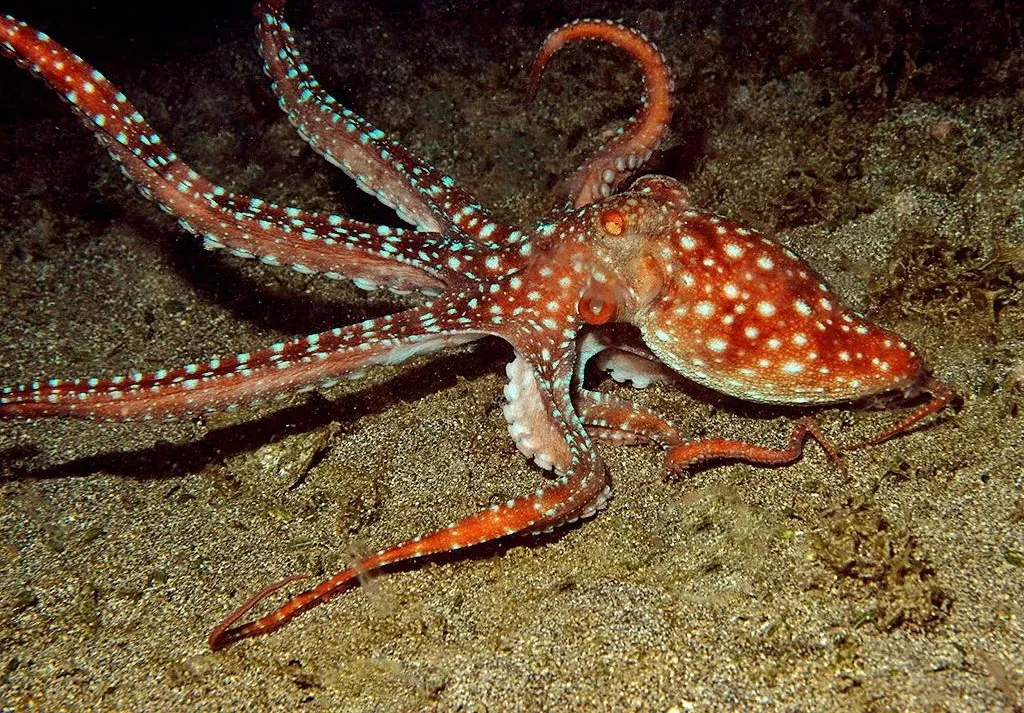
An occasional, inquisitive fur seal has been known to interact with divers, and curious octopuses sometimes venture close. While areas can be impacted by sea urchin (kina) populations, patience can reveal hidden gems.
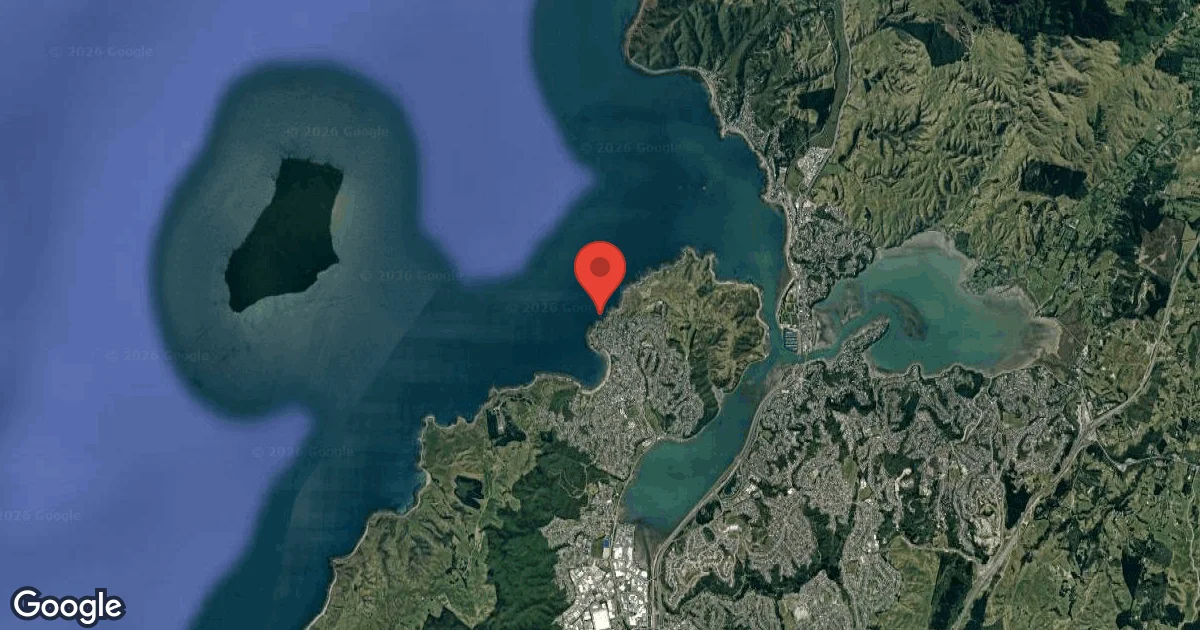
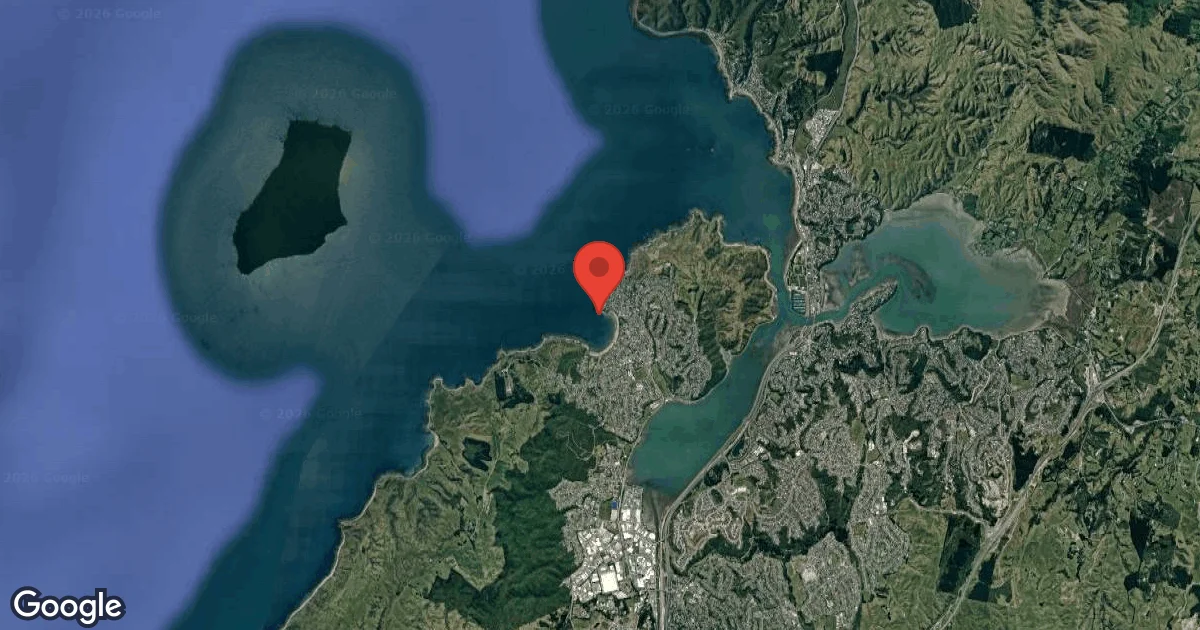
Dive Sites Near Kau Point
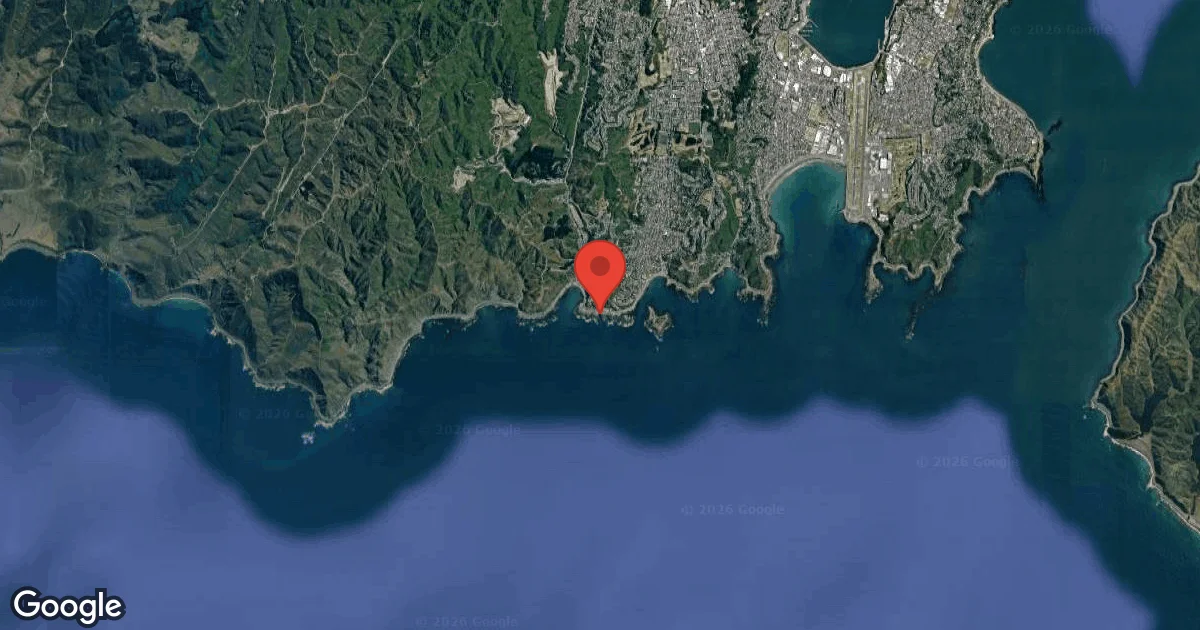
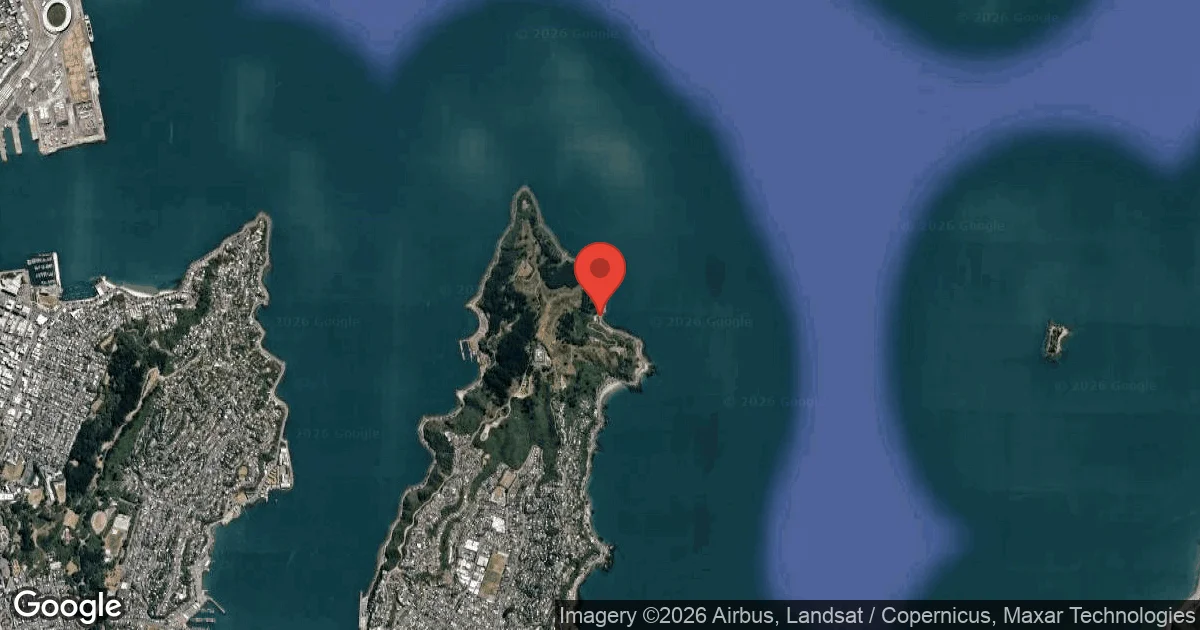
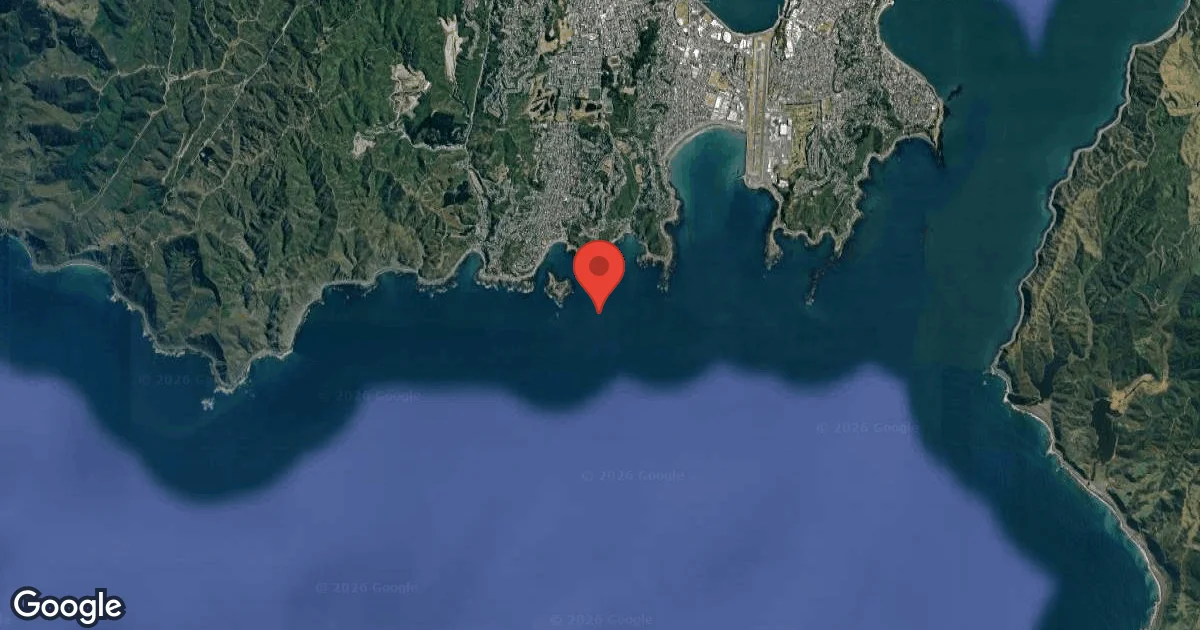
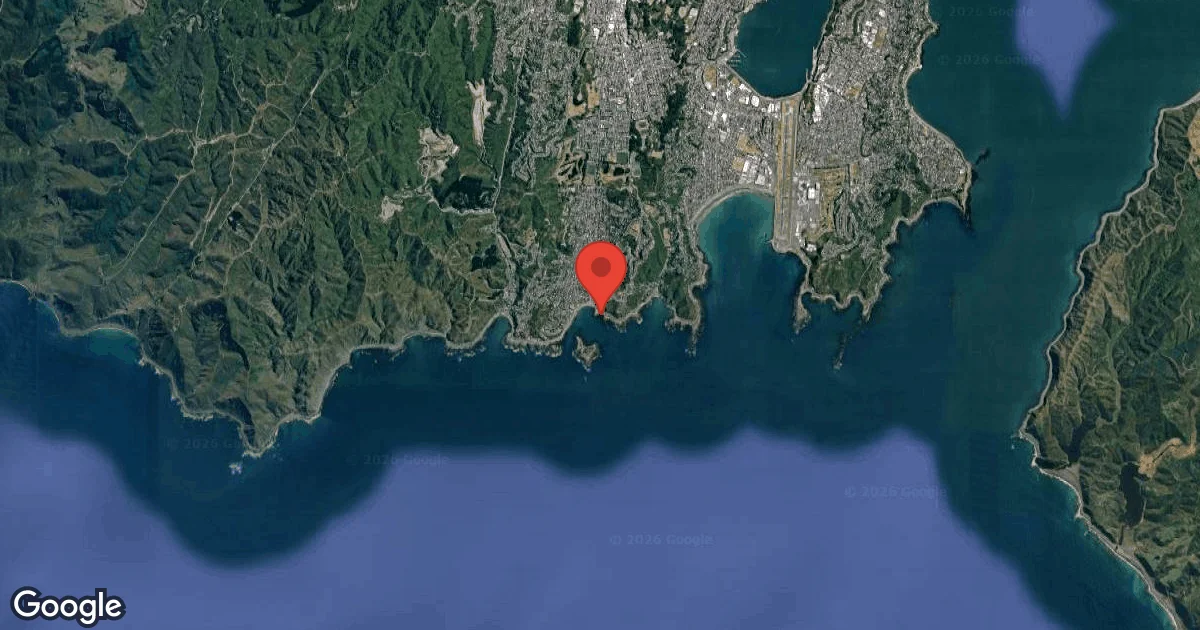
View all dive sites in New ZealandDiscover more underwater gems in this area.
Dive Centers Near Kau Point
Today: 09:00 - 16:00
Nearest Airports
Nearest airports to help plan travel to this dive area.
Search Flights
Check available flights and routes on Expedia, using the nearby airports listed in this section.
Search Flights on ExpediaFrequently Asked Questions
What types of diving are available at Kau Point?
Kau Point is primarily a shore dive offering a mix of muck, ocean, and reef diving experiences. You can explore a shallow kelp bed, an artificial tire reef, and deeper sandy/silty bottoms, each presenting different encounters.
What is the maximum depth at Kau Point?
The maximum depth divers typically encounter at this site is around 22 meters (72 feet). This allows for exploration of both shallow and moderately deep sections of the reef and sandy flats.
Are there strong currents at Kau Point?
Yes, strong tidal currents can occur near the point, varying depending on conditions. It's recommended to plan dives around slack tide to minimize exposure to these currents and enhance safety.
What marine life might I see while diving here?
The site hosts a diverse array of species including seahorses, pipefish, conger eels, various reef fish, nudibranchs, crabs, flatfish, and stargazers. Occasionally, divers might even encounter a curious fur seal or octopus.
What is the visibility generally like at Kau Point?
Visibility at Kau Point is often low and can be quite variable. It is influenced by tidal movements, recent rainfall, and sediment disturbance, so divers should be prepared for changing conditions.
Is Kau Point suitable for beginner divers?
Given the potential for strong currents and sometimes low visibility, Kau Point is generally more suited for certified divers with some experience. Beginners should dive with an experienced guide or instructor and only when conditions are favorable.
What are the typical water temperatures?
Specific water temperature data is not consistently reported for Kau Point. However, as a Wellington site, expect temperate waters that typically necessitate a thick wetsuit or drysuit, especially outside of the peak summer months, to ensure thermal comfort during dives.
Planning to dive Kau Point?
Send one inquiry and receive offers directly from the best verified local dive operators.
Conditions are Poor
High Wind Advisory (49km/h). Unsafe surface.
Current conditions near Kau Point show 10° air, 14° sea temperature, 1.9 m waves, and 49 km/h wind. Forecast data is refreshed regularly to ensure accuracy.