
Diving at Whitireia Park (New Zealand)
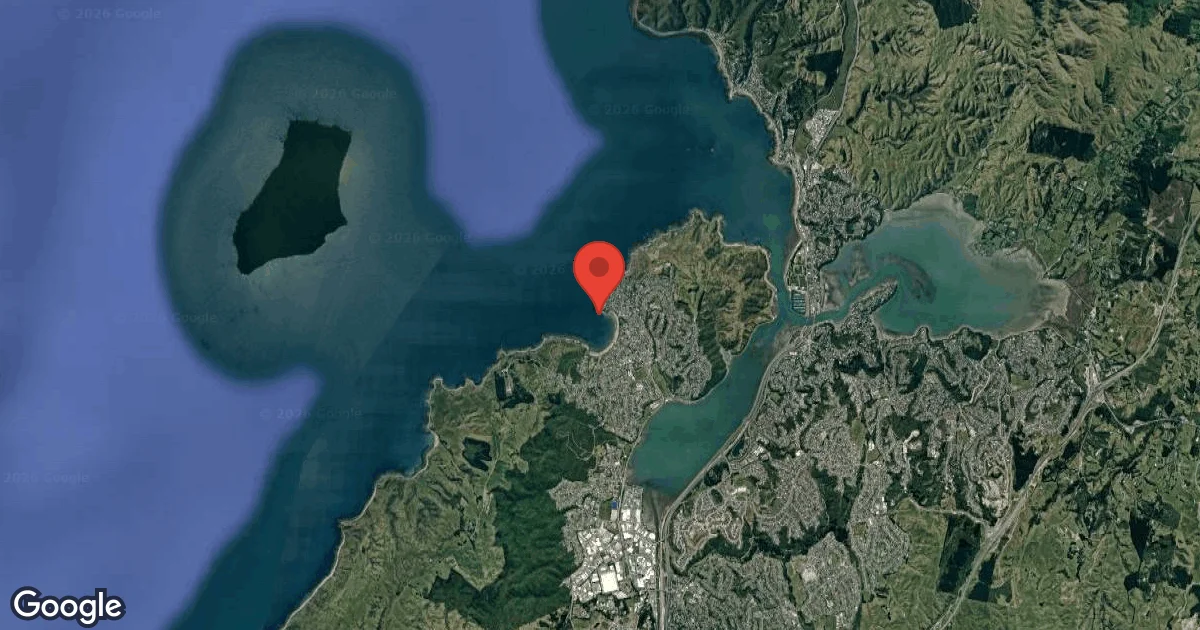
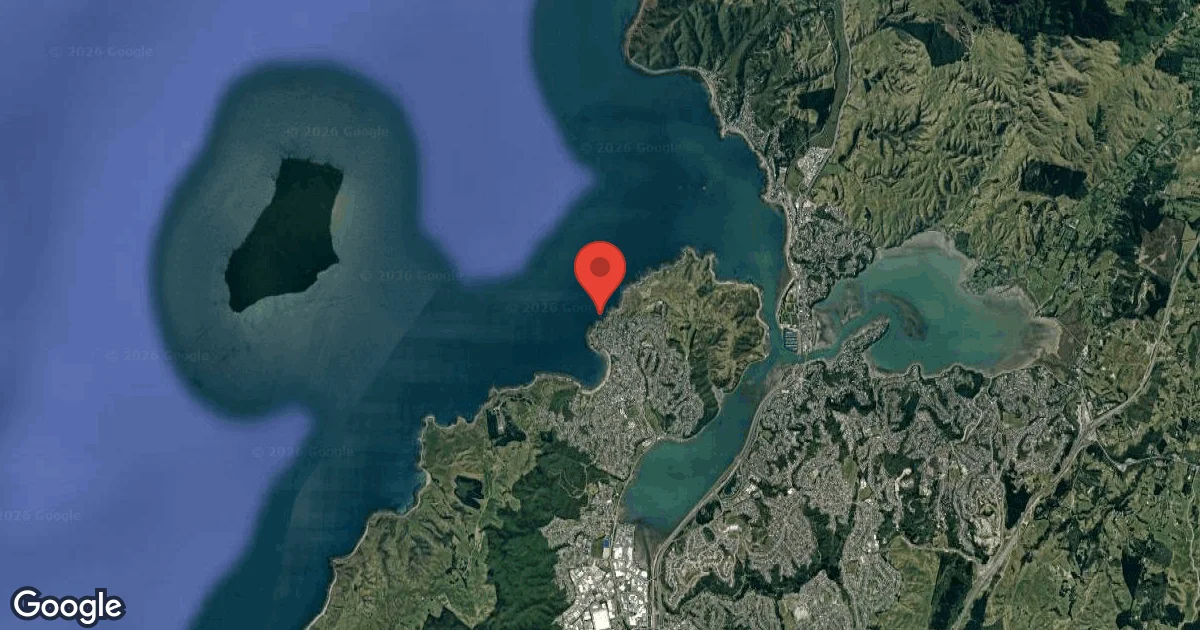
Whitireia Park offers a diverse diving experience, presenting both accessible, shallow bays for entry-level divers and more challenging routes around points for those seeking adventure. This headland provides commanding views over Mana Island and Porirua Harbour, with its waters often sheltered from strong southerly winds. The dual entry options—easy shore access or a hike over a hill—cater to different skill levels, allowing exploration of various reef and sand habitats.
Tonight's objective overview for Whitireia Park shows an air temperature of 8°C. The measured surface conditions include wave heights around 0.7 m. This environmental data is logged for the close of the day.
Dive Site Location & Key Facts
Dive Site Overview
The underwater topography at Whitireia Park provides distinct diving opportunities based on experience level. Novice divers typically begin in the bay, where easy shore entry leads to shallow reef systems.
These areas feature depths of 4-6 m / 13-20 ft along the weed line, ideal for observing juvenile reef species, wrasse, and triplefins. Navigation is straightforward, often involving a swim along the reef out and back on either side of the bay. For more experienced divers, the site offers extended exploration by walking over a hill to a different entry point, allowing for a swim around the main headland back to the bay.
Alternatively, divers can access channels at the end of the road. These deeper excursions can reach a maximum depth of approximately 10 m / 32 ft.
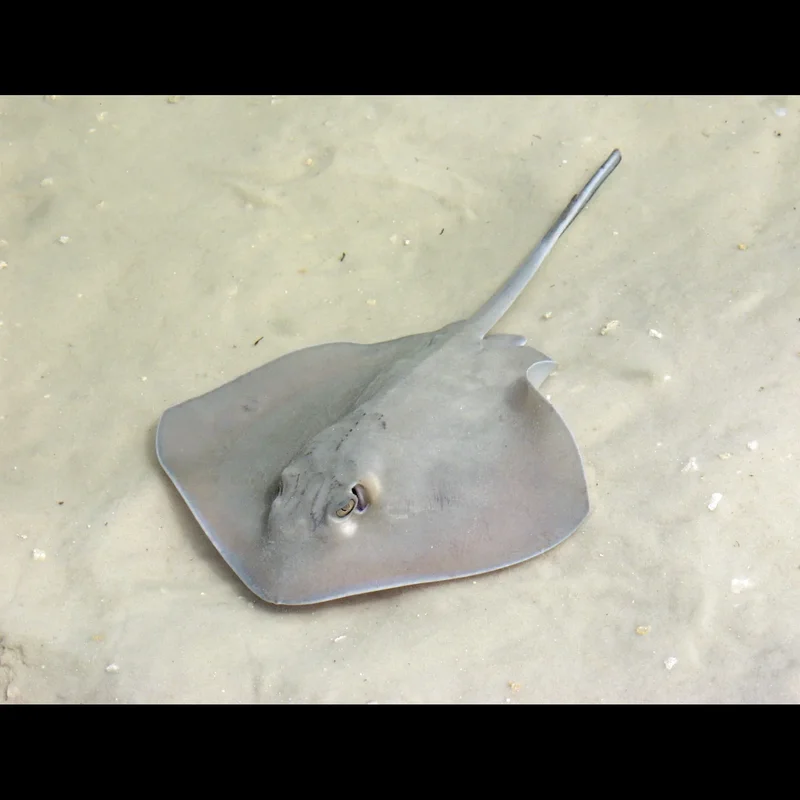
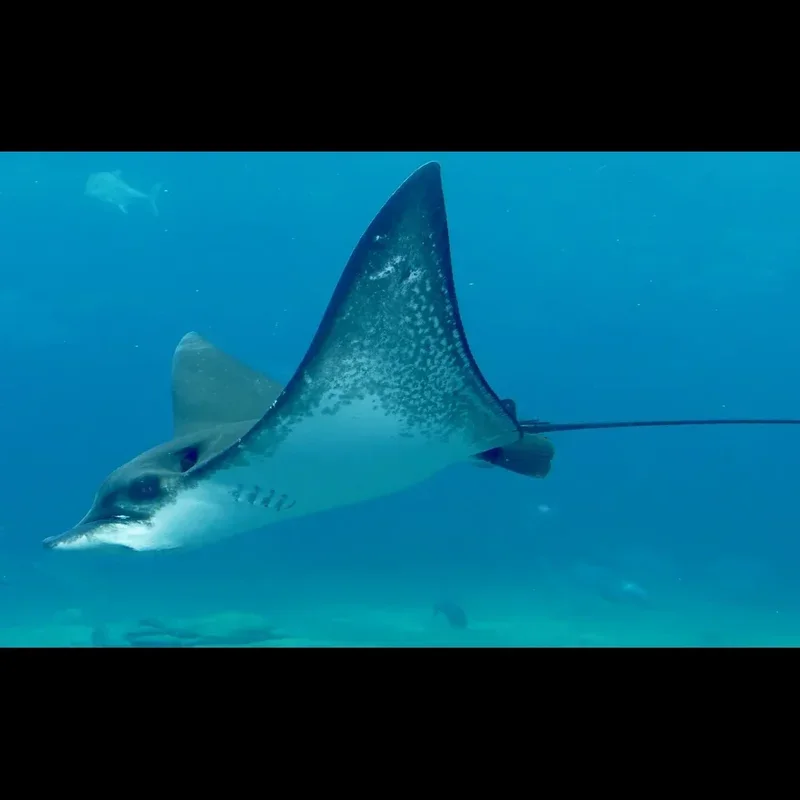
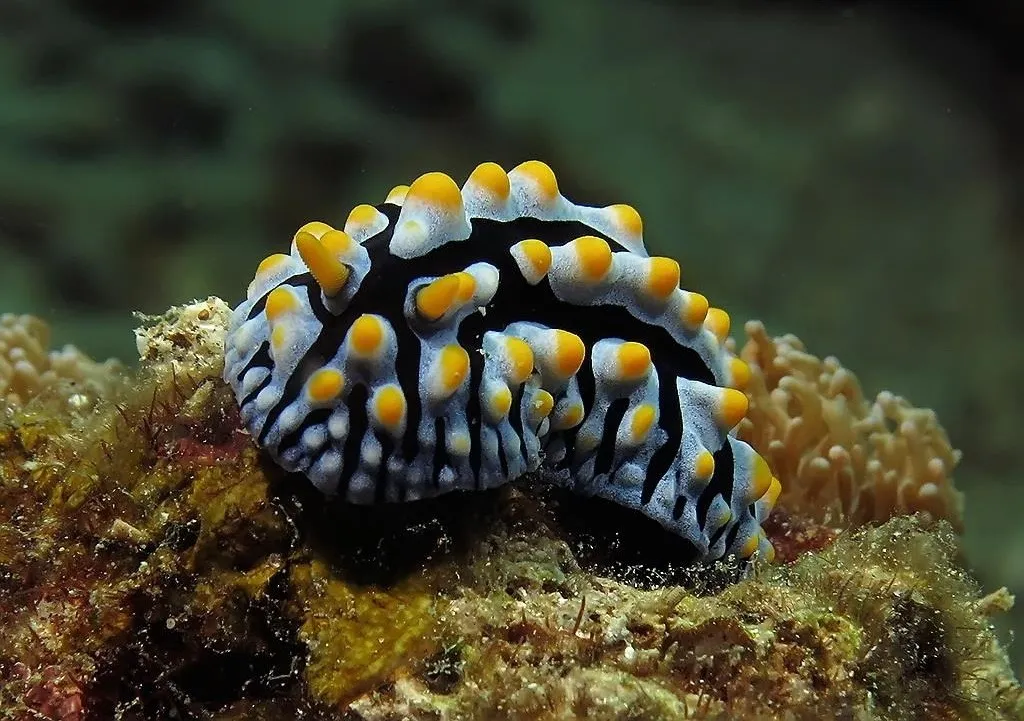
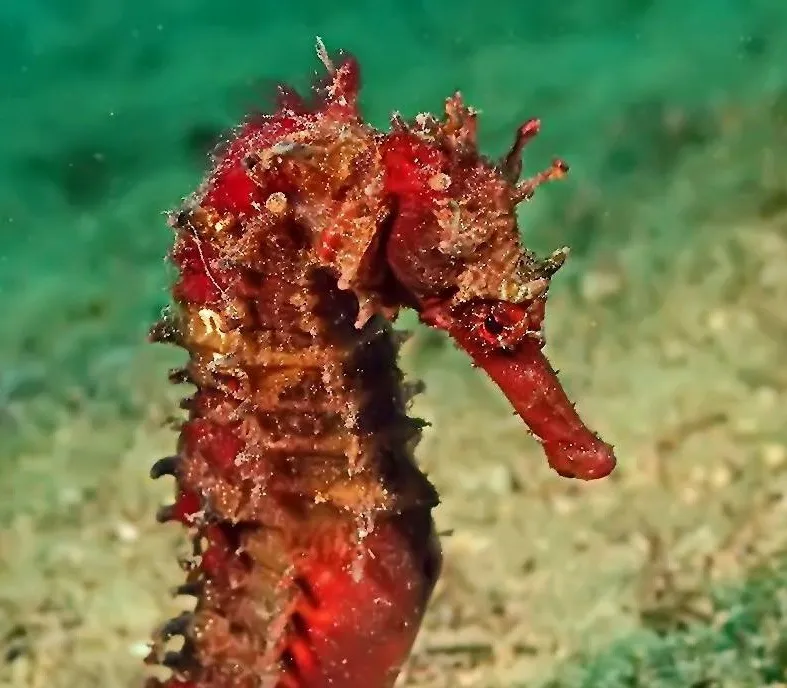
The site's sheltered nature, protected by Mana Island, can lead to calmer conditions, potentially revealing large groups of juvenile fish, alongside the chance to spot stingrays, eagle rays, seahorses, octopus, and nudibranchs across the sandy patches.
Conditions are Poor
High Wind Advisory (50km/h). Unsafe surface.
Current conditions near Whitireia Park show 8° air, 14° sea temperature, 1.8 m waves, and 50 km/h wind. Forecast data is refreshed regularly to ensure accuracy.
Best Time to Dive
For divers considering Whitireia Park, the calendar plays a significant role in experience quality. Optimal conditions typically emerge between November and February, yielding consistently "Good" dive scores. Air temperatures during this peak window hover around 14.5-17.5°C / 58-64°F, accompanied by minimal rainfall, averaging just 2.3-3.2 mm / 0.09-0.13 inches. Its orientation, shielded from southerly winds by Mana Island, frequently makes Whitireia Park a calm option when other coastal areas are too rough. While moderate diving is possible much of the year, September and October often present slightly reduced scores. This dip correlates with average wave heights of around 1.5 m / 5 ft and stronger winds, generally 33-34 km/h / 20-21 mph. Aiming for late spring through early autumn ensures better visibility and overall comfort.
PEAK SEASON SCORE
Scores combine air & water temps, waves, wind & rainfall for overall conditions.
BEST MONTHS TO DIVE
Monthly records compiled from satellite and marine observation nodes over the last 3 years. Data provided by Open-Meteo and MET Norway.
Dive Experience & Conditions
Descending into Whitireia Park's bays, divers will find gentle conditions perfect for entry-level training and relaxed exploration. The initial dive takes you along a weed line at depths of 4-6 m / 13-20 ft, where juvenile reef species are abundant. For those with advanced skills, a more extensive dive involves shore entry after a walk over a hill, allowing for a circumnavigation of the point. This route allows deeper exploration, reaching a maximum depth of 10 m / 32 ft. Water temperatures aren't consistently reported but are characteristic of a temperate climate, suggesting a range that may require appropriate thermal protection. Visibility can vary, often benefiting from the site's sheltered aspect, which helps to mitigate surge and maintain clearer conditions compared to more exposed locations.
Dive Difficulty & Safety Guidelines
Divers approaching Whitireia Park should note the access gate, which may require a key, or be prepared to walk gear from the main parking area. Entry is typically from the shore, suitable for all skill levels, though the more advanced point dives involve a significant surface swim or a walk over a hill. Given the varied dive profiles available, from shallow reef exploration to deeper perimeter swims, solid dive planning is essential.
Divers should maintain strong buoyancy control, especially around the reef, and consider advanced training like PADI Underwater Navigator for the longer point dives. Always dive with a buddy, carry a surface marker buoy, and ensure all equipment is well-maintained for a safe experience.
Recommended Equipment
- Dive Computer
- Hard-soled Dive Boots
This gear list is based on verified equipment signals for Whitireia Park, New Zealand. Always confirm final gear choices with your dive operator, guide, or liveaboard.
Recommended Dive Suit
Individual comfort in the water can vary significantly from diver to diver, even under the same conditions.
For most recreational dives, 7mm wetsuit or semidry should provide comfortable protection. Consider warmer surface protection (like a boat coat) due to brisk winds. Strong cold advisory: dress warmly immediately after exiting the water. Forecast trends indicate little change in overall diving conditions during the next few days.
Current temperature readings suggest that the water at Whitireia Park is around 14°C (57°F). Surface air temperatures are resting at 8°C (47°F).
Emergency & Medical Support
Essential information to help you plan your dive trip to Whitireia Park.

Hyperbaric chambers are a critical part of dive safety infrastructure. Availability varies significantly by region, and not all dive areas have immediate access.
Before diving, it's recommended to:
- confirm nearest medical facilities
- check emergency procedures with local dive operators
- ensure dive insurance covers evacuation if required
Divers Alert Network
Diving emergency assistance available through DAN World.
+1-919-684-9111- 24/7 emergency hotline
- Diving medical assistance
- Evacuation coordination
Emergency contacts are provided for reference. Always verify local emergency services before diving.
Marine Life at Whitireia Park
Upon entering the shallow reef areas, divers will quickly notice the presence of juvenile reef species, wrasse, and triplefins navigating the weed lines. Starfish are a consistent sight, often observed clinging to rocky surfaces.
As you explore the sandy patches and weed beds, keep an eye out for more elusive creatures; seahorses can be spotted camouflaged within the vegetation, while nudibranchs crawl along the substrate. Stingrays and eagle rays glide gracefully over the sand, and octopus may be seen tucked into crevices, adding to the rich biodiversity of Whitireia Park's underwater environment.

Dive Sites Near Whitireia Park
View all dive sites in New ZealandDiscover more underwater gems in this area.
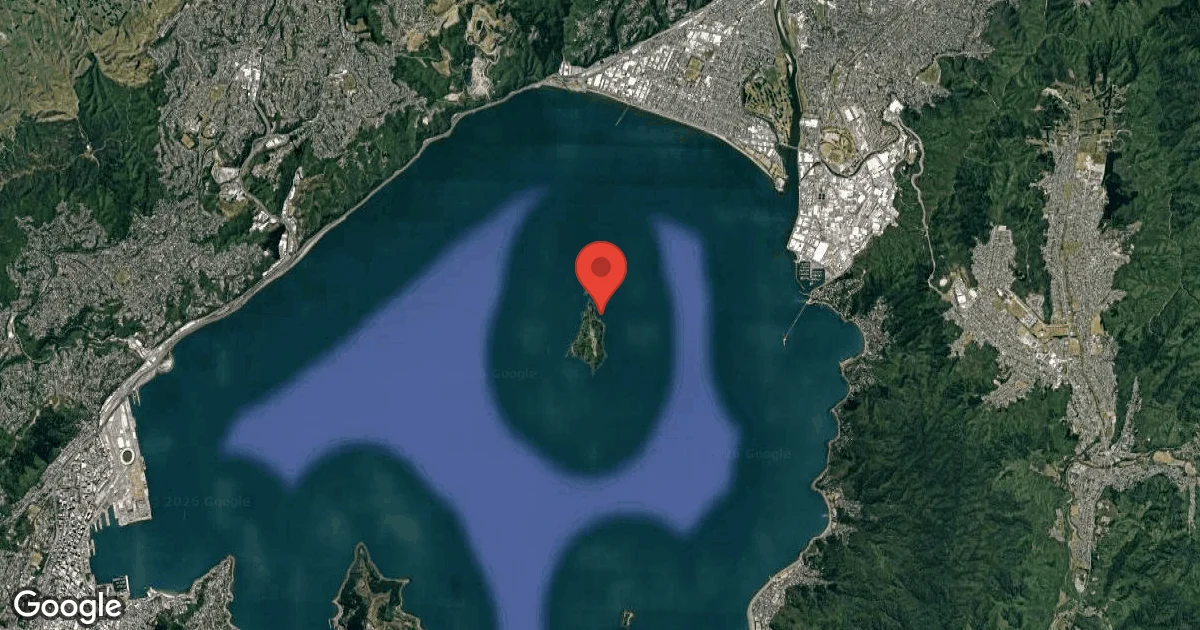
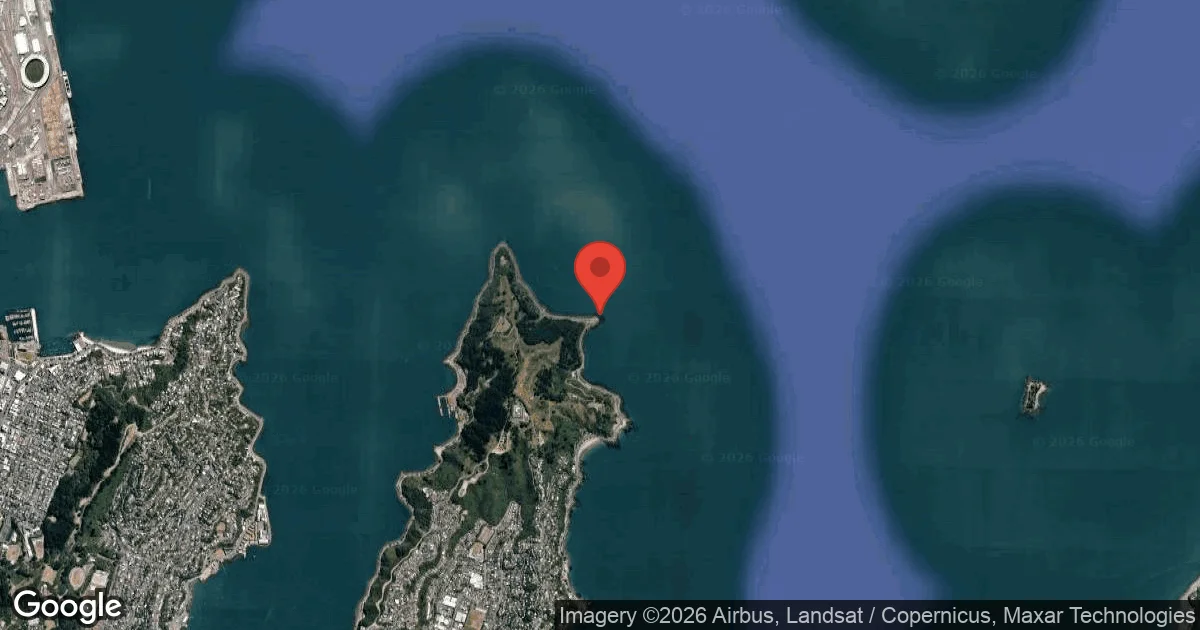
Dive Centers Near Whitireia Park
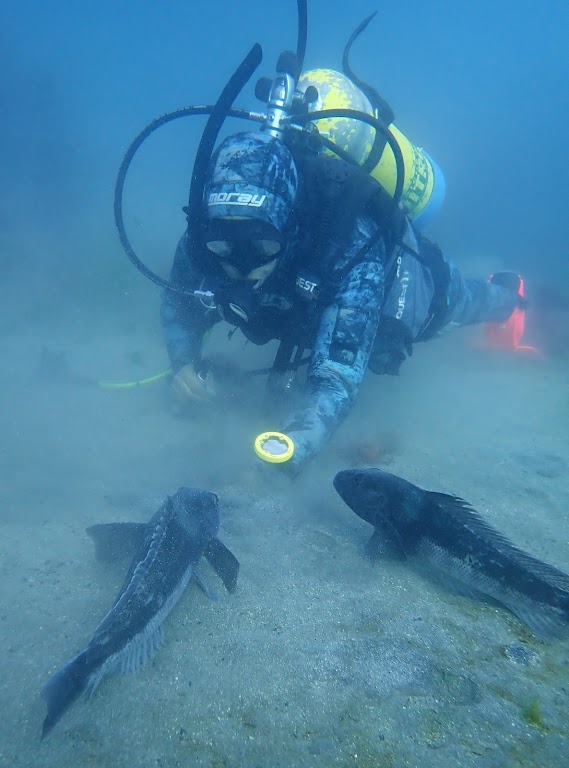
Today: 09:00 - 16:00
Nearest Airports
Nearest airports to help plan travel to this dive area.
Search Flights
Check available flights and routes on Expedia, using the nearby airports listed in this section.
Search Flights on ExpediaFrequently Asked Questions
What is the typical maximum depth for diving at Whitireia Park?
The maximum depth at Whitireia Park is approximately 10 m / 32 ft. Shallow bay dives often occur in the 4-6 m / 13-20 ft range, suitable for beginners.
Is Whitireia Park suitable for beginner divers?
Yes, Whitireia Park is considered accessible for beginner divers, especially in the bay areas. These spots offer easy shore entry and shallow reef exploration along the weed line.
What kind of marine life can I expect to see at Whitireia Park?
Divers frequently encounter juvenile reef species, wrasse, and triplefins. Keep an eye out for seahorses, nudibranchs, and octopus. Stingrays, eagle rays, and starfish are also common sightings over the sandy areas.
Are there any special access requirements for the dive site?
Access to some areas of Whitireia Park may require a key for the gate. Alternatively, you can park by the gate and walk your dive gear to the entry points.
What are the best months to dive Whitireia Park?
The best time to dive is typically from November to February, when dive conditions are rated "Good." During these months, air temperatures are warmer, and rainfall is minimal, contributing to a more comfortable experience.
How does Whitireia Park's sheltered location affect diving conditions?
Whitireia Park is notably sheltered by Mana Island, particularly from southerly winds. This often results in calmer conditions and better visibility compared to more exposed dive sites along the coast, especially when strong winds affect other areas.
What PADI training courses are recommended for diving at Whitireia Park?
Beyond your PADI Open Water Diver certification, a PADI Scuba Refresher is useful for reacquainting yourself with skills. The PADI Underwater Navigator and PADI Peak Performance Buoyancy courses are also beneficial for exploring the site's various features and reef structures.
Planning to dive Whitireia Park?
Send one inquiry and receive offers directly from the best verified local dive operators.
Conditions are Poor
High Wind Advisory (50km/h). Unsafe surface.
Current conditions near Whitireia Park show 8° air, 14° sea temperature, 1.8 m waves, and 50 km/h wind. Forecast data is refreshed regularly to ensure accuracy.