
Diving at Scorching Bay (New Zealand)
Even when weather patterns elsewhere in Wellington Harbour prove challenging, Scorching Bay remains a reliable dive option due to its sheltered position. Tucked away, the site often maintains calm conditions, mitigating the higher wave heights and winds that can affect exposed coastal areas. This natural protection from northerly winds makes it a forgiving entry point, especially for divers seeking a more relaxed experience when other sites are less accessible.
Tonight's objective overview for Scorching Bay shows an air temperature of 12°C. The measured surface conditions include wave heights around 1.1 m. This environmental data is logged for the close of the day.
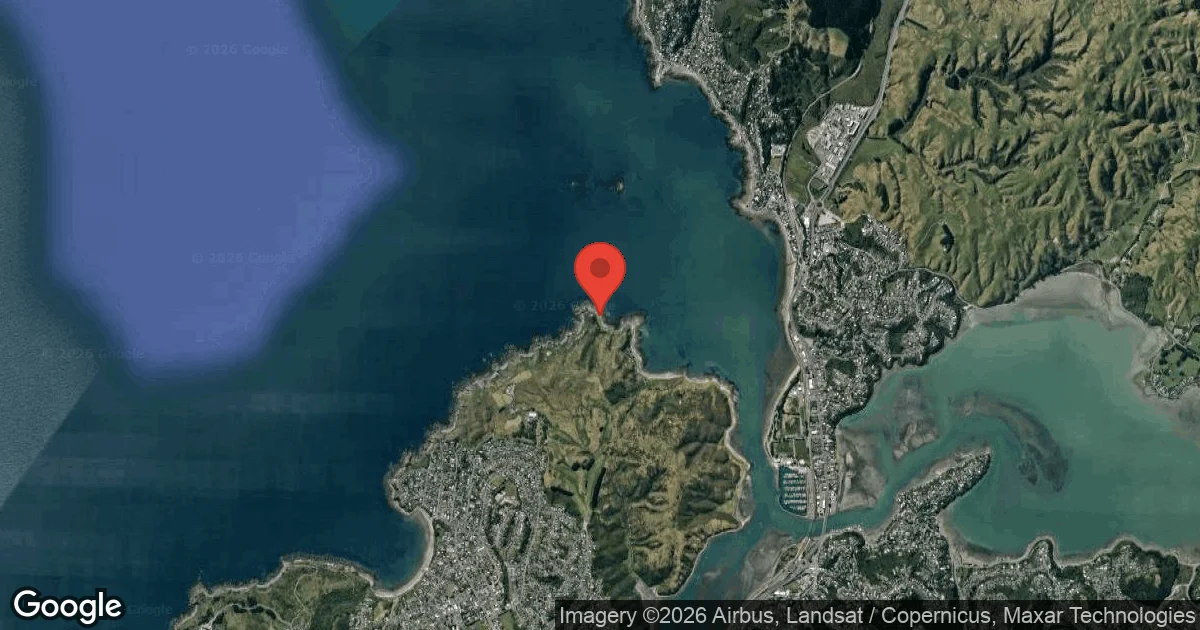
Dive Site Location & Key Facts
Dive Site Overview
Over time, Scorching Bay has established itself as a reliable shore diving destination in Wellington, particularly valued for its inherent shelter when many other sites are impacted by strong winds and high waves. Its reputation as an easy-going, forgiving dive site makes it a frequent choice for training and casual recreational dives.
A straightforward shore entry leads divers across sandy bottom sections before reaching the more diverse reef areas. Divers exploring here can expect a maximum depth of around 8 meters (26 ft), which caters well to Open Water certification levels. Scorching Bay is characterized by a blend of sand patches and vibrant kelp forests.
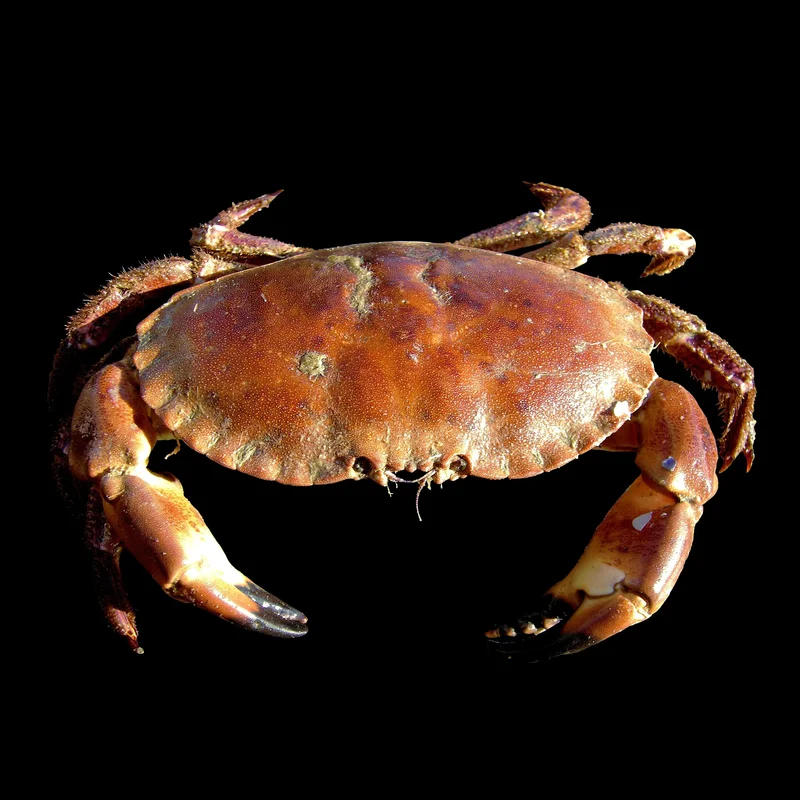
These varied habitats attract different marine species, allowing for distinct encounters whether you’re swimming over the sand for paddle crabs and sole, or exploring the reef structure for eels and juvenile reef fish. It's often utilized for photography due to its calm environment.
Dive HQ Wellington, a PADI member, notes its suitability for courses like PADI Open Water Diver and PADI Underwater Navigator, underscoring its accessible nature. With minimal boat traffic and ample parking, logistics are streamlined, enhancing the overall dive experience.
Such accessibility and consistent calm conditions have solidified its place as a dependable local favorite, making it a great option when the weather isn't in your favor for more exposed sites.
Conditions are Poor
High Wind Advisory (46km/h). Unsafe surface.
Current conditions near Scorching Bay show 12° air, 14° sea temperature, 1.8 m waves, and 46 km/h wind. Forecast data is refreshed regularly to ensure accuracy.
Best Time to Dive
Diving conditions at Scorching Bay are primarily influenced by its sheltered geography, which often overrides broader regional weather patterns. While the internal system data indicates moderate dive scores throughout the year, the site remains consistently calm even when surrounding areas face stronger winds. Air temperatures vary from colder averages of 9.5°C (49°F) in August to warmer peaks of 17°C (63°F) in February, suggesting more comfortable surface conditions during the warmer months. Rainfall is relatively consistent, ranging from approximately 2.2 mm in March to 4.6 mm in May, so it doesn't typically pose a significant deterrent to diving. The 'best month start' and 'end' data are not consistently reported, but based on air temperatures and general comfort, the period from November to April offers a more pleasant experience above water. However, divers should be prepared for cooler water, necessitating appropriate thermal protection. Wave heights generally range from 1.5 meters (5 feet) to 2.0 meters (6.5 feet), but due to the bay's protected nature, the actual underwater surge might be considerably less.
PEAK SEASON SCORE
Scores combine air & water temps, waves, wind & rainfall for overall conditions.
BEST MONTHS TO DIVE
Monthly records compiled from satellite and marine observation nodes over the last 3 years. Data provided by Open-Meteo and MET Norway.
Dive Experience & Conditions
Descending into Scorching Bay, divers often immediately notice the calm, almost current-free environment, making for a relaxed exploration. The bay's natural shelter minimizes surface chop, translating into a peaceful underwater experience, a welcome sensation compared to more exposed sites. Visibility varies depending on recent weather, but it can be quite good on calmer days, allowing the kelp forests to appear vibrant and the sandy patterns distinct. The maximum depth of 8 meters (26 ft) means dives typically stay within shallower, sunlit sections, enhancing the visual appeal of the reef life and providing extended bottom times. Water temperatures are cooler, reflecting New Zealand's coastal climate, so a drysuit or thick wetsuit is commonly used for comfort. Moving over the sand, you might glide over gentle wave patterns, while closer to the reef, the dense seaweed creates a sense of navigating through an underwater garden. It's a site that feels accessible and unhurried, ideal for honing skills or simply enjoying the underwater scenery.
Dive Difficulty & Safety Guidelines
For a safe and enjoyable dive at Scorching Bay, prioritizing local knowledge is a sound approach. Although rated as an easy, forgiving site with "none" for current strength reported, consulting with local dive shops like Dive HQ Wellington can provide up-to-the-minute conditions, especially regarding visibility.
Given the site's maximum depth of 8 meters (26 ft), it's important to monitor depth and no-decompression limits, though these are rarely a concern at such shallow depths. A dive flag is recommended, particularly as there might be minimal boat traffic.
While the bay offers good shelter, surface conditions can change, so always maintain awareness of entry and exit points. Divers should practice good buoyancy control, especially over sandy areas, to avoid stirring up sediment and impacting visibility for others.
This site is excellent for refining navigation skills, and planning your route to explore both reef and sandy sections can enhance your dive while maintaining safety.
Recommended Equipment
- Dive Computer
- Hard-soled Dive Boots
This gear list is based on verified equipment signals for Scorching Bay, New Zealand. Always confirm final gear choices with your dive operator, guide, or liveaboard.
Recommended Dive Suit
Individual comfort in the water can vary significantly from diver to diver, even under the same conditions.
For most recreational dives, 7mm wetsuit or semidry should provide comfortable protection. Consider warmer surface protection (like a boat coat) due to brisk winds. Strong cold advisory: dress warmly immediately after exiting the water. Forecast conditions over the next few days suggest temperatures will remain relatively stable.
Current temperature readings suggest that the water at Scorching Bay is around 14°C (57°F). Surface air temperatures are resting at 12°C (53°F).
Due to technical issues with our weather providers, data hasn't been fetched for over 48 hours. The data above reflects the conditions at the time of the last successful fetch.
Emergency & Medical Support
Essential information to help you plan your dive trip to Scorching Bay.

Hyperbaric chambers are a critical part of dive safety infrastructure. Availability varies significantly by region, and not all dive areas have immediate access.
Before diving, it's recommended to:
- confirm nearest medical facilities
- check emergency procedures with local dive operators
- ensure dive insurance covers evacuation if required
Divers Alert Network
Diving emergency assistance available through DAN World.
+1-919-684-9111- 24/7 emergency hotline
- Diving medical assistance
- Evacuation coordination
Emergency contacts are provided for reference. Always verify local emergency services before diving.
Marine Life at Scorching Bay
Upon entering the water, divers are often greeted by the expansive kelp forests, a primary feature of Scorching Bay's underwater landscape. Within these swaying fronds, attentive eyes may first spot seahorses, known to inhabit these sheltered areas.
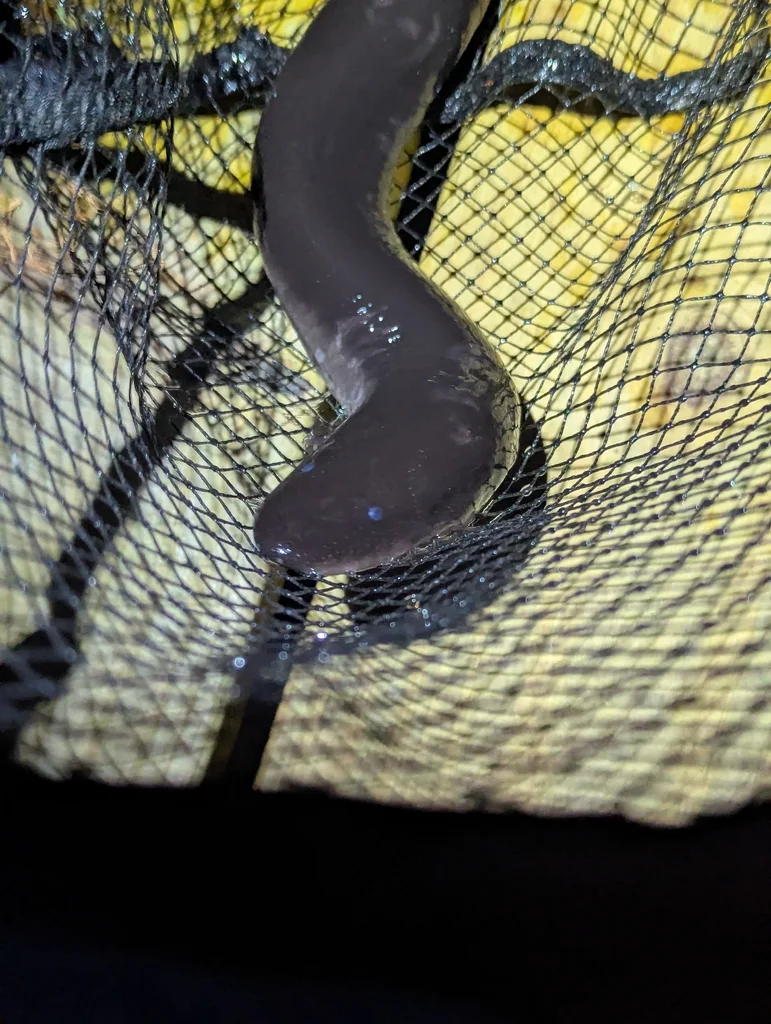
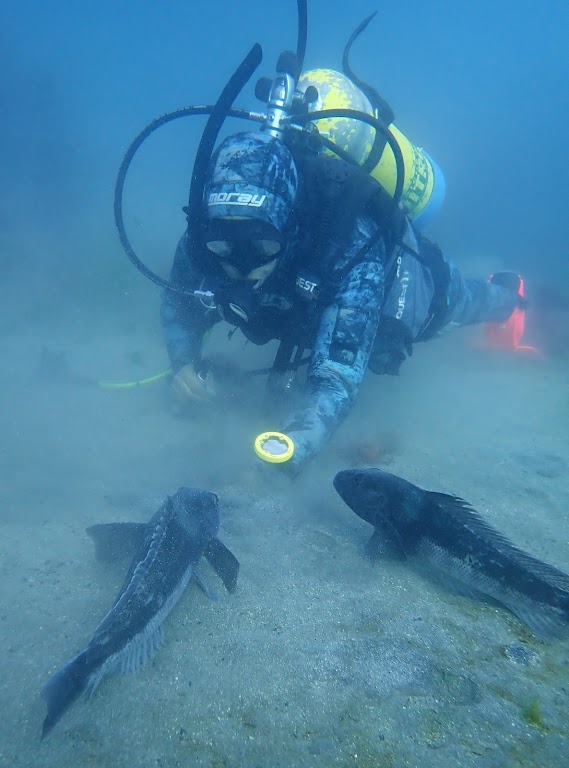
Moving closer to the reef structures, a variety of juvenile reef fish are commonly observed, along with resident Conger Eels peering from crevices. Sandy bottom sections also offer unique encounters; look for Paddle Crabs scuttling across the sand, or the camouflaged forms of Sole and Red Gurnard.
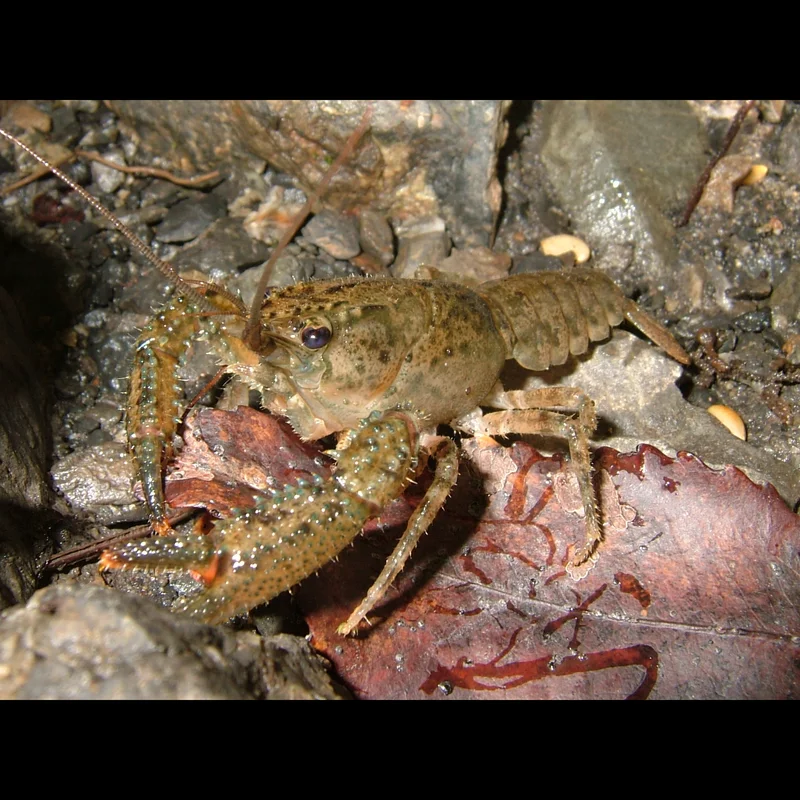
For those venturing on a night dive, the marine activity shifts, introducing sightings of Bobtail Squid, Pygmy Octopus, and Skates, adding another layer of discovery to this accessible site. Crayfish, including nests of baby crays, also populate the reef.


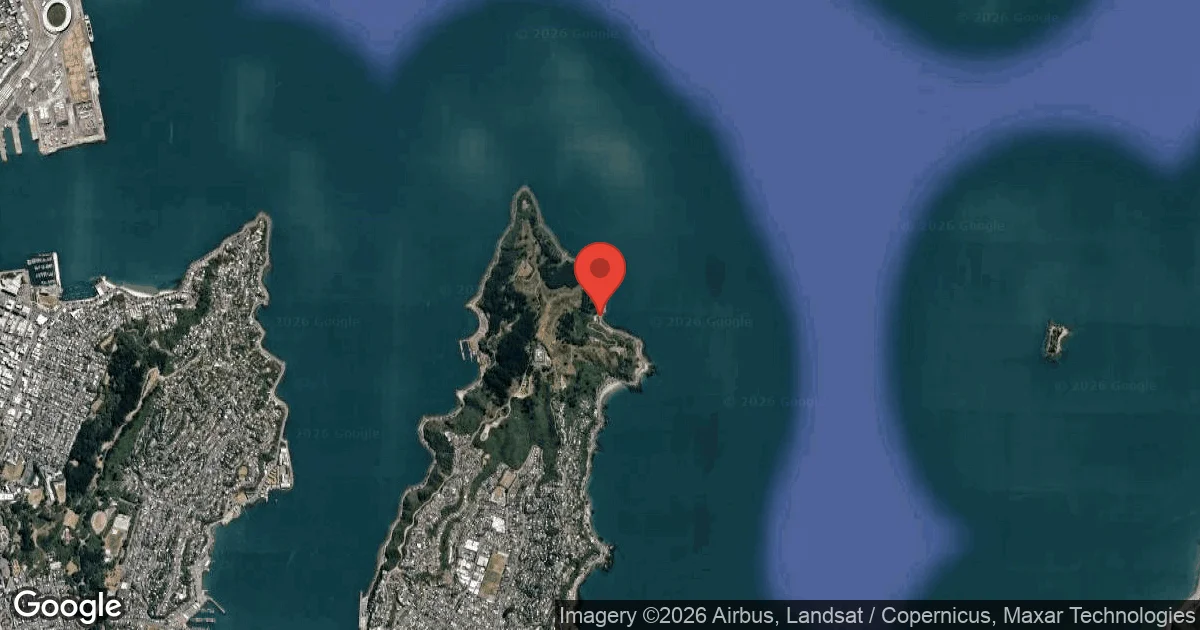
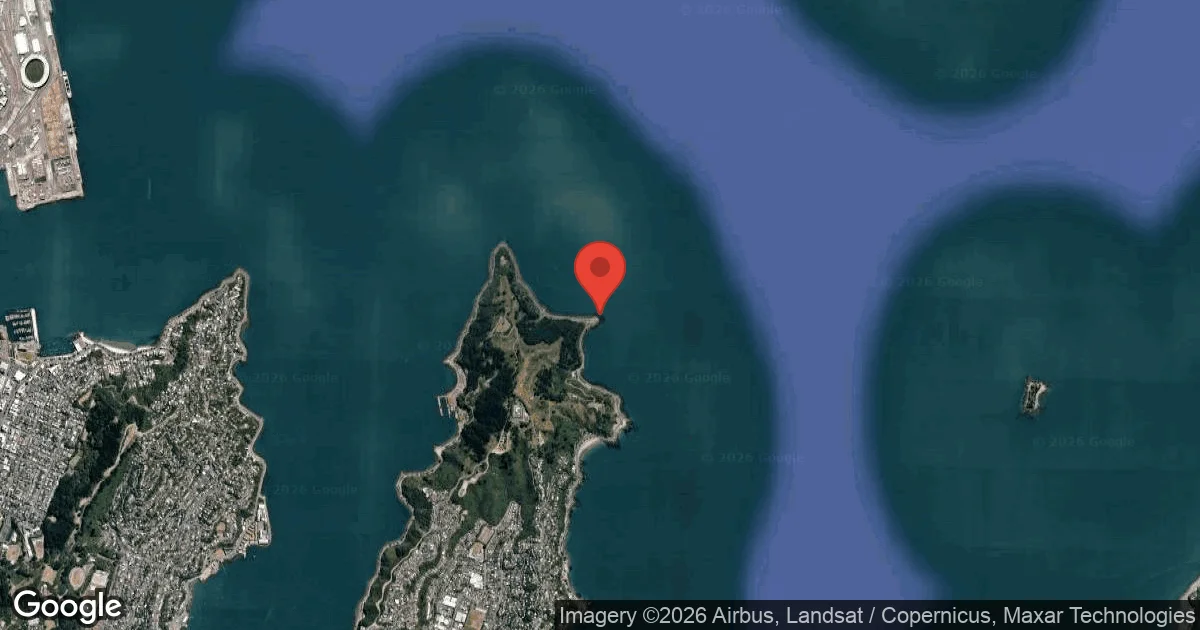
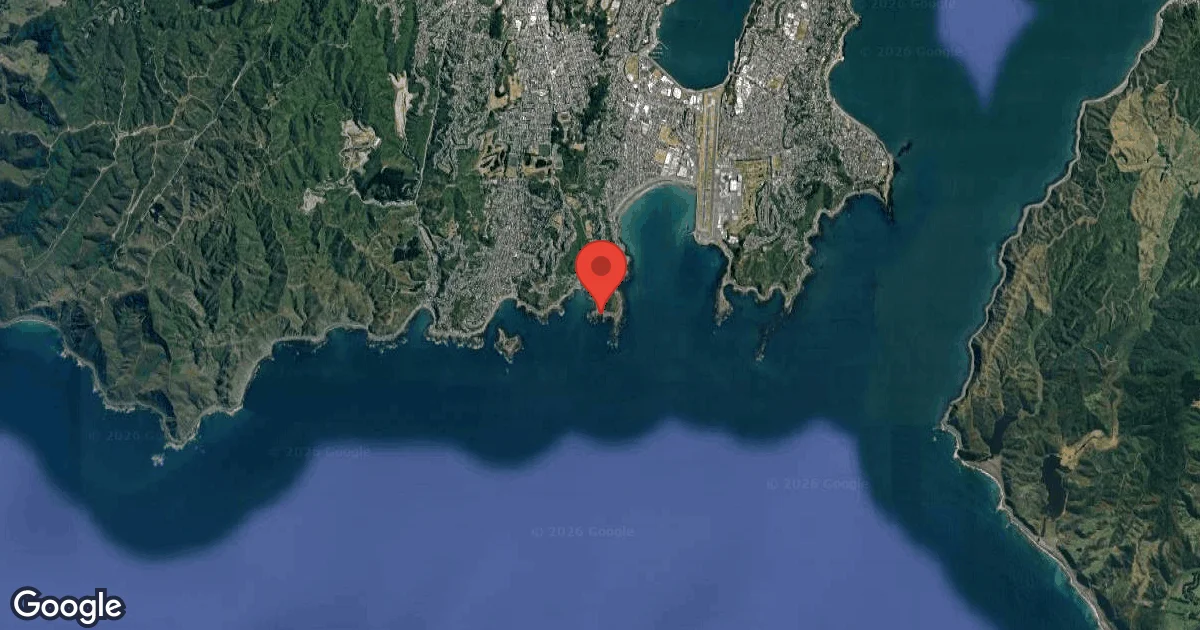
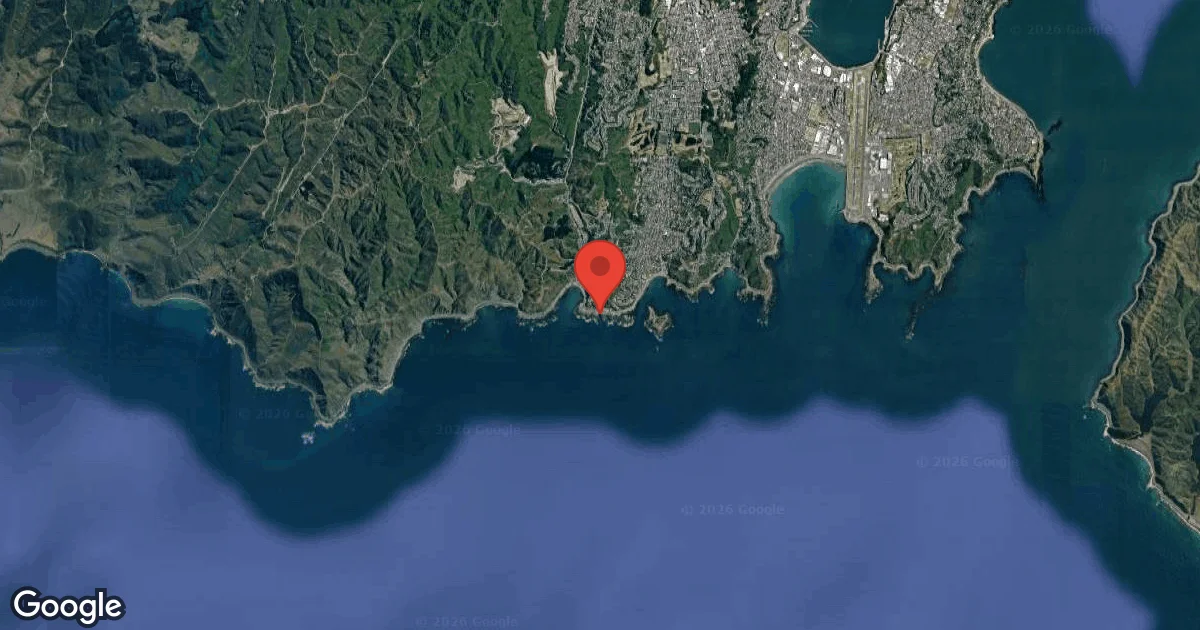
Dive Sites Near Scorching Bay
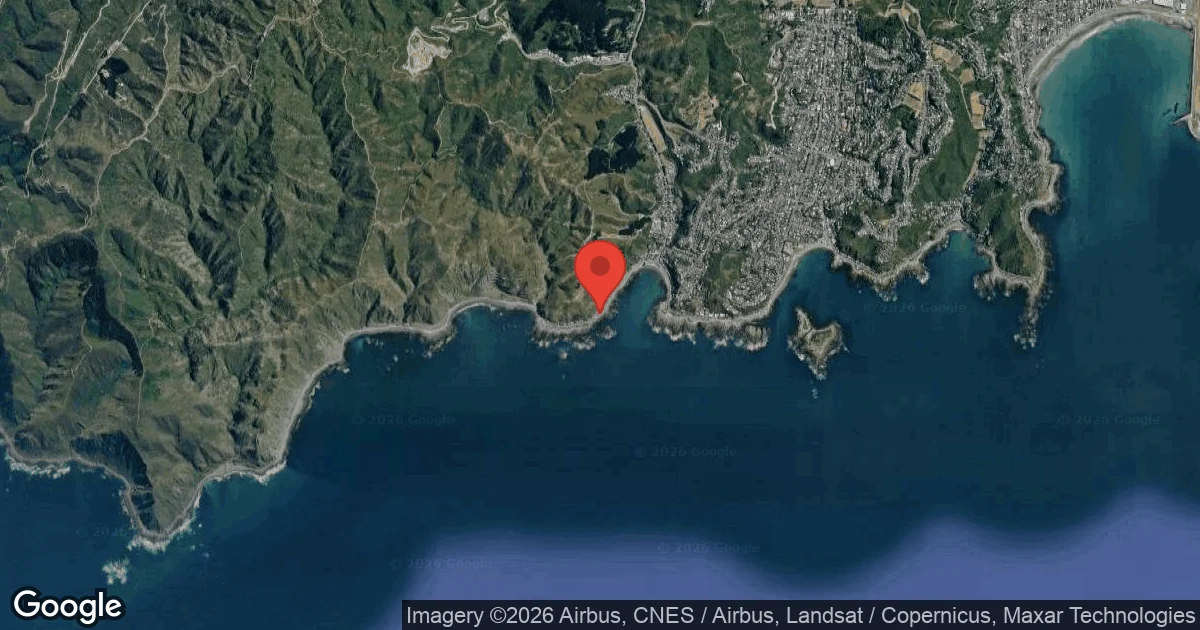
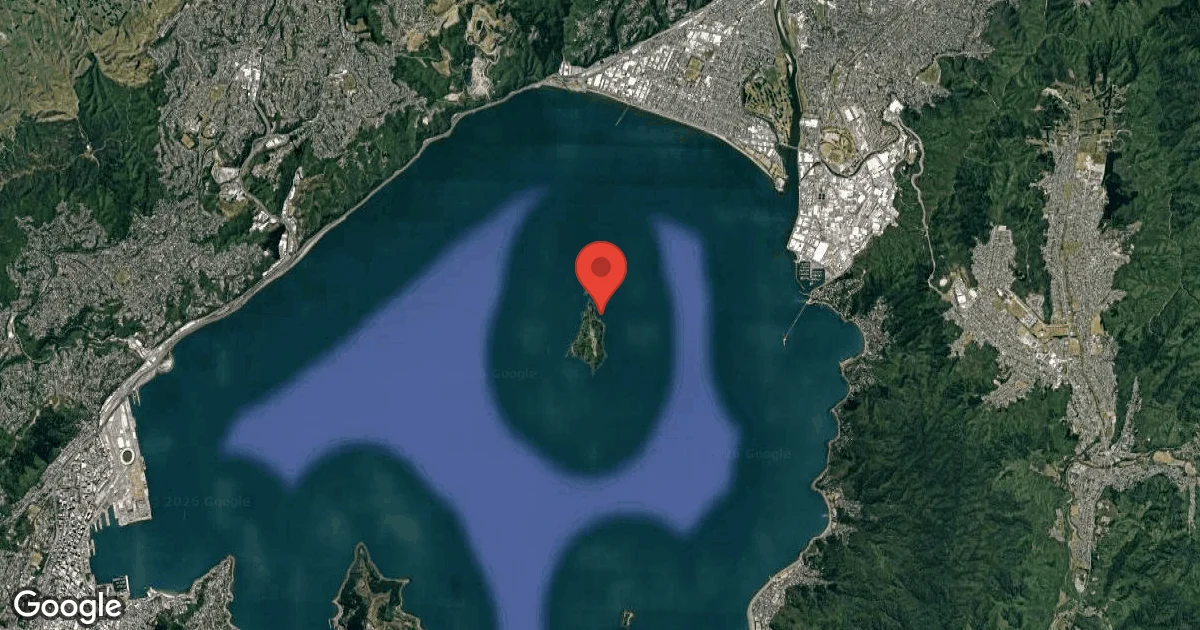
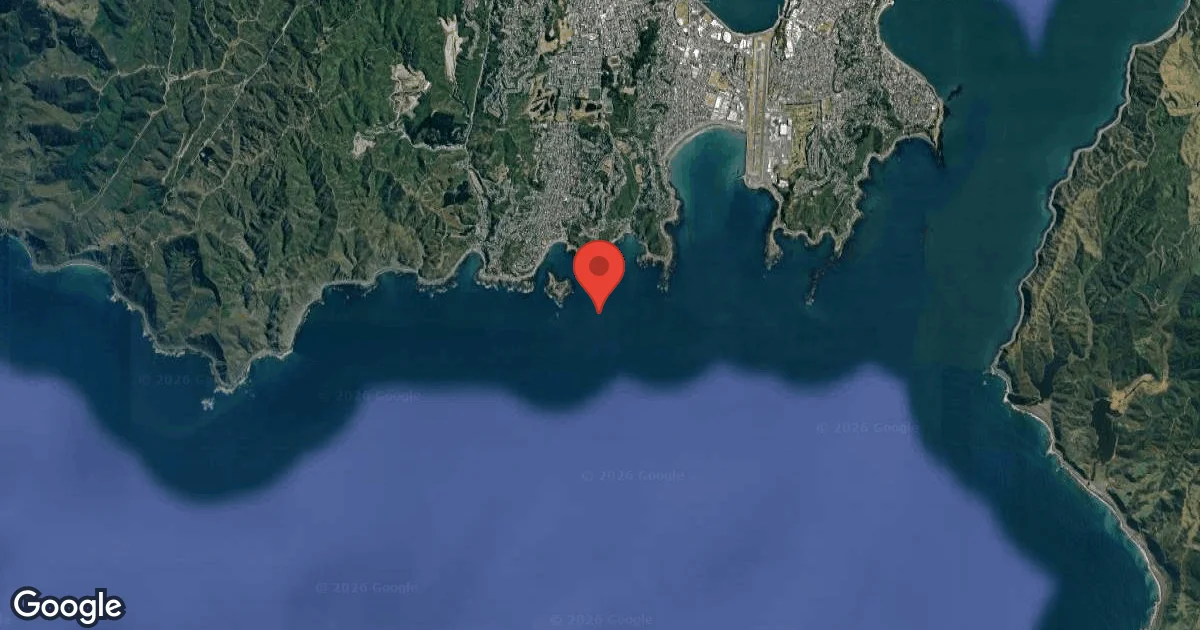
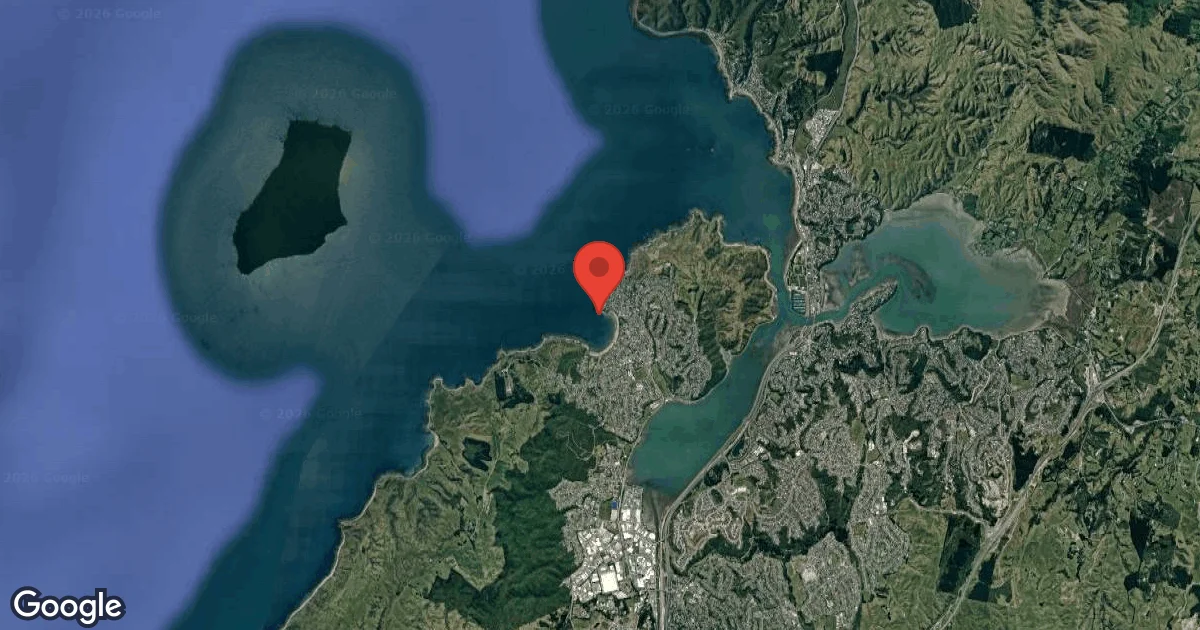
View all dive sites in New ZealandDiscover more underwater gems in this area.
Dive Centers Near Scorching Bay
Today: 09:00 - 16:00
Nearest Airports
Nearest airports to help plan travel to this dive area.
Search Flights
Check available flights and routes on Expedia, using the nearby airports listed in this section.
Search Flights on ExpediaFrequently Asked Questions
Is Scorching Bay suitable for beginner divers?
Yes, it is considered an easy and forgiving dive site, making it ideal for beginners. Its sheltered conditions and minimal currents contribute to a relaxed learning environment. The site is frequently recommended for PADI Open Water Diver training.
What is the maximum depth at Scorching Bay?
Maximum depth recorded at Scorching Bay is shallow, typically around 8 meters (26 ft). This depth range makes it accessible for most recreational divers and ensures ample bottom time. It is well within the limits for Open Water certified divers.
Are there strong currents at Scorching Bay?
Data indicates current strength is "none" at Scorching Bay. Bay's naturally sheltered position protects it from stronger currents, contributing to its calm conditions. This makes it a comfortable site, especially when other areas might be affected by water movement.
What marine life can I expect to see during a day dive?
During a day dive, you'll likely encounter diverse juvenile reef fish and resident Conger Eels within the kelp forests and reef structures. On the sandy bottom, look for Paddle Crabs, Sole, and Red Gurnard. Seahorses are also a common sighting among the seaweed.
Is night diving popular at Scorching Bay?
Yes, Scorching Bay is a great place for night diving. Site transforms after dark, offering opportunities to spot creatures like Bobtail Squid, Pygmy Octopus, and Skates that are more active at night. It adds a different dimension to the usual marine life observations.
What kind of entry and exit should I expect?
Scorching Bay offers a straightforward shore entry from its sandy beach. Plenty of parking nearby makes gear transport relatively easy. Gentle slope of the beach allows for a gradual and convenient entry and exit.
What are the amenities like at the site?
For divers and visitors, the site is well-equipped. Plenty of parking, toilets with shower and changing facilities, and a café nearby are available. These amenities enhance the convenience and comfort of a dive trip to Scorching Bay.
Planning to dive Scorching Bay?
Send one inquiry and receive offers directly from the best verified local dive operators.
Conditions are Poor
High Wind Advisory (46km/h). Unsafe surface.
Current conditions near Scorching Bay show 12° air, 14° sea temperature, 1.8 m waves, and 46 km/h wind. Forecast data is refreshed regularly to ensure accuracy.