
Diving at Mahanga Bay (New Zealand)
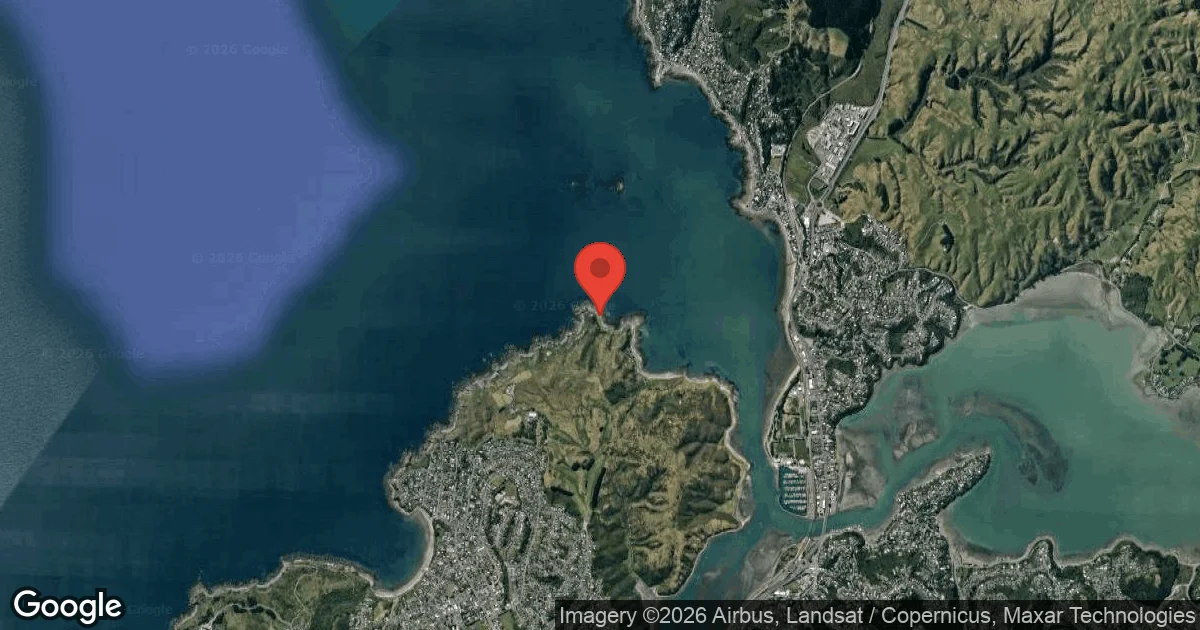
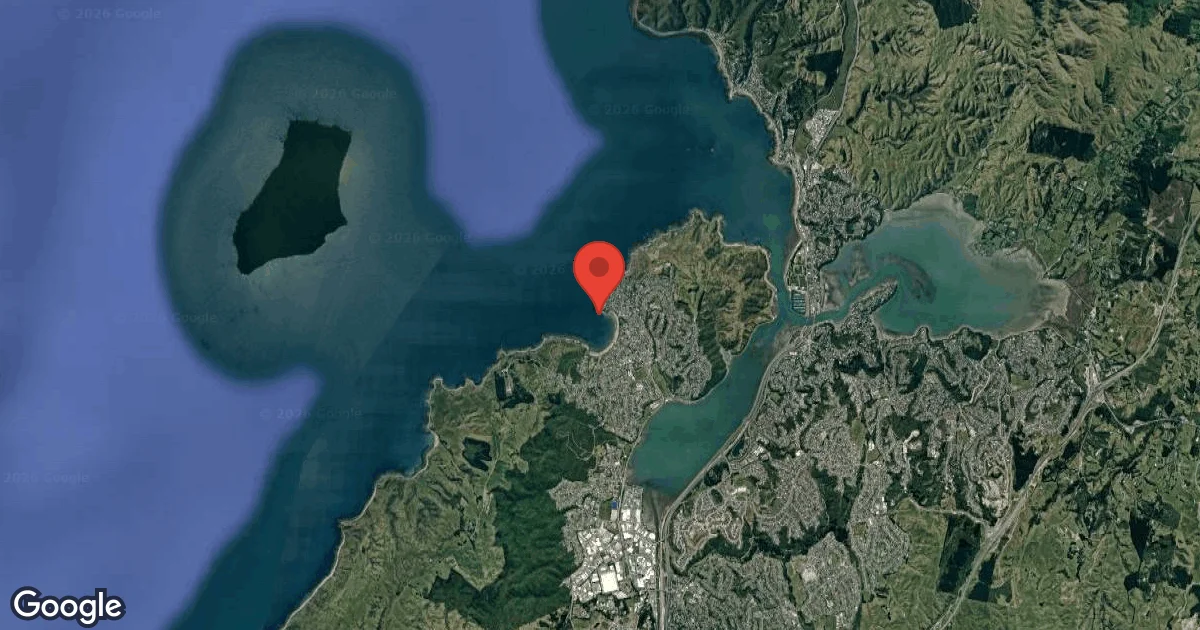
When southerly winds make other Wellington sites challenging, Mahanga Bay often serves as a calmer alternative within the harbour. This sheltered location provides more stable conditions, making it an accessible shore dive. While external conditions may vary, the bay offers a consistent entry point for local divers, especially during adverse weather. It's a reliable spot for underwater exploration when exposed coastal sites are too rough.
Tonight's objective overview for Mahanga Bay shows an air temperature of 11.5°C. The measured surface conditions include wave heights around 0.9 m. This environmental data is logged for the close of the day.
Dive Site Location & Key Facts
Dive Site Overview
Mahanga Bay holds a quiet history, once serving as an old scientific research station, and its remnants contribute to an engaging dive environment. Divers explore a diverse underwater landscape incorporating elements of both wreck and reef diving.
The site's primary draw includes vibrant mussel lines, which host a range of sponges and anemones. Furthermore, the remains of an old wharf and a submerged car add structural interest, providing shelter and attachment points for marine life. This easily accessible shore dive is suitable for various experience levels and offers a different perspective compared to more exposed coastal sites around Wellington.
Its sheltered position within Wellington Harbour makes it a practical option for year-round diving, conditional on local weather patterns. It's a testament to Wellington's underwater diversity that such a calm, historical site exists so close to shore, inviting exploration of both natural reef structures and man-made artifacts.
Conditions are Poor
High Wind Advisory (50km/h). Unsafe surface.
Current conditions near Mahanga Bay show 12° air, 14° sea temperature, 1.7 m waves, and 50 km/h wind. Forecast data is refreshed regularly to ensure accuracy.
Best Time to Dive
Seasonal planning significantly influences the Mahanga Bay dive experience, with the warmer summer months typically offering the most favorable conditions. January and February, along with November and December, generally show higher dive scores due to average air temperatures reaching 14-17°C (57-63°F). Rain precipitation is relatively low during these periods, averaging 2.7-3.6 mm. While specific water temperature data for Mahanga Bay isn't consistently reported, Wellington Harbour's winter temperatures typically don't drop below 11°C (52°F), suggesting warmer conditions during summer. Wind speeds average 27-30 km/h (17-19 mph) in summer months, with wave heights around 1.5-1.6 meters (5.0-5.2 feet). Diving here during southerly winds provides a refuge, as the harbour protects against larger swells, making it an excellent choice when other exposed sites are too rough.
PEAK SEASON SCORE
Scores combine air & water temps, waves, wind & rainfall for overall conditions.
BEST MONTHS TO DIVE
Monthly records compiled from satellite and marine observation nodes over the last 3 years. Data provided by Open-Meteo and MET Norway.
Dive Experience & Conditions
The dive profile at Mahanga Bay caters to open water divers, offering a maximum depth of approximately 14 meters (45 feet). This allows for extended bottom times and a comfortable exploration of the site's various features. Beneath the surface, divers navigate around mussel lines, which have become encrusted with anemones and sponges. A distinct weedline runs along the bay, providing cover for smaller marine creatures. Over sandy patches, divers might spot stargazers, sole, and paddle crabs. Visibility can vary depending on recent weather and surge, but the sheltered nature of the harbour generally mitigates extreme fluctuations. The remains of the old scientific station's wharf and a submerged car create additional points of interest, enriching the underwater topography and creating unique habitats.
Dive Difficulty & Safety Guidelines
Prudent diving at Mahanga Bay involves understanding its unique harbour environment. While generally calm, it's essential to be aware of any potential boat traffic within Wellington Harbour, especially near entry and exit points. Divers should always deploy a surface marker buoy (SMB) to enhance visibility to boats.
The site is recommended for PADI Open Water Diver certified individuals, indicating its suitability for recreational diving within no-decompression limits. Given the absence of consistently reported specific hazards, adherence to standard safe diving practices remains paramount.
Planning your dive with a buddy, checking local conditions, and ensuring your equipment is in good working order contribute to a secure and enjoyable experience.
Recommended Equipment
Overhead / entanglement risk. Wreck penetration requires proper training.
- Dive Computer
- Primary & Backup Lights
- Wreck Reel
- Cutting Tool
- Hard-soled Dive Boots
This gear list is based on verified equipment signals for Mahanga Bay, New Zealand. Always confirm final gear choices with your dive operator, guide, or liveaboard.
Recommended Dive Suit
Experienced divers often bring flexible gear options.
The water around Mahanga Bay is currently holding at approximately 14°C (57°F), setting the tone for today's dives. Surface air temperatures are resting at 12°C (53°F). Divers who spend longer periods underwater often choose 7mm wetsuit or semidry. Strong cold advisory: dress warmly immediately after exiting the water.
The next few days appear likely to bring similar environmental conditions.
Emergency & Medical Support
Essential information to help you plan your dive trip to Mahanga Bay.

Hyperbaric chambers are a critical part of dive safety infrastructure. Availability varies significantly by region, and not all dive areas have immediate access.
Before diving, it's recommended to:
- confirm nearest medical facilities
- check emergency procedures with local dive operators
- ensure dive insurance covers evacuation if required
Divers Alert Network
Diving emergency assistance available through DAN World.
+1-919-684-9111- 24/7 emergency hotline
- Diving medical assistance
- Evacuation coordination
Emergency contacts are provided for reference. Always verify local emergency services before diving.
Marine Life at Mahanga Bay
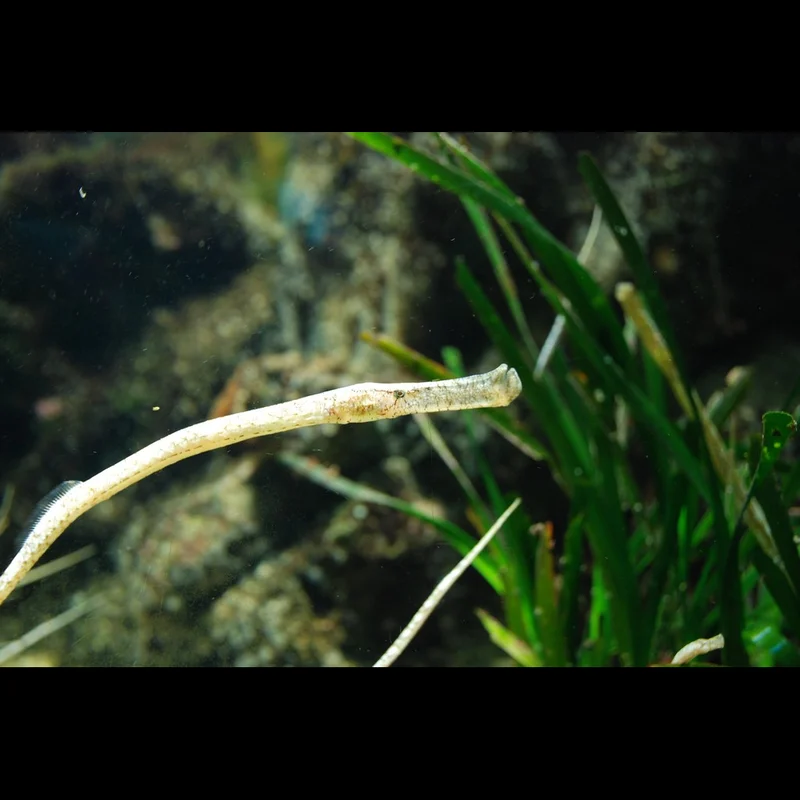
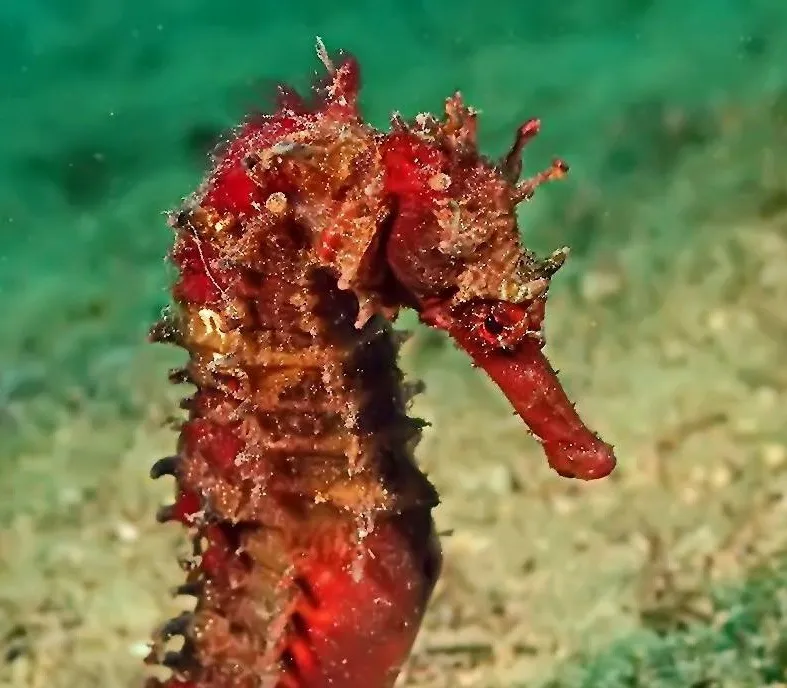
Immediately noticeable upon descending into Mahanga Bay are the pipefish, commonly observed along the weedlines and amongst the mussel structures. The bay is also a reliable location for spotting large seahorses, sometimes up to 20 cm (8 inches), which are not uncommon sightings here.
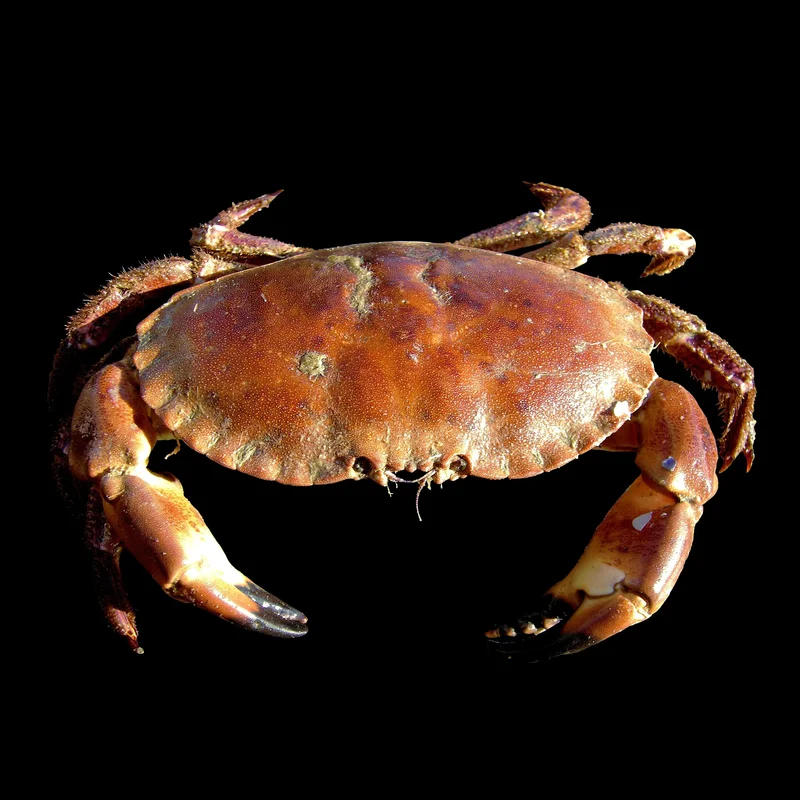
Juvenile leather jackets and masking crabs frequently hide among the mussel lines. Over the sand, divers can look for flat-bodied sole and paddle crabs, while stargazers often remain camouflaged on the seabed.
At night, the shallow harbour dives come alive, revealing southern reef squid darting through the shallows, adding another dimension to the marine encounters.

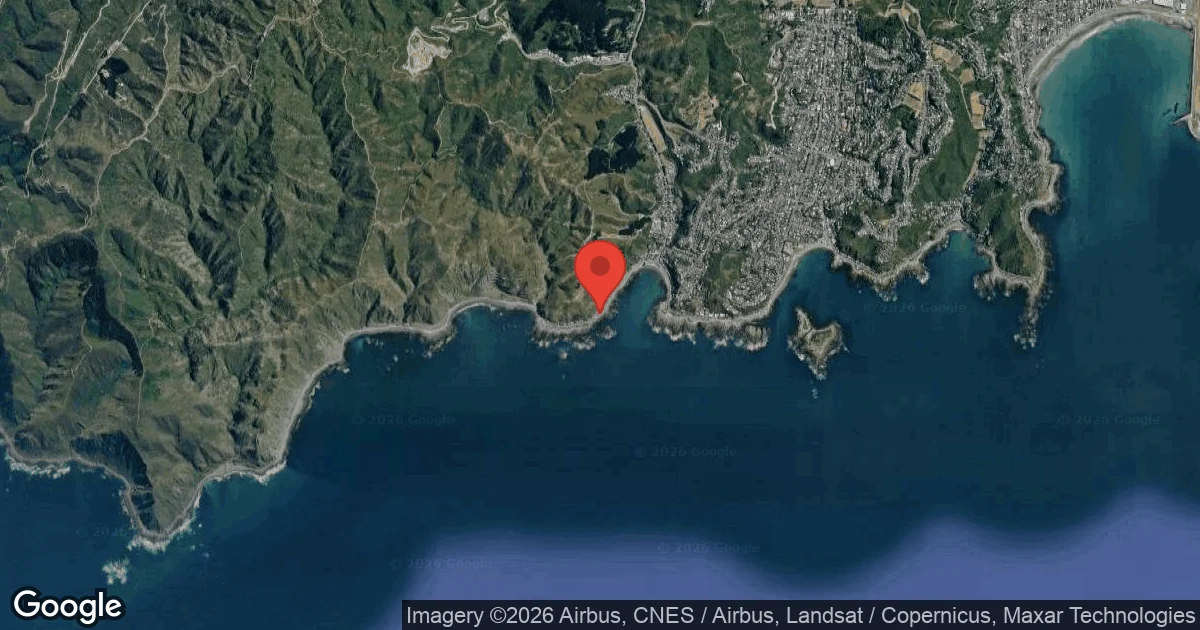
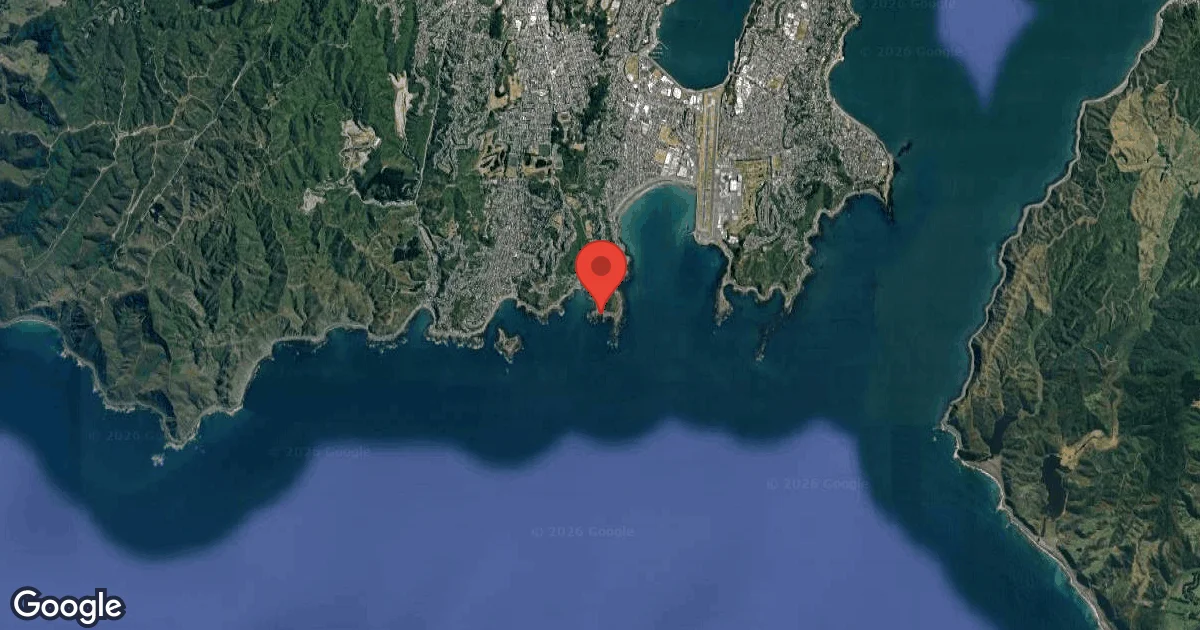
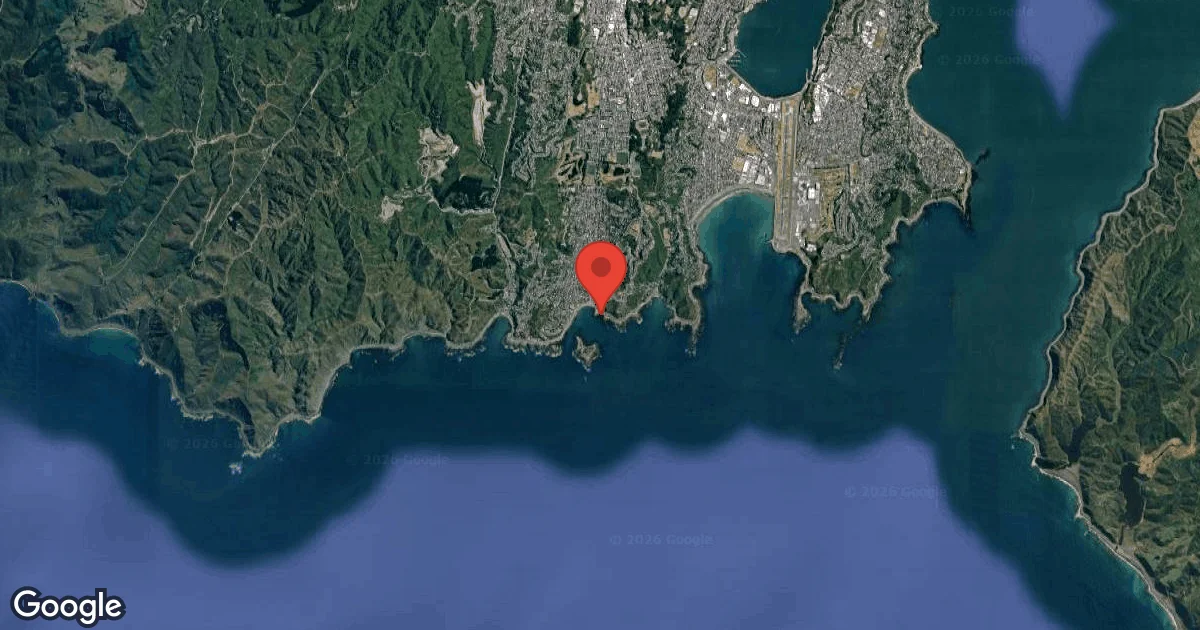
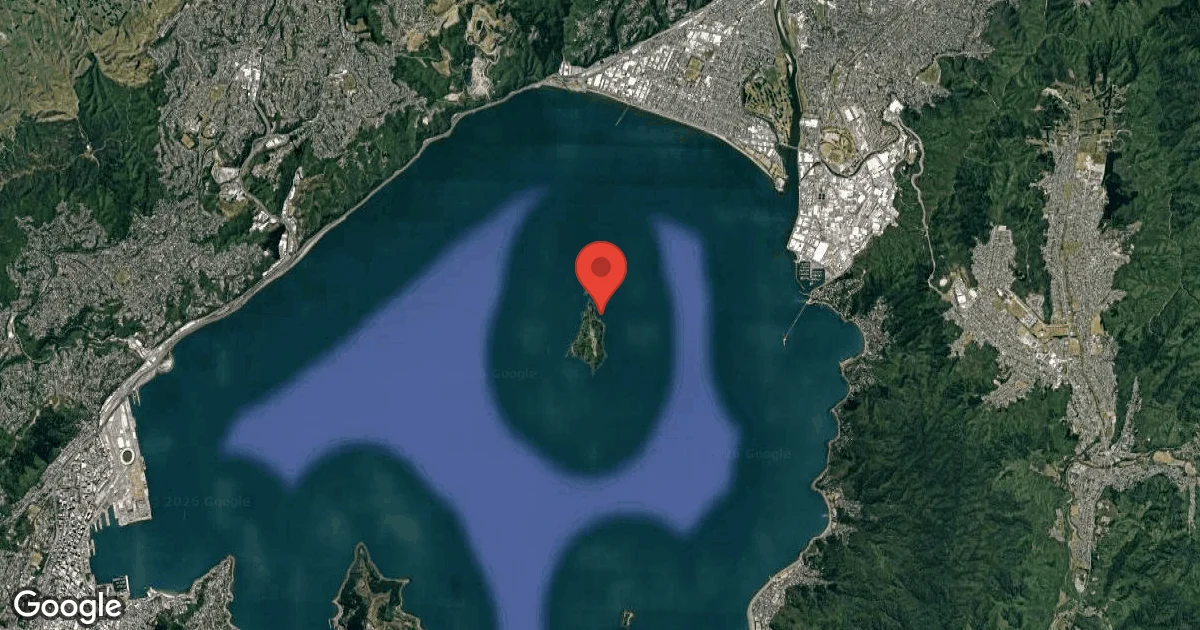
Dive Sites Near Mahanga Bay
View all dive sites in New ZealandDiscover more underwater gems in this area.
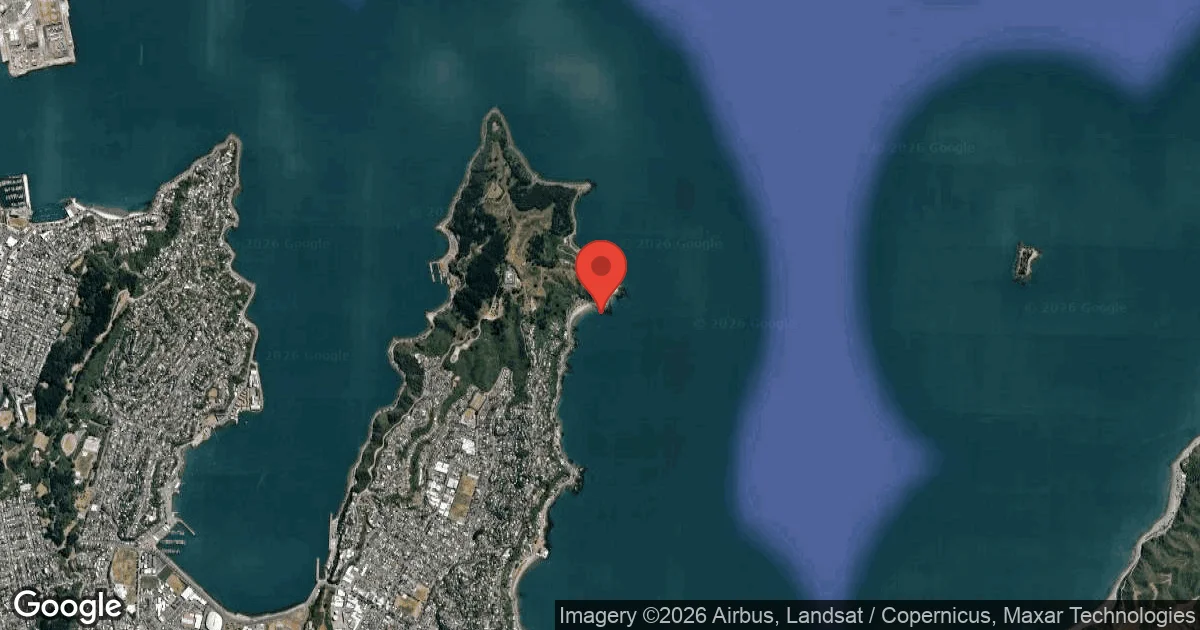
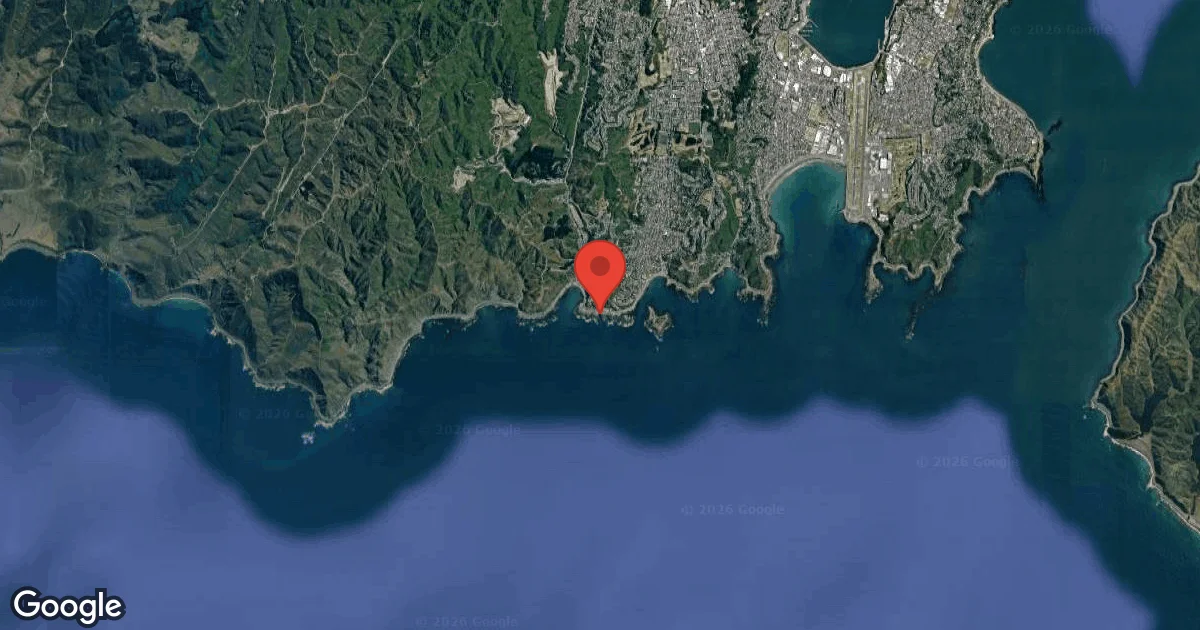
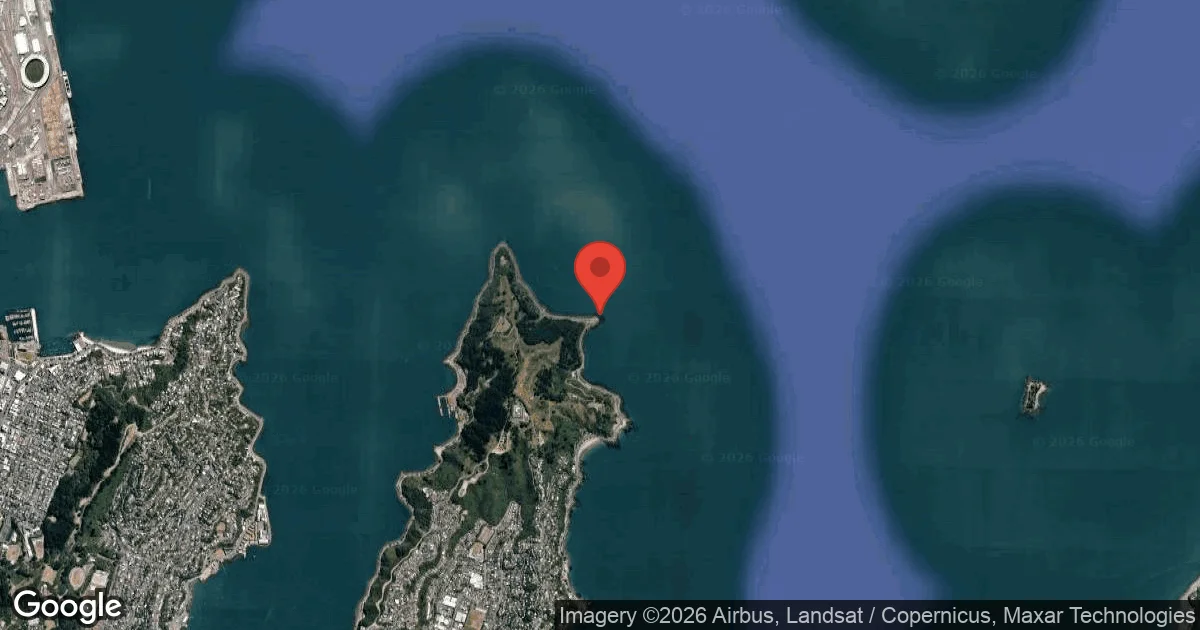
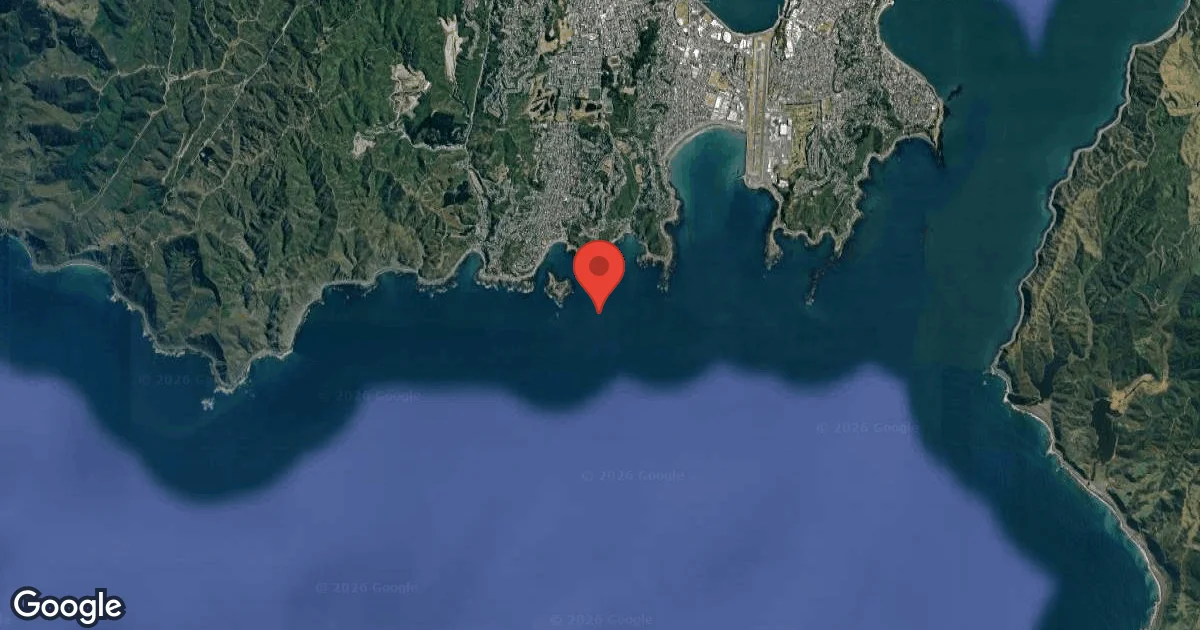
Dive Centers Near Mahanga Bay
Today: 09:00 - 16:00
Nearest Airports
Nearest airports to help plan travel to this dive area.
Search Flights
Check available flights and routes on Expedia, using the nearby airports listed in this section.
Search Flights on ExpediaFrequently Asked Questions
What certification level is needed for Mahanga Bay?
Mahanga Bay is well-suited for certified PADI Open Water Divers. Its relatively shallow depth and sheltered conditions make it accessible for those with basic recreational diving qualifications.
What is the typical maximum depth at Mahanga Bay?
Divers exploring Mahanga Bay can expect a maximum depth of around 14 meters (45 feet). This depth profile allows for comfortable dives and good bottom time for exploring the site's features.
What kind of marine life can I expect to see?
You can frequently encounter pipefish and sizable seahorses along the weedlines. Other common sightings include juvenile leather jackets, masking crabs, stargazers, sole, and paddle crabs on the sandy bottom.
Is Mahanga Bay a shore dive or boat dive?
Mahanga Bay is primarily an accessible shore dive. This makes it convenient for divers, as no boat transportation is typically required to reach the entry points.
When is the best time to dive Mahanga Bay?
The summer months, particularly January, February, November, and December, offer the best conditions due to warmer air temperatures and generally lower rainfall. Its sheltered position also makes it a good option when southerly winds affect other sites.
Are there any specific historical features to explore?
Yes, Mahanga Bay features the remains of an old scientific research station's wharf. Additionally, a submerged car adds an interesting man-made structure to the natural reef and weedline environments.
Planning to dive Mahanga Bay?
Send one inquiry and receive offers directly from the best verified local dive operators.
Conditions are Poor
High Wind Advisory (50km/h). Unsafe surface.
Current conditions near Mahanga Bay show 12° air, 14° sea temperature, 1.7 m waves, and 50 km/h wind. Forecast data is refreshed regularly to ensure accuracy.