
Diving atChannel White and Blue (Nicaragua)
Channel White and Blue presents a dynamic drift diving opportunity in Nicaragua, distinguishing itself with unique underwater formations. This site demands keen awareness, particularly given its depth and potential for currents. Divers can anticipate navigating a vibrant reef system and exploring intriguing wall sections, making it a compelling spot for those seeking an engaging underwater experience.
Evening condition tracking at Channel White and Blue features an air temperature of 28.3°C. We have recorded wave heights measuring 0.58m during this period. These figures outline the environmental parameters currently present.
Dive Site Coordinates
13.3981, -81.3938
Key Dive Site Facts
Dive Site Overview
Imagine descending into an active underwater landscape where currents guide your exploration along impressive reef and wall structures. Channel White and Blue, often referred to as White Holes, provides a compelling drift dive experience near Little Corn Island.
This site is distinguished by unique white sand channels and intricate coral formations that create natural pathways for divers. With an approximate depth of 9 m / 30 ft, it's generally accessible, yet the dynamic conditions and potential for drift keep the dive engaging. Divers here navigate varied topography, exploring interesting wall sections and expansive reef areas.
The underwater architecture includes features that can feel like natural 'holes' or conduits through the reef, adding an element of exploration. It's an environment where understanding the prevailing flow is as rewarding as observing marine life.
The experience focuses on the journey through the shifting underwater landscape, offering glimpses into a vibrant ecosystem adapted to these conditions. While specific water temperature data is limited, conditions generally support comfortable diving.
Best Time to Dive
Optimizing visibility is key when planning a dive at Channel White and Blue. The period from March through October generally offers favorable conditions for underwater clarity. Dive scores indicate 'Good' conditions during March, April, May, September, and October, with some months like August, November, and December rated 'Moderate'. Rainfall is notably low from March to May, often registering less than 2 mm, which contributes to clearer waters by reducing runoff. Conversely, months like June, July, and November experience higher rainfall, potentially impacting visibility. For instance, November sees average rainfall exceeding 10 mm. Wind speeds vary, but calmer periods typically correlate with better surface conditions and less stirred-up sediment. Average air temperatures during the peak 'Good' months range from 27-28°C / 81-83°F, ensuring comfortable surface intervals. Wave heights are lowest in October (around 0.83 m), which often translates to calmer seas and better underwater light penetration, enhancing visibility.
Climate Historical Averages
Monthly records compiled from satellite and marine observation nodes over the last 3 years. Data provided by Open-Meteo and MET Norway.
Dive Experience & Conditions
This site's depth profile, reaching approximately 9 m / 30 ft, makes it suitable for divers with various certification levels, including those newer to drift diving. Expect boat access, as is typical for sites around Little Corn Island. Currents are a defining feature; Channel White and Blue is primarily a drift dive, meaning divers should be comfortable with moving water. These currents can vary, influencing the speed of the drift and requiring divers to remain aware of their surroundings. Specific water temperature data for Channel White and Blue is not consistently reported, but divers can generally anticipate tropical conditions. Air temperatures in the region consistently hover between 26-29°C / 79-84°F, suggesting relatively warm surface conditions. The site features salt water, and its dynamic environment ensures that no two dives are exactly alike.
Dive Difficulty & Safety Guidelines
Navigating Channel White and Blue successfully requires a strong understanding of drift diving techniques. Given the potential for varying currents, it's crucial to maintain excellent buoyancy control and stay vigilant. Divers should always carry a surface marker buoy (SMB) and know how to deploy it, especially if currents could carry them away from the main boat. A whistle or other signaling device is also recommended for surface contact. It's advisable to dive with an experienced local guide who understands the site's unique flow patterns and entry/exit points. Always ensure your dive buddy is aware of your dive plan and capable of managing dynamic conditions. Prioritize conservative dive profiles and monitor air consumption carefully, as currents can increase exertion.
Recommended Equipment
No verified equipment items yet.
Verified equipment recommendations for this dive site are being reviewed and may be added as additional source checks are completed.
Recommended Dive Suit
Comfort levels can also depend on how active a diver is during the dive.
The water around Channel White and Blue is currently holding at approximately 29°C (84°F), setting the tone for today's dives. Surface air temperatures are resting at 28°C (83°F). When water temperatures fall within this range, many divers dive comfortably with 2-3mm shorty or light wetsuit.
Weather projections show fairly stable environmental conditions ahead.
Conditions last reviewed: 18:00 using the latest environmental data.
Dive Logistics & Preparation
Hyperbaric Chamber
Check local Nicaragua medical facilities.
Entry Requirements
View Nicaragua Visa Hub
Currency
NIO
Nearest Airports
Nearest airports to help plan travel to this dive area.
Marine Life at Channel White and Blue
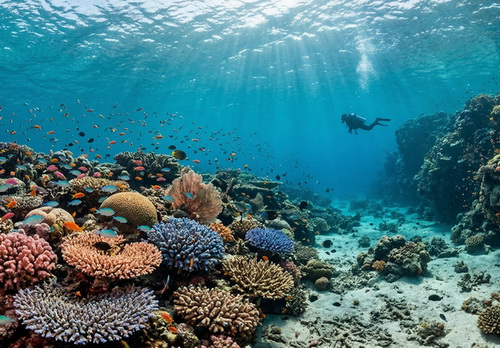
Upon entering Channel White and Blue, divers immediately notice the varied coral structures that create habitats throughout the reef and along the wall sections. The dynamic environment often brings a range of pelagic species through the channels, though specific sightings vary with conditions. While not consistently reported for this particular site, similar reef systems in the region commonly host smaller reef fish, occasional rays, and various invertebrates. Keep an eye out for creatures sheltering within the coral formations or moving with the current, as the activity in the channels can be quite engaging. It's a site where patient observation often reveals interesting macro life and transient visitors.
Dive Sites Near Channel White and Blue
View all dive sites in NicaraguaDiscover more underwater gems in this area.

Dive Centers Near Channel White and Blue
No Dive Centers Local To Channel White and Blue
Are you a dive center visiting this location? Get listed to reach divers.
Frequently Asked Questions
What is the main characteristic of Channel White and Blue?
It's primarily a drift dive, characterized by white sand channels and reef formations that create natural underwater pathways. Currents play a significant role in the dive experience.
What is the approximate depth of the dive site?
The site has an approximate depth of 9 meters, making it suitable for a wide range of certified divers, including those with less experience in deep diving.
Is Channel White and Blue suitable for beginners?
While the depth is accessible, the dynamic nature and potential for currents mean it's best suited for divers comfortable with drift diving techniques. A local guide is highly recommended for less experienced divers.
What are the typical water conditions?
Specific water temperature data is not consistently reported for this site. Divers should expect salt water and conditions typical of a tropical environment, often with noticeable currents.
What kind of marine life can I expect?
While not specific to Channel White and Blue, the reef and wall structures support a variety of typical Caribbean reef fish and invertebrates. Divers might also encounter pelagic species passing through the channels.
How do I get to Channel White and Blue?
Access to the dive site is by boat, as is common for many sites around Little Corn Island. Dive operators from the island typically organize trips to this location.
Liveaboards Sailing to Channel White and Blue
Explore highly rated liveaboards visiting this dive site and discover the best routes in Nicaragua.
Resorts & Accommodation
Find partner hotels and dive resorts directly accessing the reef.
Around This Area
Explore top-rated restaurants, activities, and attractions near Channel White and Blue reviewed by travelers.
Planning to dive Channel White and Blue?
Send one inquiry and receive offers directly from the best verified local dive operators.