
Diving atProvidencia (Nicaragua)
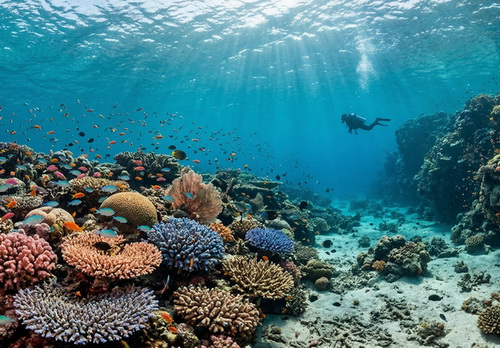
Providencia offers a contrasting dive experience. Though not as widely recognized as other Caribbean destinations, it consistently delivers world-class underwater exploration. This remote Nicaraguan island presents an idyllic retreat for divers seeking pristine reefs, dramatic formations, and abundant marine life away from crowds. Its waters cater to both new divers discovering the underwater world and seasoned adventurers seeking challenging deep dives and thrilling shark encounters. The commitment to preserving its UNESCO World Heritage reefs is evident in the health of its vibrant ecosystems.
Tonight's objective overview for Providencia shows an air temperature of 28.2°C. The measured surface conditions include wave heights around 0.56m. This environmental data is logged for the close of the day.
Dive Site Coordinates
13.3344, -81.3987
Dive Site Characteristics
Key Dive Site Facts
Dive Site Overview
Dive sites surrounding Providencia are characterized by a diverse topography, ranging from shallow patch reefs to dramatic walls, pinnacles, and intricate underwater canyons. Sites like Chromix showcase expansive sea fan forests and lively reefscapes, while Manta’s Place features stunning shallow patch reefs teeming with smaller marine life.
For those seeking geological wonders, Turtle Rock rises impressively from a sandy bottom at 30 m / 100 ft, its surface adorned with sponges and bright corals resembling a turtle's head. More advanced divers can explore Espiral, a tunnel descending from approximately 27 meters to its deepest point at 35 meters, presenting an overhead environment that demands appropriate training. Visibility in these Caribbean blue waters consistently extends for many meters, often beyond 80 feet, providing excellent conditions for observation and photography.
The reef systems, a UNESCO World Heritage Site, are predominantly composed of horn and fan corals and impressive sponges. While some hard corals show signs of past hurricane damage, the overall reef structure appears intact and free from widespread bleaching or pollution.
Most of Providencia's approximately 10 dive sites are conveniently reached within a 15-minute boat ride from shore, making access efficient. This area also holds historic significance, with potential exploration opportunities around shipwrecks like the Spanish galleon Santa Catalina for those with specialized interests.
Best Time to Dive
While Providencia provides year-round diving opportunities, optimal conditions typically contrast between the drier, calmer periods and the wetter, windier months. Best dive scores are consistently recorded from March to May and again from September to October. During these periods, air temperatures average 27-28°C / 81-83°F, and rainfall is notably low, often less than 2 mm in March, April, and May, making for pleasant surface intervals. Wind speeds are also generally lower, contributing to calmer seas and better visibility. Conversely, June and July show "Poor" dive scores due to increased wave heights and higher wind speeds, with rain picking up significantly from June (around 8.5 mm) through November (peaking at nearly 10.5 mm). Water temperatures remain consistently in the 27-30°C / 80-86°F range throughout the year, ensuring comfortable diving regardless of the season. For divers prioritizing minimal rain, smoother seas, and peak visibility, targeting the March-May or September-October windows will likely yield the most rewarding experience.
Climate Historical Averages
Monthly records compiled from satellite and marine observation nodes over the last 3 years. Data provided by Open-Meteo and MET Norway.
Dive Experience & Conditions
Underwater currents around Providencia vary, generally remaining manageable for a range of dive levels, yet certain deeper or exposed sites may experience stronger flows requiring awareness. Water temperature consistently stays warm, typically within the 27-30°C / 80-86°F range throughout the year, negating the need for thick wetsuits. Visibility is a consistent highlight, frequently extending for dozens of meters in the clear Caribbean waters, often allowing views well beyond 80 feet. Conditions generally support both novice and experienced divers. Beginners benefit from calm, clear waters at shallow, accessible sites like those within the Old Providence McBean Lagoon National Natural Park. More experienced divers can find unparalleled challenges exploring reef formations, caves, and underwater canyons that descend to greater depths. Dive operators on the island are known for their attentive and safety-oriented staff, providing certified instruction and guided services that enhance the overall diving experience, ensuring dives are tailored to skill levels and current conditions.
Dive Difficulty & Safety Guidelines
Navigating the waters of Providencia requires adherence to standard safe diving practices and an understanding of site-specific challenges. While no unique hazards are consistently reported for the area, divers should always be mindful of typical tropical diving risks such as potential encounters with marine life that may defend itself if provoked, or varying currents, especially at deeper or more exposed sites. Overhead environments like the tunnel at Espiral demand advanced certification and specialized training. It's important to respect marine ecosystems; avoid touching corals or disturbing wildlife, especially within the UNESCO World Heritage Site. Local dive operators maintain high safety standards, offering certified instructors and guided services that prioritize diver well-being. Always plan dives within your certification limits and stay close to your dive buddy and guide. Checking equipment pre-dive and thoroughly understanding the dive plan for each specific site are fundamental precautions in this vibrant, yet dynamic, underwater environment.
Recommended Equipment
No verified equipment items yet.
Verified equipment recommendations for this dive site are being reviewed and may be added as additional source checks are completed.
Recommended Dive Suit
Forecast trends indicate little change in overall diving conditions during the next few days.
Two divers in the same water temperature may experience very different comfort levels.
Many divers find that 2-3mm shorty or light wetsuit offers the right level of insulation for conditions like these. The surrounding waters at Providencia are currently registering temperatures of roughly 29°C (84°F). Surface air temperatures are resting at 28°C (83°F).
Conditions last reviewed: 18:00 using the latest environmental data.
Dive Logistics & Preparation
Hyperbaric Chamber
Check local Nicaragua medical facilities.
Entry Requirements
View Nicaragua Visa Hub
Currency
NIO
Nearest Airports
Nearest airports to help plan travel to this dive area.
Marine Life at Providencia
Vibrant underwater landscapes of Providencia host an exceptional array of marine life, thriving within its extensive coral reefs and diverse habitats. Caribbean reef sharks are a significant draw, often approaching divers at the outer reef drop-offs without being fed or baited; some individuals can reach impressive sizes of up to 2.5 meters. You'll regularly encounter majestic rays and graceful sea turtles gliding through the water. Reefs are home to a myriad of smaller creatures, including schools of barracudas and white snapper, alongside colorful tropical fish such like sergeant majors, butterflyfish, goatfish, and parrotfish. Moray eels, octopuses, crabs, and starfish are commonly spotted residents. Healthy populations of both hard and soft corals, especially the pillar corals at Tete's Place, provide critical shelter and sustenance, making every dive a rich ecological experience.
Moray Eel
Reef Shark
Snapper
Shark
Crab
Sergeant Major
Sea Turtle
Goatfish
Butterflyfish
Octopuses
Barracuda
Starfish
Parrotfish
Dive Sites Near Providencia
View all dive sites in NicaraguaDiscover more underwater gems in this area.

Dive Centers Near Providencia
No Dive Centers Local To Providencia
Are you a dive center visiting this location? Get listed to reach divers.
Frequently Asked Questions
Is Providencia suitable for beginner divers?
Yes, Providencia is excellent for beginners. Its calm, clear waters with exceptional visibility and numerous shallow, accessible dive sites, particularly within Old Providence McBean Lagoon National Natural Park, provide ideal conditions for learning and exploration under certified instructors.
What is the typical water temperature in Providencia?
Water temperatures remain consistently warm year-round, typically ranging between 27-30°C / 80-86°F. This makes for very comfortable diving, often requiring only a thin wetsuit or rash guard for thermal protection.
What kind of marine life can I expect to see?
Providencia boasts abundant marine life, including frequent sightings of Caribbean reef sharks, rays, and sea turtles. Divers can also encounter barracudas, moray eels, octopuses, crabs, and a wide variety of colorful tropical fish amidst healthy hard and soft corals.
How good is the underwater visibility?
Visibility in Providencia's "Caribbean blue" waters is consistently excellent. Divers can typically expect visibility often extending for dozens of meters, offering clear views of the extensive reef systems and marine inhabitants.
Are there any challenging dive sites for advanced divers?
Yes, advanced divers will find captivating challenges, including deep reef formations, underwater caves, and canyons. The Espiral dive site, with its tunnel descending to 35 m / 115 ft, is specifically recommended for advanced divers with proper training due to its depth and overhead environment.
How do I get to Providencia?
Providencia is primarily accessed by a short 25-minute flight from the neighboring island of San Andres. Most international travelers will first fly to San Andres, then take a domestic connection.
What is the state of the coral reefs?
The coral reefs around Providencia, part of a UNESCO World Heritage Site, are largely intact. While some hard corals may show evidence of past hurricane damage, the overall ecosystem appears healthy with a vibrant presence of horn, fan corals, and impressive sponges, showing no widespread signs of bleaching or pollution.
Are sharks fed or baited for diver encounters?
No, the Caribbean reef sharks around Providencia are not fed or baited by dive operators. They naturally frequent the outer reef drop-offs and are known to approach divers out of curiosity, providing authentic encounters.
Liveaboards Sailing to Providencia
Explore highly rated liveaboards visiting this dive site and discover the best routes in Nicaragua.
Resorts & Accommodation
Find partner hotels and dive resorts directly accessing the reef.
Around This Area
Explore top-rated restaurants, activities, and attractions near Providencia reviewed by travelers.
Planning to dive Providencia?
Send one inquiry and receive offers directly from the best verified local dive operators.