
Diving atOne Hook (Nicaragua)
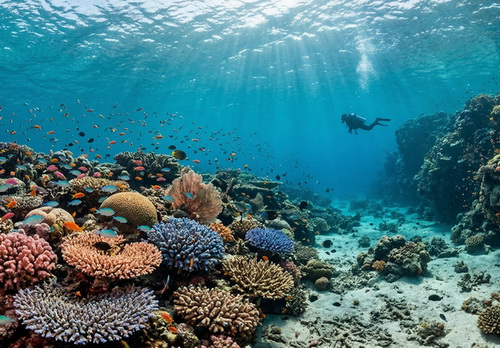
Nicaragua's Corn Island offers an exceptional dive landscape, particularly around sites like Blowing Rock. This volcanic pinnacle provides a dramatic underwater spectacle, rising majestically from the seabed to break the surface. Its unique geological formation creates an intricate habitat, drawing a rich density of marine life and appealing to divers seeking vibrant Caribbean exploration.
Tonight's objective overview for One Hook shows an air temperature of 28.2°C. The measured surface conditions include wave heights around 0.56m. This environmental data is logged for the close of the day.
Dive Site Coordinates
13.4031, -81.3903
Key Dive Site Facts
Dive Site Overview
Exploring the dive sites around Corn Island, including the celebrated Blowing Rock and the historical Spanish Galleon Wreck, promises a diverse underwater adventure. Blowing Rock, located approximately 11 km (7 miles) from Corn Island, is a massive volcanic structure whose base descends to around 24 m (80 ft).
This site is typically experienced during a two-tank trip, allowing ample time to explore its various features and the abundance of schooling fish circling the pinnacle. Divers can expect to spiral upwards, observing diverse ecosystems at different depths.
Additionally, the unnamed 19th-century Spanish Galleon Wreck, off Waula Point, lies in a shallower 5 m (15 ft) of water, making it accessible for both divers and snorkelers. While the wreck's cannons and anchor are clearly visible, exploring its details fully necessitates scuba gear.
Corn Island's wider diving appeal extends to calm, shallow reefs perfect for beginners, as well as deeper pinnacles, caves, and caverns that challenge experienced divers.
Best Time to Dive
Considering conditions first, the prime diving window around Corn Island, Nicaragua, generally spans from March through May and then again from September through October. During these months, dive scores are consistently rated 'Good'. Air temperatures typically average a comfortable 27-28°C (81-82°F), with significantly lower rainfall, particularly in March, April, and May, which see less than 2 mm (0.08 inches) of rain. Wind speeds and wave heights also tend to be more moderate during these periods, contributing to calmer seas and better visibility. Conversely, months like June and July often present 'Poor' dive scores due to increased rainfall, higher wave heights averaging around 1.5-1.9 m (5-6 ft), and stronger winds, which can impact overall dive quality.
Climate Historical Averages
Monthly records compiled from satellite and marine observation nodes over the last 3 years. Data provided by Open-Meteo and MET Norway.
Dive Experience & Conditions
Descending into the waters off Corn Island, divers immediately notice the inviting warmth of this tropical environment. Water temperatures in this locale generally hover around 26-29°C (79-84°F), providing comfortable conditions year-round. At Blowing Rock, the dive typically commences with a descent to its maximum depth. As divers navigate around the volcanic pinnacle, they'll encounter sections where currents can vary, requiring attention to buoyancy and positioning. Moving into shallower areas along the rock face, the environment transforms, leading to spots where barracuda often hover near the surface. Visibility, while variable depending on recent weather, is generally good. This site's structure allows for a spiraling ascent, offering continuous discovery as you slowly make your way back towards the surface.
Dive Difficulty & Safety Guidelines
For any dive experience around Corn Island, adhering to established safety protocols is crucial. All certified divers must present proof of certification before entering the water; online verification is available for some agencies. Participating in a PADI course or experience necessitates completing an RSTC Medical Statement beforehand. If any medical questions are answered affirmatively, written medical clearance from a doctor is required. Travel insurance, specifically dive accident insurance such as Divers Alert Network (D.A.N.), is highly recommended for all divers. Furthermore, it's essential to allow at least 18 hours before flying in an airplane after scuba diving to mitigate decompression sickness risks.
Recommended Equipment
No verified equipment items yet.
Verified equipment recommendations for this dive site are being reviewed and may be added as additional source checks are completed.
Recommended Dive Suit
2-3mm shorty or light wetsuit is often considered an appropriate level of exposure protection for conditions like these.
Divers entering the water at One Hook today can expect temperatures near 29°C (84°F) beneath the surface. Surface air temperatures are resting at 28°C (83°F).
The upcoming forecast points to generally steady conditions in the area.
Conditions last reviewed: 18:00 using the latest environmental data.
Dive Logistics & Preparation
Hyperbaric Chamber
Check local Nicaragua medical facilities.
Entry Requirements
View Nicaragua Visa Hub
Currency
NIO
Nearest Airports
Nearest airports to help plan travel to this dive area.
Marine Life at One Hook
The waters surrounding Corn Island teem with a variety of fascinating marine creatures. At Blowing Rock, divers often encounter nurse sharks and large southern stingrays resting on the seafloor or gliding past. Spiraling upwards around the pinnacle, reef sharks and impressive eagle rays are frequently spotted. Schools of vibrant snapper and African pompano create a bustling ecosystem. Near the shallower rocks, great barracuda can be observed, while large angelfish and colorful parrotfish add to the visual splendor. Under ledges, observant divers may find spotted drum, and within cracks and crevices, giant eels, lobsters, and various crabs often hide. The Spanish Galleon Wreck also attracts numerous Caribbean reef fish, alongside lobsters, crabs, and shrimp sheltering within its structure.
Reef Shark
Snapper
Crab
Nurse Shark
Pompano
Spotted Drums
Stingray
Lobster
Barracuda
Eagle Ray
Angelfish
Parrotfish
Cryptic Fish
Dive Sites Near One Hook
View all dive sites in NicaraguaDiscover more underwater gems in this area.

Dive Centers Near One Hook
No Dive Centers Local To One Hook
Are you a dive center visiting this location? Get listed to reach divers.
Frequently Asked Questions
How do divers typically reach Corn Island, Nicaragua?
Travel to Corn Island usually involves a flight from Managua to Big Corn Island. Alternatively, some visitors arrive via ferry from Bluefields. Once on Big Corn Island, local transportation or boat transfers can take you to your accommodation or dive operator.
What is Blowing Rock and how deep is the dive?
Blowing Rock is a prominent volcanic pinnacle located about 11 km (7 miles) off Corn Island. The dive typically descends to the pinnacle's base, exploring its maximum depth. Divers then gradually ascend, exploring the rock's structure at various depths.
Is Corn Island diving suitable for beginner divers?
Absolutely, Corn Island offers a range of dive experiences for all certification levels. Shallow, calm reefs are ideal for beginners and those building confidence. More advanced divers can explore deeper pinnacles, caves, and caverns.
What kind of marine life might I encounter at Corn Island dive sites?
Expect to see various reef sharks, nurse sharks, and large southern stingrays. Schools of snapper and African pompano are common, along with great barracuda. Look for spotted drum, giant eels, lobsters, and crabs hidden in crevices.
Are there any wreck dives available near Corn Island?
Yes, an unnamed 19th-century Spanish Galleon Wreck lies off Waula Point. It rests in shallow waters, making it accessible for snorkelers, but scuba gear enhances the exploration of its cannons and anchor. Other sites may feature smaller, less defined wreck fragments.
What are the typical water conditions for diving around Corn Island?
Waters are consistently warm, generally ranging from 26-29°C (79-84°F) year-round. Visibility tends to be good, though it can vary with recent weather. Currents at specific sites, like Blowing Rock, might require attention, but many reefs offer calm conditions.
Do I need to bring my own dive gear to Corn Island?
While many dive shops on Corn Island offer rental equipment, bringing your own mask, fins, and dive computer ensures comfort and familiarity. Wet suits aren't strictly necessary due to the warm water, but a thin suit or rash guard can provide extra protection.
Liveaboards Sailing to One Hook
Explore highly rated liveaboards visiting this dive site and discover the best routes in Nicaragua.
Resorts & Accommodation
Find partner hotels and dive resorts directly accessing the reef.
Around This Area
Explore top-rated restaurants, activities, and attractions near One Hook reviewed by travelers.
Planning to dive One Hook?
Send one inquiry and receive offers directly from the best verified local dive operators.