
Diving at La Montañita (Nicaragua)
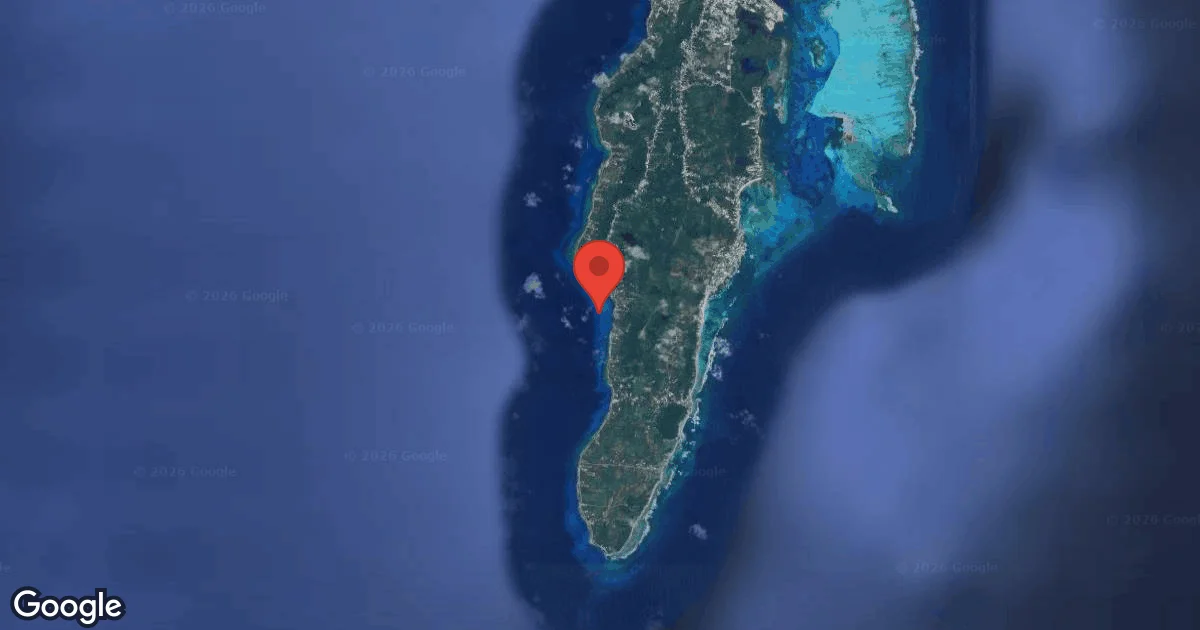
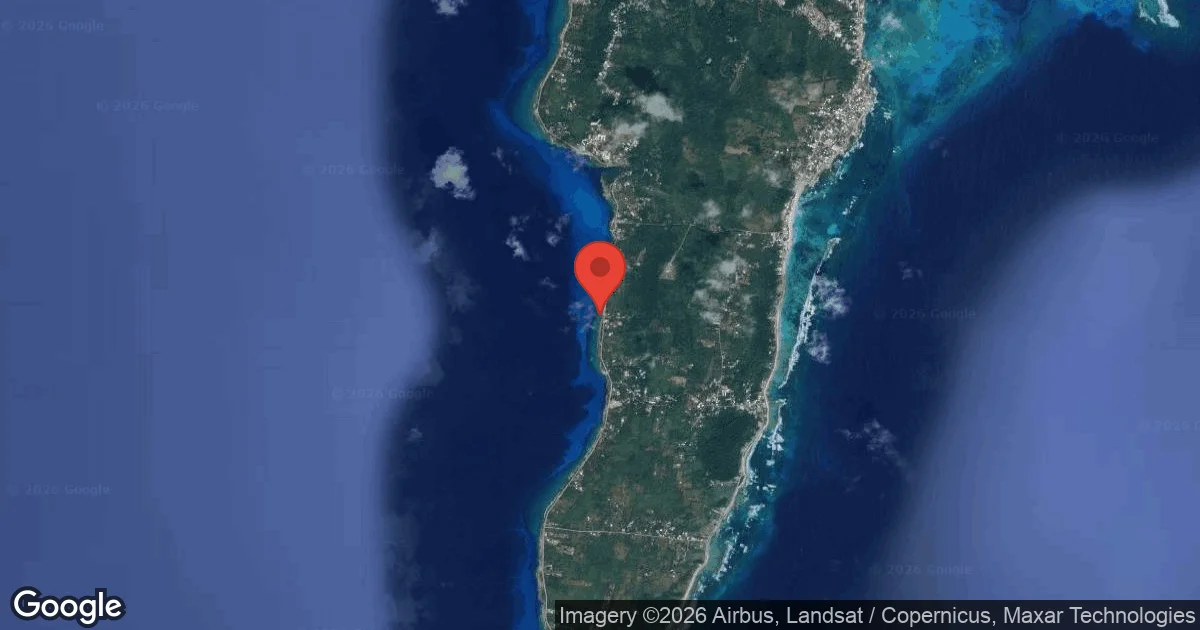
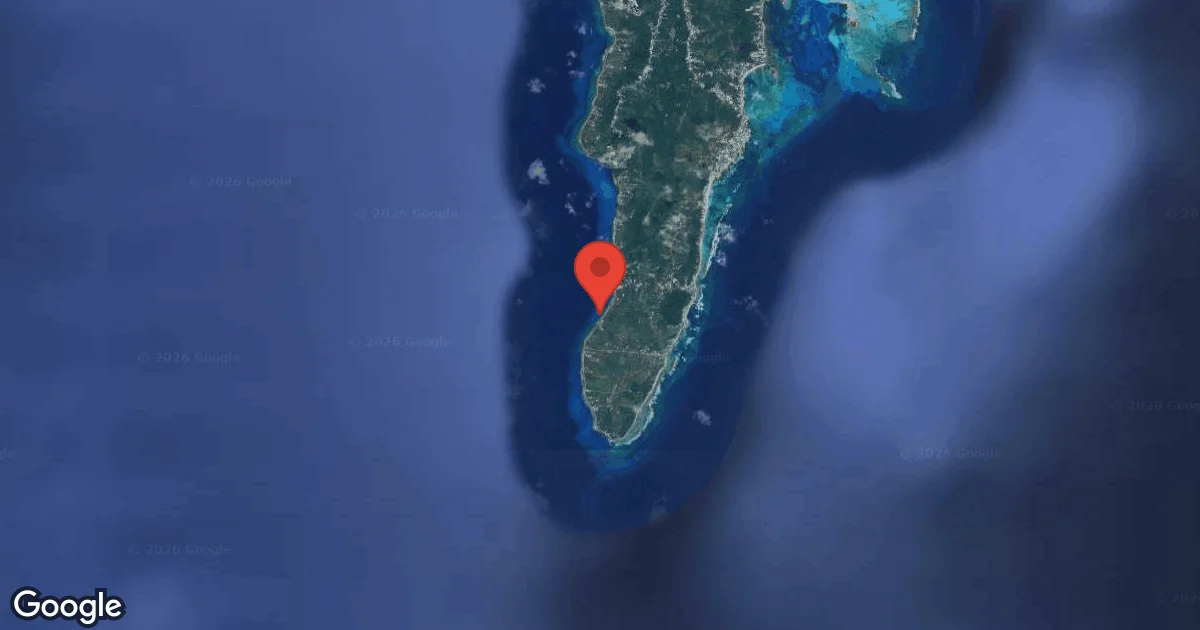
Approaching La montañita by boat on Nicaragua's Caribbean coast introduces divers to a blend of ocean exploration. This site, easily accessed from the Corn Islands, invites a serene yet engaging underwater experience. Its designation as a cave and sandy bottom dive suggests a diverse topography, promising more than just open reef. Anticipate a relatively shallow immersion into a distinct geological feature, making it accessible for varied skill levels.
As evening covers La Montañita, the local air temperature is measured at 26°C. The current wave height at the surface is recorded at 1.4 m. These late-day readings characterize the surface conditions for the night.
Dive Site Location & Key Facts
Dive Site Overview
Nicaragua's Caribbean coast provides a distinct backdrop for dive sites such as La montañita, contributing to the region's emerging reputation for diverse underwater topography. While specific historical records for La montañita itself are limited, it represents a natural formation within a broader area known for its volcanic reefs and coral gardens.
This site primarily comprises a lush coral structure with a notable cave system, offering an ocean dive experience that includes sandy bottom sections. Divers exploring here can descend to a maximum depth of 4 meters (15 feet), a relatively shallow profile that allows for extended bottom times and detailed observation of the immediate environment. The accessibility of such sites, often reached via local dive operators from the Corn Islands, highlights the country’s efforts to develop its marine tourism.
La montañita serves as an example of Nicaragua's less-traveled dive destinations, where the focus remains on natural exploration rather than heavily commercialized experiences. This shallow depth makes it particularly appealing for entry-level certified divers looking to gain experience in varied environments, from navigating subtle cave features to observing the interplay between coral and sand.
Its structure encourages closer inspection of the smaller inhabitants and coral formations. It's a testament to the raw, untouched feel that many Caribbean sites retain, offering a quiet contrast to busier locales.
Conditions are Moderate
Optimal conditions expected
Current conditions near La Montañita show 26° air, 29° sea temperature, 1.0 m waves, and 34 km/h wind. Forecast data is refreshed regularly to ensure accuracy.
Best Time to Dive
Planning a dive at La montañita involves considering the seasonal patterns that define the Caribbean. The dry season, running from November through April, generally presents the most favorable conditions, leading to a consistently good dive score. During these months, expect less rainfall, with February averaging only 1.56 mm (0.06 in) and March a mere 0.44 mm (0.017 in). Wave heights tend to be lower, particularly in March (1.2 m / 3.9 ft) and April (1.3 m / 4.3 ft), enhancing comfort on boat entries. Water temperatures across Nicaragua during this period typically range from 26-29°C (79-84°F), providing a warm, inviting environment. Conversely, the rainy season from May to October can bring increased precipitation; October averages 10.57 mm (0.42 in) of rain. While June, August, September, and October still hold moderate to good dive scores, July experiences a 'Poor' dive score, marked by higher wave heights averaging 1.7 m (5.6 ft) and stronger winds. For optimal comfort and calmer seas, targeting the March-April window or September-October provides the best balance of low waves and favorable conditions.
PEAK SEASON SCORE
Scores combine air & water temps, waves, wind & rainfall for overall conditions.
BEST MONTHS TO DIVE
Monthly records compiled from satellite and marine observation nodes over the last 3 years. Data provided by Open-Meteo and MET Norway.
Dive Experience & Conditions
Diving at La montañita immerses you into a distinct shallow water environment. The conditions typically feature warm saltwater, with regional water temperatures often falling within 26-29°C (79-84°F) during the dry season. Entry to the site is exclusively by boat, leading divers into an ocean setting. The maximum depth reached here is approximately 4 meters (15 feet), making it a brightly lit and accessible dive. This shallow profile means light penetration is excellent, illuminating the details of both the coral formations and the sandy bottom. You'll encounter sections of lush coral interspersed with expanses of fine sand, creating varied habitats. The presence of a cave element requires divers to be comfortable in enclosed, albeit shallow, spaces. Water movement can vary; while conditions are generally calm during peak season, stronger currents or waves may be present at other times, influencing visibility and the ease of navigation within the cave. Divers should anticipate a relaxed, discovery-oriented dive, allowing ample time to appreciate the subtle features of this unique site.
Dive Difficulty & Safety Guidelines
Approaching La montañita requires divers to understand its specific characteristics, especially the shallow cave component. While the maximum depth is only 4 meters (15 feet), navigating a cave, even a small one, necessitates good buoyancy control and situational awareness.
PADI Open Water Diver certification provides the foundational skills for this ocean dive. However, for those seeking to explore the cave elements more comfortably, PADI Advanced Open Water Diver training, particularly with a Cavern or Cave Diver specialty, would enhance safety and enjoyment.
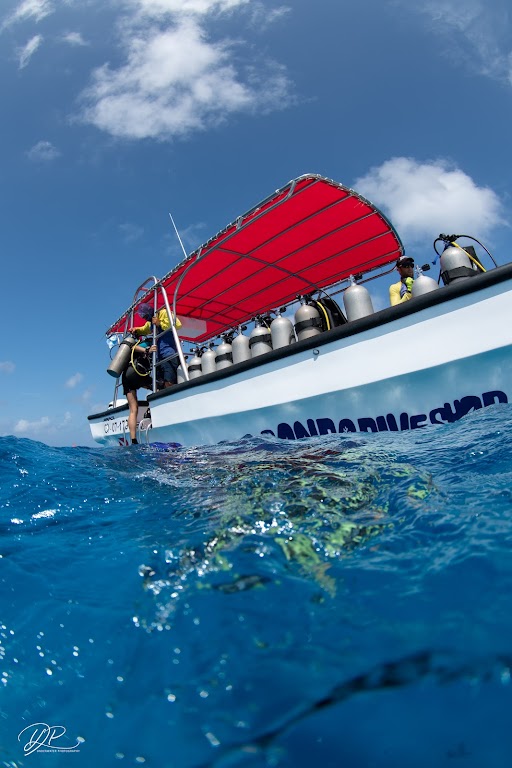
It's crucial to maintain close proximity to your dive buddy and stay within sight of natural light. Local dive operators, such as those from the Corn Island Dive Center, offer professionally guided dives, which are highly recommended to ensure familiarity with the site's layout and any prevailing conditions.
As with any dive, checking your gear thoroughly and adhering to a conservative dive plan are paramount. Self-Reliant Diver training is also suggested to bolster independent problem-solving skills.
Recommended Equipment
Overhead environment. Do not enter beyond training and gas planning limits.
- Dive Computer
- DSMB
- Primary & Backup Lights
- Reel / Spool
- Cutting Tool
This gear list is based on verified equipment signals for La Montañita, Nicaragua. Always confirm final gear choices with your dive operator, guide, or liveaboard.
Recommended Dive Suit
Forecast conditions over the next few days suggest temperatures will remain relatively stable.
Two divers in the same water temperature may experience very different comfort levels.
Many divers find that 2-3mm shorty or light wetsuit offers the right level of insulation for conditions like these. A hood or vest is suggested for sensitive divers due to surface winds. The surrounding waters at La Montañita are currently registering temperatures of roughly 29°C (84°F). Surface air temperatures are resting at 26°C (79°F).
Due to technical issues with our weather providers, data hasn't been fetched for over 48 hours. The data above reflects the conditions at the time of the last successful fetch.
Emergency & Medical Support
Essential information to help you plan your dive trip to La montañita.

Hyperbaric chambers are a critical part of dive safety infrastructure. Availability varies significantly by region, and not all dive areas have immediate access.
Before diving, it's recommended to:
- confirm nearest medical facilities
- check emergency procedures with local dive operators
- ensure dive insurance covers evacuation if required
Divers Alert Network
Diving emergency assistance available through DAN World.
+1-919-684-9111- 24/7 emergency hotline
- Diving medical assistance
- Evacuation coordination
Emergency contacts are provided for reference. Always verify local emergency services before diving.
Marine Life at La Montañita
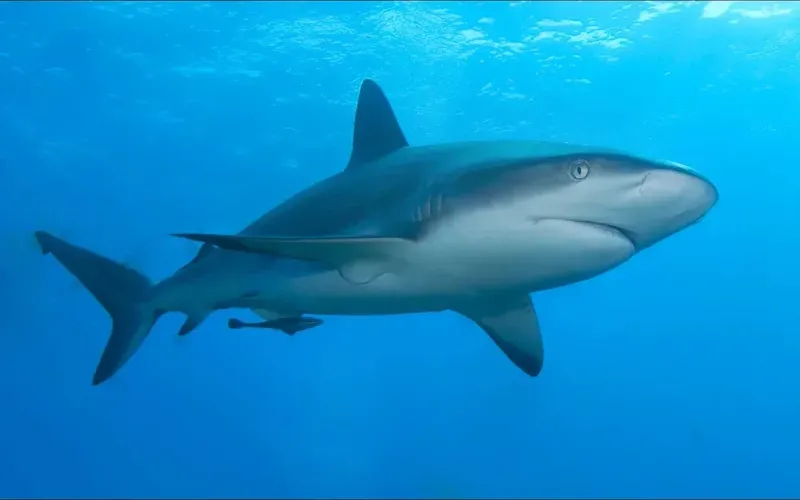
Upon entering the waters of La montañita, divers often notice the interplay of light and shadow across the coral and sandy bottom, hinting at varied marine life. Common sightings here include turtles gracefully gliding through the water, a frequent and welcome encounter.
Rays can also be observed moving across the sandy patches. While less common, the occasional presence of reef sharks adds an element of excitement to the dive.
Schools of smaller reef fish populate the coral formations, bringing splashes of color to the environment. Divers might also spot dolphins or even whales in the wider ocean area surrounding the site, though these are more transient visitors. Keep an eye out for crustaceans tucked into crevices within the coral and cave features.

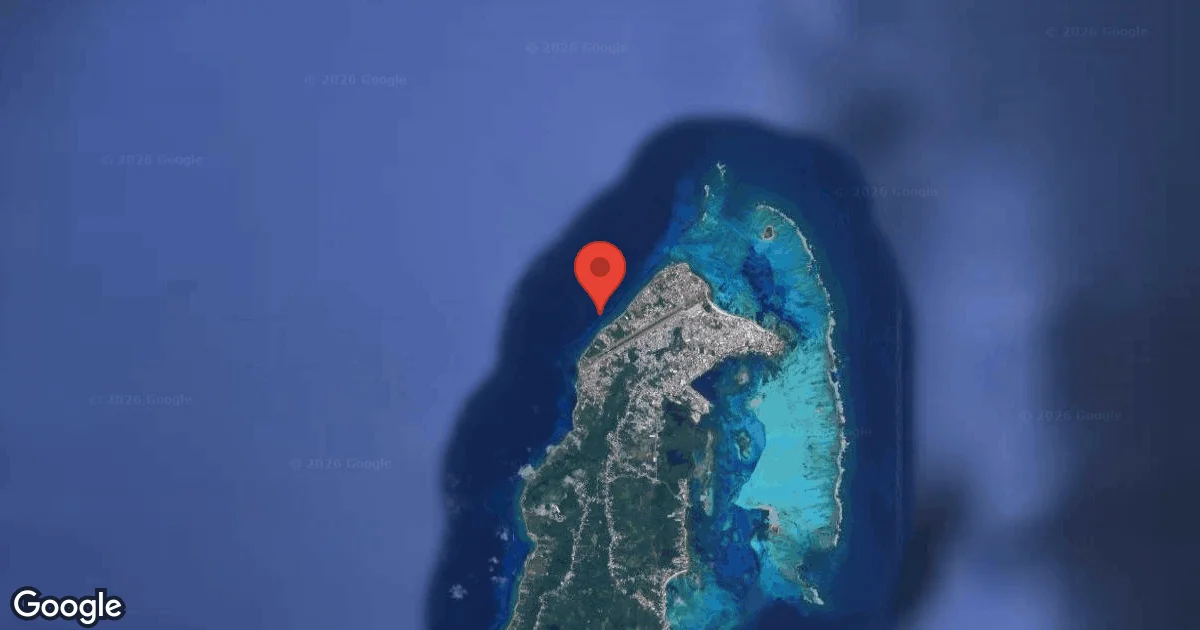
Dive Sites Near La Montañita
View all dive sites in NicaraguaDiscover more underwater gems in this area.
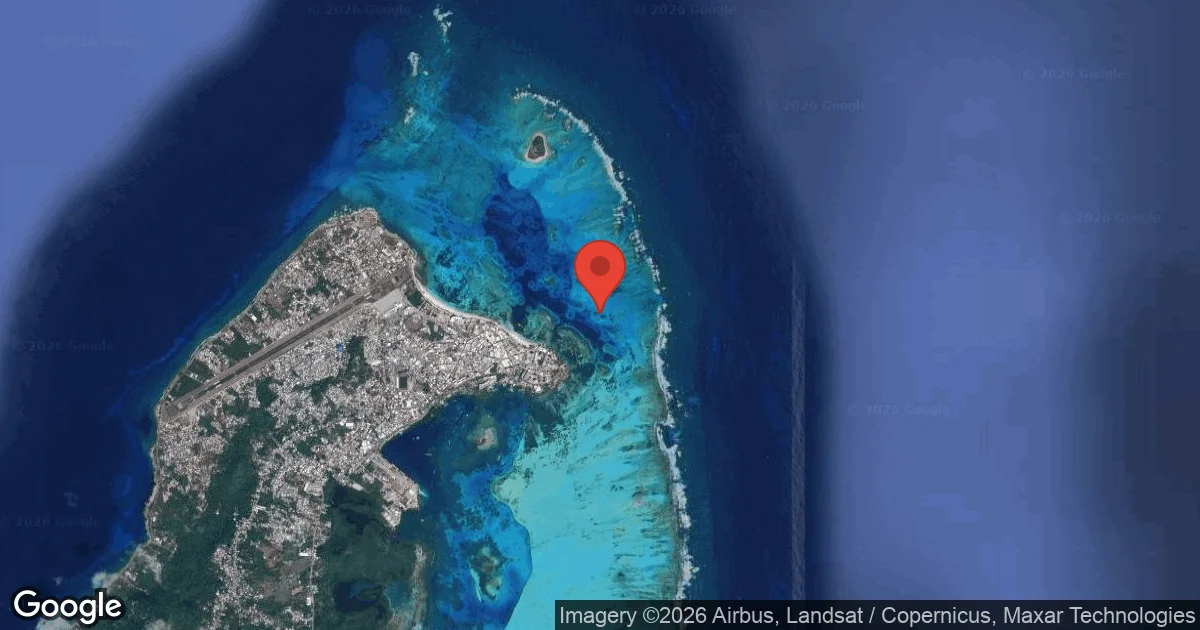
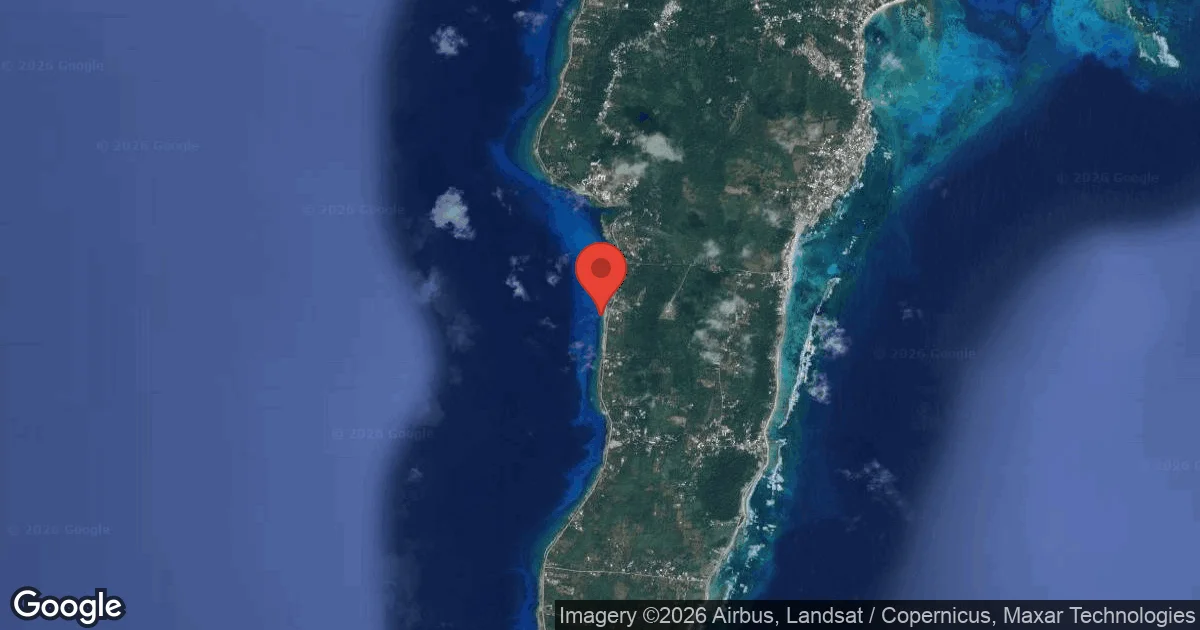
Dive Centers Near La Montañita
Today: 08:00 - 12:00 • 15:00 - 17:00
Nearest Airports
Nearest airports to help plan travel to this dive area.
Search Flights
Check available flights and routes on Expedia, using the nearby airports listed in this section.
Search Flights on ExpediaFrequently Asked Questions
What is the maximum depth at La montañita?
La montañita is a relatively shallow dive, with a maximum depth of approximately 4 meters. This shallow depth allows for ample natural light and extended bottom times.
What types of diving can I expect at this site?
The site is characterized as an ocean dive with both sandy bottom areas and a notable cave feature. It offers a blend of coral observation and cavern exploration.
What are the typical water temperatures?
While specific water temperatures for La montañita are not consistently reported, waters in Nicaragua's dry season (November-April) typically range from 26-29°C (79-84°F). These are generally warm conditions.
What marine life might I see?
Divers commonly report sightings of turtles, rays, and various schooling reef fish. The occasional reef shark has also been noted, along with potential distant sightings of dolphins or whales.
Is La montañita suitable for beginner divers?
With a shallow depth of 4 meters, it's suitable for PADI Open Water Divers. However, the cave aspect suggests that divers should have good buoyancy control and comfort in semi-enclosed spaces.
How do I access La montañita?
Access to La montañita is exclusively by boat. Local dive operators, often based out of the nearby Corn Islands, provide guided trips to the site.
When is the best time to visit for diving?
The dry season, from November to April, generally offers the calmest seas, lowest rainfall, and best overall dive conditions with warmer water temperatures. March and April frequently provide excellent conditions.
Planning to dive La Montañita?
Send one inquiry and receive offers directly from the best verified local dive operators.
Conditions are Moderate
Optimal conditions expected
Current conditions near La Montañita show 26° air, 29° sea temperature, 1.0 m waves, and 34 km/h wind. Forecast data is refreshed regularly to ensure accuracy.