
Diving atWest View (Nicaragua)
West View on Big Corn Island presents a distinctly Caribbean dive experience compared to Nicaragua's Pacific coast. It's a quieter outpost, characterized by a relaxed atmosphere and diverse, yet accessible, reef ecosystems. A vibrant underwater escape unfolds, where conditions often favor leisurely exploration. Divers here find a compelling blend of coral formations and sandy patches, creating varied scenery beneath the surface. Expect a different rhythm of diving within Nicaragua's overall underwater landscape.
Evening condition tracking at West View features an air temperature of 27.1°C. We have recorded wave heights measuring 1.16m during this period. These figures outline the environmental parameters currently present.
Dive Site Coordinates
12.5205, -81.7316
Dive Site Characteristics
Key Dive Site Facts
Dive Site Overview
Fringing and table reef structures define West View, characteristic of the Big Corn Island area. Depths here commonly range from very shallow, around 10 m (30 ft), extending down to approximately 21 m (70 ft).
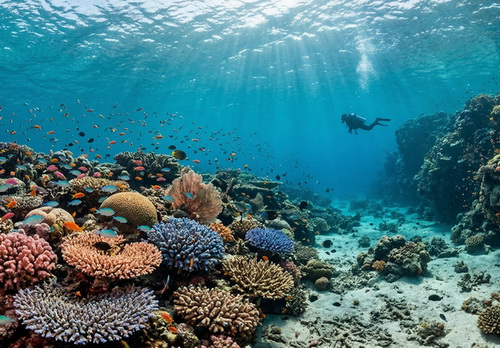
Patches of sandy bottom intersperse the coral formations, contributing to varied underwater topography. Shallow areas often host large elkhorn coral colonies, providing shelter for smaller reef fish. As you descend deeper, sheet corals and black corals become more prevalent, adding textural diversity to the seascape.
While specific wreck sites exist nearby within the Corn Islands, they primarily serve as artificial reefs surrounded by natural formations; no wreck penetration is currently possible. Divers navigating these areas can anticipate a visual progression from sunlit, vibrant shallow zones to slightly more muted, intricate deeper reef walls.
Each descent reveals new microhabitats, from crevices in the reef providing shelter to expansive sandy plains where rays might rest. Site topography supports a range of experiences, from drift dives along the reef edge to more static explorations of specific coral heads.
Overall, a dive at West View encapsulates the diverse, yet approachable, nature of Caribbean reef diving in this region.
Best Time to Dive
Diving West View on Big Corn Island sees optimal conditions contrasting its dry and rainy seasons. Conditions are most favorable during the dry season, spanning from November through April. During these months, the region experiences calmer seas and enhanced visibility, crucial for appreciating underwater details. Average air temperatures during this dry spell hover around 26.7-27.4°C (80-81°F), making surface intervals comfortable. Rainfall is notably low, often less than 3 mm (0.12 inches) in months like January and April, and even less in March, contributing to more settled sea states. From May to October, the rainy season may bring increased precipitation, with months like June, September, and October seeing rainfall between 7.6-10.5 mm (0.3-0.41 inches). Increased precipitation can coincide with stronger currents and reduced underwater clarity, particularly on the broader Caribbean coast. While diving is possible year-round, planning a trip between March and May, or September and October offers good conditions with moderate wind speeds and lower wave heights, aligning with the "Good" dive scores reported for these months. For predictable visibility and calmer surface conditions, dry months are ideal.
Climate Historical Averages
Monthly records compiled from satellite and marine observation nodes over the last 3 years. Data provided by Open-Meteo and MET Norway.
Dive Experience & Conditions
Descending into West View, divers immediately encounter consistently warm water temperatures, averaging around 27-28°C (81-83°F) throughout the year. Visibility here typically ranges from 15 to 21 m (50-70 ft), though it can extend further during periods of exceptionally calm weather. Initial dive sections often involve exploring shallower reef areas, where sunlight filters down, illuminating vibrant coral growth. As you move deeper, marine topography shifts, revealing different coral species and rock formations. Currents at this site are generally mild, making conditions suitable for various skill levels; however, stronger currents are possible during the wetter season. A generally gentle flow allows for leisurely observation of reef inhabitants. Divers can expect to move through areas of healthy coral interspersed with sandy expanses, providing diverse habitats. Overall, an experience emphasizes relaxed exploration of a tropical Caribbean reef, without significant challenging conditions.
Dive Difficulty & Safety Guidelines
While West View doesn't present extreme hazards, divers should always remain aware of variable currents, especially during the rainy season when conditions can be less predictable. It's prudent to consult with local dive operators about daily sea states before planning any outing. Maintaining appropriate buoyancy control is essential to protect the delicate coral structures, preventing accidental contact or damage. Adhering to responsible diving practices, such as never touching marine life or taking souvenirs, preserves the ecosystem. Always dive within your certification limits. Given the moderate dive scores reported for parts of the year, and "Poor" conditions sometimes occurring in July, conservative planning is wise. Ensure all equipment is in good working order and carry an audible surface signaling device. Staying hydrated in the tropical climate is also important for diver well-being.
Recommended Equipment
No verified equipment items yet.
Verified equipment recommendations for this dive site are being reviewed and may be added as additional source checks are completed.
Recommended Dive Suit
Water temperatures at West View are currently estimated to be around 29°C (84°F), shaping the overall diving conditions for today. Surface air temperatures are resting at 27°C (81°F).
Dive skin or rash guard is generally considered suitable for water temperatures like this. Consider warmer surface protection (like a boat coat) due to brisk winds.
Forecast trends indicate similar diving conditions over the next few days.
Conditions last reviewed: 18:00 using the latest environmental data.
Dive Logistics & Preparation
Hyperbaric Chamber
Check local Nicaragua medical facilities.
Entry Requirements
View Nicaragua Visa Hub
Currency
NIO
Nearest Airports
Nearest airports to help plan travel to this dive area.
Marine Life at West View
West View’s marine life reflects a typical Caribbean reef environment, with plenty of tropical fish species navigating coral formations. Divers frequently encounter various rays, and sea turtles are often seen gliding through the water. While less common, occasional reef sharks may also make an appearance. Closer to Big Corn Island, shallow fringing reefs are characterized by expansive elkhorn coral colonies. Deeper sections reveal sheet corals and black corals, adding to structural diversity. For those visiting nearby Little Corn Island, sightings of eagle rays, nurse sharks, and even hammerheads are regularly reported, indicating a healthy predator presence in the broader area. Corals provide vital habitat, supporting a vibrant ecosystem.
Dive Sites Near West View
View all dive sites in NicaraguaDiscover more underwater gems in this area.

Dive Centers Near West View
No Dive Centers Local To West View
Are you a dive center visiting this location? Get listed to reach divers.
Frequently Asked Questions
What is the typical water temperature at West View?
The water temperature is consistently warm year-round, averaging between 27-28°C (81-83°F). This makes for very comfortable diving conditions without the need for thick wetsuits.
What are the general visibility conditions like?
Visibility at West View typically ranges from 15 to 21 m (50-70 ft). In calm weather, especially during the dry season, conditions can be even clearer, offering excellent views of the reef.
Is West View suitable for beginner divers?
Yes, West View is generally suitable for divers of all levels, including beginners. The shallower depths and usually mild currents make it an accessible site for learning and gaining experience. Local dive centers provide guidance and instruction.
What kind of marine life can I expect to see?
You can expect to encounter a variety of tropical fish, various species of rays, and sea turtles. Occasional reef sharks are also spotted. The reefs themselves host elkhorn, sheet, and black corals.
Are there any wreck dives available near West View?
Yes, the broader Corn Islands area does have a couple of wreck sites. These sites are typically surrounded by natural reefs and are not considered advanced dives, with no current opportunities for wreck penetration.
When is the best time of year to dive West View?
The dry season, from November to April, offers the calmest seas and best visibility, with March to May and September to October also rated "Good" for diving. The rainy season (May-October) may bring stronger currents and reduced clarity.
Is advanced certification required for deeper sections of West View?
While many sections are accessible to Open Water divers, some deeper areas might extend to depths of 21 m (70 ft) or beyond at nearby sites like Blowing Rock. An Advanced Open Water certification would allow you to explore the full range of depths offered in the area more comfortably.
Liveaboards Sailing to West View
Explore highly rated liveaboards visiting this dive site and discover the best routes in Nicaragua.
Resorts & Accommodation
Find partner hotels and dive resorts directly accessing the reef.
Around This Area
Explore top-rated restaurants, activities, and attractions near West View reviewed by travelers.
Planning to dive West View?
Send one inquiry and receive offers directly from the best verified local dive operators.