
Diving at Las Cuevas (Nicaragua)
Las Cuevas, a dive site off Big Corn Island, Nicaragua, presents divers with varied underwater topography. Expect conditions to vary throughout the year, with March through May and September to October generally offering more favorable dive scores. Winds tend to be stronger from December to February, potentially influencing surface conditions and boat travel. Divers will find areas characterized by caves, reefs, and sandy bottoms, indicating a diverse environment ripe for exploration.
As evening covers Las Cuevas, the local air temperature is measured at 28.5°C. The current wave height at the surface is recorded at 1.1 m. These late-day readings characterize the surface conditions for the night.
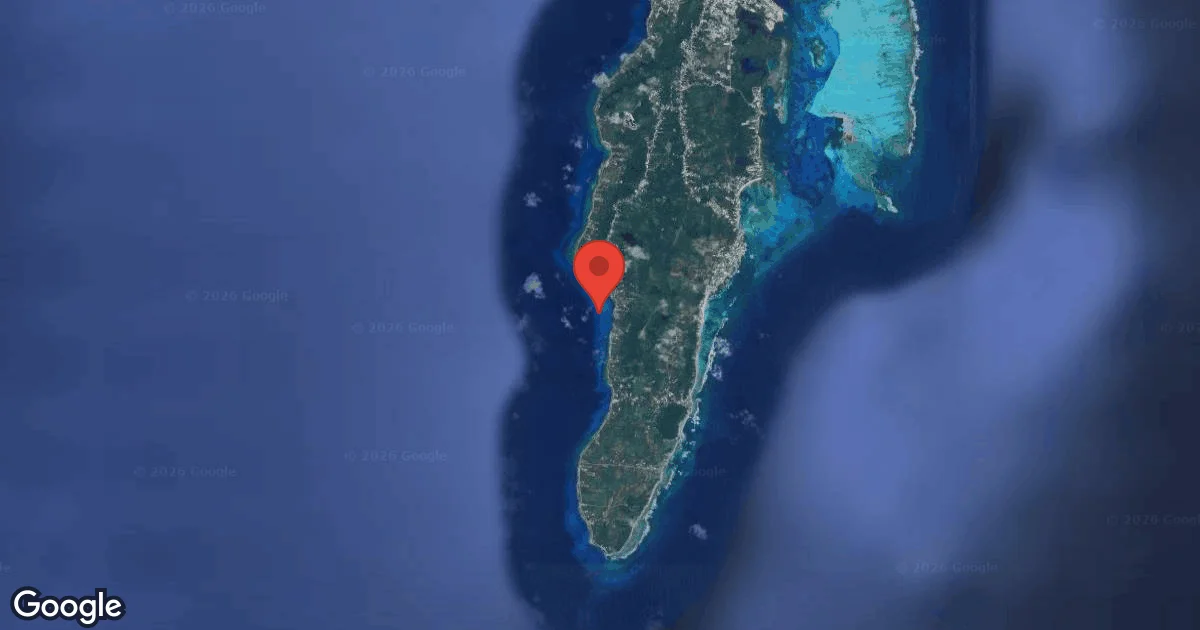
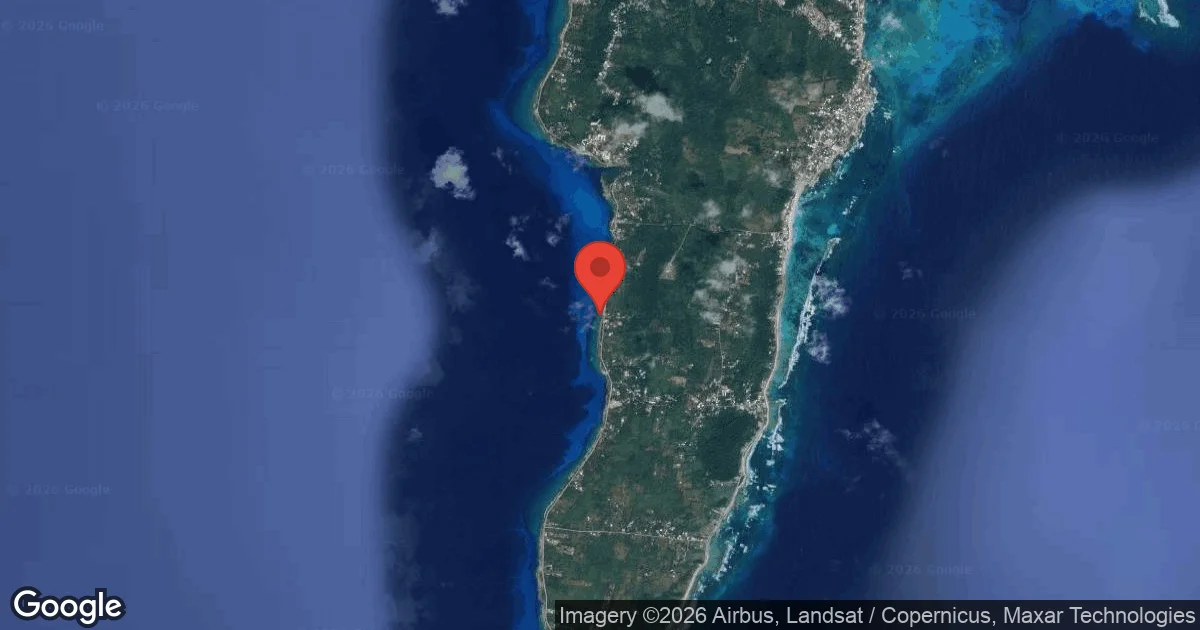
Dive Site Location & Key Facts
Dive Site Overview
Las Cuevas diving emphasizes its core structural components: distinct reef formations, stretches of sandy bottom, and intriguing cave systems. These natural elements provide a compelling backdrop for exploration, allowing divers to appreciate the site's geological contours and dynamic shifts.
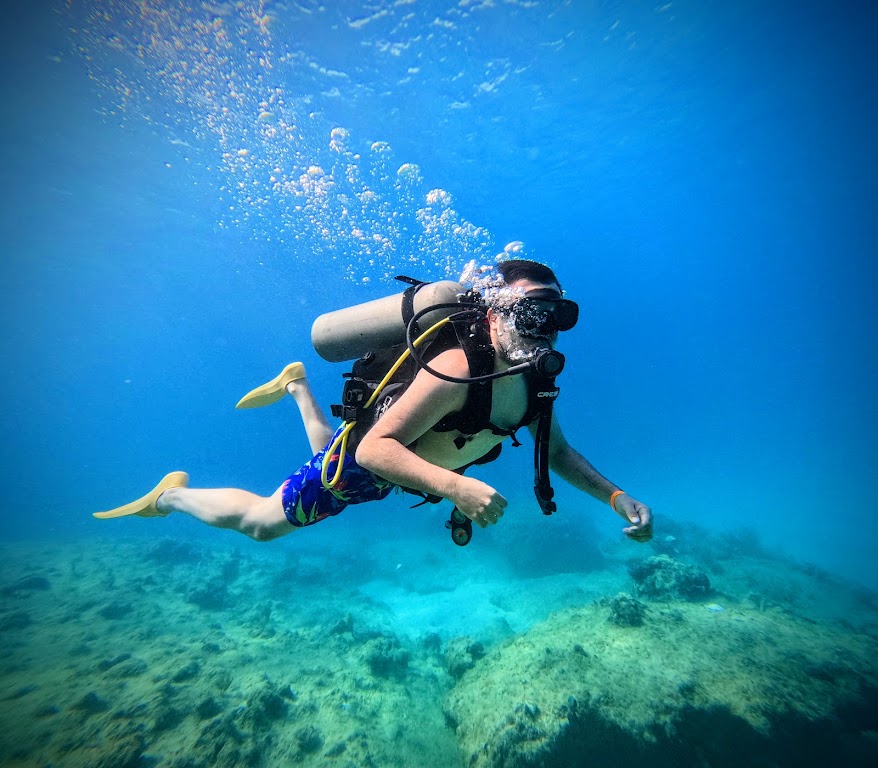
Exploration often starts along robust reef walls, where hard and soft corals create intricate habitats for small invertebrates and juvenile fish, demanding careful buoyancy. As divers navigate, these vibrant reef sections often give way to expansive sandy channels, sometimes subtly, sometimes abruptly.
Here, the landscape changes dramatically, offering different visual cues and marine life encounters, such as buried rays or garden eels perfectly camouflaged against the substrate. Further along, the site's namesake cave systems invite cautious inspection.
Many shallower overhangs and open swim-throughs are accessible within recreational limits, presenting dramatic light effects as sunlight filters through openings, illuminating the interior. Deeper sections of these systems, however, signal a requirement for appropriate advanced training.
The experience involves active navigation through these varied zones, careful observation of the diverse habitats, and understanding how different forms of life adapt to specific underwater environments. This blend of distinct environments makes for a dynamic dive profile, often leaving a lasting impression of the underwater landscape itself. Divers can expect a profile that integrates visual appreciation for both macro life nestled in crevices and broader topographical shifts across the entire site.
Conditions are Moderate
Optimal conditions expected
Current conditions near Las Cuevas show 29° air, 29° sea temperature, 1.2 m waves, and 38 km/h wind. Forecast data is refreshed regularly to ensure accuracy.
Best Time to Dive
For an optimal dive experience at Las Cuevas, aiming for the months between March and May, or September and October, is generally advisable. During these periods, the dive scores are consistently rated "Good" according to available climate data, indicating more favorable conditions. Air temperatures throughout the year remain comfortably warm, typically ranging from 26.5°C (80°F) to 28.5°C (83°F), ensuring pleasant surface intervals. Rainfall is lowest from January to May, enhancing overall comfort both on and off the water with less chance of showers. Wind speeds are also typically reduced during these "Good" dive score months, which often translates to calmer surface conditions and more comfortable boat rides to the site. Conversely, July typically shows "Poor" dive scores, mainly due to increased wave heights, averaging around 1.6 m (5.2 ft), and higher wind speeds, which can make diving less comfortable.
PEAK SEASON SCORE
Scores combine air & water temps, waves, wind & rainfall for overall conditions.
BEST MONTHS TO DIVE
Monthly records compiled from satellite and marine observation nodes over the last 3 years. Data provided by Open-Meteo and MET Norway.
Dive Experience & Conditions
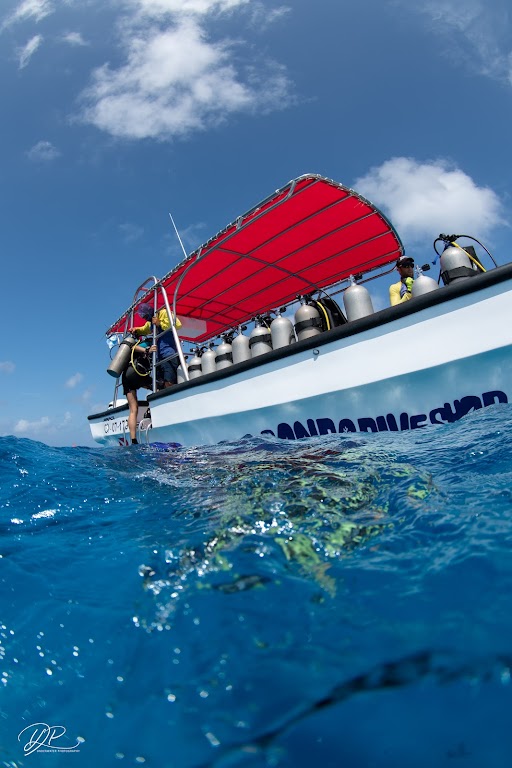
Approaching Las Cuevas, divers typically access the site by boat. Once submerged, the landscape shifts between dynamic reef structures, expansive sandy flats, and the titular cave features. Buoyancy control is paramount, especially when exploring the defined cave sections and navigating close to delicate reef formations. While specific entry details are not consistently reported for this particular site, many areas in the broader region favor boat-based entry. Divers can expect to explore areas where natural light penetrates the shallower cave entrances, creating dramatic visual effects against the rock. The site's varied topography means divers can tailor their profile to suit their comfort and certification level, encompassing shallower reef exploration and deeper sections along the sandy bottom, all within recreational depth limits. Transitions between these distinct zones offer continuous visual interest.
Dive Difficulty & Safety Guidelines
Diving at Las Cuevas requires divers to possess strong buoyancy control skills, particularly given the presence of cave and reef structures. Any penetration into overhead environments, even small cave systems, demands appropriate advanced training like cavern or full cave diving certifications. Recreational divers must always stick to the clearly illuminated light zones of any caves, maintaining a direct and unobstructed path to the exit.
Given no specific hazards are reported for this site, adherence to general safe diving practices remains crucial. Always dive within your training limits, conduct thorough pre-dive checks, and maintain situational awareness throughout the dive.
Consulting local dive professionals can provide essential real-time condition updates and site-specific guidance, contributing significantly to a safe and enjoyable experience.
Recommended Equipment
Overhead environment. Do not enter beyond training and gas planning limits.
- Dive Computer
- Primary & Backup Lights
- Reel / Spool
- Cutting Tool
- Hard-soled Dive Boots
This gear list is based on verified equipment signals for Las Cuevas, Nicaragua. Always confirm final gear choices with your dive operator, guide, or liveaboard.
Recommended Dive Suit
Current diving conditions indicate water temperatures around 29°C (84°F) at Las Cuevas. Surface air temperatures are resting at 29°C (83°F).
The next few days appear likely to bring similar environmental conditions.
Most divers exploring waters at this temperature rely on 2-3mm shorty or light wetsuit for effective insulation. A hood or vest is suggested for sensitive divers due to surface winds. Water temperature is only one factor influencing overall comfort during a dive.
Emergency & Medical Support
Essential information to help you plan your dive trip to Las Cuevas.

Hyperbaric chambers are a critical part of dive safety infrastructure. Availability varies significantly by region, and not all dive areas have immediate access.
Before diving, it's recommended to:
- confirm nearest medical facilities
- check emergency procedures with local dive operators
- ensure dive insurance covers evacuation if required
Divers Alert Network
Diving emergency assistance available through DAN World.
+1-919-684-9111- 24/7 emergency hotline
- Diving medical assistance
- Evacuation coordination
Emergency contacts are provided for reference. Always verify local emergency services before diving.
Marine Life at Las Cuevas
Exploring Las Cuevas, divers might initially observe how various species inhabit the site's distinct structural features. Reef sections typically host a variety of colorful tropical fish moving among corals and sponges, constantly foraging or seeking shelter.
Patches of sandy bottom may reveal camouflaged critters like flounders, or various rays partially buried. While specific, consistent marine life sightings are not frequently reported for this particular Las Cuevas, the combination of reef, sand, and caves provides diverse habitats that support a typical Caribbean ecosystem.
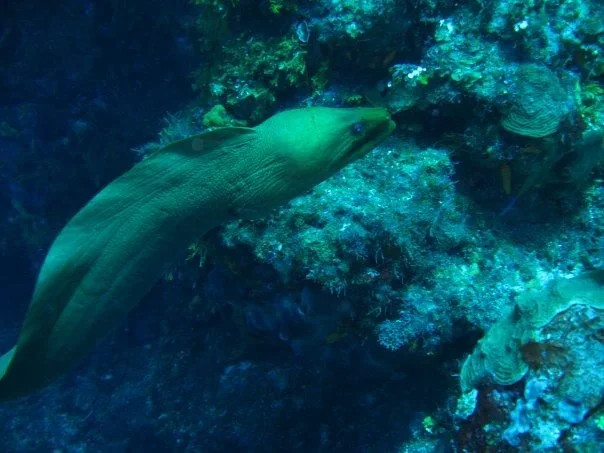
Keep an eye out for moray eels peering from rock crevices or small schools of fish darting around coral heads.
Dive Sites Near Las Cuevas
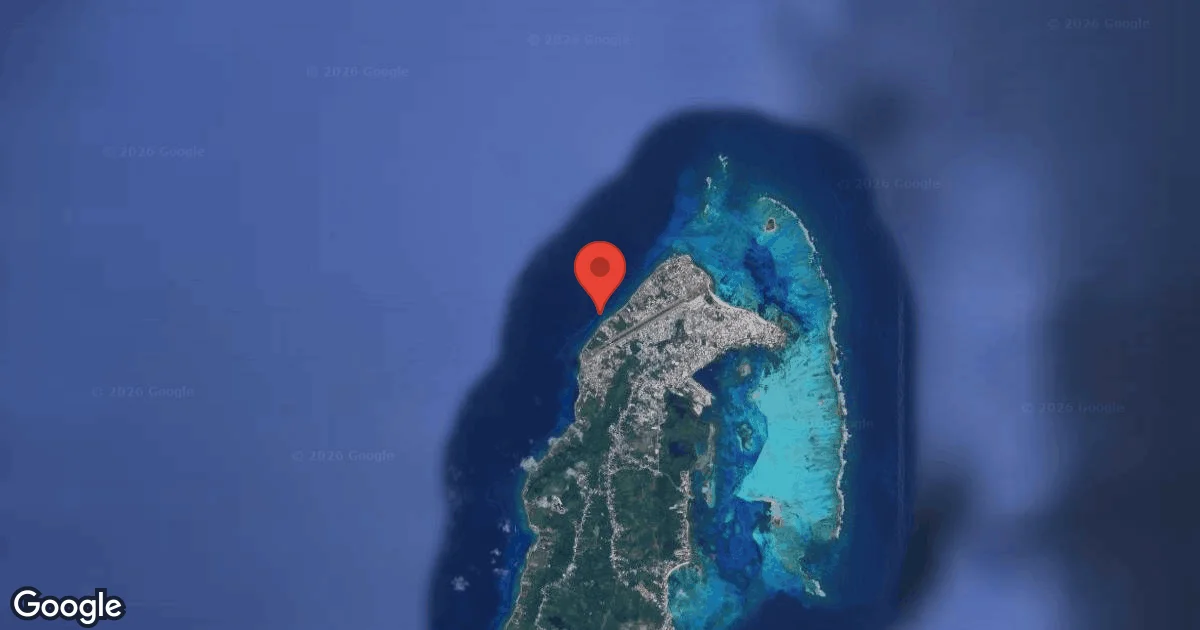
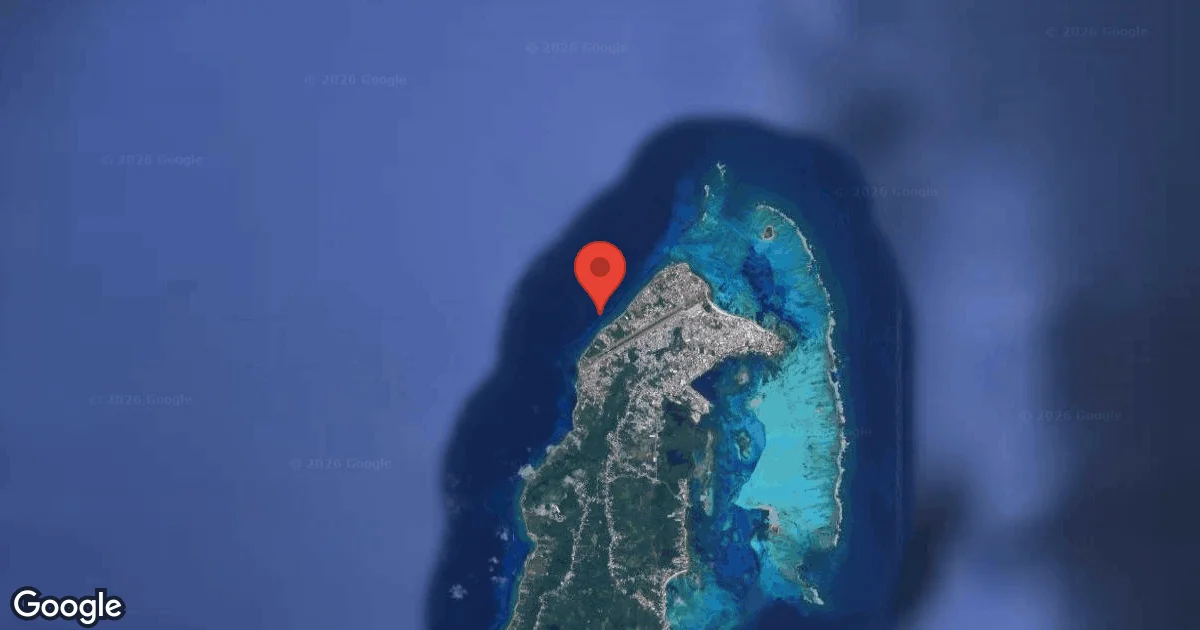
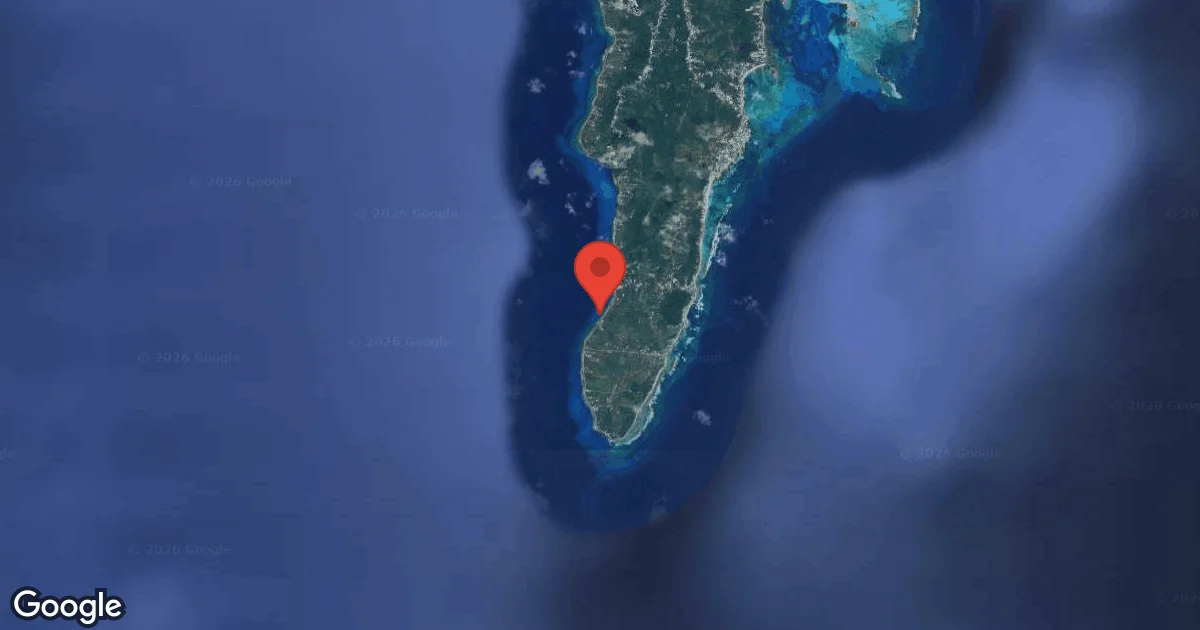
View all dive sites in NicaraguaDiscover more underwater gems in this area.
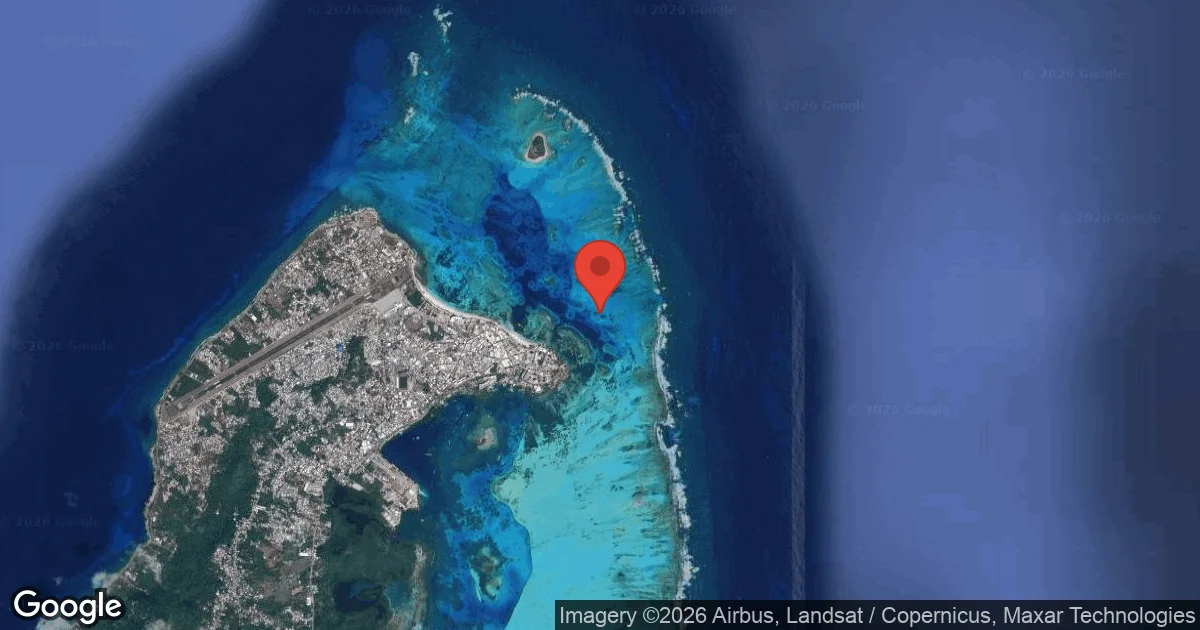
Dive Centers Near Las Cuevas
Today: 08:00 - 18:00
Nearest Airports
Nearest airports to help plan travel to this dive area.
Search Flights
Check available flights and routes on Expedia, using the nearby airports listed in this section.
Search Flights on ExpediaFrequently Asked Questions
What are the main features of Las Cuevas dive site?
Las Cuevas is characterized by a combination of reef formations, sandy bottoms, and various cave systems. These elements create a diverse underwater landscape for divers to explore.
What is the typical water temperature at Las Cuevas?
Specific water temperature data for Las Cuevas, Nicaragua, is not consistently reported. However, as part of the Caribbean, waters are generally warm, typically expected to be within comfortable tropical diving ranges.
What are the best months for diving at Las Cuevas?
The best times to dive are generally from March to May and again from September to October. These periods typically offer "Good" dive scores due to calmer conditions and less rain.
Is Las Cuevas suitable for beginner divers?
While recreational depths are available, the presence of cave and reef structures means strong buoyancy control is beneficial. Beginners should dive with experienced guides and stick to open reef areas, avoiding overhead environments.
What kind of marine life can I expect to see here?
Due to the varied habitats of reef, sand, and caves, you can expect to see typical Caribbean reef inhabitants. This includes tropical fish, various invertebrates, and potentially moray eels or rays.
Are there any strong currents at Las Cuevas?
Current conditions can vary significantly depending on the day and local weather patterns. While not consistently strong, divers should always check with local dive operators for real-time reports.
Do I need special certification to enter the caves?
Yes, any penetration into overhead environments, even small cave systems, requires appropriate advanced training such as cavern or full cave diving certifications. Recreational divers should only explore illuminated light zones.
How deep can divers go at Las Cuevas?
Specific maximum depths for Las Cuevas, Nicaragua, are not consistently reported. However, the site offers a range of recreational depths, encompassing shallower reef sections and deeper sandy areas suitable for certified divers.
Planning to dive Las Cuevas?
Send one inquiry and receive offers directly from the best verified local dive operators.
Conditions are Moderate
Optimal conditions expected
Current conditions near Las Cuevas show 29° air, 29° sea temperature, 1.2 m waves, and 38 km/h wind. Forecast data is refreshed regularly to ensure accuracy.