
Diving atNirvana (Nicaragua)
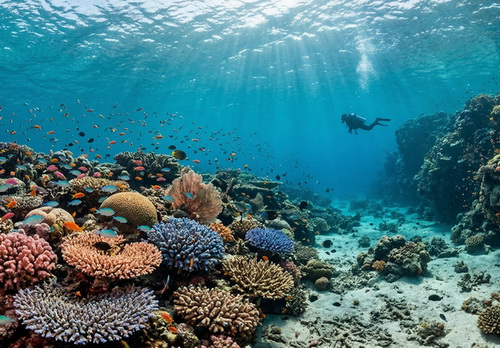
Beneath Nicaragua's waters, a diverse landscape unfolds, presenting a captivating blend of geological formations. Divers navigate a realm featuring volcanic reefs, expansive coral gardens, and intriguing wreck sites. The underwater terrain shifts from vibrant, shallow corals to deeper, more rugged volcanic structures, creating varied exploration opportunities. This Central American destination provides a compelling backdrop for those seeking unique submerged environments.
Evening condition tracking at Nirvana features an air temperature of 28.5°C. We have recorded wave heights measuring 0.48m during this period. These figures outline the environmental parameters currently present.
Dive Site Coordinates
12.5013, -81.7321
Key Dive Site Facts
Dive Site Overview
Embarking on a dive journey in Nicaragua reveals an adventurous realm for both novice and experienced divers. This destination offers a rich tapestry of underwater exploration, encompassing vibrant reefs, fascinating wreck sites, and distinctive volcanic formations.
Conditions generally feature warm waters, contributing to comfortable dives throughout much of the year. Getting to these sites typically involves flying into Augusto C. Sandino International Airport (MGA) in Managua or Bluefields Airport (BEF) on the Caribbean coast.
From these hubs, domestic flights, buses, or private transfers connect travelers to coastal dive destinations, such as San Juan del Sur on the Pacific or the Little Corn and Big Corn Islands in the Caribbean. Local dive operators provide essential services, including equipment rental, guided dives, and boat trips to offshore locations. It’s an ideal choice for those looking for marine encounters beyond the usual paths.
Best Time to Dive
Optimizing your dive trip to Nicaragua often means aligning with the country's seasonal patterns, with a strong focus on visibility. The dry season, spanning from November through April, consistently provides the calmest seas and best underwater clarity. During these months, air temperatures average around 26.7-27.4°C (80-81°F), and rainfall remains minimal, often less than 3 mm (0.1 inches) in January and February. Water temperatures during this period are reported to range between 26–29°C (79–84°F). Conversely, the rainy season, from May to October, can introduce stronger currents and reduced visibility, particularly along the Caribbean coast, with monthly rainfall sometimes exceeding 10 mm (0.4 inches). For predictable wildlife sightings and optimal conditions, targeting the dry months is advisable, particularly March, April, May, September, and October which show good dive scores.
Climate Historical Averages
Monthly records compiled from satellite and marine observation nodes over the last 3 years. Data provided by Open-Meteo and MET Norway.
Dive Experience & Conditions
Descending into these waters offers a feeling of discovery, characterized by generally warm water temperatures that promote comfortable extended dives. Visibility varies depending on the season and specific site, often being excellent during the dry months, allowing for clear views of the diverse underwater structures. On the other hand, the rainy season may bring less clarity and stronger currents, particularly on the Caribbean side. Average wave heights range from 0.7 to 1.7 meters (2.3 to 5.6 feet) throughout the year, impacting surface conditions and boat travel. Divers will encounter a mix of dynamic volcanic features and lush coral gardens. It's a place where conditions can be influenced by local weather fronts, so staying informed is helpful.
Dive Difficulty & Safety Guidelines
Navigating Nicaragua's dive sites requires a responsible approach, relying on established safety protocols and local expertise. Professional dive centers and PADI/SSI certified guides are widely available, ensuring dives are conducted with safety as a priority. Divers should always carry their certification cards and be prepared to follow the guidance of local operators. While there are no specific hazards consistently reported across all sites, being aware of local currents and varying sea conditions is crucial. Accessible logistics and the availability of equipment rental through local operators facilitate a secure and enjoyable experience. Always review dive plans with your guide and perform thorough buddy checks.
Recommended Equipment
No verified equipment items yet.
Verified equipment recommendations for this dive site are being reviewed and may be added as additional source checks are completed.
Recommended Dive Suit
In these water temperatures, dive skin or rash guard is a common choice for recreational diving. Longer dive profiles can make thermal protection more important than short exploratory dives.
At the moment, divers exploring Nirvana will likely experience water temperatures near 29°C (84°F). Surface air temperatures are resting at 29°C (83°F).
Environmental conditions appear stable for the near future.
Conditions last reviewed: 18:00 using the latest environmental data.
Dive Logistics & Preparation
Hyperbaric Chamber
Check local Nicaragua medical facilities.
Entry Requirements
View Nicaragua Visa Hub
Currency
NIO
Nearest Airports
Nearest airports to help plan travel to this dive area.
Marine Life at Nirvana
The first impressions underwater often come from the dynamic array of marine life populating Nicaragua's vibrant reefs. Divers can expect to spot a range of tropical fish in various colors, gracefully moving rays, and a number of sea turtles. Occasional encounters with reef sharks are possible, adding an element of excitement to the dive. Moray eels can be observed tucked into crevices, alongside a variety of sponges and crustaceans. The biodiversity here provides plenty of points of interest for underwater observers.
Dive Sites Near Nirvana
View all dive sites in NicaraguaDiscover more underwater gems in this area.

Dive Centers Near Nirvana
No Dive Centers Local To Nirvana
Are you a dive center visiting this location? Get listed to reach divers.
Frequently Asked Questions
What is the best time of year for diving in Nicaragua?
The dry season, from November to April, is generally considered the best time to dive. These months offer calmer seas and excellent visibility, making for more enjoyable dives. Water temperatures average between 26–29°C (79–84°F).
What types of dive sites can I explore in Nicaragua?
Nicaragua offers a diverse range of dive sites. You can explore volcanic reefs, extensive coral gardens, and fascinating wreck sites. Some areas also feature freshwater cenotes and volcanic lakes for unique experiences.
Are dive services available for all certification levels?
Yes, local dive operators and PADI/SSI certified instructors cater to all experience levels. Whether you're a beginner seeking an open water course or an advanced diver looking for guided trips, services are available.
How do I get to the dive destinations in Nicaragua?
Travelers typically arrive via Augusto C. Sandino International Airport (MGA) in Managua or Bluefields Airport (BEF). From there, domestic flights, buses, or private transfers connect to coastal dive locations like San Juan del Sur or the Corn Islands.
What are the typical water temperatures for diving?
Water temperatures in Nicaragua are generally warm, ranging from 26–29°C (79–84°F). This allows for comfortable diving experiences throughout most of the year, even during longer bottom times.
What marine life might I encounter on a dive?
Divers can expect to see a variety of tropical fish, graceful rays, and sea turtles. Encounters with moray eels, sponges, crustaceans, and occasional reef sharks also contribute to the vibrant underwater scenery.
Is dive equipment available for rent locally?
Yes, local dive operators and centers provide equipment rental for all your diving needs. This includes tanks, regulators, BCDs, and wetsuits, simplifying your travel logistics.
What currency and language are used in Nicaragua?
The local currency is the Nicaraguan Córdoba (NIO), though US dollars are also widely accepted in tourist areas. Spanish is the official language, but English is often spoken in dive shops and tourist-oriented establishments.
Liveaboards Sailing to Nirvana
Explore highly rated liveaboards visiting this dive site and discover the best routes in Nicaragua.
Resorts & Accommodation
Find partner hotels and dive resorts directly accessing the reef.
Around This Area
Explore top-rated restaurants, activities, and attractions near Nirvana reviewed by travelers.
Planning to dive Nirvana?
Send one inquiry and receive offers directly from the best verified local dive operators.