
Diving at Don Juan (Dive Base Coiba) (Panama)
Stepping into the waters off Don Juan, within Panama's Coiba National Park, divers are immediately drawn into a dynamic Pacific realm. This site offers an immersive experience, contrasting vibrant reef ecosystems with expansive sandy bottoms. Expect a journey through varying depths and conditions that reveal the Pacific's robust biodiversity, from schools of reef fish to larger pelagic species.
Evening condition tracking at Don Juan (Dive Base Coiba) features an air temperature of 27.5°C. We have recorded wave heights measuring 0.6 m during this period. These figures outline the environmental parameters currently present.
Dive Site Location & Key Facts
Dive Site Overview
Exploring the underwater landscape at Don Juan reveals a dynamic topography, transitioning significantly from vibrant shallow reefs down to expansive sandy bottoms. Dives here often begin with a descent towards the deeper sandy areas, typically reaching maximum depths at 17 m (56 ft).
It's in these deeper, sediment-rich environments that encounters with specific larger marine species are most probable, adding an element of anticipation to the deeper segments. From the sandy floor, the dive gradually ascends, guiding divers into a more diverse reef ecosystem.
A typical dive profile involves navigating a specific turn at the reef's deepest extremity, a tactical maneuver to cover diverse terrain. Following this turn, the route leads over what divers often describe as an 'Eden garden,' a vivid tapestry of small gorgonians, sponges, and hard corals, bustling with a wide array of reef fish.
This thoughtful progression through distinct depths and varied habitats ensures a comprehensive journey through the local marine ecosystem. Covering both the dramatic deep sands and the intricate reef layers, the site continually shifts in character, providing different perspectives on the rich biodiversity present and the ecological connections within the Coiba National Park.
Conditions are Good
Optimal conditions expected
Current conditions near Don Juan (Dive Base Coiba) show 28° air, 30° sea temperature, 0.7 m waves, and 17 km/h wind. Forecast data is refreshed regularly to ensure accuracy.
Best Time to Dive
While Coiba National Park experiences consistently good diving conditions throughout the year, distinct seasons offer varied experiences. The months of January through April and December often present more favorable conditions, characterized by lower average rainfall, ranging from 2.0 to 10.2 mm, and higher dive scores. Air temperatures during these periods are typically warmer, hovering between 26.5-28°C (80-82°F). Conversely, the period from May to November sees increased rainfall, with averages climbing to 14.3-18.9 mm, and slightly cooler average air temperatures of 25.5-27°C (78-81°F). Divers might find slightly calmer surface conditions during the drier season, although ocean swell around 0.5-0.8 meters (1.6-2.6 ft) is a consistent feature.
PEAK SEASON SCORE
Scores combine air & water temps, waves, wind & rainfall for overall conditions.
BEST MONTHS TO DIVE
Monthly records compiled from satellite and marine observation nodes over the last 3 years. Data provided by Open-Meteo and MET Norway.
Dive Experience & Conditions
Dropping into Don Juan, divers will find themselves navigating the Pacific's consistent currents, which can vary from mild to strong. Water temperatures are not consistently reported but generally remain warm, typically ranging from 22-27°C (72-81°F). Visibility fluctuates, influenced by local conditions and plankton blooms, which can be crucial for pelagic sightings. The dive often involves a thermocline, above which the water can be murkier but also where schools of fish tend to congregate. This site is suitable for certified divers comfortable with current and varying visibility, as it often involves deeper sections and potential decompression stops.
Dive Difficulty & Safety Guidelines
Given the dynamic marine environment, maintaining situational awareness is paramount when diving at Don Juan. Divers should be proficient in current management and buoyancy control, especially when exploring deeper sections or areas prone to thermoclines. While specific hazards are not reported, the possibility of encountering larger marine life, requires adherence to standard safety protocols like buddy system and dive planning.
Divemasters will typically guide the route, including a turn at the reef's deepest point, and advise on any necessary decompression during safety stops in shallower depths.
Recommended Equipment
- Dive Computer
- DSMB
This gear list is based on verified equipment signals for Don Juan (Dive Base Coiba), Panama. Always confirm final gear choices with your dive operator, guide, or liveaboard.
Recommended Dive Suit
Conditions in the coming days are expected to stay within a similar temperature range.
Factors such as dive duration, depth, and activity level can influence how warm a diver feels underwater.
Dive skin or rash guard typically balances flexibility and thermal protection in these temperatures. The latest environmental readings for Don Juan (Dive Base Coiba) suggest water temperatures around 30°C (86°F). Surface air temperatures are resting at 28°C (82°F).
Emergency & Medical Support
Essential information to help you plan your dive trip to Don Juan (Dive Base Coiba).

Hyperbaric chambers are a critical part of dive safety infrastructure. Availability varies significantly by region, and not all dive areas have immediate access.
Before diving, it's recommended to:
- confirm nearest medical facilities
- check emergency procedures with local dive operators
- ensure dive insurance covers evacuation if required
Divers Alert Network
Diving emergency assistance available through DAN World.
+1-919-684-9111- 24/7 emergency hotline
- Diving medical assistance
- Evacuation coordination
Emergency contacts are provided for reference. Always verify local emergency services before diving.
Marine Life at Don Juan (Dive Base Coiba)
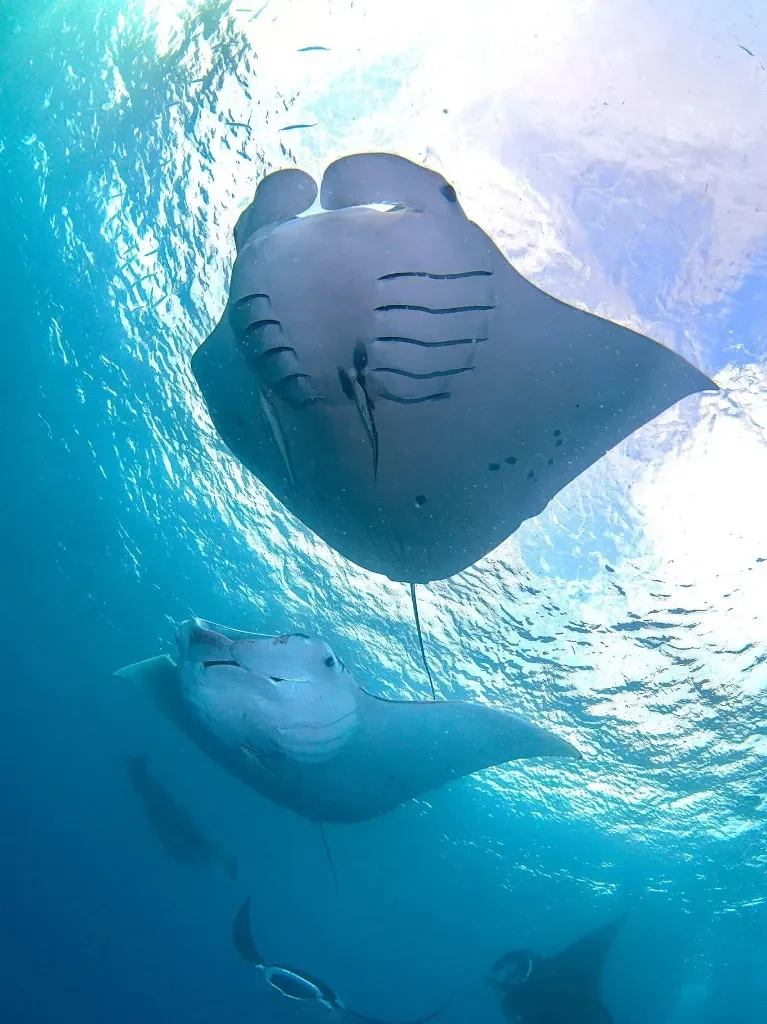
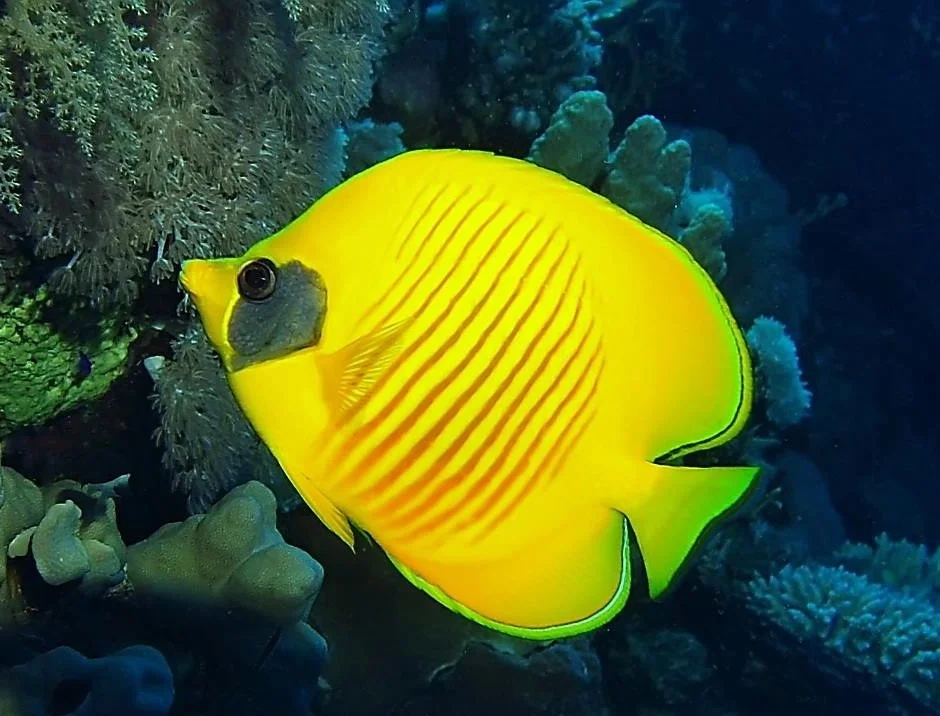
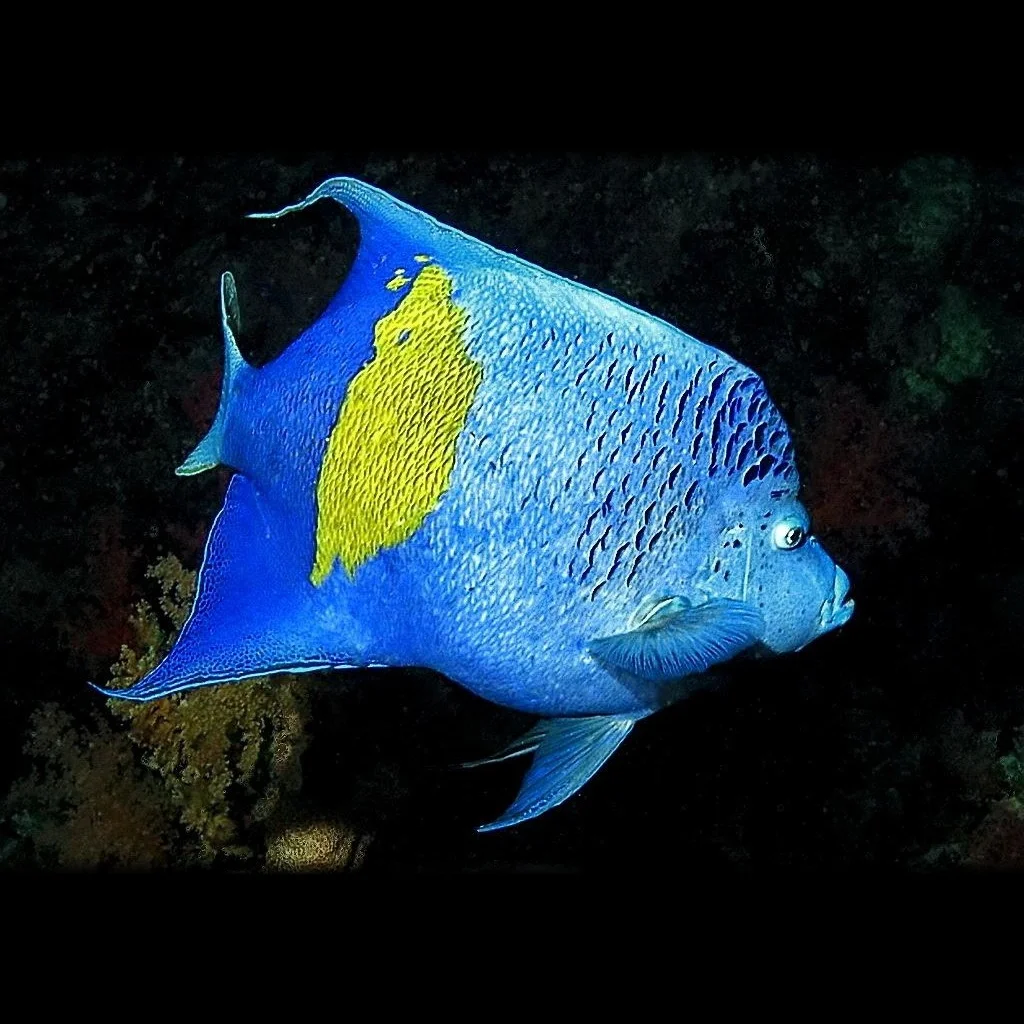
The underwater landscape at Don Juan pulses with diverse marine activity, offering glimpses of both vibrant reef dwellers and impressive pelagic visitors. Divers frequently observe concentrations of rainbow wrasse, razor surgeonfish, black nosed butterflyfish, white-spotted pufferfish, and king angelfish swimming amongst small gorgonians and sponges in reef areas.
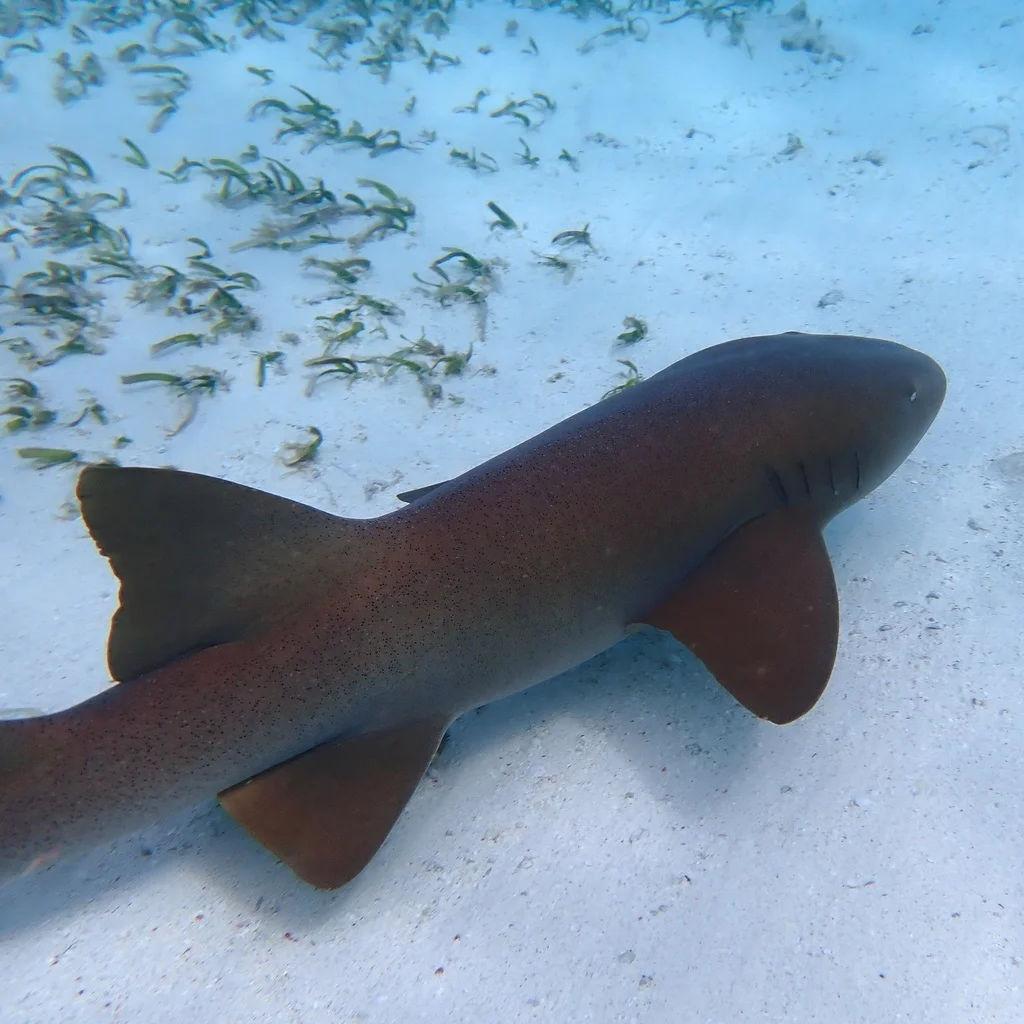
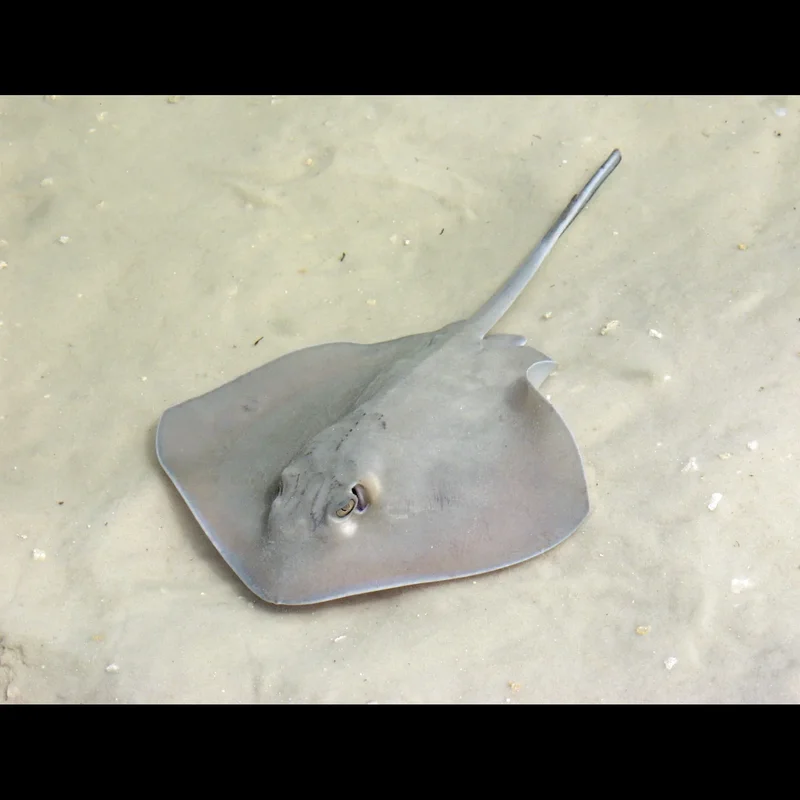
The sandy bottom holds the possibility of encounters with larger species like bull sharks. During safety stops at shallower depths, it's common to witness a lively 'underwater festival' including jackfish, grunt, spadefish, longtail stingrays, and white-tip sharks.
Dive Sites Near Don Juan (Dive Base Coiba)
View all dive sites in PanamaDiscover more underwater gems in this area.
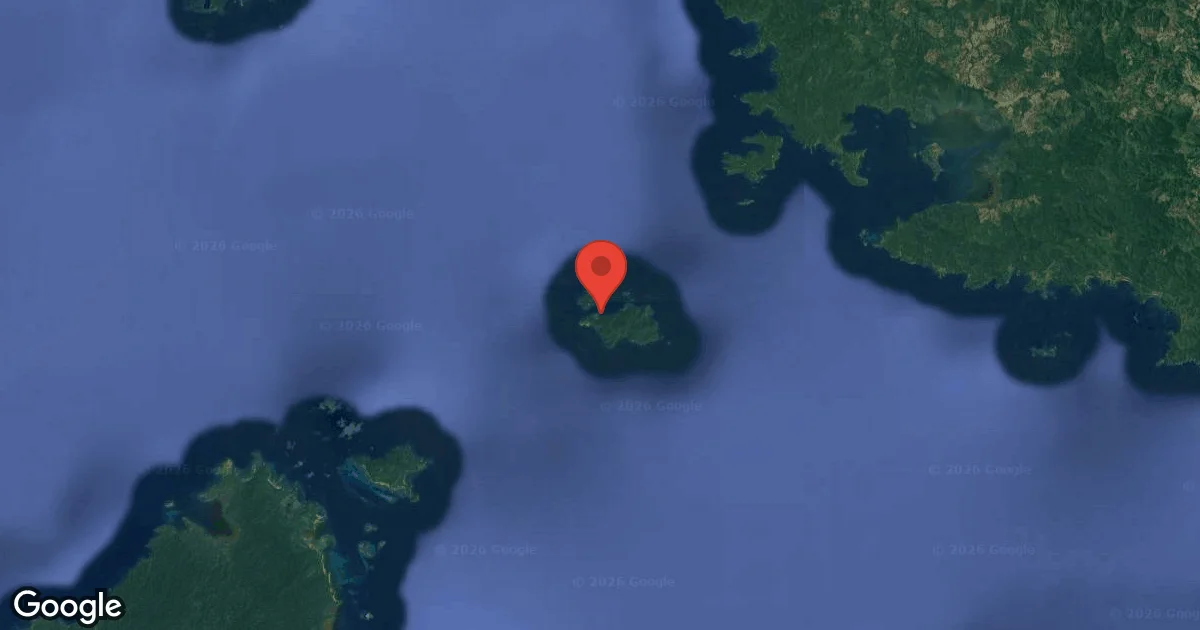
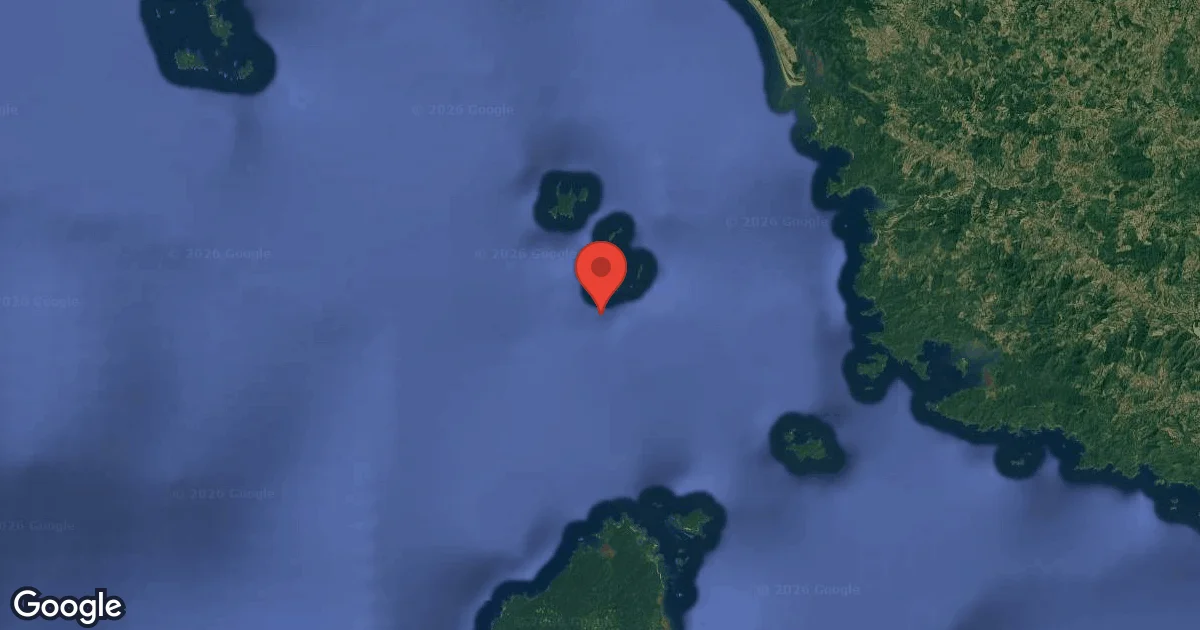
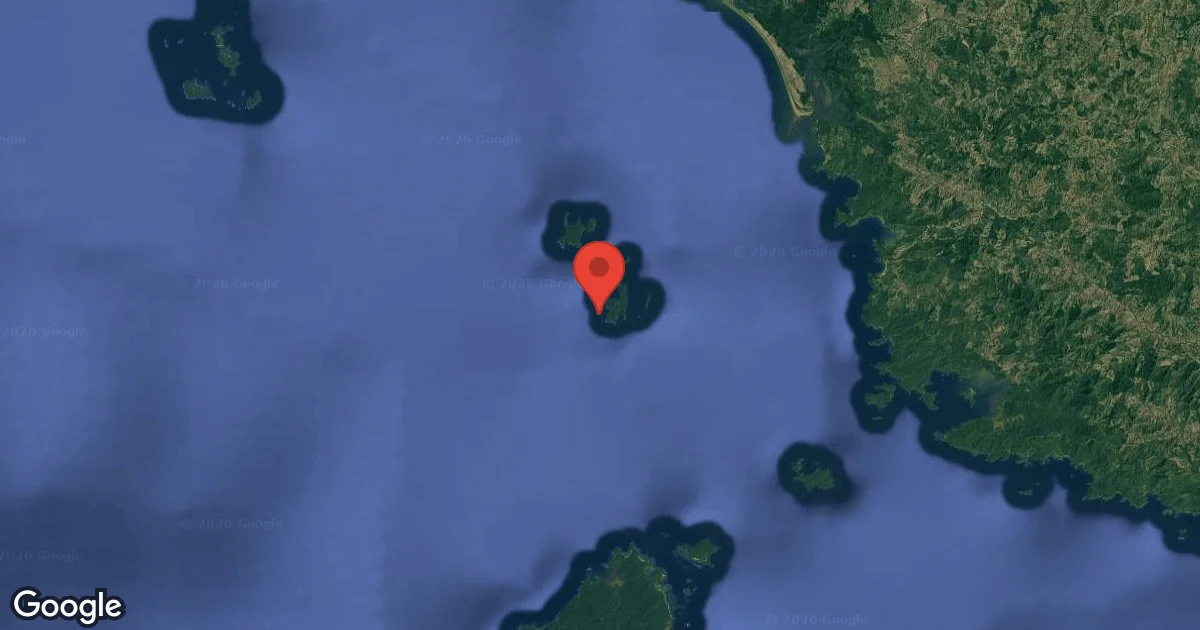
Dive Centers Near Don Juan (Dive Base Coiba)
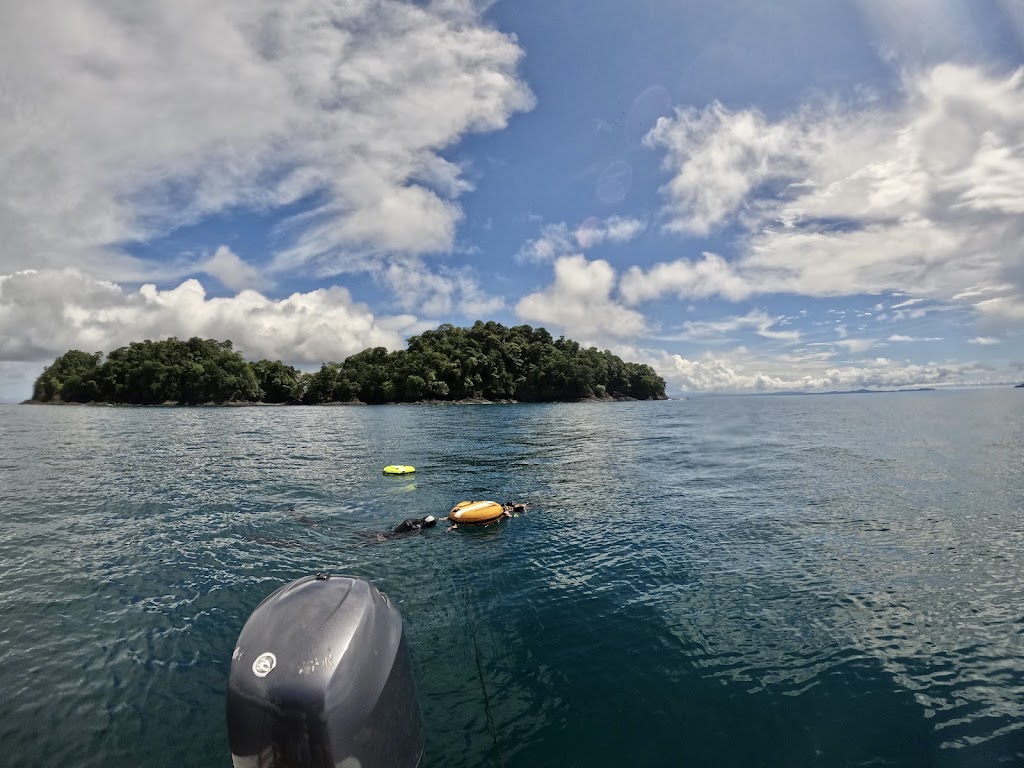
Today: 07:00 - 18:00
Nearest Airports
Nearest airports to help plan travel to this dive area.
Search Flights
Check available flights and routes on Expedia, using the nearby airports listed in this section.
Search Flights on ExpediaFrequently Asked Questions
What kind of marine life can I expect to see?
Divers can expect a mix of reef fish like rainbow wrasse and king angelfish, along with larger pelagic species. White-tip sharks, longtail stingrays, jackfish, grunt, and spadefish are often sighted, with a chance of bull sharks at deeper sandy areas.
Are there strong currents at this dive site?
Yes, Don Juan is located in the Pacific Ocean where currents can be consistent and vary in strength. Divers should be prepared for potential strong currents.
What are the water temperatures like?
Water temperatures at Don Juan are generally warm, typically ranging from 22-27°C (72-81°F). Thermoclines may be present at certain depths.
Is Don Juan suitable for beginners?
This site is best suited for certified divers comfortable with navigating currents and varying visibility.
What's the visibility typically like?
Visibility at Don Juan fluctuates, influenced by local conditions and plankton blooms. While sometimes clear, murkier conditions can occur, especially above thermoclines, which can concentrate marine life.
When is the driest time of year to dive at Don Juan?
The months of January through April and December generally experience lower average rainfall. This period often offers slightly calmer surface conditions and higher air temperatures.
Planning to dive Don Juan (Dive Base Coiba)?
Send one inquiry and receive offers directly from the best verified local dive operators.
Conditions are Good
Optimal conditions expected
Current conditions near Don Juan (Dive Base Coiba) show 28° air, 30° sea temperature, 0.7 m waves, and 17 km/h wind. Forecast data is refreshed regularly to ensure accuracy.