
Diving at Twin Peaks (Panama)
Twin Peaks holds its place in the dive history of Bocas del Toro as a notable offshore pinnacle. This site, emerging from the depths, has long attracted divers seeking a more exposed, oceanic experience within the Panamanian archipelago. Its unique topography reflects the region's volcanic origins, shaping an underwater landscape distinct from the typical fringing reefs.
Tonight's objective overview for Twin Peaks shows an air temperature of 26.5°C. The measured surface conditions include wave heights around 1.1 m. This environmental data is logged for the close of the day.
Dive Site Location & Key Facts
Dive Site Overview
The site's main draw centers on two distinct underwater peaks, rising dramatically from the open ocean floor. These prominent pinnacles, carved by oceanic forces, feature impressive steep walls and a series of ledges that descend into a sandy bottom.
Divers often initiate their descent near the apex of one peak, immediately encountering a vibrant zone where light penetrates, illuminating schooling fish that congregate for shelter against potential currents. As one traces the rugged rock faces, numerous fissures and small caves become apparent, providing ideal hiding spots for various macro invertebrates and smaller reef fish. The topography ensures a varied vertical exploration, moving through different depths and light conditions.
Recreational dives typically explore the upper to mid-sections, ranging up to 30 m (100 ft) along the walls. However, depending on certification and conditions, experienced divers can venture deeper.
Navigating around these formations reveals a shifting landscape, from the coral-encrusted shallower zones to the more sparsely populated deeper sandy flats at the base. This transition zone is often home to different bottom dwellers.
The site’s exposure to the open sea contributes to a dynamic dive experience, where the interplay of currents and structure creates a constantly evolving environment.
Conditions are Good
Optimal conditions expected
Current conditions near Twin Peaks show 26° air, 30° sea temperature, 1.0 m waves, and 17 km/h wind. Forecast data is refreshed regularly to ensure accuracy.
Best Time to Dive
Planning a dive at Twin Peaks during the dry season, from January through April and in December, generally offers the most favorable conditions for visibility. During these months, average rainfall is notably lower, ranging from 2.17 mm in March to 8.86 mm in December, compared to the wetter mid-year periods. Reduced rain contributes to less runoff and subsequently clearer underwater visibility, which is crucial for appreciating the site's extensive topography. Air temperatures during these preferred months consistently hover between 26.5°C and 28°C (79-82°F), making surface intervals comfortable. Although direct water temperature data isn't always available, it typically remains warm in the region during these periods, conducive to longer dives. Wave heights are also generally lower, averaging around 1 meter (3.3 feet), reducing surge and making boat travel more comfortable.
PEAK SEASON SCORE
Scores combine air & water temps, waves, wind & rainfall for overall conditions.
BEST MONTHS TO DIVE
Monthly records compiled from satellite and marine observation nodes over the last 3 years. Data provided by Open-Meteo and MET Norway.
Dive Experience & Conditions
Current dynamics are a significant factor at Twin Peaks, given its exposed ocean location. Divers should anticipate the possibility of moderate to strong currents, which can shift direction and intensity depending on tidal flows and offshore weather patterns. These currents can enhance drift diving experiences, pushing divers along the walls, but also require attentiveness to maintain buoyancy and position. Visibility, though variable, can extend up to 20-30 m (65-100 ft) on calm days, particularly outside the rainy season. However, localized plankton blooms or recent heavy rainfall might temporarily reduce it. Water temperatures in the Bocas del Toro region are generally warm, offering comfortable diving conditions, though not consistently reported for this specific site.
Dive Difficulty & Safety Guidelines
Ocean diving at Twin Peaks necessitates careful planning and adherence to safety protocols. Given the potential for currents, divers should carry a surface marker buoy (SMB) and know how to deploy it in case of separation or drift. Maintaining proper buoyancy control is essential, especially when exploring the site's walls and ledges, to avoid accidental deeper excursions or contact with the delicate marine environment.
Always dive with a buddy and conduct thorough pre-dive checks of all equipment. It's also advisable to monitor your no-decompression limits carefully, especially on deeper segments of the dive. Staying aware of your dive profile and ascent rates helps ensure a safe return to the surface.
Recommended Equipment
- Dive Computer
This gear list is based on verified equipment signals for Twin Peaks, Panama. Always confirm final gear choices with your dive operator, guide, or liveaboard.
Recommended Dive Suit
Repeated dives during the same day can gradually reduce overall body warmth.
The water around Twin Peaks is currently holding at approximately 30°C (87°F), setting the tone for today's dives. Surface air temperatures are resting at 26°C (79°F). Divers spending extended time underwater often rely on dive skin or rash guard for balanced warmth and flexibility.
The forecast outlook suggests that temperatures will stay close to current levels.
Due to technical issues with our weather providers, live updates are temporarily delayed. The data above reflects the conditions at the time of the last successful fetch.
Emergency & Medical Support
Essential information to help you plan your dive trip to Twin Peaks.

Hyperbaric chambers are a critical part of dive safety infrastructure. Availability varies significantly by region, and not all dive areas have immediate access.
Before diving, it's recommended to:
- confirm nearest medical facilities
- check emergency procedures with local dive operators
- ensure dive insurance covers evacuation if required
Divers Alert Network
Diving emergency assistance available through DAN World.
+1-919-684-9111- 24/7 emergency hotline
- Diving medical assistance
- Evacuation coordination
Emergency contacts are provided for reference. Always verify local emergency services before diving.
Marine Life at Twin Peaks
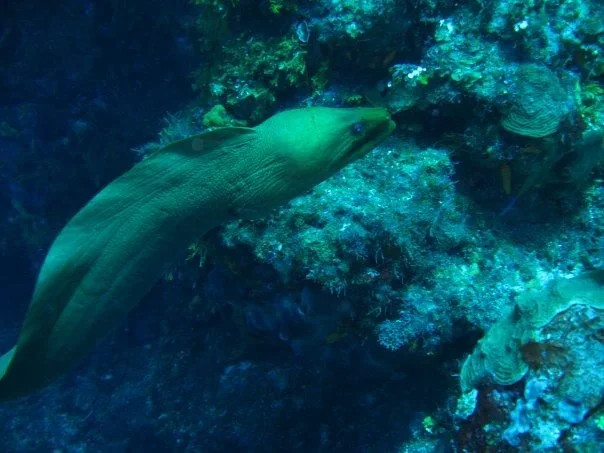
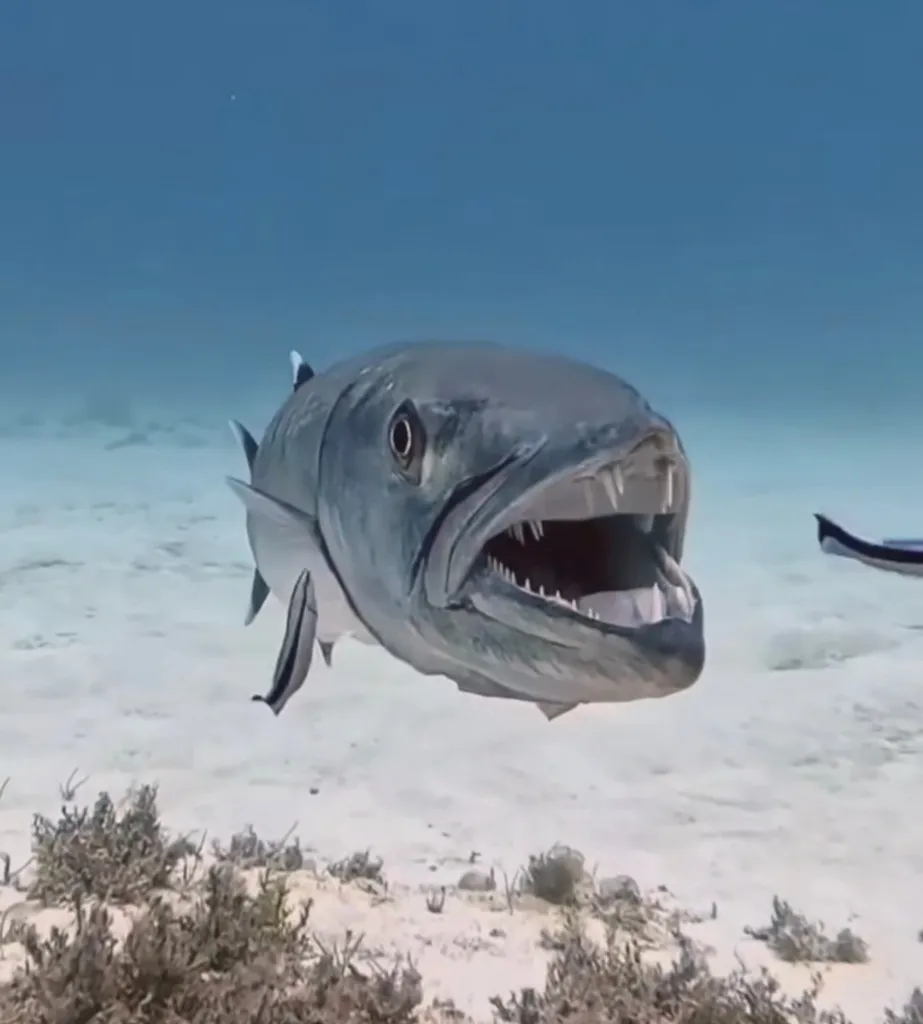
Observing the marine life around Twin Peaks reveals a diverse array of species commonly found on Caribbean pinnacles. Divers often notice various schooling fish congregating around the rocky structures, providing a dynamic backdrop to the reef.
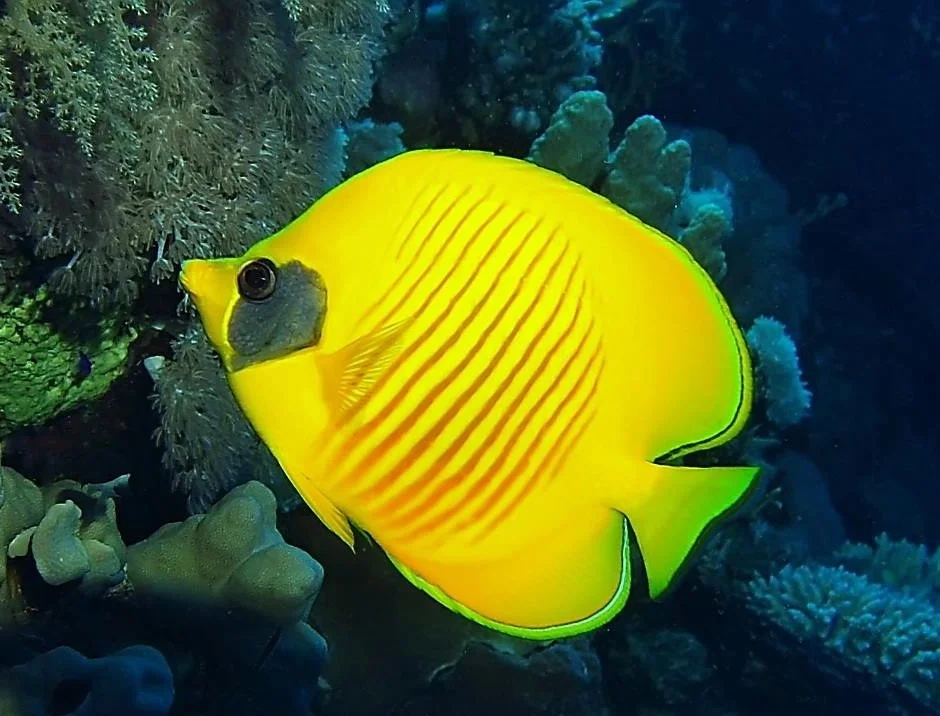
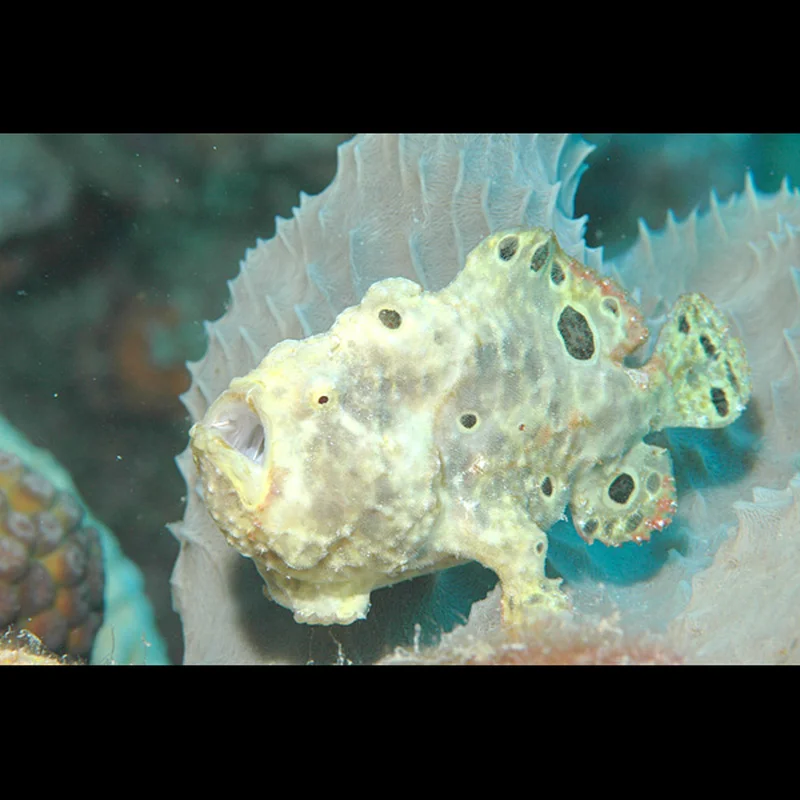
The crevices and rocky dens are good places to spot toadfish, which are known for their camouflaged appearance. Colorful butterflyfish can be seen foraging along the reef, while delicate feather worms extend their plumes from coral formations.
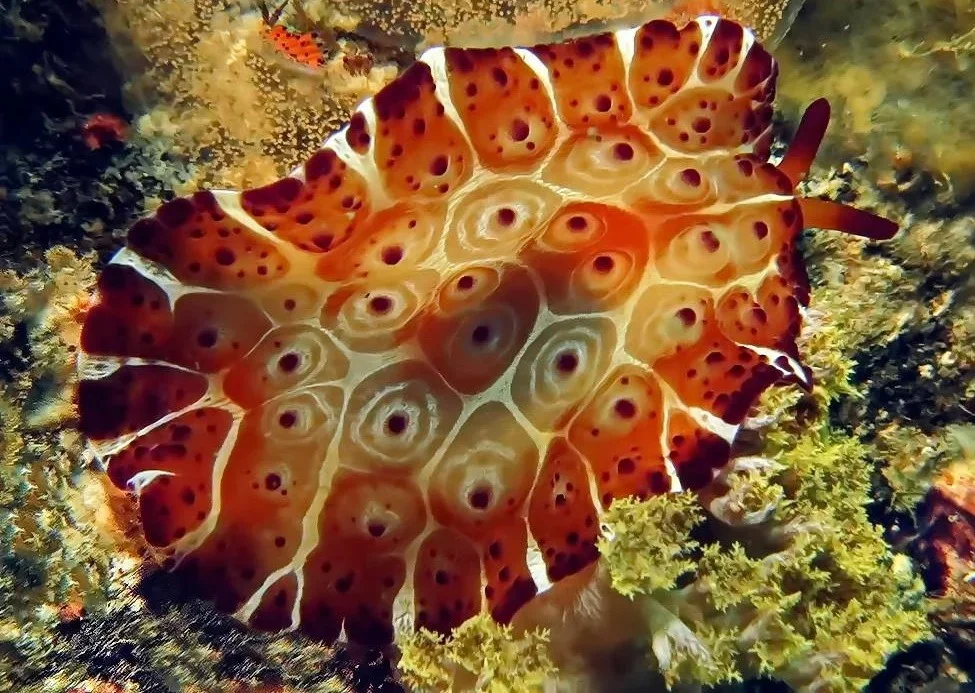
Occasionally, sightings of invasive lionfish are reported in the broader Bocas del Toro area, highlighting the need for local conservation awareness. Look closely at the intricate corals for the vibrant lettuce sea slug, displaying its ruffled mantle in shades of blue, pink, or green.
Dive Sites Near Twin Peaks
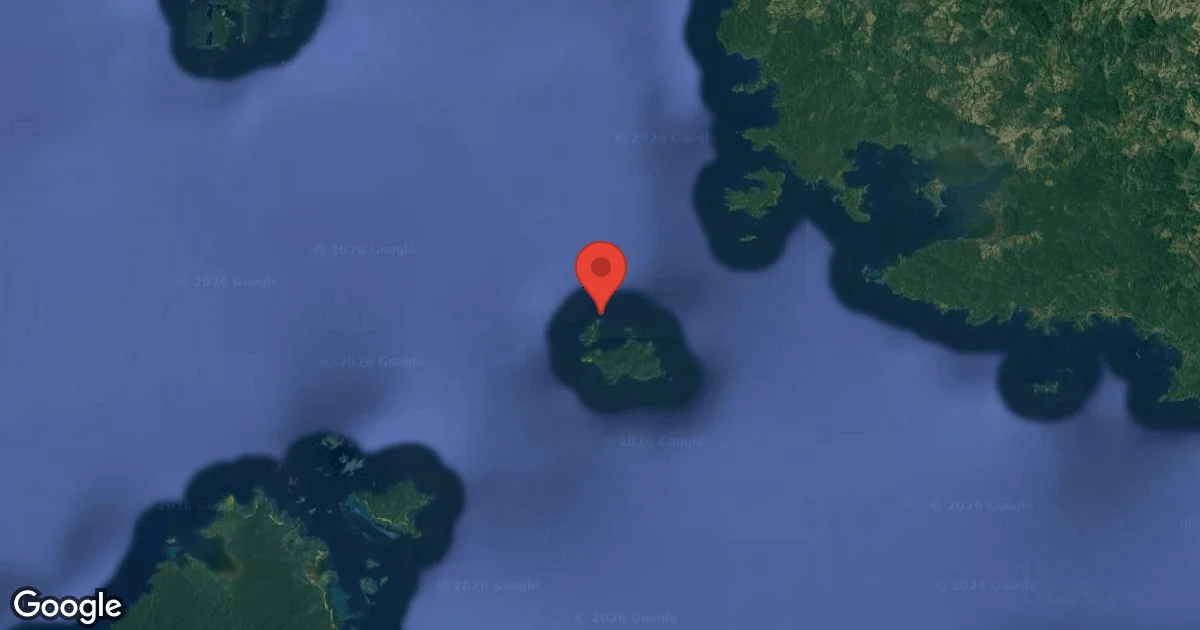
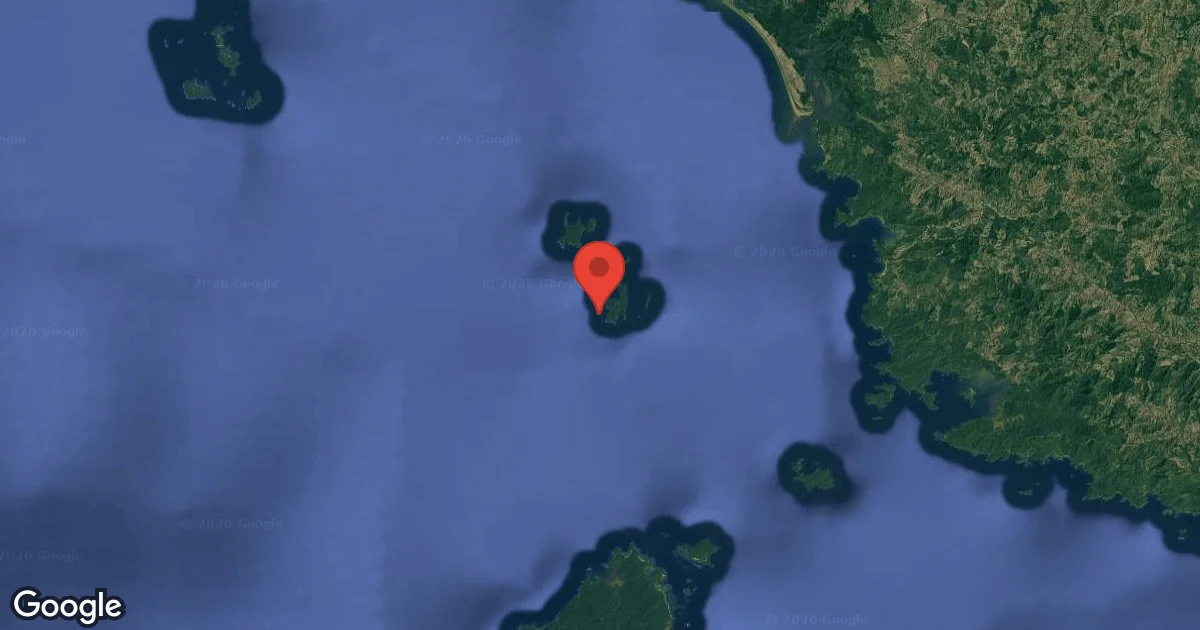
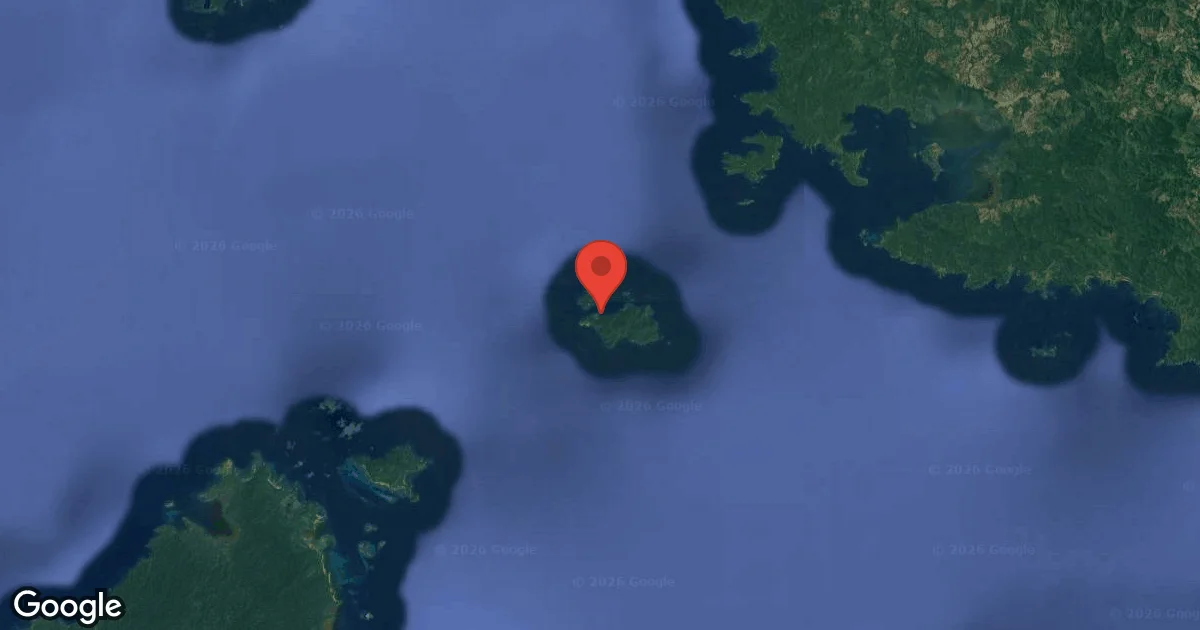
View all dive sites in PanamaDiscover more underwater gems in this area.
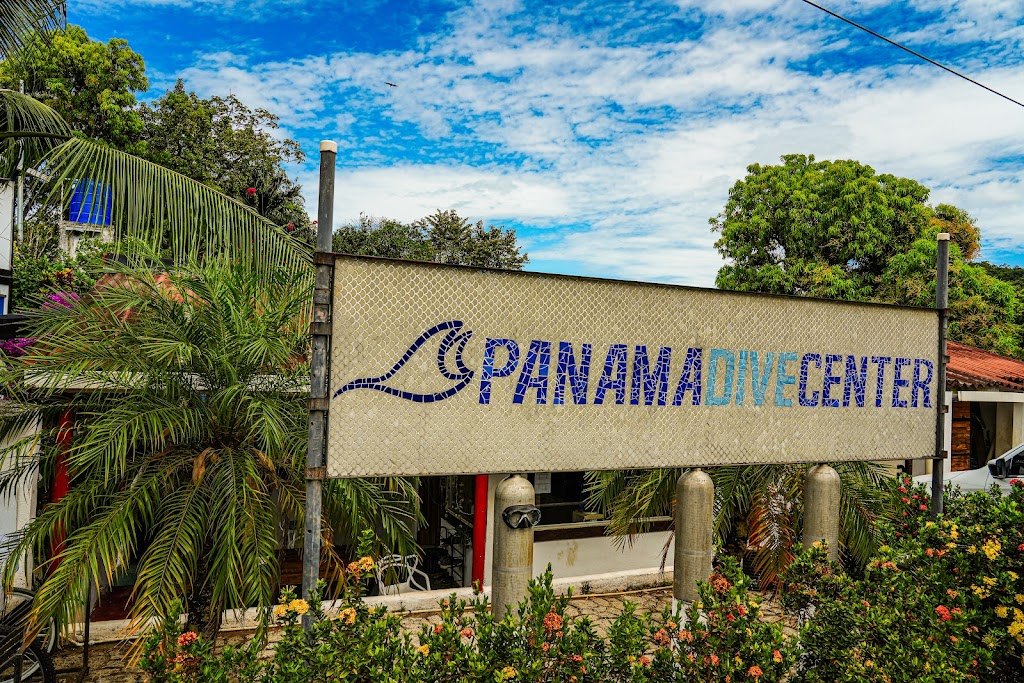
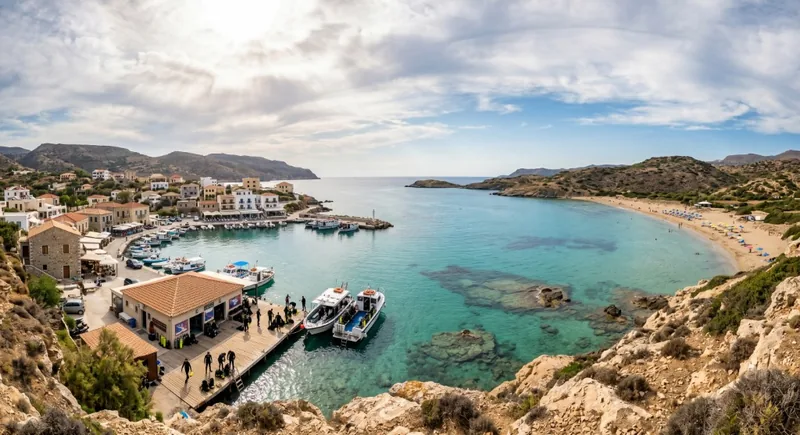
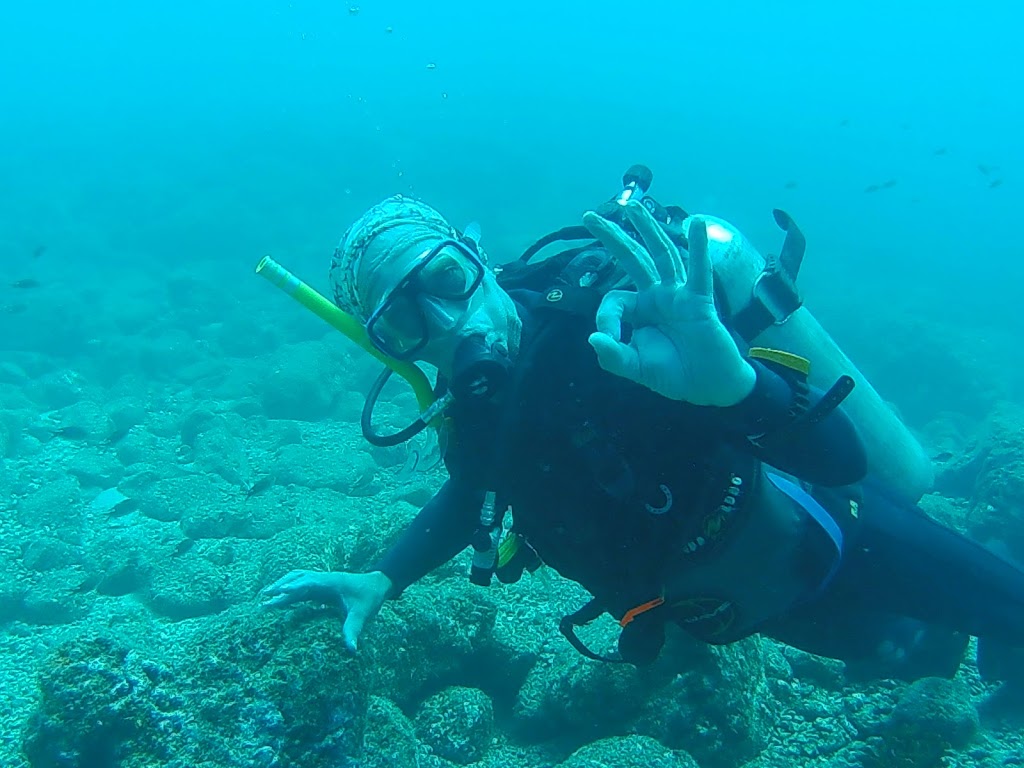
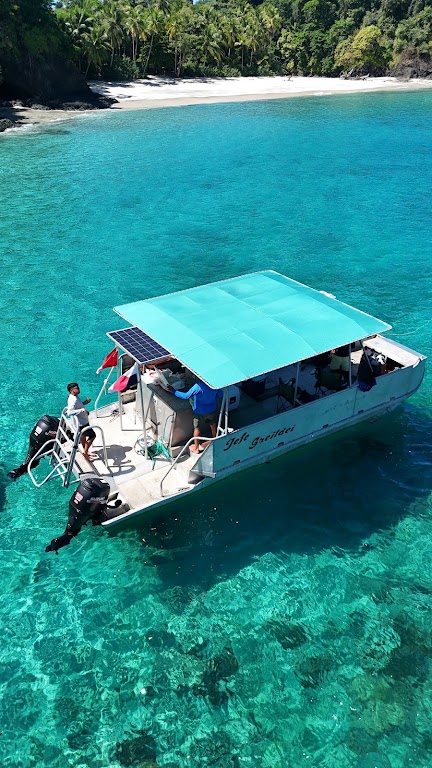
Dive Centers Near Twin Peaks
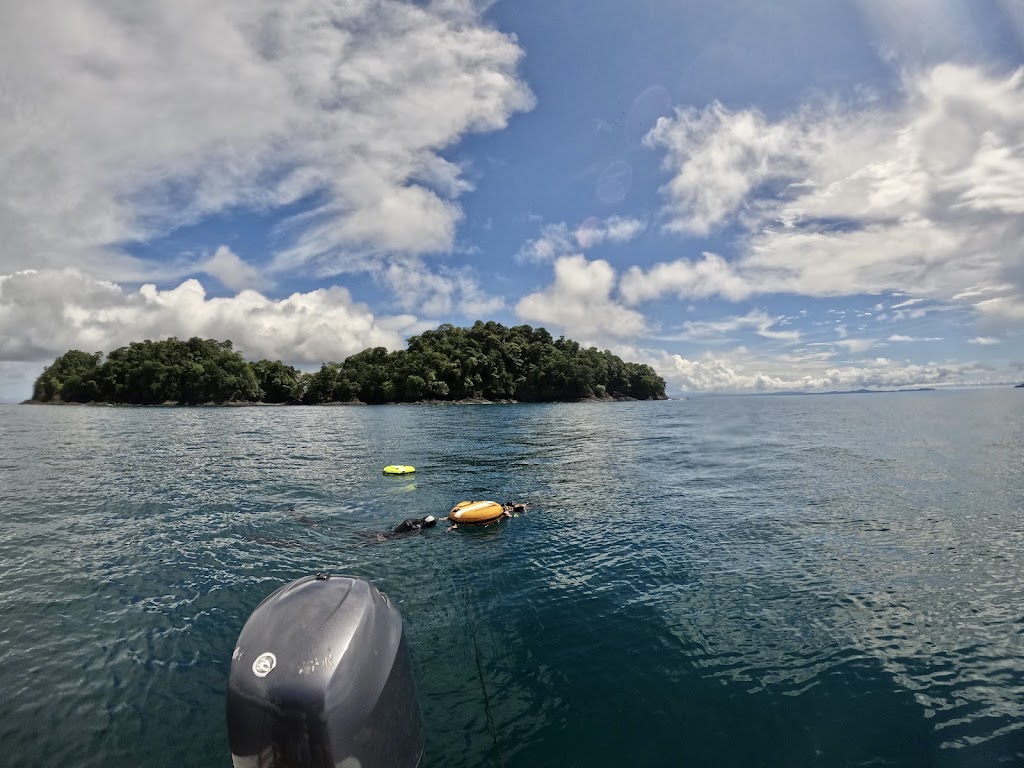
Today: 07:00 - 18:00
Nearest Airports
Nearest airports to help plan travel to this dive area.
Search Flights
Check available flights and routes on Expedia, using the nearby airports listed in this section.
Search Flights on ExpediaFrequently Asked Questions
What is the typical depth range for diving Twin Peaks?
Diving at Twin Peaks usually involves exploring depths ranging up to 30 m (100 ft) along its walls and ledges. Specific depths depend on your certification level and the chosen dive plan, as it's a site with varied topography.
Are there strong currents at Twin Peaks?
Yes, Twin Peaks is an exposed ocean site, so divers should be prepared for moderate to potentially strong currents. These can change with tides and weather, requiring good buoyancy control and dive planning.
When is the best time to visit for optimal dive conditions?
The ideal time for diving Twin Peaks is during the dry season, from January to April and in December. These months generally offer clearer visibility and calmer surface conditions due to less rainfall and lower wave heights.
What kind of underwater topography can I expect?
The site features two prominent underwater pinnacles with steep walls and ledges. These structures descend to a sandy bottom, providing diverse environments for marine life.
What marine life is commonly seen at Twin Peaks?
Common sightings include schooling fish, camouflaged toadfish in rocky crevices, and vibrant butterflyfish. Divers might also spot feather worms and, with keen eyes, the colorful lettuce sea slug among the corals.
What are the essential safety considerations for diving Twin Peaks?
Due to potential currents and deeper sections, carrying a surface marker buoy (SMB) and maintaining excellent buoyancy control are crucial. Always dive with a buddy, monitor your bottom time, and adhere to responsible diving practices.
Planning to dive Twin Peaks?
Send one inquiry and receive offers directly from the best verified local dive operators.
Conditions are Good
Optimal conditions expected
Current conditions near Twin Peaks show 26° air, 30° sea temperature, 1.0 m waves, and 17 km/h wind. Forecast data is refreshed regularly to ensure accuracy.