
Diving at MV New Marine (Papua New Guinea)
For certified divers with experience in variable conditions, MV New Marine offers an engaging wreck dive within Papua New Guinea's vibrant waters. The site caters to those comfortable with potential drift, exploring structures that have become artificial reefs. It's a prime target for divers seeking a blend of historical exploration and rich marine encounters, particularly with an interest in macro life on diverse substrates.
Tonight's objective overview for MV New Marine shows an air temperature of 24.5°C. The measured surface conditions include wave heights around 2.1 m. This environmental data is logged for the close of the day.
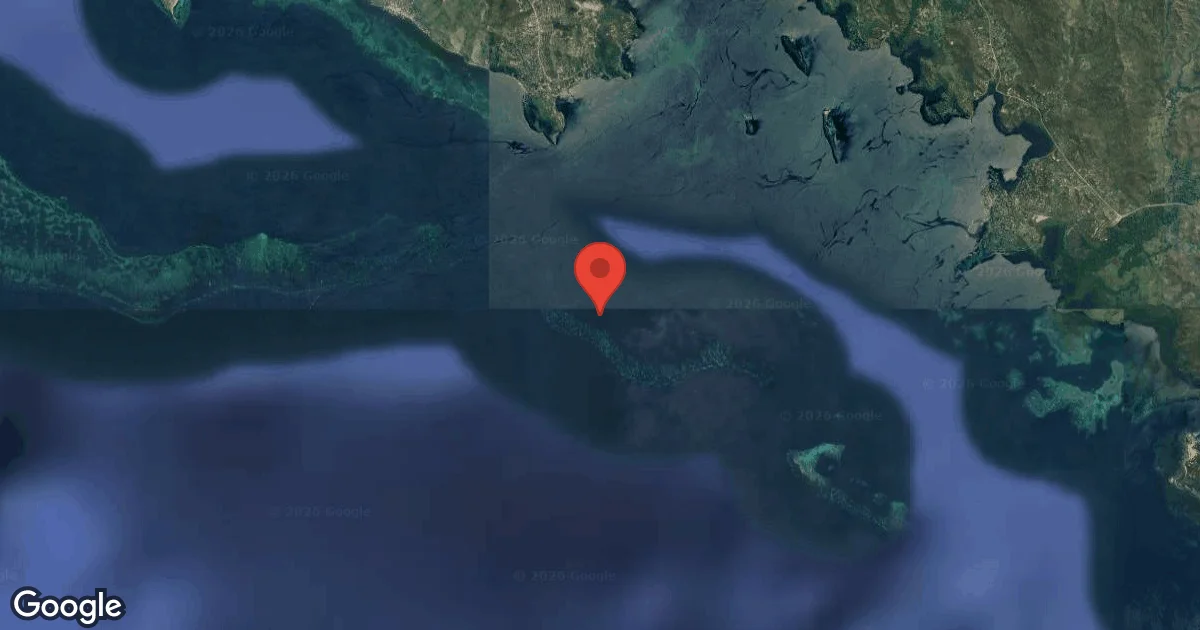
Dive Site Location & Key Facts
Dive Site Overview
Diving in Papua New Guinea often means connecting with significant historical elements, as many wrecks in the region are remnants from World War II. While specific details on the MV New Marine's history are not consistently reported, the broader area is recognized for its numerous submerged vessels, each transforming into a dynamic marine habitat.
This dive site blends the intrigue of a wreck exploration with the biodiversity of a healthy reef system, complemented by opportunities for drift and muck diving. Divers frequently encounter currents that can enhance the drift experience, carrying them past the wreck and associated reef structures. The site likely presents varying topography, encompassing both the wreck's integrity and surrounding areas known for supporting a wide array of critters.
It's an environment that encourages careful observation, revealing macro life against a backdrop of the Coral Triangle's abundant species.
Conditions are Poor
High Swell Advisory. Not recommended.
Current conditions near MV New Marine show 24° air, 25° sea temperature, 2.6 m waves, and 59 km/h wind. Forecast data is refreshed regularly to ensure accuracy.
Best Time to Dive
Optimal diving conditions in the MV New Marine region typically occur when wave heights are lower and wind speeds are milder, generally from December through April, and again in June and July. During these periods, monthly average air temperatures range between 27-27.5°C / 81-82°F, offering comfortable surface intervals. Rain levels are also notably lower from June to September, averaging 2-3 mm, contributing to more consistent underwater visibility. While May, August, and September may see moderate dive scores due to increased wave height, conditions can still be favorable, with October and November often presenting a return to 'Good' scores, indicating a broader window of opportunity for exploration.
PEAK SEASON SCORE
Scores combine air & water temps, waves, wind & rainfall for overall conditions.
BEST MONTHS TO DIVE
Monthly records compiled from satellite and marine observation nodes over the last 3 years. Data provided by Open-Meteo and MET Norway.
Dive Experience & Conditions
Divers exploring this site can expect water temperatures consistent with tropical climates, generally ranging from 26-29°C / 79-84°F, though specific readings are not consistently reported. Visibility varies depending on current dynamics and recent weather, but is often excellent, characteristic of the Coral Triangle. The site features dynamic current patterns that support drift diving, requiring good buoyancy control and an understanding of prevailing water movements. As a wreck site, it likely presents opportunities for exploration at various depths, potentially descending to 30 m / 100 ft or more. Surrounding areas are noted for vibrant reef structures and expansive muck zones, where careful searching reveals an abundance of unique critters. These conditions demand attentive diving practices and readiness for diverse underwater environments.
Dive Difficulty & Safety Guidelines
Diving the MV New Marine requires adherence to standard safe diving practices, with an emphasis on appropriate certification for wreck and drift diving. Given the potential for currents, maintaining good buoyancy control and staying alert to your surroundings is crucial. Always dive with a reliable buddy and carry a surface marker buoy (SMB) for safety, especially if drift diving is involved.
Respect all marine life; avoid touching corals or disturbing the wreck structure. Be mindful of potential entanglement hazards on the wreck itself.
Local dive operators will provide essential briefings on site-specific conditions and protocols, ensuring a safe and enjoyable experience.
Recommended Equipment
Overhead / entanglement risk. Wreck penetration requires proper training.
Current and surface separation risk. Local briefing strongly recommended.
- Dive Computer
- DSMB
- Primary & Backup Lights
- Wreck Reel
- Reel / Spool
- Cutting Tool
This gear list is based on verified equipment signals for MV New Marine, Papua New Guinea. Always confirm final gear choices with your dive operator, guide, or liveaboard.
Recommended Dive Suit
According to recent observations, water temperatures near MV New Marine are approximately 25°C (77°F). Surface air temperatures are resting at 24°C (76°F).
Forecast models indicate that diving conditions should remain largely unchanged.
In water temperatures like these, 3mm wetsuit typically offers sufficient warmth for most recreational dives. Strong winds are present; please take strong precautions against rapid cooling during surface intervals. Some divers naturally tolerate cooler water better than others. Stronger winds may also make surface intervals feel cooler than usual.
Emergency & Medical Support
Essential information to help you plan your dive trip to MV New Marine.

Hyperbaric chambers are a critical part of dive safety infrastructure. Availability varies significantly by region, and not all dive areas have immediate access.
Before diving, it's recommended to:
- confirm nearest medical facilities
- check emergency procedures with local dive operators
- ensure dive insurance covers evacuation if required
Divers Alert Network
Diving emergency assistance available through DAN World.
+1-919-684-9111- 24/7 emergency hotline
- Diving medical assistance
- Evacuation coordination
Emergency contacts are provided for reference. Always verify local emergency services before diving.
Marine Life at MV New Marine
Marine biodiversity thrives at the MV New Marine site, part of the Coral Triangle's rich ecosystem. It functions as an artificial reef, drawing in a wide variety of tropical fish, crustaceans, and invertebrates.
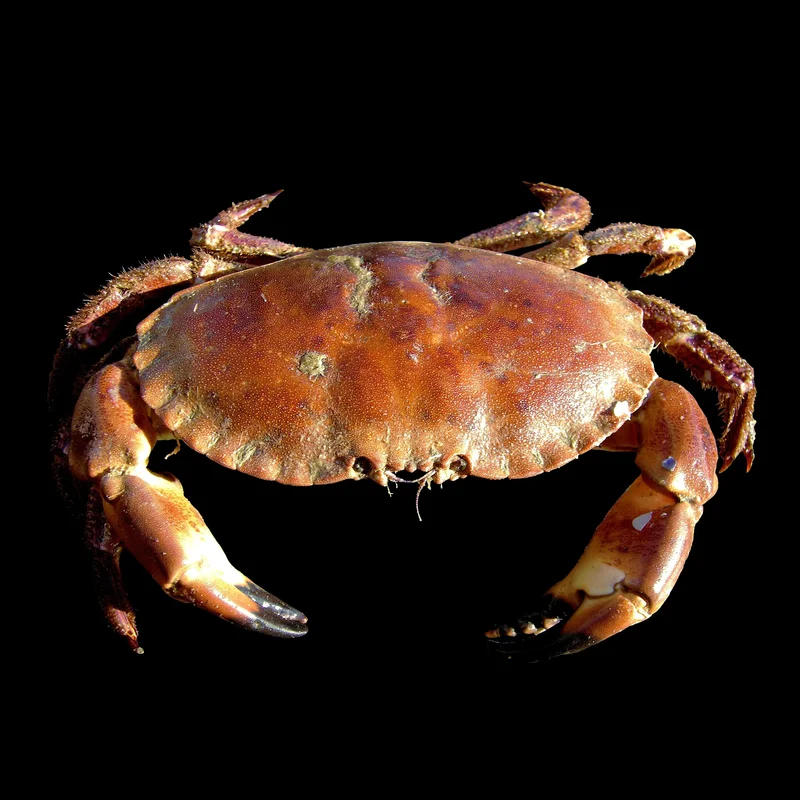
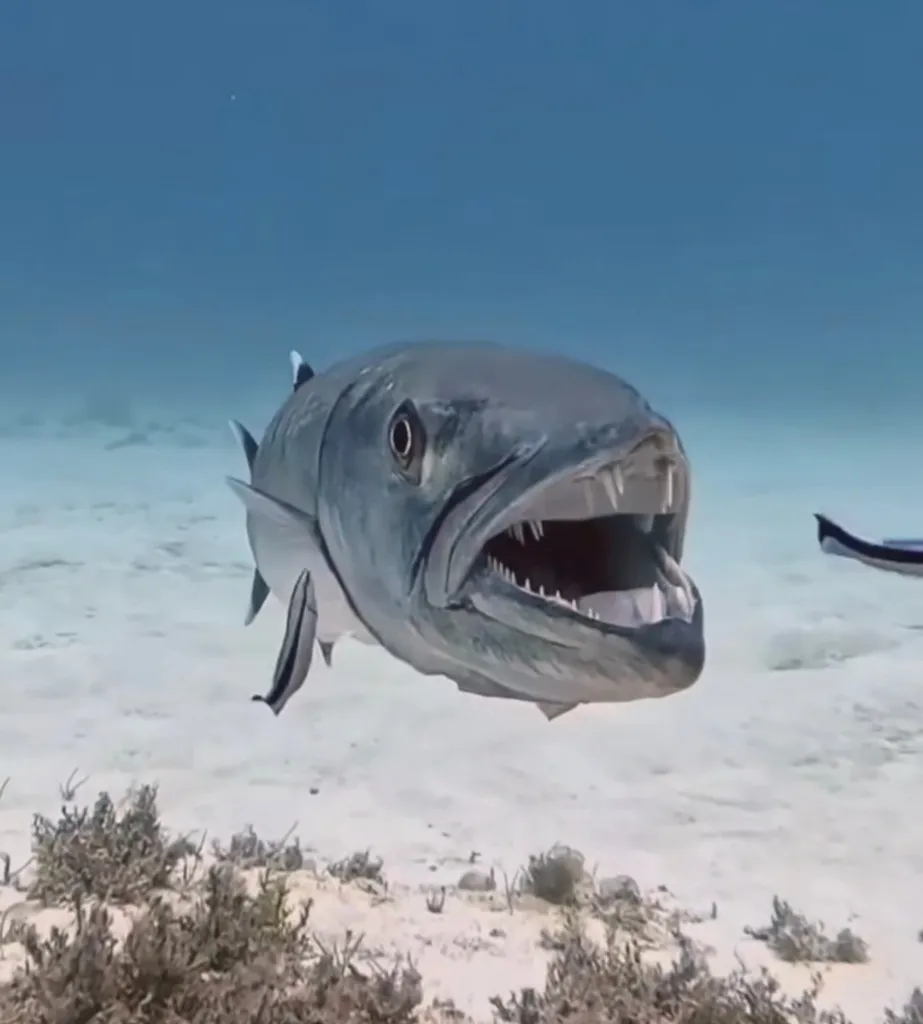
Divers frequently spot schools of barracuda, tuna, and jacks. The site's varied habitats, encompassing both reef and muck areas, are prime for observing pelagic species such as hammerheads and silvertip sharks, alongside an impressive array of macro life.
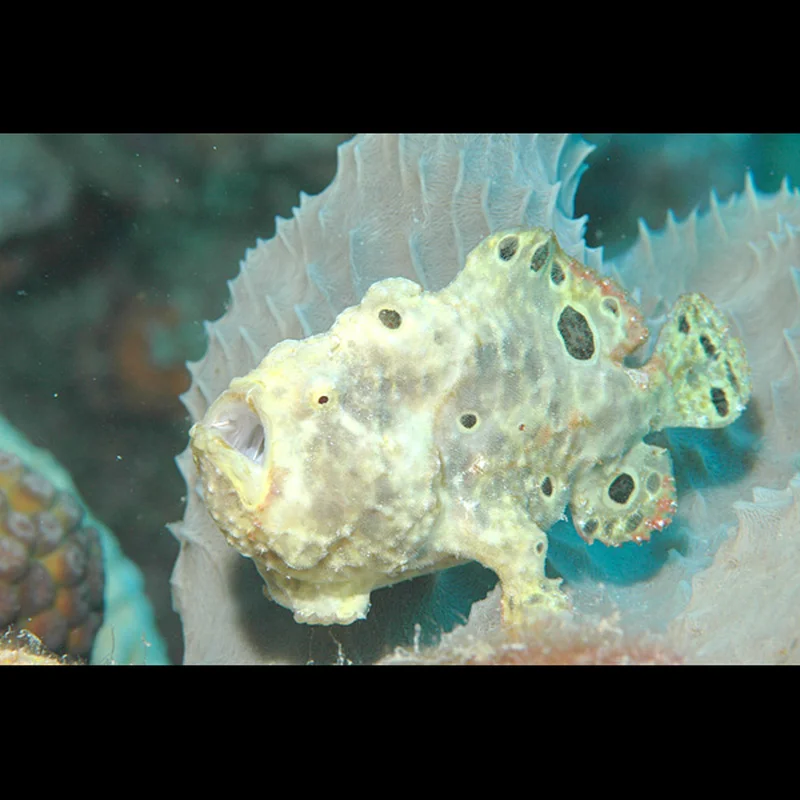
Search for frogfish, harlequin ghost pipefish, bumblebee shrimp, and boxer crabs hidden among the coral and sandy bottoms.

Dive Sites Near MV New Marine
View all dive sites in Papua New GuineaDiscover more underwater gems in this area.
Dive Centers Near MV New Marine
No Dive Centers Local To MV New Marine
Are you a dive center visiting this location? Get listed to reach divers.
Nearest Airports
Nearest airports to help plan travel to this dive area.
Search Flights
Check available flights and routes on Expedia, using the nearby airports listed in this section.
Search Flights on ExpediaFrequently Asked Questions
What skill level is required for diving MV New Marine?
This site is best suited for certified divers comfortable with wreck and drift diving. Good buoyancy control is essential, especially given the potential for variable currents. Some experience with tropical diving conditions is beneficial.
What marine life can I expect to see at MV New Marine?
As part of the Coral Triangle, the site boasts extensive biodiversity. Expect to encounter reef fish, various crustaceans, and invertebrates. Pelagic species like sharks and schooling fish are common, alongside unique macro critters such as frogfish and ghost pipefish.
Are there strong currents at the MV New Marine dive site?
Currents can be present and may vary in strength, often facilitating drift diving experiences. Local operators will provide current assessments specific to the day's conditions, and divers should be prepared for potential movement.
What is the typical water temperature?
Water temperatures in this region are generally warm, often ranging from 26-29°C / 79-84°F. While specific readings for MV New Marine are not consistently reported, tropical exposure protection is typically adequate.
Is MV New Marine part of a historical wreck site?
Papua New Guinea has numerous historical wrecks, many from WWII. While specific historical data for the MV New Marine is not widely reported, it contributes to the region's rich underwater historical landscape and serves as a significant artificial reef.
Can I do muck diving near MV New Marine?
Yes, the area around MV New Marine, consistent with broader Milne Bay diving, offers opportunities for muck diving. This means divers can expect to find a wealth of macro marine life in sandy or silty bottom areas adjacent to the main wreck and reef structures.
Planning to dive MV New Marine?
Send one inquiry and receive offers directly from the best verified local dive operators.
Conditions are Poor
High Swell Advisory. Not recommended.
Current conditions near MV New Marine show 24° air, 25° sea temperature, 2.6 m waves, and 59 km/h wind. Forecast data is refreshed regularly to ensure accuracy.