
Diving at Chocolate Island, Malapascua (Philippines)
For divers seeking an immersive macro photography experience, Chocolate Island delivers a treasure trove of tiny wonders. This site, easily accessible from Malapascua, promises an exciting exploration of vibrant, small-scale marine life. It's an ideal spot to refine your spotting skills and capture incredible close-up shots within its shallower, healthy reef habitat.
Evening condition tracking at Chocolate Island, Malapascua features an air temperature of 28°C. We have recorded wave heights measuring 0.1 m during this period. These figures outline the environmental parameters currently present.
Dive Site Location & Key Facts
Dive Site Overview
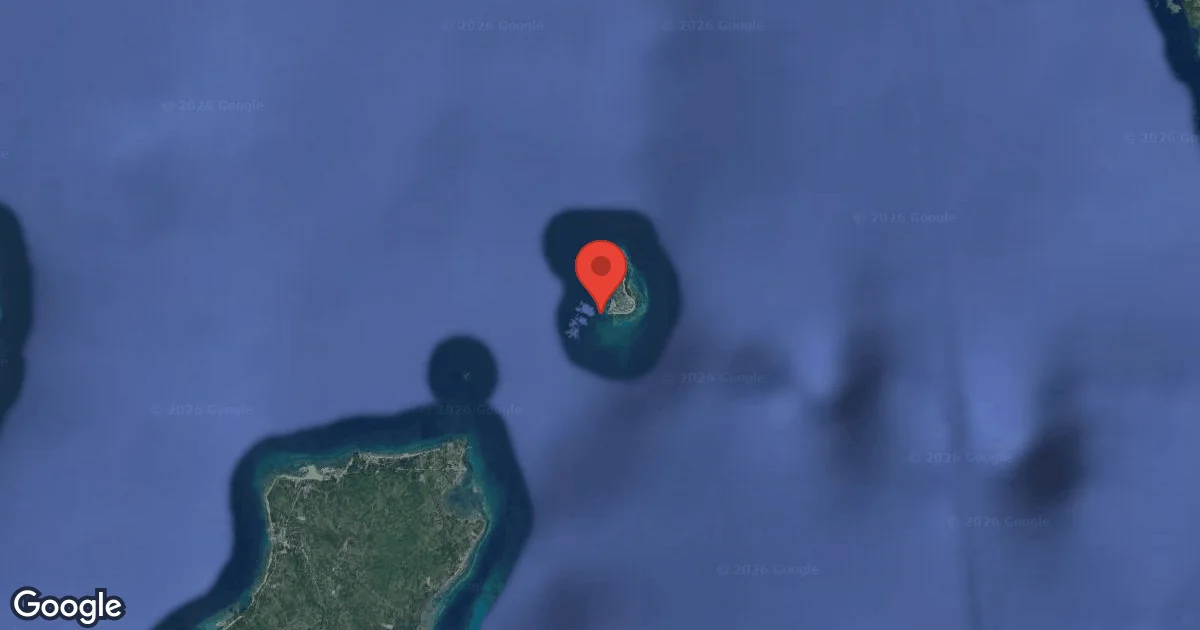
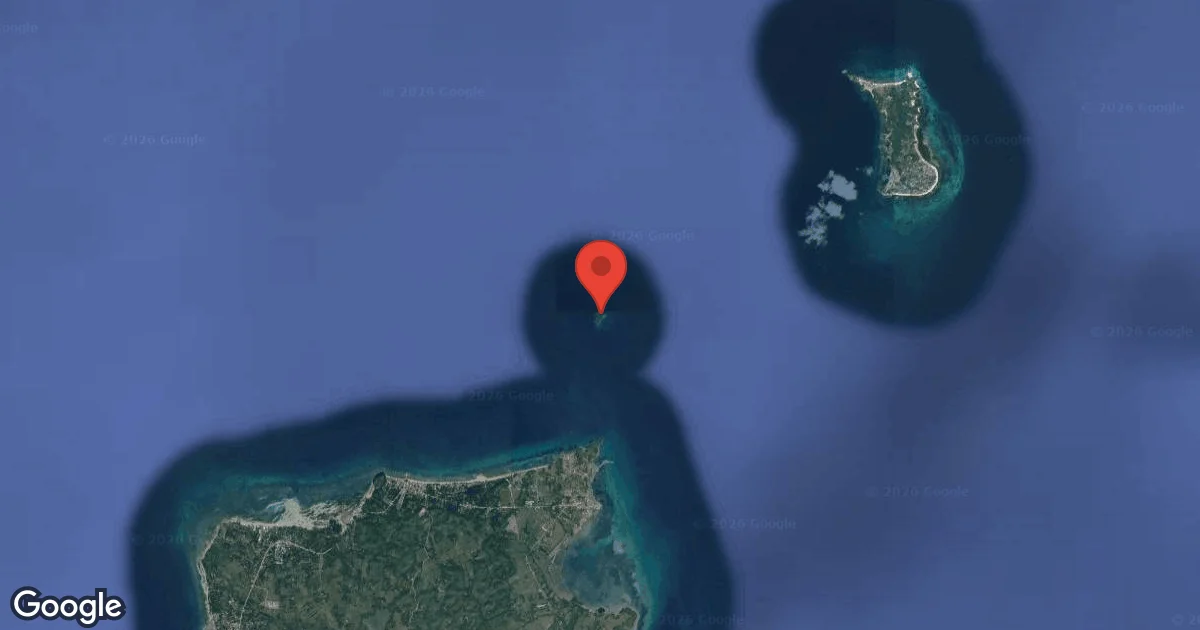
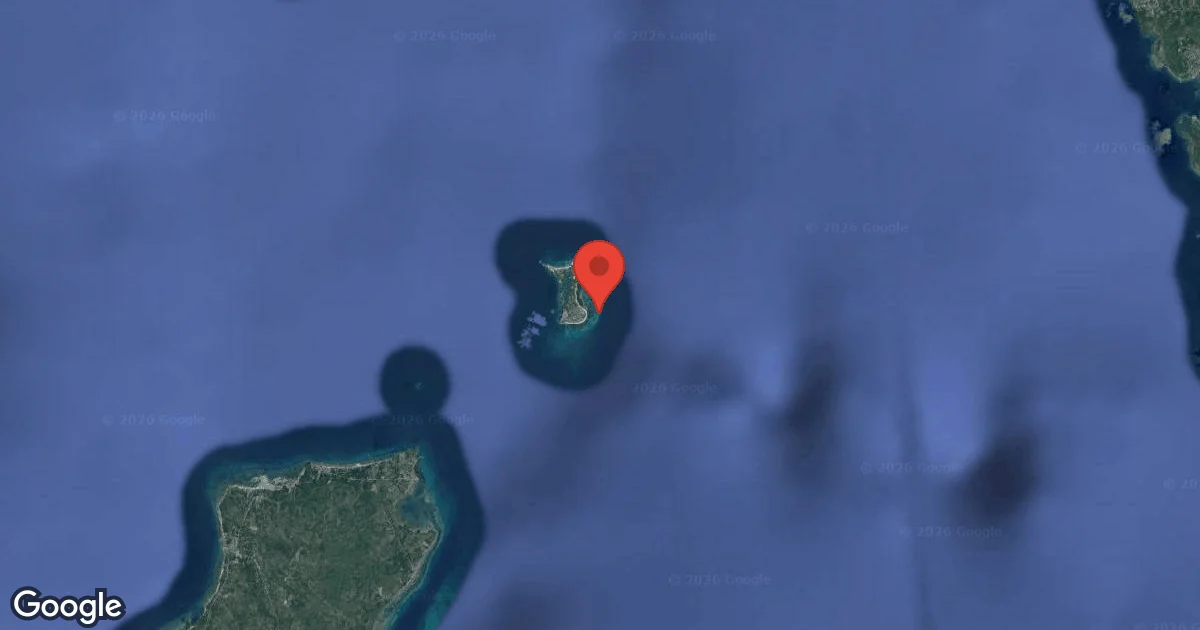
Emerging from the water as little more than a rocky outcrop, Chocolate Island is a shallow reef dive known for its abundant macro life. Located approximately 30 minutes south of Malapascua, its walls gently slope down to a maximum depth of 18-20 m (59-66 ft).
This makes it an accessible dive site for a wide range of experience levels, from Open Water certified individuals to more advanced enthusiasts. Healthy soft coral blankets much of the seabed, creating a rich environment that supports a diverse array of smaller creatures. Predominantly a sloping hard and soft coral garden, the reef offers numerous nooks and crannies that serve as ideal hiding spots for many critters.
While primarily a macro site, and its intricate details demand attention, it's not uncommon for occasional larger pelagics to pass through the wider Malapascua area. Nevertheless, at Chocolate Island itself, the primary focus remains on observing and photographing its smaller inhabitants.
Boat entry is typical for this dive, allowing flexible access to various sections of the sloping reef and its rich benthic ecosystem.
Conditions are Good
Optimal conditions expected
Current conditions near Chocolate Island, Malapascua show 28° air, 30° sea temperature, 0.3 m waves, and 29 km/h wind. Forecast data is refreshed regularly to ensure accuracy.
Best Time to Dive
Optimal diving conditions at Chocolate Island generally prevail from March through September, when dive scores consistently rate as 'Excellent'. During these months, air temperatures are comfortably warm, averaging between 27.5°C and 29°C. Rainfall is also notably lower, especially from March to May, which can contribute to better underwater visibility and more pleasant surface intervals. While the months of October through February are still considered 'Good' for diving, characterized by average air temperatures ranging from 27°C to 27.5°C, there's a slight increase in wind speed and wave height, potentially affecting boat comfort on the way to the site. Water temperatures are not consistently reported but generally fall within typical tropical ranges, making a wetsuit a common choice year-round.
PEAK SEASON SCORE
Scores combine air & water temps, waves, wind & rainfall for overall conditions.
BEST MONTHS TO DIVE
Monthly records compiled from satellite and marine observation nodes over the last 3 years. Data provided by Open-Meteo and MET Norway.
Dive Experience & Conditions
Upon entering the salt water by boat, divers descend onto a vibrant reef that gently slopes down to its maximum depth. Navigating the reef, divers will find themselves exploring an environment rich with soft corals and rocky formations, providing ample hiding spots for various marine species. Depths hover comfortably within recreational limits, primarily ranging from the shallowest sections near the island to the maximum depth of 18-20 m (59-66 ft). Currents at Chocolate Island could be strong at times, necessitating attentive diving and potentially a drift dive approach depending on daily conditions. Visibility typically ranges from good to excellent, although it can vary with tides and recent weather patterns. This site is a popular choice for divers seeking a relaxed yet engaging exploration, especially those keen on spotting intricate smaller organisms on the reef.
Dive Difficulty & Safety Guidelines
Diving at Chocolate Island requires attention to currents, which are sometimes reported as strong; therefore, divers should be prepared for potential drift conditions. Always follow your dive guide's instructions and maintain awareness of your surroundings. Utilizing a dive computer is essential for managing no-decompression limits and ascent rates throughout the dive.
A Delayed Surface Marker Buoy (DSMB) is highly recommended for signaling the boat, particularly if currents necessitate surfacing away from the initial drop-off point. Maintaining proper buoyancy control is crucial to protect the delicate soft coral ecosystems that thrive here.
Adherence to responsible diving practices, such as avoiding contact with marine life or the reef, helps preserve this site for future enjoyment.
Recommended Equipment
Current and surface separation risk. Local briefing strongly recommended.
- Dive Computer
- DSMB
- Reel / Spool
This gear list is based on verified equipment signals for Chocolate Island, Malapascua, Philippines. Always confirm final gear choices with your dive operator, guide, or liveaboard.
Recommended Dive Suit
With water temperatures around 30°C (85°F), many divers find a dive skin or rash guard provides comfortable protection.
Local dive briefings can provide the most accurate guidance.
The upcoming forecast points to generally steady conditions in the area.
Due to technical issues with our weather providers, live updates are temporarily delayed. The data above reflects the conditions at the time of the last successful fetch.
Emergency & Medical Support
Essential information to help you plan your dive trip to Chocolate Island, Malapascua.

Hyperbaric chambers are a critical part of dive safety infrastructure. Availability varies significantly by region, and not all dive areas have immediate access.
Before diving, it's recommended to:
- confirm nearest medical facilities
- check emergency procedures with local dive operators
- ensure dive insurance covers evacuation if required
Divers Alert Network
Diving emergency assistance available through DAN World.
+1-919-684-9111- 24/7 emergency hotline
- Diving medical assistance
- Evacuation coordination
Emergency contacts are provided for reference. Always verify local emergency services before diving.
Marine Life at Chocolate Island, Malapascua
Beneath the surface, the diverse reef habitat of Chocolate Island teems with intricate macro life. Nudibranchs are a primary draw, with various species like the striking Melibe Viridis and the camel-backed Chelyonotus Semperi frequently observed among the soft corals.
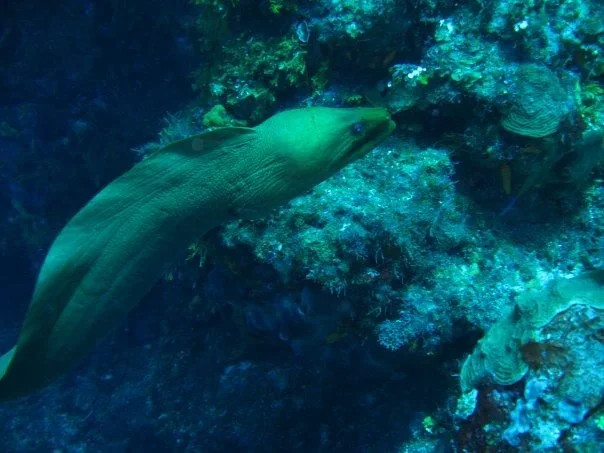
Flatworms are common, and lucky divers might even witness their 'jaw-dropping mating ritual'. Additionally, the reef is home to numerous other fascinating creatures, including flamboyant cuttlefish, sea snakes, snake eels, and moray eels.
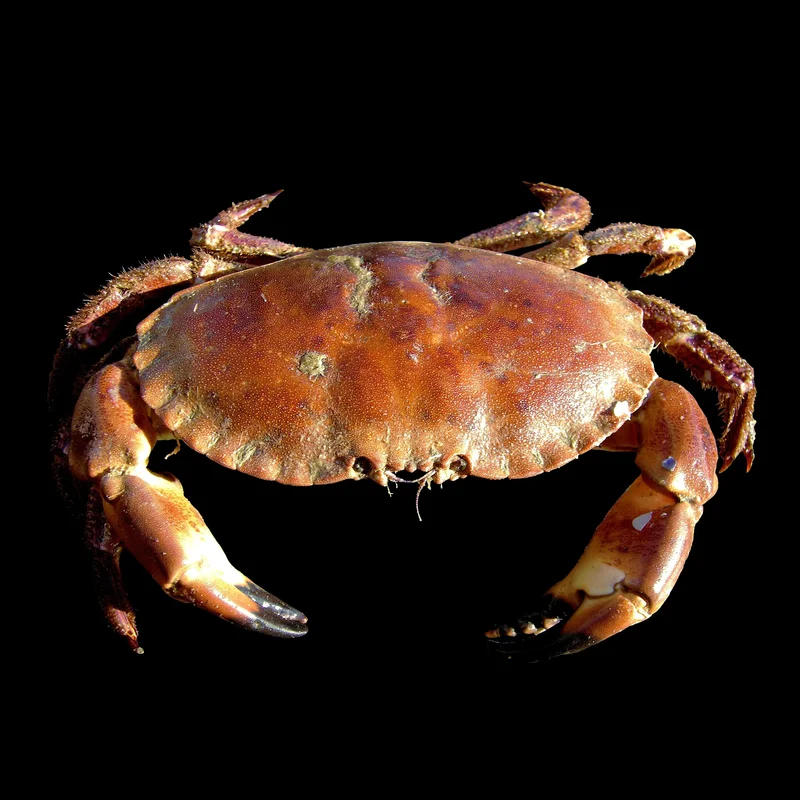
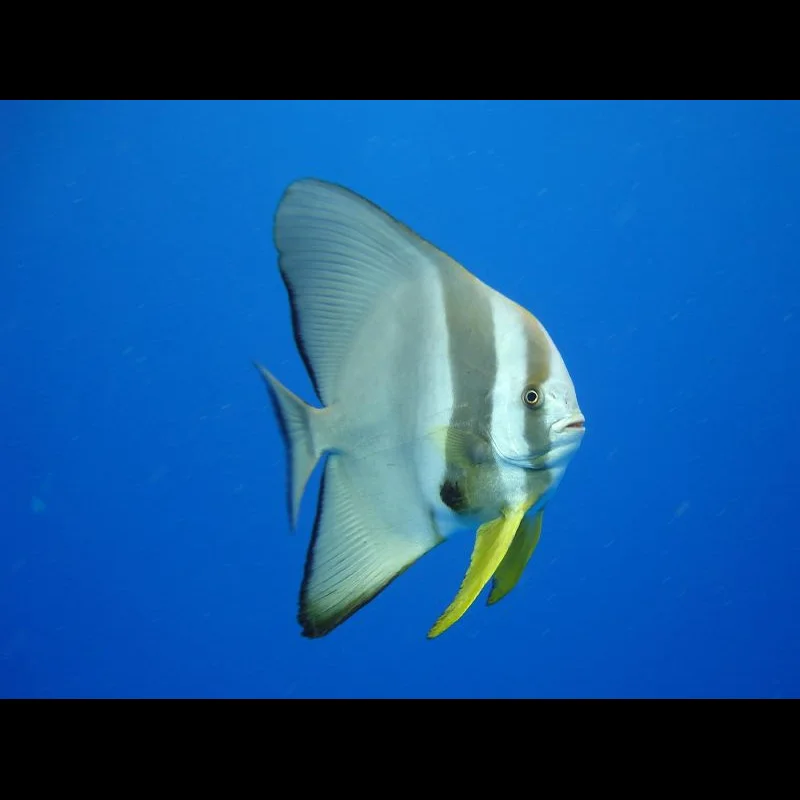
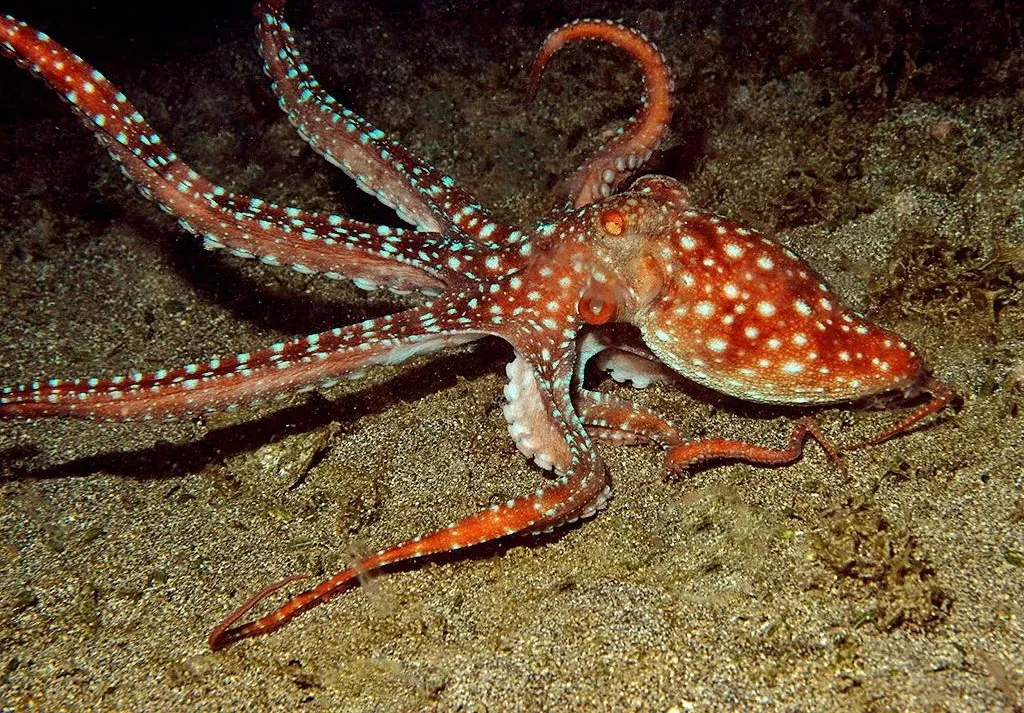
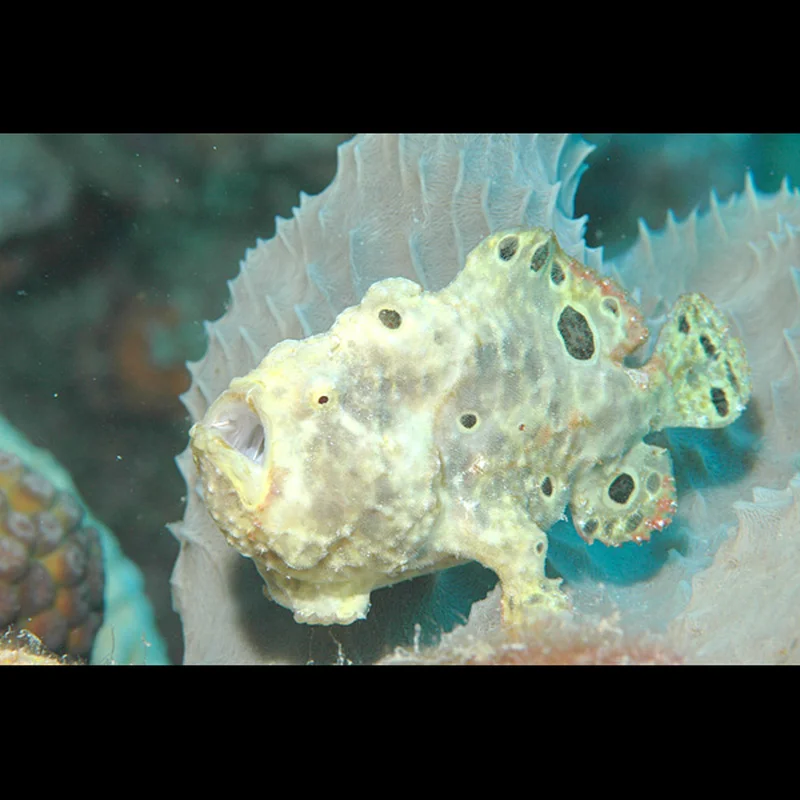
Look closely for ornate ghost pipefish, blue-ring octopuses, seahorses, and even small frogfish, both hairy and 'plain' varieties. Juvenile batfish and large crabs also inhabit this rich underwater landscape, making every dive a unique opportunity for discovery.
Dive Sites Near Chocolate Island, Malapascua
View all dive sites in PhilippinesDiscover more underwater gems in this area.
Dive Centers Near Chocolate Island, Malapascua
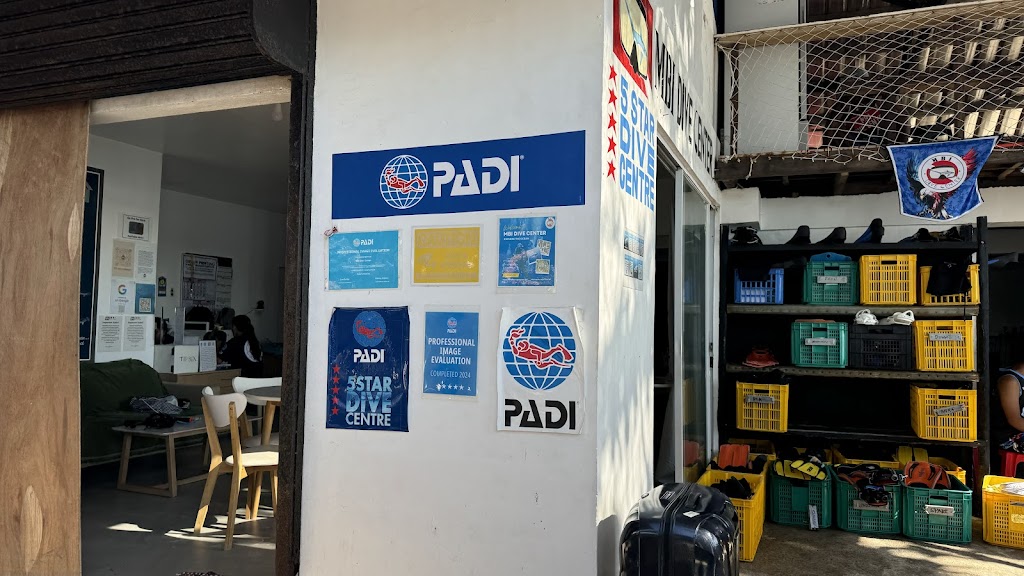
Today: 08:00 - 19:00
Nearest Airports
Nearest airports to help plan travel to this dive area.
Search Flights
Check available flights and routes on Expedia, using the nearby airports listed in this section.
Search Flights on ExpediaFrequently Asked Questions
What skill level is required to dive Chocolate Island?
Chocolate Island is considered suitable for divers of all levels, including Open Water certified individuals. Its maximum depth typically ranges from 18-20 meters (59-66 feet), making it accessible while offering plenty to explore.
Are strong currents common at this dive site?
Currents at Chocolate Island can occasionally be strong. Divers should be prepared for potential drift diving conditions and listen carefully to their dive guide's briefing for daily conditions. A DSMB is highly recommended for signaling the boat.
What kind of marine life can I expect to see?
This site is a macro photographer's delight, known for its nudibranchs, flatworms, shrimp, cuttlefish, and frogfish. You might also encounter sea snakes, snake eels, moray eels, seahorses, and various other small, fascinating creatures inhabiting the reef.
Is a wetsuit necessary for diving at Chocolate Island?
While water temperatures are generally warm in Malapascua's tropical climate, many divers prefer wearing a wetsuit, such as a 3mm shorty or full suit, for comfort and protection during longer dives. A dive skin or rash guard may suffice for those who prefer minimal thermal protection.
What is the typical dive depth?
Diving at Chocolate Island involves a gentle slope, reaching a maximum depth of 18-20 m (59-66 ft). Its most vibrant sections, rich with macro life, are typically found in the shallower areas of the reef.
How long is the boat ride to Chocolate Island from Malapascua?
Chocolate Island is located approximately 30 minutes south of Malapascua by boat. The journey provides an opportunity to enjoy the scenic views of the surrounding area.
Planning to dive Chocolate Island, Malapascua?
Send one inquiry and receive offers directly from the best verified local dive operators.
Conditions are Good
Optimal conditions expected
Current conditions near Chocolate Island, Malapascua show 28° air, 30° sea temperature, 0.3 m waves, and 29 km/h wind. Forecast data is refreshed regularly to ensure accuracy.