
Diving at Ronda Bay Marine Sanctuary (Philippines)
Descending into the blue at Ronda Bay Marine Sanctuary, divers are immediately struck by a dramatic coral-covered slope that transitions into a steep wall. This underwater landscape, adorned with numerous giant fan corals, unfolds vertically into the depths. Its expansive wall structure defines the dive, creating a sense of scale and revealing the intricate tapestry of life clinging to its surfaces. The site's character is immediately apparent.
As evening covers Ronda Bay Marine Sanctuary, the local air temperature is measured at 28°C. The current wave height at the surface is recorded at 0.1 m. These late-day readings characterize the surface conditions for the night.
Dive Site Location & Key Facts
Dive Site Overview
Among the earliest established sanctuaries in Moalboal, Ronda Bay Marine Sanctuary, also known as Saavedra Marine Sanctuary, holds a significant place in the region's dive history. The site presents a distinctive reef and wall dive profile, beginning with a vibrant coral slope.
This slope gently descends before plunging into a steep wall at approximately 18 m (59 ft), which then drops further to a maximum depth of 55 m (180 ft). Along its vertical face, divers can observe an impressive collection of giant fan corals, sometimes numbering around a hundred, creating a visually rich environment.
Exploring the wall's crevices and rocky outcrops reveals a hidden world of macro life. Drift diving is a common approach here, allowing divers to effortlessly traverse sections of this extensive reef system. Its established status ensures a protected habitat, fostering diverse marine populations.
Conditions are Excellent
07:00 - 14:00
Optimal conditions expected
Current conditions near Ronda Bay Marine Sanctuary show 28° air, 30° sea temperature, 0.1 m waves, and 18 km/h wind. Forecast data is refreshed regularly to ensure accuracy.
Best Time to Dive
Optimizing a visit to Ronda Bay Marine Sanctuary hinges on understanding the regional weather patterns. The months of April through June, along with August through November, consistently register as 'Excellent' for diving. During these periods, average wave heights are minimal, often below 0.2 meters, and wind speeds are generally lower, contributing to calmer surface conditions. Rainfall is also notably less during April and May, averaging around 2.8 to 4.7 mm, which typically corresponds to better visibility. Air temperatures remain consistently warm throughout the year, ranging from 26°C to 28°C (79-82°F), making surface intervals comfortable. Although water temperatures aren't consistently reported, the tropical climate suggests warm conditions aligning with air temperatures.
PEAK SEASON SCORE
Scores combine air & water temps, waves, wind & rainfall for overall conditions.
BEST MONTHS TO DIVE
Monthly records compiled from satellite and marine observation nodes over the last 3 years. Data provided by Open-Meteo and MET Norway.
Dive Experience & Conditions
Beginning a dive here often involves a gentle descent over the coral-covered slope, which soon gives way to the sanctuary's signature steep wall. This transition provides a dynamic entry into the site's deeper sections. Water temperatures typically remain warm, consistent with tropical environments, ensuring comfortable diving without heavy thermal protection. Visibility often allows for impressive panoramic views of the expansive wall, though it varies depending on recent weather and currents. While specific current reports for Ronda Bay aren't always consistent, the site is known for drift diving, indicating that currents can be a factor, particularly along the wall. Divers should be prepared for potential moderate water movement, which can enhance the experience of covering more ground along the reef.
Dive Difficulty & Safety Guidelines
Diving within a marine sanctuary like Ronda Bay requires a mindful approach to ensure both diver safety and ecosystem preservation. Maintaining excellent buoyancy control is crucial, especially when navigating the steep wall, to avoid accidental contact with delicate corals and other marine life. Given the potential for currents, particularly during drift dives, divers should carry an audible signaling device and a surface marker buoy (SMB) for safe ascent and surface recovery.
Always dive within your certification limits; the wall drops to depths beyond recreational boundaries. Respecting the sanctuary's protected status means refraining from touching or collecting any marine organisms or disturbing the natural environment. These practices help sustain the site for future exploration.
Recommended Equipment
Current and surface separation risk. Local briefing strongly recommended.
- Dive Computer
- DSMB
- Reel / Spool
This gear list is based on verified equipment signals for Ronda Bay Marine Sanctuary, Philippines. Always confirm final gear choices with your dive operator, guide, or liveaboard.
Recommended Dive Suit
Current diving conditions indicate water temperatures around 30°C (86°F) at Ronda Bay Marine Sanctuary. Surface air temperatures are resting at 28°C (83°F).
Weather projections show fairly stable environmental conditions ahead.
Most divers would typically feel comfortable using dive skin or rash guard in these conditions. Dive depth and duration can significantly affect perceived warmth.
Emergency & Medical Support
Essential information to help you plan your dive trip to Ronda Bay Marine Sanctuary.

Hyperbaric chambers are a critical part of dive safety infrastructure. Availability varies significantly by region, and not all dive areas have immediate access.
Before diving, it's recommended to:
- confirm nearest medical facilities
- check emergency procedures with local dive operators
- ensure dive insurance covers evacuation if required
Divers Alert Network
Diving emergency assistance available through DAN World.
+1-919-684-9111- 24/7 emergency hotline
- Diving medical assistance
- Evacuation coordination
Emergency contacts are provided for reference. Always verify local emergency services before diving.
Marine Life at Ronda Bay Marine Sanctuary
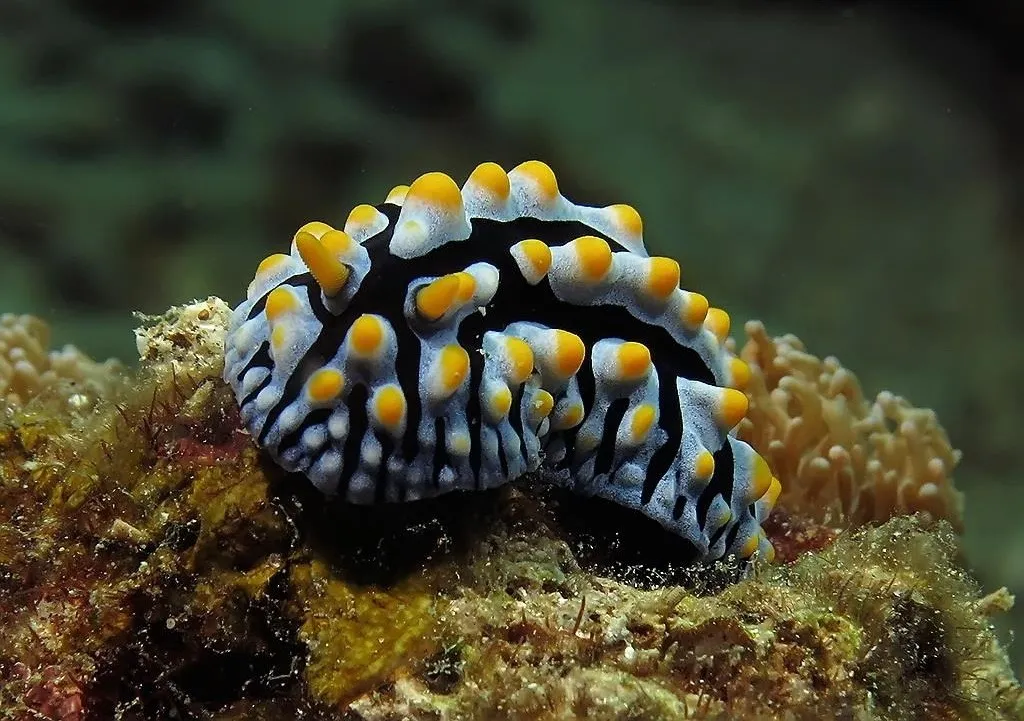
Beneath the surface, Ronda Bay Marine Sanctuary pulses with a variety of life. A closer inspection of the wall's many crevices and rocky outcrops reveals an abundance of fascinating macro life, including various nudibranchs and pygmy seahorses in deeper areas.
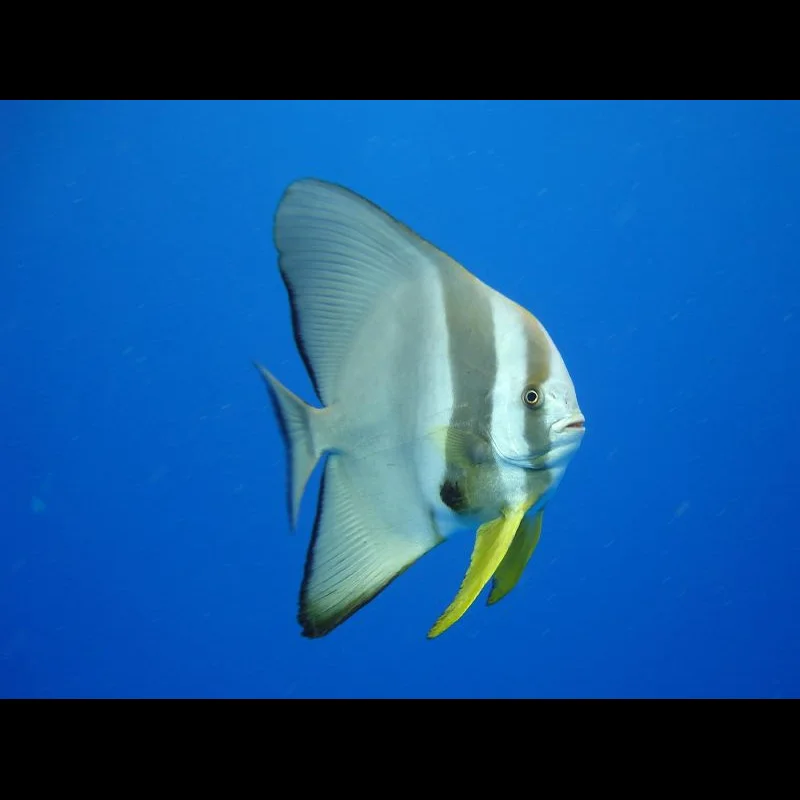
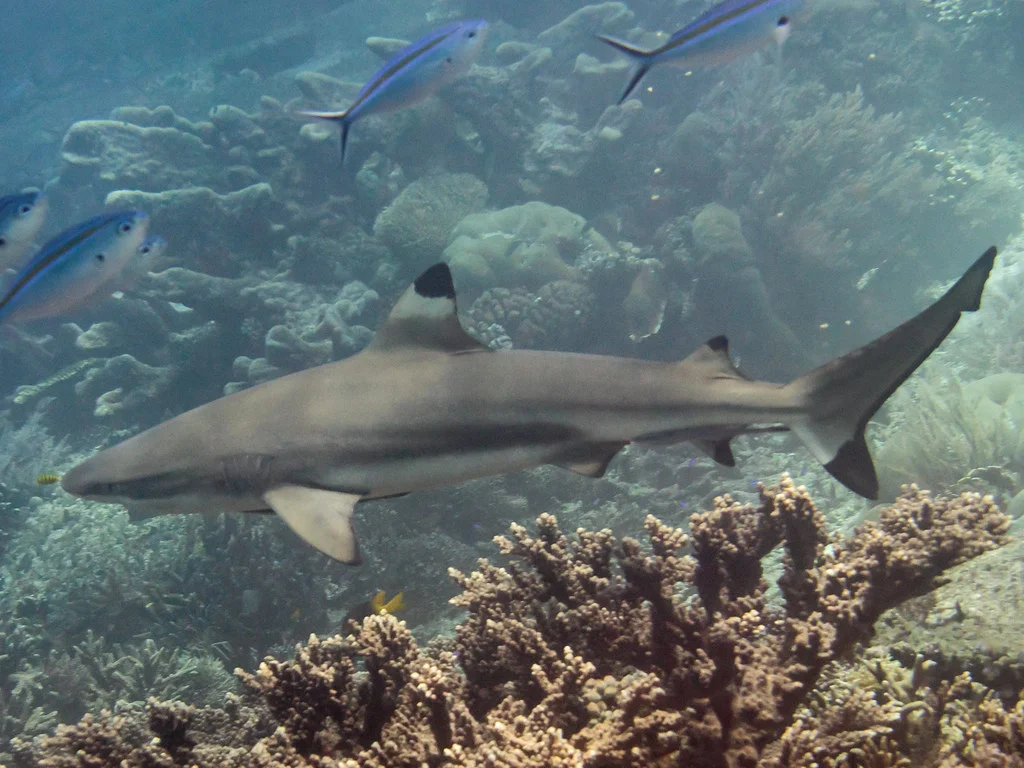
Blacktip reef sharks are often sighted patrolling the reef, adding an element of excitement to the dive. Schools of jackfish and batfish can be observed moving gracefully in the blue, alongside other pelagic fish.
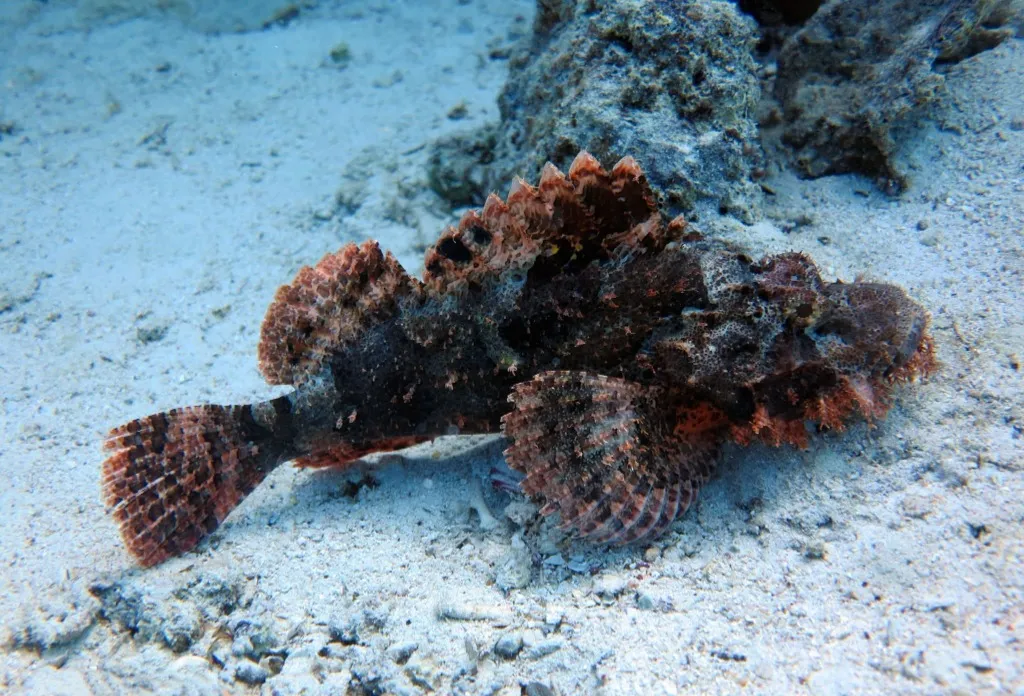
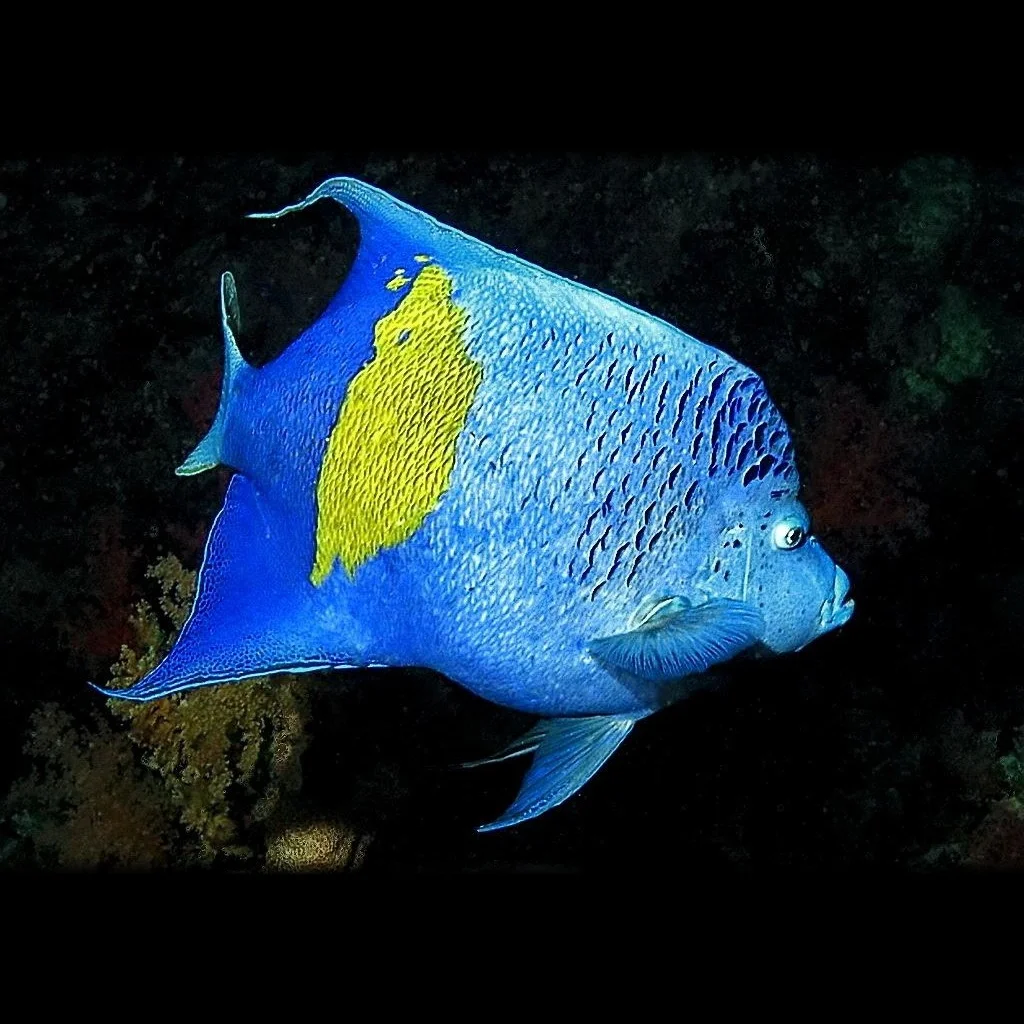
Scorpionfish, sea snakes, angelfish, pufferfish, stonefish, stargazers, and squids also inhabit this vibrant ecosystem, offering diverse photographic opportunities.
Dive Sites Near Ronda Bay Marine Sanctuary
View all dive sites in PhilippinesDiscover more underwater gems in this area.
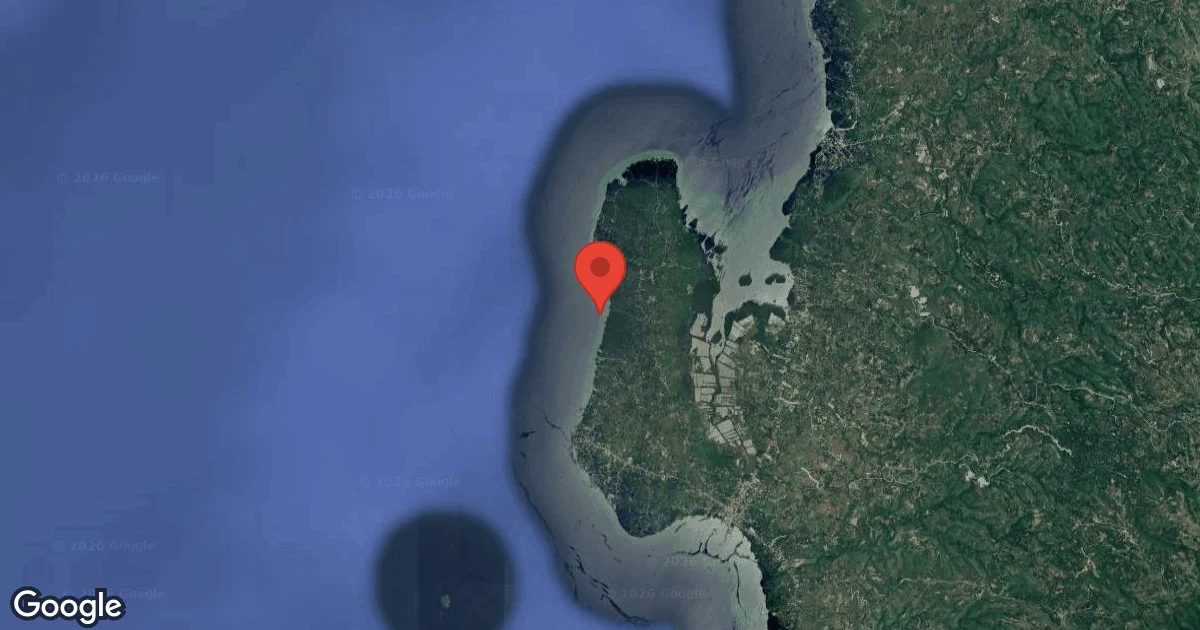
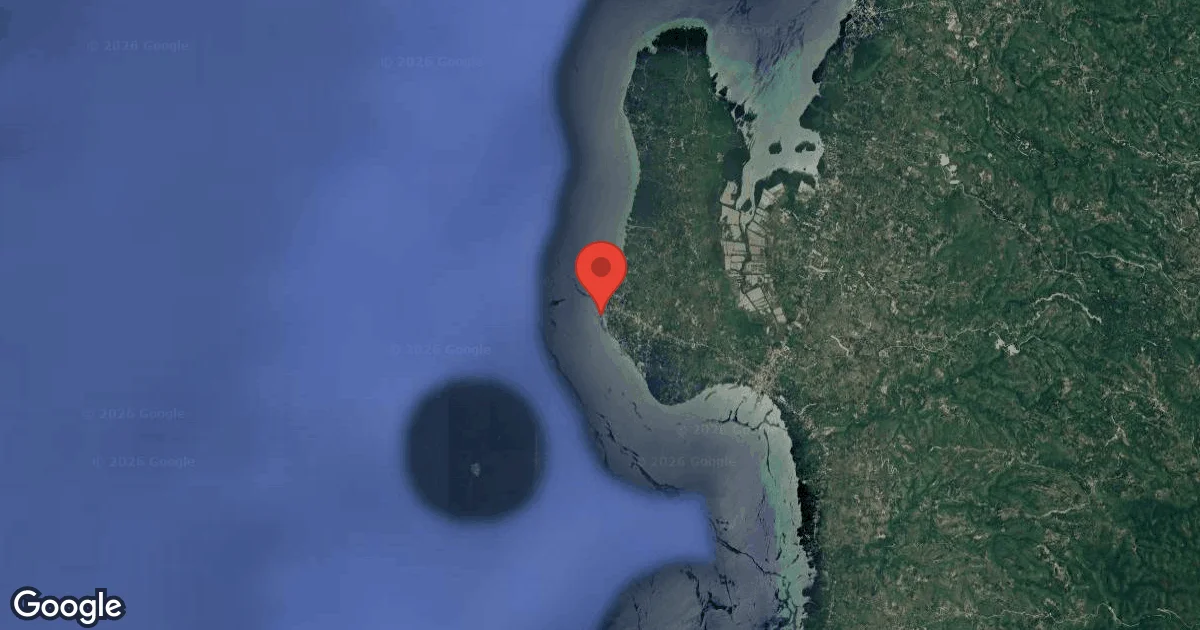
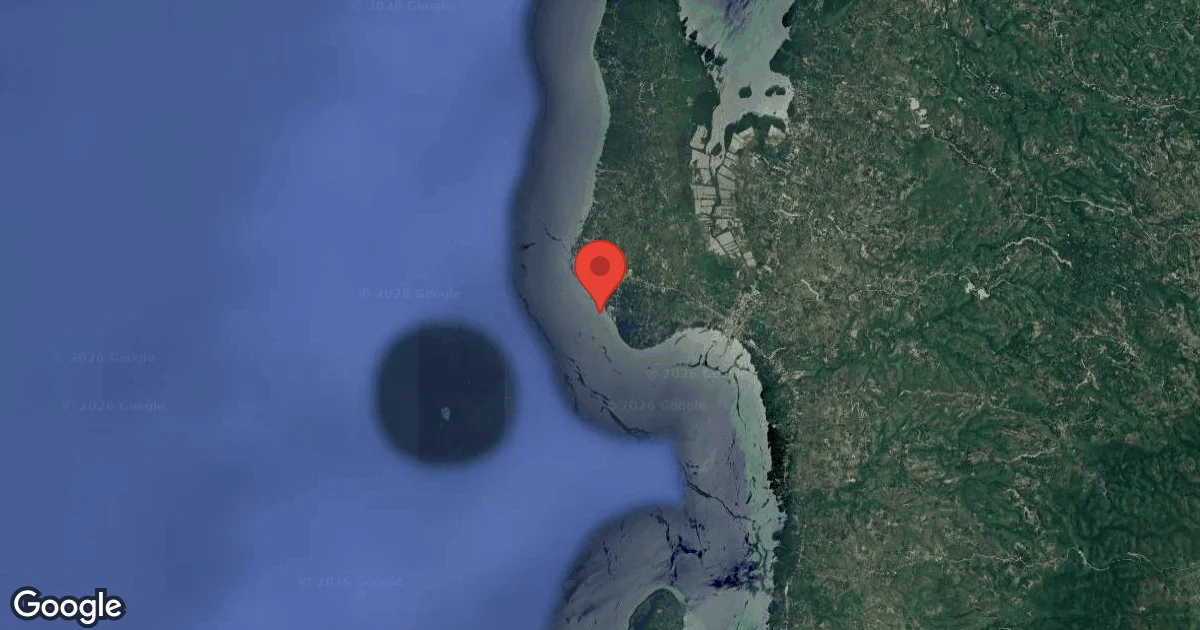
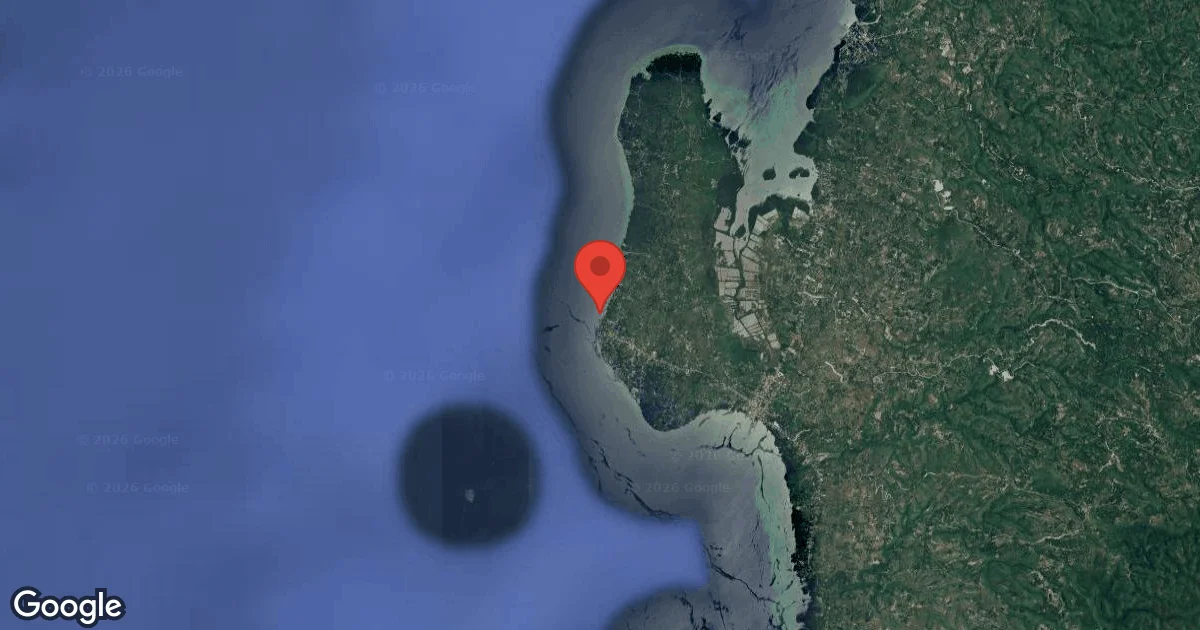
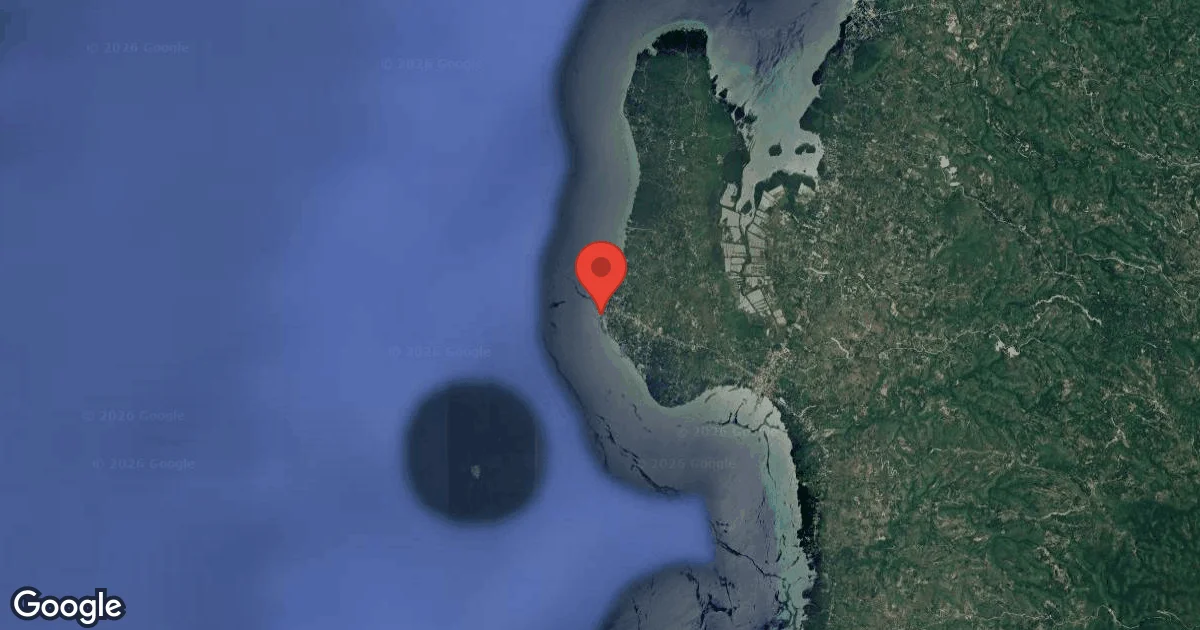
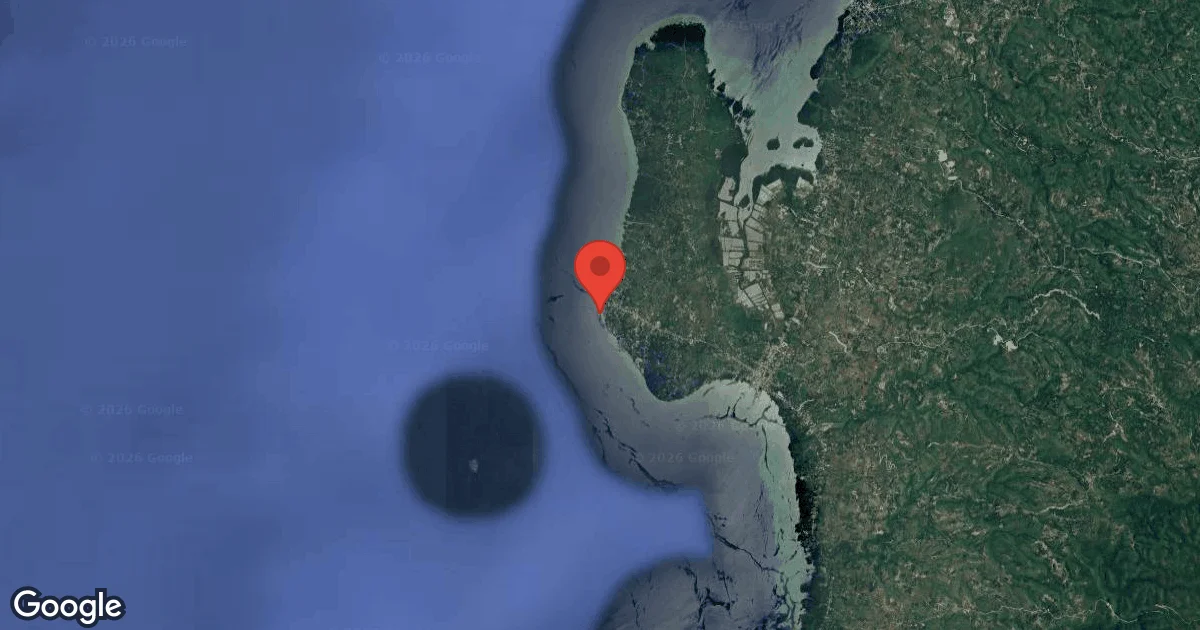
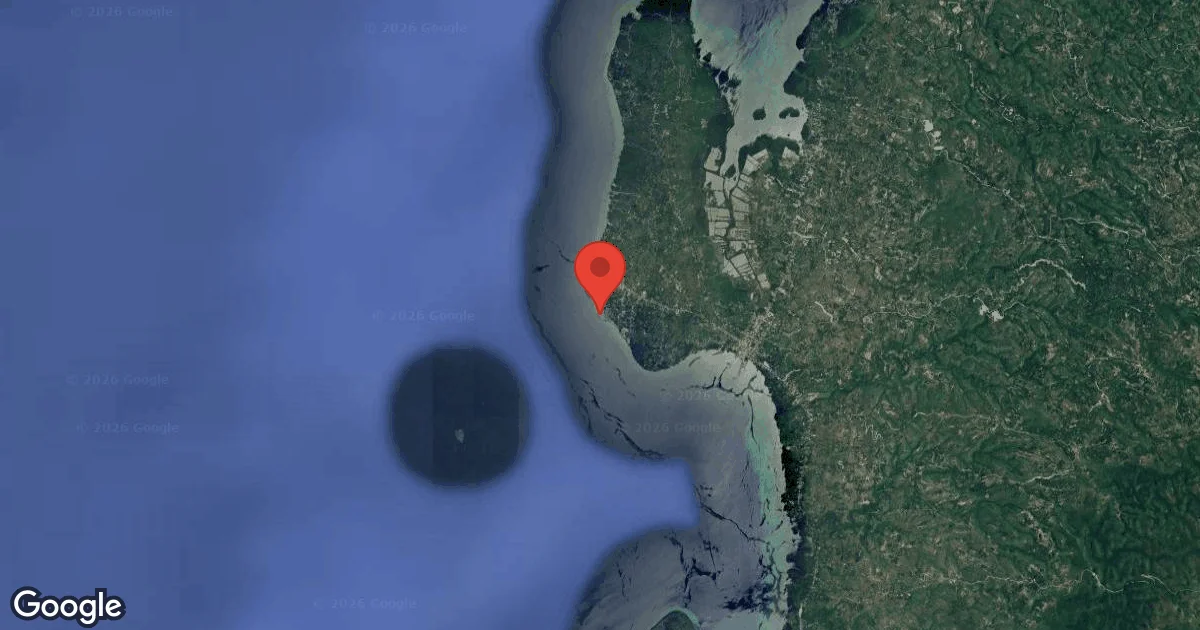
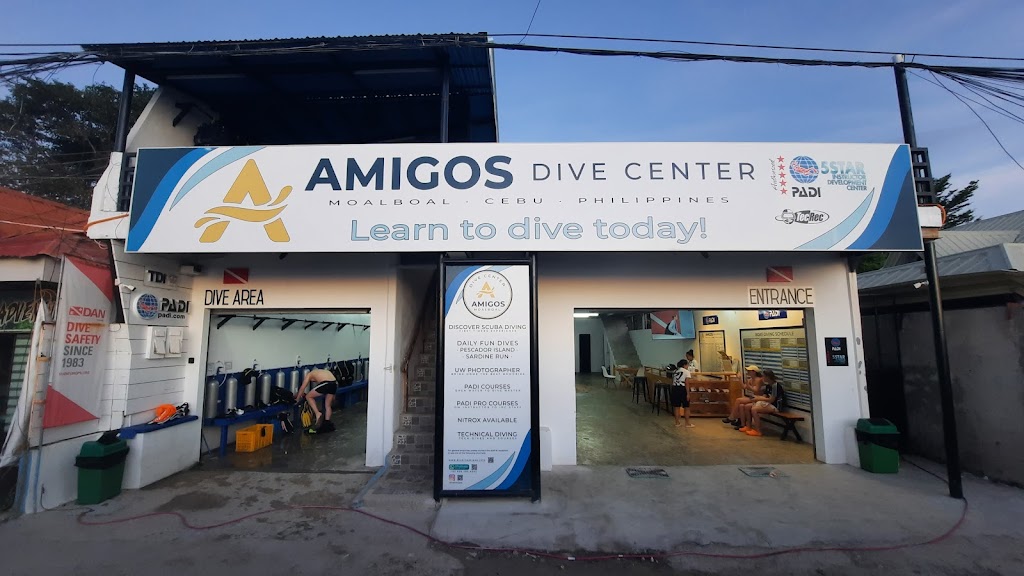
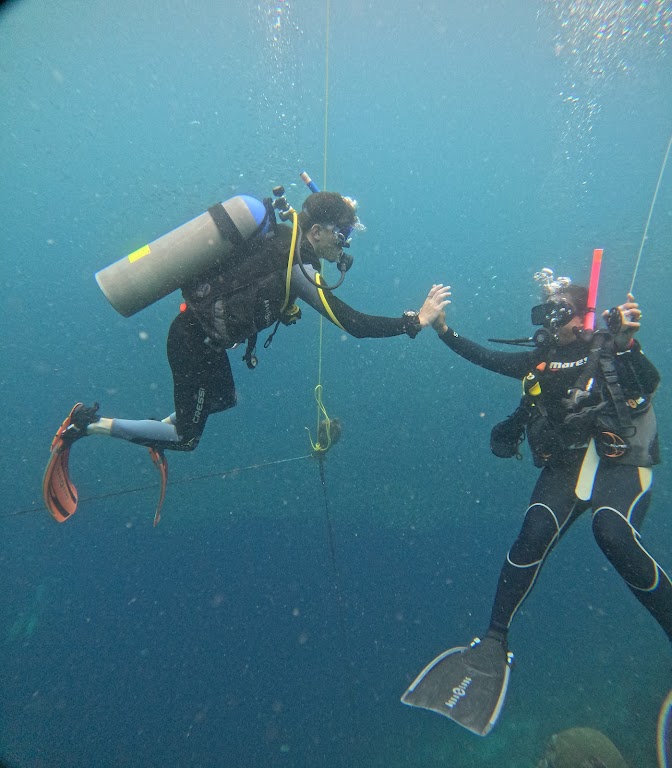
Dive Centers Near Ronda Bay Marine Sanctuary
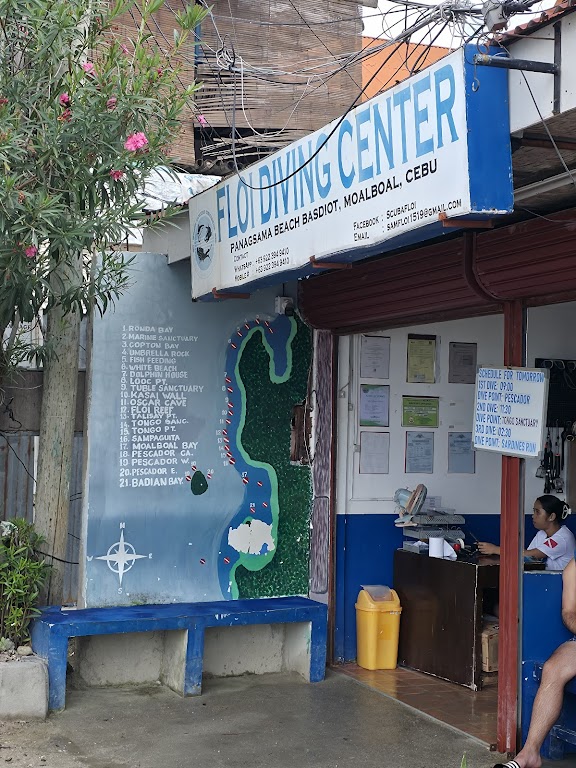
Today: 07:00 - 22:00
Nearest Airports
Nearest airports to help plan travel to this dive area.
Search Flights
Check available flights and routes on Expedia, using the nearby airports listed in this section.
Search Flights on ExpediaFrequently Asked Questions
What are the primary dive types available at Ronda Bay Marine Sanctuary?
Ronda Bay Marine Sanctuary primarily offers reef, wall, and drift diving experiences. Divers can explore a coral-covered slope that transitions into a dramatic vertical wall, often utilizing currents for a drift dive.
How deep are the dives at Ronda Bay Marine Sanctuary?
Dives here begin with a coral slope, leading to a steep wall at approximately 18 m (59 ft). This wall then drops down significantly, reaching a maximum depth of 55 m (180 ft). Most recreational diving focuses on the shallower and mid-range sections.
What marine life can I expect to see here?
Divers frequently encounter abundant macro life within the wall's crevices, including nudibranchs and pygmy seahorses. Blacktip reef sharks, schools of jackfish, batfish, and various pelagic fish are also commonly observed. Reef dwellers like scorpionfish, angelfish, and pufferfish contribute to the site's biodiversity.
Are there strong currents at Ronda Bay Marine Sanctuary?
While conditions can vary, the site is known for drift diving, indicating that currents can be present. Divers should anticipate potential moderate water movement, especially along the deeper wall sections, and plan accordingly.
Is Ronda Bay Marine Sanctuary suitable for all diver levels?
With its significant depths and potential for currents, the site is best suited for experienced open water divers and advanced divers. Recreational limits should always be respected, and deeper sections are typically reserved for those with appropriate technical training.
What is the best way to access the dive site?
Access to Ronda Bay Marine Sanctuary is typically via local dive operators in Moalboal. They provide boat transfers directly to the site, offering convenient entry for various dive profiles.
Planning to dive Ronda Bay Marine Sanctuary?
Send one inquiry and receive offers directly from the best verified local dive operators.
Conditions are Excellent
07:00 - 14:00
Optimal conditions expected
Current conditions near Ronda Bay Marine Sanctuary show 28° air, 30° sea temperature, 0.1 m waves, and 18 km/h wind. Forecast data is refreshed regularly to ensure accuracy.