
Diving at Boca Do Inferno (Portugal)
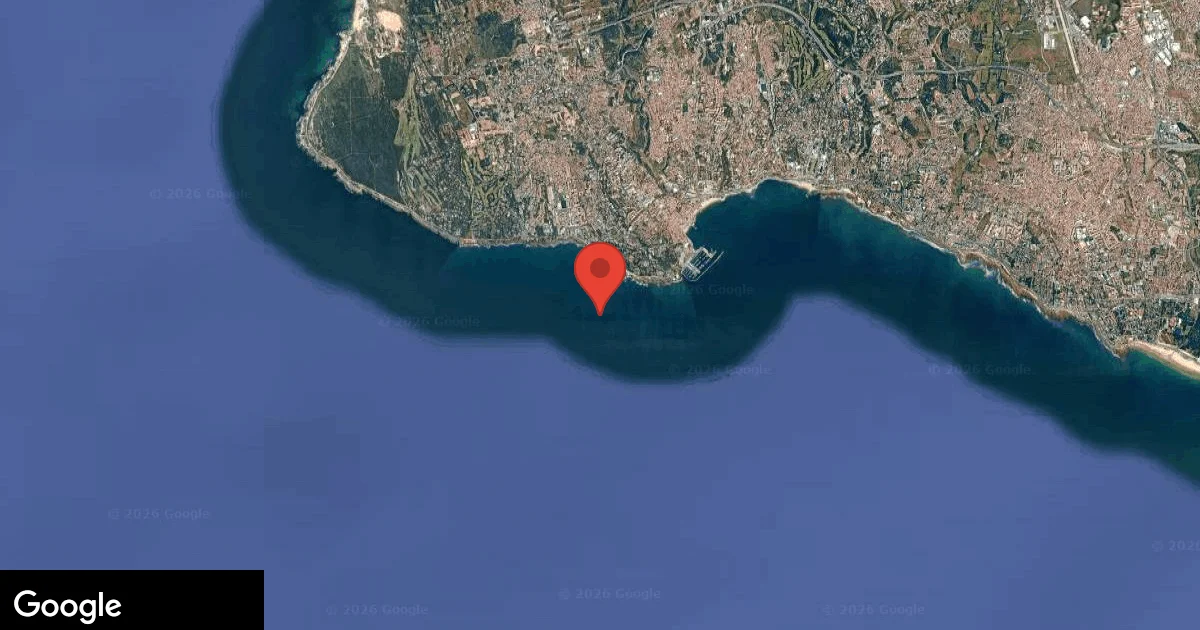
Commanding attention, the powerful, sculpted cliffs and archways of Boca do Inferno, 'Mouth of Hell,' reflect centuries of ocean erosion. Near Cascais, Portugal, this dramatic coastal landmark offers a visually arresting surface experience. Beneath the waves, a rugged reef environment, shaped by these same relentless forces, invites exploration into its unique underwater topography. It is a place where the ocean's raw power feels palpable, both above and below the surface.
Tonight's objective overview for Boca Do Inferno shows an air temperature of 19.5°C. The measured surface conditions include wave heights around 1.9 m. This environmental data is logged for the close of the day.
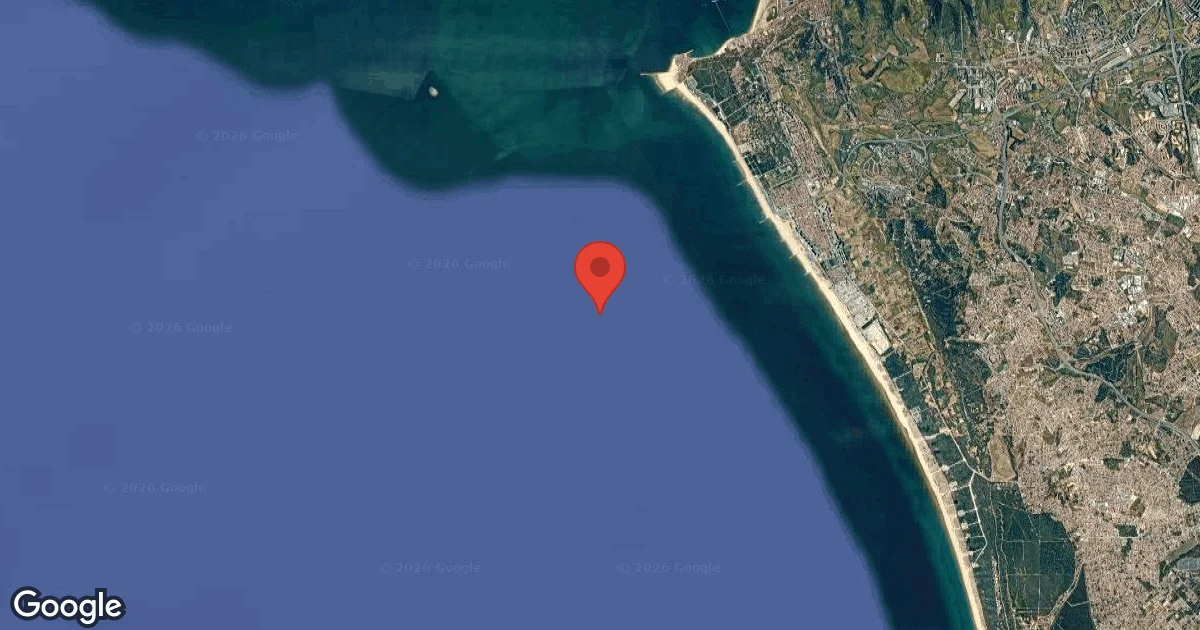
Dive Site Location & Key Facts
Dive Site Overview
Boca do Inferno's geological history is deeply etched into its dramatic reef structures, sculpted over millennia by the relentless Atlantic Ocean. Not defined by ancient wrecks, this coastal site showcases natural forces that created its captivating underwater landscape.
Predominantly a reef dive, the terrain features a complex mix of rocky outcrops, crevices, and swim-throughs, directly extending from the collapsing caves and archways visible at the surface. Its evocative name, 'Mouth of Hell,' relates to powerful water movement and surge continually shaping these formations, creating a dynamic environment that feels ancient and alive.
While Gruta da Pombeira is a distinct small adjacent cave, the entire area around Boca do Inferno shares similar rugged characteristics. Underwater topography here provides intriguing dive paths.
Divers navigate a system of natural rock formations, exploring foundations of this legendary Portuguese coastline. Depths for exploration vary, allowing for both shallower, introductory reef dives and more advanced routes along deeper sections.
Experience here emphasizes observing marine ecosystems within a naturally carved, dramatic setting, a true testament to the ocean's enduring power.
Conditions are Moderate
High Swell Advisory. Not recommended.
Current conditions near Boca Do Inferno show 20° air, 17° sea temperature, 2.3 m waves, and 24 km/h wind. Forecast data is refreshed regularly to ensure accuracy.
Best Time to Dive
For ideal diving conditions at Boca do Inferno, plan visits when calmer seas coincide with milder air temperatures. April through September generally offers the most favorable dive scores, ranging from 'Moderate' to occasionally better, though precise water temperature data is not consistently reported. During these months, average air temperatures climb from around 16°C (61°F) in April to a peak of about 20°C (68°F) in August, creating more comfortable surface intervals. Wave heights tend to decrease significantly, dropping from over 3 meters (10 ft) in winter to averages between 1.6 to 2.2 meters (5-7 ft) during the warmer season; this helps improve underwater visibility and access. Wind speeds also show a slight decrease in spring, though remaining brisk throughout summer. Rainfall is minimal from May to August, with some months experiencing less than 1 mm, reducing runoff and potential visibility impacts. Conversely, winter months, October to March, bring higher waves, stronger winds, and increased rainfall, often leading to 'Poor' or lower 'Moderate' dive scores.
PEAK SEASON SCORE
Scores combine air & water temps, waves, wind & rainfall for overall conditions.
BEST MONTHS TO DIVE
Monthly records compiled from satellite and marine observation nodes over the last 3 years. Data provided by Open-Meteo and MET Norway.
Dive Experience & Conditions
Exploring Boca do Inferno involves navigating its extensive reef structures, with depths varying by the specific route chosen along the coastline. While exact site-specific depth is not consistently reported, typical recreational reef dives in this area generally range from 10 m (33 ft) to about 30 m (100 ft), allowing for multi-level profiles. Underwater, the landscape mirrors the dramatic surface, featuring natural rock formations, ledges, and potential caverns or swim-throughs, all reflecting the same erosive processes. Visibility can vary significantly, often influenced by the Atlantic's swell and recent weather patterns; calmer days offer clearer views of the reef. Given the exposed coastal location and the 'Mouth of Hell' moniker, divers should prepare for potential surge and currents, especially near the surface and within narrower formations. Such an environment demands good buoyancy control and situational awareness. Expect a dynamic dive, offering a true Atlantic coastal experience rather than calm, protected waters.
Dive Difficulty & Safety Guidelines
For diving Boca do Inferno, expert planning is crucial due to its exposed Atlantic location. Always consult local dive operators for up-to-the-minute conditions; currents and surge can be significant, especially with changing tides or stronger swells. Never attempt a dive here without appropriate training for dynamic water environments and a dive guide familiar with the site's specific characteristics.
Pay close attention to weather forecasts, particularly wind and wave predictions, as these directly impact visibility and safety. Maintain excellent buoyancy control to navigate the reef's varied topography and avoid contact with delicate marine structures.
Carrying an audible signaling device and a surface marker buoy is advisable. Approach this site with respect for the ocean's power, prioritizing safety and conservative dive planning.
Recommended Equipment
- Dive Computer
This gear list is based on verified equipment signals for Boca Do Inferno, Portugal. Always confirm final gear choices with your dive operator, guide, or liveaboard.
Recommended Dive Suit
According to recent observations, water temperatures near Boca Do Inferno are approximately 17°C (63°F). Surface air temperatures are resting at 20°C (67°F).
Forecasts suggest rising temperatures later this week. A warming trend is expected over the next few days.
Most divers exploring waters at this temperature rely on 5-7mm wetsuit for effective insulation. Strong winds are present; please take strong precautions against rapid cooling during surface intervals. Surface intervals may feel cooler. Water temperature is only one factor influencing overall comfort during a dive. Stronger winds may also make surface intervals feel cooler than usual.
Due to technical issues with our weather providers, data hasn't been fetched for over 48 hours. The data above reflects the conditions at the time of the last successful fetch.
Emergency & Medical Support
Essential information to help you plan your dive trip to BOCA do INFERNO.

Hyperbaric chambers are a critical part of dive safety infrastructure. Availability varies significantly by region, and not all dive areas have immediate access.
Before diving, it's recommended to:
- confirm nearest medical facilities
- check emergency procedures with local dive operators
- ensure dive insurance covers evacuation if required
Divers Alert Network
Diving emergency assistance available through DAN Europe.
+39 0642115685- 24/7 emergency hotline
- Diving medical assistance
- Evacuation coordination
Emergency contacts are provided for reference. Always verify local emergency services before diving.
Closest Listed Hyperbaric Chambers
Showing listed hyperbaric chamber facilities within 200 km of this dive site.
Distances are approximate straight-line distances and may not reflect emergency travel time.
Centro de Medicina Subaquatica e Hiperbarica
24/7 ListedICU CapableLisboa, Portugal•Approx. 24 km straight-line
Centro de Medicina Subaquatica e Hiperbarica
24/7 ListedICU CapableInformation is provided for reference and planning purposes only. Dive Navigator does not verify operational status, staffing, availability, or quality of care at listed facilities. In an emergency, contact local emergency services, DAN, your dive operator, or the chamber directly. Do not travel to a facility without calling ahead.
Marine Life at Boca Do Inferno
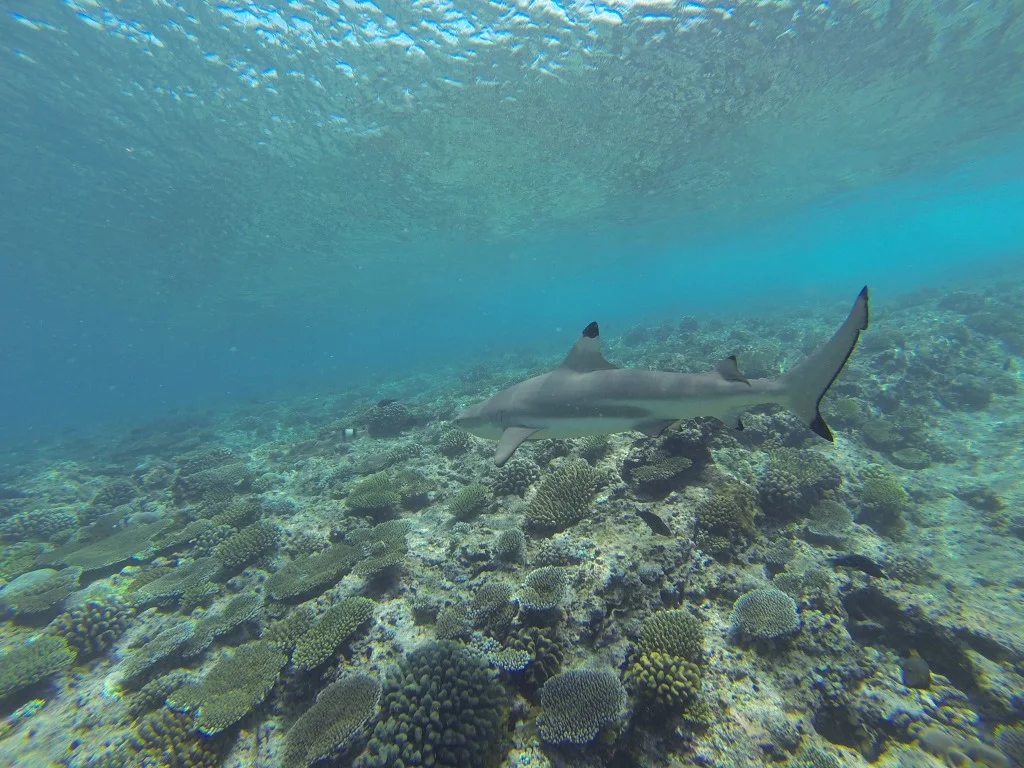
A surprising array of marine life finds habitat within Boca do Inferno's underwater environment. Divers occasionally report sightings of larger pelagic species, including various sharks, dolphins, and even whales, known to transit along the Portuguese coast.
Though opportunistic, these sightings add excitement to an Atlantic dive. Closer to the reef, expect to encounter species typical of temperate rocky environments.
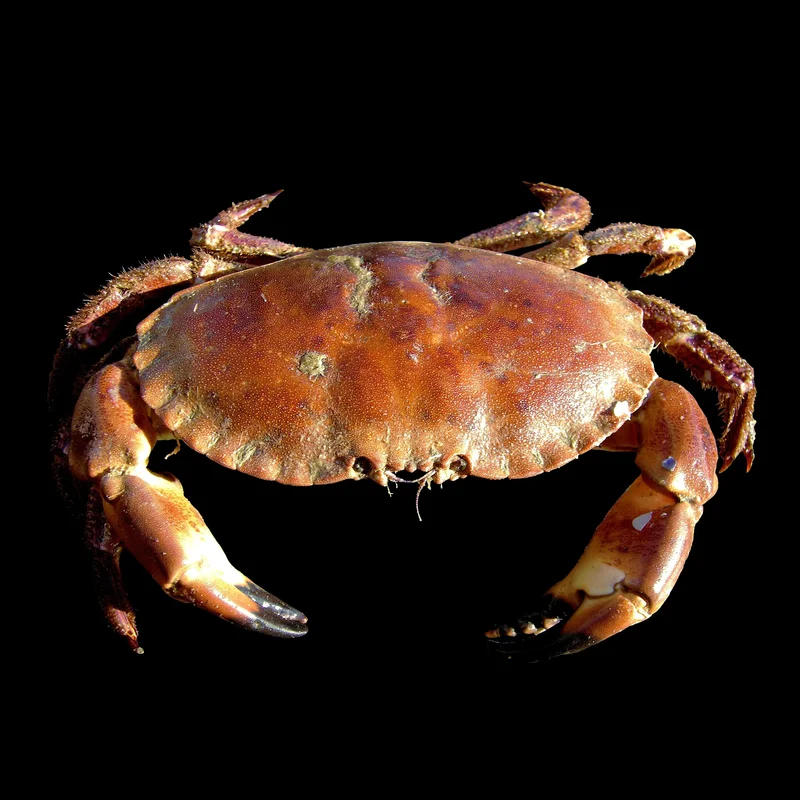
Crevices and rock formations provide shelter for octopus, crabs, and various reef fish. While not as densely populated as tropical reefs, the rugged underwater landscape supports a healthy ecosystem where patient observation can yield rewarding encounters.
Dive Sites Near Boca Do Inferno
View all dive sites in PortugalDiscover more underwater gems in this area.
Dive Centers Near Boca Do Inferno

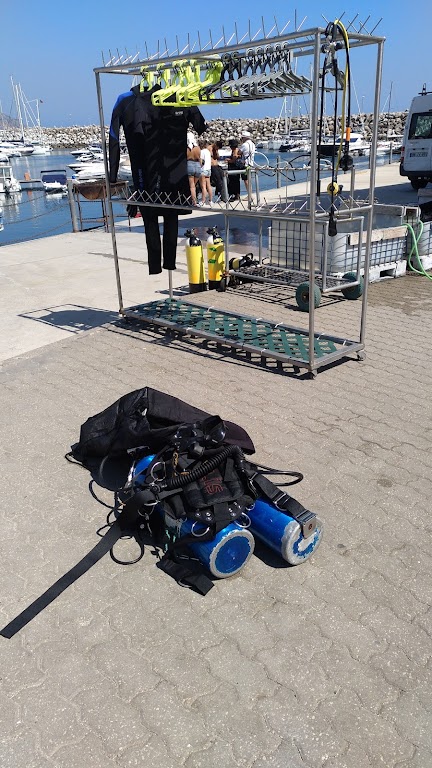
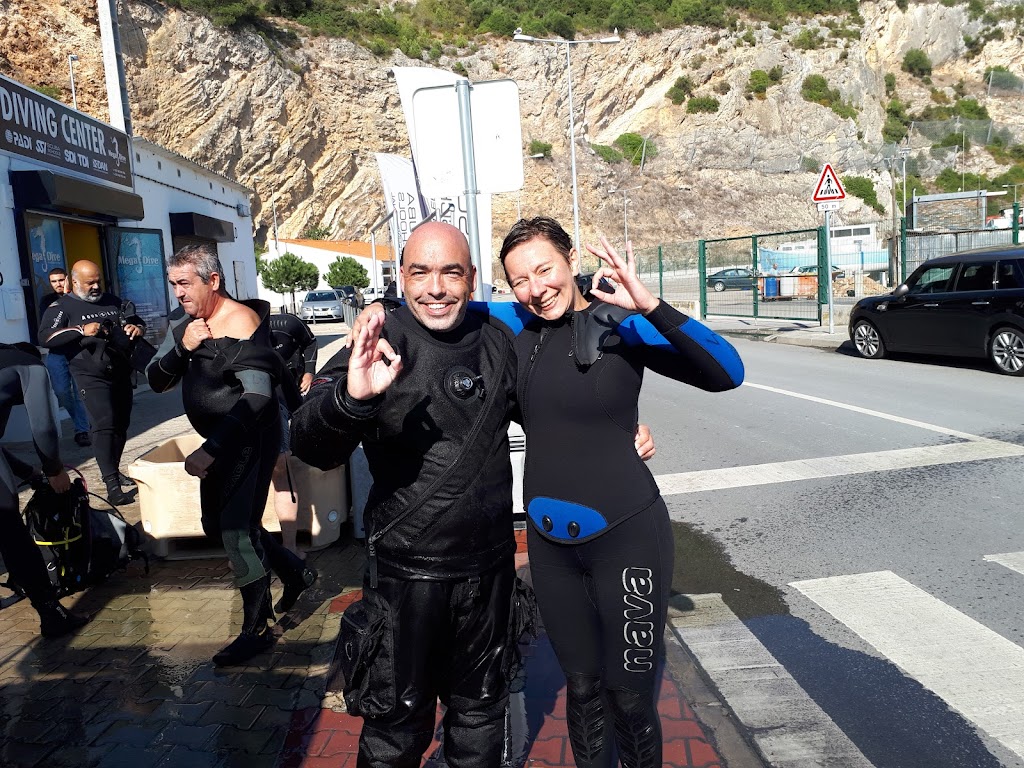
Today: 09:00 - 16:00

Nearest Airports
Nearest airports to help plan travel to this dive area.
Search Flights
Check available flights and routes on Expedia, using the nearby airports listed in this section.
Search Flights on ExpediaFrequently Asked Questions
What does "Boca do Inferno" mean?
Translating from Portuguese, "Boca do Inferno" means "Mouth of Hell." Coastal rock formations, archways, and grottoes carved by the powerful Atlantic Ocean over centuries inspire this name. They create a spectacular and sometimes tumultuous natural spectacle.
What type of diving can be done at Boca do Inferno?
Boca do Inferno is primarily a reef dive site. Divers explore a rugged underwater landscape characterized by natural rock formations, crevices, and ledges, which are extensions of the dramatic cliffs visible at the surface.
What is the typical depth for diving at Boca do Inferno?
Typical recreational reef dives in this area can range from approximately 10 meters (33 feet) to around 30 meters (100 feet). Specific depths depend on the chosen dive path and the diver's certification level, offering varied profiles within the reef system.
What marine life might I encounter at Boca do Inferno?
While diving here, you might spot species common to temperate Atlantic reefs, such as various reef fish, crabs, and octopus sheltering in the rock formations. More opportunistically, there are reports of larger pelagic sightings, including sharks, dolphins, and even whales passing offshore.
When is the best time of year to dive Boca do Inferno?
Favorable diving conditions generally occur from April through September. During these months, average air temperatures are milder, waves tend to be lower, and rainfall is minimal. These factors contribute to better visibility and overall dive scores.
Should I be concerned about currents or surge?
Yes, due to its exposed coastal location and the dynamic nature implied by its name, divers should anticipate potential surge and currents. It's essential to check local conditions with a dive operator, maintain good buoyancy, and be prepared for active water movement.
What are the typical water temperatures?
Specific average water temperature data for Boca do Inferno is not consistently reported. However, given its Atlantic location off the coast of Portugal, divers should expect temperate waters that necessitate appropriate thermal protection, even during warmer months.
Planning to dive Boca Do Inferno?
Send one inquiry and receive offers directly from the best verified local dive operators.
Conditions are Moderate
High Swell Advisory. Not recommended.
Current conditions near Boca Do Inferno show 20° air, 17° sea temperature, 2.3 m waves, and 24 km/h wind. Forecast data is refreshed regularly to ensure accuracy.