
Diving at Roberto Ivens (Portugal)
Off the coast of Portugal, the Roberto Ivens minesweeper presents a compelling destination for divers seeking a challenging historical wreck. This former trawler, pressed into service by the Portuguese Navy during the Great War, rests on a flat sandy bottom at 36 m (118 ft). Its depth and rich history reserve the site for experienced divers. Exploring this significant piece of maritime heritage demands careful planning and appropriate qualifications.
Evening condition tracking at Roberto Ivens features an air temperature of 18.5°C. We have recorded wave heights measuring 1.4 m during this period. These figures outline the environmental parameters currently present.
Dive Site Location & Key Facts
Dive Site Overview
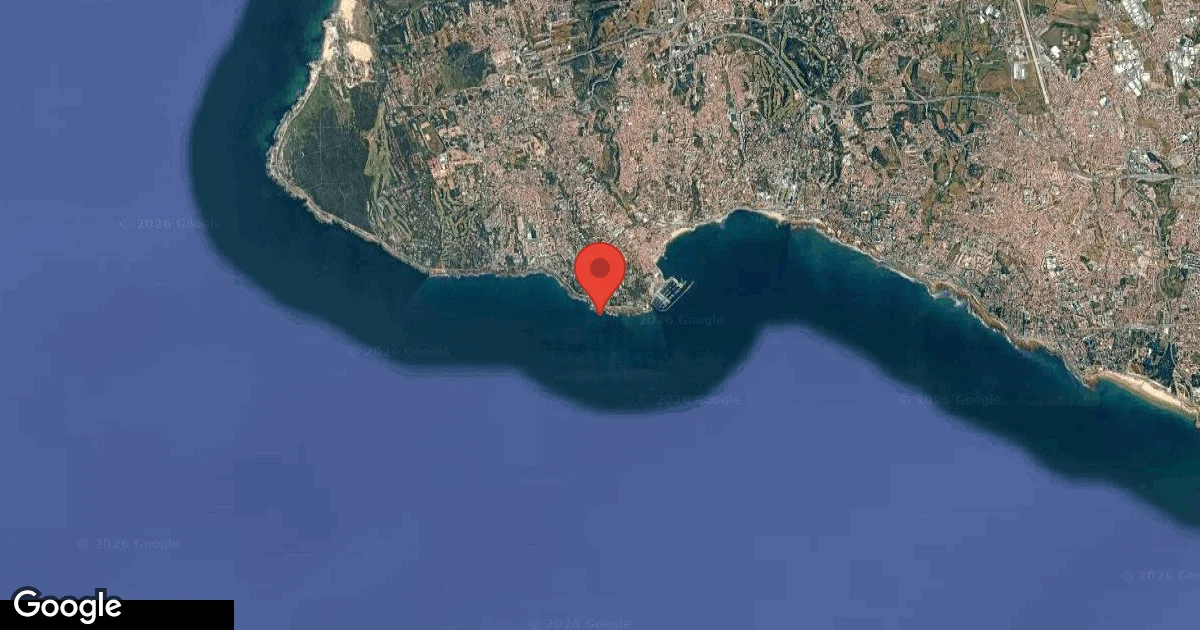
On July 26, 1917, the minesweeper Roberto Ivens sank approximately 4 nautical miles south of the Bugio Lighthouse, at the Tagus river mouth, following a collision with a German mine it failed to detect. Fishermen knew of its presence for many years, but definitive identification as the Roberto Ivens occurred in 2016.
Previously, the shipwreck's location was widely believed to be 12 nautical miles south of Cascais. Now, an inviting recreational dive site allows experienced divers to explore a significant piece of World War I history. Resting on a flat sandy bottom, the wreck lies at an average depth of 32 m (105 ft), reaching a maximum depth of 38 m (125 ft).
Exploration of the remains offers a tangible link to a past conflict, submerged in cool Atlantic waters. Visibility varies depending on conditions, adding to the dynamic nature of the dive.
Conditions are Good
Optimal conditions expected
Current conditions near Roberto Ivens show 19° air, 17° sea temperature, 1.4 m waves, and 32 km/h wind. Forecast data is refreshed regularly to ensure accuracy.
Best Time to Dive
Diving at Roberto Ivens ideally aligns with Portugal's warmer, drier months, contrasting sharply with the less favorable winter period. Optimal conditions typically run from May through August; average air temperatures during this time range from 18.5°C (65°F) to 23.5°C (74°F). In this peak season, rainfall remains minimal, often less than 1 mm, and wave heights are generally lower, averaging 1.2 to 1.4 meters. These elements contribute to 'Good' dive scores. By comparison, winter months like January and February bring 'Poor' dive scores, with average air temperatures around 13-13.5°C (55-56°F), higher rainfall up to 5.1 mm, and significantly increased wave activity, sometimes exceeding 3 meters. Moderate dive conditions extend into April and from September through November, offering a wider window outside the peak, though with varying degrees of weather stability.
PEAK SEASON SCORE
Scores combine air & water temps, waves, wind & rainfall for overall conditions.
BEST MONTHS TO DIVE
Monthly records compiled from satellite and marine observation nodes over the last 3 years. Data provided by Open-Meteo and MET Norway.
Dive Experience & Conditions
Mild to strong currents are often present at the Roberto Ivens wreck, creating a dynamic environment that adds to the dive's challenge. Such conditions are a primary reason the site is recommended for more experienced divers. Water temperatures around the wreck typically range from 16°C to 20°C (61-68°F), requiring suitable thermal protection. Resting on a flat sandy bottom, the wreck's average depth is around 32 m (105 ft), with deeper sections reaching the maximum depth of 38 m (125 ft). While specific visibility reports vary, strong currents can sometimes affect clarity. Navigating the wreck in these conditions demands proficient buoyancy control and attentive dive planning.
Dive Difficulty & Safety Guidelines
Approaching the Roberto Ivens site requires acknowledging inherent challenges, primarily its depth and the presence of mild to strong currents. Such conditions necessitate advanced dive training and experience. Divers should be comfortable with deep diving procedures and proficient in managing potential current shifts.
Always dive with a reliable buddy and ensure equipment is well-maintained and suitable for technical recreational depths. Given the maximum depth, proper decompression planning and reliable dive computers are essential.
Adhering to no-decompression limits or executing planned decompression stops safely is paramount for a successful and safe exploration of this historical wreck.
Recommended Equipment
Deep dive hazard. Increased narcosis and gas consumption risk.
Overhead / entanglement risk. Wreck penetration requires proper training.
- Dive Computer
- DSMB
- Primary & Backup Lights
- Wreck Reel
- Cutting Tool
This gear list is based on verified equipment signals for Roberto Ivens, Portugal. Always confirm final gear choices with your dive operator, guide, or liveaboard.
Recommended Dive Suit
Experienced divers often bring flexible gear options.
Environmental readings suggest that the waters surrounding Roberto Ivens are about 17°C (62°F) at the moment. Surface air temperatures are resting at 19°C (65°F). Divers who spend longer periods underwater often choose 5-7mm wetsuit. Consider warmer surface protection (like a boat coat) due to brisk winds. Surface intervals may feel cooler.
Current forecasts indicate relatively stable conditions for the coming days.
Emergency & Medical Support
Essential information to help you plan your dive trip to Roberto Ivens.

Hyperbaric chambers are a critical part of dive safety infrastructure. Availability varies significantly by region, and not all dive areas have immediate access.
Before diving, it's recommended to:
- confirm nearest medical facilities
- check emergency procedures with local dive operators
- ensure dive insurance covers evacuation if required
Divers Alert Network
Diving emergency assistance available through DAN Europe.
+39 0642115685- 24/7 emergency hotline
- Diving medical assistance
- Evacuation coordination
Emergency contacts are provided for reference. Always verify local emergency services before diving.
Closest Listed Hyperbaric Chambers
Showing listed hyperbaric chamber facilities within 200 km of this dive site.
Distances are approximate straight-line distances and may not reflect emergency travel time.
Centro de Medicina Subaquatica e Hiperbarica
24/7 ListedICU CapableLisboa, Portugal•Approx. 17 km straight-line
Centro de Medicina Subaquatica e Hiperbarica
24/7 ListedICU CapableInformation is provided for reference and planning purposes only. Dive Navigator does not verify operational status, staffing, availability, or quality of care at listed facilities. In an emergency, contact local emergency services, DAN, your dive operator, or the chamber directly. Do not travel to a facility without calling ahead.
Marine Life at Roberto Ivens
Descending upon the Roberto Ivens wreck reveals diverse marine life that has colonized its structure. Serving as an artificial reef, it has become a habitat for various species, thriving amidst the metal remains.
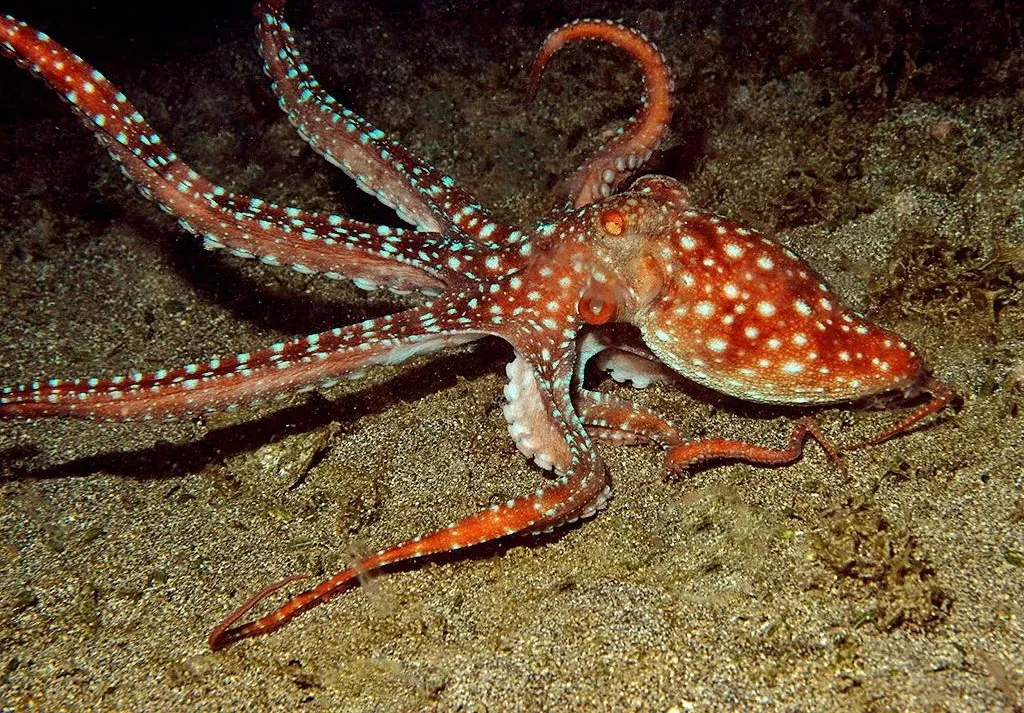
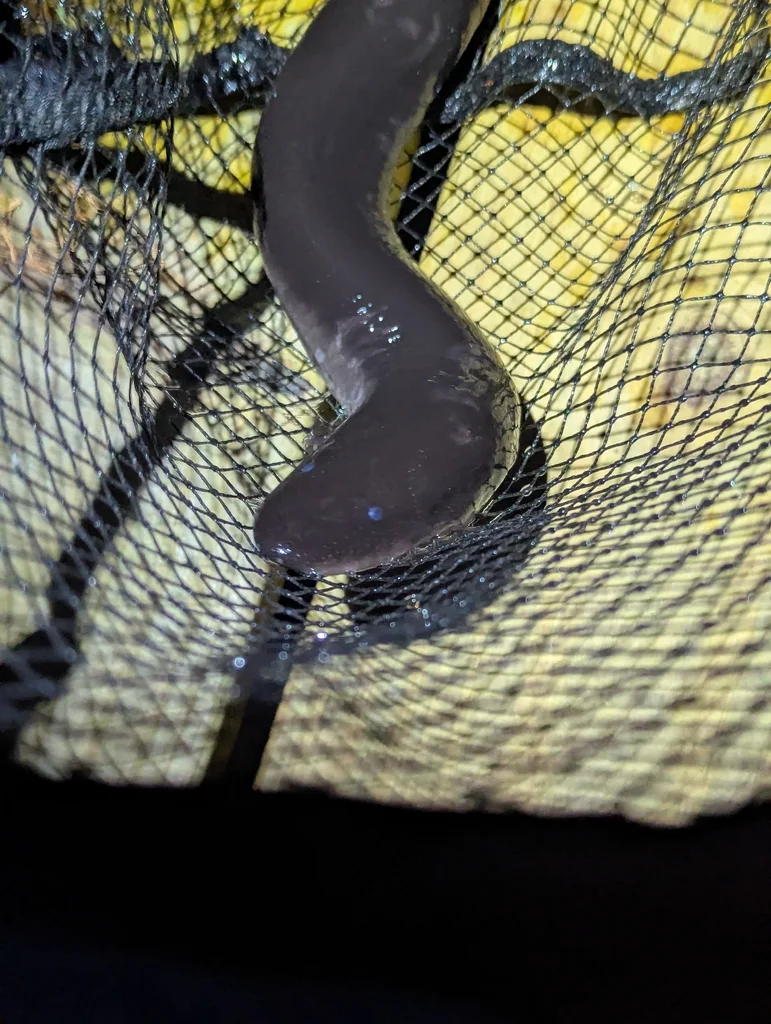
Commonly observed are sea bream, gracefully navigating the structure, alongside wrasses and red mullets. Jewels, octopuses, and conger eels often seek refuge within the wreck's crevices.
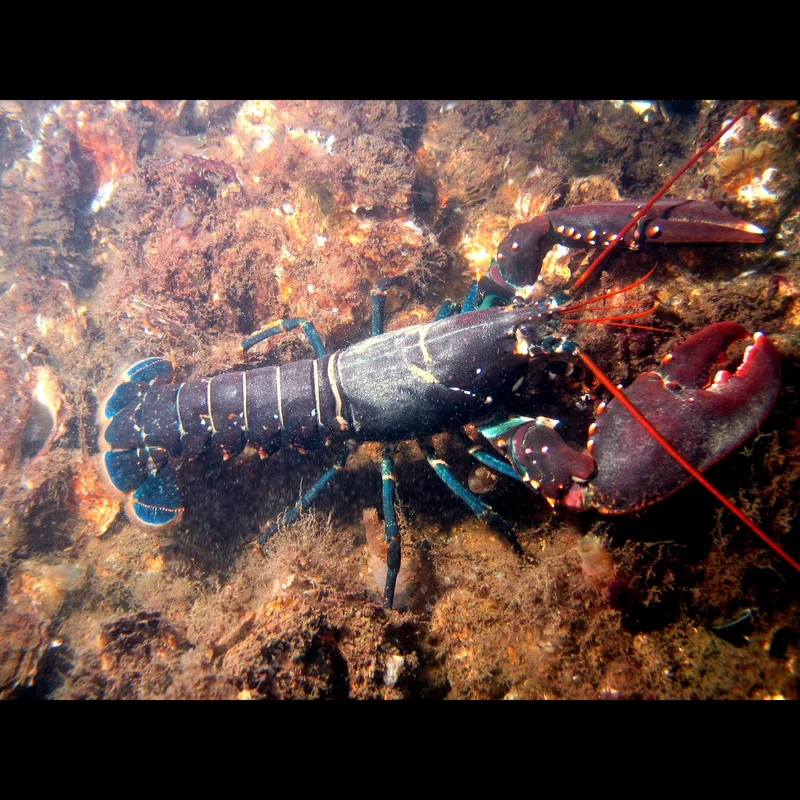
Additionally, diligent explorers might spot lobsters nestled in rocky areas surrounding the wreck, their antennae protruding from hidden nooks. Though a somber historical artifact, the wreck provides a vibrant ecosystem for these Atlantic inhabitants.

Dive Sites Near Roberto Ivens
View all dive sites in PortugalDiscover more underwater gems in this area.
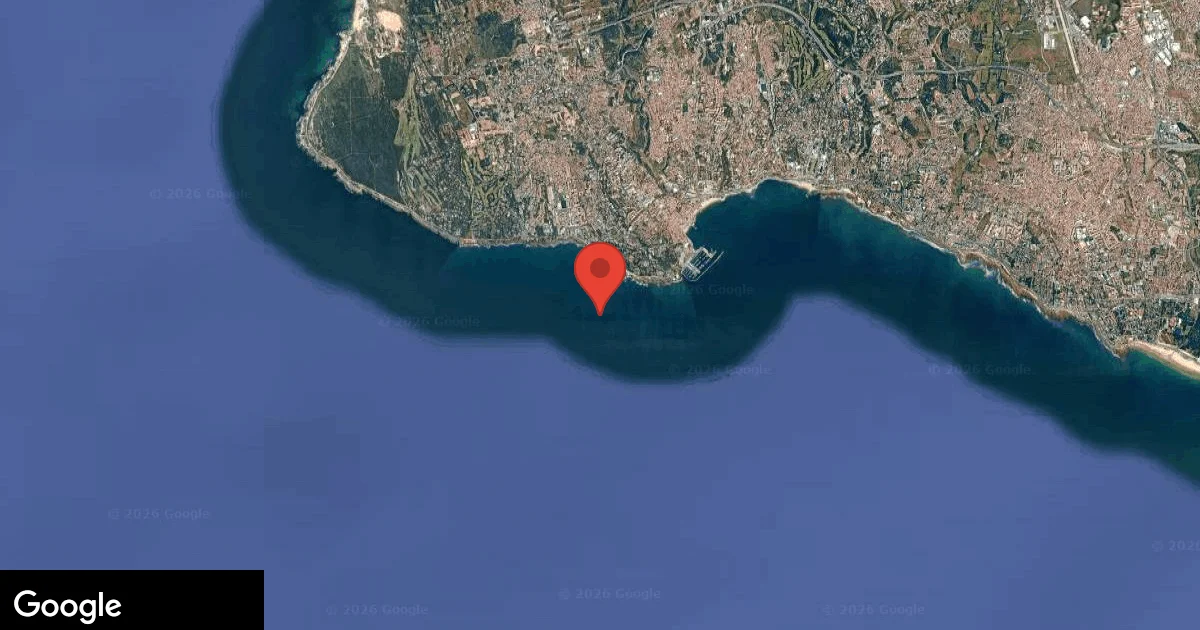
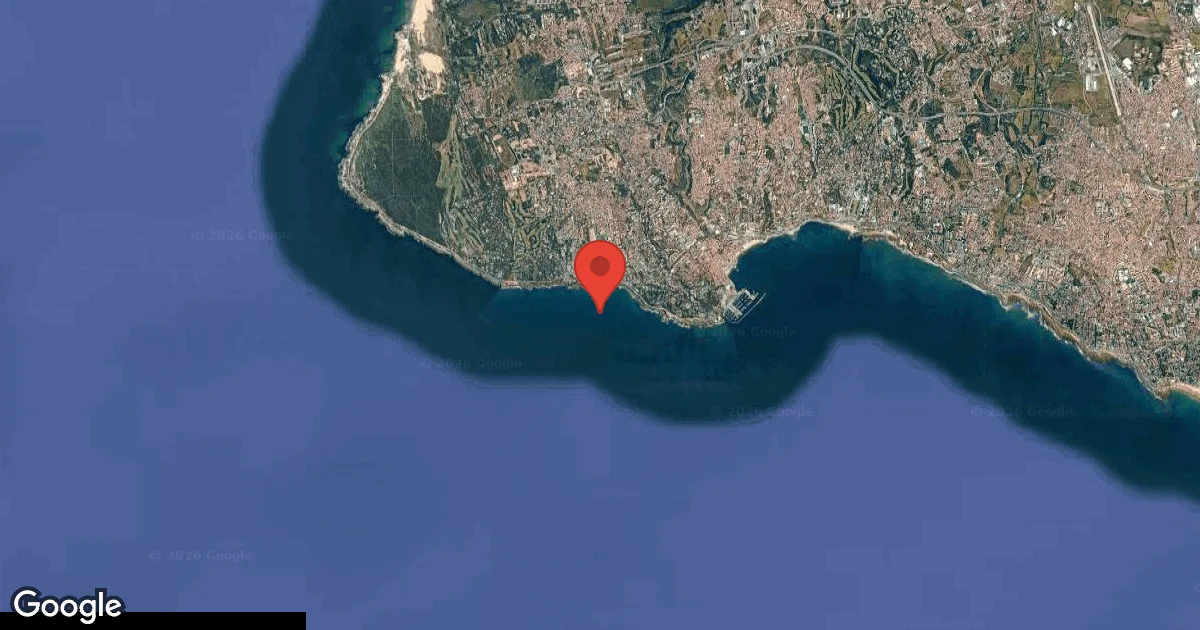
Dive Centers Near Roberto Ivens
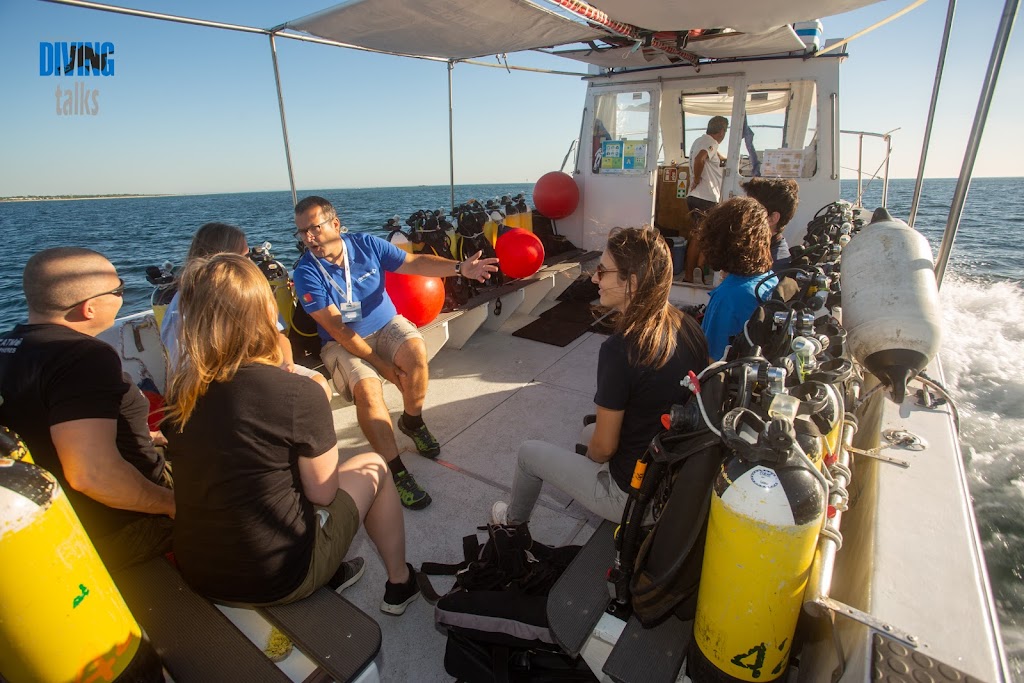
Today: Closed
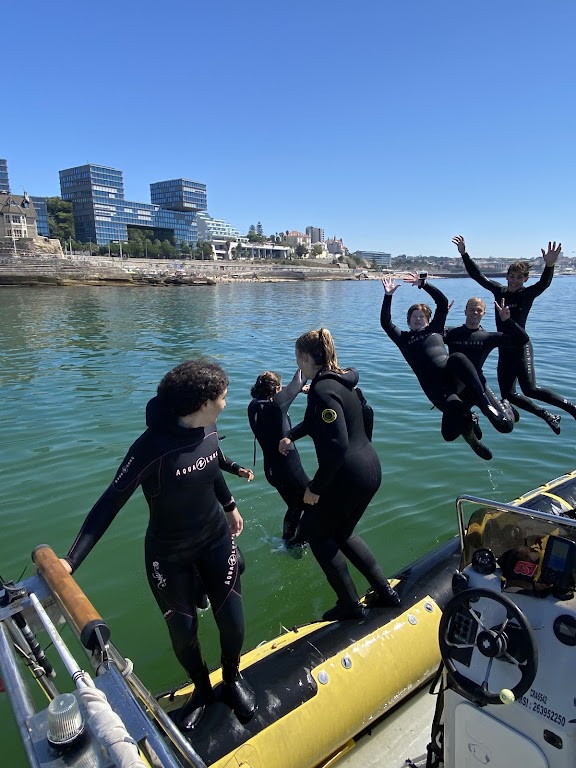
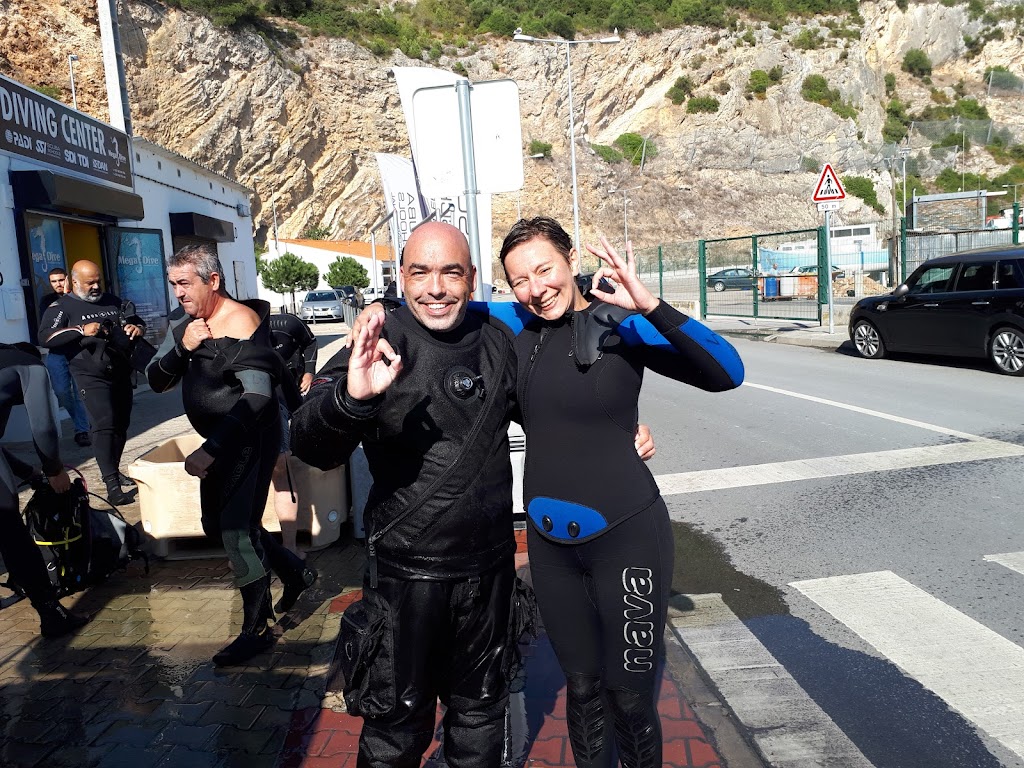
Nearest Airports
Nearest airports to help plan travel to this dive area.
Search Flights
Check available flights and routes on Expedia, using the nearby airports listed in this section.
Search Flights on ExpediaFrequently Asked Questions
What type of dive site is Roberto Ivens?
Roberto Ivens is a recreational wreck dive site. It features the remains of an old minesweeper that sank during World War I, resting on a sandy bottom.
What is the historical significance of the Roberto Ivens wreck?
A trawler requisitioned by the Portuguese Navy during the Great War, Roberto Ivens sank on July 26, 1917, after colliding with a German mine. Its identity was confirmed in 2016, correcting previous assumptions about its location.
What are the typical depths at the Roberto Ivens dive site?
Diving reveals a flat sandy bottom where the wreck rests at an average depth of 32 m (105 ft). Maximum depth encountered at this site is 38 m (125 ft).
What marine life can be observed around the wreck?
Divers exploring the Roberto Ivens can expect to see a variety of marine life. Commonly sighted species include sea bream, wrasses, red mullets, jewels, octopuses, conger eels, and lobsters taking refuge around the wreck and surrounding rocky areas.
What is the water temperature like at Roberto Ivens?
Water temperatures around the Roberto Ivens wreck generally range from 16°C to 20°C (61-68°F). Appropriate thermal protection is recommended for these conditions.
Are there currents at the Roberto Ivens dive site?
Mild to strong currents are characteristic of the Roberto Ivens site. Such conditions contribute to the dive's challenge, necessitating experience and careful planning.
When is the best time of year to dive Roberto Ivens?
Optimal diving conditions for Roberto Ivens typically occur from May through August, offering 'Good' dive scores with warmer air temperatures, minimal rain, and lower wave heights. Moderate conditions extend into April and from September to November.
Planning to dive Roberto Ivens?
Send one inquiry and receive offers directly from the best verified local dive operators.
Conditions are Good
Optimal conditions expected
Current conditions near Roberto Ivens show 19° air, 17° sea temperature, 1.4 m waves, and 32 km/h wind. Forecast data is refreshed regularly to ensure accuracy.