
Diving at Dangerous Dough Reef (South Africa)
Diving at Dangerous Dough Reef, you'll find conditions often challenging, reflecting its name. Wave heights typically range from 2.2 to 3.2 meters (7 to 10.5 ft) throughout the year, with winds consistently above 25 km/h (15 mph), peaking around 33 km/h (20 mph). These factors significantly influence dive planning and execution. This Western Cape site in South Africa requires careful consideration of sea state before entry.
Evening condition tracking at Dangerous Dough Reef features an air temperature of 16°C. We have recorded wave heights measuring 2.6 m during this period. These figures outline the environmental parameters currently present.
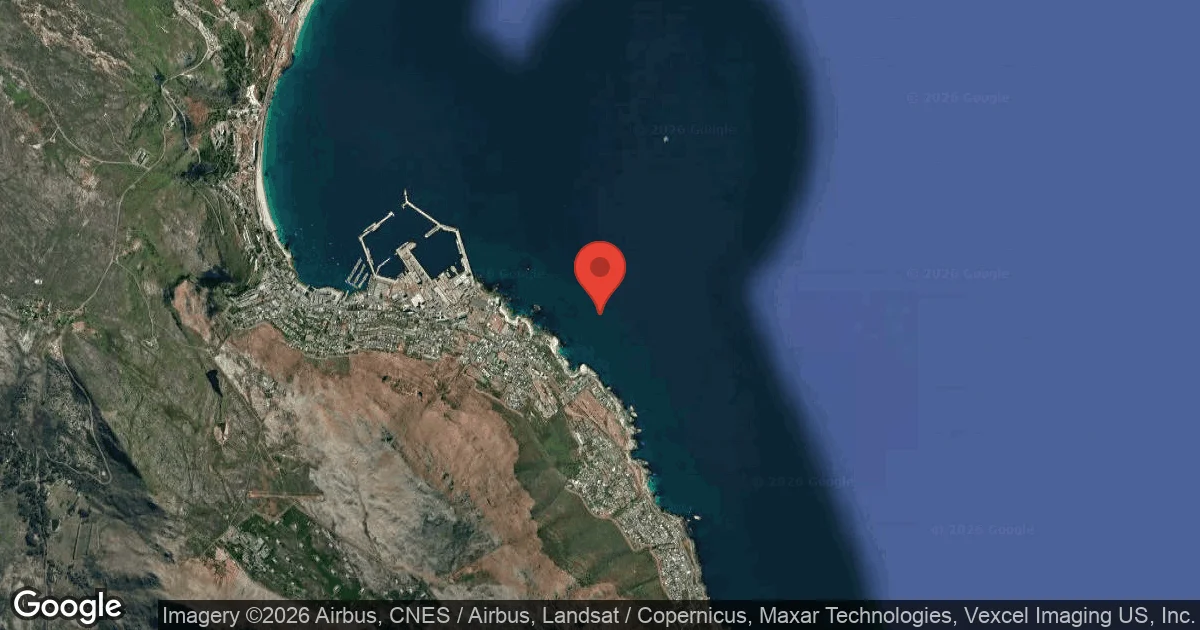
Dive Site Location & Key Facts
Dive Site Overview
The reef's distinctive name originated from a local diver's misadventure, underscoring the dynamic nature of its waters and the respect it often demands. Dangerous Dough Reef presents divers with a compelling display of granite geology, ranging from moderate outcrops to substantial rock formations that shape an intricate underwater terrain.
Towards the eastern side, one often finds a large expanse of fairly level, lower-profile 'rooftop' reef, providing a distinct contrast to the more dramatic western end. Here, the reef transforms into a cluster of notably high outcrops, creating imposing underwater walls and pinnacles. These are interspersed with sandy-bottomed gullies that carve paths between the granite giants, offering sheltered routes and intriguing visual corridors for divers to explore.
Depths on this site vary significantly; high points can be found around 12 m (39 ft) towards the northwest, while the maximum depth approaches 20 m (66 ft) to the east. This structural variety supports diverse habitats, with the complex reef profiles and surrounding waters attracting a range of marine species.
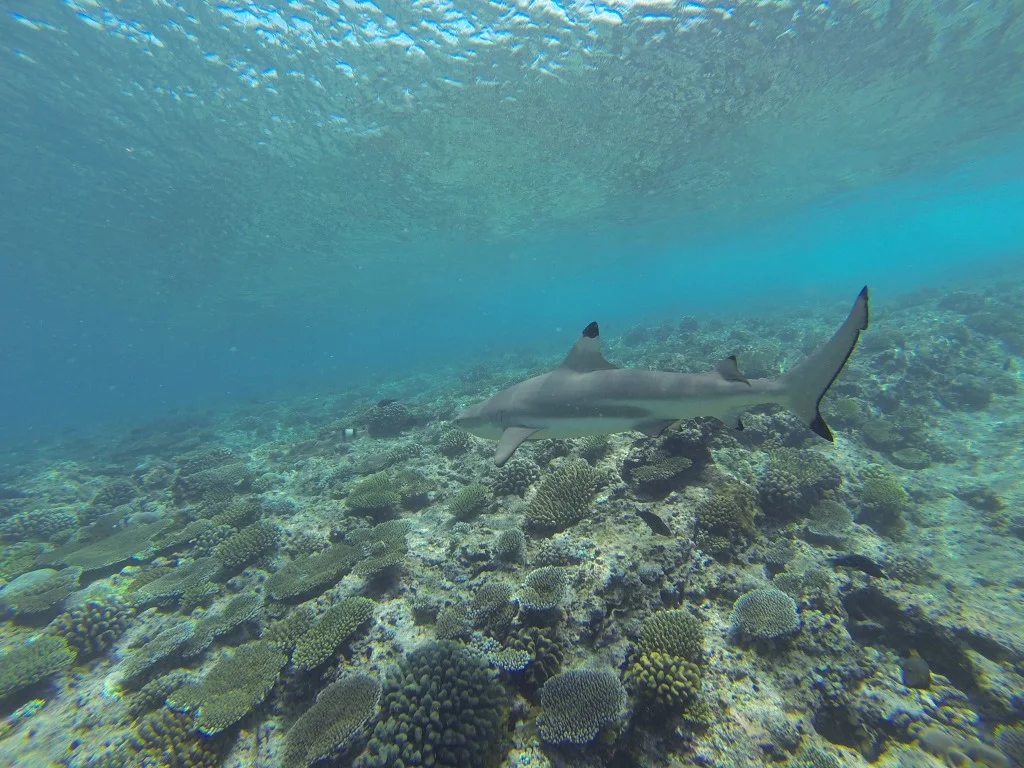
It's not uncommon to encounter larger pelagic species, with sightings of sharks, whales, dolphins, and various turtles occasionally reported in the area, often moving along the reef's varied contours.
Conditions are Poor
High Swell Advisory. Not recommended.
Current conditions near Dangerous Dough Reef show 16° air, 12° sea temperature, 2.3 m waves, and 50 km/h wind. Forecast data is refreshed regularly to ensure accuracy.
Best Time to Dive
Planning a dive at Dangerous Dough Reef necessitates assessing the prevailing conditions, which can fluctuate considerably. April and May generally present the most moderate dive scores for the area, suggesting potentially more favorable sea states during these months compared to others. Air temperatures during this period average 15.5-17°C (60-63°F), accompanied by lower rain averages than the winter months. However, wave heights can still be significant, typically between 2.4 and 2.8 meters (8-9 ft), indicating the persistent presence of ocean swell. Dive scores for the remainder of the year are primarily poor, particularly from June to September, when wave heights frequently exceed 3 meters (10 ft) and rainfall is highest. Always consult local forecasts and dive operators for real-time conditions before planning your trip.
PEAK SEASON SCORE
Scores combine air & water temps, waves, wind & rainfall for overall conditions.
BEST MONTHS TO DIVE
Monthly records compiled from satellite and marine observation nodes over the last 3 years. Data provided by Open-Meteo and MET Norway.
Dive Experience & Conditions
The depth profile at Dangerous Dough Reef ranges from a shallower 12 m (39 ft) near its highest points in the northwest to about 20 m (66 ft) on the eastern side. It's primarily a medium-profile granite reef, characterized by occasional areas that rise higher or dip lower, creating an intricate underwater landscape. Divers can navigate sandy-bottomed gullies found between the relatively high rock outcrops at the western end. The eastern sections feature a larger, flatter area of lower-profile reef. Water temperature information isn't consistently reported, but often varies depending on seasonal upwellings common in South African waters. Visibility can be affected by swell and local currents, making dynamic conditions a frequent reality.
Dive Difficulty & Safety Guidelines
Approaching Dangerous Dough Reef demands a conservative mindset and an understanding of its often-challenging environment, a context reinforced by the reef's namesake. Divers should possess intermediate to advanced skills, especially in navigating dynamic ocean conditions and potentially strong currents. Given the potential for surfacing far from the intended exit point, as suggested by the reef's naming history, proficient surface marker buoy (SMB) deployment and boat pickup procedures are essential.
Always dive with experienced local guides who are familiar with the site's specific currents and entry/exit points. Maintaining situational awareness throughout the dive and adhering to your planned dive profile minimizes risk.
Recommended Equipment
- Dive Computer
This gear list is based on verified equipment signals for Dangerous Dough Reef, South Africa. Always confirm final gear choices with your dive operator, guide, or liveaboard.
Recommended Dive Suit
Temperatures look set to gradually increase over the next several days. A warming trend is expected over the next few days.
For typical recreational dives, 7mm wetsuit or semidry generally provides comfortable insulation. Strong winds are present; please take strong precautions against rapid cooling during surface intervals. A thermal robe or jacket is recommended between dives.
At Dangerous Dough Reef, the water is currently sitting around 12°C (54°F). Surface air temperatures are resting at 16°C (61°F).
Due to technical issues with our weather providers, live updates are temporarily delayed. The data above reflects the conditions at the time of the last successful fetch.
Emergency & Medical Support
Essential information to help you plan your dive trip to Dangerous Dough Reef.

Hyperbaric chambers are a critical part of dive safety infrastructure. Availability varies significantly by region, and not all dive areas have immediate access.
Before diving, it's recommended to:
- confirm nearest medical facilities
- check emergency procedures with local dive operators
- ensure dive insurance covers evacuation if required
Divers Alert Network
Diving emergency assistance available through DAN Southern Africa.
+27828106010- 24/7 emergency hotline
- Diving medical assistance
- Evacuation coordination
Emergency contacts are provided for reference. Always verify local emergency services before diving.
Marine Life at Dangerous Dough Reef
The rugged granite cornerstone outcrops and boulders of Dangerous Dough Reef create a complex habitat for marine life. This varied underwater landscape, with its sandy gullies and differing reef profiles, supports a diverse ecosystem.
While specific resident species aren't detailed, the site is known for occasional sightings of larger pelagics. Divers might spot sharks, whales, dolphins, and various turtles.
These creatures are drawn to the productive waters around these extensive reef structures, offering glimpses of significant marine fauna amidst the impressive geology.
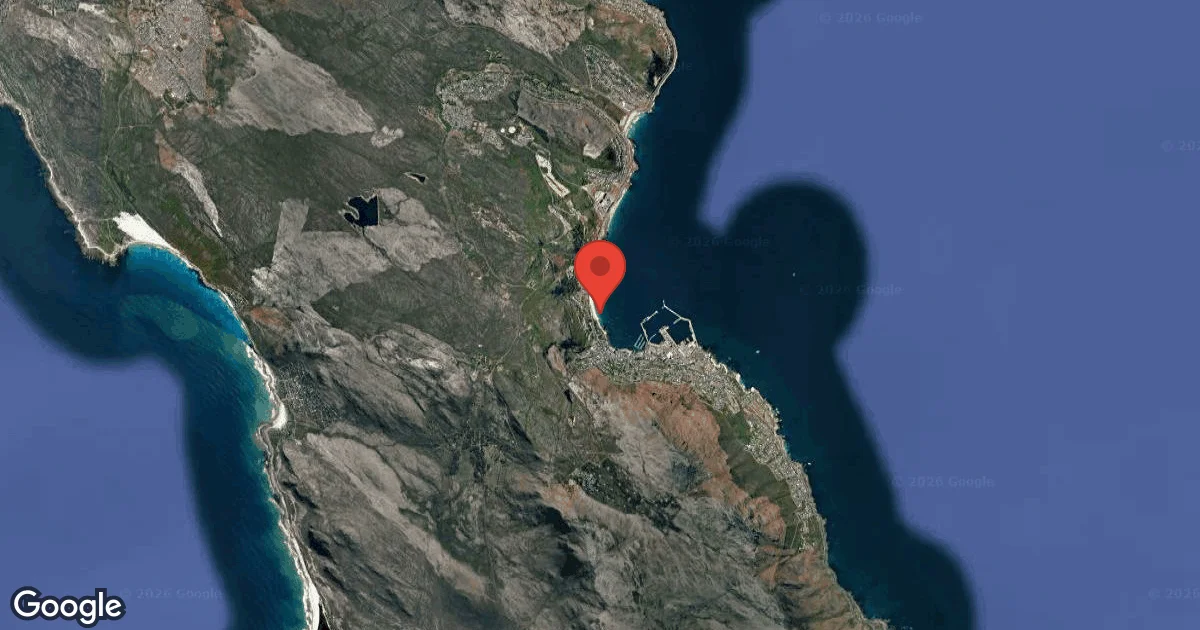
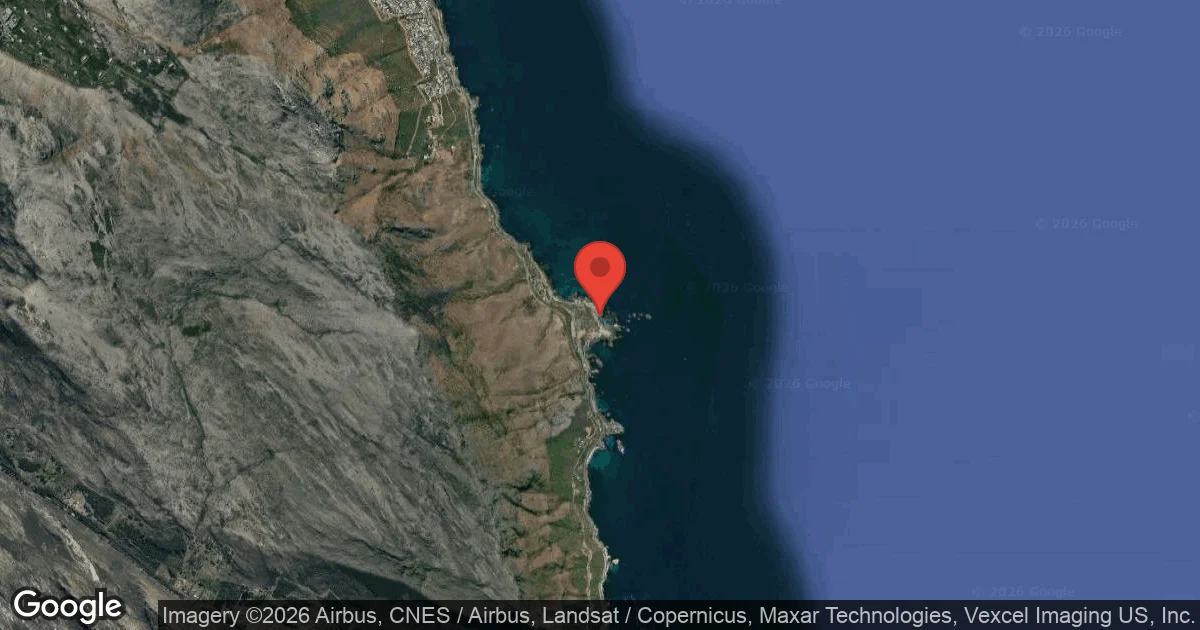
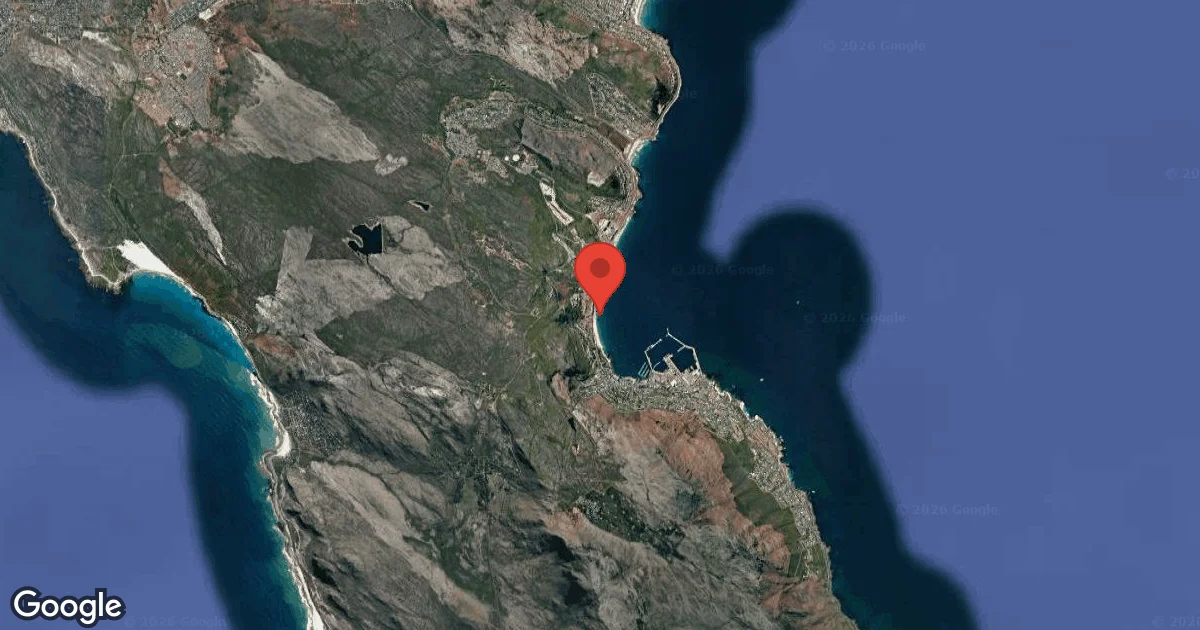
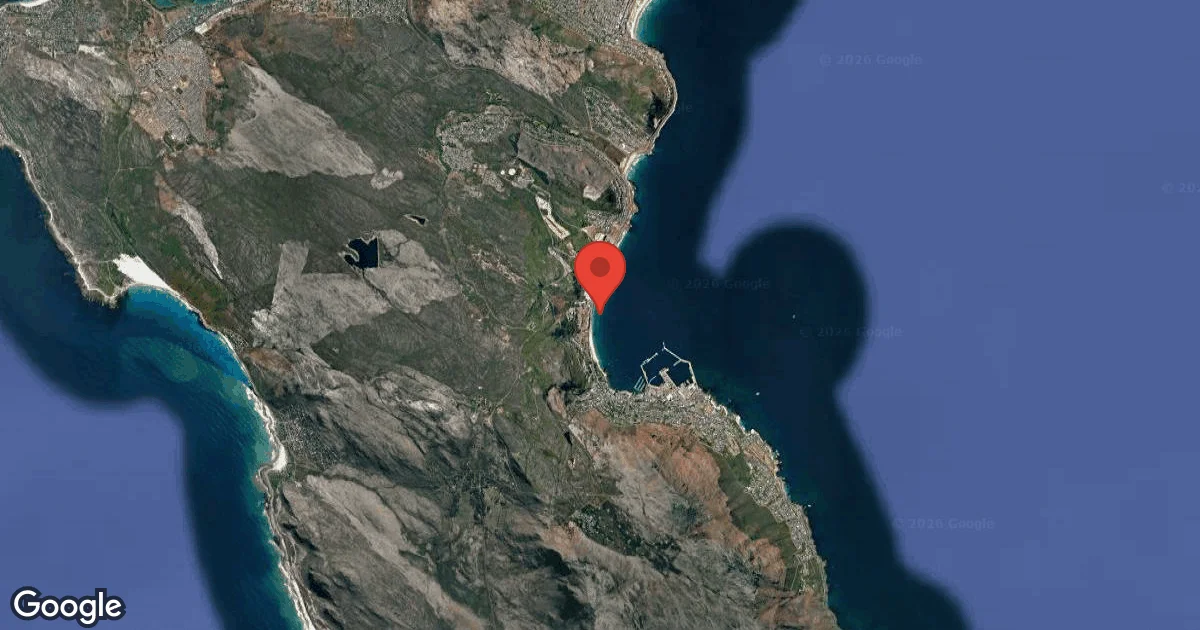
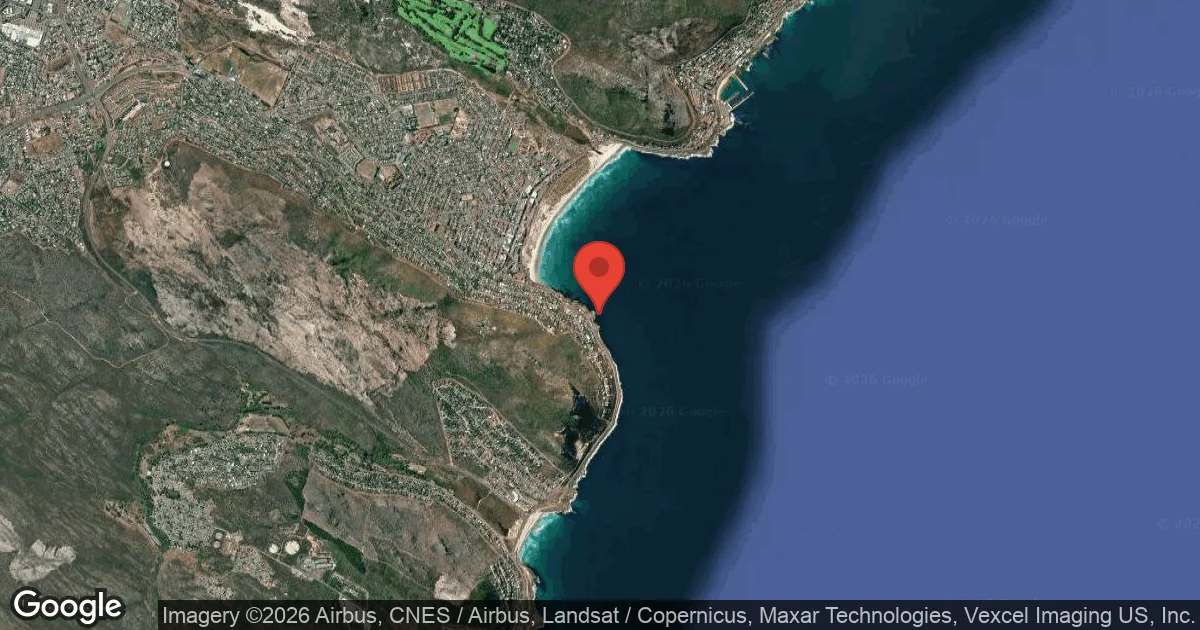
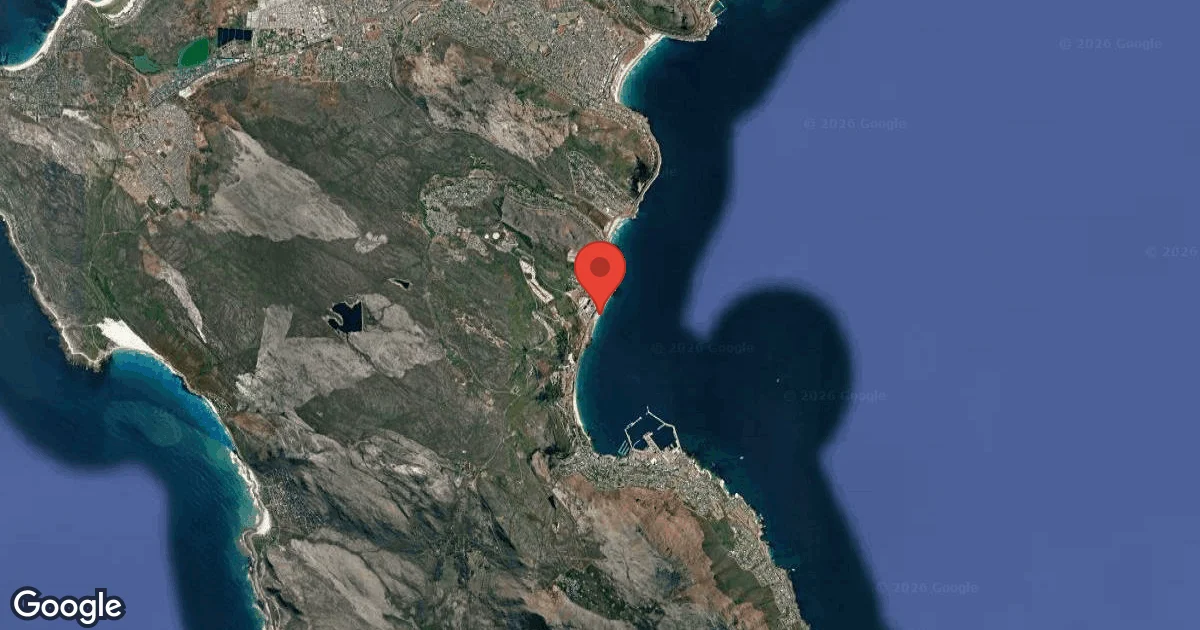
Dive Sites Near Dangerous Dough Reef
View all dive sites in South AfricaDiscover more underwater gems in this area.
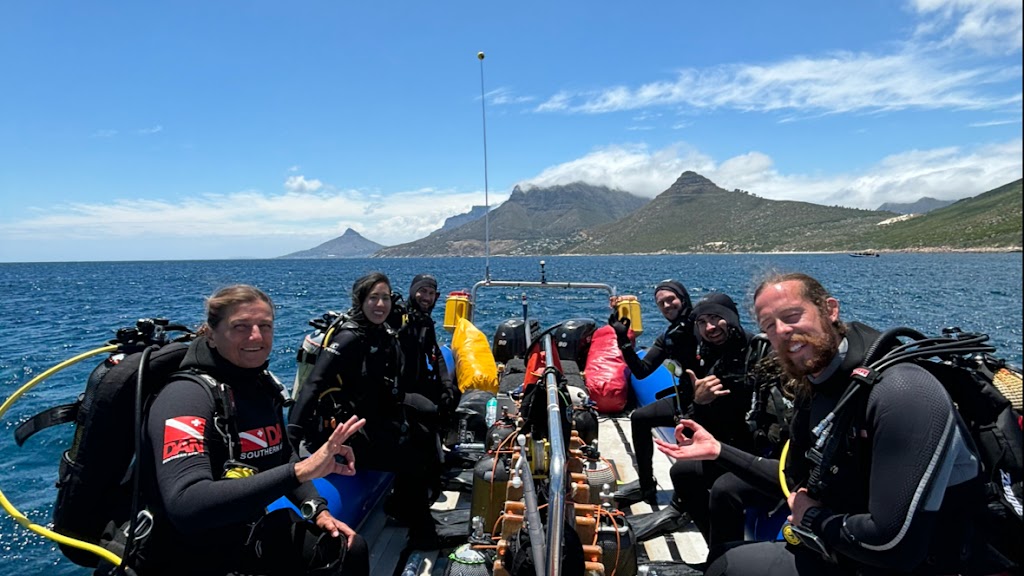
Dive Centers Near Dangerous Dough Reef
Today: 08:00 - 16:30


Nearest Airports
Nearest airports to help plan travel to this dive area.
Search Flights
Check available flights and routes on Expedia, using the nearby airports listed in this section.
Search Flights on ExpediaFrequently Asked Questions
How deep is Dangerous Dough Reef?
The reef's high points are around 12 meters (39 ft) towards the northwest. The maximum depth can be found to the east of the reef, reaching approximately 20 meters (66 ft).
What kind of topography can I expect?
The reef features a medium-profile granite structure, with a mix of moderately sized outcrops and massive rock lumps. There are areas of both higher and lower profiles, sandy-bottomed gullies, and a flatter 'rooftop' section.
What marine life is commonly seen here?
While not guaranteed, common sightings include larger pelagic species such as sharks, whales, dolphins, and various turtles. The varied reef structure supports a diverse marine population.
Why is it called 'Dangerous Dough Reef'?
The reef was named after a local diver who reportedly made an error during a return shore swim, surfacing far out to sea and needing rescue. This history hints at the potentially challenging conditions of the area.
What are the best months for diving?
April and May typically offer the most moderate dive conditions, with lower rainfall and less extreme wave heights compared to the winter months. However, conditions can vary, so always check local forecasts.
Is this site suitable for beginner divers?
Due to dynamic ocean conditions, significant wave heights, and potential currents, Dangerous Dough Reef is generally recommended for intermediate to advanced divers. Proficiency in handling challenging conditions is important here.
Planning to dive Dangerous Dough Reef?
Send one inquiry and receive offers directly from the best verified local dive operators.
Conditions are Poor
High Swell Advisory. Not recommended.
Current conditions near Dangerous Dough Reef show 16° air, 12° sea temperature, 2.3 m waves, and 50 km/h wind. Forecast data is refreshed regularly to ensure accuracy.