
Diving at Long Beach (South Africa)
Dropping into the waters off Long Beach, divers embark on an accessible shore entry leading to a gently sloping sand bottom. This site, sheltered within Simon's Bay, unveils a gradual descent from the shallows towards a maximum depth of approximately 18 m (60 ft). It's an environment where the initial ease of access transitions into a surprisingly diverse underwater exploration for those willing to look closer.
Tonight's objective overview for Long Beach shows an air temperature of 15.5°C. The measured surface conditions include wave heights around 2.6 m. This environmental data is logged for the close of the day.
Dive Site Location & Key Facts
Dive Site Overview
What initially appears as a straightforward sandy bottom dive at Long Beach quickly transitions into a surprisingly intricate underwater landscape. From the shore, the bottom gradually shelves, reaching approximately 5 m (16 ft) relatively close in and extending to a maximum depth of 18 m (60 ft) near the Simon's Town Harbour mouth.
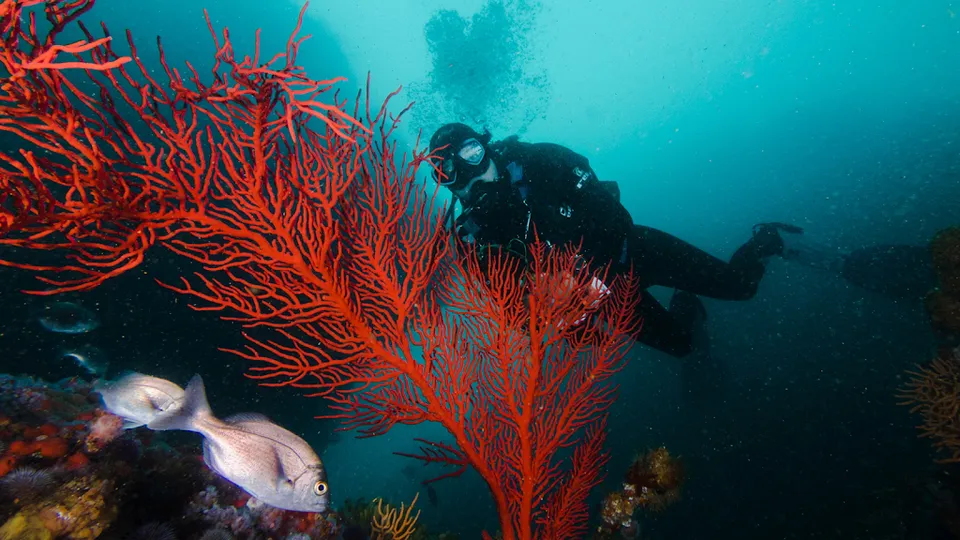
Divers exploring the initial sandy stretches will soon discover scattered wreckage and artificial reef structures. A prominent barge wreck serves as a focal point, having become encrusted with seaweeds and providing vital shelter for numerous fish species. Nearby, a pipeline also supports a variety of sessile growth.
For those willing to venture further, seldom-visited areas hold a smaller artificial reef, an additional wreck approximately 160 metres (525 ft) southeast of the slipway, large anchor chains, a massive anchor, concrete blocks, and parts of wrecked fishing boats. These features create a habitat for diverse marine life, transforming what some consider merely a training ground into a rewarding site for seasoned explorers.
Its accessibility makes it popular for skill development, but the detailed structures reward persistent and observant divers seeking more than the usual.
Conditions are Poor
High Swell Advisory. Not recommended.
Current conditions near Long Beach show 16° air, 12° sea temperature, 2.3 m waves, and 50 km/h wind. Forecast data is refreshed regularly to ensure accuracy.
Best Time to Dive
Planning a dive at Long Beach means navigating variable seasonal conditions, even though the harbour shape offers protection from localized winds and waves. While general dive scores tend to be moderate (April-May) or poor (most other months), this often reflects broader regional weather. Air temperatures are warmest from December through February, averaging around 20-21°C (68-70°F), with minimal rain. In contrast, winter months like July and August see cooler air temperatures of approximately 13°C (55°F) and higher rainfall, coupled with significantly increased wave heights, potentially impacting overall access or comfort. Water temperature isn't consistently reported across the year, but it varies depending on oceanic upwelling and seasonal changes, often cooler than expected due to local currents.
PEAK SEASON SCORE
Scores combine air & water temps, waves, wind & rainfall for overall conditions.
BEST MONTHS TO DIVE
Monthly records compiled from satellite and marine observation nodes over the last 3 years. Data provided by Open-Meteo and MET Norway.
Dive Experience & Conditions
Beneath the surface, the site's unique harbor shape moderates exposure to most winds and waves, creating generally calm and flat water conditions, particularly near shore. This contributes to Long Beach's reputation as an easy shore dive, ideal for training and less experienced divers. Visibility at the site can fluctuate, sometimes offering exceptionally clear conditions, while at other times it might be reduced depending on recent weather and sediment movement. Water temperatures aren't consistently reported, but divers should anticipate cooler conditions typical of South African waters, requiring appropriate thermal protection. The gradual slope and the presence of scattered debris and wrecks provide structure for marine life and make for an engaging, albeit moderate, underwater experience.
Dive Difficulty & Safety Guidelines
Navigating Long Beach requires awareness of several factors to ensure a safe dive. Box jellyfish have been observed here, so vigilance is necessary, particularly when conditions are calm. Although sharks are rarely found, it's always prudent to maintain situational awareness.
An MPA (Marine Protected Area) permit is mandatory for diving at this site. Divers should also be aware that the area is relatively close to the Simon's Town Naval Base; occasionally, for security reasons, access to the site may be temporarily closed when foreign warships are present.
Always confirm current access status before planning your dive. Easy shore entry and exit minimize surface complications.
Recommended Equipment
- Dive Computer
This gear list is based on verified equipment signals for Long Beach, South Africa. Always confirm final gear choices with your dive operator, guide, or liveaboard.
Recommended Dive Suit
7mm wetsuit or semidry is often considered an appropriate level of exposure protection for conditions like these. Strong winds are present; please take strong precautions against rapid cooling during surface intervals. A thermal robe or jacket is recommended between dives.
Current readings at Long Beach show water temperatures near 12°C (54°F). Surface air temperatures are resting at 16°C (60°F).
Environmental models indicate a modest warming trend ahead. A warming trend is expected over the next few days.
Due to technical issues with our weather providers, live updates are temporarily delayed. The data above reflects the conditions at the time of the last successful fetch.
Emergency & Medical Support
Essential information to help you plan your dive trip to Long Beach.

Hyperbaric chambers are a critical part of dive safety infrastructure. Availability varies significantly by region, and not all dive areas have immediate access.
Before diving, it's recommended to:
- confirm nearest medical facilities
- check emergency procedures with local dive operators
- ensure dive insurance covers evacuation if required
Divers Alert Network
Diving emergency assistance available through DAN Southern Africa.
+27828106010- 24/7 emergency hotline
- Diving medical assistance
- Evacuation coordination
Emergency contacts are provided for reference. Always verify local emergency services before diving.
Marine Life at Long Beach
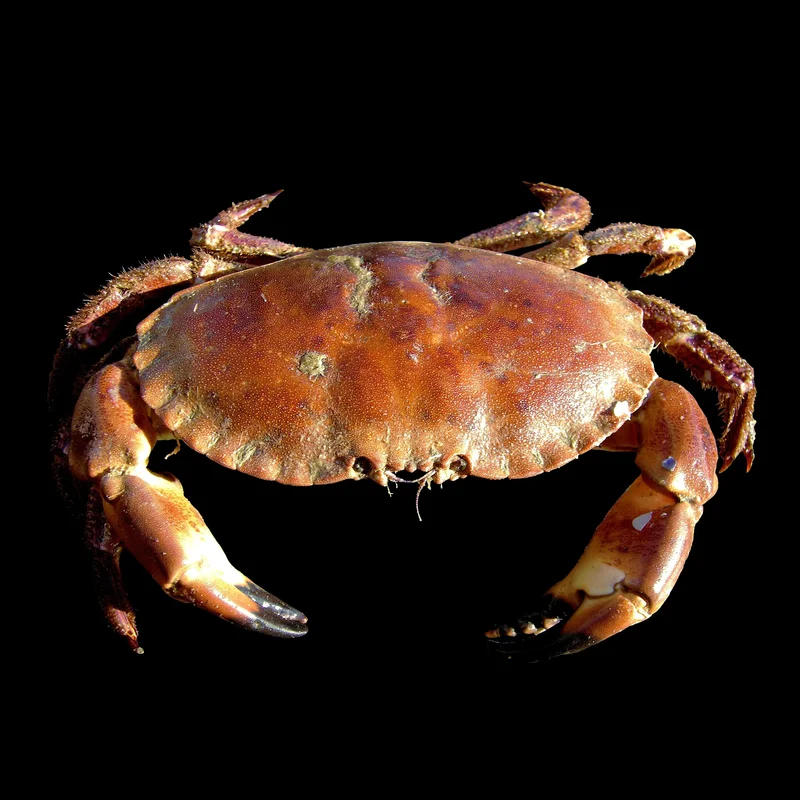
Upon entering the water, divers often spot a fascinating array of smaller marine species residing among the scattered wreckage and artificial structures. Expect to encounter pineapple fish, crown crabs, and agile klipfish.
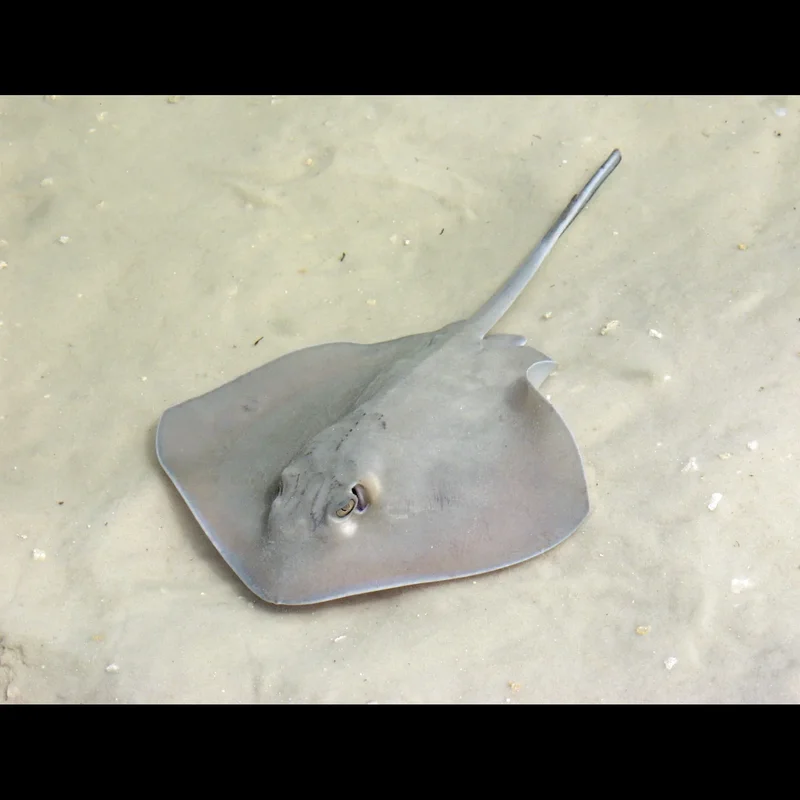
Look for blue fin gurnards foraging on the sandy bottom and shaggy sea hares grazing on the sessile growth. Biscuit skates and stingrays are frequently observed gliding across the sand, while sea squirts cling to surfaces.
Octopus are common inhabitants, often camouflaged within the nooks of the barge wreck or pipeline. Occasional sightings of John Dory and other fish not typically found in the immediate region add to the site's appeal, indicating a surprising biodiversity for those taking the time to explore beyond the obvious.

Dive Sites Near Long Beach
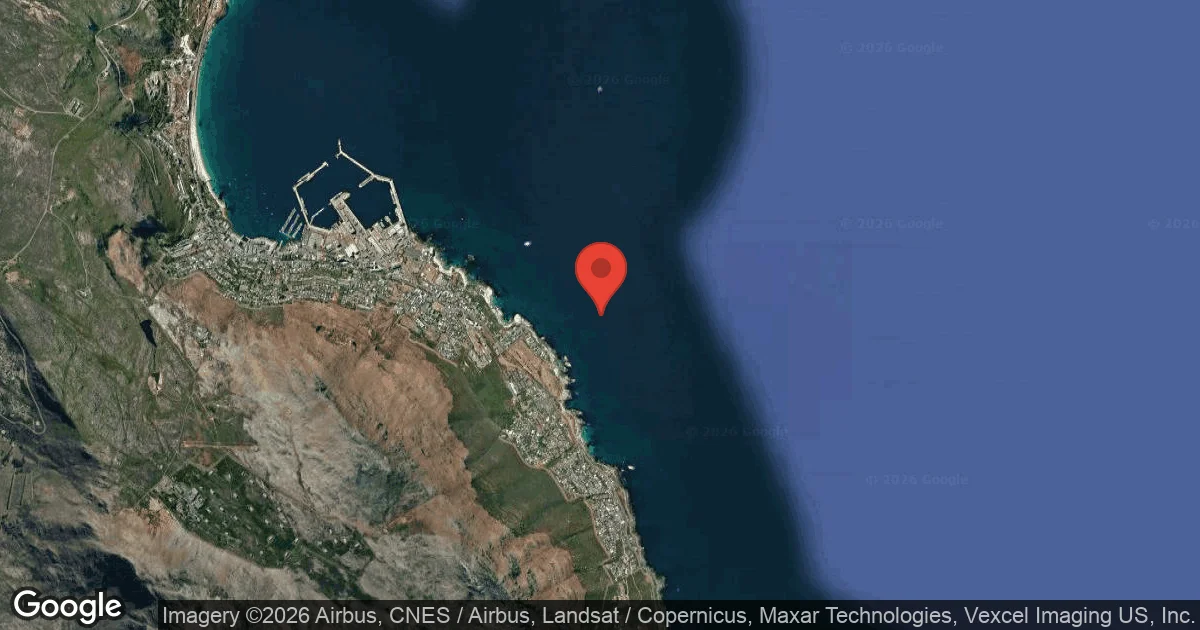
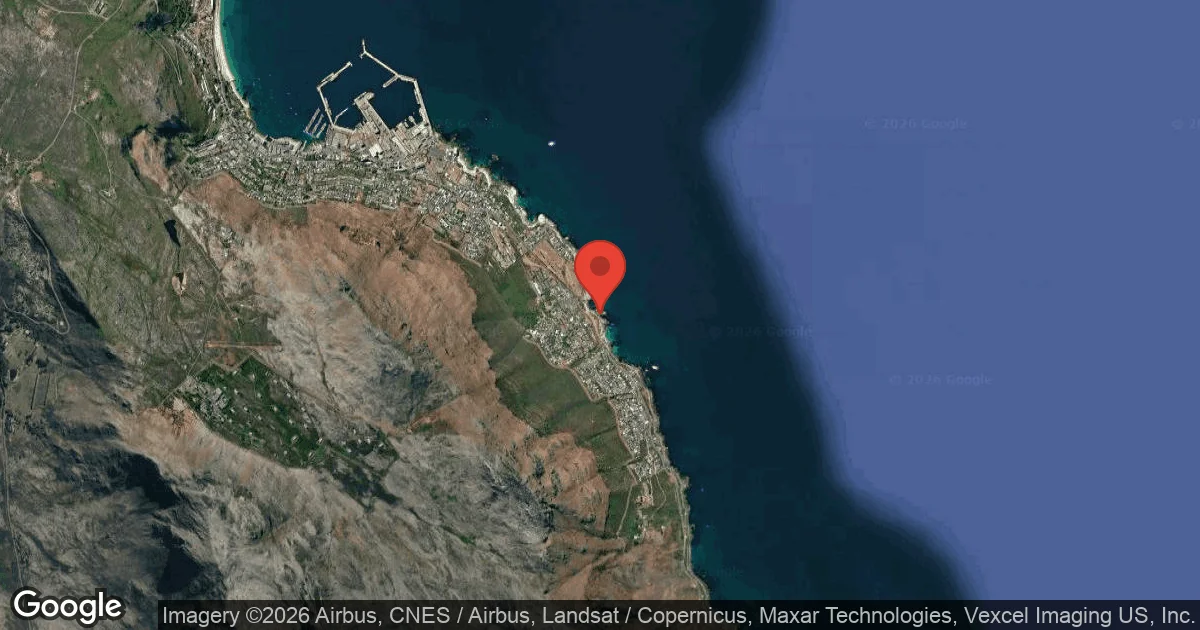
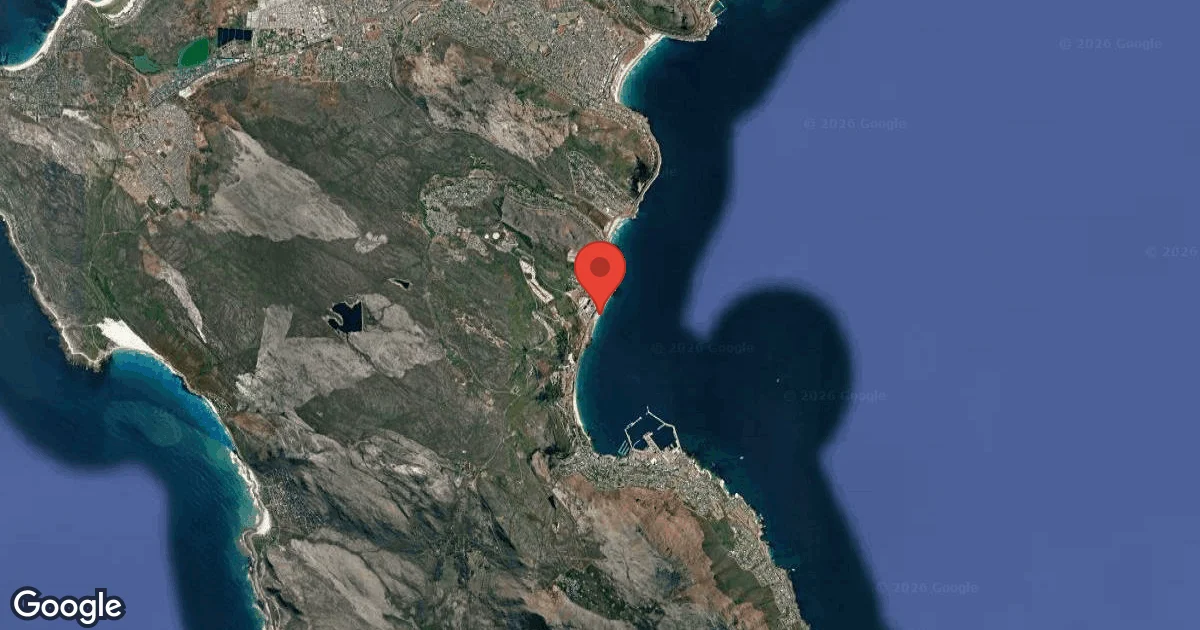
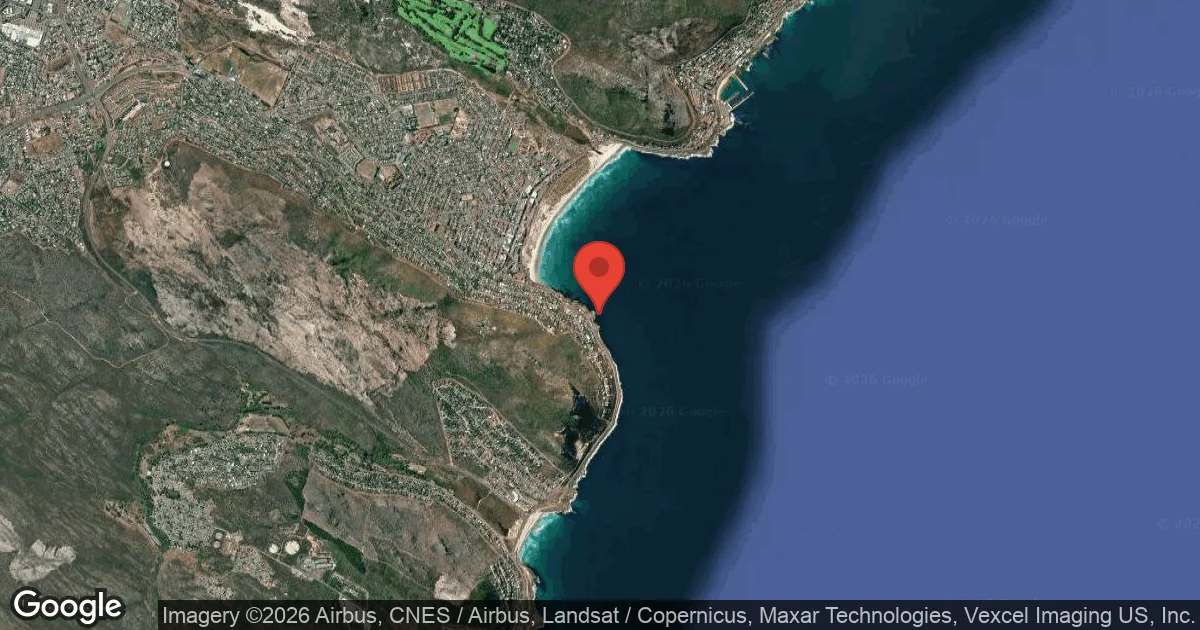
View all dive sites in South AfricaDiscover more underwater gems in this area.
Dive Centers Near Long Beach
Today: 08:00 - 16:30
Nearest Airports
Nearest airports to help plan travel to this dive area.
Search Flights
Check available flights and routes on Expedia, using the nearby airports listed in this section.
Search Flights on ExpediaFrequently Asked Questions
Is Long Beach suitable for beginner divers?
Yes, Long Beach is considered an excellent training site due to its sheltered location and easy shore entry. Its gradually sloping bottom allows for comfortable progression in depth, making it ideal for new divers to gain experience.
What is the maximum depth at Long Beach?
The site's maximum depth is approximately 18 m (60 ft) near the Simon's Town Harbour mouth. However, much of the interesting diving is found in shallower areas, with an average dive for most recreational divers staying around 9 m (30 ft).
Are there any wrecks to explore?
Absolutely. Long Beach features a prominent barge wreck that provides habitat for marine life. Further exploration can uncover an artificial reef, anchor chains, concrete blocks, and parts of smaller wrecked fishing boats, many of which are less frequently visited.
Do I need a permit to dive here?
Yes, Long Beach is located within a Marine Protected Area (MPA). Divers are required to obtain an MPA permit to dive at this site, so plan accordingly before your visit.
How reliable are the dive conditions?
The site is well-protected from most winds and waves due to its harbour location, often providing flat, calm waters. While general regional dive scores might be 'poor' or 'moderate' for South Africa, Long Beach itself frequently offers favorable conditions for diving due to its sheltered position.
What type of marine life can I expect to see?
Divers regularly encounter pineapple fish, crown crabs, blue fin gurnards, shaggy sea hares, biscuit skates, octopus, and stingrays. The wrecks and various debris also provide shelter for agile klipfish and a surprising variety of other fish, including occasional sightings of John Dory.
Planning to dive Long Beach?
Send one inquiry and receive offers directly from the best verified local dive operators.
Conditions are Poor
High Swell Advisory. Not recommended.
Current conditions near Long Beach show 16° air, 12° sea temperature, 2.3 m waves, and 50 km/h wind. Forecast data is refreshed regularly to ensure accuracy.