
Diving at Noah's Ark (South Africa)
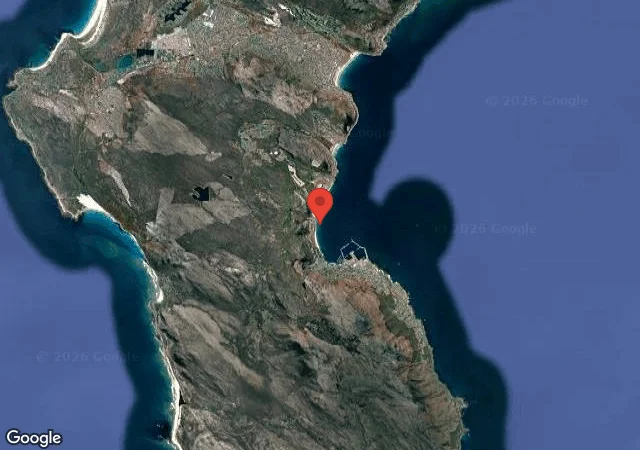
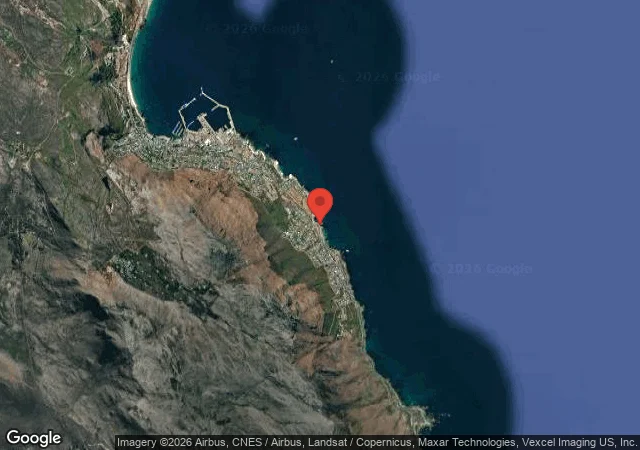
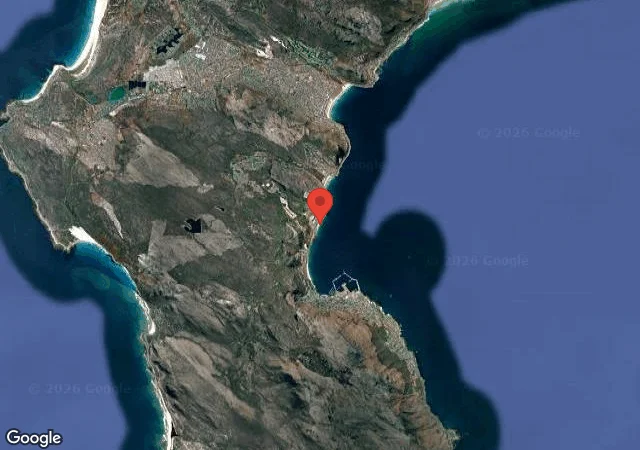
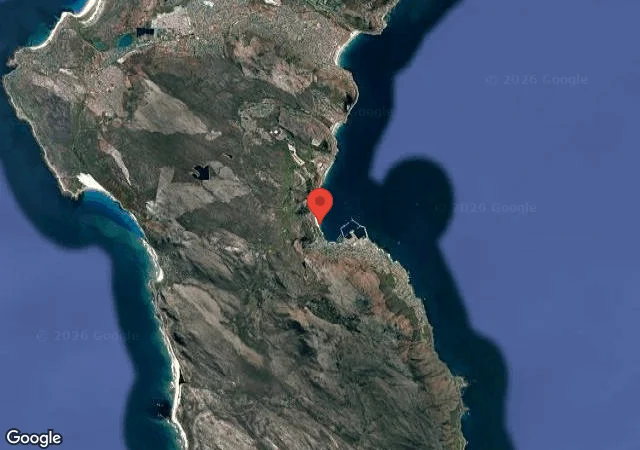
Noah's Ark off South Africa's Cape Peninsula in False Bay provides a complex dive experience, blending a natural rocky reef with multiple historical wreck sites. The area reaches a maximum depth of approximately 14 m (46 ft), accessible to a range of certified divers. Key topography includes a prominent granite boulder, known locally as Ark Rock, ringed by scattered debris from various vessels. This creates a compelling mix of geology and maritime history for exploration.
As evening covers Noah's Ark, the local air temperature is measured at 12.5°C. The current wave height at the surface is recorded at 1.4 m. These late-day readings characterize the surface conditions for the night.
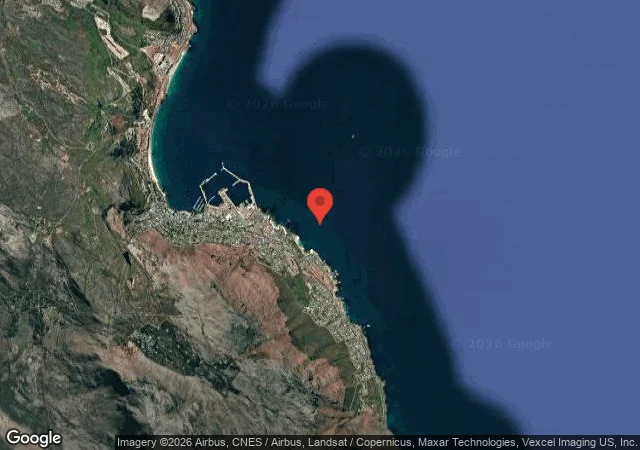
Dive Site Location & Key Facts
Dive Site Overview
Tracing its roots back to the 19th century, Noah's Ark and the associated Ark Rock wrecks narrate a rich maritime history beneath the surface off South Africa's Cape Peninsula. Its primary feature is a prominent granite boulder, locally known as Ark Rock, encircled by a field of scattered historical wreckage.
Divers encounter the probable remains of the Parana, an iron or steel vessel from 1862, positioned to the north-west. Further exploration reveals the wreck of a barge south of Ark Rock, alongside debris from smaller steam-powered vessels. Multiple boilers are also found, with one near a group of rocks some distance to the east, and others forming distinct wreck sites such as Boiler Wreck 2.
Additionally, remnants like concrete pillar arrays and an enigmatic "heat exchanger" contribute to the site's varied topography. Assorted cables lying on the sand in this area serve as tangible echoes of an old naval degaussing range, hinting at a past military presence.
A blend of natural reef and human history creates a compelling underwater landscape for certified divers seeking to explore both geology and maritime heritage.
Conditions are Unsafe
High Swell Advisory. Not recommended.
Current conditions near Noah's Ark show 13° air, 14° sea temperature, 2.8 m waves, and 44 km/h wind. Forecast data is refreshed regularly to ensure accuracy.
Best Time to Dive
Careful consideration of local conditions is essential when planning a dive at Noah's Ark, as they can fluctuate significantly. Historically, April and May register as "Moderate" for diving, offering slightly more favorable windows compared to other months. During these months, average air temperatures range from around 15.5°C to 17°C (60-63°F). Wave heights average between 2.4 to 2.8 m (8-9 ft) in this period, and rainfall is relatively low, typically between 1.7 to 2.1 mm. The colder winter months, particularly July and August, generally present less desirable conditions, characterized by higher wave activity averaging over 3 m (10 ft) and lower air temperatures around 13°C (55°F). Water temperature data is not consistently reported for this specific location; however, divers should anticipate cooler conditions typical of the Cape Peninsula waters and plan appropriate thermal protection. Wind speeds typically range from 28 to 33 km/h (17-21 mph) year-round, influencing surface chop.
PEAK SEASON SCORE
Scores combine air & water temps, waves, wind & rainfall for overall conditions.
BEST MONTHS TO DIVE
Monthly records compiled from satellite and marine observation nodes over the last 3 years. Data provided by Open-Meteo and MET Norway.
Dive Experience & Conditions
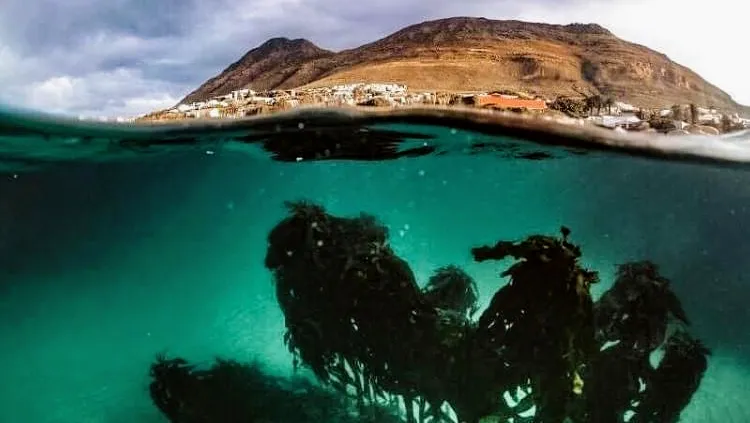
Underwater, Noah's Ark immerses divers in a dynamic marine environment, where prevailing conditions shape the sensory experience. Visibility is not consistently reported as excellent but can extend to 5 to 10 m (16 to 33 ft) on particularly good days, though it may vary across adjacent sites. Ark Rock stands as a huge flat-topped granite boulder, rising from a sandy bottom that generally sits at 10 to 11 meters deep. Its sheer-sided structure features numerous small overhangs and deep crevices, inviting close inspection. Around the main rock, several pinnacles punctuate the landscape, one notably rising quite close to the surface, topped with kelp. Exploring the surrounding area, divers will navigate sand patches where parts of the various wrecks protrude, often less than 3 meters above the seabed, creating an intricate underwater terrain.
Dive Difficulty & Safety Guidelines
Planning a safe and responsible dive at Noah's Ark demands adherence to site-specific guidelines. Since this area lies within a Marine Protected Area, established in 2004, and completely inside the Boulders Restricted Zone, all divers must carry a valid permit.
Its relatively shallow maximum depth of around 14 m (46 ft) makes it suitable for Open Water certified divers. However, the varied topography and multiple wreck components mean advanced buoyancy control proves beneficial.
Effective navigation across diverse wreck sections and reef formations requires solid situational awareness. For boat operators, caution is paramount near Ark Rock; a small, kelp-topped pinnacle approximately 12 m (39 ft) west of the main rock rises close to the surface, presenting a navigational hazard.
Divers should meticulously plan their routes, particularly when exploring the scattered wreckage, and maintain awareness of their environment.
Recommended Equipment
Overhead / entanglement risk. Wreck penetration requires proper training.
- Dive Computer
- Primary & Backup Lights
- Wreck Reel
- Cutting Tool
This gear list is based on verified equipment signals for Noah's Ark, South Africa. Always confirm final gear choices with your dive operator, guide, or liveaboard.
Recommended Dive Suit
For relaxed exploration dives, 7mm wetsuit or semidry generally provides adequate warmth. A thermal robe or jacket is recommended between dives. Those diving at Noah's Ark today will likely encounter water temperatures in the region of 14°C (58°F). Surface air temperatures are resting at 13°C (55°F).
Forecast trends indicate similar diving conditions over the next few days.
A diver's personal tolerance to cold water can play a large role in suit selection.
Emergency & Medical Support
Essential information to help you plan your dive trip to Noah's Ark.

Hyperbaric chambers are a critical part of dive safety infrastructure. Availability varies significantly by region, and not all dive areas have immediate access.
Before diving, it's recommended to:
- confirm nearest medical facilities
- check emergency procedures with local dive operators
- ensure dive insurance covers evacuation if required
Divers Alert Network
Diving emergency assistance available through DAN Southern Africa.
+27828106010- 24/7 emergency hotline
- Diving medical assistance
- Evacuation coordination
Emergency contacts are provided for reference. Always verify local emergency services before diving.
Marine Life at Noah's Ark
The underwater landscape at Noah's Ark pulses with a diverse range of encrusting life, transforming surfaces into vibrant ecosystems. Around the rock, a distinct band of Black mussels and barnacles thrives within about 1 m (3 ft) of the surface, transitioning to Red-bait on deeper sections.
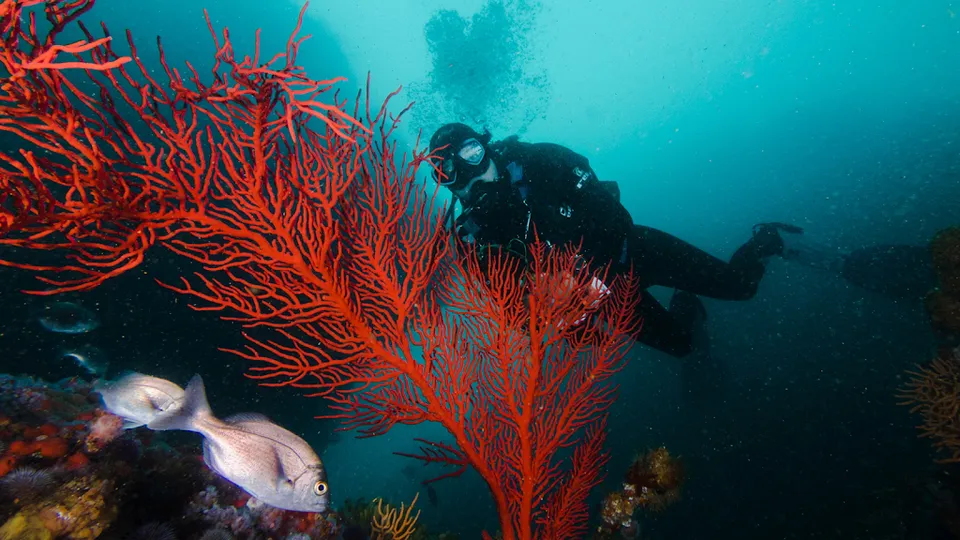
Vertical rock faces and sheltered overhangs are heavily adorned with a rich tapestry of invertebrates. Sponges, crinoids, various ascidians, sea cucumbers, and delicate hydroids contribute to the intricate textures.
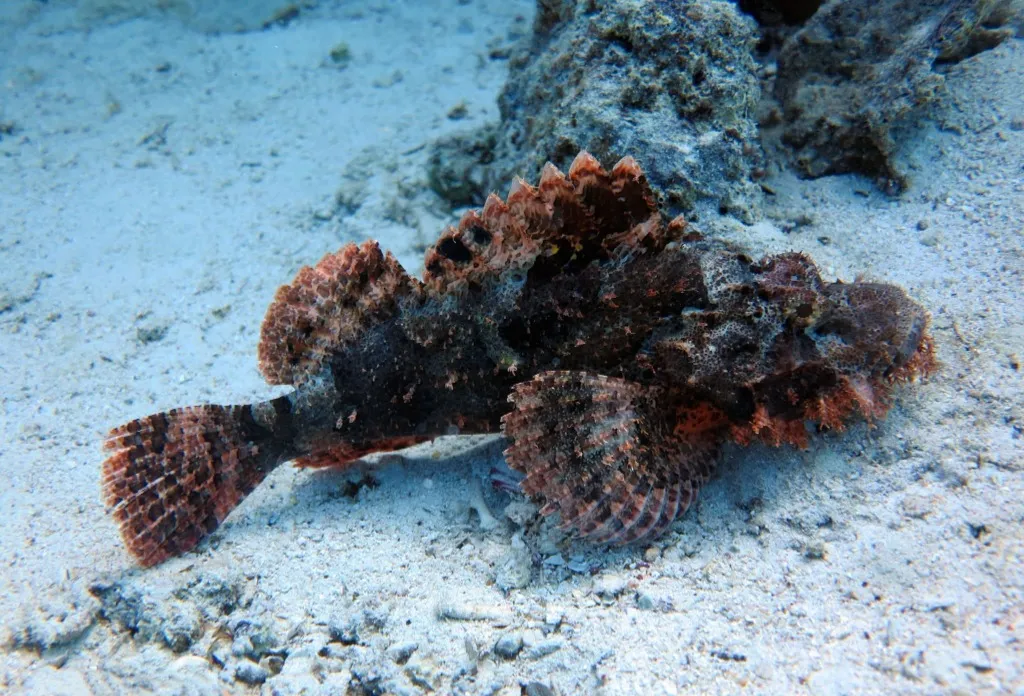
Sea fans gently sway in the currents. Among these invertebrate communities, divers might spot smoothskin scorpion fish expertly camouflaged, or observe Hottentot seabream darting near overhangs.

Dive Sites Near Noah's Ark
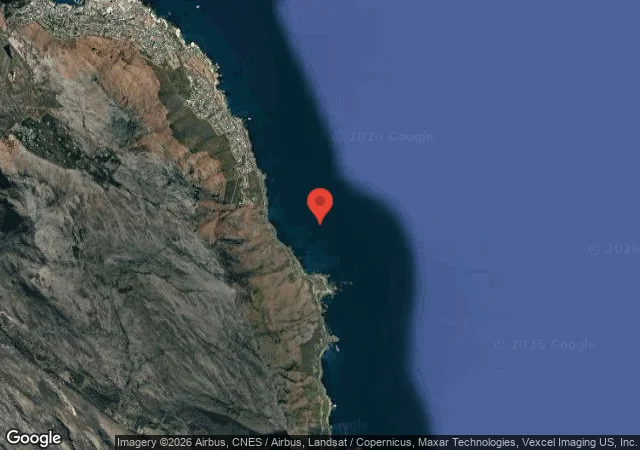
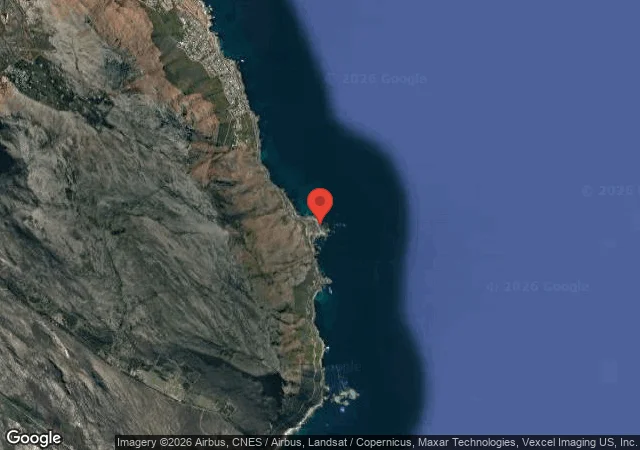
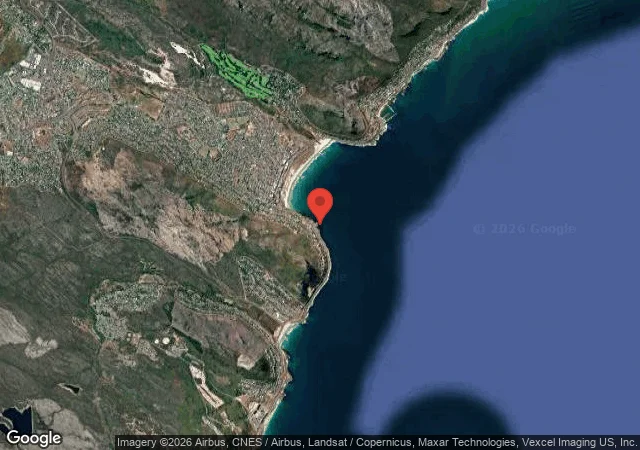
View all dive sites in South AfricaDiscover more underwater gems in this area.
Dive Centers Near Noah's Ark
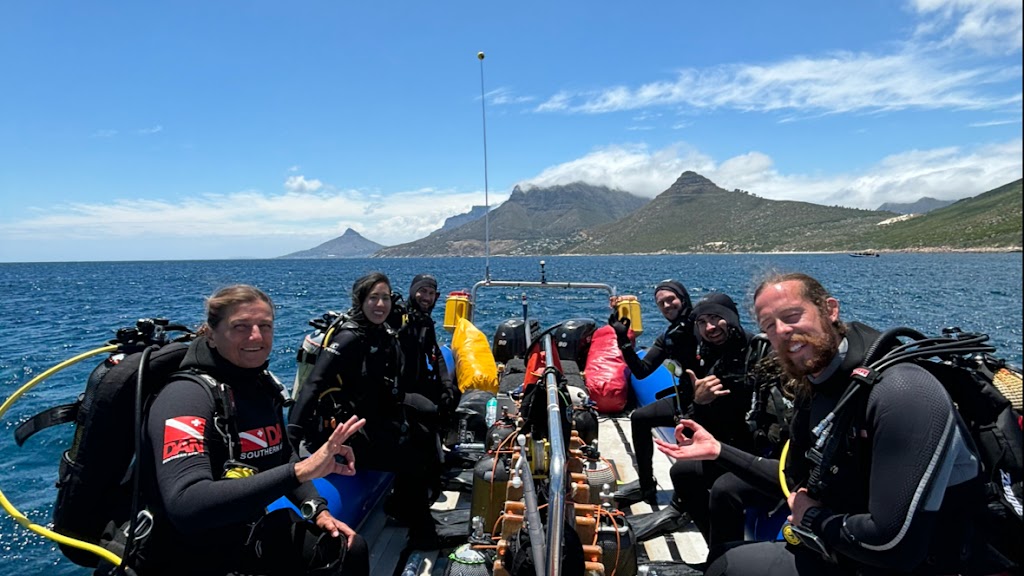
Today: 08:00 - 16:30

Nearest Airports
Nearest airports to help plan travel to this dive area.
Search Flights
Check available flights and routes on Expedia, using the nearby airports listed in this section.
Search Flights on ExpediaFrequently Asked Questions
Is a permit required to dive at Noah's Ark?
Yes, this dive site falls within a Marine Protected Area and the Boulders Restricted Zone. All divers must obtain a valid permit before undertaking any dives here.
What is the maximum depth at Noah's Ark?
The maximum depth for Noah's Ark is around 14 meters (46 ft). Much of the area south of Ark Rock consists of a sand bottom, typically found at depths of 10 to 11 meters (33 to 36 ft).
What is the visibility generally like at this dive site?
Visibility at Noah's Ark is not consistently reported as exceptional, but can be 5 to 10 meters (16 to 33 ft) on a good day. Conditions can vary between the different wreck and reef sections.
What kind of dive site is Noah's Ark?
Noah's Ark is a historical wreck and rocky reef site. It features a prominent granite boulder (Ark Rock) surrounded by scattered remains of several vessels, including the probable Parana wreck, and various smaller steam-powered vessels.
What marine life can I expect to see?
Divers can observe an array of encrusting organisms like mussels, barnacles, red-bait, sponges, crinoids, ascidians, and sea fans. Smoothskin scorpion fish and Hottentot seabream are also frequently sighted among the reef and wreckage.
Are there any specific navigational hazards for boats at Noah's Ark?
Yes, a small pinnacle approximately 12 meters (39 ft) west of the main Ark Rock rises close to the surface, topped by kelp. This feature presents a navigational hazard for boats operating in the vicinity.
What is the water temperature usually like at Noah's Ark?
Water temperature data for Noah's Ark is not consistently reported. However, divers should generally prepare for cooler conditions typical of the Cape Peninsula waters and wear appropriate thermal protection such as a thicker wetsuit or drysuit.
Planning to dive Noah's Ark?
Send one inquiry and receive offers directly from the best verified local dive operators.
Conditions are Unsafe
High Swell Advisory. Not recommended.
Current conditions near Noah's Ark show 13° air, 14° sea temperature, 2.8 m waves, and 44 km/h wind. Forecast data is refreshed regularly to ensure accuracy.