
Diving at Hnms Bato Wreck (South Africa)
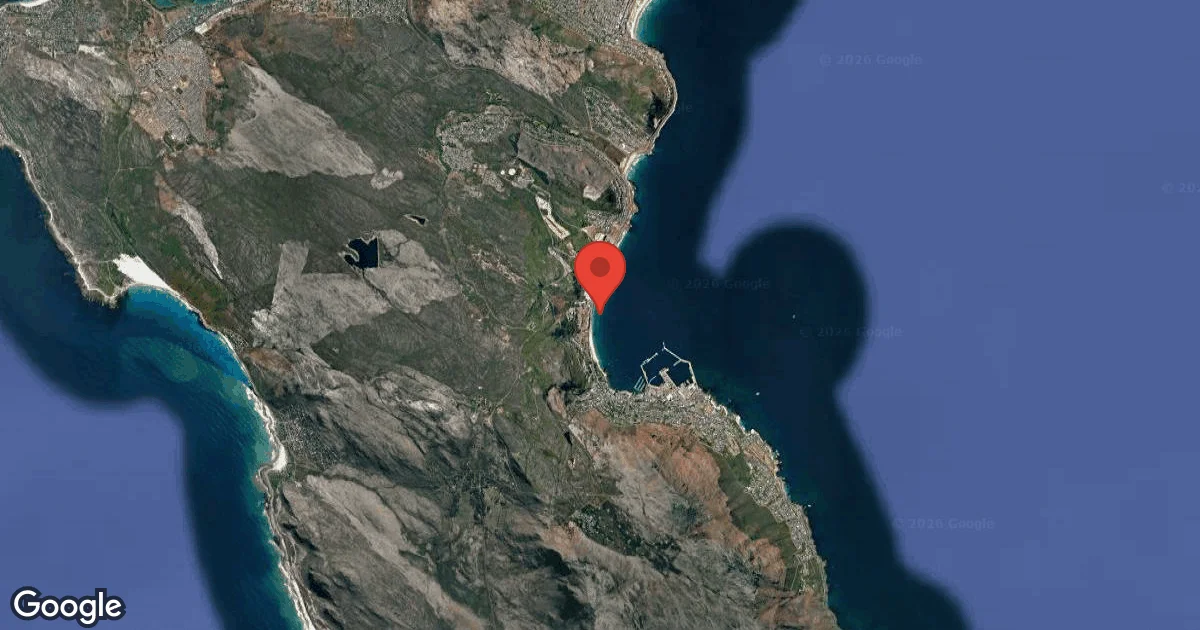
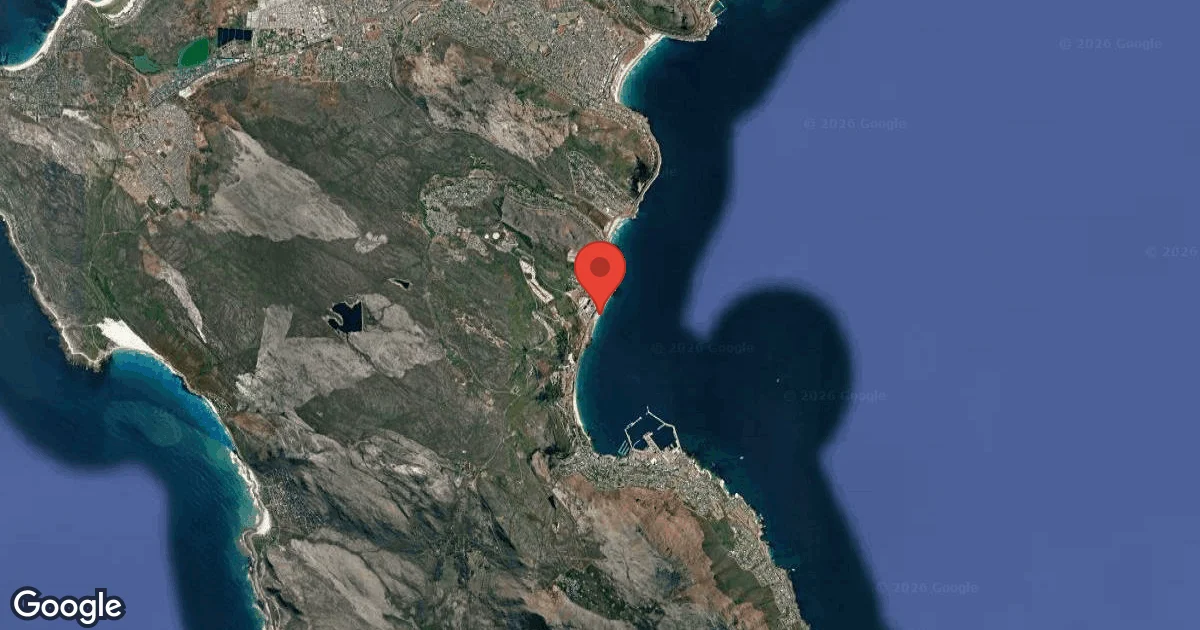
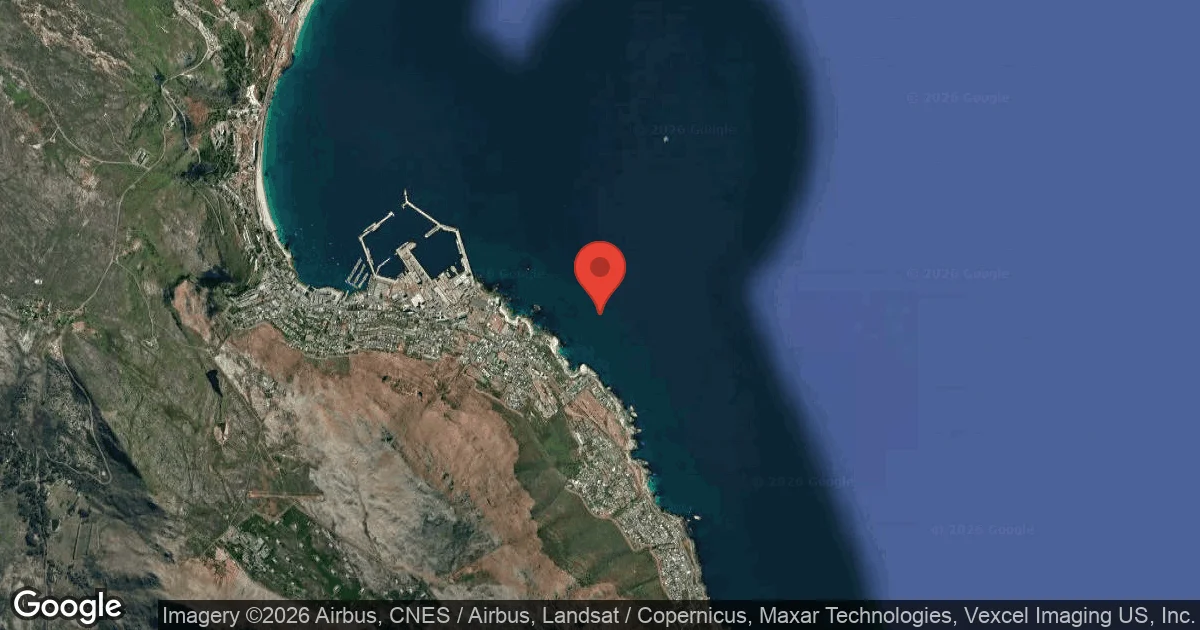
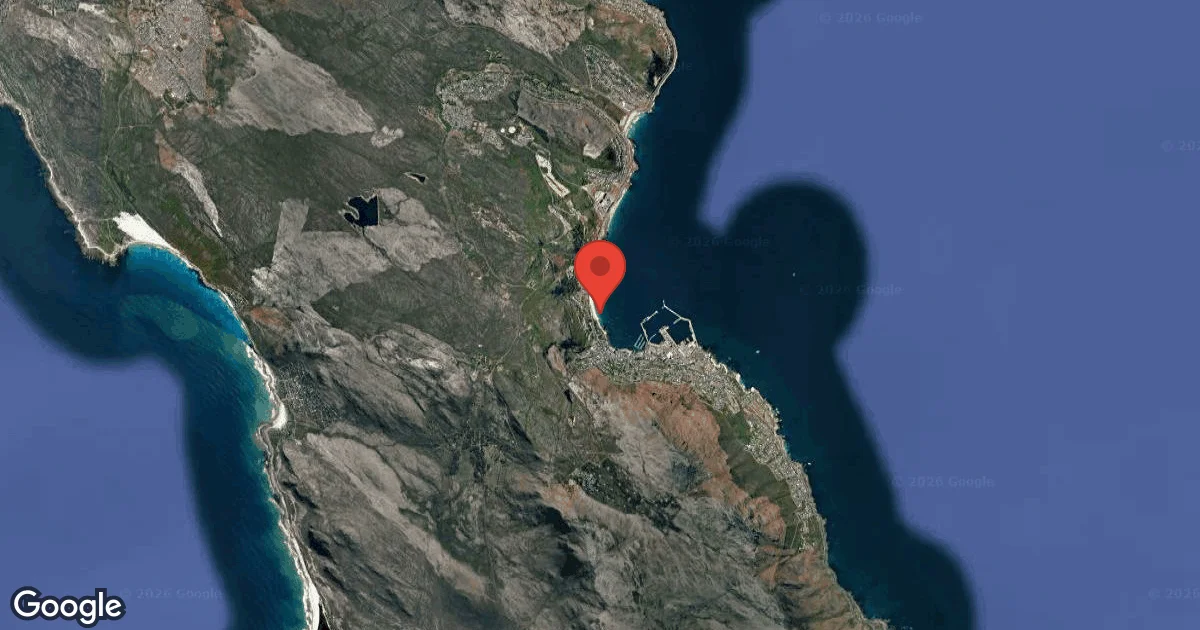
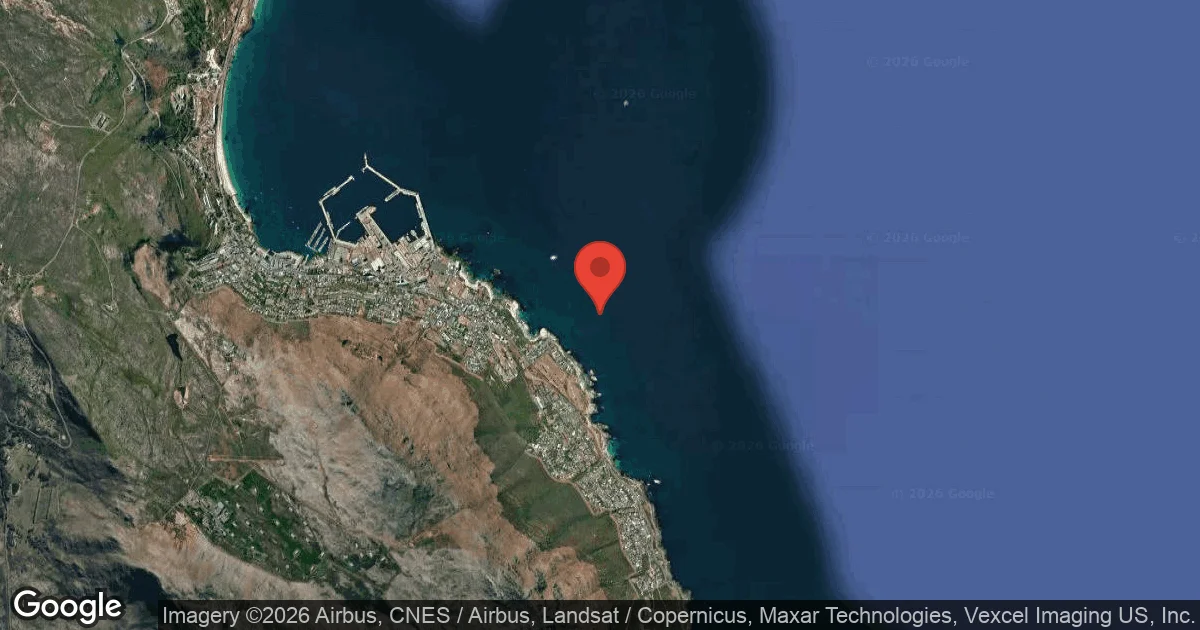
Preparing for a dive at HNMS Bato involves a straightforward entry from Long Beach, Simon's Town. Divers typically swim approximately 50 m (164 ft) offshore on the surface, locating the wreck as a dark, weed-covered patch on calm days. This historical wooden shipwreck rests in exceptionally shallow waters, with an average depth around 3 m (10 ft) and a maximum depth of 4 m (13 ft), making the descent immediate and gentle. It's a quick transition from shore to a piece of maritime history.
Evening condition tracking at Hnms Bato Wreck features an air temperature of 13°C. We have recorded wave heights measuring 2.2 m during this period. These figures outline the environmental parameters currently present.
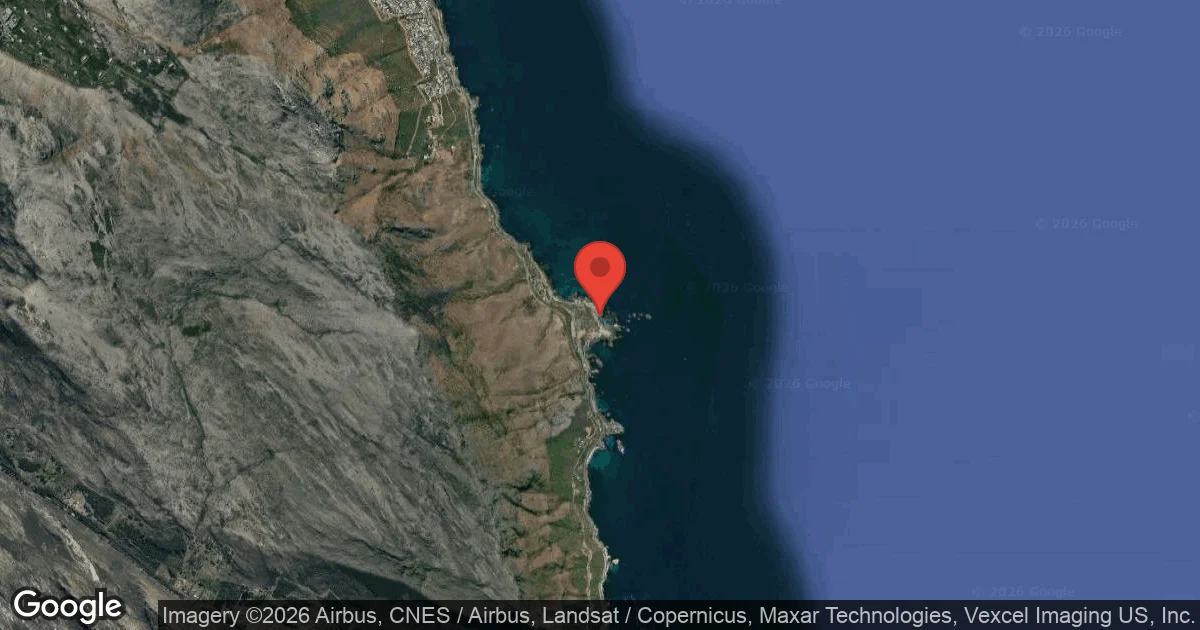
Dive Site Location & Key Facts
Dive Site Overview
An intentional sinking marked the end for the HNMS Bato, a Dutch warship, near Simon's Town on January 8, 1806. This historical site now presents as a low, extensively overgrown structure on a seabed of fine sand, with some low sandstone reef sections present to the south.
Originally an 800-ton, 74-gun vessel, its remains span approximately 50 meters in length and measure about 8 meters wide, creating a debris field covering roughly 400 m² (4300 sq ft). The wreck lies generally parallel to the shoreline. Many areas of its wooden hull are not easily discernible due to heavy marine growth; however, traces of corroded iron and copper sheathing can be found, providing clues to its original construction.
Patches of hull planking, covered by a dense layer of kelp and smaller seaweeds, delineate the vessel's original form. Divers often find themselves exploring a series of low mounds rather than an intact ship.
Since 2004, it has been a protected site within the Table Mountain National Park Marine Protected Area, prohibiting any disturbance to the wreckage. Diving this shallow environment, with depths not exceeding 4 meters, offers accessibility for many, though a permit is mandatory to visit this significant piece of maritime heritage.
Conditions are Poor
High Swell Advisory. Not recommended.
Current conditions near Hnms Bato Wreck show 13° air, 12° sea temperature, 2.2 m waves, and 51 km/h wind. Forecast data is refreshed regularly to ensure accuracy.
Best Time to Dive
Diving the HNMS Bato wreck is generally considered best during the winter months, provided swell conditions are low. While specific water temperatures are not consistently reported, air temperatures average between 13-14.5°C (55-58°F) from June through August. These months can also see higher average wave heights, around 3.1-3.2 meters, requiring careful assessment of local sea state before entry. Rainfall during winter is typically higher, ranging from 2.2-3.9 mm. Conversely, summer months like January and February offer warmer average air temperatures of 20.5°C (69°F) and lower average wave heights around 2.2-2.3 meters, with minimal rain. However, the site's shallow nature means it can be susceptible to surge regardless of the season, making calm conditions paramount for a clear dive experience.
PEAK SEASON SCORE
Scores combine air & water temps, waves, wind & rainfall for overall conditions.
BEST MONTHS TO DIVE
Monthly records compiled from satellite and marine observation nodes over the last 3 years. Data provided by Open-Meteo and MET Norway.
Dive Experience & Conditions
Diver experience at the HNMS Bato wreck is largely characterized by its ease and accessibility. Navigation is straightforward due to the shallow profile, with the average depth hovering around 3 meters. As an inshore location, it remains largely sheltered, allowing for dives when the ocean swell is low. Calm conditions typically ensure good underwater visibility, though this can fluctuate based on recent weather patterns and any lingering surge. Excellent natural light penetration at these shallow depths illuminates the heavily overgrown wreck and its resident marine life clearly. No specific skills beyond basic open water certification are required, making the site approachable. Even novice snorkellers can explore this gentle environment. Despite its status as a protected area, the wreck's proximity to the surface means conditions are highly dependent on surface activity, emphasizing the need for current site assessments.
Dive Difficulty & Safety Guidelines
While diving the HNMS Bato wreck, site-specific hazards are not consistently reported. The primary safety consideration involves monitoring local swell conditions, as the shallow depth means the site can be exposed to surge. As a protected historical wreck within the Table Mountain National Park Marine Protected Area, divers must obtain a permit and are strictly prohibited from disturbing any part of the wreckage.
Post-dive, facilities at Long Beach include a tarred parking lot, but public toilets may be unreliable, and freshwater shower taps have occasionally been removed. For navigation, divers typically swim directly to the wreck on the surface and use a compass bearing of 330° magnetic for the return shore swim.
Recommended Equipment
Overhead / entanglement risk. Wreck penetration requires proper training.
- Dive Computer
- Primary & Backup Lights
- Wreck Reel
- Cutting Tool
This gear list is based on verified equipment signals for Hnms Bato Wreck, South Africa. Always confirm final gear choices with your dive operator, guide, or liveaboard.
Recommended Dive Suit
The latest conditions reported around Hnms Bato Wreck place the water temperature close to 12°C (53°F). Surface air temperatures are resting at 13°C (56°F).
Many divers choose drysuit (strongly recommended) when diving in similar conditions. Strong winds are present; please take strong precautions against rapid cooling during surface intervals. A thermal robe or jacket is recommended between dives.
Surface conditions are expected to warm up slightly in the coming days. A warming trend is expected over the next few days.
Due to technical issues with our weather providers, live updates are temporarily delayed. The data above reflects the conditions at the time of the last successful fetch.
Emergency & Medical Support
Essential information to help you plan your dive trip to HNMS Bato wreck.

Hyperbaric chambers are a critical part of dive safety infrastructure. Availability varies significantly by region, and not all dive areas have immediate access.
Before diving, it's recommended to:
- confirm nearest medical facilities
- check emergency procedures with local dive operators
- ensure dive insurance covers evacuation if required
Divers Alert Network
Diving emergency assistance available through DAN Southern Africa.
+27828106010- 24/7 emergency hotline
- Diving medical assistance
- Evacuation coordination
Emergency contacts are provided for reference. Always verify local emergency services before diving.
Marine Life at Hnms Bato Wreck
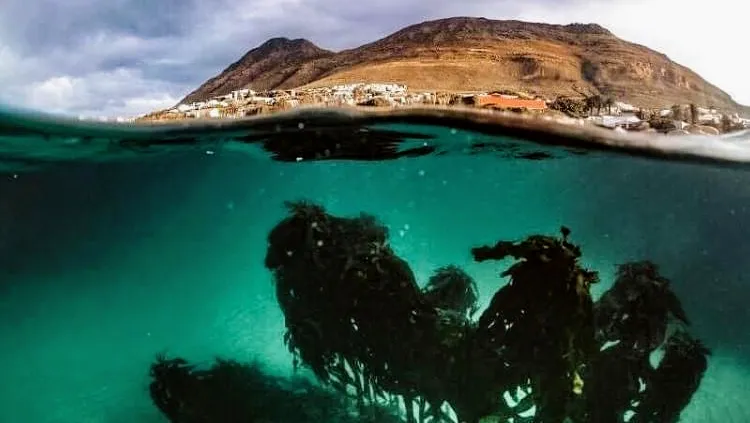
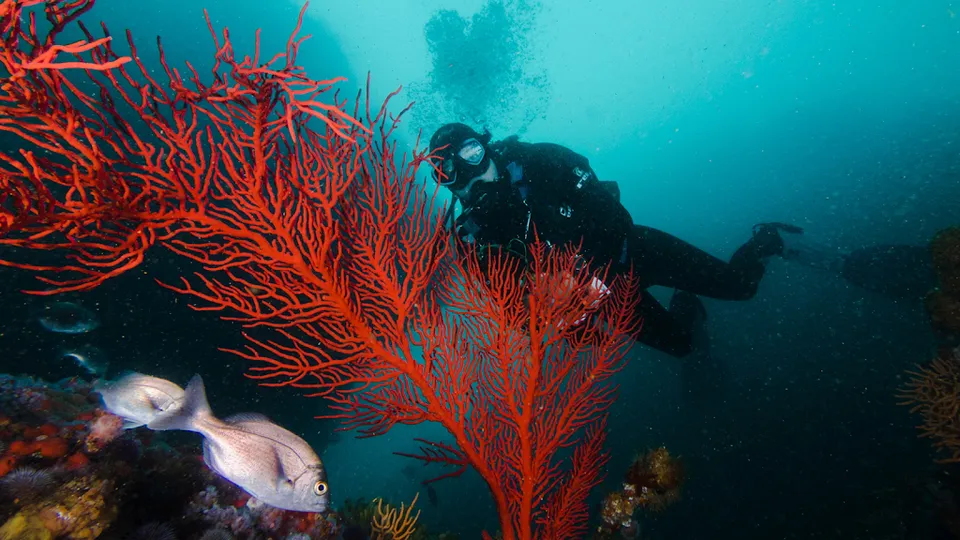
Marine life observations at the HNMS Bato wreck center on its extensively overgrown historical timbers. Various kelp and seaweeds heavily adorn the wreckage, creating a textured, biodiverse habitat for many smaller creatures.
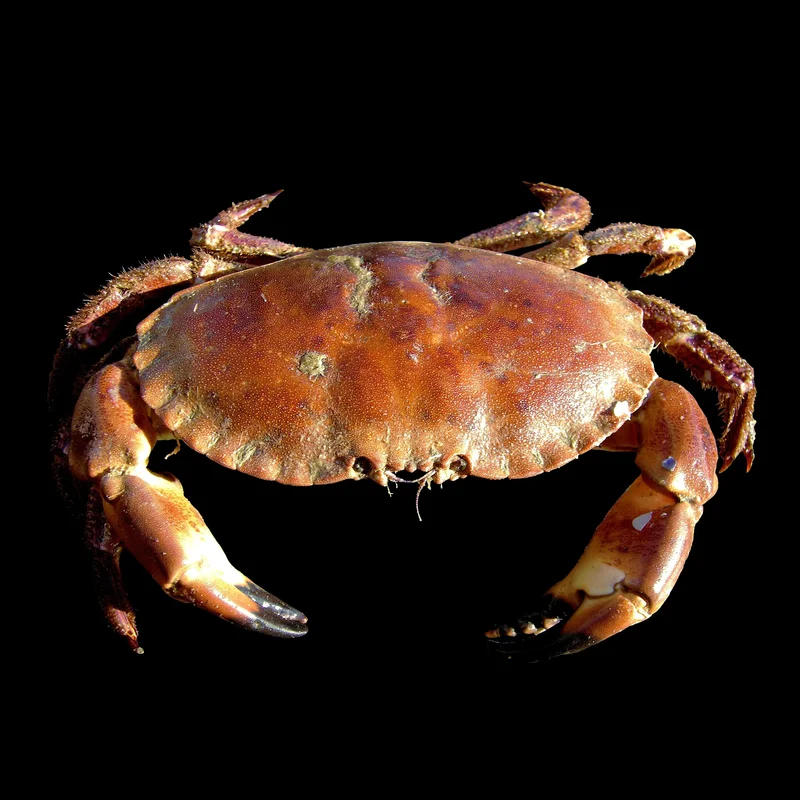
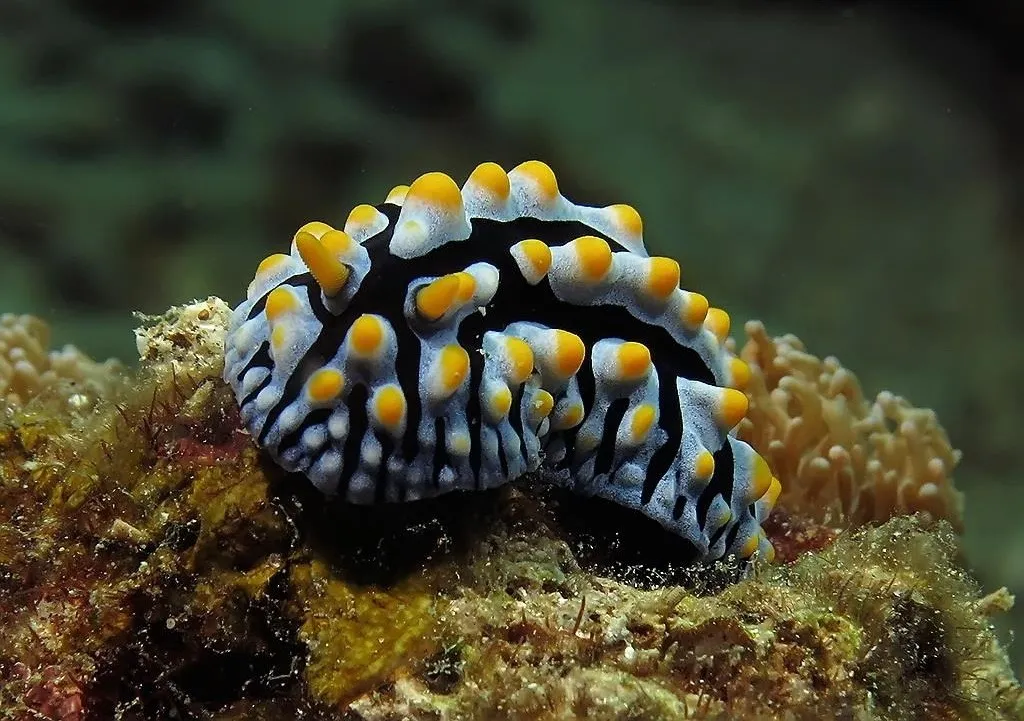
Within this shallow environment, divers frequently observe a range of shallow water invertebrates, from colorful nudibranchs clinging to kelp fronds to small crabs scurrying among the debris. While not known for large pelagics, the site often hosts a few resident fish species, like blennies or gobies, finding shelter within the structure.
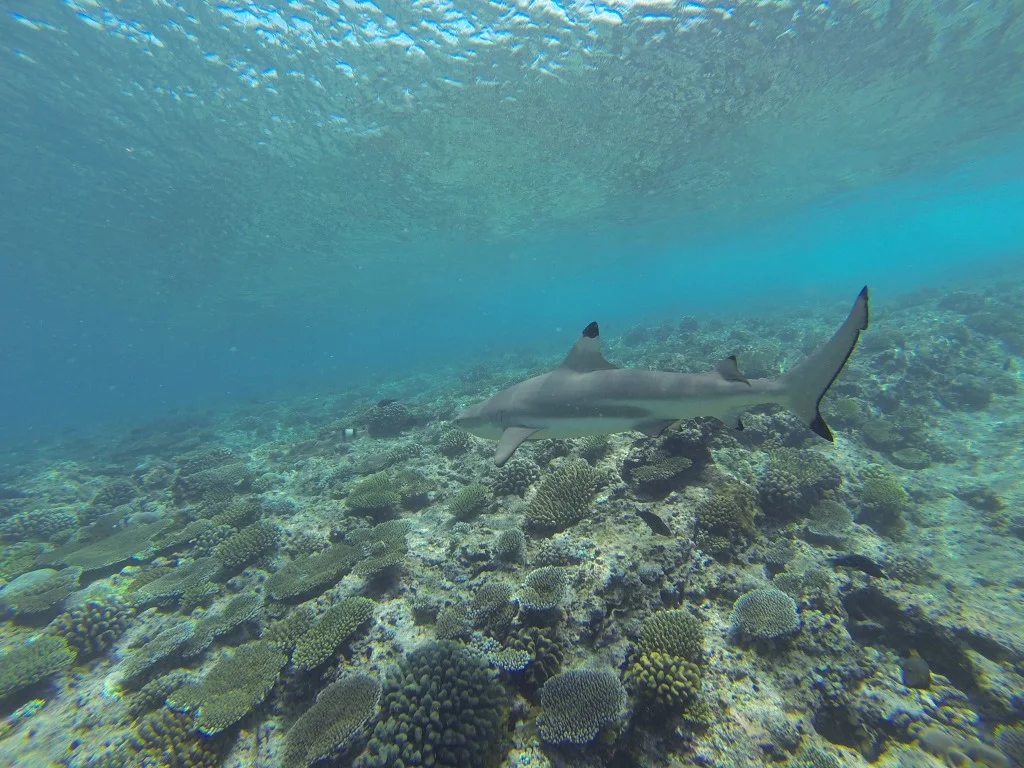
For broader context, the False Bay area has reported sightings of sharks, whales, dolphins, and turtles; however, these larger animals are not consistently present directly on the wreck itself.

Dive Sites Near Hnms Bato Wreck
View all dive sites in South AfricaDiscover more underwater gems in this area.
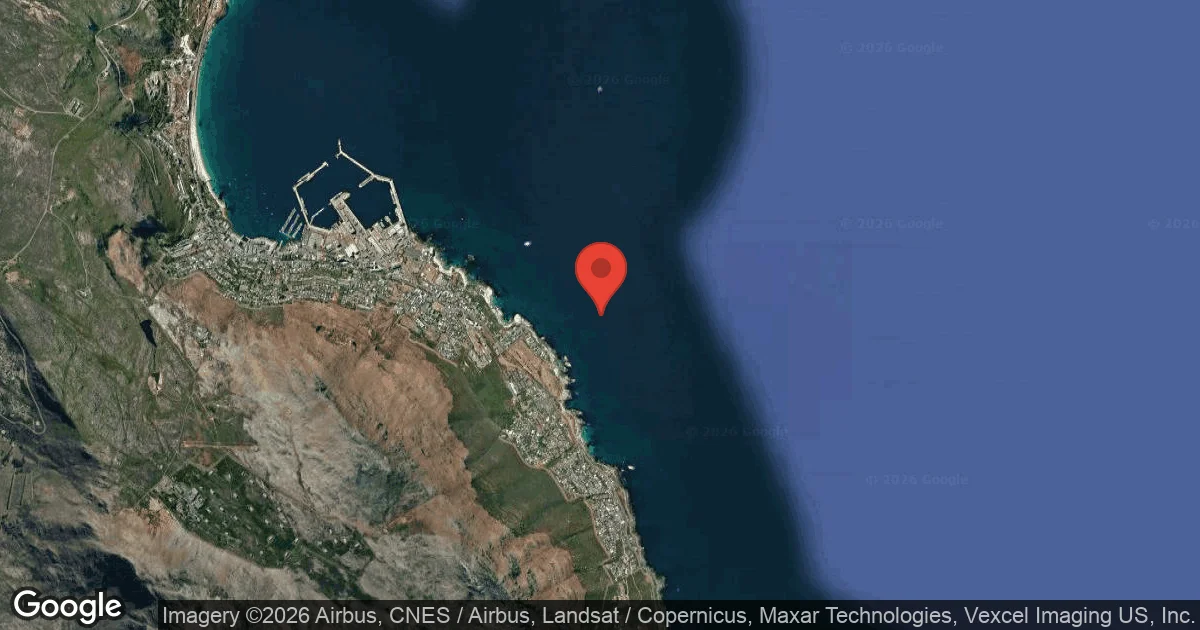
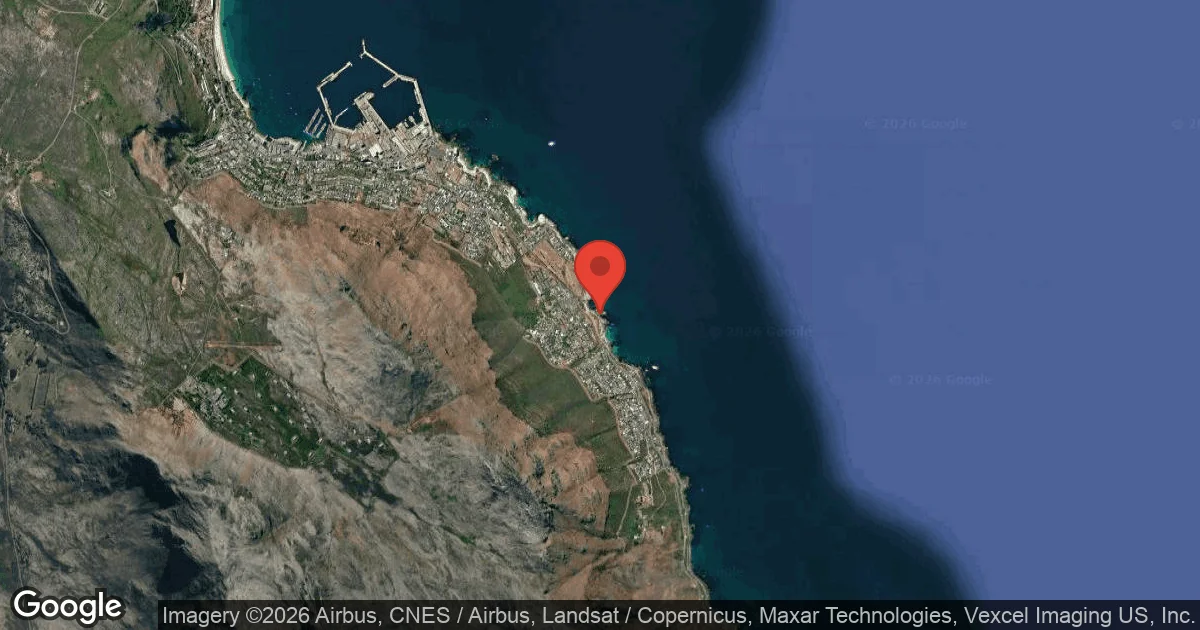
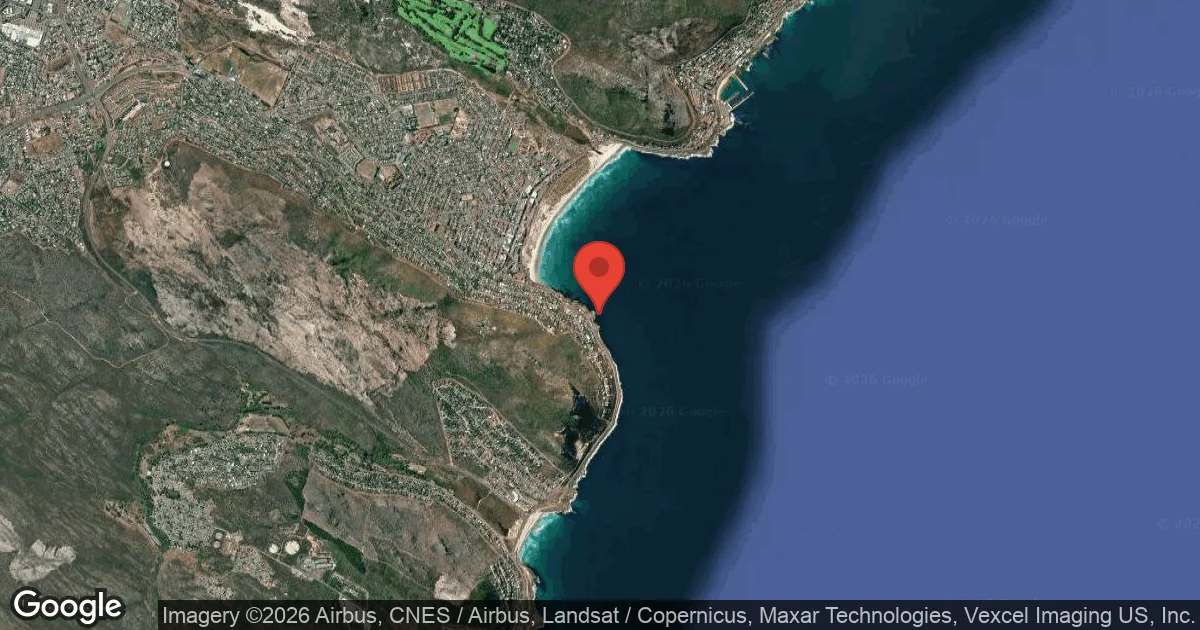
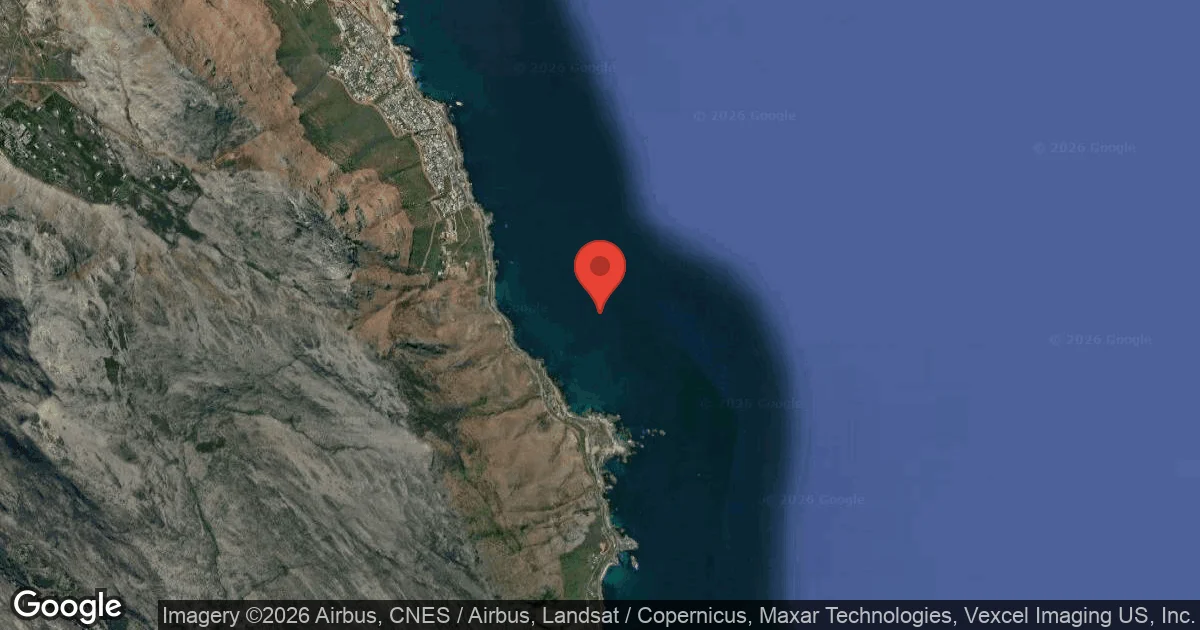
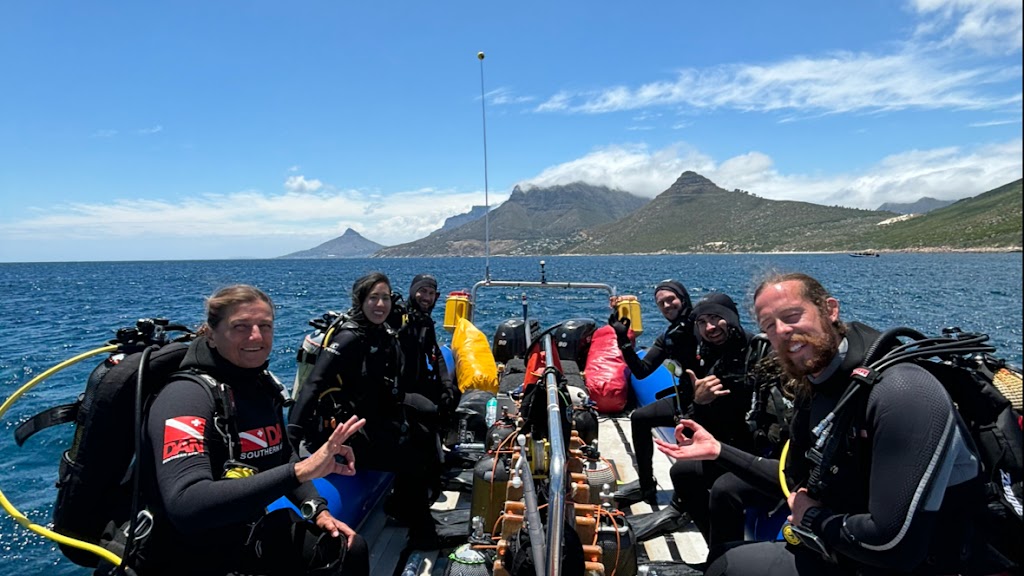
Dive Centers Near Hnms Bato Wreck
Today: 08:00 - 16:30

Nearest Airports
Nearest airports to help plan travel to this dive area.
Search Flights
Check available flights and routes on Expedia, using the nearby airports listed in this section.
Search Flights on ExpediaFrequently Asked Questions
What is the maximum depth at the HNMS Bato wreck?
The HNMS Bato wreck reaches a maximum depth of approximately 4 meters. Its average depth is closer to 3 meters, making it a very shallow dive suitable for most certified divers.
Is a permit required to dive the HNMS Bato wreck?
Yes, a permit is required to dive this site. The HNMS Bato wreck is located within the Table Mountain National Park Marine Protected Area, which has been in effect since 2004.
What kind of marine life can be expected at the wreck?
The wreck is heavily overgrown with kelp and seaweeds, providing a home for shallow water invertebrates. Divers often encounter a few fish directly on the wreckage, adding to the visual interest of the site.
What is the historical significance of the HNMS Bato?
The HNMS Bato was a Dutch warship, an 800-ton, 74-gun vessel. It was intentionally set on fire and sunk off Long Beach, Simon's Town, on January 8, 1806, the same day the Battle of Blaauwberg commenced.
How do divers access the HNMS Bato wreck?
Access to the wreck is typically from the shore at Long Beach, Simon's Town. Divers walk approximately 450 meters along the beach from the slipway gap and then swim out about 50 meters offshore.
Are there any specific hazards to be aware of?
No specific site-related hazards have been consistently reported for the HNMS Bato wreck. However, divers should always be mindful of swell conditions, as the shallow depth can lead to surge.
Planning to dive Hnms Bato Wreck?
Send one inquiry and receive offers directly from the best verified local dive operators.
Conditions are Poor
High Swell Advisory. Not recommended.
Current conditions near Hnms Bato Wreck show 13° air, 12° sea temperature, 2.2 m waves, and 51 km/h wind. Forecast data is refreshed regularly to ensure accuracy.