
Diving at Millers Point (South Africa)
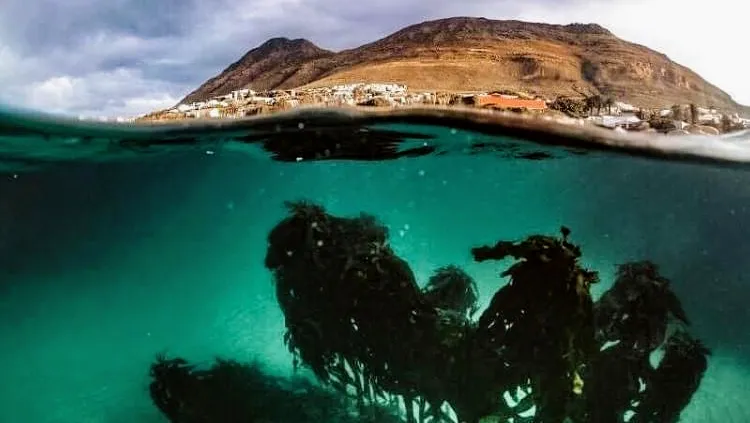
Distinctive underwater topography marks this location, sometimes referred to as Shark Alley, drawing attention from divers. Millers Point stands as a prominent kelp forest dive site, characterized by expansive underwater flora and the intriguing geological structures that create its shoreline reefs. It is found within a marine protected area, where divers encounter a unique blend of shallow rocky formations and sandy bottoms.
Evening condition tracking at Millers Point features an air temperature of 13.5°C. We have recorded wave heights measuring 2 m during this period. These figures outline the environmental parameters currently present.
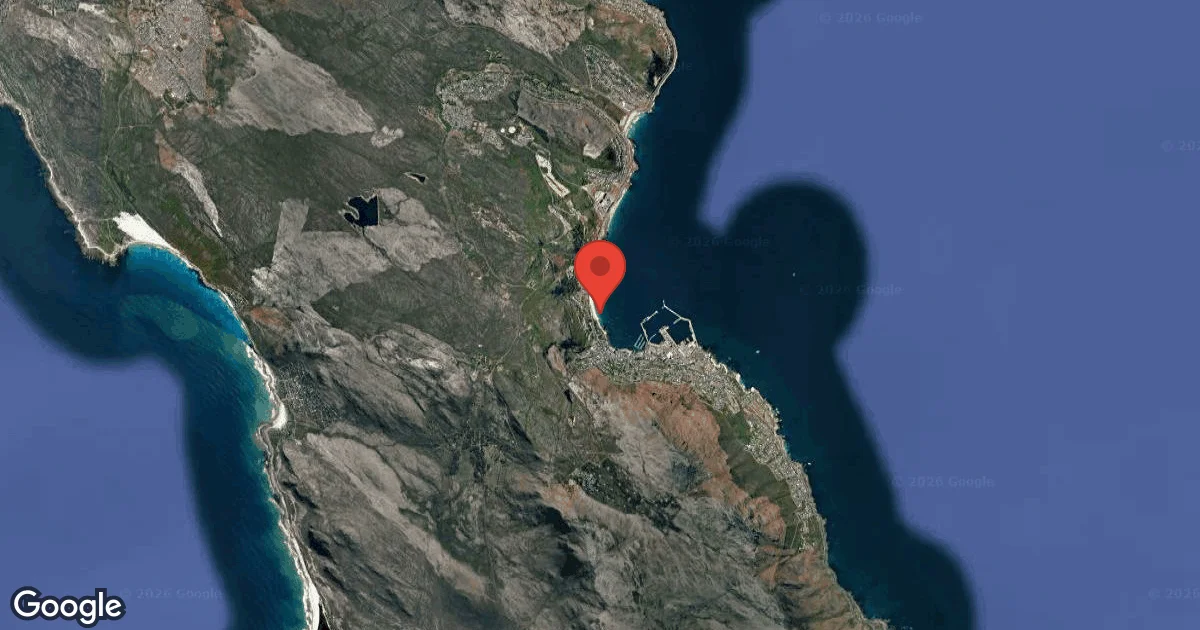
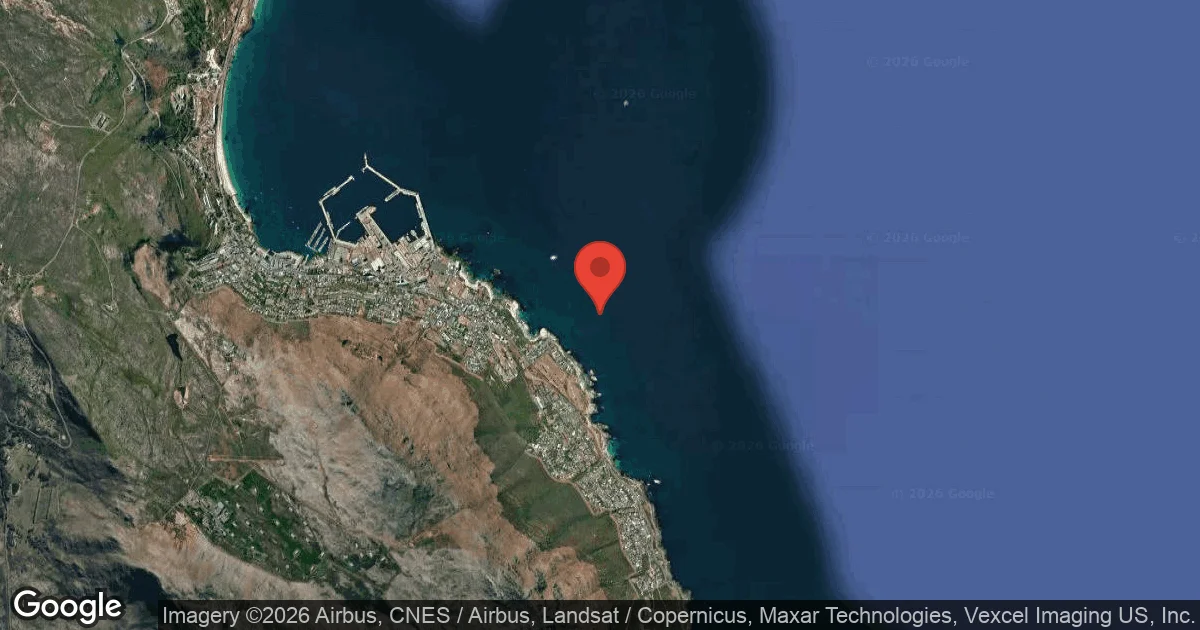
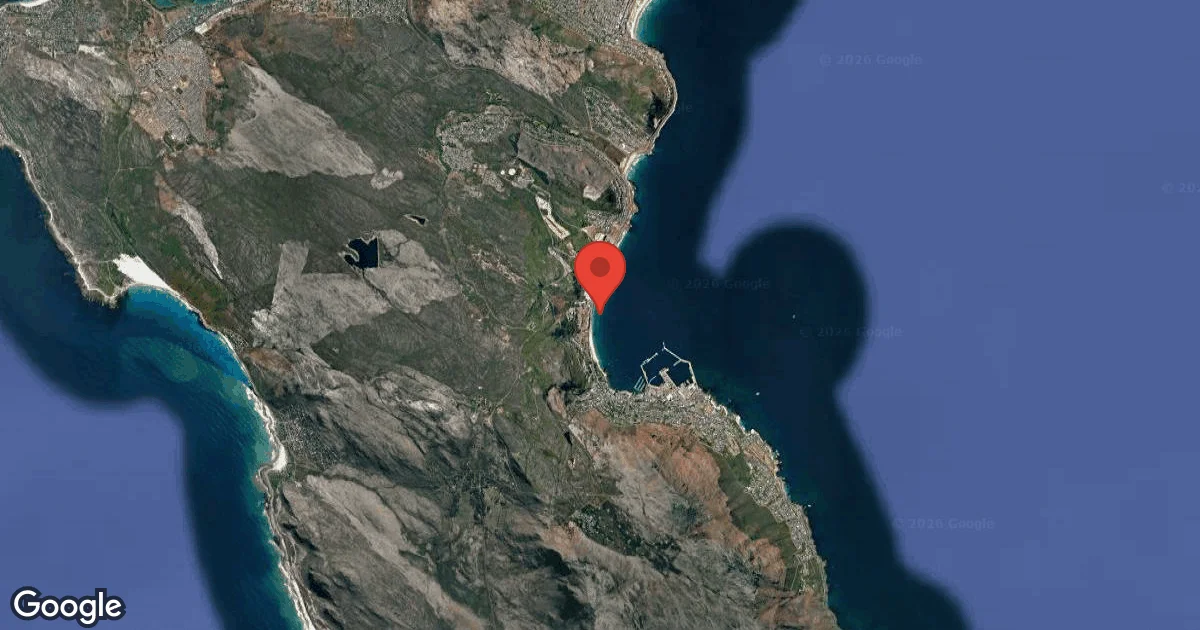
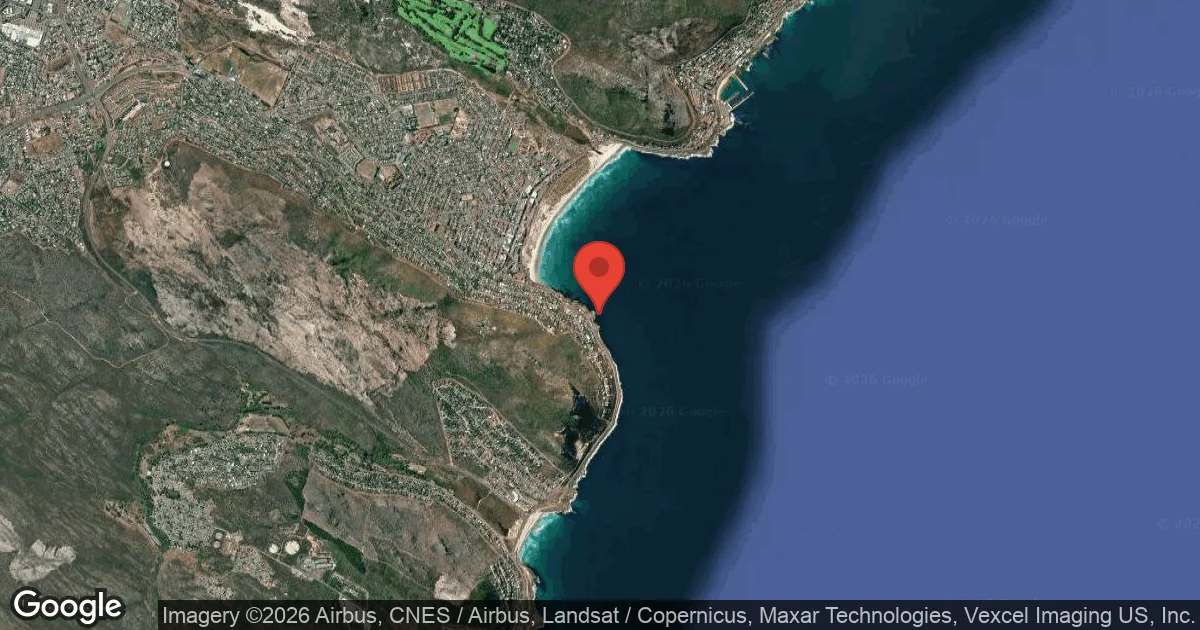
Dive Site Location & Key Facts
Dive Site Overview
Diving at Millers Point unveils a captivating cold-water ecosystem, drawing divers into dense kelp forests interspersed with vibrant coral reefs and sandy expanses. A diverse shark population, including historically high numbers of sevengill sharks, makes this site widely recognized and a compelling draw for many.
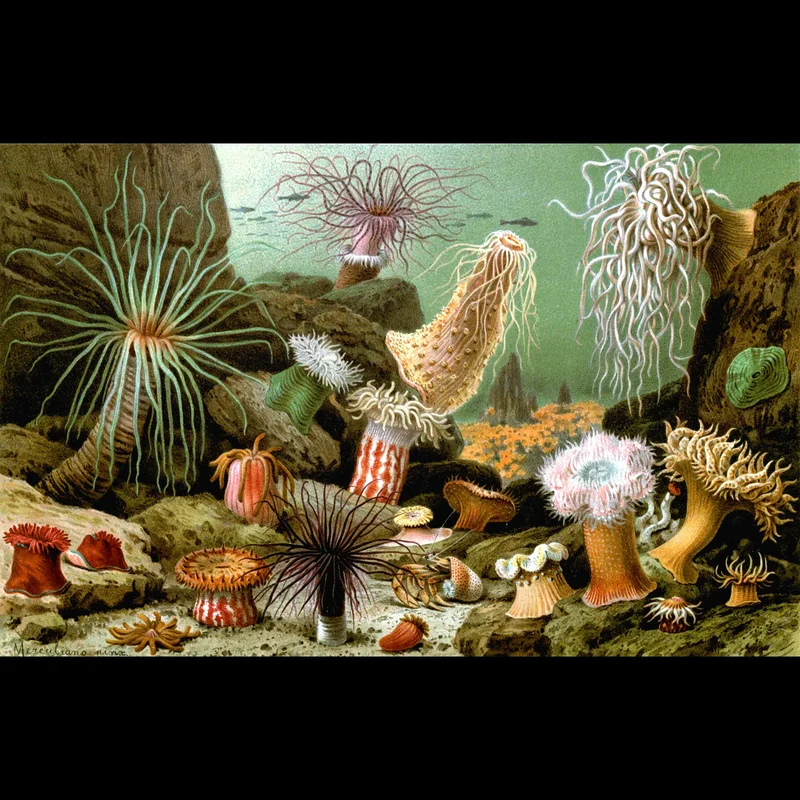
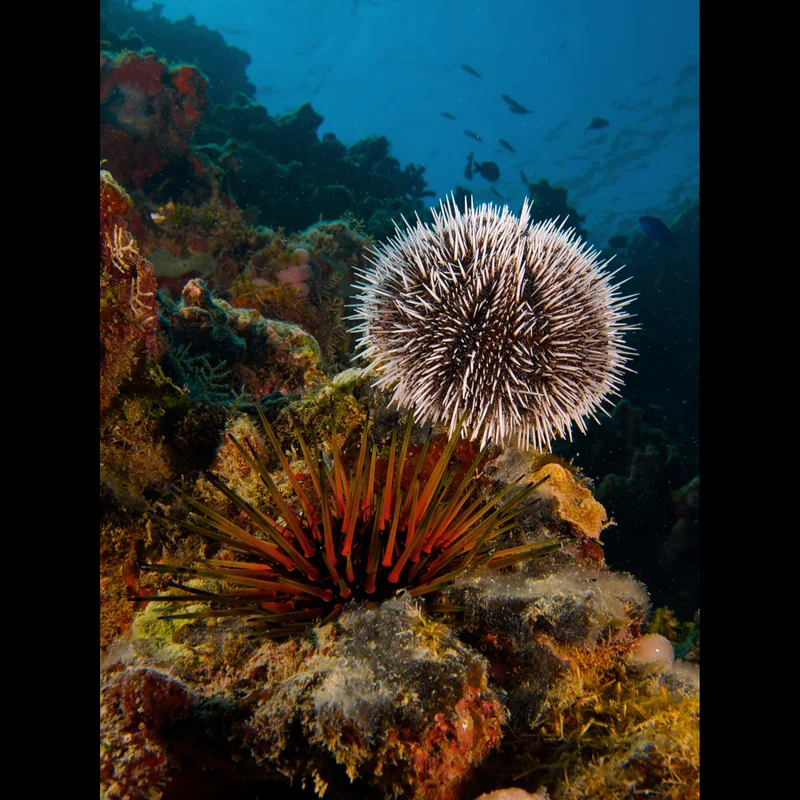
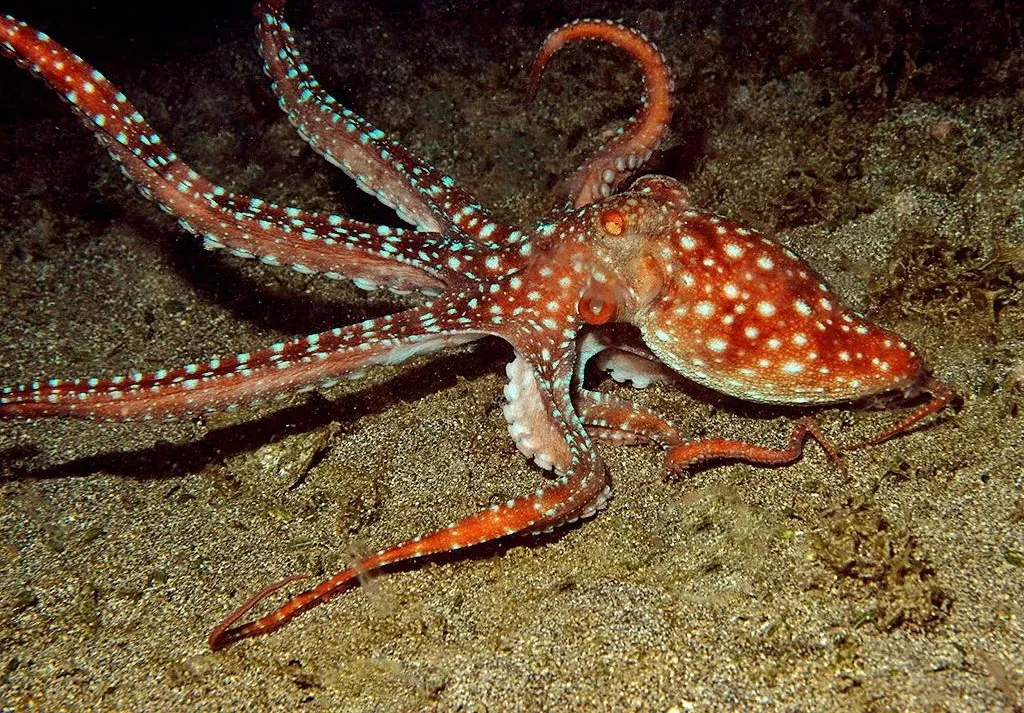
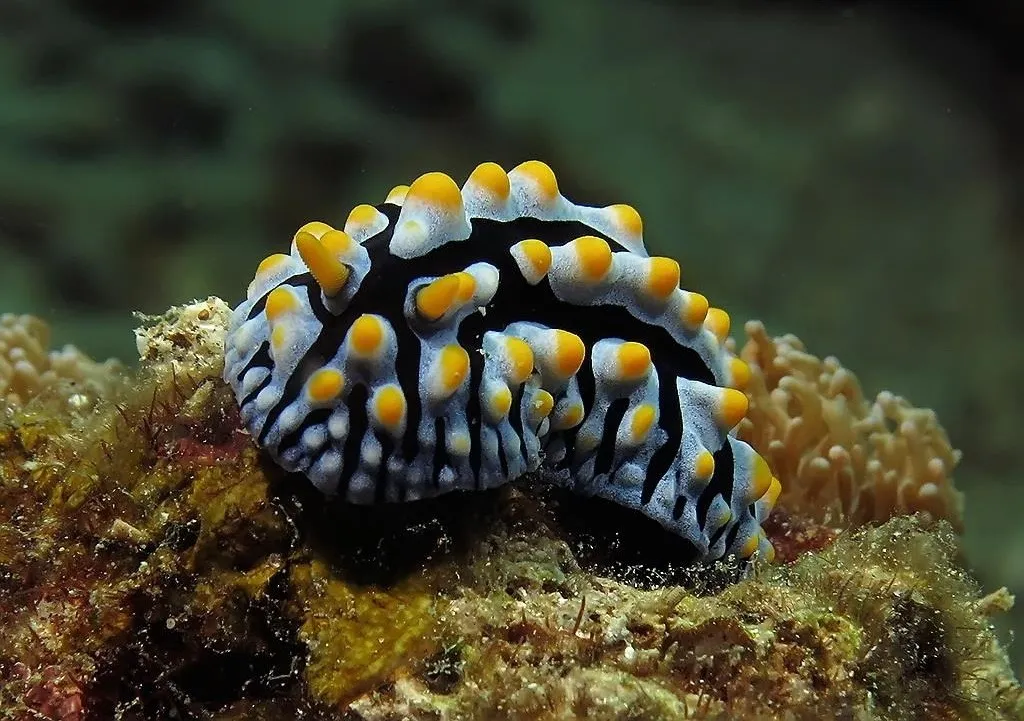
Beyond these larger inhabitants, expect to encounter several endemic shark species here; spotted gully, shy, pyjama, tiger cat, and leopard sharks are all present. Navigating the long kelp leaves and rock formations often reveals schools of fin fish in motion. Keen observers might spot octopuses camouflaged among the rocks or find colorful starfish, anemones, nudibranchs, and sea urchins inhabiting the sandy bottom between reef sections.
These interactions offer a dynamic and engaging dive. Most dives here explore depths typically between 6 and 8 m (20 and 26 ft) along the shoreline reefs, making it accessible for a range of certified divers.
Exploration opportunities are plentiful, extending into different reef sections. Further offshore, eastern reefs off the point provide more expansive areas to explore for those seeking deeper or longer excursions.
The relatively shallow average depths also allow for extended bottom times, encouraging thorough investigation of the intricate micro-environments. It's a place where multiple dives reveal new perspectives.
Conditions are Poor
High Swell Advisory. Not recommended.
Current conditions near Millers Point show 13° air, 13° sea temperature, 2.4 m waves, and 47 km/h wind. Forecast data is refreshed regularly to ensure accuracy.
Best Time to Dive
Planning a dive at Millers Point requires consideration of both daily and seasonal conditions, as the experience can vary significantly. Local wisdom suggests that early morning or later in the evening often provides the calmest conditions for entry and a more tranquil underwater experience. Climate data indicates that wind speeds average between 28-35 km/h (17-22 mph) year-round, which can influence surface conditions; therefore, avoiding strong southeast winds is crucial for comfort and safety. Air temperatures range from a cooler 13-16°C (55-61°F) during the winter months of June through September, to a warmer 19-21°C (66-70°F) in summer from December to February. Water temperatures are not consistently reported, but local conditions imply a need for appropriate thermal protection. Rainfall is generally low, averaging 0.5-3.8 mm (.02-.15 inches) monthly, though it peaks slightly in winter, a factor which might affect underwater visibility.
PEAK SEASON SCORE
Scores combine air & water temps, waves, wind & rainfall for overall conditions.
BEST MONTHS TO DIVE
Monthly records compiled from satellite and marine observation nodes over the last 3 years. Data provided by Open-Meteo and MET Norway.
Dive Experience & Conditions
Sliding into the water at Millers Point, divers immediately sense the embrace of a kelp forest environment, a distinctly immersive experience. Dense kelp is the predominant feature, forming swaying underwater 'forests' that divers can navigate through, revealing hidden nooks and crannies. Underwater visibility varies significantly depending on recent weather and currents, often shifting from moderate to limited. Below the surface, the landscape transitions between intricate rock formations, pockets of coral reef, and stretches of sandy seafloor. Maximum depth along the shoreline reefs typically remains shallow, around 6 to 8 m (20 to 26 ft). Its shallow nature makes it suitable for extended bottom times and relaxed exploration, though deeper sections exist further offshore for advanced exploration. Water temperature is not consistently reported but generally ranges from cool to cold, common for this South African coastline.
Dive Difficulty & Safety Guidelines
Approaching Millers Point as a dive site presents several considerations for diver safety and compliance. It falls within a designated marine protected area, necessitating a valid diving permit for all participants; removing any marine life or environmental elements is strictly prohibited. Divers should be acutely aware of potential hazards, including heavy boat traffic, which makes carrying a surface buoy a mandatory safety practice.
Dangerous wildlife, particularly sharks, can also be present, though encounters are generally observational rather than confrontational. Avoid entering the water during strong southeast winds, as these can rapidly degrade surface conditions.
Onshore, baboons are present, so secure your vehicle tightly. Be mindful of a potentially long walk from the parking area to the entry point, and don't venture too far offshore into deeper, less protected waters.
Recommended Equipment
- Dive Computer
This gear list is based on verified equipment signals for Millers Point, South Africa. Always confirm final gear choices with your dive operator, guide, or liveaboard.
Recommended Dive Suit
Individual comfort in the water can vary significantly from diver to diver, even under the same conditions.
For most recreational dives, 7mm wetsuit or semidry should provide comfortable protection. Consider warmer surface protection (like a boat coat) due to brisk winds. A thermal robe or jacket is recommended between dives. Environmental models indicate a modest warming trend ahead. A warming trend is expected over the next few days.
Water temperatures across the dive area at Millers Point are presently estimated to be around 13°C (55°F). Surface air temperatures are resting at 13°C (56°F).
Emergency & Medical Support
Essential information to help you plan your dive trip to Millers Point.

Hyperbaric chambers are a critical part of dive safety infrastructure. Availability varies significantly by region, and not all dive areas have immediate access.
Before diving, it's recommended to:
- confirm nearest medical facilities
- check emergency procedures with local dive operators
- ensure dive insurance covers evacuation if required
Divers Alert Network
Diving emergency assistance available through DAN Southern Africa.
+27828106010- 24/7 emergency hotline
- Diving medical assistance
- Evacuation coordination
Emergency contacts are provided for reference. Always verify local emergency services before diving.
Marine Life at Millers Point
Millers Point's underwater landscape is a dynamic stage for diverse marine life, particularly known for its shark populations. Expect to encounter healthy numbers of sevengill sharks, often seen patrolling the kelp fringes and reef edges.
Numerous endemic shark species also inhabit this area, including spotted gully sharks, the elusive shy sharks, and distinctive pyjama, tiger cat, and leopard sharks. Beyond the cartilaginous fish, various schools of fin fish frequent the kelp, adding to the vibrant ecosystem.
Rocky outcrops conceal octopuses, while the sandy patches between reefs reveal colorful starfish, anemones, nudibranchs, and sea urchins, completing the rich tapestry of life in this cold-water environment.

Dive Sites Near Millers Point
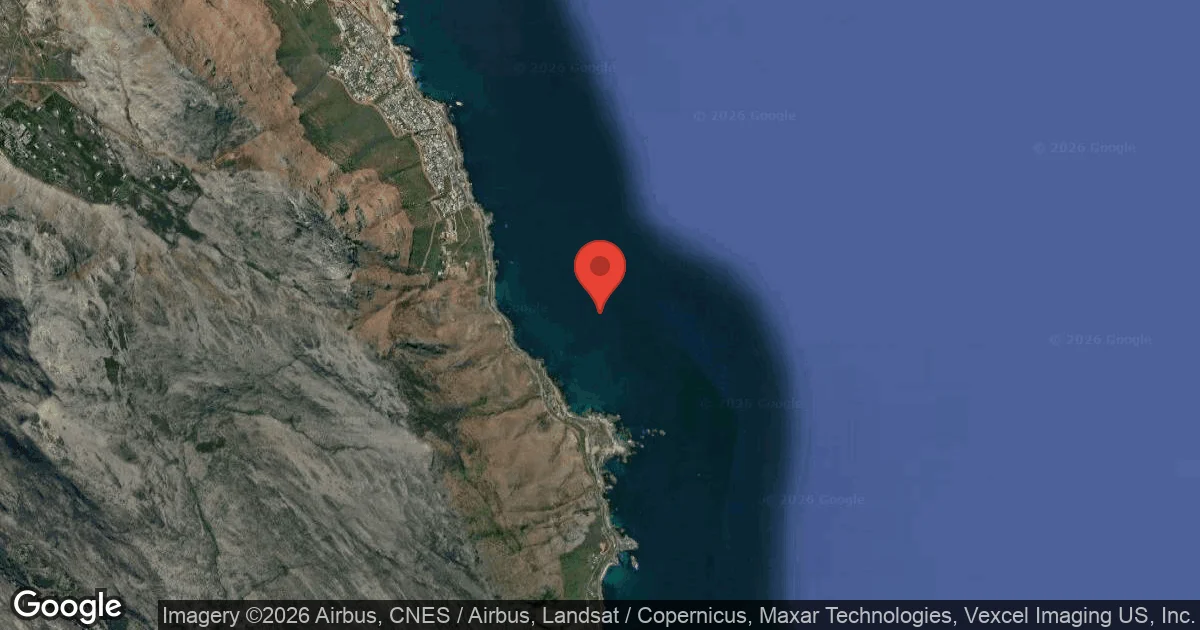
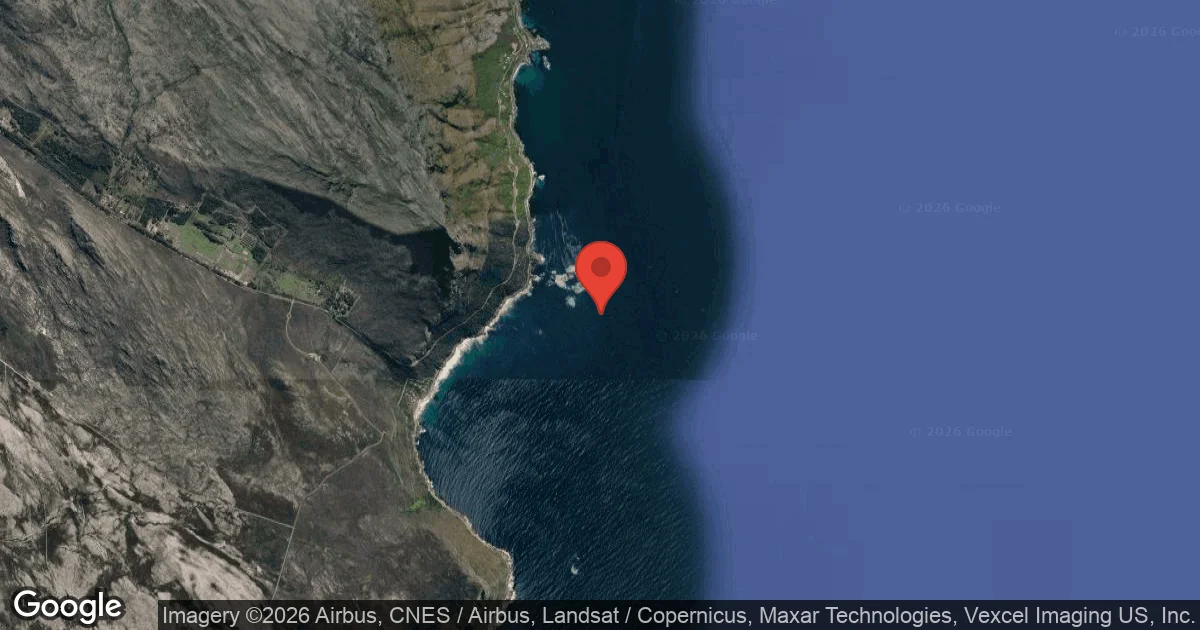
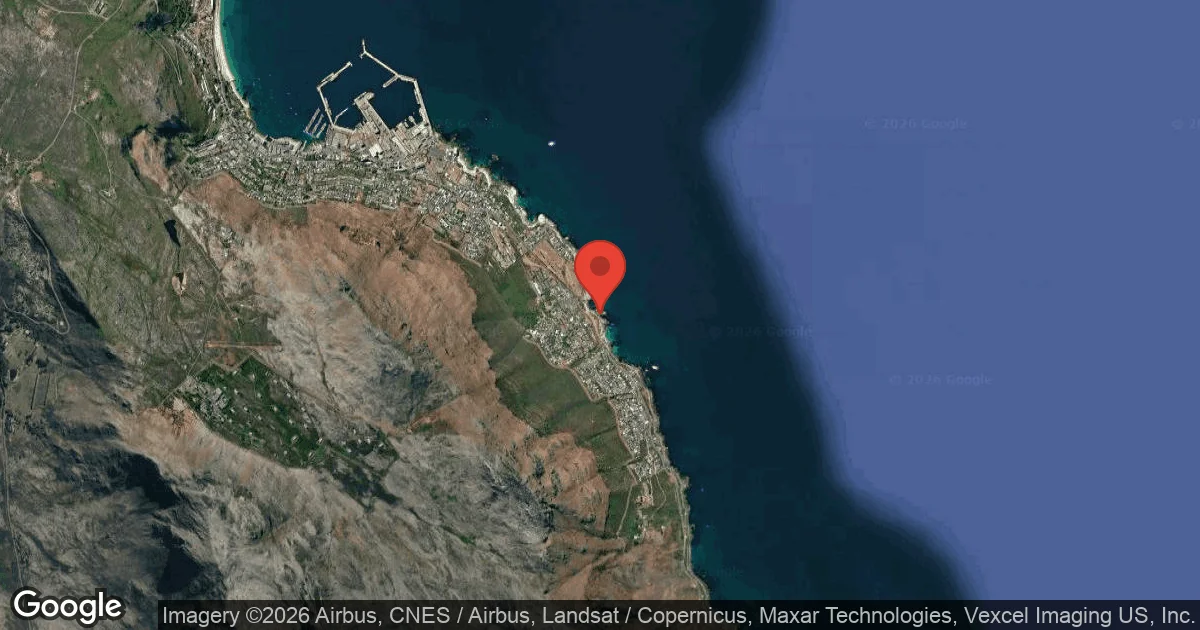
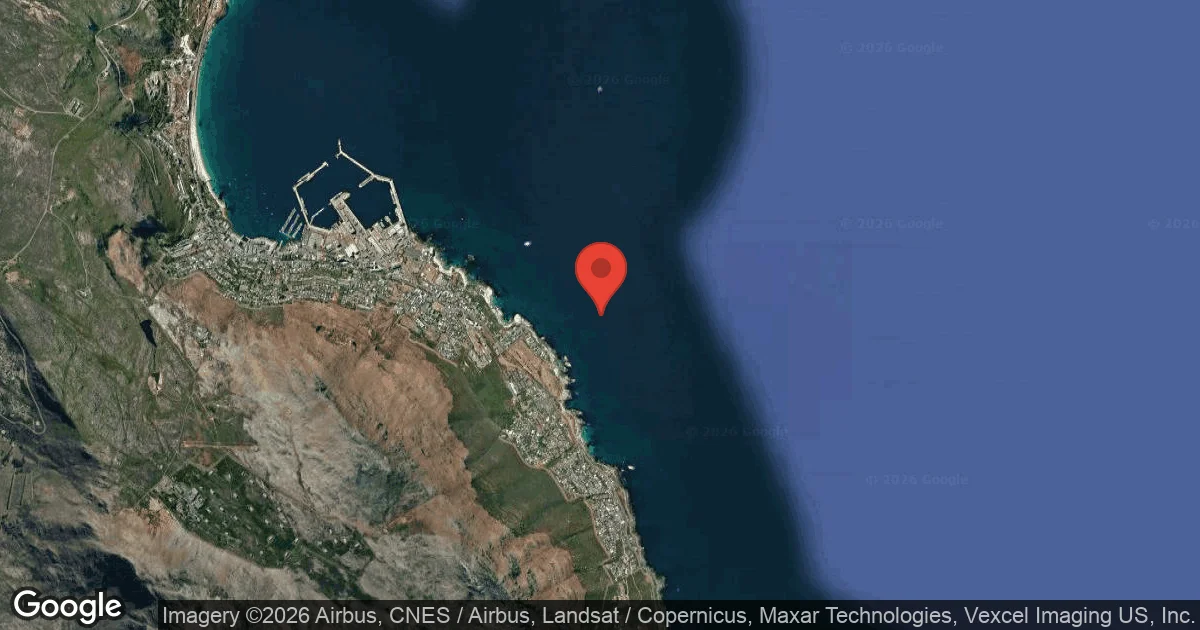
View all dive sites in South AfricaDiscover more underwater gems in this area.
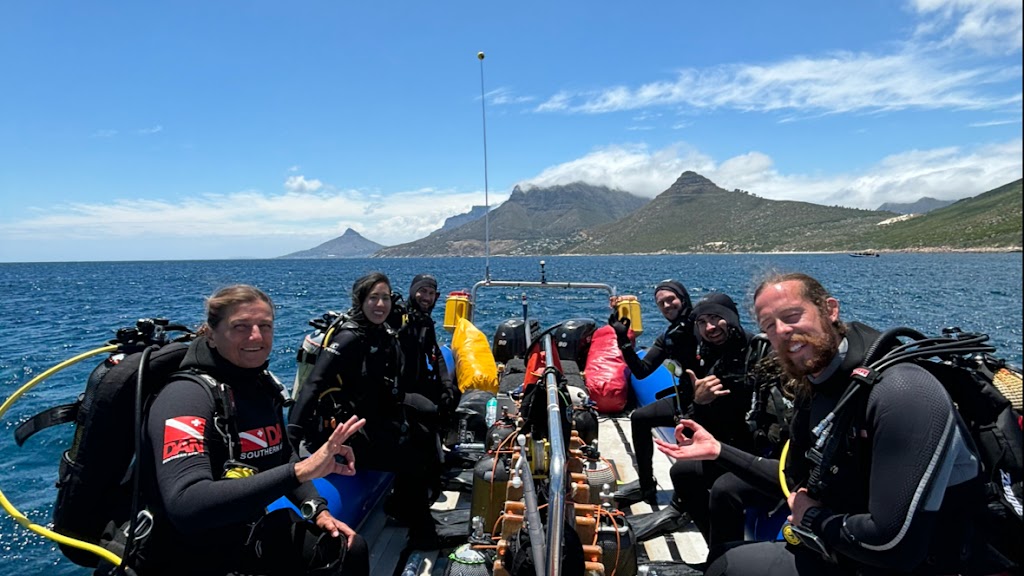
Dive Centers Near Millers Point
Today: 08:00 - 16:30

Nearest Airports
Nearest airports to help plan travel to this dive area.
Search Flights
Check available flights and routes on Expedia, using the nearby airports listed in this section.
Search Flights on ExpediaFrequently Asked Questions
What is the typical depth range for diving at Millers Point?
Most dives at Millers Point explore depths between 6 and 8 m (20 and 26 ft) along the shoreline reefs. Deeper sections are available further offshore, but the primary area is relatively shallow.
Are diving permits required at Millers Point?
Yes, Millers Point is within a designated marine protected area. All divers must possess a valid diving permit to enter the water and explore the site.
What marine life can divers expect to see?
Known for its shark populations, including sevengill sharks and several endemic species like spotted gully and pyjama sharks. Divers also frequently spot octopuses, starfish, anemones, and various schooling fish.
How do surface conditions typically behave at the dive site?
Surface conditions can vary significantly, often influenced by wind. Early morning or later in the evening typically offer the calmest water for entry and a more tranquil experience. Strong southeast winds should be avoided.
What are the average water temperatures for diving here?
Water temperatures are not consistently reported for Millers Point but are generally considered cool to cold, characteristic of this South African coastline. Divers should plan for adequate thermal protection.
Are there any specific hazards to be aware of at Millers Point?
Divers should be aware of potential heavy boat traffic, necessitating a surface buoy. Onshore, baboons are present, so secure vehicles. There's also a potentially long walk to the entry point.
Is it possible to dive Millers Point year-round?
Diving is possible year-round, though seasonal air temperatures vary from 13-16°C (55-61°F) in winter to 19-21°C (66-70°F) in summer. Wind conditions, particularly strong southeast winds, are more significant factors than seasonal temperature shifts.
Planning to dive Millers Point?
Send one inquiry and receive offers directly from the best verified local dive operators.
Conditions are Poor
High Swell Advisory. Not recommended.
Current conditions near Millers Point show 13° air, 13° sea temperature, 2.4 m waves, and 47 km/h wind. Forecast data is refreshed regularly to ensure accuracy.