
Diving at Sunny Cove (South Africa)
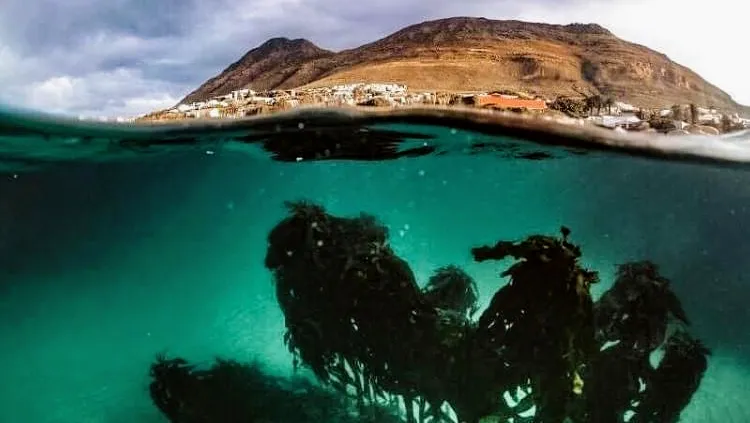
Sunny Cove offers a captivating underwater environment, especially appealing for observing a diverse array of marine life. Its proximity to a no-take zone border contributes to a richer ecosystem. Divers often encounter pyjama sharks resting on the seabed and octopus tucked into shallow crevices. The site is characterized by moderate relief sandstone rocks and kelp lines that host various invertebrate and seaweed species, creating a dynamic habitat for exploration.
Tonight's objective overview for Sunny Cove shows an air temperature of 14°C. The measured surface conditions include wave heights around 1.6 m. This environmental data is logged for the close of the day.
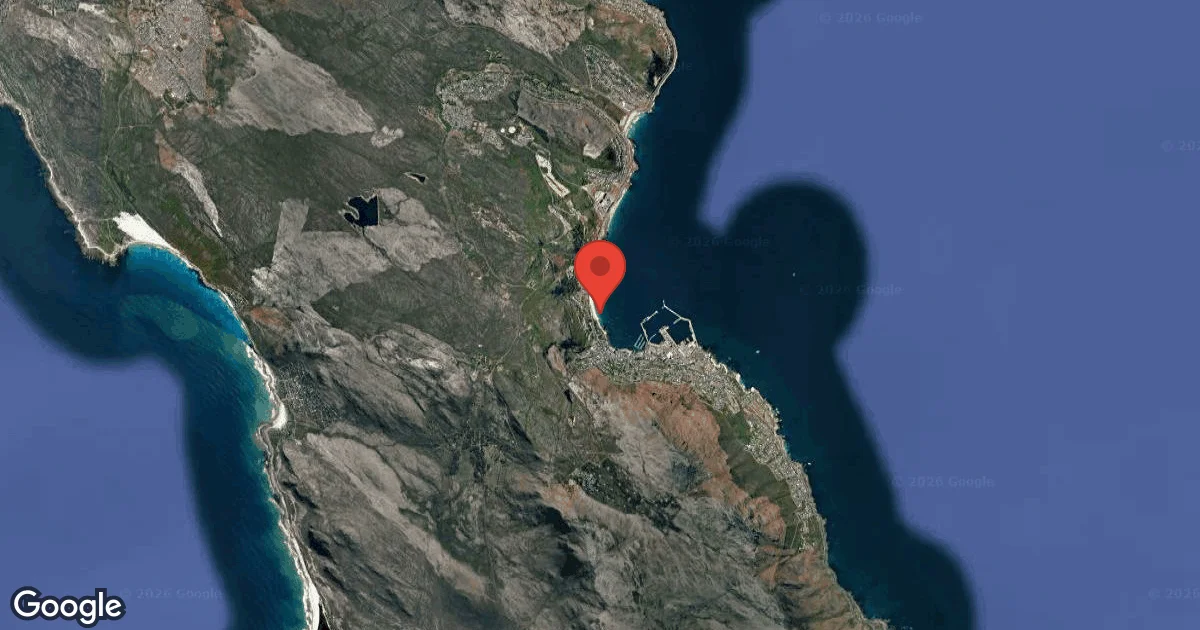
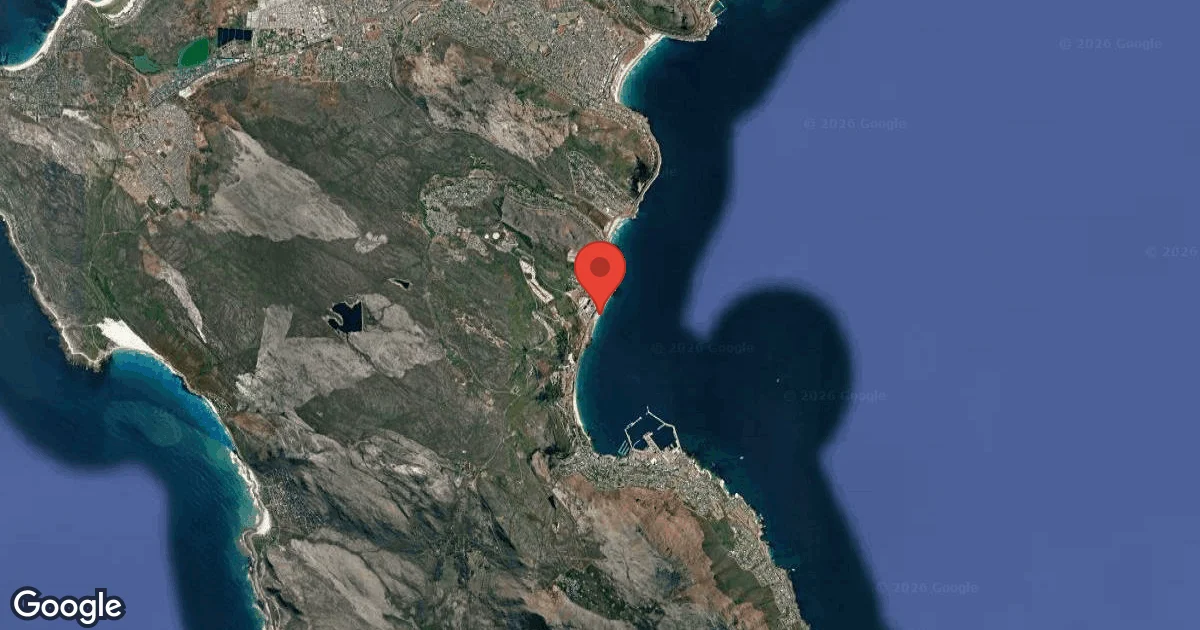
Dive Site Location & Key Facts
Dive Site Overview
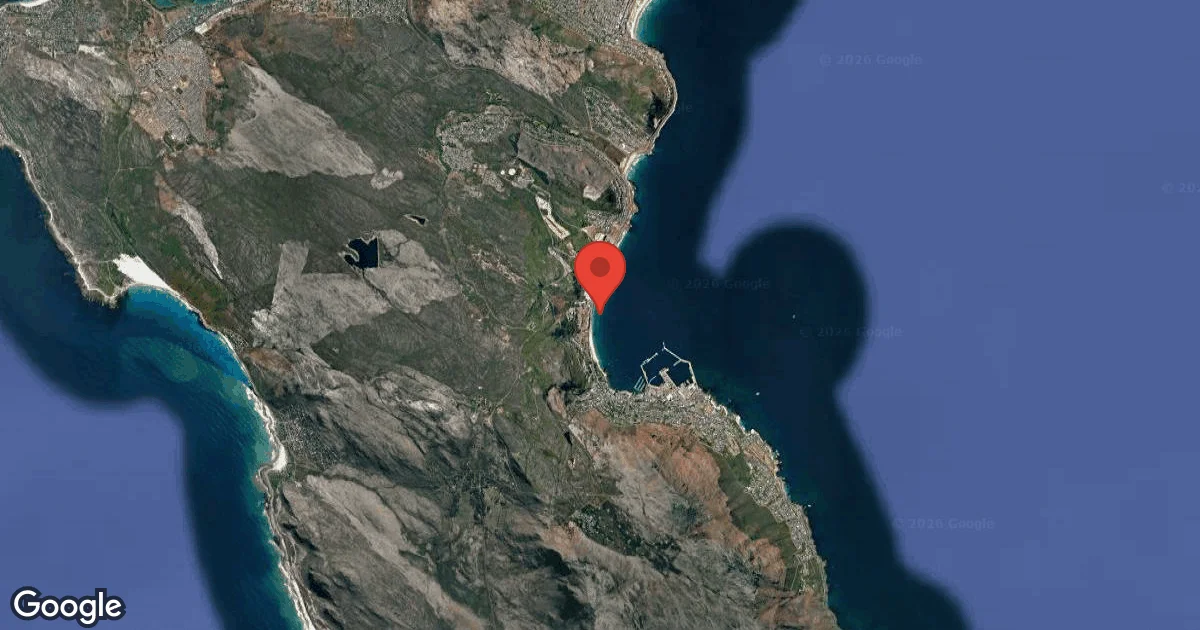
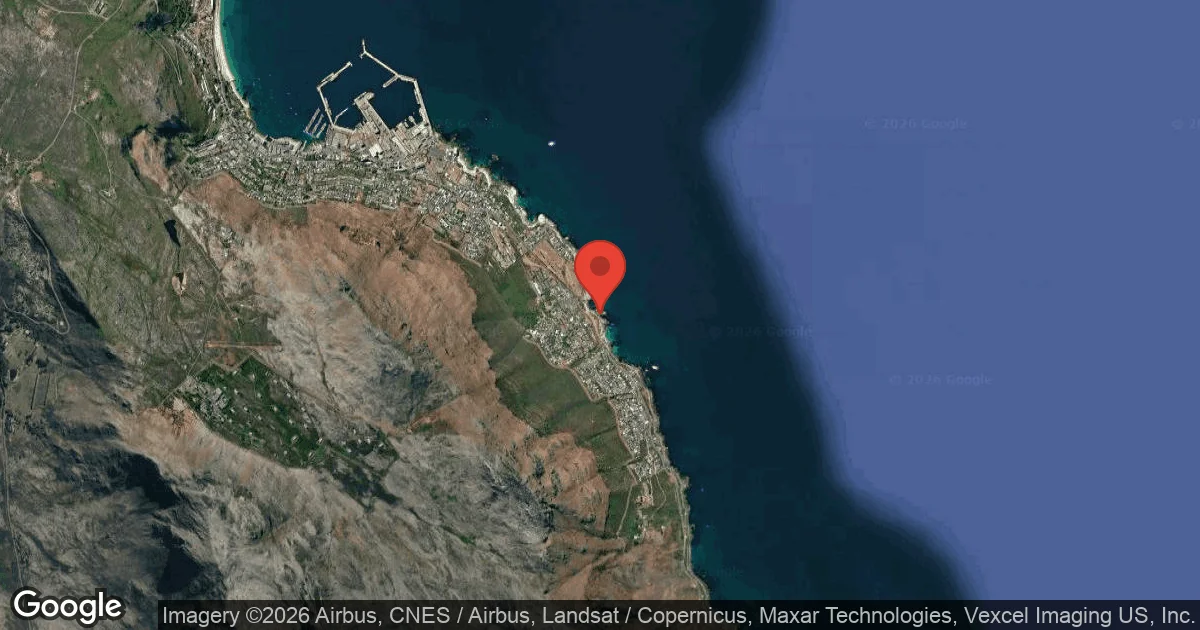
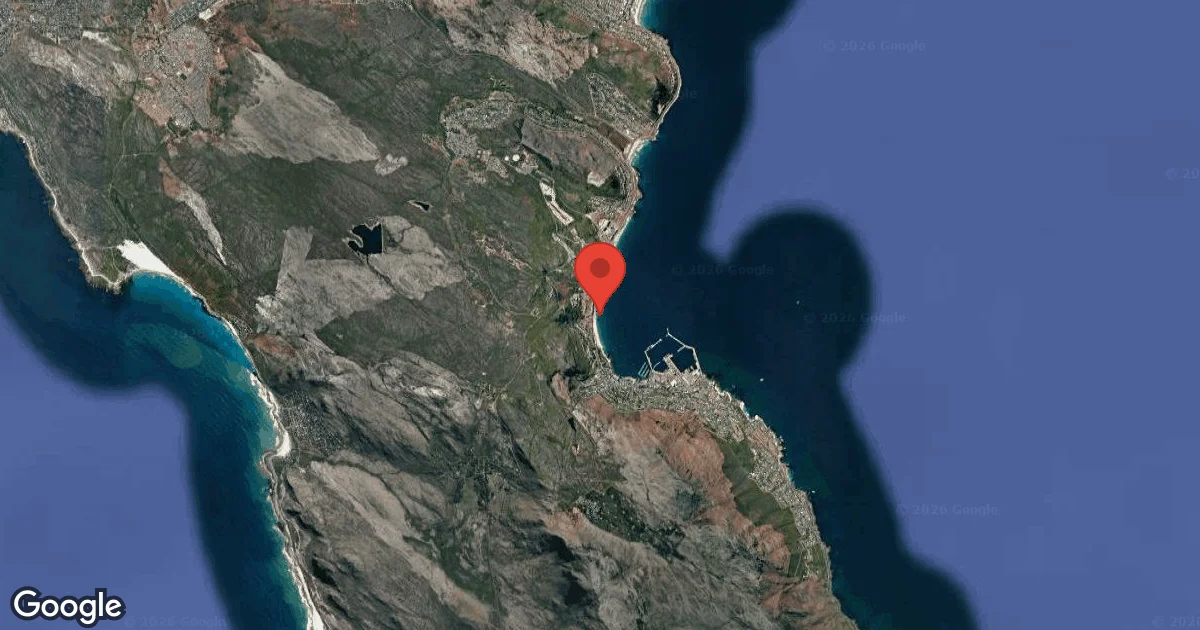
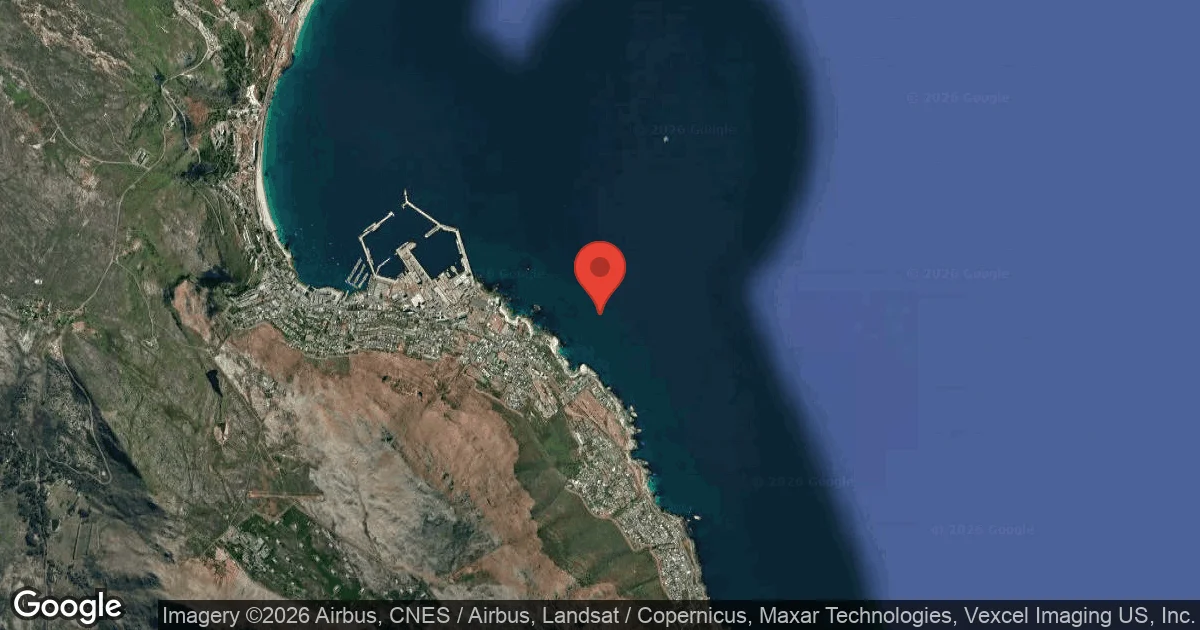
Embarking on a dive at Sunny Cove unveils a progressively deepening reef structure, making it a flexible site for various experience levels. The entry near the pedestrian bridge at Sunny Cove railway station begins in shallow waters, a convenient starting point for getting comfortable.
An initial flat area with cracks frequently conceals octopus and alikreukel, providing early points of interest. Topography shifts to large rock formations around 4 m (13 ft) deep, which then lead to a distinct drop-off to deeper sections. Beyond this mid-depth zone, a visible kelp line from the surface indicates depths typically ranging from 10 to 12 meters, extending to a maximum of 14 m (46 ft) in some reef sections.
Gradual progression from a gentle incline to more pronounced drop-offs offers varied exploration opportunities across its sandstone rocks, ridges, and gullies. The initial part of the reef straight out from the entry features a slight rise adorned with abundant red bait before deepening further.
Continuing along this path reveals a dramatic drop-off at the reef's end, which tends to host more active marine life, inviting closer inspection and rewarding exploration. Maximum depth over sand is approximately 11 m (36 ft), ensuring it remains within recreational limits for many divers.
Conditions are Moderate
High Wind Advisory (40km/h). Unsafe surface.
Current conditions near Sunny Cove show 14° air, 12° sea temperature, 2.0 m waves, and 40 km/h wind. Forecast data is refreshed regularly to ensure accuracy.
Best Time to Dive
Choosing the right season significantly impacts the Sunny Cove dive experience. Winter months generally offer the most favorable diving conditions here, contrasting with the often more turbulent conditions experienced in other parts of False Bay. During winter, cooler water temperatures typically reduce plankton blooms, leading to improved underwater visibility. Offshore winds, particularly from the north or west, play a crucial role by clearing the water, optimizing clarity. For instance, air temperatures in winter months like June and July average around 14.5°C (58°F) and 13.5°C (56°F) respectively, with rain levels peaking in July at 3.98 mm (0.16 inches). Summer months like January, for example, see higher average air temperatures of 21°C (70°F) but also greater wind speeds, contributing to less predictable conditions. A sheltered location provides an advantage, allowing for diving even when many other nearby sites might be less accessible due to swell or wind patterns. It's a strategic choice for consistent conditions.
PEAK SEASON SCORE
Scores combine air & water temps, waves, wind & rainfall for overall conditions.
BEST MONTHS TO DIVE
Monthly records compiled from satellite and marine observation nodes over the last 3 years. Data provided by Open-Meteo and MET Norway.
Dive Experience & Conditions
The initial plunge into Sunny Cove's waters often feels calm, especially in its shallower sections. Visibility typically ranges between 2 to 7 meters (7 to 23 ft), with clearer days providing a more expansive view of the moderate relief sandstone rocks and kelp beds. When north or northwesterly winds prevail, the water clarity improves noticeably, offering brighter exploration. While the system data doesn't report water temperatures, external information suggests cooler water temperatures in winter lead to better visibility. The gradual entry contributes to a relaxed start for new divers. Descending, the environment shifts from sand flats to boulder shorelines and then a rich reef, requiring attentive finning to navigate around the diverse topography. Exploring the reef straight out reveals areas of red bait and increasing depth, offering a tactile sense of discovery. Moving south along the deeper sections provides a distinct feeling of venturing into richer marine habitats.
Dive Difficulty & Safety Guidelines
Navigating Sunny Cove safely requires attention to several key considerations, starting with the access itself. Divers need to carefully manage their gear over the pedestrian bridge and be mindful of foot traffic when kitting up near the sidewalk. Once at the water's edge, the boulder shoreline can present a footing challenge during entry, so taking your time is crucial.
Always dive with a buddy; this fundamental practice ensures mutual assistance and enhances overall safety. Before any dive, thoroughly check current weather conditions, particularly wind forecasts, as they heavily influence visibility.
Using proper and well-maintained gear is essential for the prevailing conditions. Respecting the marine environment means observing wildlife without disturbing it.
Crucially, divers must stay within their certification and experience limits, recognizing Sunny Cove's potential for varied conditions.
Recommended Equipment
- Dive Computer
This gear list is based on verified equipment signals for Sunny Cove, South Africa. Always confirm final gear choices with your dive operator, guide, or liveaboard.
Recommended Dive Suit
Repeated dives during the same day can gradually reduce overall body warmth.
The water around Sunny Cove is currently holding at approximately 12°C (54°F), setting the tone for today's dives. Surface air temperatures are resting at 14°C (57°F). Divers spending extended time underwater often rely on 7mm wetsuit or semidry for balanced warmth and flexibility. Consider warmer surface protection (like a boat coat) due to brisk winds. A thermal robe or jacket is recommended between dives.
A warming trend is expected over the next few days. A warming trend is expected over the next few days.
Emergency & Medical Support
Essential information to help you plan your dive trip to Sunny Cove.

Hyperbaric chambers are a critical part of dive safety infrastructure. Availability varies significantly by region, and not all dive areas have immediate access.
Before diving, it's recommended to:
- confirm nearest medical facilities
- check emergency procedures with local dive operators
- ensure dive insurance covers evacuation if required
Divers Alert Network
Diving emergency assistance available through DAN Southern Africa.
+27828106010- 24/7 emergency hotline
- Diving medical assistance
- Evacuation coordination
Emergency contacts are provided for reference. Always verify local emergency services before diving.
Marine Life at Sunny Cove
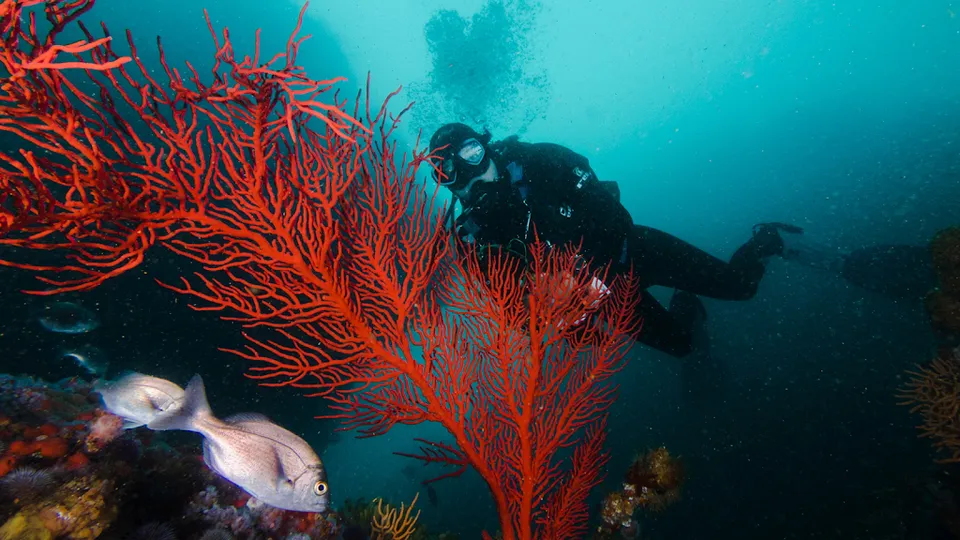
Upon entering Sunny Cove, divers often first notice the abundance of smaller creatures inhabiting the shallow cracks, particularly octopus and alikreukel. As you move into slightly deeper areas, pyjama sharks are commonly observed resting calmly on the seabed, providing excellent photographic opportunities.
The reef structure itself, with its sandstone rocks and kelp, supports a variety of invertebrate and seaweed species, forming a vibrant backdrop. Keep an eye out for Cape hottentot, often seen in the deeper sections, alongside John Brown and Red Roman which add flashes of color.
While less common, gully sharks are occasionally sighted, contributing to the site's rich biodiversity. Yellowtail may also be spotted when exploring the southern section of the reef.
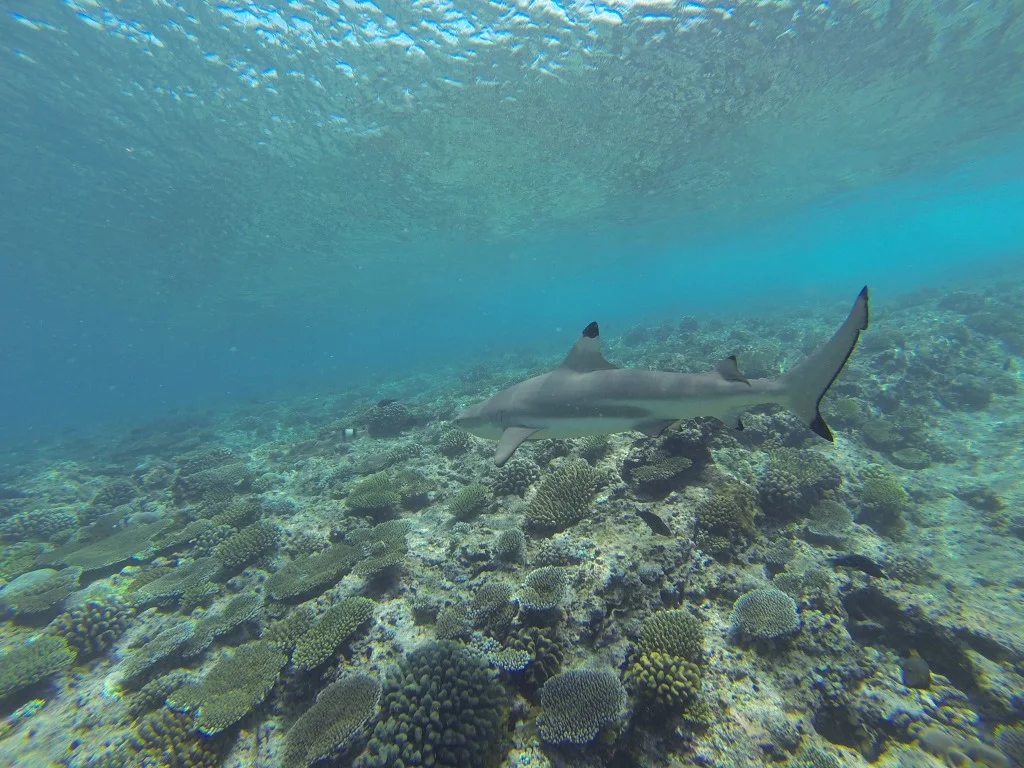

Dive Sites Near Sunny Cove
View all dive sites in South AfricaDiscover more underwater gems in this area.
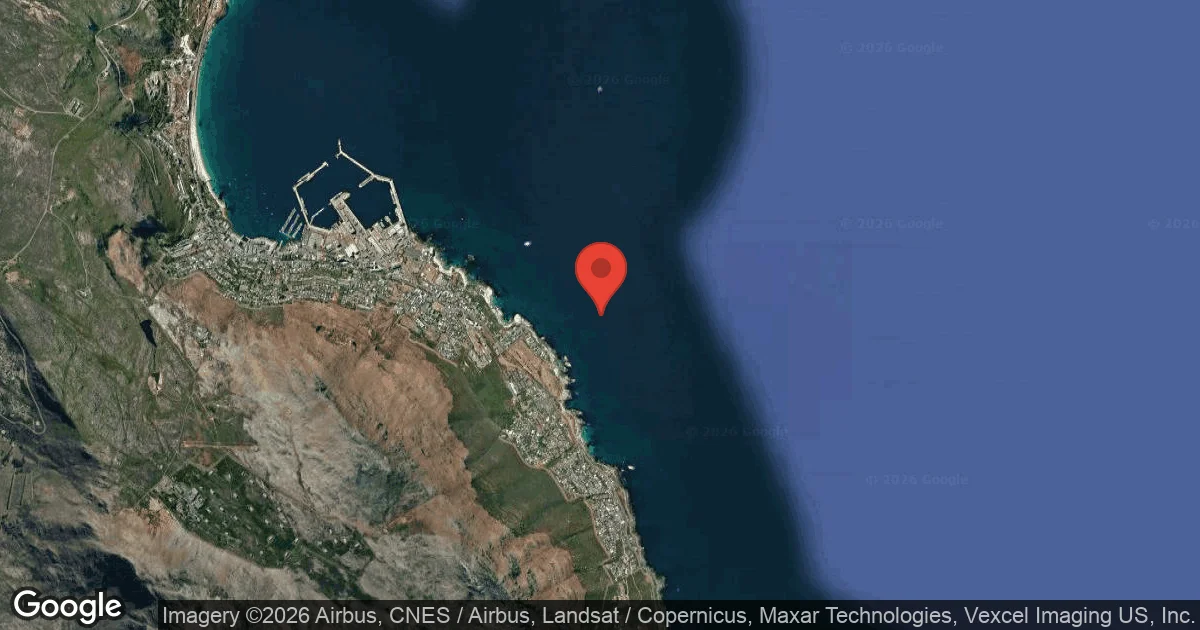
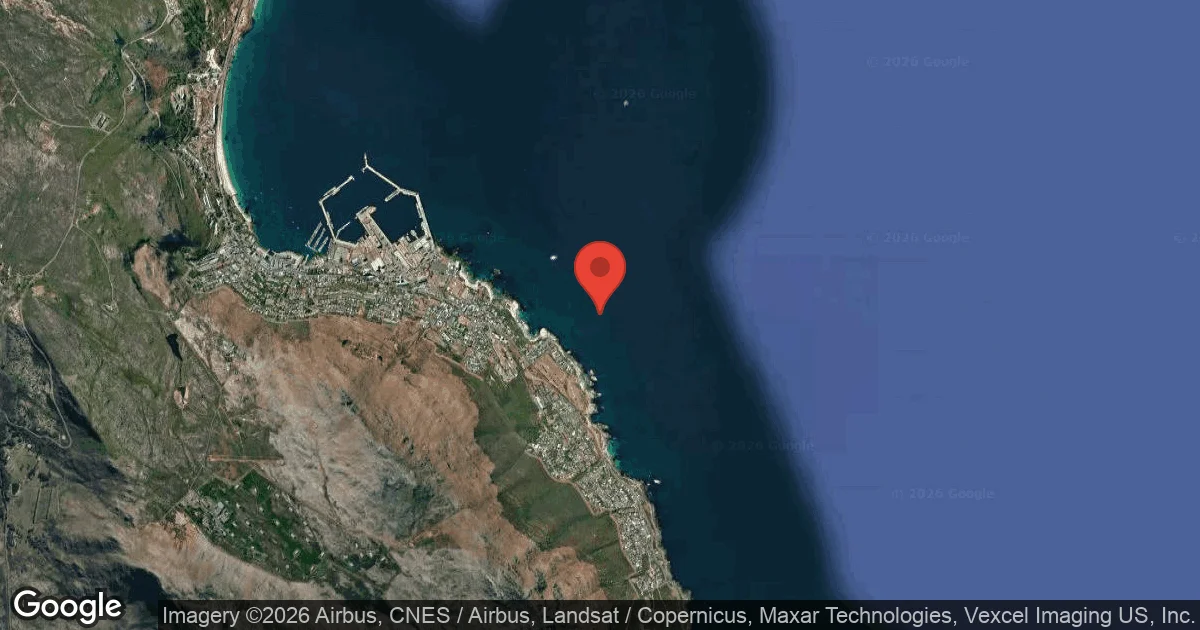
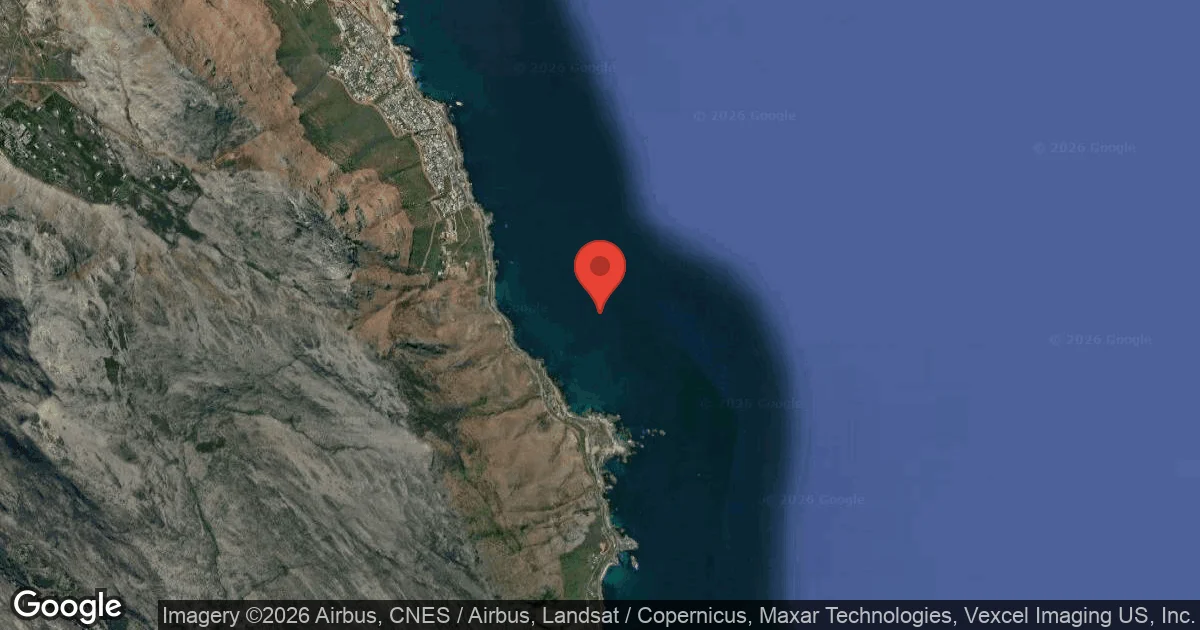
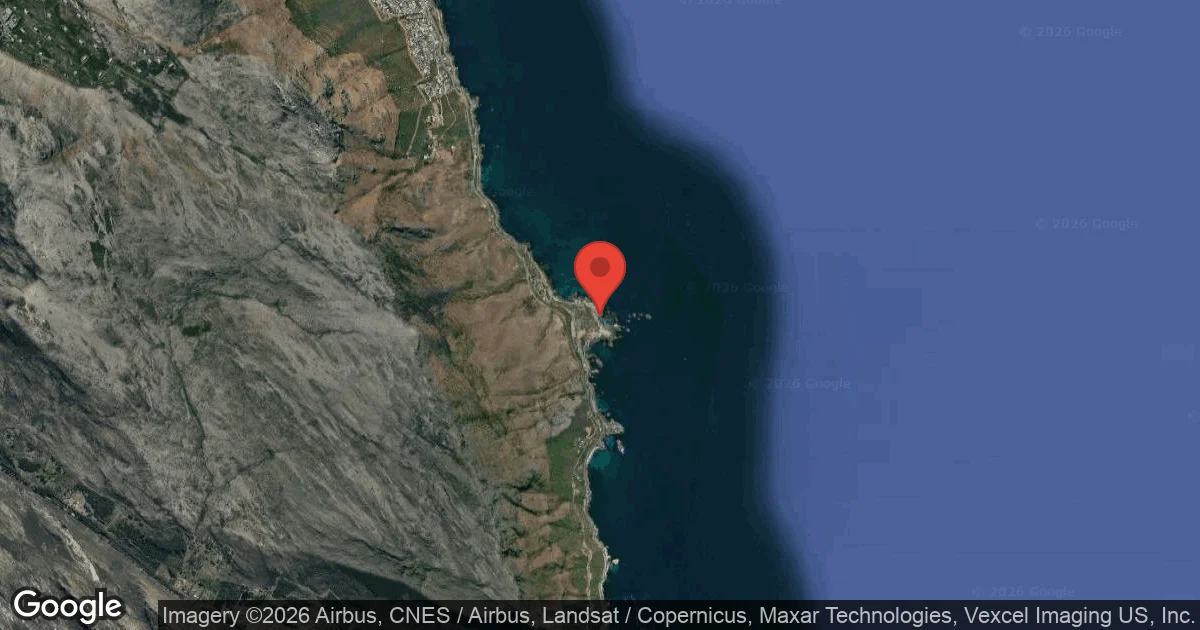
Dive Centers Near Sunny Cove
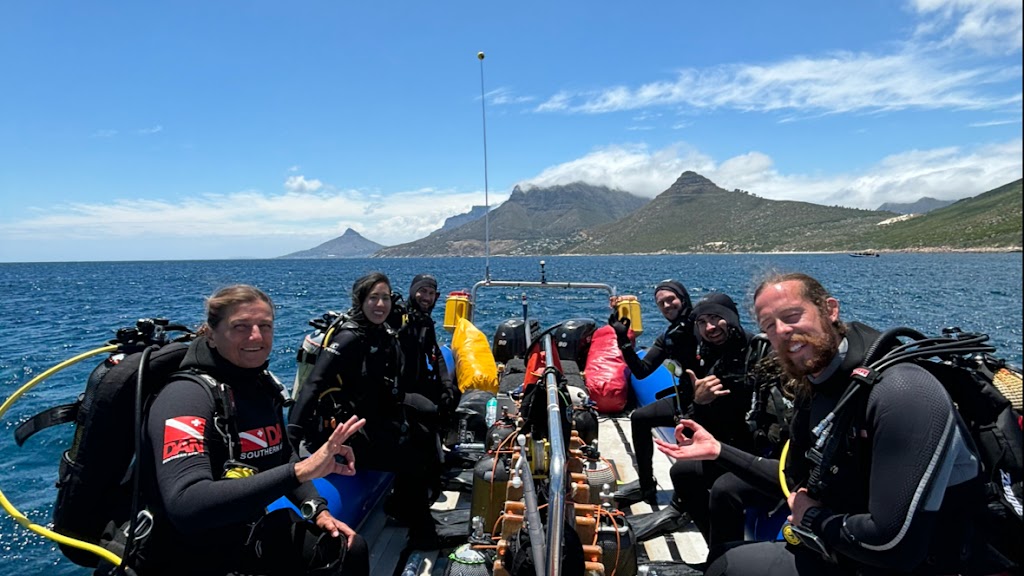
Today: 08:00 - 16:30

Nearest Airports
Nearest airports to help plan travel to this dive area.
Search Flights
Check available flights and routes on Expedia, using the nearby airports listed in this section.
Search Flights on ExpediaFrequently Asked Questions
What is the typical depth range at Sunny Cove?
Diving at Sunny Cove generally progresses from shallow entry points. A reef typically drops to around 8 meters, with deeper sections reaching approximately 14 meters. Maximum depth over sand is often cited as about 11 meters.
What kind of visibility can I expect at Sunny Cove?
Visibility at Sunny Cove usually ranges between 2 to 7 meters. Conditions improve significantly when offshore winds from the north or north-west are present, which help to clear the water.
Is Sunny Cove suitable for new divers?
Yes, Sunny Cove is considered an excellent site for new divers due to its shallow entry and gradual deepening. This allows beginners to comfortably acclimate before exploring deeper sections of the reef.
What marine life can I commonly expect to see at Sunny Cove?
Divers frequently encounter pyjama sharks resting on the seabed and octopus in the shallow cracks. You'll also likely spot Cape hottentot in deeper areas, along with John Brown and Red Roman fish species.
What are the best times and conditions for diving at Sunny Cove?
Winter months often provide the best diving conditions, characterized by cooler water temperatures that reduce plankton blooms and improve visibility. Optimal conditions also occur with north or northwesterly offshore winds.
Are there any specific access challenges to consider at Sunny Cove?
Access involves walking over a pedestrian bridge and down stairs to a boulder shoreline. Kitting up requires caution due to potential foot traffic and navigating the uneven boulder entry can be tricky.
Is a permit required to dive at Sunny Cove?
Yes, Sunny Cove is situated within the Table Mountain National Park Marine Protected Area. A valid permit is required to dive here.
What is the typical underwater topography of the site?
Site features moderate relief sandstone rocks, ridges, and gullies that gently slope down to a sandy bottom. There are also kelp lines and distinct drop-offs in the deeper sections, particularly at the reef's end.
Planning to dive Sunny Cove?
Send one inquiry and receive offers directly from the best verified local dive operators.
Conditions are Moderate
High Wind Advisory (40km/h). Unsafe surface.
Current conditions near Sunny Cove show 14° air, 12° sea temperature, 2.0 m waves, and 40 km/h wind. Forecast data is refreshed regularly to ensure accuracy.