
Diving at Islas Cíes (Spain)
Islas Cíes, within Spain's Atlantic Islands National Park, presents an exceptional underwater landscape. Situated at the mouth of the Vigo estuary, this archipelago earned Natural Park status in 1980 due to its ecological richness. Divers here explore waters designated for protection, revealing vibrant marine ecosystems often within recreational depths. The natural beauty of this destination extends well beyond Rodas Beach.
Evening condition tracking at Islas Cíes features an air temperature of 15.5°C. We have recorded wave heights measuring 1.6 m during this period. These figures outline the environmental parameters currently present.
Dive Site Location & Key Facts
Dive Site Overview
Exploring the underwater realm around Islas Cíes reveals a diverse collection of habitats, making this area suitable for divers across all certification levels. From shallow, sunlit areas perfect for snorkeling to deeper zones with significant historical interest, the waters surrounding Monteagudo, Do Faro, and San Martin islands offer varied experiences.
Many diving activities don't even require prior certification, welcoming those new to the sport. The site's ecological richness is immediately apparent, with an 'explosion of life' visible just meters from the shore in many areas. For more experienced divers, the estuary holds remnants from the Battle of Rande, with at least six known wrecks resting on the seabed.
While precise depth values for individual wrecks vary, the general diving in the Cíes Islands spans from snorkeling depths to recreational diving limits. A PADI Dive Center operates here, offering courses from Scuba Diver to Master Scuba Diver, ensuring access for both discovery dives and advanced training.
The National Park designation highlights the importance of preserving these extensive marine species reserves.
Conditions are Good
Optimal conditions expected
Current conditions near Islas Cíes show 16° air, 15° sea temperature, 1.7 m waves, and 25 km/h wind. Forecast data is refreshed regularly to ensure accuracy.
Best Time to Dive
Planning a dive trip to Islas Cíes is best during the warmer, drier months when conditions are most favorable. June and July consistently show 'Good' dive scores, benefiting from air temperatures averaging around 19.5°C (67°F) in June and 20.5°C (69°F) in July, with minimal rainfall. Wave heights also tend to be lower during this period, averaging about 1.2 meters (3.9 ft) in June and 1.4 meters (4.6 ft) in July, which generally provides calmer seas for boat access and diving. May, August, and September also offer 'Moderate' dive scores, with comfortable air temperatures and relatively low rain, making them viable options. However, later autumn and winter months, from October through April, typically present 'Poor' dive scores due to increased rainfall, higher winds, and significantly larger wave heights, making diving less comfortable and accessible.
PEAK SEASON SCORE
Scores combine air & water temps, waves, wind & rainfall for overall conditions.
BEST MONTHS TO DIVE
Monthly records compiled from satellite and marine observation nodes over the last 3 years. Data provided by Open-Meteo and MET Norway.
Dive Experience & Conditions
Entering the waters of Islas Cíes, divers are greeted by a surprisingly vibrant ecosystem, even in the shallower sections. The diversity of marine life becomes evident quickly, offering a spectrum of colors and activity just a few meters deep, ideal for snorkelers and introductory dives. As one descends, the environment shifts, revealing varied seabed topography that supports a rich reserve of marine species. While specific conditions vary by dive site, the area generally provides routes for all levels. Certified divers can explore deeper sections of the estuary, where a wider range of marine habitats and potential historical wreck sites are found. Visibility can fluctuate depending on localized currents and recent weather, but the waters are generally clear. Divers should be prepared for varying water temperatures, though specific data isn't consistently reported for this location.
Dive Difficulty & Safety Guidelines
Diving within the Islas Cíes, part of the Atlantic Islands National Park, requires adherence to specific guidelines to protect its delicate ecosystem. It's essential to secure proper authorization to visit the park, even for activities like snorkeling. Divers should always plan their excursions through authorized dive centers operating within the park, ensuring compliance with local regulations.
Utilizing services from PADI Dive Centers, such as those available from Portonovo, ensures access to experienced guides and proper safety protocols. Respecting the marine environment is paramount; divers must practice good buoyancy control to avoid contact with the seabed and its inhabitants.
Never remove any marine life or artifacts from the water, as the park is a protected area. Following these expert tips contributes to preserving the beauty and ecological integrity of this unique underwater paradise.
Recommended Equipment
- Dive Computer
This gear list is based on verified equipment signals for Islas Cíes, Spain. Always confirm final gear choices with your dive operator, guide, or liveaboard.
Recommended Dive Suit
For relaxed exploration dives, 7mm wetsuit or semidry generally provides adequate warmth. Consider warmer surface protection (like a boat coat) due to brisk winds. A thermal robe or jacket is recommended between dives. For divers entering the water at Islas Cíes, temperatures are currently hovering around 15°C (59°F). Surface air temperatures are resting at 16°C (60°F).
Conditions in the coming days are expected to stay within a similar temperature range.
A diver's personal tolerance to cold water can play a large role in suit selection.
Emergency & Medical Support
Essential information to help you plan your dive trip to Islas Cíes.

Hyperbaric chambers are a critical part of dive safety infrastructure. Availability varies significantly by region, and not all dive areas have immediate access.
Before diving, it's recommended to:
- confirm nearest medical facilities
- check emergency procedures with local dive operators
- ensure dive insurance covers evacuation if required
Divers Alert Network
Diving emergency assistance available through DAN Europe.
+39 0642115685- 24/7 emergency hotline
- Diving medical assistance
- Evacuation coordination
Emergency contacts are provided for reference. Always verify local emergency services before diving.
Marine Life at Islas Cíes
An 'explosion of life' defines the Cíes Islands' underwater environment, supported by remarkably diverse ecosystems. This richness is a primary reason for its Natural Park designation, preserving a significant reserve of marine species.
Divers can observe varied marine organisms inhabiting the rocky reefs and sandy bottoms within the estuary. While specific species aren't consistently reported, general biodiversity characterizes the area.
Its unique location as an archipelago also facilitates a significant migratory point, potentially increasing observational opportunities. Even at shallow depths, divers will encounter a wide array of marine organisms, making for engaging observations throughout the recreational depth range.
Dive Sites Near Islas Cíes
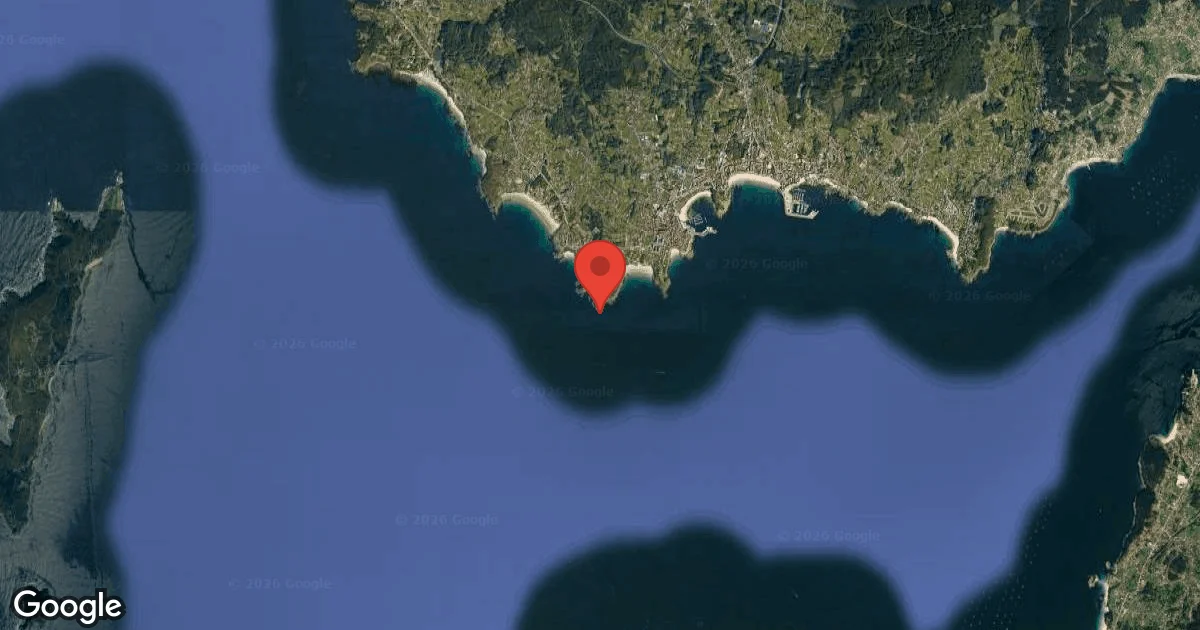
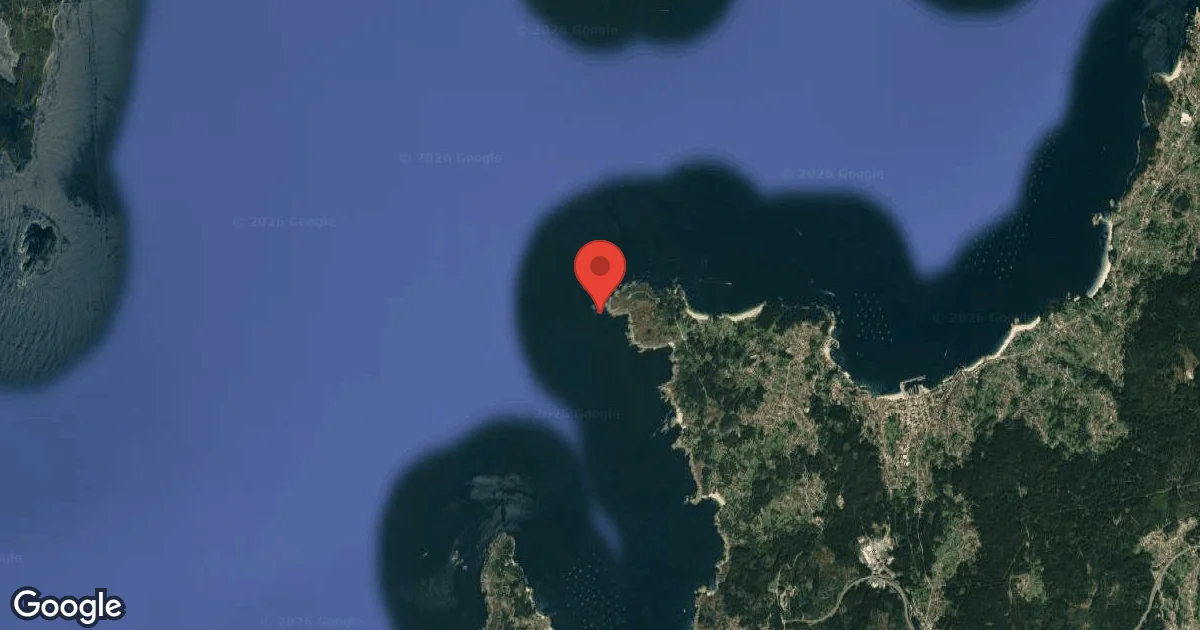
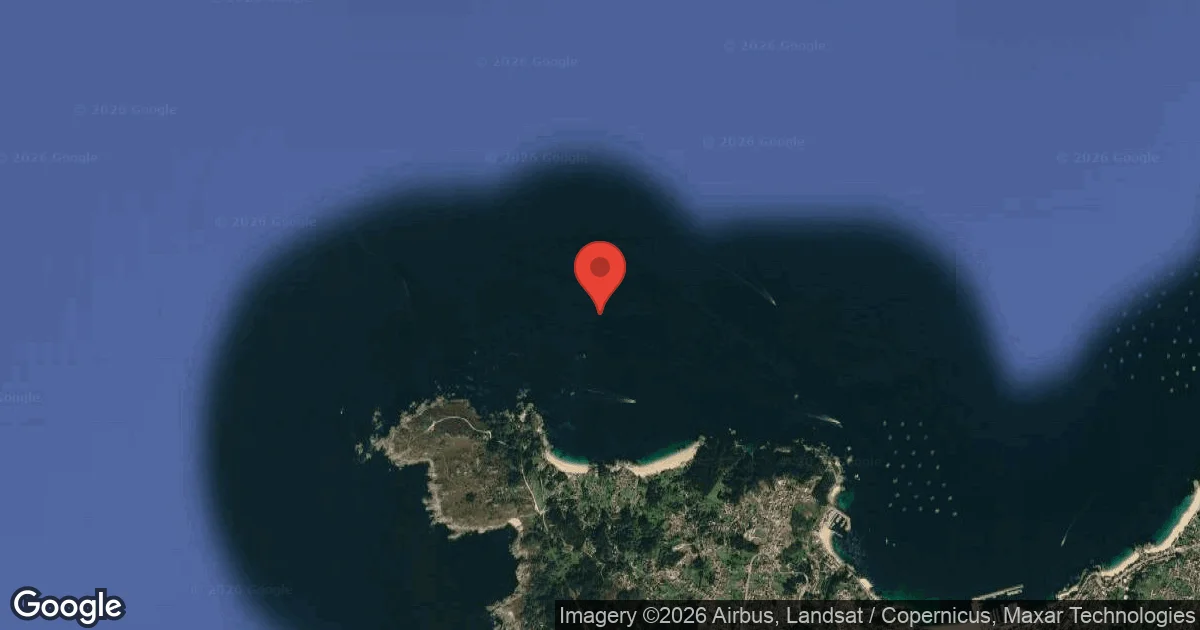
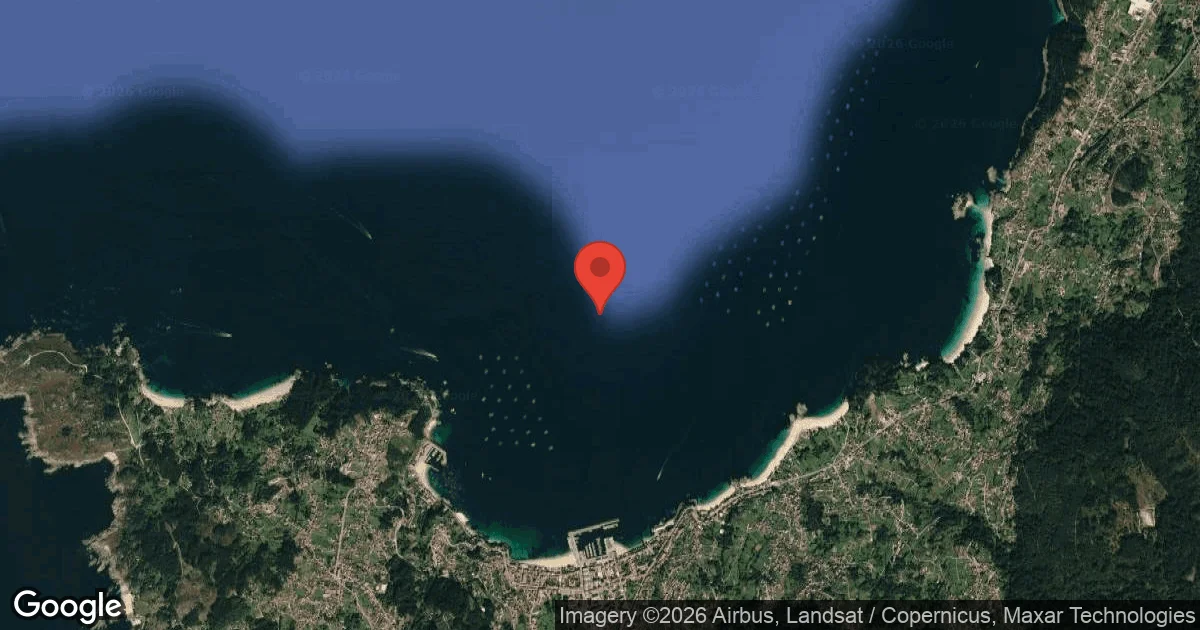
View all dive sites in SpainDiscover more underwater gems in this area.
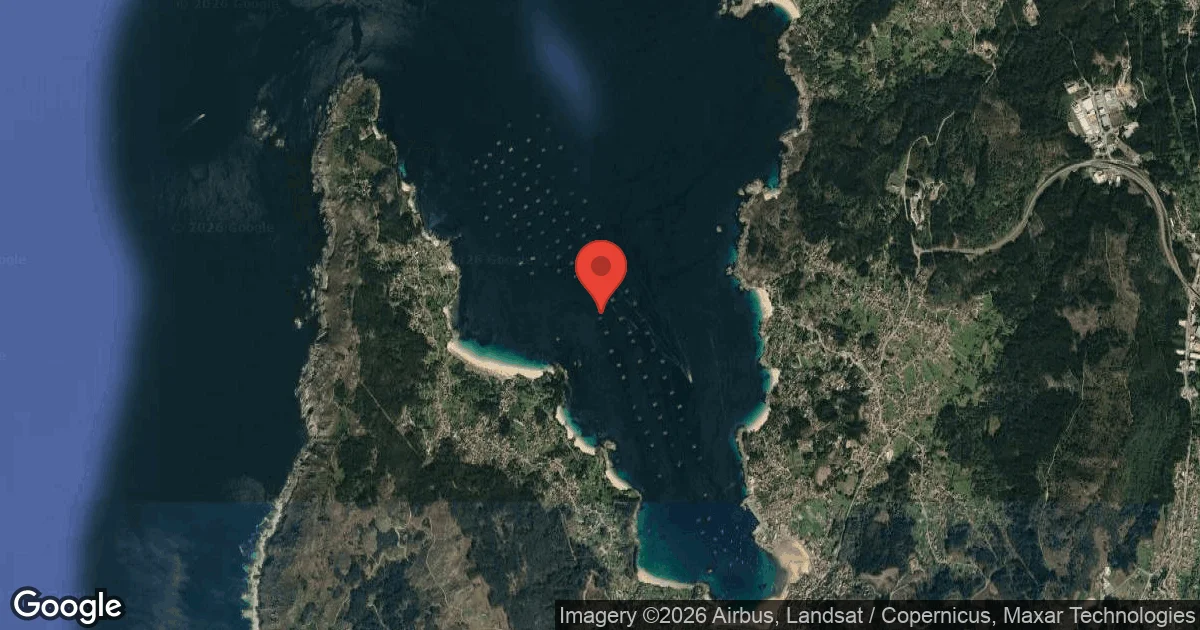
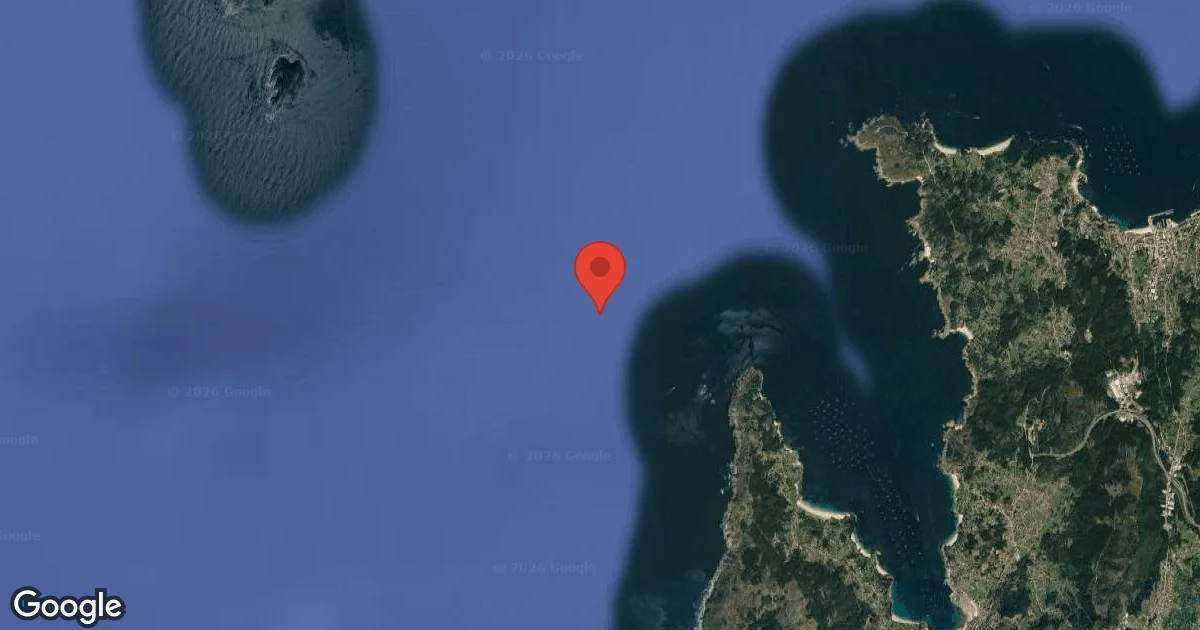
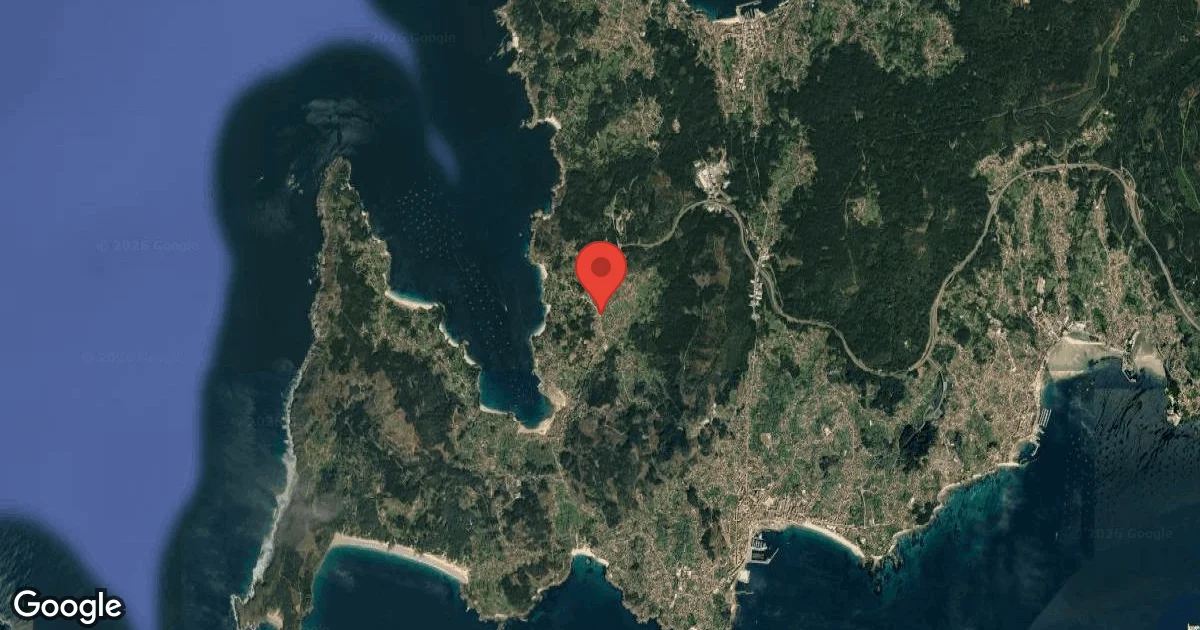
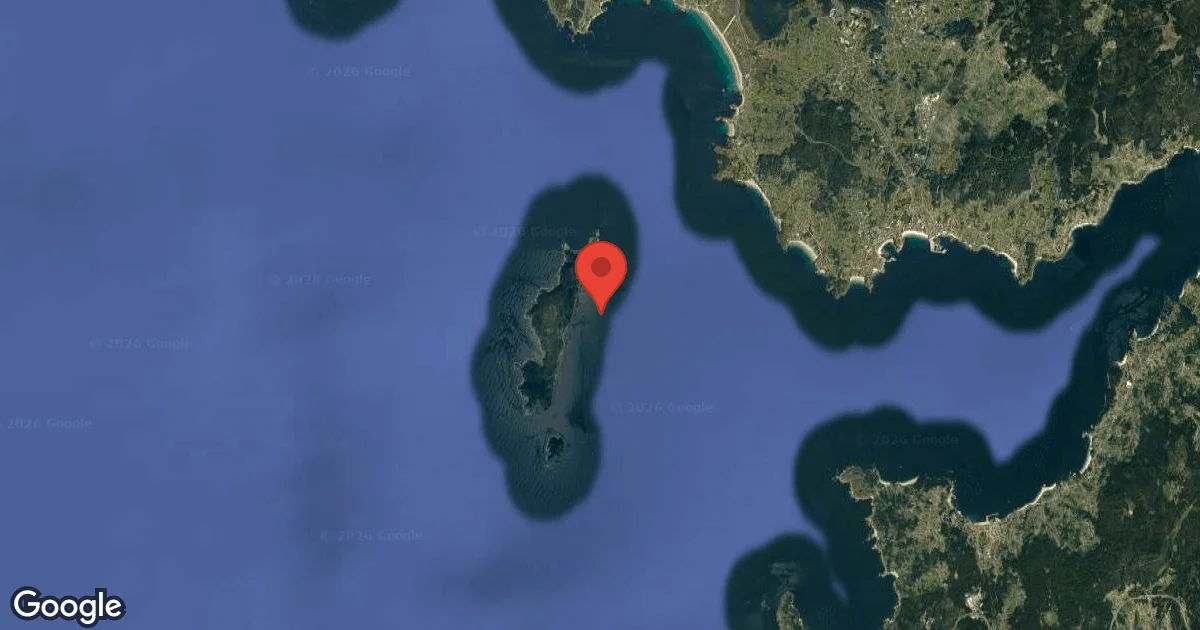
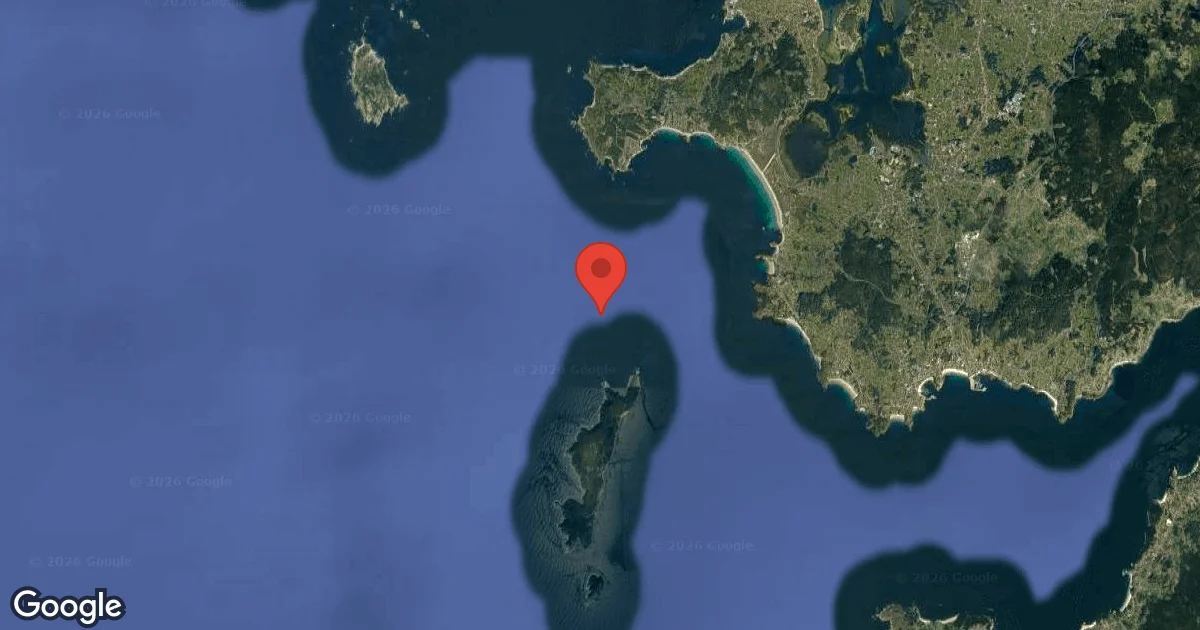
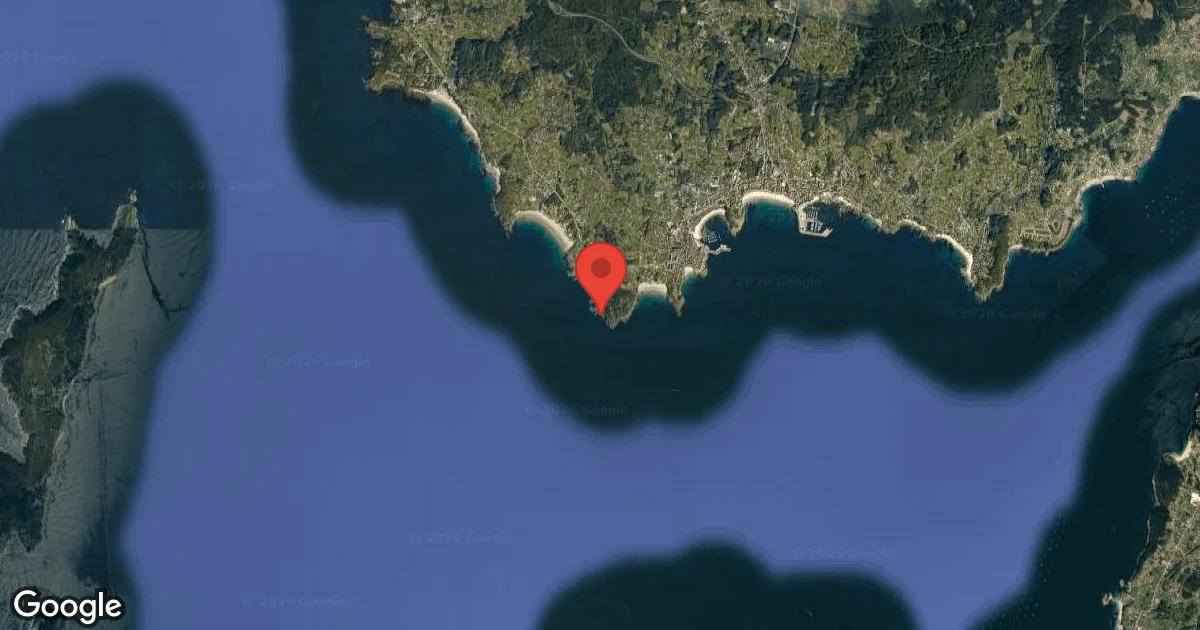
Dive Centers Near Islas Cíes
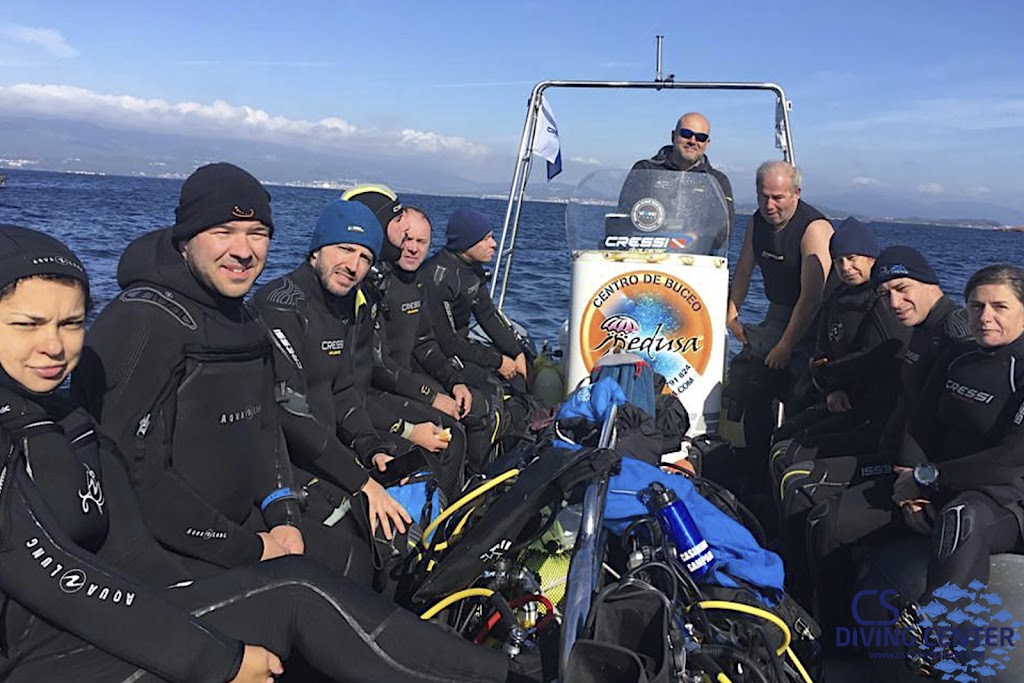
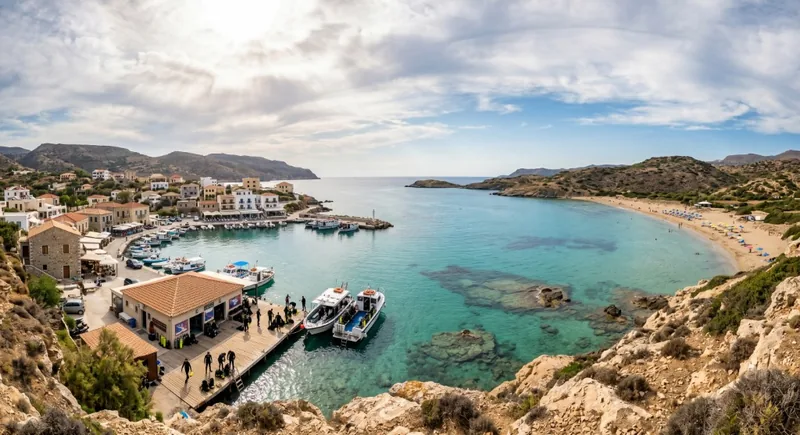
Nearest Airports
Nearest airports to help plan travel to this dive area.
Search Flights
Check available flights and routes on Expedia, using the nearby airports listed in this section.
Search Flights on ExpediaFrequently Asked Questions
Do I need a permit to dive or snorkel in Islas Cíes?
Yes, permission to visit the National Park is required, even for snorkeling activities. It's best to arrange this through an authorized dive center or tour operator to ensure all regulations are met.
Are there diving opportunities for beginners?
Absolutely. Islas Cíes offers routes suitable for all levels, including 'diving baptisms' and snorkeling for those without prior experience. Many diving schools in Vigo and authorized centers provide introductory courses.
What kind of diving certifications can I get there?
PADI diving courses are available in the area, ranging from PADI Scuba Diver for beginners to Advanced Open Water Diver, Rescue Diver, and even Master Scuba Diver certifications. This caters to various experience levels and training goals.
Can I explore shipwrecks in Islas Cíes?
Yes, the Ría de Vigo, where the Cíes Islands are located, holds historical significance, particularly from the Battle of Rande. There are at least six known wrecks, attracting adventurous divers and those interested in archaeological diving.
What are the typical water temperatures for diving?
Specific water temperature data for Islas Cíes is not consistently reported. Divers should anticipate conditions typical of the Atlantic coast of Galicia, often requiring suitable thermal protection like a wetsuit for comfort.
Is snorkeling a popular activity?
Snorkeling is highly popular in Islas Cíes, with an 'explosion of life' visible just meters from the shore. It's a recommended activity for all ages and requires minimal equipment, offering a full diving experience without extensive training.
Planning to dive Islas Cíes?
Send one inquiry and receive offers directly from the best verified local dive operators.
Conditions are Good
Optimal conditions expected
Current conditions near Islas Cíes show 16° air, 15° sea temperature, 1.7 m waves, and 25 km/h wind. Forecast data is refreshed regularly to ensure accuracy.