
Diving at Cantarijan (Spain)
Diving at Cantarijan offers a journey into the protected marine environment of a natural park, feeling less like a dive site and more like an underwater sanctuary. You'll navigate a varied landscape, encountering diverse vegetation and marine life that thrives in these waters. It's an experience suited for those seeking the quiet exploration of a vibrant ecosystem.
Evening condition tracking at Cantarijan features an air temperature of 24.5°C. We have recorded wave heights measuring 0.1 m during this period. These figures outline the environmental parameters currently present.
Dive Site Location & Key Facts
Dive Site Overview
Approaching Cantarijan, divers will discover a topography defined by its intricate balance of marine life and extensive underwater vegetation, all within the protective embrace of a natural park. This site feels like an expansive underwater garden, inviting careful observation.
Access is notably flexible; divers can make their entry from a boat, often providing direct access to specific areas, or from the shore/beach, which allows for a more gradual introduction to the underwater environment. This adaptability makes it suitable for various diving styles. Reaching depths of up to 15 meters (49 feet), the site is primarily a saltwater dive.
Its diverse natural park features emphasize open water exploration, contrasting with reports of cave diving opportunities found nearby at "Cuevas de Cantarriján." The main Cantarijan area, however, focuses on its vibrant, sunlit reefs and their inhabitants. Below the surface, the varied underwater landscape actively supports a rich diversity of species, establishing it as a compelling spot for observational diving and underwater photography.
The protection offered by its natural park status helps maintain a healthy ecosystem for all to enjoy.
Conditions are Good
07:00 - 14:00
Optimal conditions expected
Current conditions near Cantarijan show 24° air, 23° sea temperature, 1.3 m waves, and 8 km/h wind. Forecast data is refreshed regularly to ensure accuracy.
Best Time to Dive
Planning a dive at Cantarijan can involve considering the seasonal shifts for optimal comfort and conditions, though the dive score consistently rates as 'Good' across the year. The summer months, particularly July and August, generally offer the warmest air temperatures, averaging around 30°C (86°F) and 29.5°C (85°F) respectively, coupled with minimal rainfall, often less than 1 mm. Conversely, early spring, such as March, sees cooler air temperatures around 16°C (61°F) and the highest recorded rainfall at approximately 6.1 mm. While surface conditions can vary, overall visibility and water movement generally remain conducive to diving throughout most of the year.
PEAK SEASON SCORE
Scores combine air & water temps, waves, wind & rainfall for overall conditions.
BEST MONTHS TO DIVE
Monthly records compiled from satellite and marine observation nodes over the last 3 years. Data provided by Open-Meteo and MET Norway.
Dive Experience & Conditions
Underwater, exploring Cantarijan offers a genuinely immersive experience, appealing to a broad spectrum of diving proficiencies. Its maximum depth, reaching 15 meters (49 feet), comfortably accommodates certified PADI Open Water Divers, allowing for ample bottom time to explore thoroughly. Descending, divers will encounter a vibrant, dynamic environment where extensive underwater vegetation forms intricate habitats. These thriving plant communities provide essential shelter and a food source for numerous marine creatures, making every dive a discovery. The relatively shallow nature of the site facilitates longer dives, enabling detailed observation of the natural park's distinct features. Conditions here are generally calm, a characteristic often observed at protected coastal sites. However, as with any marine environment, localized weather patterns can influence surface chop and water clarity. Divers consistently experience saltwater conditions, which effectively support the flourishing and diverse ecosystem found throughout Cantarijan.
Dive Difficulty & Safety Guidelines
While specific hazards for Cantarijan are not consistently reported, adhering to general safe diving practices is paramount. Always dive within your certification limits and with a buddy. Given its status as a natural park, divers should practice responsible interaction with the environment, avoiding contact with marine life or disturbance of the seabed.
It's advisable to check local weather and sea conditions before any dive, as wind speeds can reach averages of over 15 km/h (9 mph) in March, potentially influencing surface chop. Consulting with local dive professionals regarding current conditions and specific entry points is highly recommended.
Recommended Equipment
- Dive Computer
- DSMB
This gear list is based on verified equipment signals for Cantarijan, Spain. Always confirm final gear choices with your dive operator, guide, or liveaboard.
Recommended Dive Suit
Forecast conditions over the next few days suggest temperatures will remain relatively stable.
Divers who prefer a balanced level of warmth often select 3-5mm wetsuit in water temperatures like this.
At Cantarijan, the water is currently sitting around 23°C (73°F). Surface air temperatures are resting at 24°C (76°F).
Due to technical issues with our weather providers, data hasn't been fetched for over 48 hours. The data above reflects the conditions at the time of the last successful fetch.
Emergency & Medical Support
Essential information to help you plan your dive trip to Cantarijan.

Hyperbaric chambers are a critical part of dive safety infrastructure. Availability varies significantly by region, and not all dive areas have immediate access.
Before diving, it's recommended to:
- confirm nearest medical facilities
- check emergency procedures with local dive operators
- ensure dive insurance covers evacuation if required
Divers Alert Network
Diving emergency assistance available through DAN Europe.
+39 0642115685- 24/7 emergency hotline
- Diving medical assistance
- Evacuation coordination
Emergency contacts are provided for reference. Always verify local emergency services before diving.
Marine Life at Cantarijan
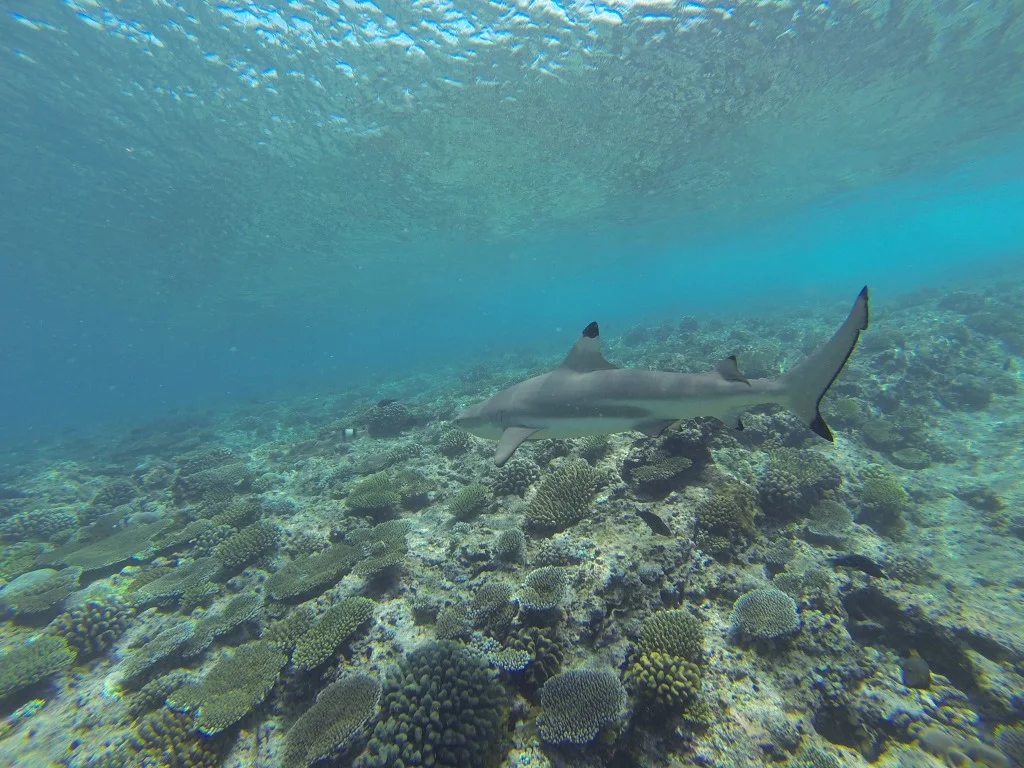
Cantarijan's status as a natural park fosters a rich aquatic environment, with commonly reported sightings encompassing diverse marine life. The abundant underwater vegetation acts as a habitat for various smaller species.
While larger pelagics like sharks, whales, dolphins, and turtles are occasionally sighted, divers will more regularly encounter the local reef inhabitants. The protected nature of the area supports healthy populations, contributing to a vibrant underwater tableau.
Dive Sites Near Cantarijan
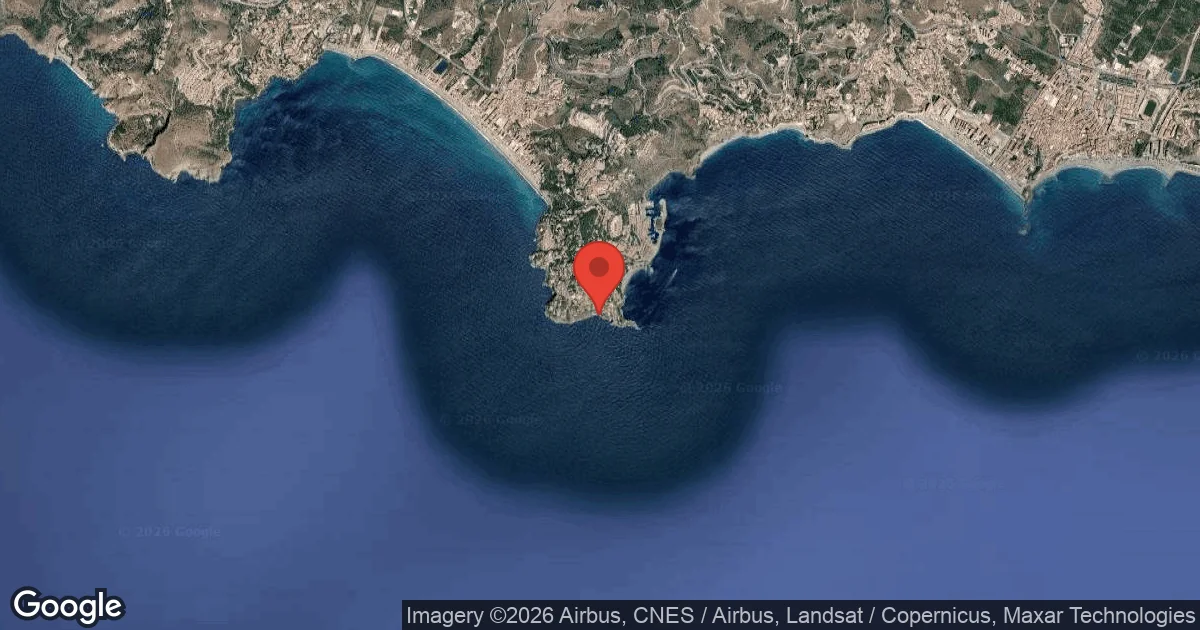
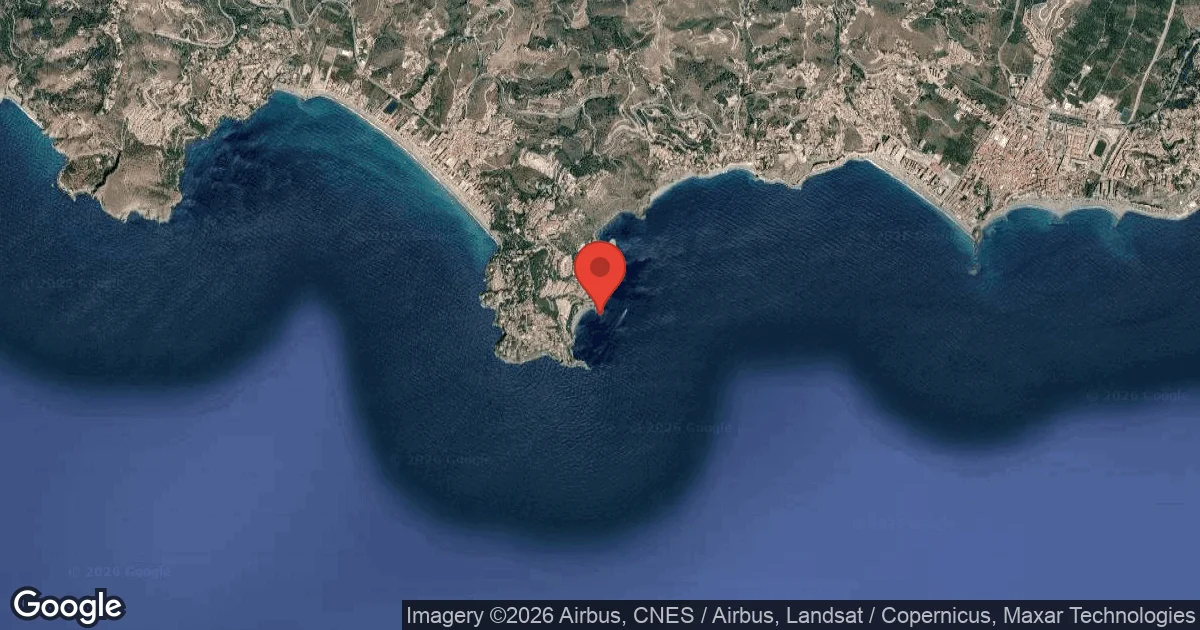
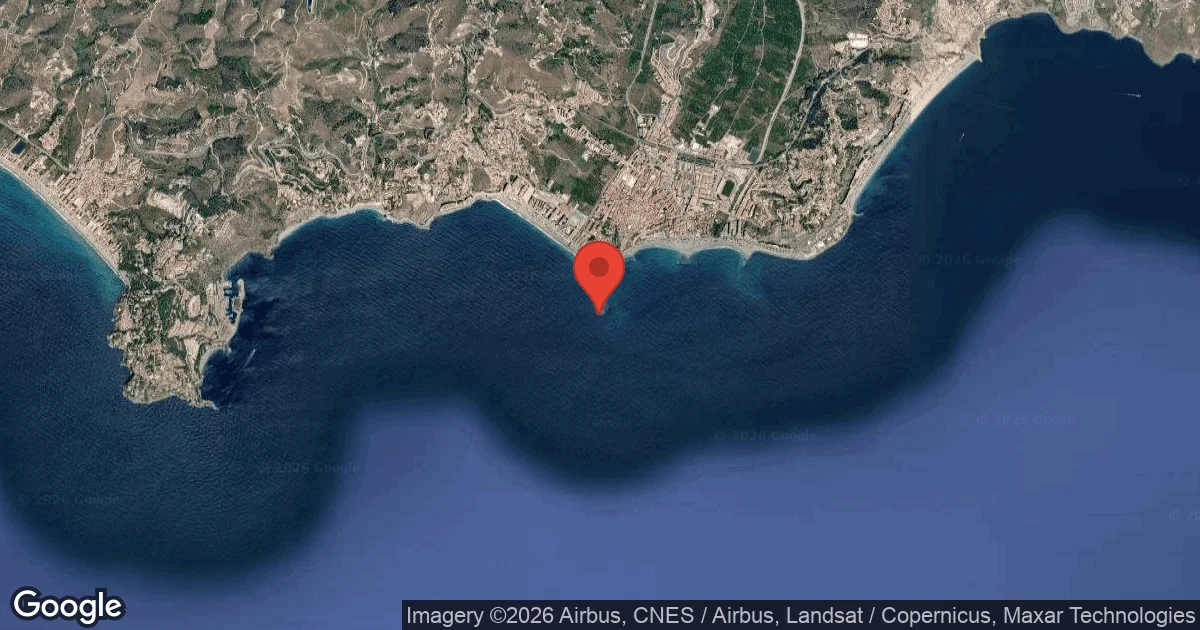
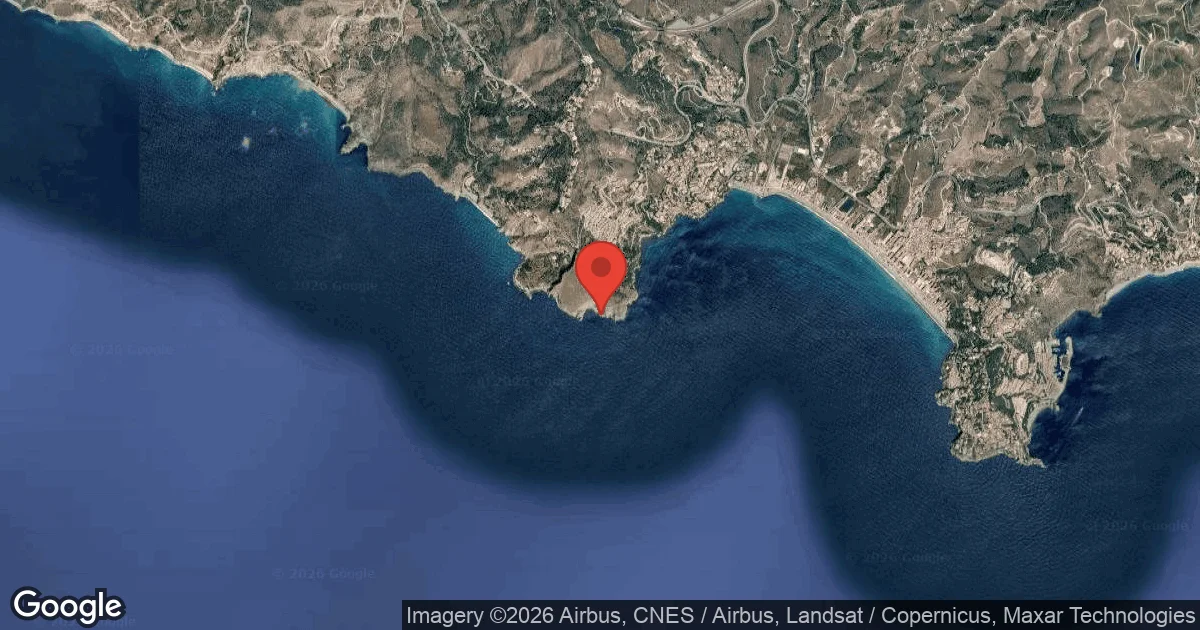
View all dive sites in SpainDiscover more underwater gems in this area.
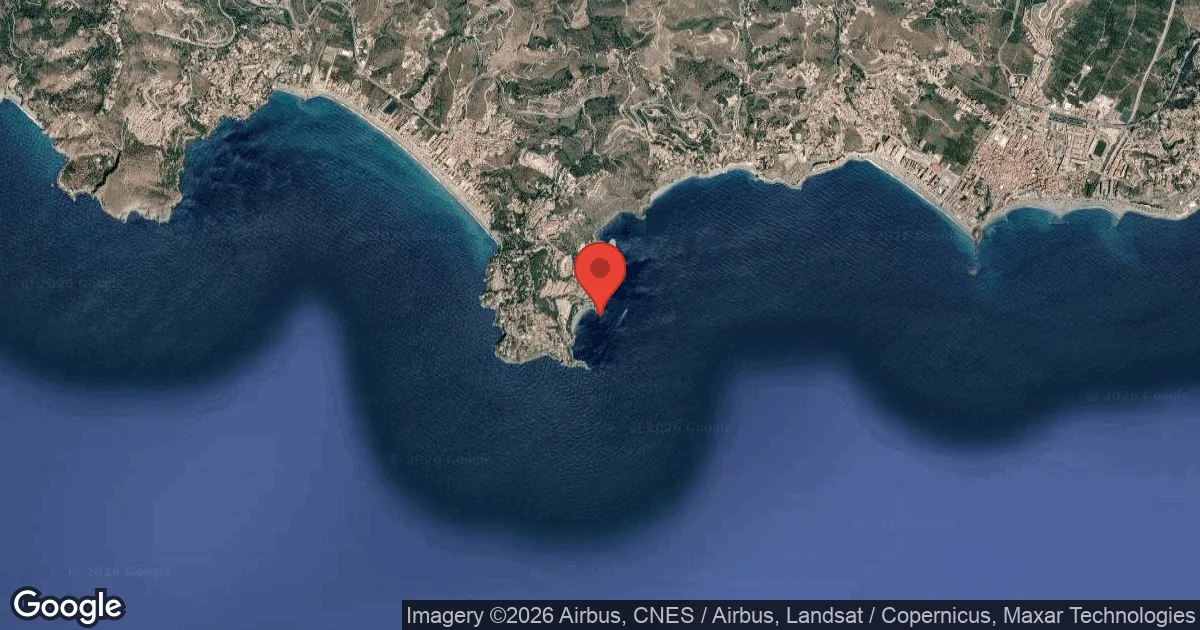
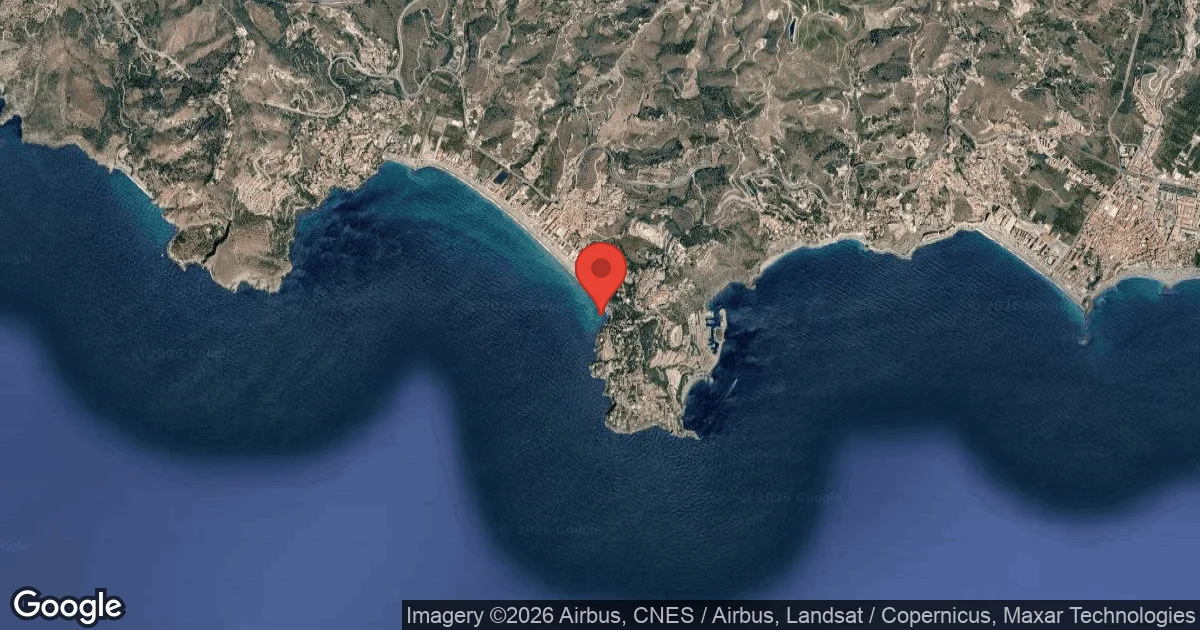
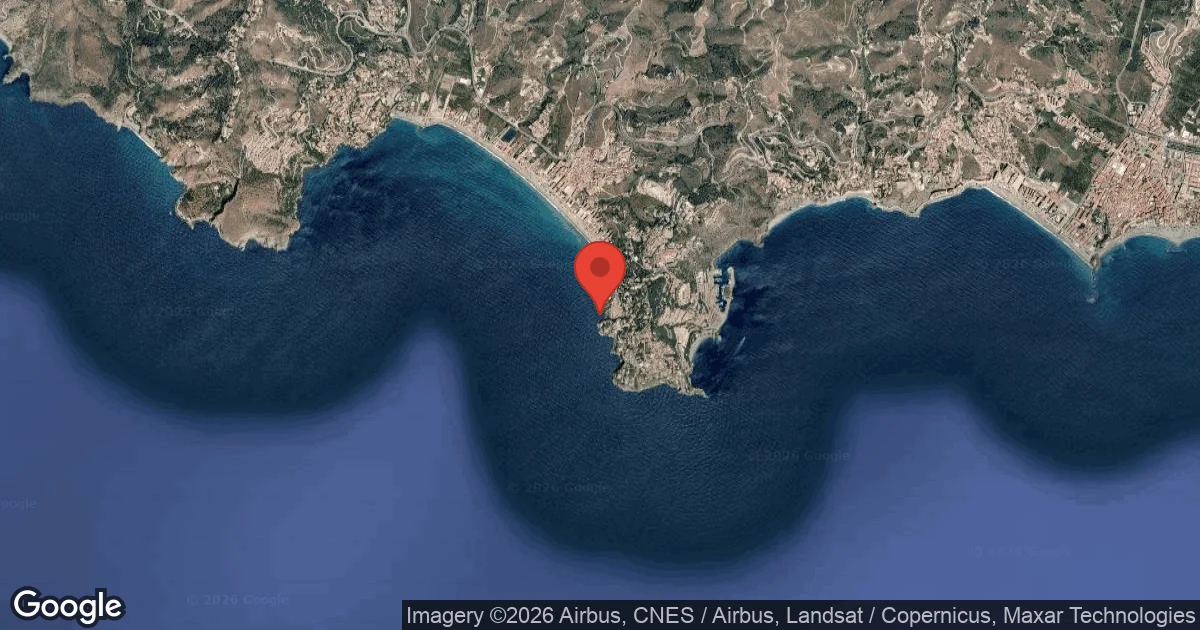
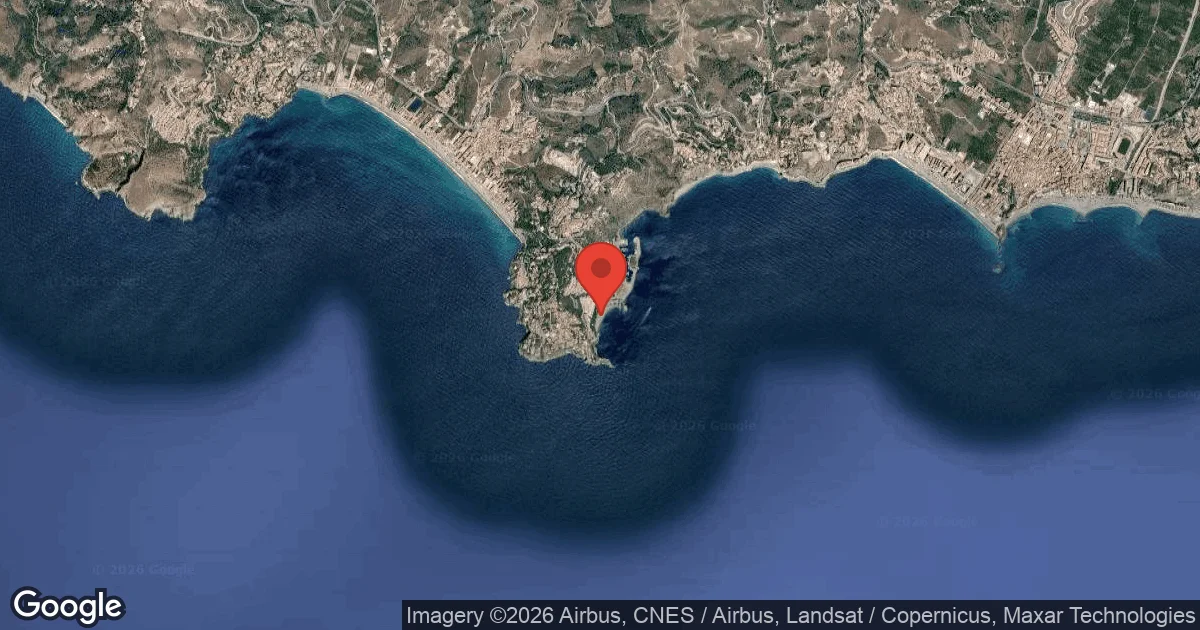
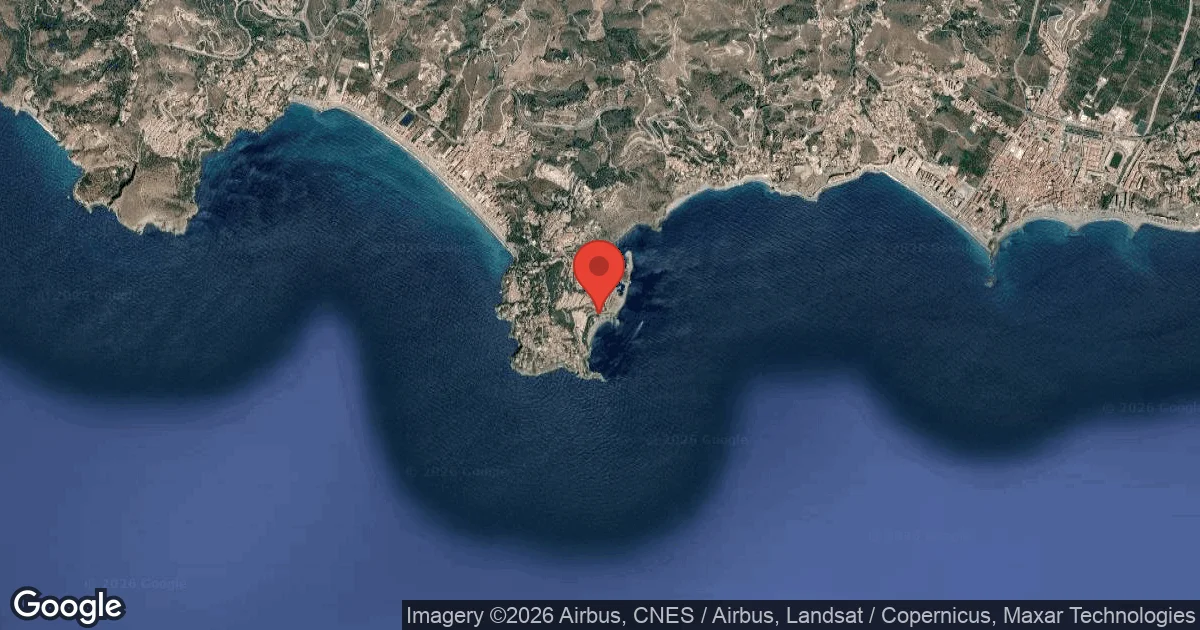
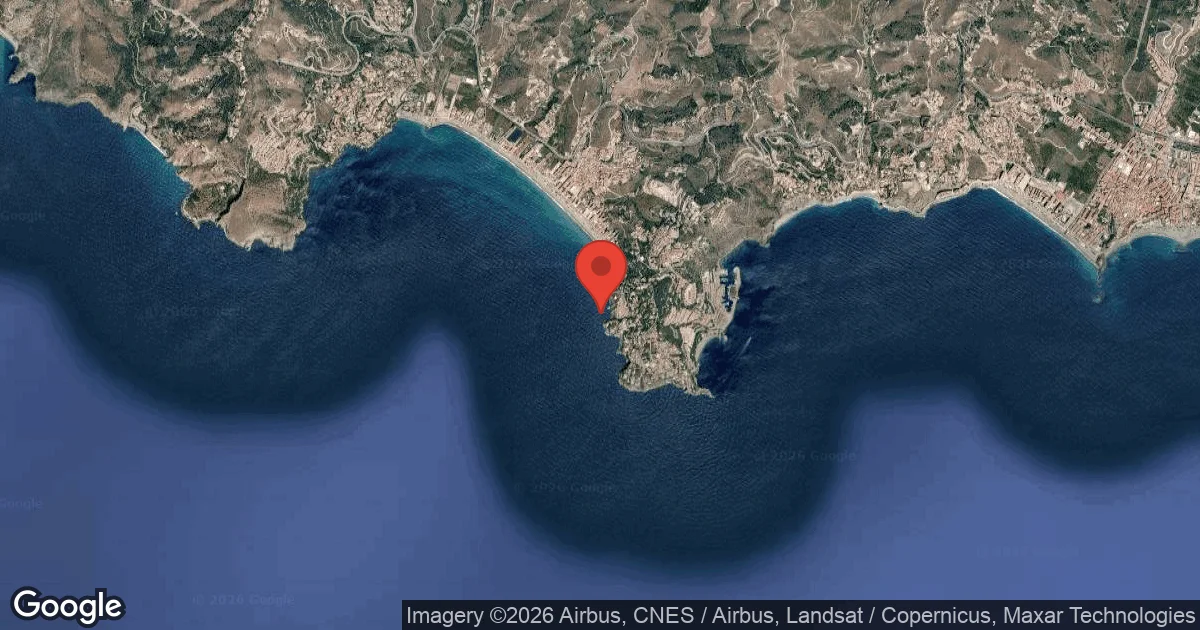
Dive Centers Near Cantarijan
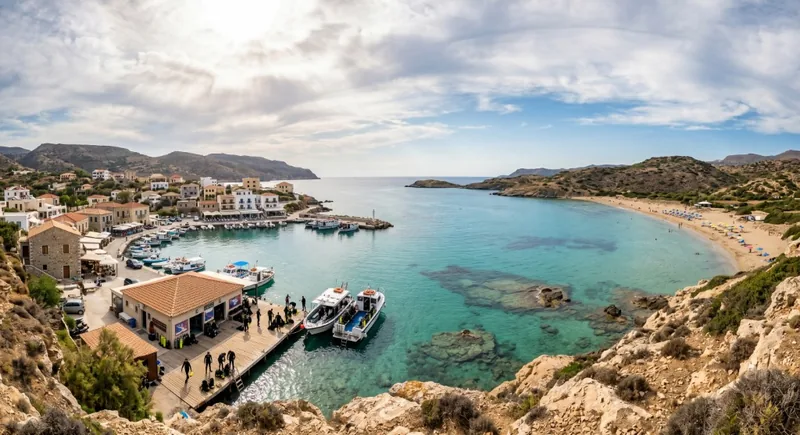
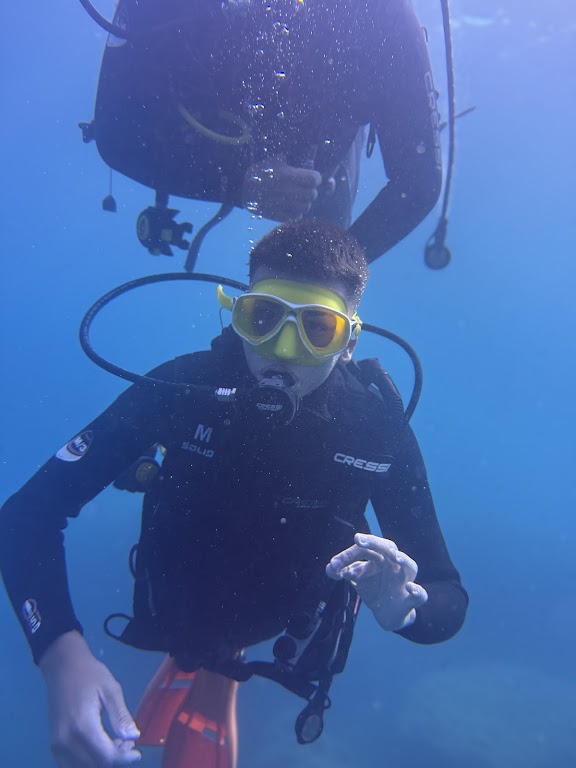
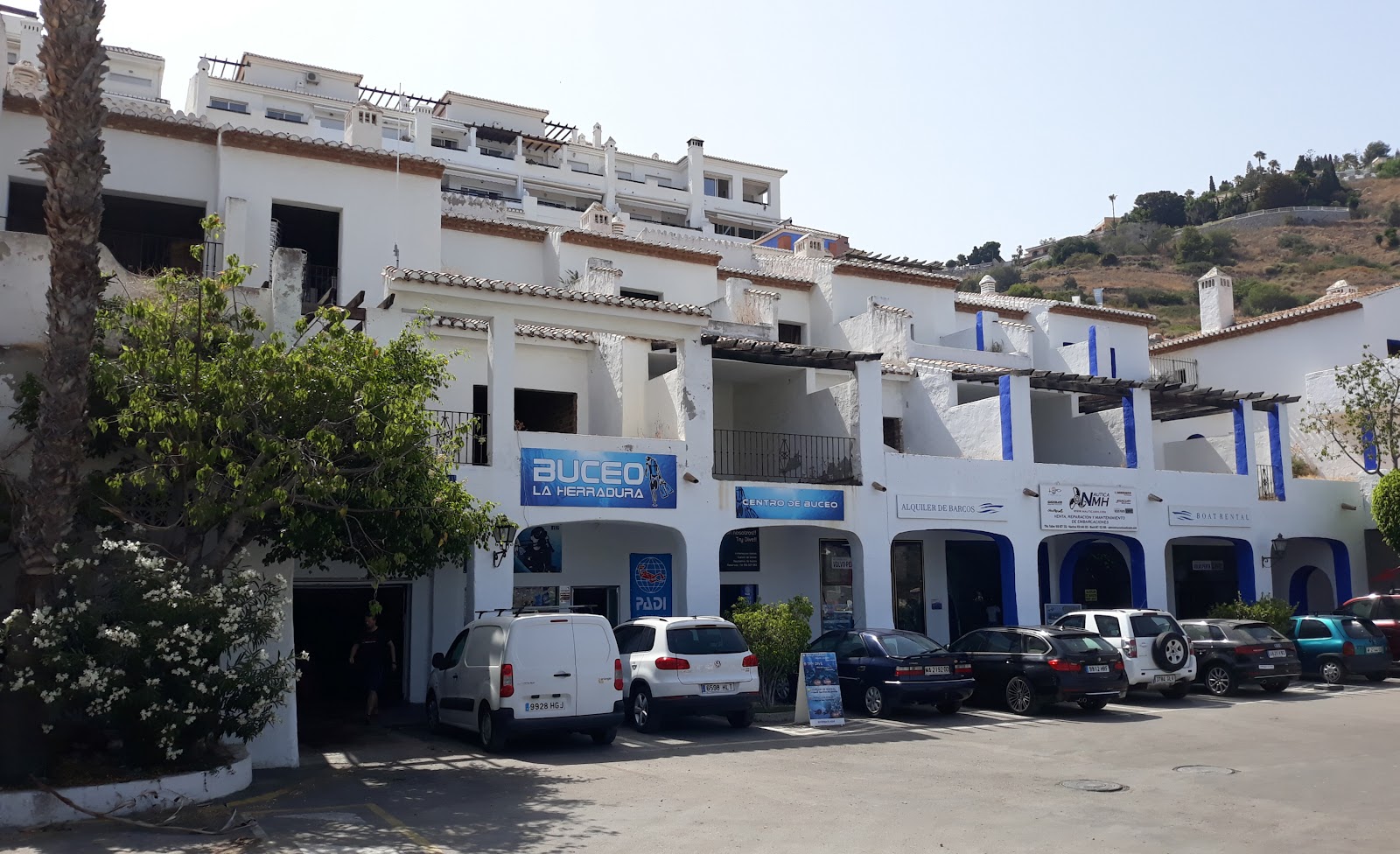
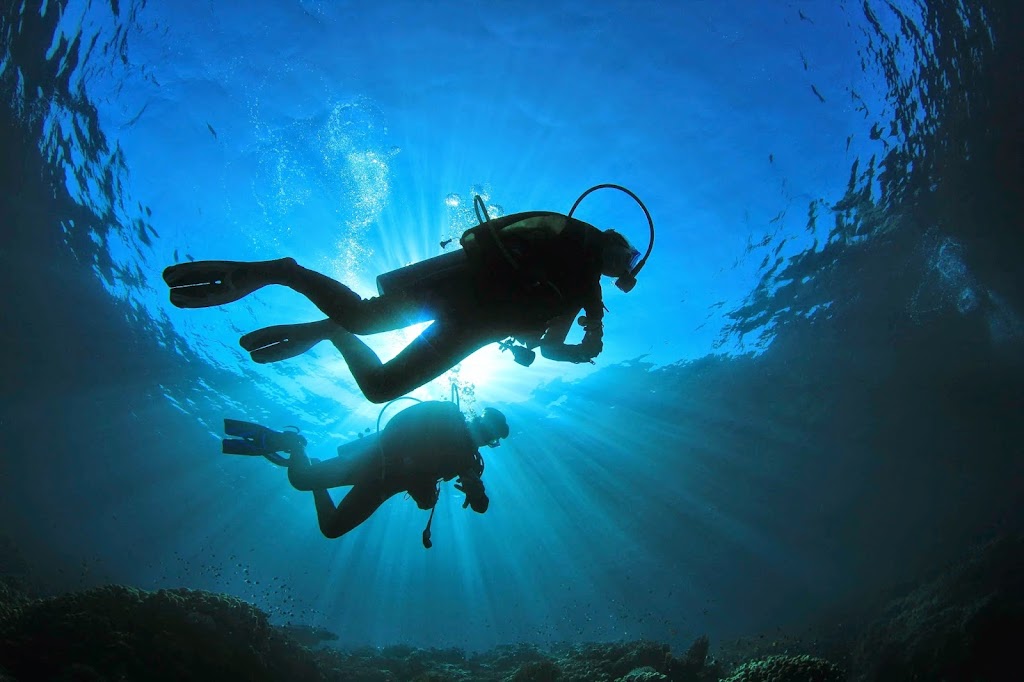
Nearest Airports
Nearest airports to help plan travel to this dive area.
Search Flights
Check available flights and routes on Expedia, using the nearby airports listed in this section.
Search Flights on ExpediaFrequently Asked Questions
What is the maximum depth for diving at Cantarijan?
The maximum reported depth for diving at Cantarijan is 15 meters (49 feet). This makes the site well-suited for divers with Open Water certification and above.
What types of entry are available at Cantarijan?
Divers can access the Cantarijan dive site either by boat or directly from the shore/beach. The specific entry type might depend on the chosen dive spot and current conditions.
Is Cantarijan suitable for beginner divers?
Yes, with a maximum depth of 15 meters (49 feet), Cantarijan is considered suitable for certified Open Water Divers. The generally calm conditions and rich marine life make it an appealing site for less experienced divers.
What is the water temperature like at Cantarijan?
Specific water temperature data is not consistently reported for Cantarijan, but typical Mediterranean temperatures range from cooler in winter to warm in summer. It's best to check with local dive centers for current readings.
Are there strong currents at Cantarijan?
Information on strong currents at Cantarijan is limited. Generally, dive sites within natural parks are chosen for their calmer conditions, but local currents can vary. Always consult with a local dive professional for up-to-date conditions.
What marine life can I expect to see?
Cantarijan, being a natural park, features abundant marine life and vegetation. Divers commonly report sightings of various fish species, invertebrates, and vibrant underwater flora. Larger species like sharks, whales, dolphins, and turtles are occasionally sighted.
Planning to dive Cantarijan?
Send one inquiry and receive offers directly from the best verified local dive operators.
Conditions are Good
07:00 - 14:00
Optimal conditions expected
Current conditions near Cantarijan show 24° air, 23° sea temperature, 1.3 m waves, and 8 km/h wind. Forecast data is refreshed regularly to ensure accuracy.