
Diving at LOS Candelabros (Spain)
For divers seeking an effortless entry into the vibrant underwater world of Spain's Maro Natural Site, Los Candelabros presents an ideal experience. This easily navigable reef dive, accessible solely by boat, welcomes all certification levels to explore its rich formations. Its protected status ensures a flourishing ecosystem, offering a gentle yet rewarding journey beneath the surface.
Tonight's objective overview for LOS Candelabros shows an air temperature of 23.5°C. The measured surface conditions include wave heights around 0.4 m. This environmental data is logged for the close of the day.
Dive Site Location & Key Facts
Dive Site Overview
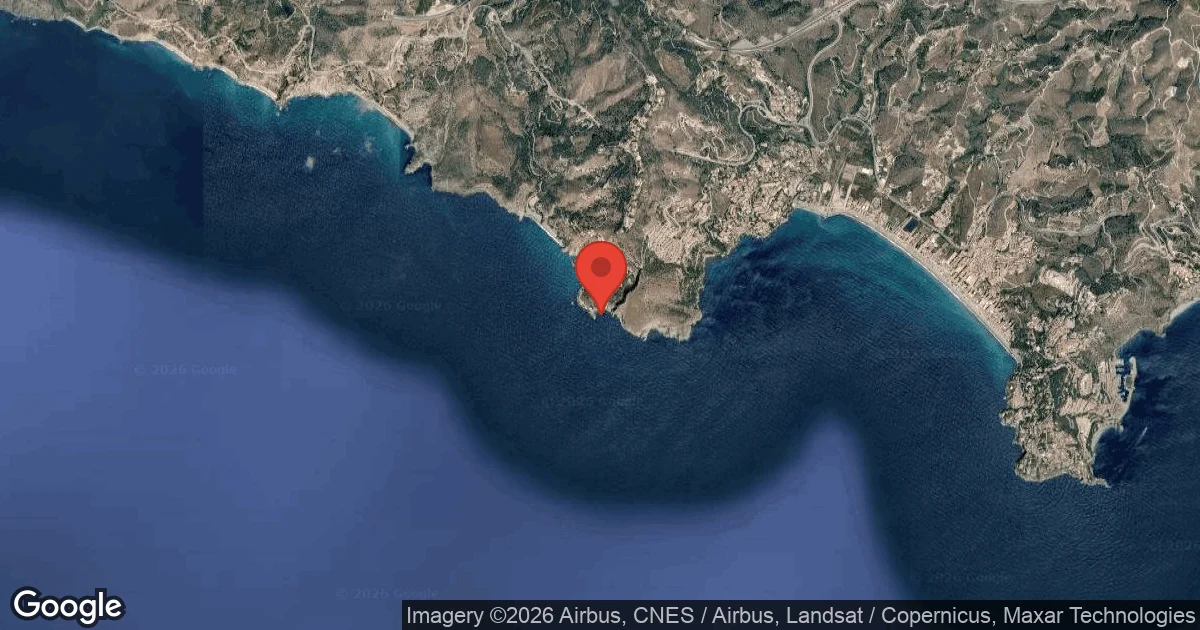
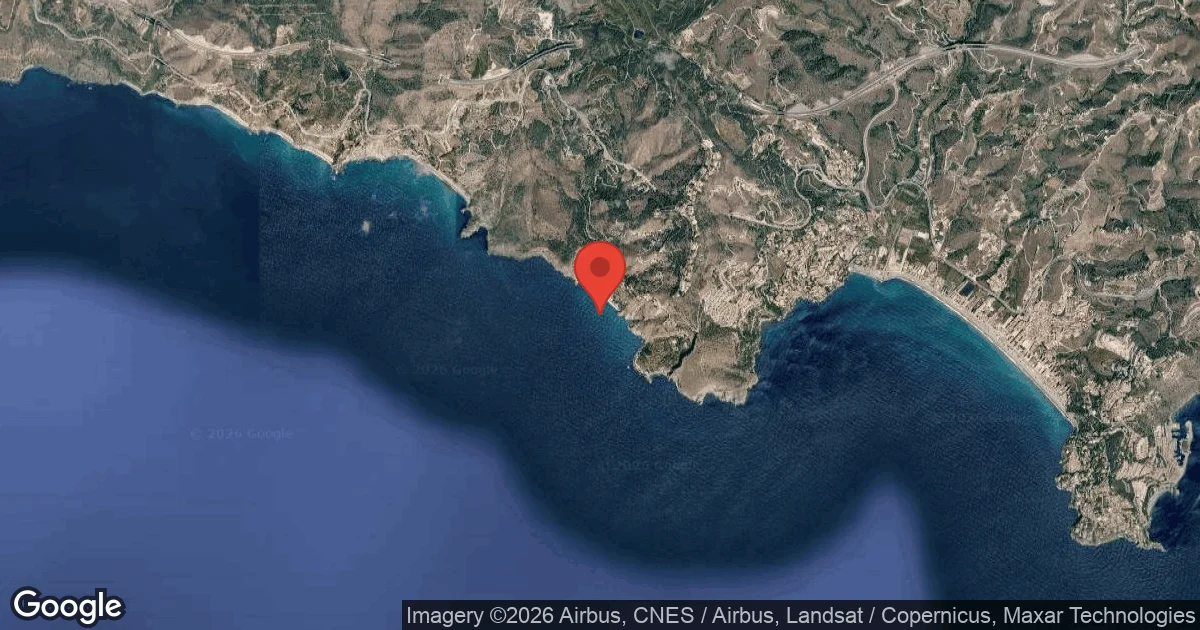
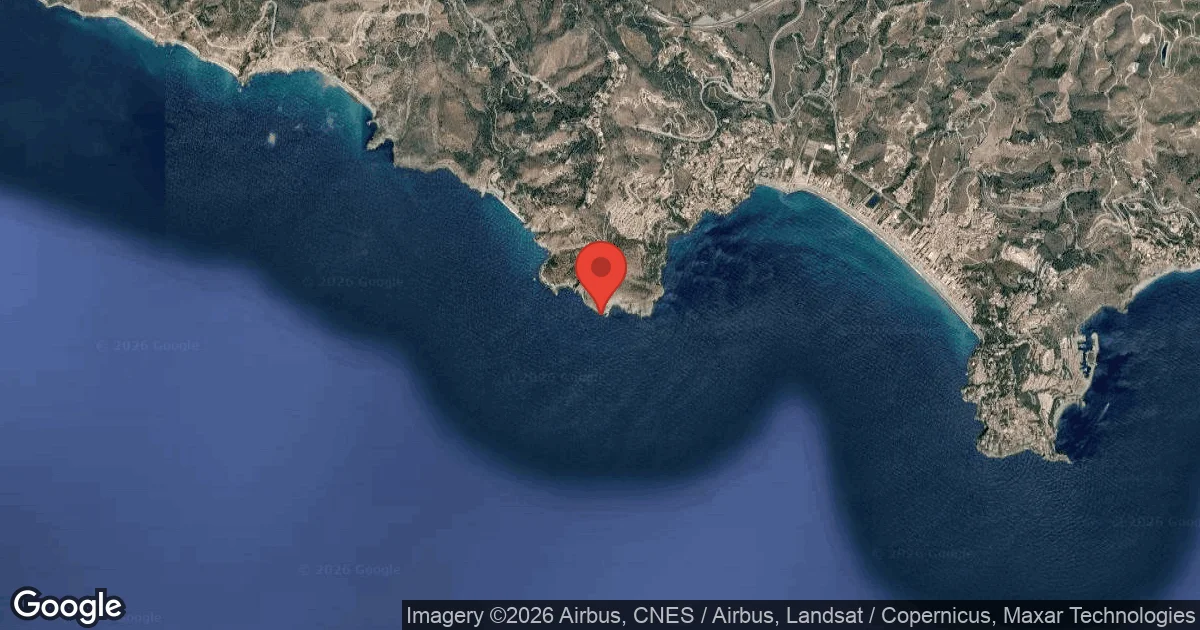
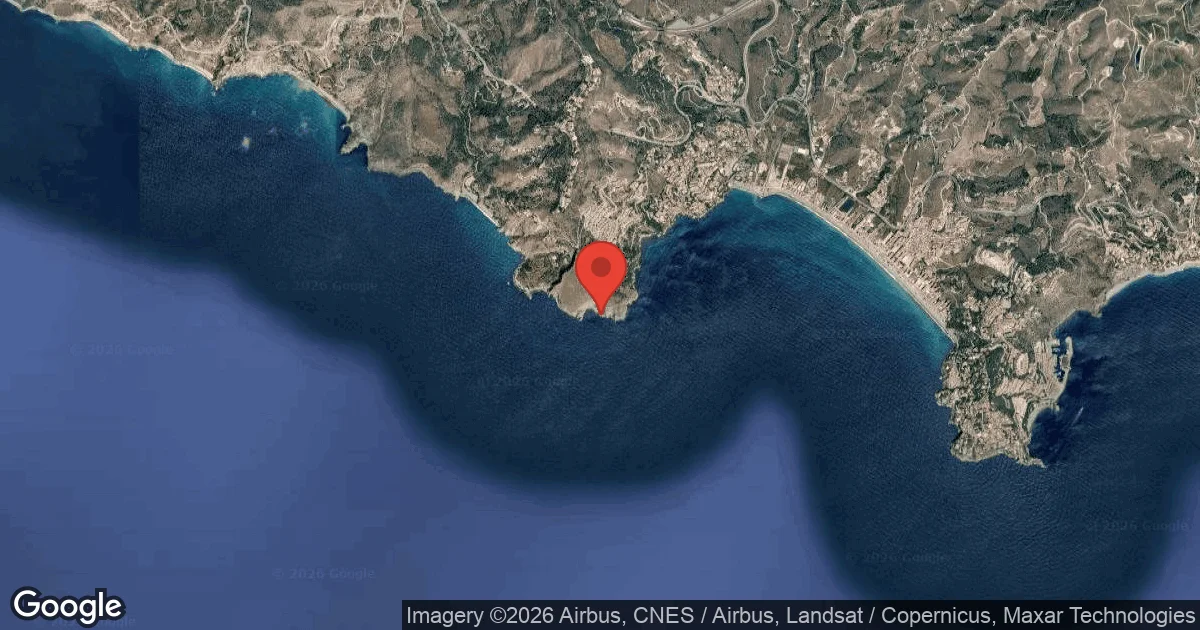
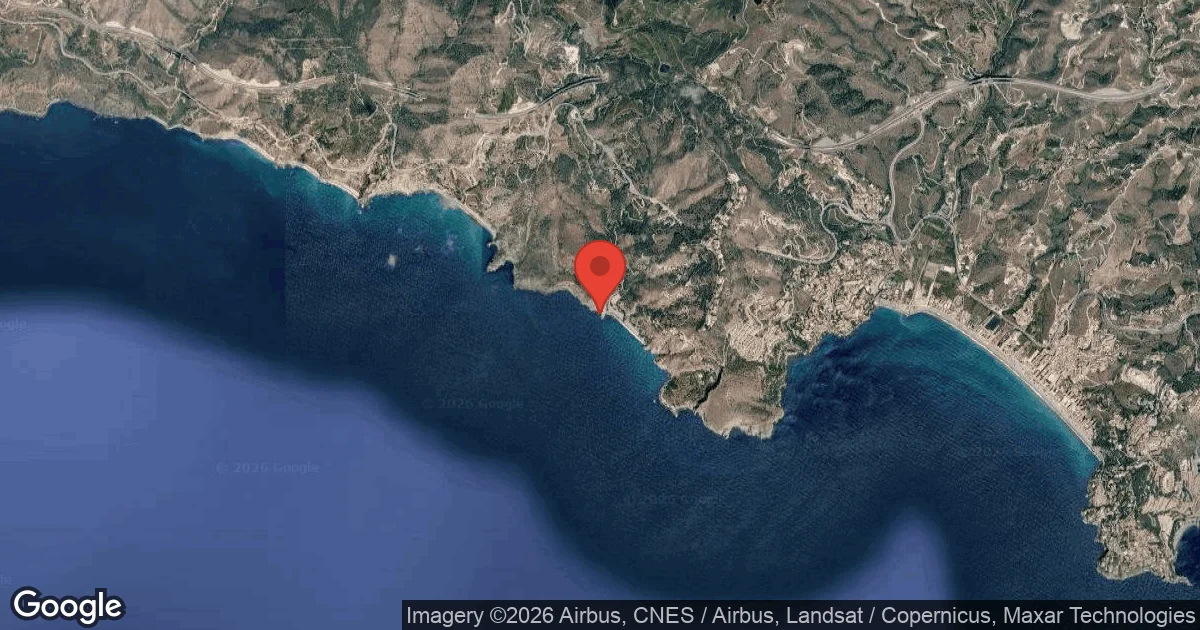
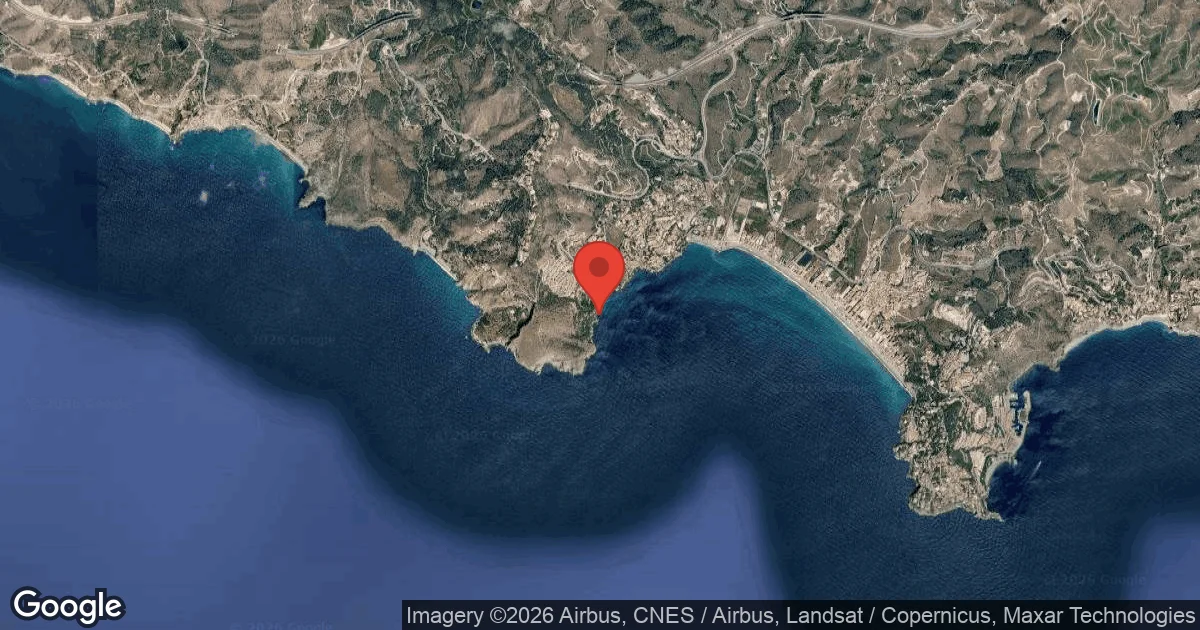
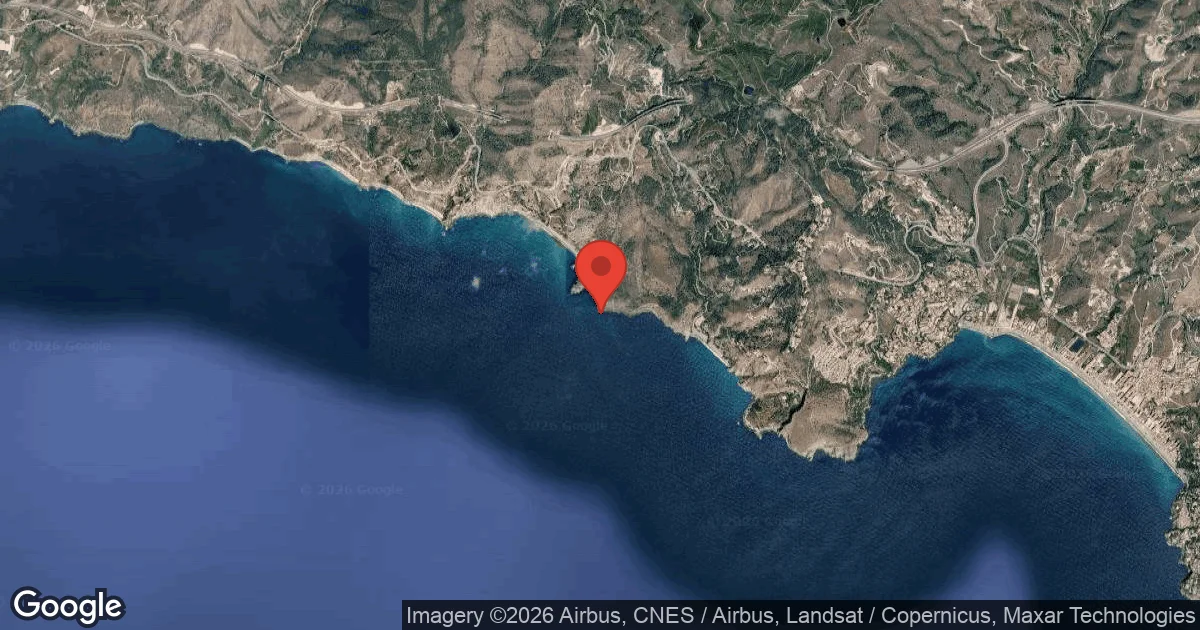
Los Candelabros, part of the Maro Natural Site, is predominantly a reef dive characterized by its varied underwater topography. Access requires a boat, positioning divers directly over the site located east of Cantarriján beach.
The primary dive area reaches a maximum depth of 14 m (46 ft), though its configuration allows for varied routes extending to around 18 m (59 ft) in certain sections. Divers navigate through a network of rocky formations, crevices, and ledges that provide shelter and substrate for a diverse array of marine inhabitants. This site is particularly noted for its simplicity and accessibility, making it an excellent choice for divers across all experience levels.
Being within a natural park ensures protected conditions, fostering a flourishing ecosystem beneath the surface. The exploration generally involves following the natural contours of the reef, observing the intricate details of its structure.
Its salt waters are typical of the Mediterranean, where temperatures fluctuate, influencing the seasonal appearance and behavior of its aquatic residents. Expect a relatively calm descent onto well-preserved reef features, offering a comfortable and engaging underwater experience.
Conditions are Excellent
07:00 - 14:00
Optimal conditions expected
Current conditions near LOS Candelabros show 24° air, 24° sea temperature, 0.5 m waves, and 15 km/h wind. Forecast data is refreshed regularly to ensure accuracy.
Best Time to Dive
Enjoyable diving conditions at Los Candelabros span most of the year, with particular periods offering prime experiences. Warmest air temperatures, from June to September, average 26-30°C (79-86°F), coinciding with the year's lowest rainfall, often under 2 mm (0.08 inches) monthly. Calmer seas and minimal wind activity typically characterize this summer period, improving boat access and underwater visibility. In contrast, cooler months (December to March) bring air temperatures of 13-16°C (55-61°F) and slightly higher, yet still moderate, rainfall up to 6 mm (0.24 inches). Conditions generally remain favorable for diving, though occasional larger waves or stronger winds might occur. Water temperature isn't consistently reported, but seasonal patterns usually mirror air temperature trends, being warmer in summer and cooler in winter. Maintaining a "Good" dive score year-round, the site's quality is consistent; however, summer offers the most comfortable surface and travel conditions for many divers.
PEAK SEASON SCORE
Scores combine air & water temps, waves, wind & rainfall for overall conditions.
BEST MONTHS TO DIVE
Monthly records compiled from satellite and marine observation nodes over the last 3 years. Data provided by Open-Meteo and MET Norway.
Dive Experience & Conditions
Entering the water at Los Candelabros typically involves a straightforward boat drop directly onto the site. As divers descend, they encounter the initial reef structures, which gently slope down, guiding exploration. The maximum depth reached is commonly around 14 meters, making it an ideal profile for extended bottom times. Underwater, the site is known for its ease of navigation, with clear pathways along the reef allowing for leisurely observation. Currents are generally mild, varying depending on specific weather patterns, which contributes to its suitability for all diver levels. Water visibility often permits appreciation of the natural rock formations and the diverse marine life within this protected area. Surface conditions are usually cooperative, though wind and waves can occasionally fluctuate, particularly outside the peak summer months. This dive promises a relaxed pace, encouraging careful exploration of the abundant details found across the reef.
Dive Difficulty & Safety Guidelines
Specific hazards are not consistently reported for Los Candelabros, indicating a generally safe dive environment. However, as the site is located within the Maro Natural Site, adhering strictly to park regulations is paramount. This includes respecting marine life, avoiding contact with corals and other delicate structures, and never taking anything from the underwater environment.
Access to the site is exclusively by boat, which necessitates coordination with local dive operators who are familiar with permitted entry points and mooring procedures. Divers should always follow their dive guide's instructions and maintain appropriate buoyancy control to prevent accidental contact with the reef.
Standard diving safety practices, such as buddy system adherence and monitoring air consumption, are always applicable. Given its maximum depth is around 14 meters, decompression sickness risk is low, but responsible dive planning remains essential for a safe experience.
Recommended Equipment
- Dive Computer
This gear list is based on verified equipment signals for LOS Candelabros, Spain. Always confirm final gear choices with your dive operator, guide, or liveaboard.
Recommended Dive Suit
Thermal protection such as 3-5mm wetsuit is commonly used for water temperatures in this range.
Current readings at LOS Candelabros show water temperatures near 24°C (74°F). Surface air temperatures are resting at 24°C (74°F).
Environmental models indicate a modest warming trend ahead. A warming trend is expected over the next few days.
Emergency & Medical Support
Essential information to help you plan your dive trip to LOS CANDELABROS.

Hyperbaric chambers are a critical part of dive safety infrastructure. Availability varies significantly by region, and not all dive areas have immediate access.
Before diving, it's recommended to:
- confirm nearest medical facilities
- check emergency procedures with local dive operators
- ensure dive insurance covers evacuation if required
Divers Alert Network
Diving emergency assistance available through DAN Europe.
+39 0642115685- 24/7 emergency hotline
- Diving medical assistance
- Evacuation coordination
Emergency contacts are provided for reference. Always verify local emergency services before diving.
Marine Life at LOS Candelabros
Within the Maro Natural Site, Los Candelabros' protected status fosters a thriving marine ecosystem. Divers often encounter diverse fish populations, showcasing the reef's health.
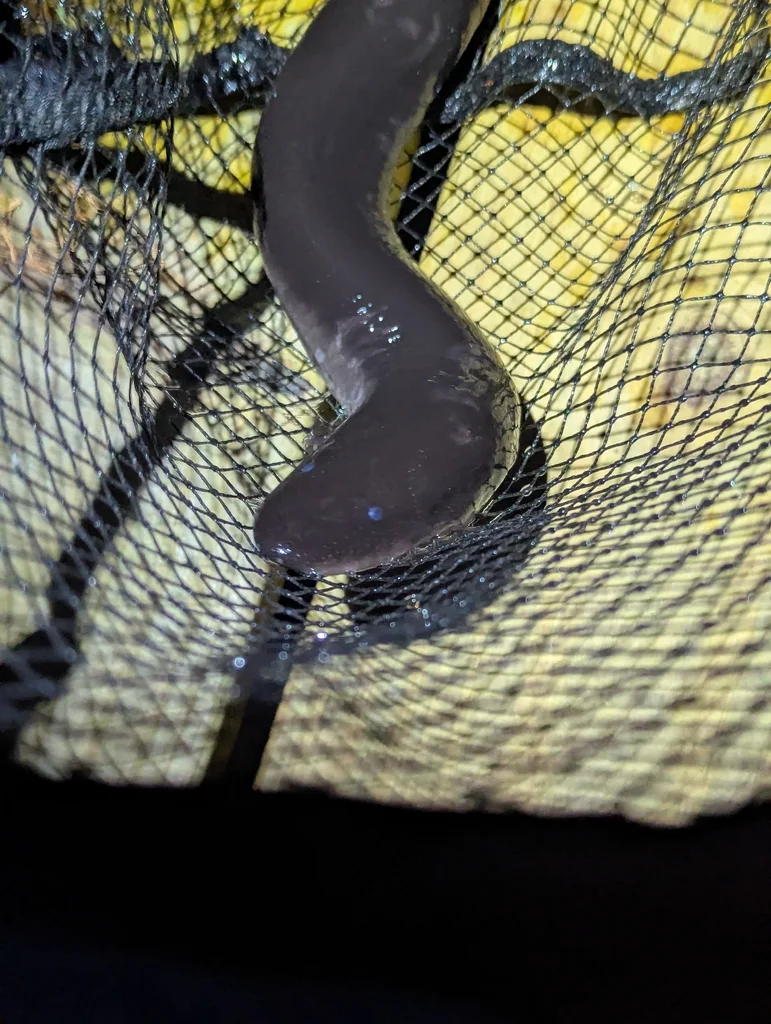
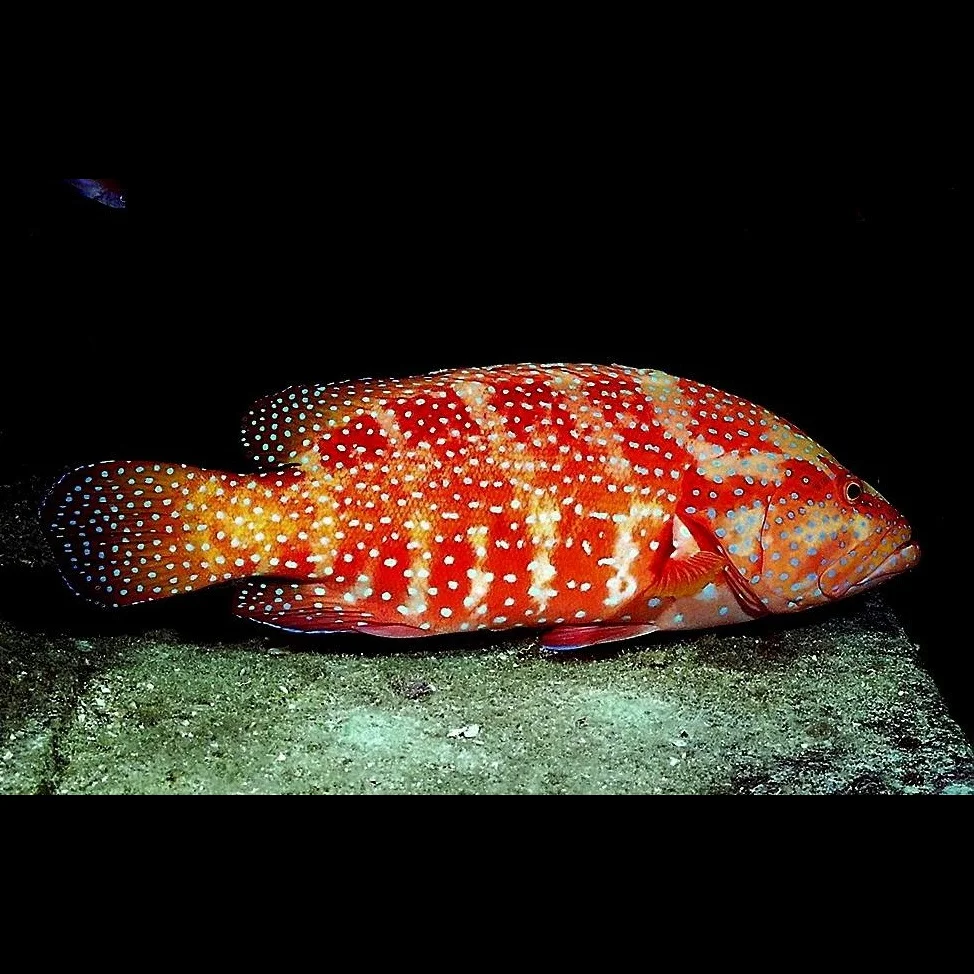
Spotting groupers and conger eels dwelling among rocky formations is common. Vibrant corals and sponges add rich texture and color to the underwater landscape.
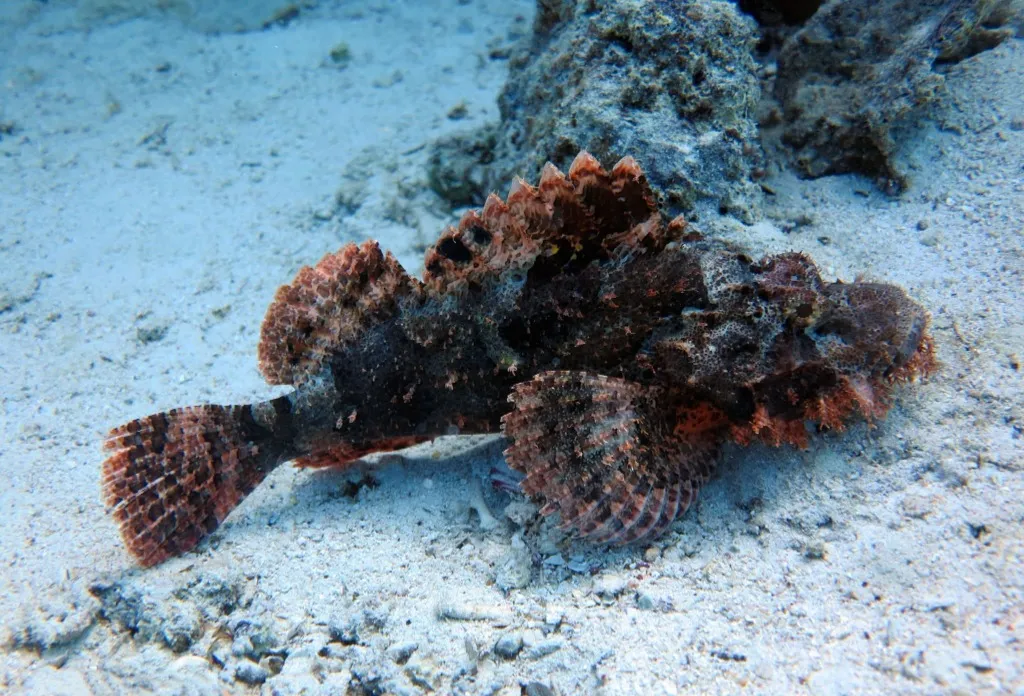
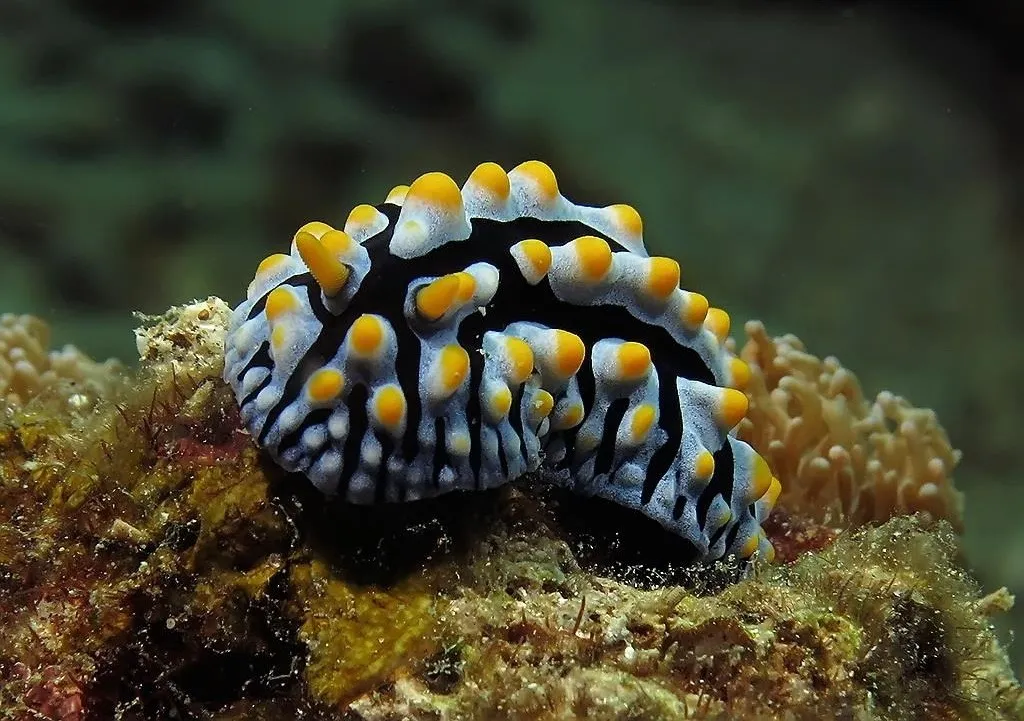
Keep an eye out for nudibranchs, frequently observed slowly moving across the substrate. While scorpionfish sightings are noted, they tend to be less frequent, making an encounter particularly exciting. The site offers a solid representation of Mediterranean reef biodiversity.
Dive Sites Near LOS Candelabros
View all dive sites in SpainDiscover more underwater gems in this area.
Dive Centers Near LOS Candelabros
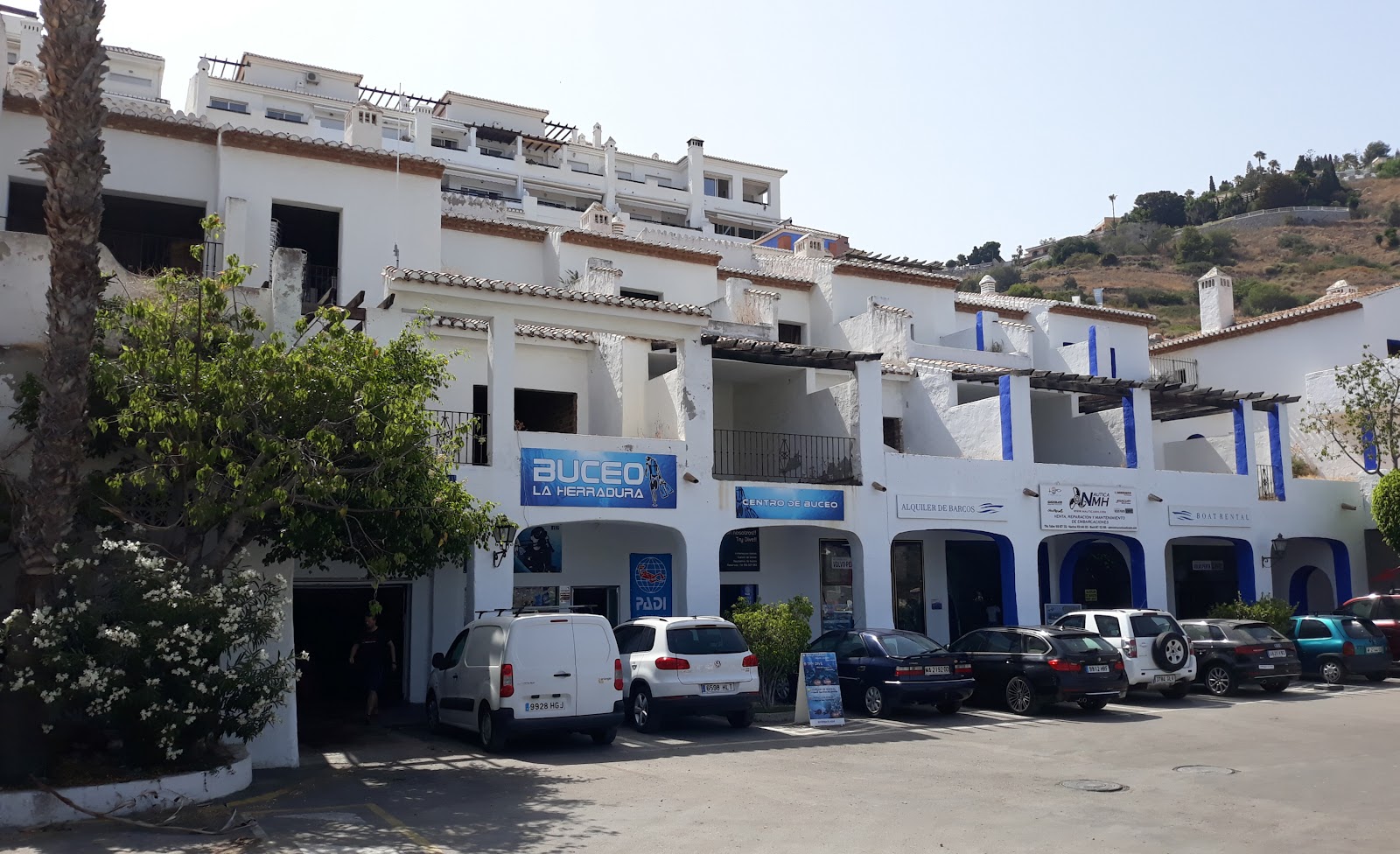
Nearest Airports
Nearest airports to help plan travel to this dive area.
Search Flights
Check available flights and routes on Expedia, using the nearby airports listed in this section.
Search Flights on ExpediaFrequently Asked Questions
Is boat access required for Los Candelabros?
Yes, access to Los Candelabros must be from a boat. It is part of the natural site of Maro, which necessitates boat entry for divers.
What dive skill level is suitable for this site?
Los Candelabros is suitable for all dive levels. It is considered a very easy and straightforward dive, welcoming both beginners and experienced divers.
What is the maximum depth at Los Candelabros?
The maximum depth at Los Candelabros is consistently reported around 14 meters (46 ft). Some sections offer varied routes reaching up to 18 meters (59 ft).
What kind of marine life can I expect to see?
Divers can expect to find a huge amount of fish, corals, sponges, and nudibranchs. Groupers and conger eels are particularly easy to spot among the reef structures.
When is the best time of year to dive Los Candelabros?
While diving is good year-round, the months from June to September typically offer the warmest air temperatures and lowest rainfall. These conditions generally provide the most comfortable surface experience and best visibility.
What is the water temperature like at Los Candelabros?
Water temperature for Los Candelabros is not consistently reported. However, as is typical for the region, expect warmer waters during summer and cooler conditions in the winter months.
Is Los Candelabros part of a protected natural area?
Yes, Los Candelabros belongs to the natural site of Maro. This protected status helps preserve its vibrant marine ecosystem and diverse underwater topography.
Are there strong currents at the dive site?
Currents at Los Candelabros are generally mild. Conditions can vary depending on specific weather patterns, but it is typically considered a calm site suitable for all experience levels.
Planning to dive LOS Candelabros?
Send one inquiry and receive offers directly from the best verified local dive operators.
Conditions are Excellent
07:00 - 14:00
Optimal conditions expected
Current conditions near LOS Candelabros show 24° air, 24° sea temperature, 0.5 m waves, and 15 km/h wind. Forecast data is refreshed regularly to ensure accuracy.