
Diving at Cuevas de Cantarriján (Spain)
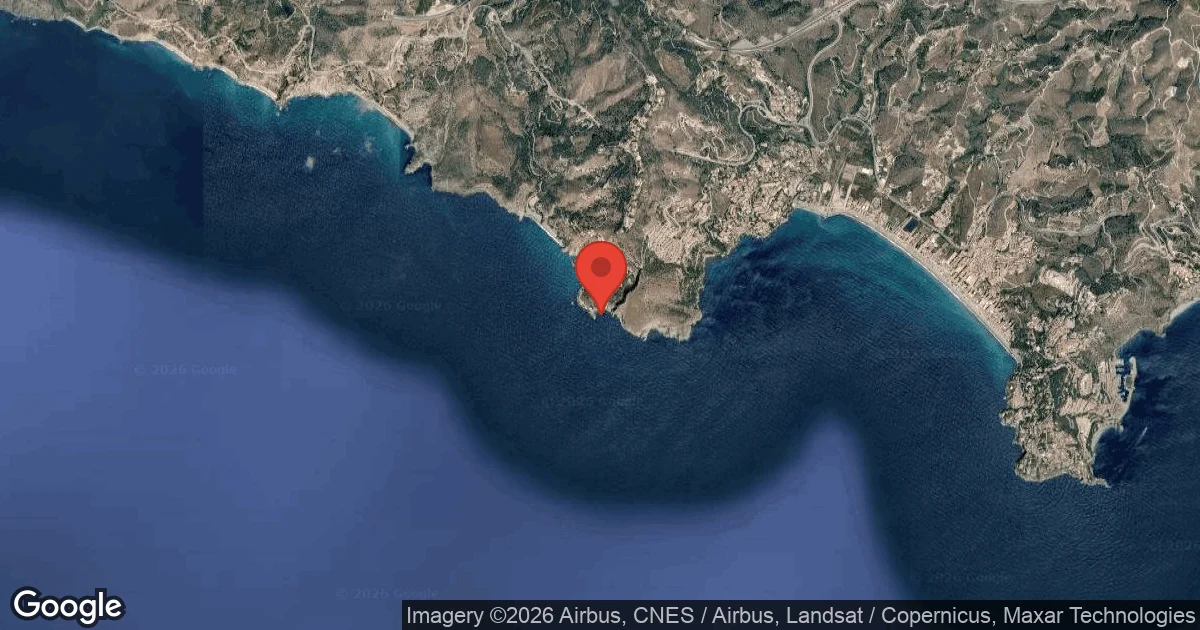
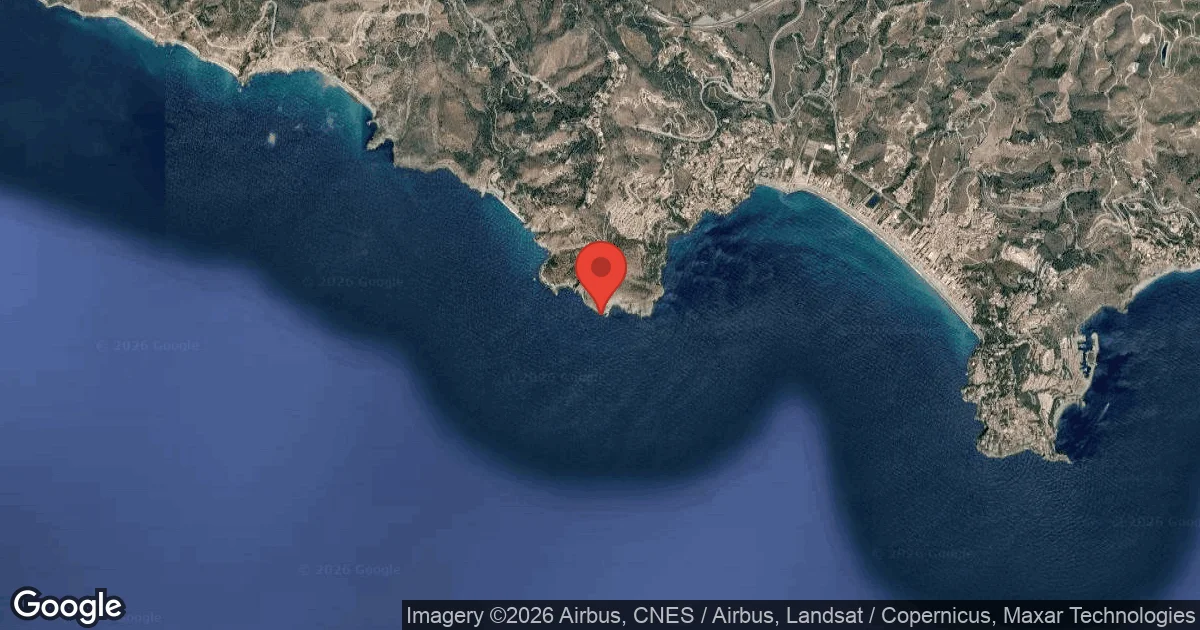
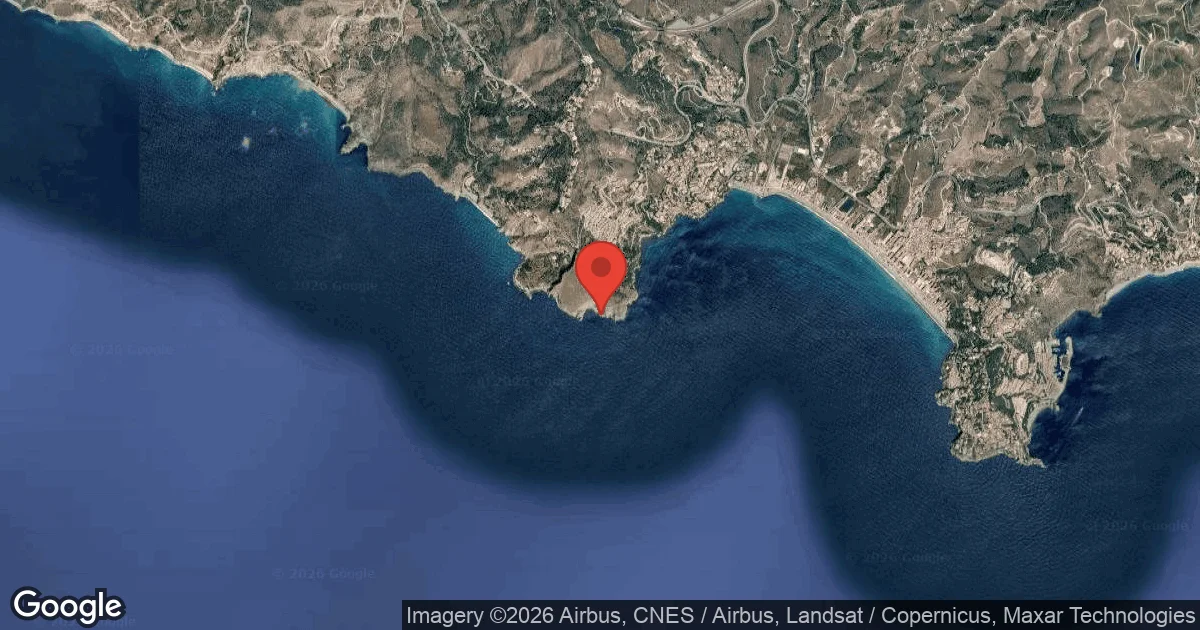
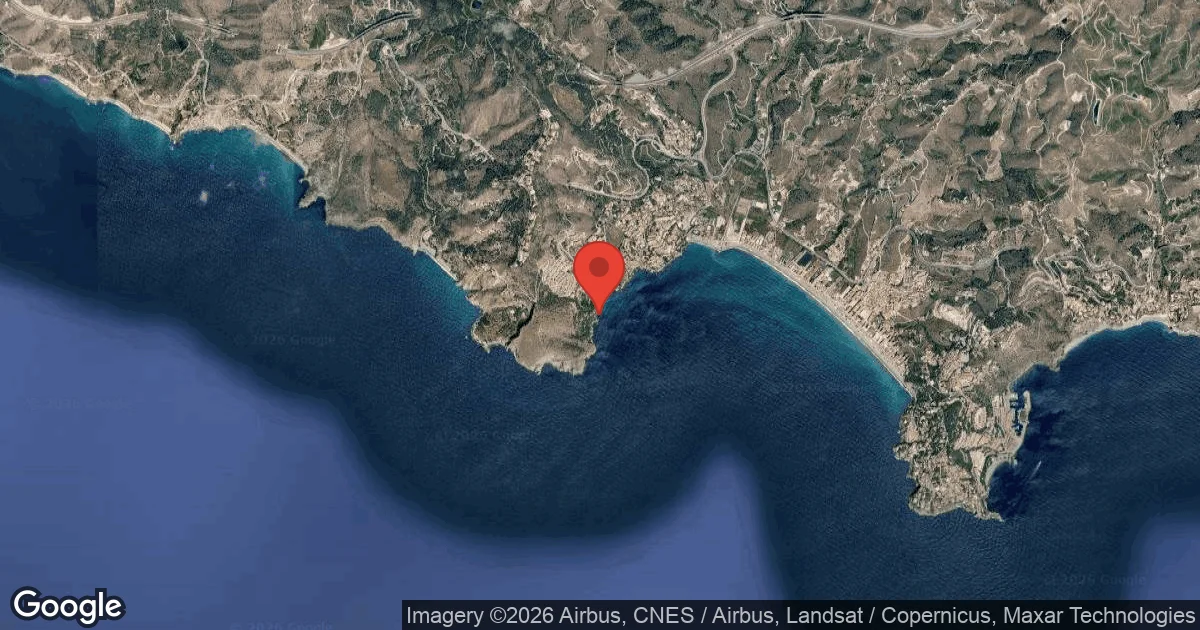
Descending into Cuevas de Cantarriján, divers are immediately struck by the dramatic coastal rock formations that define this Spanish dive site. Located off the shores of La Herradura, the area promises a unique underwater exploration. Its designation as a cave dive hints at the intriguing passages awaiting those who venture beneath the surface.
Evening condition tracking at Cuevas de Cantarriján features an air temperature of 23°C. We have recorded wave heights measuring 0.1 m during this period. These figures outline the environmental parameters currently present.
Dive Site Location & Key Facts
Dive Site Overview
Cuevas de Cantarriján's underwater world reveals an intricate network of caverns and passages, drawing divers into a compelling salt water cave environment. Approaching by boat, divers gain access to the unique entry points of this Mediterranean site, setting the stage for adventure beneath dramatic coastal rock formations.
Catering to recreational divers, the site offers an experience beyond typical open reef dives, challenging them to navigate its distinctive geological features. Within the system, divers encounter varying depths. While some sections remain relatively shallow, other passages lead to deeper environments, extending exploration down to recreational limits.
Max depth information isn't consistently reported for every specific chamber, but a range within recreational diving limits applies. Navigating these underwater caverns demands careful buoyancy control.
Smooth, precise movements are essential to glide through tight spaces and avoid disturbing fine sediment that can affect visibility. Divers will find a calmer, more enclosed setting inside, fostering focused appreciation for intricate formations shaped by millennia of geological processes.
An overhead environment like this stands in stark contrast to the open ocean, emphasizing the need for appropriate training and a strong understanding of cave diving principles. Exploring these varied passages and chambers presents an engaging challenge for those prepared for its demands.
Conditions are Good
07:00 - 14:00
Optimal conditions expected
Current conditions near Cuevas de Cantarriján show 23° air, 23° sea temperature, 1.3 m waves, and 8 km/h wind. Forecast data is refreshed regularly to ensure accuracy.
Best Time to Dive
Planning a trip to Cuevas de Cantarriján is best optimized by considering the regional climate patterns. The peak months for favorable conditions generally span from May through September. During this period, air temperatures are consistently warm, averaging between 21°C (70°F) in May and peaking around 29.5°C (85°F) in July and August. Rainfall is also at its lowest, with July and August experiencing minimal precipitation. While all months generally receive a 'Good' dive score, the summer and early autumn months offer the calmest seas and best overall weather, with wave heights dropping to an average of 0.6 meters (2.0 feet) in August.
PEAK SEASON SCORE
Scores combine air & water temps, waves, wind & rainfall for overall conditions.
BEST MONTHS TO DIVE
Monthly records compiled from satellite and marine observation nodes over the last 3 years. Data provided by Open-Meteo and MET Norway.
Dive Experience & Conditions
Navigating the underwater landscape at Cuevas de Cantarriján immerses divers in a world shaped by ancient geological processes. As a cave dive, the experience revolves around exploring enclosed and semi-enclosed environments, which can range from shallower sections to deeper parts of the system. Visibility inside the caves can vary depending on factors like sediment disturbance and external water conditions, typically remaining good unless surge is present. Water temperatures in the wider area are not consistently reported but generally align with Mediterranean seasonal norms, offering comfortable diving during warmer months. Encountering mild currents is possible, especially near cave entrances, but internal passages tend to be calmer.
Dive Difficulty & Safety Guidelines
Diving at Cuevas de Cantarriján, particularly within its cave systems, demands appropriate training and adherence to safety protocols. Certified cave diving experience is generally recommended, or at minimum, consulting with a local professional is advised before attempting these dives. Awareness of your air consumption and decompression limits is always crucial.
Divers should plan their profiles conservatively, considering the overhead environment. Maintaining communication with your dive buddy and following a dive guide familiar with the specific cave layout helps ensure a safe and enjoyable experience.
Recommended Equipment
Overhead environment. Do not enter beyond training and gas planning limits.
- Dive Computer
- Primary & Backup Lights
- Reel / Spool
- Cutting Tool
This gear list is based on verified equipment signals for Cuevas de Cantarriján, Spain. Always confirm final gear choices with your dive operator, guide, or liveaboard.
Recommended Dive Suit
3-5mm wetsuit is often considered an appropriate level of exposure protection for conditions like these.
Divers planning a dive at Cuevas de Cantarriján today will likely encounter water temperatures close to 23°C (73°F). Surface air temperatures are resting at 23°C (74°F).
The forecast outlook suggests that temperatures will stay close to current levels.
Due to technical issues with our weather providers, data hasn't been fetched for over 48 hours. The data above reflects the conditions at the time of the last successful fetch.
Emergency & Medical Support
Essential information to help you plan your dive trip to CUEVAS DE CANTARRIJÁN.

Hyperbaric chambers are a critical part of dive safety infrastructure. Availability varies significantly by region, and not all dive areas have immediate access.
Before diving, it's recommended to:
- confirm nearest medical facilities
- check emergency procedures with local dive operators
- ensure dive insurance covers evacuation if required
Divers Alert Network
Diving emergency assistance available through DAN Europe.
+39 0642115685- 24/7 emergency hotline
- Diving medical assistance
- Evacuation coordination
Emergency contacts are provided for reference. Always verify local emergency services before diving.
Marine Life at Cuevas de Cantarriján
While the primary draw of Cuevas de Cantarriján is its captivating cave structure, the surrounding waters support various marine inhabitants. Divers may observe smaller reef fish, crustaceans, and various invertebrates adapting to the cave entrances and surrounding rocky areas.
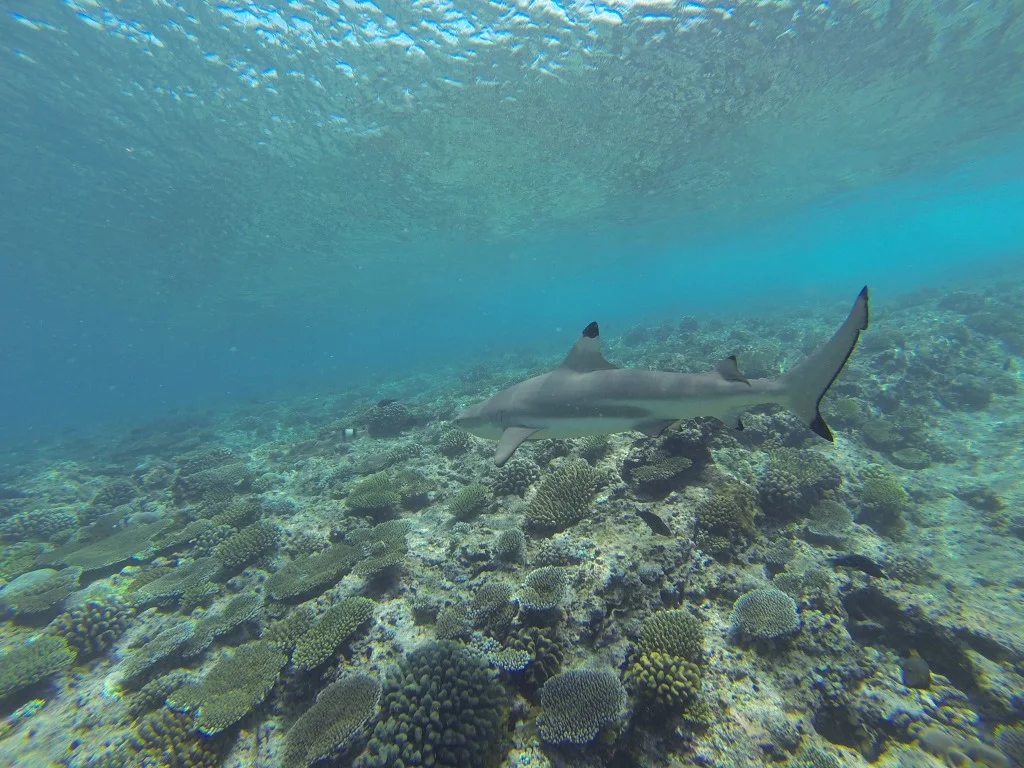
In the broader marine protected area, occasional sightings of larger pelagic species such as sharks, whales, dolphins, and turtles are reported, though these are less common within the confines of the caves themselves. These more elusive creatures tend to traverse the open waters of the Mediterranean.
Dive Sites Near Cuevas de Cantarriján
View all dive sites in SpainDiscover more underwater gems in this area.
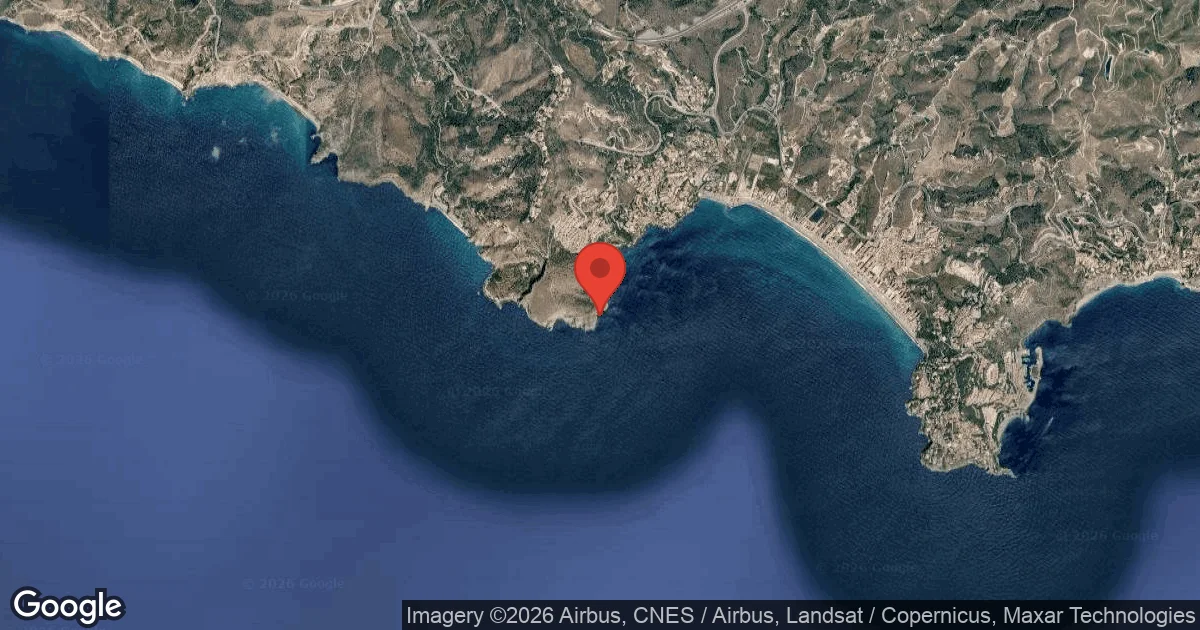
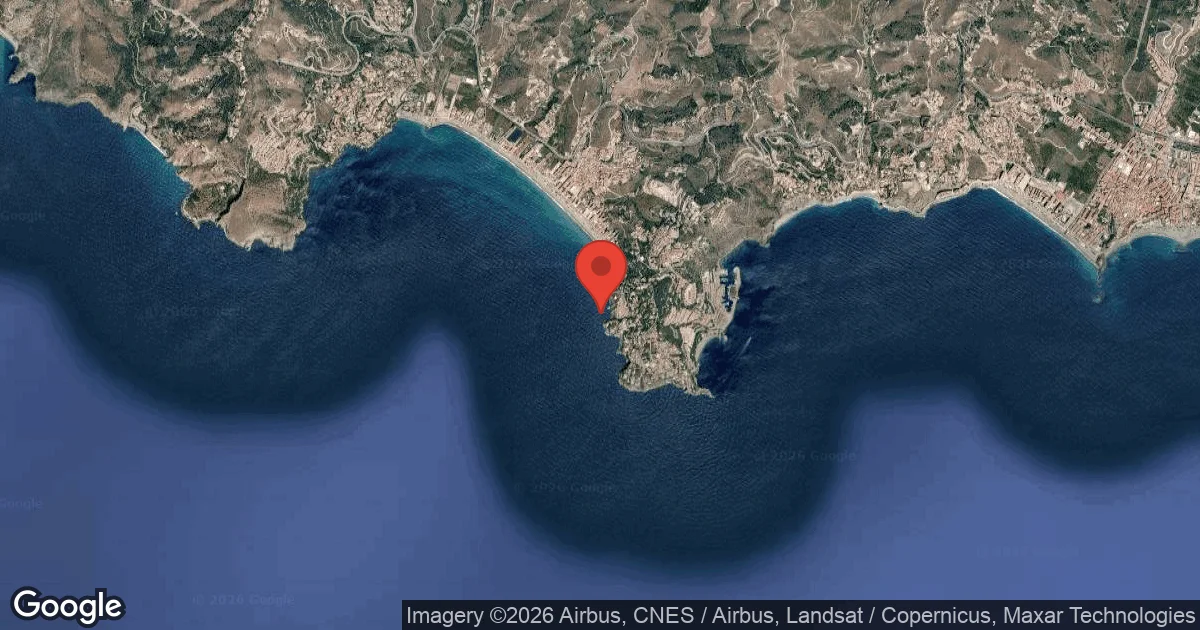
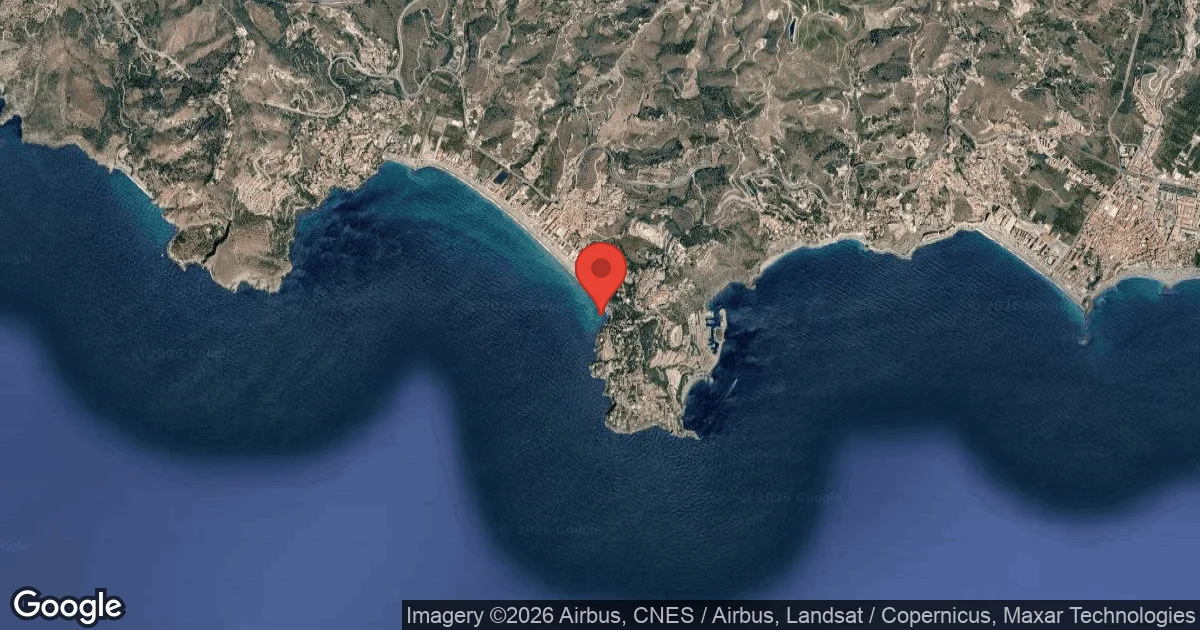
Dive Centers Near Cuevas de Cantarriján
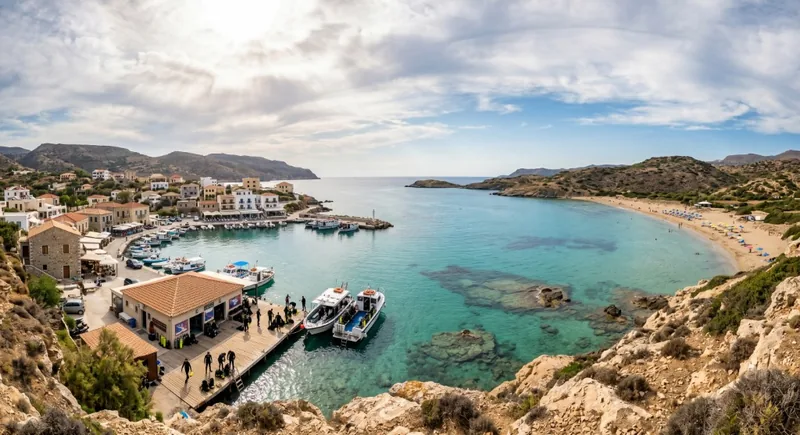

Nearest Airports
Nearest airports to help plan travel to this dive area.
Search Flights
Check available flights and routes on Expedia, using the nearby airports listed in this section.
Search Flights on ExpediaFrequently Asked Questions
What certification is needed for Cuevas de Cantarriján?
For cave diving, an overhead environment specialty certification is typically recommended. Divers without this certification should consider guided tours or stick to open water sections with a local professional. Always consult with a PADI Dive Center in the area.
What are the common entry methods?
Access to Cuevas de Cantarriján is primarily via boat. This allows divers to reach the specific cave entrances more easily. Shore entry can be challenging due to the rugged coastline.
Is visibility generally good inside the caves?
Visibility within the cave systems can vary. It's generally good unless there's significant surge or divers stir up sediment. Experienced divers with good buoyancy control help maintain clear conditions.
What marine life can be expected?
Inside the caves, you'll likely see smaller, cave-dwelling marine life like crustaceans and invertebrates. In the surrounding open water, the region has reported sightings of larger species such as dolphins and turtles, though these are not typical cave residents.
What are the water temperatures like?
Water temperatures in the Mediterranean vary seasonally. While not consistently reported for this specific site, they generally range from 15-18°C (59-64°F) in winter to 22-27°C (72-81°F) during the summer months. A wetsuit or drysuit choice should consider the time of year.
Are there any strong currents?
Currents near the cave entrances can be mild to moderate, depending on sea conditions. Inside the more sheltered passages of the caves, currents typically diminish. Local dive guides provide current updates for specific dive days.
Planning to dive Cuevas de Cantarriján?
Send one inquiry and receive offers directly from the best verified local dive operators.
Conditions are Good
07:00 - 14:00
Optimal conditions expected
Current conditions near Cuevas de Cantarriján show 23° air, 23° sea temperature, 1.3 m waves, and 8 km/h wind. Forecast data is refreshed regularly to ensure accuracy.