
Diving at Cagaires (Spain)
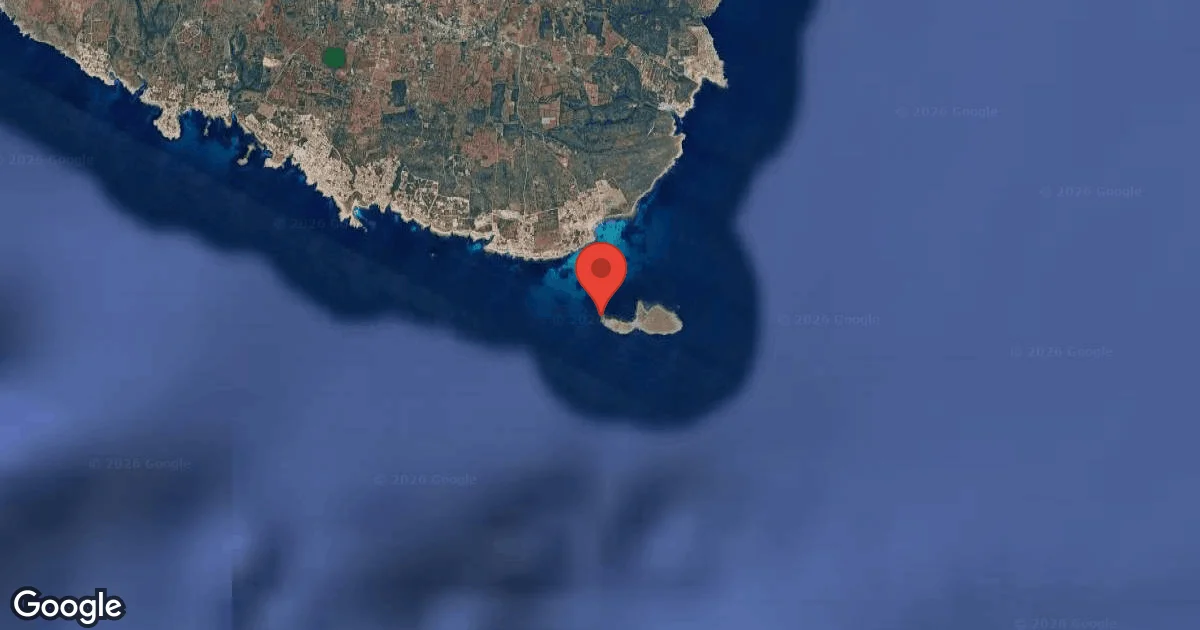
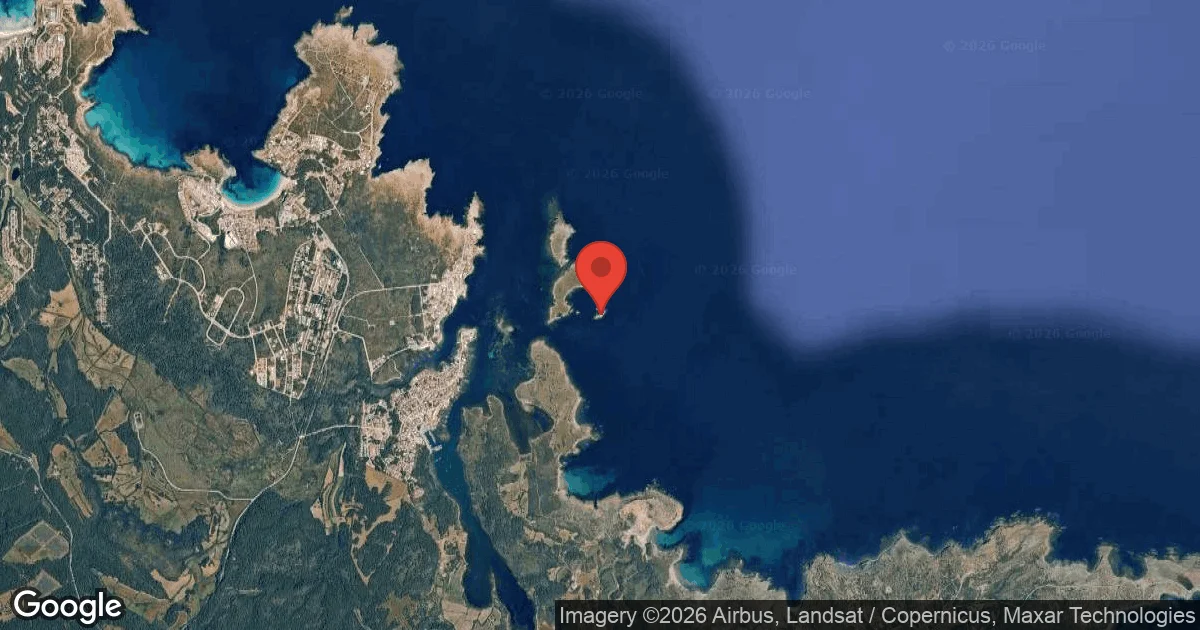
Cagaires functions as a notable dive site near Isla del Aire, often providing welcome shelter during periods of northerly winds. This position within the Illa de l’Aire Marine Reserve means it benefits from protected conditions. Dive operations typically approach from Mahon's harbour, making for a short fifteen-minute boat journey to the rocky overhang. Its structure makes it a suitable location to seek refuge when surface conditions might be less favorable elsewhere.
As evening covers Cagaires, the local air temperature is measured at 26.5°C. The current wave height at the surface is recorded at 0.3 m. These late-day readings characterize the surface conditions for the night.
Dive Site Location & Key Facts
Dive Site Overview
Accessing Cagaires typically involves a fifteen-minute boat trip from Mahon’s harbour, setting the stage for a dive into an intricate underwater world. Divers begin on a substantial platform, preparing for the descent to a sandbank, generally around 18 meters.
From this depth, the primary draw unfolds: an enormous cavern beneath a rocky overhang, known for its captivating backlighting. Entering the cavern, light filters dramatically from the entrance, creating a striking visual experience that guides explorers deeper. The site is a series of interconnected caves, some boasting spacious chambers bathed in a soft, natural glow.
A unique feature within this labyrinth is a vertical chimney that allows divers to ascend or descend between different levels of the route, adding complexity and a sense of discovery to the dive profile. While PADI guides often cite a maximum recreational depth of approximately 18 meters, other reports indicate deeper sections can reach 22 m (72 ft), offering more to explore for appropriately qualified divers.
The discovery of an an amphora, partially submerged in the sand, along with the notable presence of large, often dead, nacras, subtly reflects the site's longer historical context and its ongoing ecological story.
Conditions are Good
Optimal conditions expected
Current conditions near Cagaires show 26° air, 28° sea temperature, 0.7 m waves, and 33 km/h wind. Forecast data is refreshed regularly to ensure accuracy.
Best Time to Dive
Planning a dive at Cagaires hinges on anticipating the regional climate conditions. The period from May through September generally provides the most favorable environment for diving, consistently rated with "Good" dive scores. During these months, average air temperatures range comfortably from 19°C to 26.5°C (80°F)to 80°F). These warmer conditions are often accompanied by reduced wave heights, typically below 1 meter (3.3 ft), and lower average wind speeds, staying under 23 km/h (14 mph). Rainfall is also at its minimum during this peak season, often less than 1.9 mm (0.07 inches) per month, contributing to clearer surface conditions and better overall visibility. For those preferring slightly cooler conditions but still aiming for good visibility, April and October also offer "Good" dive scores, though air temperatures will be a few degrees lower and rain levels might see a minor increase.
PEAK SEASON SCORE
Scores combine air & water temps, waves, wind & rainfall for overall conditions.
BEST MONTHS TO DIVE
Monthly records compiled from satellite and marine observation nodes over the last 3 years. Data provided by Open-Meteo and MET Norway.
Dive Experience & Conditions
Underwater conditions at Cagaires present a dynamic environment, marked by a distinctive depth profile appealing to varied recreational experience levels. Beginning on a broad platform, the initial descent guides explorers to a sandbank at approximately 18 m (59 ft). From this point, the site unfolds into a network of interconnected caves and two primary caverns. These spacious underwater formations maintain natural illumination, especially through dramatic "backlighting" effects from their openings. Recreational dives typically adhere to an operational depth around 18 meters, aligning with standard Open Water Diver certifications. However, some areas extend deeper, reaching about 22 meters (72 ft) in certain cavern transitions, appealing to divers with appropriate qualifications seeking further exploration. A vertical chimney provides an interesting route, allowing divers to ascend or descend between the different levels of this multi-faceted site. Visibility generally remains good, influenced by local currents and recent weather patterns; however, the site's sheltered nature helps mitigate significant disruptions, offering clearer conditions even when other areas might be affected. Prepare for dynamic light play as ambient light streams through overhead openings, contrasting with darker passages. Water temperatures fluctuate, ranging from 22-27°C (72-81°F) throughout the peak diving season, typically feeling comfortable. Minor currents may be present, particularly near openings, so maintaining good buoyancy and situational awareness is always recommended.
Dive Difficulty & Safety Guidelines
Approaching Cagaires requires divers to consider its classification as a medium-difficulty site. Due to the presence of interconnected caves and caverns, specific training beyond basic certification is often recommended. Divers holding a PADI Open Water Diver certification will find sections accessible, but a Cavern Diver specialty course is highly beneficial for safely exploring the full extent of the site's unique formations.
Entry to this site is exclusively by boat, typically a short trip from Mahon, so planning with a local dive operator is essential. Maintaining proper buoyancy control and effective light management is crucial within the overhead environments.
Divers should always carry appropriate signaling devices, such as a Surface Marker Buoy, given the boat traffic in the vicinity.
Recommended Equipment
Overhead environment. Do not enter beyond training and gas planning limits.
- Dive Computer
- DSMB
- Primary & Backup Lights
- Reel / Spool
- Cutting Tool
This gear list is based on verified equipment signals for Cagaires, Spain. Always confirm final gear choices with your dive operator, guide, or liveaboard.
Recommended Dive Suit
Forecast trends indicate little change in overall diving conditions during the next few days.
Divers who prefer a balanced level of warmth often select 2-3mm shorty or light wetsuit in water temperatures like this. A hood or vest is suggested for sensitive divers due to surface winds.
Recent environmental data from Cagaires indicates water temperatures near 28°C (82°F). Surface air temperatures are resting at 26°C (80°F).
Due to technical issues with our weather providers, data hasn't been fetched for over 48 hours. The data above reflects the conditions at the time of the last successful fetch.
Emergency & Medical Support
Essential information to help you plan your dive trip to Cagaires.

Hyperbaric chambers are a critical part of dive safety infrastructure. Availability varies significantly by region, and not all dive areas have immediate access.
Before diving, it's recommended to:
- confirm nearest medical facilities
- check emergency procedures with local dive operators
- ensure dive insurance covers evacuation if required
Divers Alert Network
Diving emergency assistance available through DAN Europe.
+39 0642115685- 24/7 emergency hotline
- Diving medical assistance
- Evacuation coordination
Emergency contacts are provided for reference. Always verify local emergency services before diving.
Closest Listed Hyperbaric Chambers
Showing listed hyperbaric chamber facilities within 200 km of this dive site.
Distances are approximate straight-line distances and may not reflect emergency travel time.
Underwater and Hyperbaric Medicine
Palma de Mallorca, Spain•Approx. 145 km straight-line
Underwater and Hyperbaric Medicine
Information is provided for reference and planning purposes only. Dive Navigator does not verify operational status, staffing, availability, or quality of care at listed facilities. In an emergency, contact local emergency services, DAN, your dive operator, or the chamber directly. Do not travel to a facility without calling ahead.
Marine Life at Cagaires
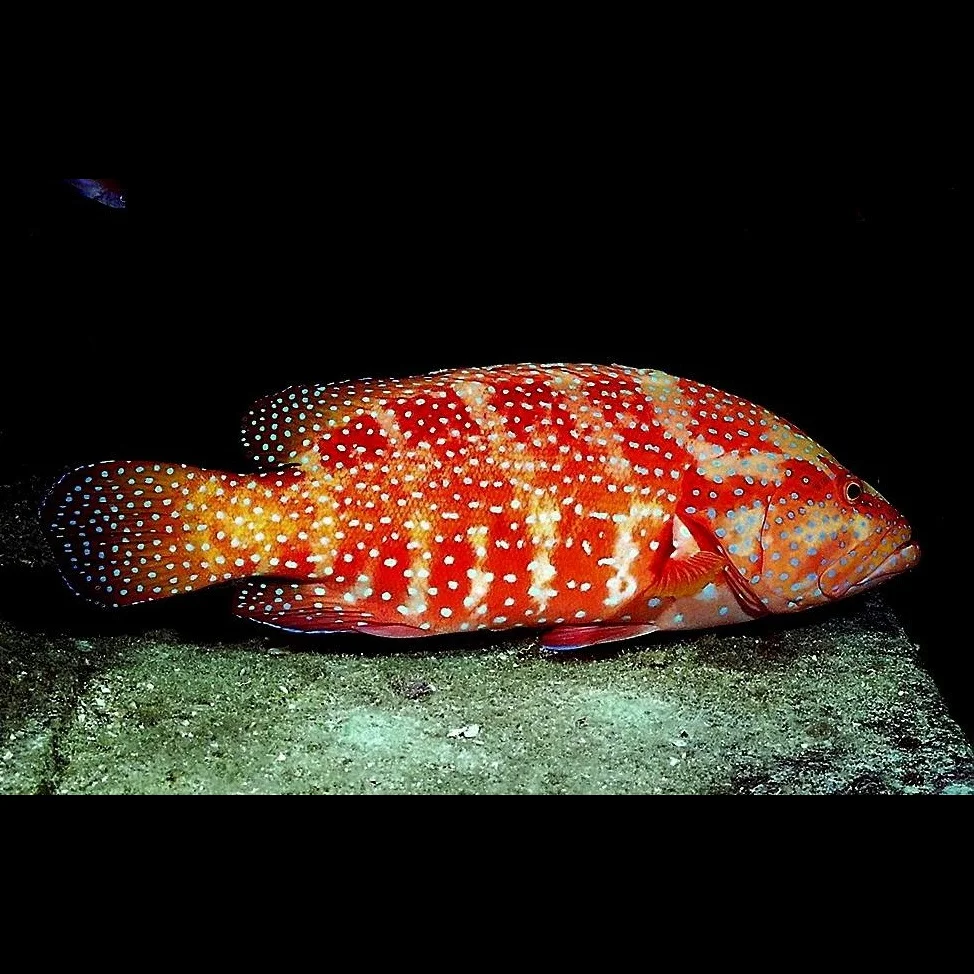
Upon entering the water at Cagaires, divers often first notice the active life on the main platform. Here, salemas and two-banded seabream are commonly observed, while groupers discreetly inhabit the rocky crevices.
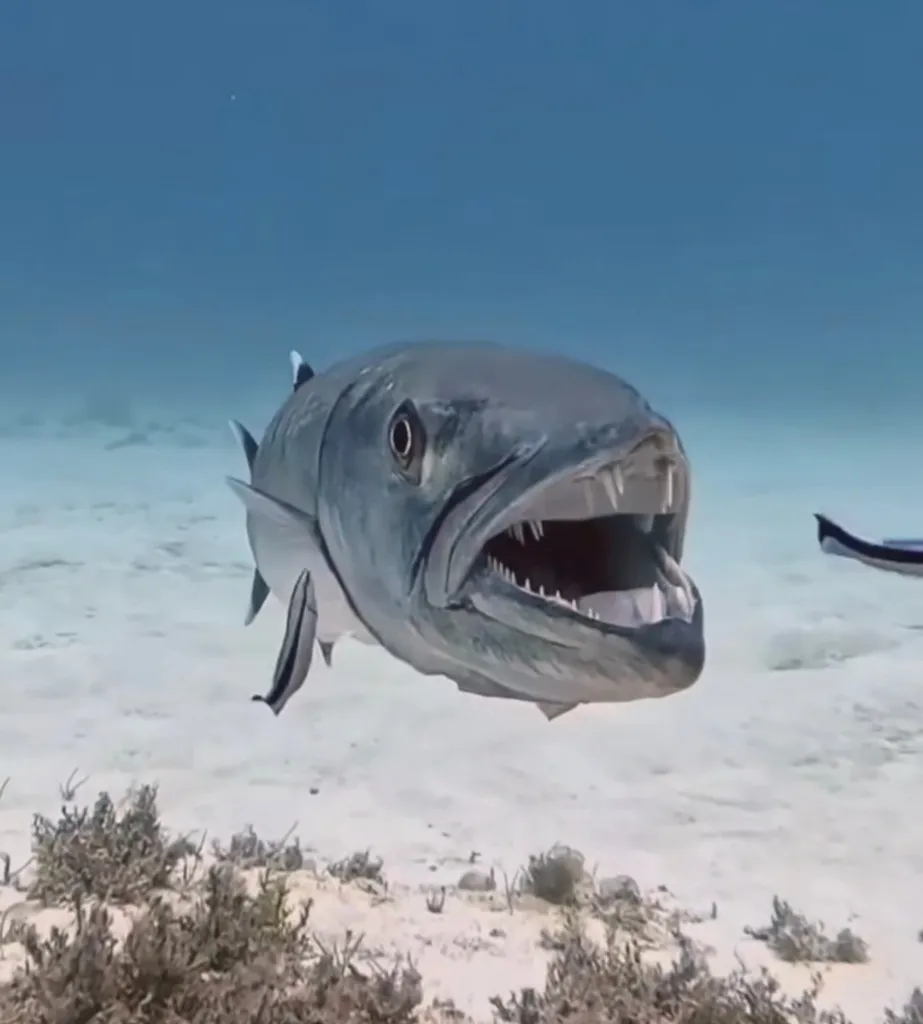
Barracudas can also be seen patrolling the area. Deeper inside the caverns, a different array of marine life emerges.
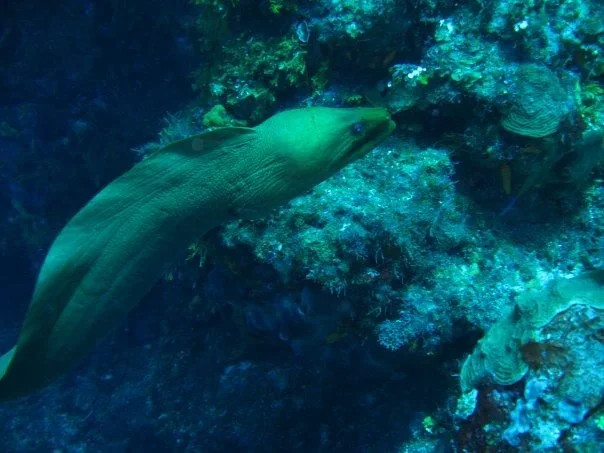
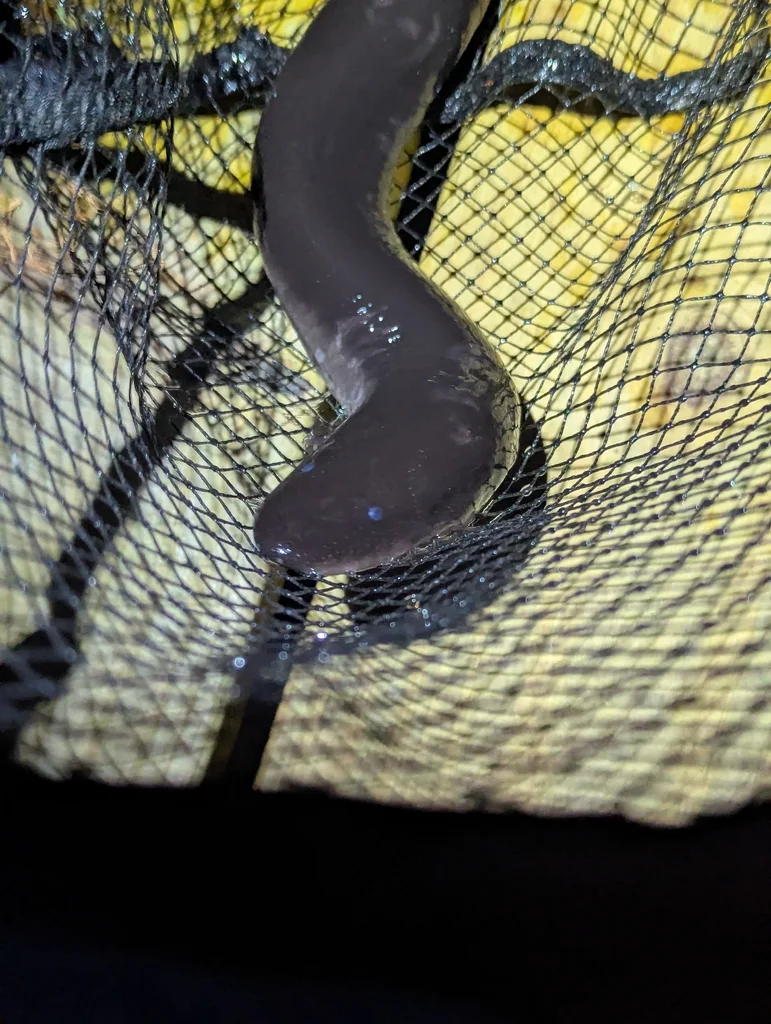
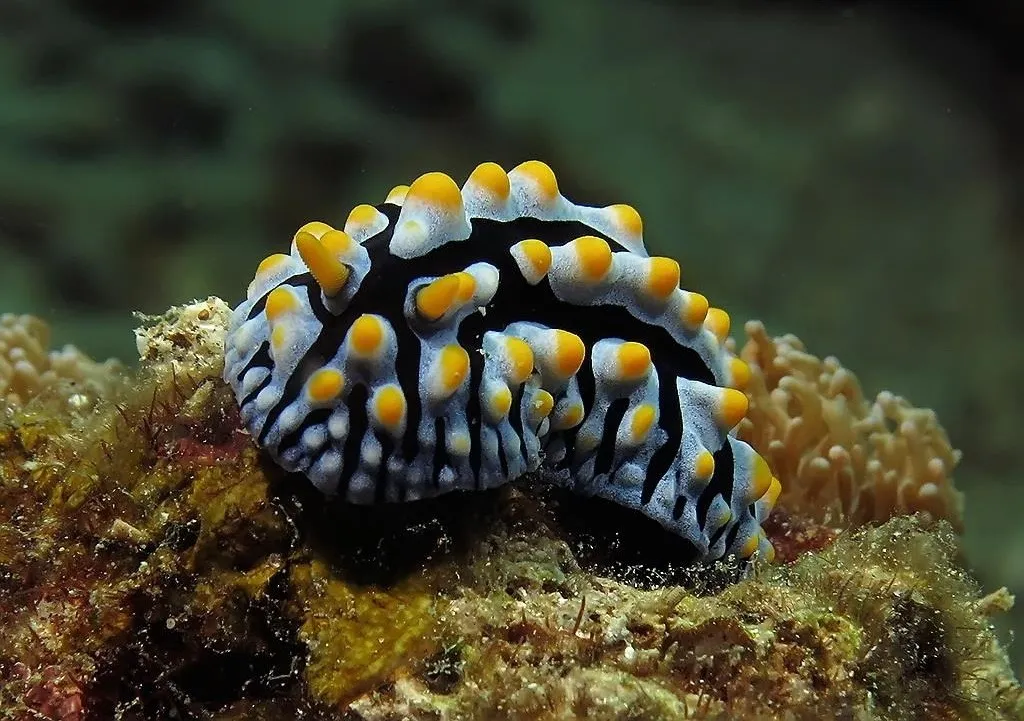
Nudibranchs cling to the walls, adding vibrant splashes of color. Moray eels and conger eels are frequently spotted, peering from their hidden spots within the cave system, making for compelling encounters.
Dive Sites Near Cagaires
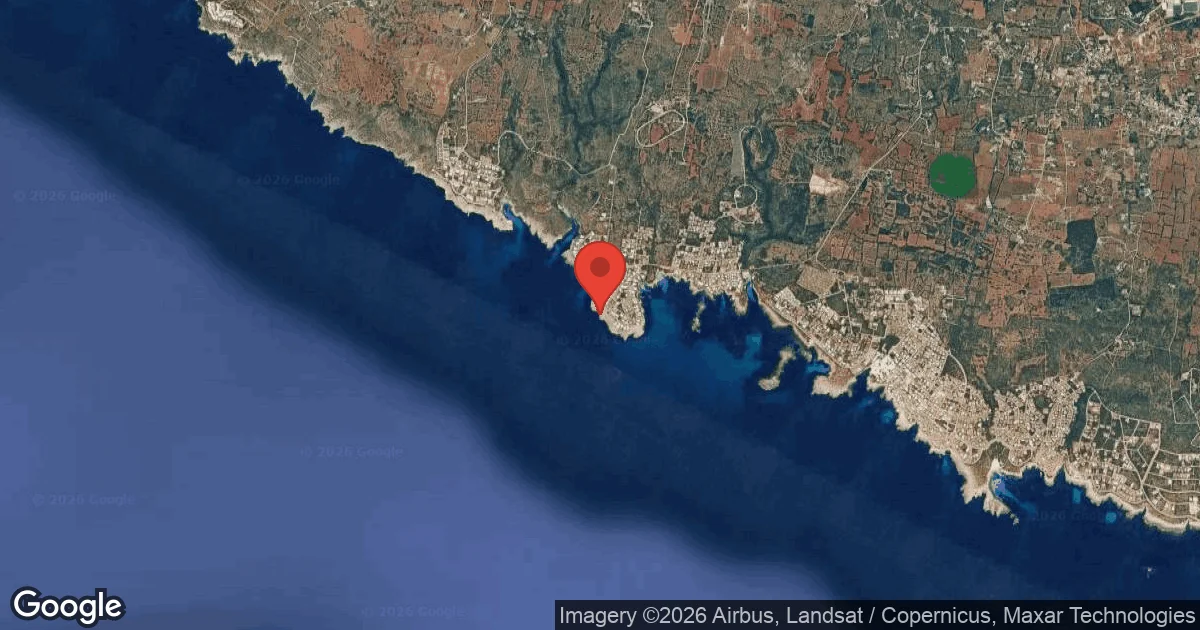
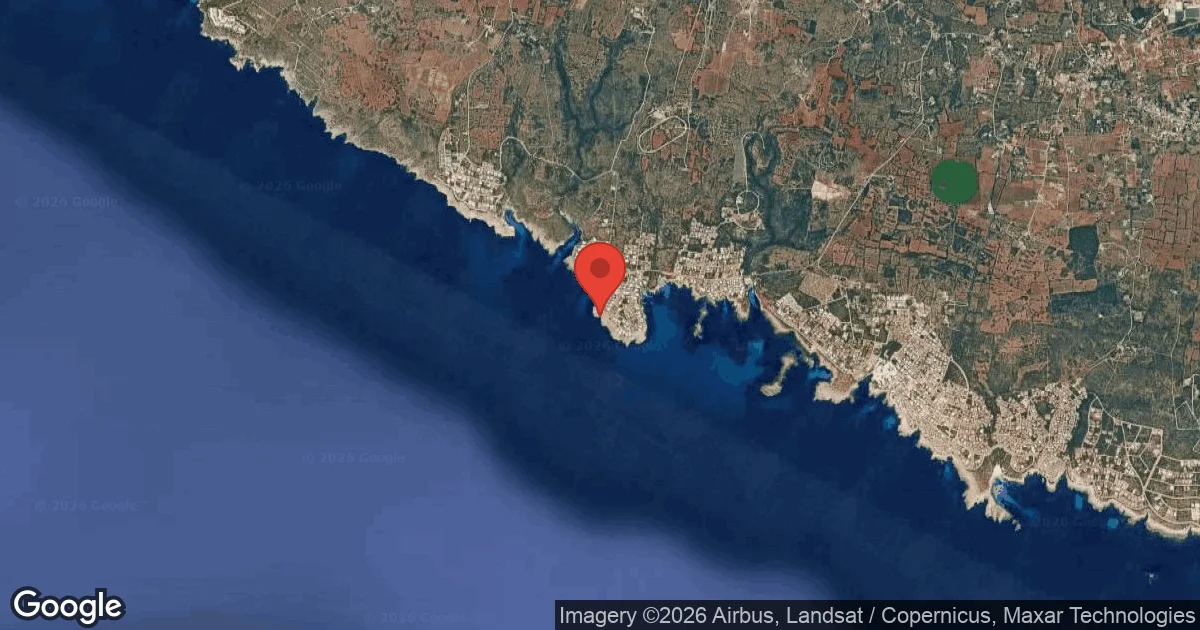
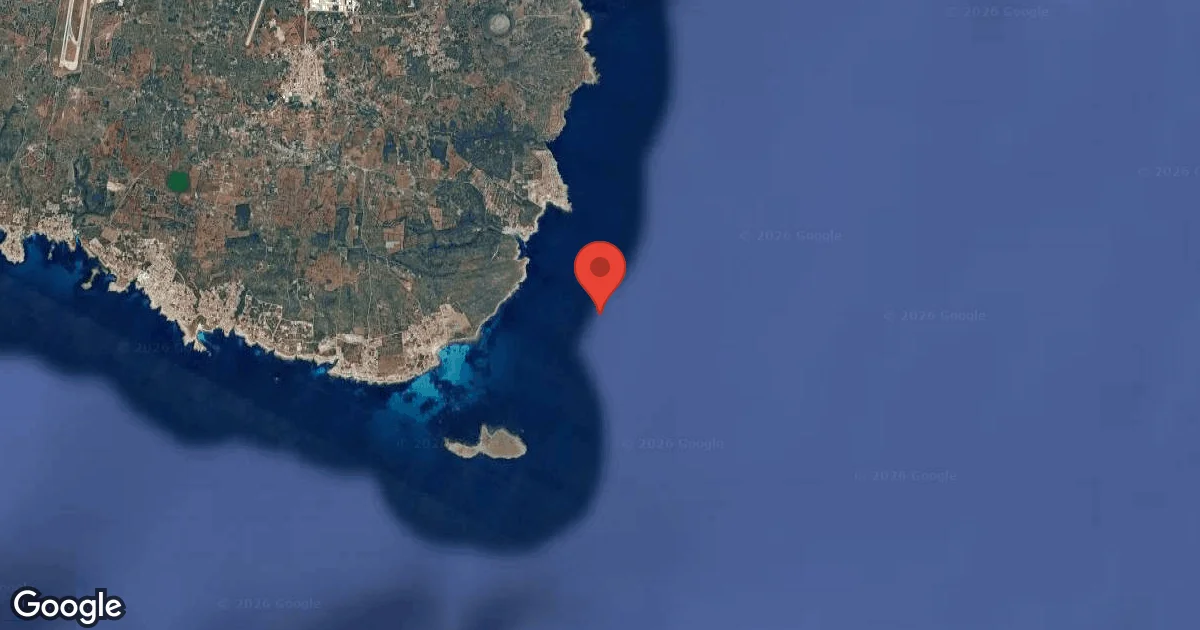
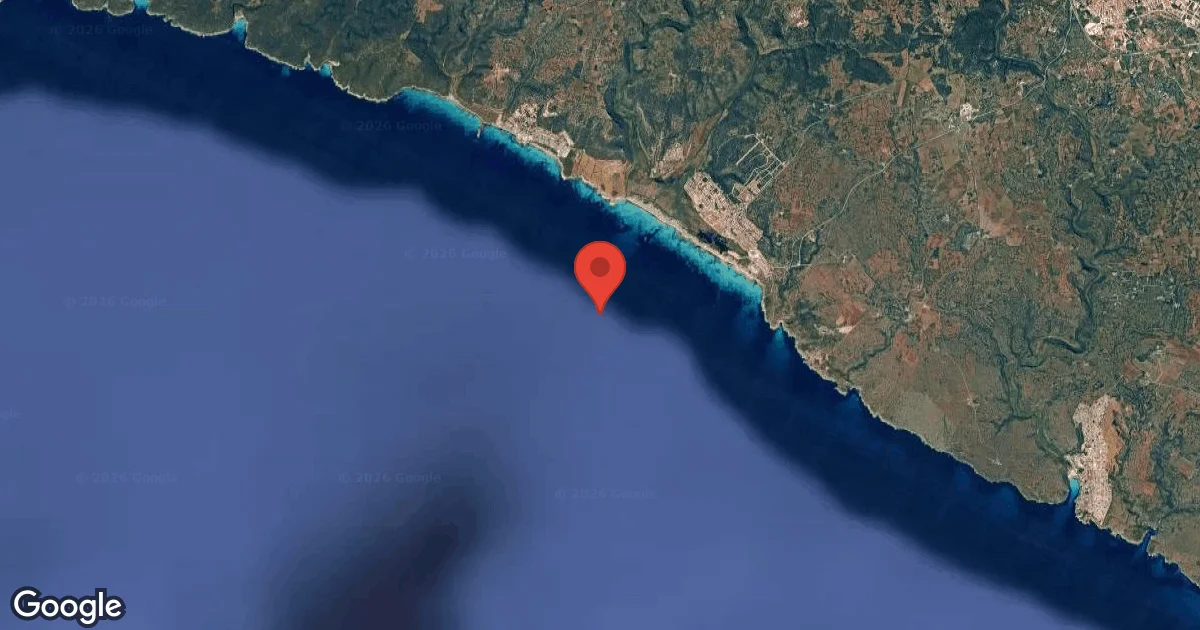
View all dive sites in SpainDiscover more underwater gems in this area.
Dive Centers Near Cagaires
Today: 08:30 - 18:00
Nearest Airports
Nearest airports to help plan travel to this dive area.
Search Flights
Check available flights and routes on Expedia, using the nearby airports listed in this section.
Search Flights on ExpediaFrequently Asked Questions
What type of dive is Cagaires known for?
Cagaires is primarily known for its extensive system of interconnected caves and caverns. It offers unique overhead environments with dramatic backlighting and multi-level exploration.
How do divers access the Cagaires dive site?
Access to Cagaires is exclusively by boat, typically involving a fifteen-minute journey from Mahon’s harbour. Dive operators facilitate this access, often providing shelter from northerly winds.
What is the maximum depth commonly explored at Cagaires?
While many recreational dives remain around 18 meters, the site's deeper sections extend to approximately 22 meters. Dive plans should always align with a diver's certification level and training.
What marine life can be expected at Cagaires?
On the initial platform, divers often encounter salemas, two-banded seabream, and barracudas. Inside the caverns, nudibranchs, moray eels, and conger eels are frequently observed.
Is special training required to dive at Cagaires?
Given the cave and cavern environments, a PADI Open Water Diver certification is a baseline, but a Cavern Diver specialty course is highly recommended for safely navigating the full site. The site is rated as medium difficulty.
When is the best time of year to dive Cagaires?
The optimal diving period is from May to September, offering warmer air temperatures, minimal rainfall, and calmer sea conditions. April and October also provide good conditions, though slightly cooler.
Are there any unique features at Cagaires?
Yes, the site features a vertical chimney that allows divers to transition between different levels within the cave system. This adds a unique element to the dive experience.
Is Cagaires part of a marine reserve?
Yes, Cagaires is located within the Illa de l’Aire Marine Reserve. This protected status helps preserve the diverse marine ecosystem found at the site.
Planning to dive Cagaires?
Send one inquiry and receive offers directly from the best verified local dive operators.
Conditions are Good
Optimal conditions expected
Current conditions near Cagaires show 26° air, 28° sea temperature, 0.7 m waves, and 33 km/h wind. Forecast data is refreshed regularly to ensure accuracy.