
Diving at JU-88 (Spain)
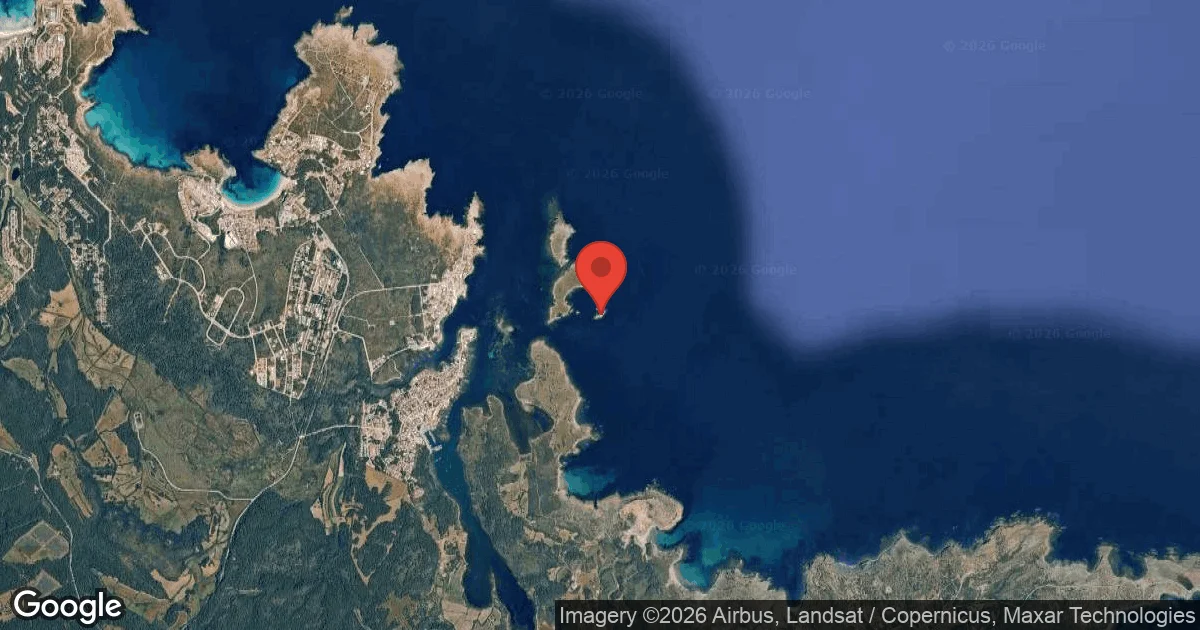
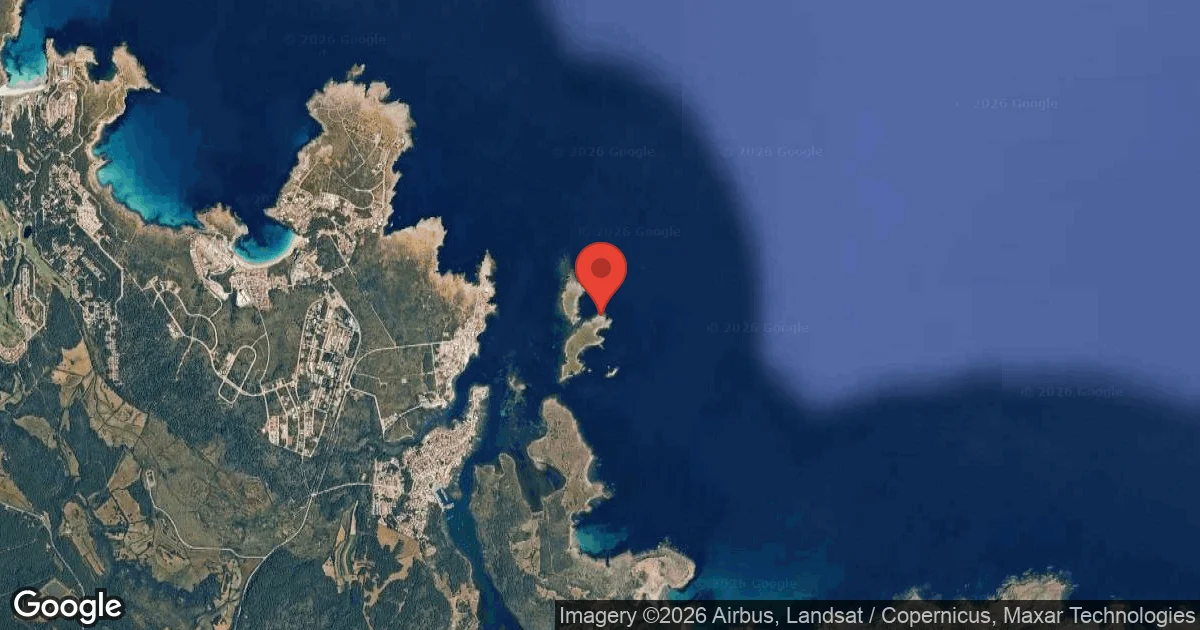
An impressively preserved German bomber from WWII, the JU-88 wreck lies off Menorca, Spain. Resting at a considerable depth, the site provides an encounter with aviation history submerged in the Mediterranean. Accessible for certified technical divers, it's located a short boat ride from S'Algar. Its structure provides a habitat, attracting various marine species.
Tonight's objective overview for JU-88 shows an air temperature of 23°C. The measured surface conditions include wave heights around 0.6 m. This environmental data is logged for the close of the day.
Dive Site Location & Key Facts
Dive Site Overview
Descending upon the remarkably intact WWII plane wreck invites imagining the emergency landing of the Junkers 88 on February 24, 1943. Situated at 47 m / 154 ft between S’Algar and Alcaufar, the bomber serves as a poignant underwater museum piece; all four crew members fortunately survived the landing, picked up by a local fisherman.
Advanced technical certification is required for this deep dive, specifically allowing descents to 50 m and emphasizing precise buoyancy control throughout. Diving here involves careful planning and adherence to Spanish regulations, including carrying specific safety equipment. An upright resting position on a sandy bottom characterizes the aircraft, its wings and fuselage largely intact, though the cockpit shows signs of its violent descent.
Observing the detail of engines and the intact tail section offers a stark reminder of its past. Nitrox is typically used, enhancing bottom time for thorough exploration of the plane's impressive structure.
Prepare for significant depth and potential currents, ensuring a safe and respectful visit to this historical site. Often, visibility is excellent, allowing a comprehensive view of the bomber from a distance as you approach.
Conditions are Excellent
07:00 - 14:00
Optimal conditions expected
Current conditions near JU-88 show 23° air, 27° sea temperature, 0.5 m waves, and 26 km/h wind. Forecast data is refreshed regularly to ensure accuracy.
Best Time to Dive
Optimizing conditions for the JU-88 wreck dive often centers on maximizing visibility and minimizing surface chop. Diving scores are typically highest from May through October, aligning with peak tourist season for Menorca. During these months, air temperatures are comfortably warm, ranging from approximately 19°C / 66°F in May to 26.5°C / 80°F in July and August. Wave heights generally stay below 1 meter, with minimal wind and very low rainfall across the island. While specific water temperature data for this site is not consistently reported, calmer surface conditions during this period are conducive to better visibility and a more comfortable boat journey to the distant dive location. Plan your visit accordingly to leverage these ideal conditions.
PEAK SEASON SCORE
Scores combine air & water temps, waves, wind & rainfall for overall conditions.
BEST MONTHS TO DIVE
Monthly records compiled from satellite and marine observation nodes over the last 3 years. Data provided by Open-Meteo and MET Norway.
Dive Experience & Conditions
Conditions at the JU-88 wreck vary, impacting the dive experience. A well-preserved structure marks the final resting place of this German Ju-88 light bomber, its form emerging from the deep blue on approach. Visibility fluctuates, but clear days often provide impressive views of the entire aircraft, sometimes spanning 20-30 meters / 65-100 ft. Due to its depth and open ocean location, the site can experience currents, potentially becoming a drift dive. Divers need to be prepared for cooler water temperatures at depth, typically around 18-22°C / 64-72°F, even when surface temperatures are warmer. Successfully exploring the site demands careful buoyancy control and awareness, especially around the aircraft's features, to avoid disturbance. Attentiveness to depth and bottom time management is crucial when exploring the artifact, ensuring a safe ascent profile is always maintained. A profound sense of historical immersion combines with the technical challenge of deep wreck exploration.
Dive Difficulty & Safety Guidelines
Diving the JU-88 presents a rewarding challenge, requiring adherence to stringent safety protocols given its significant depth. Spanish law mandates specific certifications, such as PADI Tec Rec 50, CMAS 3*** + Nitrox, or similar technical diving qualifications that permit dives to 50 meters.
Divers must carry essential equipment including two regulators, two dive computers, two masks, a whistle, a knife, and an SMB.
Additionally, a valid medical certificate and dive insurance covering hyperbaric treatment are compulsory. Successful dives depend on stable sea conditions, ensuring safe boat operations and diver practice. Taking only pictures and leaving only bubbles is the guiding principle for preservation.
Recommended Equipment
Technical depth range. Advanced planning, gas management, and appropriate certification required.
Overhead / entanglement risk. Wreck penetration requires proper training.
Current and surface separation risk. Local briefing strongly recommended.
- Dive Computer
- DSMB
- Primary & Backup Lights
- Wreck Reel
- Reel / Spool
- Cutting Tool
This gear list is based on verified equipment signals for JU-88, Spain. Always confirm final gear choices with your dive operator, guide, or liveaboard.
Recommended Dive Suit
Exposure protection is partly a personal preference.
2-3mm shorty or light wetsuit typically provides a reliable level of thermal protection for dives here. A hood or vest is suggested for sensitive divers due to surface winds. Surface intervals may feel cooler. Environmental models indicate a modest warming trend ahead. A warming trend is expected over the next few days.
Current temperature readings suggest that the water at JU-88 is around 27°C (81°F). Surface air temperatures are resting at 23°C (73°F).
Emergency & Medical Support
Essential information to help you plan your dive trip to JU-88.

Hyperbaric chambers are a critical part of dive safety infrastructure. Availability varies significantly by region, and not all dive areas have immediate access.
Before diving, it's recommended to:
- confirm nearest medical facilities
- check emergency procedures with local dive operators
- ensure dive insurance covers evacuation if required
Divers Alert Network
Diving emergency assistance available through DAN Europe.
+39 0642115685- 24/7 emergency hotline
- Diving medical assistance
- Evacuation coordination
Emergency contacts are provided for reference. Always verify local emergency services before diving.
Closest Listed Hyperbaric Chambers
Showing listed hyperbaric chamber facilities within 200 km of this dive site.
Distances are approximate straight-line distances and may not reflect emergency travel time.
Underwater and Hyperbaric Medicine
Palma de Mallorca, Spain•Approx. 147 km straight-line
Underwater and Hyperbaric Medicine
Information is provided for reference and planning purposes only. Dive Navigator does not verify operational status, staffing, availability, or quality of care at listed facilities. In an emergency, contact local emergency services, DAN, your dive operator, or the chamber directly. Do not travel to a facility without calling ahead.
Marine Life at JU-88
Specific marine life highlights directly associated with the JU-88 wreck are not consistently reported. However, deep wrecks in the Mediterranean typically attract various species seeking shelter and structure in an otherwise open environment.
Divers might observe species common to the deeper rocky and sandy bottoms of Menorca, such as various types of Mediterranean fish and invertebrates, adapting to the aircraft's artificial reef. As a submerged historical artifact, the site's status means observation is key, and interaction with the wreck itself is limited to visual appreciation.
Dive Sites Near JU-88
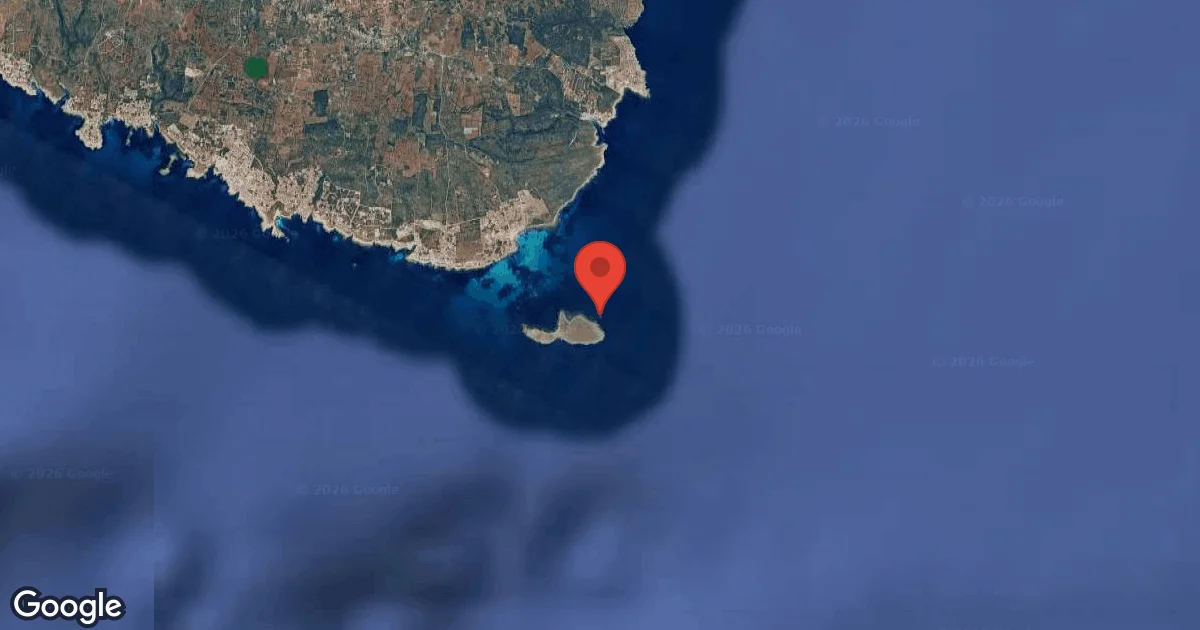
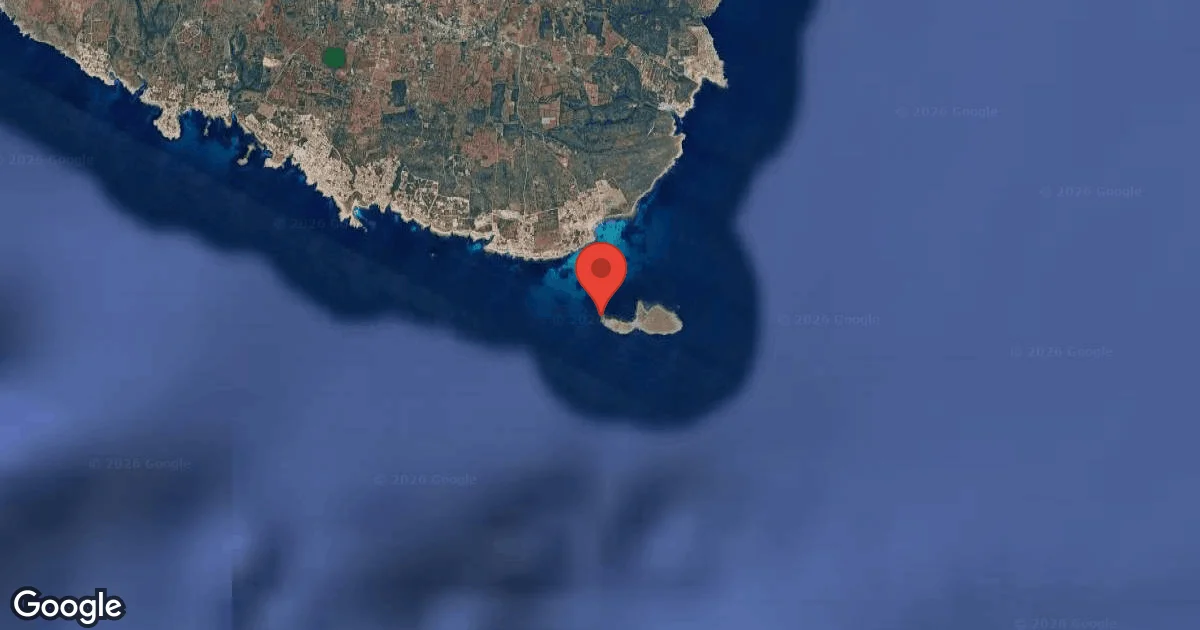
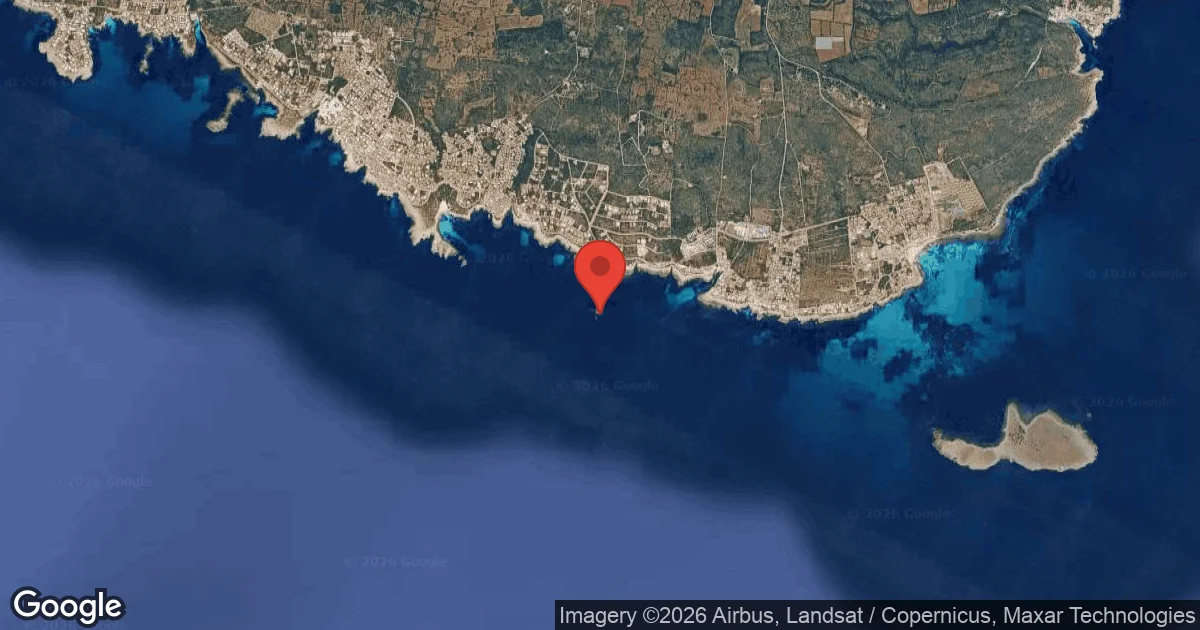
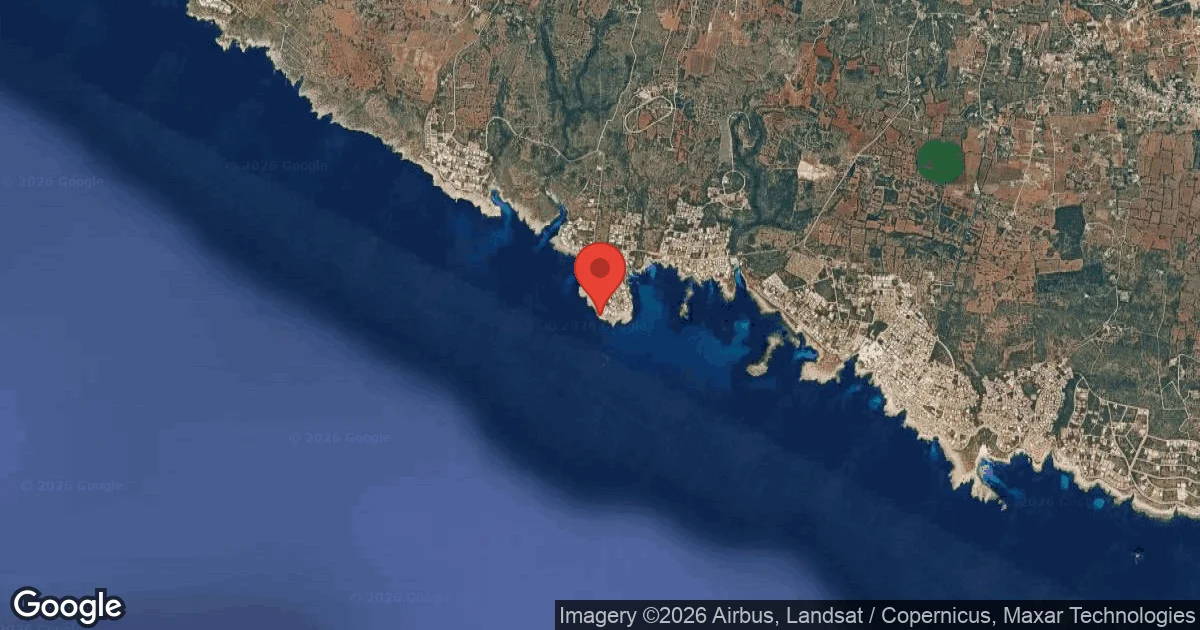
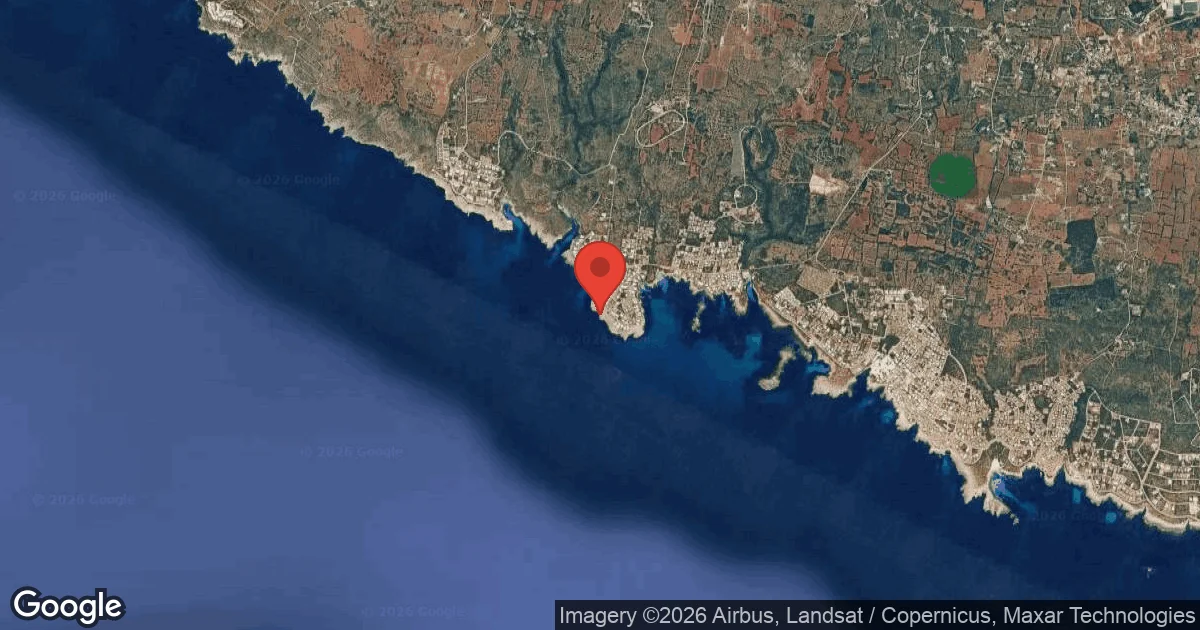
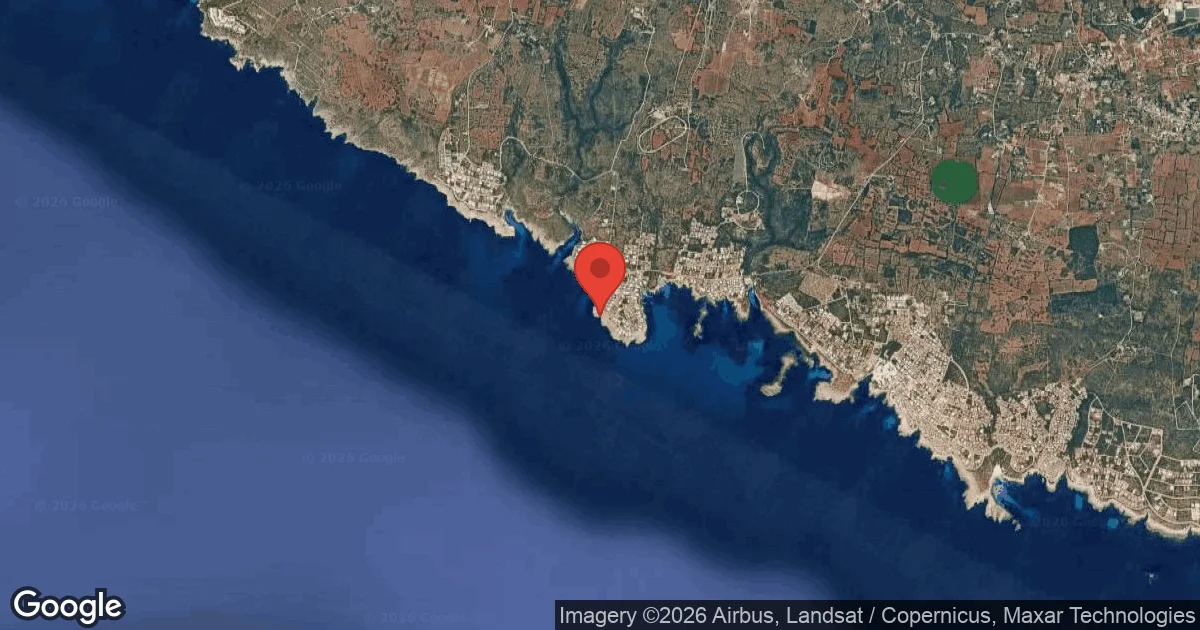
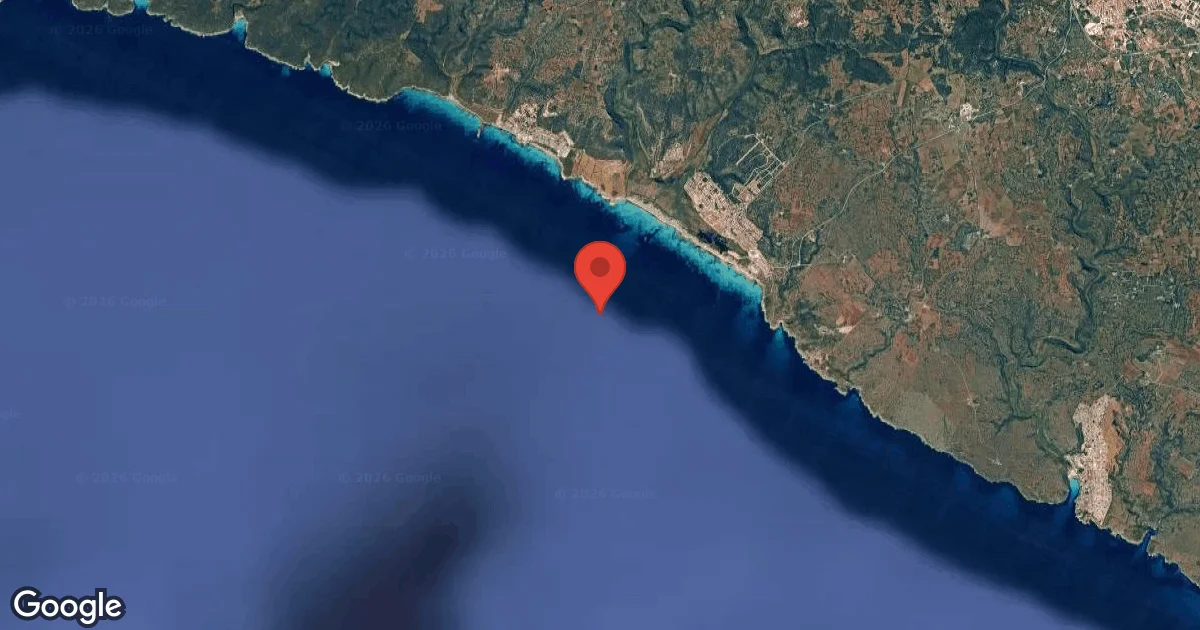
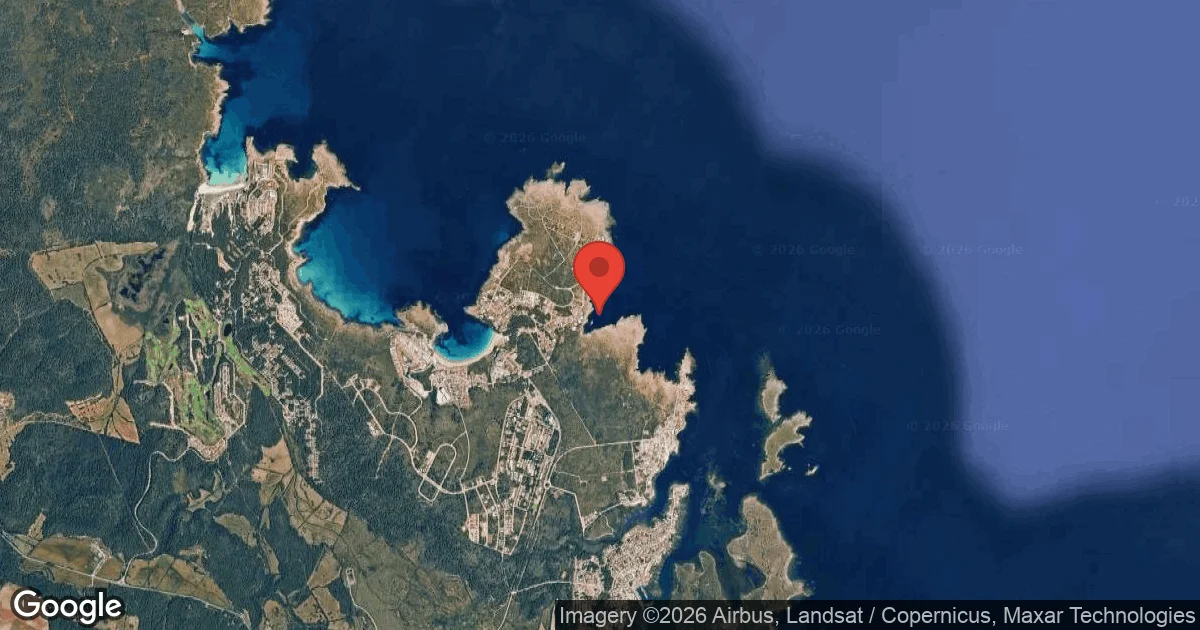
View all dive sites in SpainDiscover more underwater gems in this area.
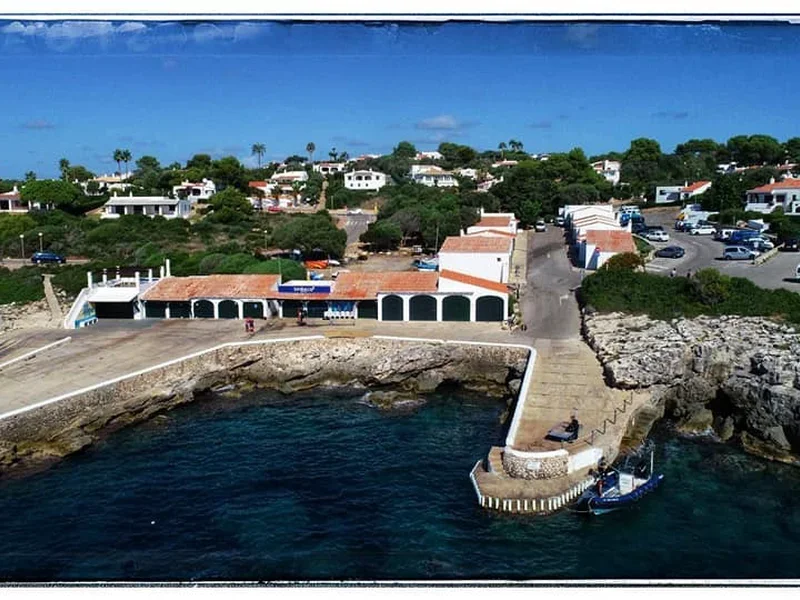
Dive Centers Near JU-88
Today: 08:30 - 18:00
Nearest Airports
Nearest airports to help plan travel to this dive area.
Search Flights
Check available flights and routes on Expedia, using the nearby airports listed in this section.
Search Flights on ExpediaFrequently Asked Questions
What certifications are necessary for diving the JU-88 wreck?
Diving the JU-88 requires advanced technical diving certifications. Spanish law mandates qualifications such as PADI Tec Rec 50, CMAS 3*** + Nitrox, or equivalent certifications that permit dives to 50 meters.
What are the typical water temperatures experienced at the wreck's depth?
While surface water temperatures in Menorca can be warm, temperatures at the wreck's depth of 47 meters are cooler. Divers should anticipate water around 18-22°C / 64-72°F, requiring appropriate thermal protection.
Is penetration of the JU-88 wreck permitted for divers?
No, penetration of the JU-88 wreck is generally not permitted. The site is protected as a historical artifact, and divers are expected to observe the wreck from the exterior to ensure its preservation.
What is the primary historical significance of the JU-88 bomber?
A German WWII bomber, the Junkers 88, made an emergency landing in 1943. Its excellent state of preservation creates a unique underwater historical museum, offering a tangible link to wartime aviation.
How challenging is the JU-88 dive for experienced technical divers?
Considered a demanding technical dive, the JU-88 exploration presents challenges due to its depth, potential currents, and need for precise buoyancy control. Thorough planning and adherence to strict safety protocols are required, even for experienced technical divers.
Can divers expect strong currents at the JU-88 wreck site?
An open ocean location, the JU-88 wreck can experience currents. While not always strong, divers should prepare for potential drift conditions and plan accordingly.
What kind of visibility can be expected at the wreck?
Visibility at the JU-88 wreck can vary, but on good days, it's often excellent. Clear conditions allow for impressive views of the entire aircraft, sometimes reaching 20-30 meters / 65-100 ft.
Planning to dive JU-88?
Send one inquiry and receive offers directly from the best verified local dive operators.
Conditions are Excellent
07:00 - 14:00
Optimal conditions expected
Current conditions near JU-88 show 23° air, 27° sea temperature, 0.5 m waves, and 26 km/h wind. Forecast data is refreshed regularly to ensure accuracy.