
Diving at La Xinxa (Spain)
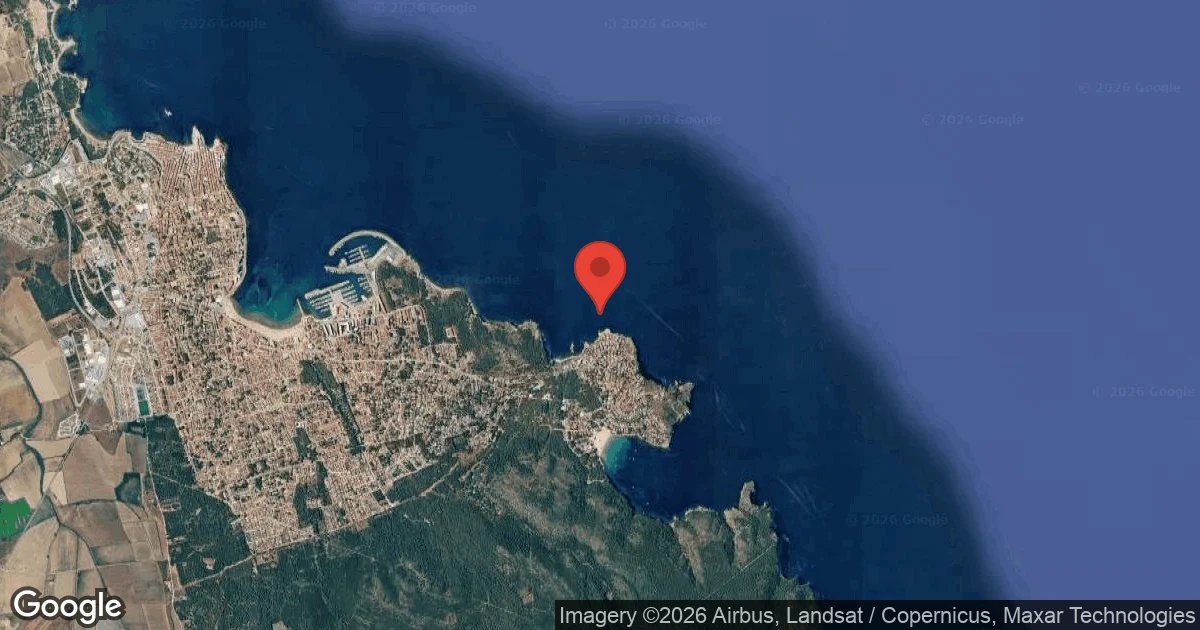
Beneath the surface at La Xinxa, a distinct energy permeates the water. Divers arrive to discover a captivating underwater landscape, where sunlight filters through coastal waters to illuminate the varied rock formations. It feels like stepping into a natural amphitheater, with a small rock rising from below and one of its peaks breaking the surface. The cool Mediterranean currents, when present, add a dynamic layer to the exploration.
Evening condition tracking at La Xinxa features an air temperature of 21°C. We have recorded wave heights measuring 0.9 m during this period. These figures outline the environmental parameters currently present.
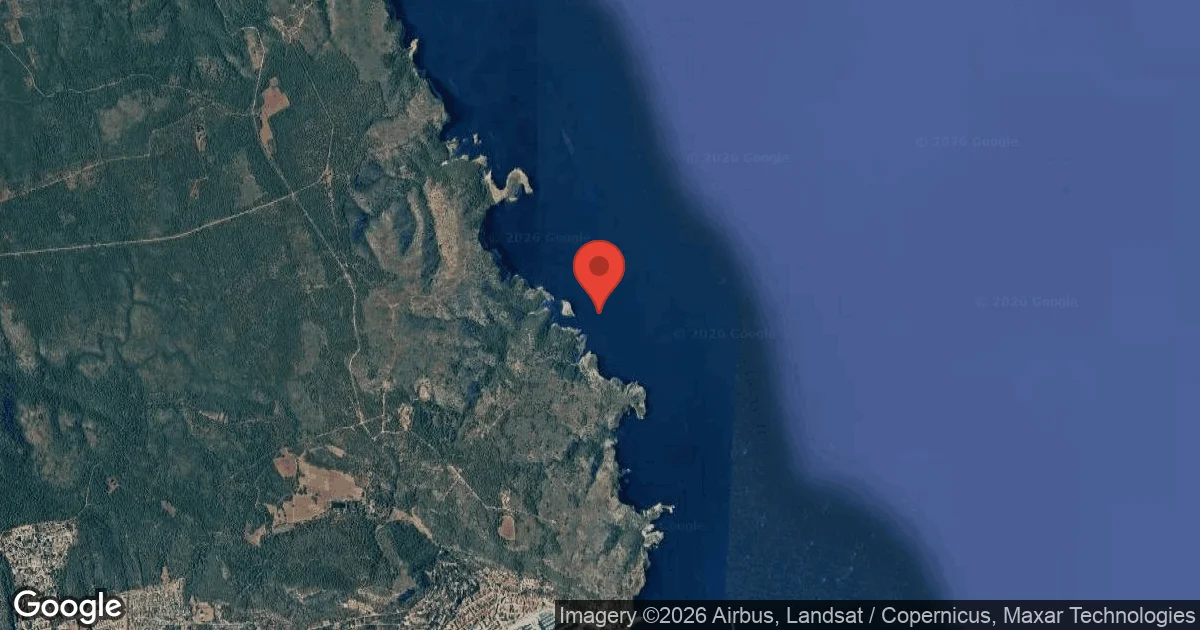
Dive Site Location & Key Facts
Dive Site Overview
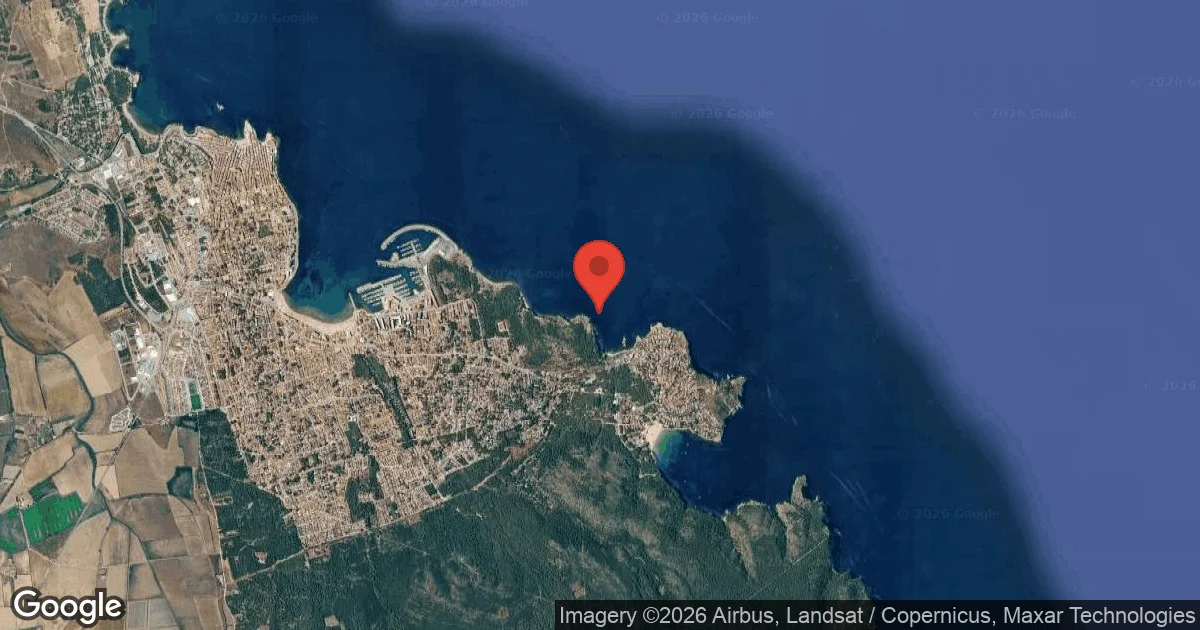
Sculpted by eons of geological activity, La Xinxa emerges as a significant rock formation, an enduring landmark in this stretch of the Costa Brava. Identifying the dive site is straightforward, marked by a prominent bass rock that remains submerged.
Divers typically commence by descending this structure, then circumnavigating it from north to south. Along this path, another substantial submerged rock appears, leading into a compact tunnel. Richly adorned with coral, a natural swim-through forms, commonly encountered around 9 meters (30 ft) deep.
Depths at the site generally range from 8 meters (26 ft) to 20 meters (66 ft). Below the surface, La Xinxa's two primary summits meet on a rocky platform, resting between 10 meters (33 ft) and 12 meters (39 ft).
Further east, the substrate transitions to a gradual rocky slope, characterized by pebbles forming natural pathways across the seafloor. Towards the north, a shelf drops an additional 4 meters (13 ft) from this platform, settling between 14 meters (46 ft) and 18 meters (59 ft) and supporting a dense coralligenous community.
Conditions are Excellent
07:00 - 14:00
Optimal conditions expected
Current conditions near La Xinxa show 21° air, 24° sea temperature, 0.4 m waves, and 21 km/h wind. Forecast data is refreshed regularly to ensure accuracy.
Best Time to Dive
Planning your visit to La Xinxa is best done between May and October for optimal diving conditions. During these months, the experience is generally enhanced by warmer air temperatures and reduced rainfall. Air temperatures consistently reach comfortable levels, averaging around 18°C (64°F) in May, peaking at 26°C (79°F) in July and August, and remaining mild at 19°C (66°F) into October. Rainfall during this period typically measures between 0.9 mm and 2.6 mm, indicating drier, more stable weather. Surface conditions tend to be calmer, with average wave heights lower than 1 meter (3 ft), contributing to smoother boat rides and easier entries. While water temperature data is not consistently reported for this site, these months usually provide the most pleasant air temperatures for pre- and post-dive comfort, making them a preferred choice for many divers.
PEAK SEASON SCORE
Scores combine air & water temps, waves, wind & rainfall for overall conditions.
BEST MONTHS TO DIVE
Monthly records compiled from satellite and marine observation nodes over the last 3 years. Data provided by Open-Meteo and MET Norway.
Dive Experience & Conditions
Underwater, the site unfolds as a journey through varied rock formations and vibrant benthic life. Divers often trace contours of the main submerged rock, progressing steadily from north to south. A small, coral-lined tunnel, passable around 9 meters (30 ft), provides an engaging feature. Beyond the main structure, the seafloor transitions into a rocky platform between 10 meters (33 ft) and 12 meters (39 ft) deep, offering ample space for exploration. An eastern slope descends into a terrain of pebbles, creating interesting visual pathways. On the north side, a shelf drops from 14 meters (46 ft) to 18 meters (59 ft), where extensive coralligenous communities can be observed. Operating within a depth range of 8 meters (26 ft) to 20 meters (66 ft) overall allows for diverse multilevel profiles.
Dive Difficulty & Safety Guidelines
Understanding specific characteristics of La Xinxa is key for a safe dive. With depths typically ranging from 8 meters (26 ft) to 20 meters (66 ft), conditions are generally accessible for Open Water certified divers.
However, navigating underwater rock formations and a short tunnel requires good buoyancy control and situational awareness. A 4-meter (13 ft) tunnel, while usually straightforward for passage at 9 meters (30 ft) deep, still demands respect for overhead environments.
No explicitly reported unique hazards exist for La Xinxa within available data, but standard safe diving practices—like buddy system adherence, conservative dive planning, and monitoring air consumption—remain essential. Considering potential for deeper exploration along the northern shelf, proper training and experience prove beneficial for those extending bottom time.
Recommended Equipment
- Dive Computer
This gear list is based on verified equipment signals for La Xinxa, Spain. Always confirm final gear choices with your dive operator, guide, or liveaboard.
Recommended Dive Suit
A warming trend is expected over the next few days. A warming trend is expected over the next few days.
Factors such as dive duration, depth, and activity level can influence how warm a diver feels underwater. Stronger winds may also make surface intervals feel cooler than usual.
3-5mm wetsuit typically balances flexibility and thermal protection in these temperatures. Consider warmer surface protection (like a boat coat) due to brisk winds. Surface intervals may feel cooler. The latest environmental readings for La Xinxa suggest water temperatures around 24°C (75°F). Surface air temperatures are resting at 21°C (70°F).
Due to technical issues with our weather providers, live updates are temporarily delayed. The data above reflects the conditions at the time of the last successful fetch.
Emergency & Medical Support
Essential information to help you plan your dive trip to La Xinxa.

Hyperbaric chambers are a critical part of dive safety infrastructure. Availability varies significantly by region, and not all dive areas have immediate access.
Before diving, it's recommended to:
- confirm nearest medical facilities
- check emergency procedures with local dive operators
- ensure dive insurance covers evacuation if required
Divers Alert Network
Diving emergency assistance available through DAN Europe.
+39 0642115685- 24/7 emergency hotline
- Diving medical assistance
- Evacuation coordination
Emergency contacts are provided for reference. Always verify local emergency services before diving.
Closest Listed Hyperbaric Chambers
Showing listed hyperbaric chamber facilities within 200 km of this dive site.
Distances are approximate straight-line distances and may not reflect emergency travel time.
Unitat de Medicina Hiperbàrica (UMH)
24/7 ListedPalamos (Girona), Spain•Approx. 29 km straight-line
Unitat de Medicina Hiperbàrica (UMH)
24/7 ListedInformation is provided for reference and planning purposes only. Dive Navigator does not verify operational status, staffing, availability, or quality of care at listed facilities. In an emergency, contact local emergency services, DAN, your dive operator, or the chamber directly. Do not travel to a facility without calling ahead.
UTH-CSI
24/7 ListedICU CapableSant Joan Despí, Spain•Approx. 124 km straight-line
UTH-CSI
24/7 ListedICU CapableInformation is provided for reference and planning purposes only. Dive Navigator does not verify operational status, staffing, availability, or quality of care at listed facilities. In an emergency, contact local emergency services, DAN, your dive operator, or the chamber directly. Do not travel to a facility without calling ahead.
Marine Life at La Xinxa
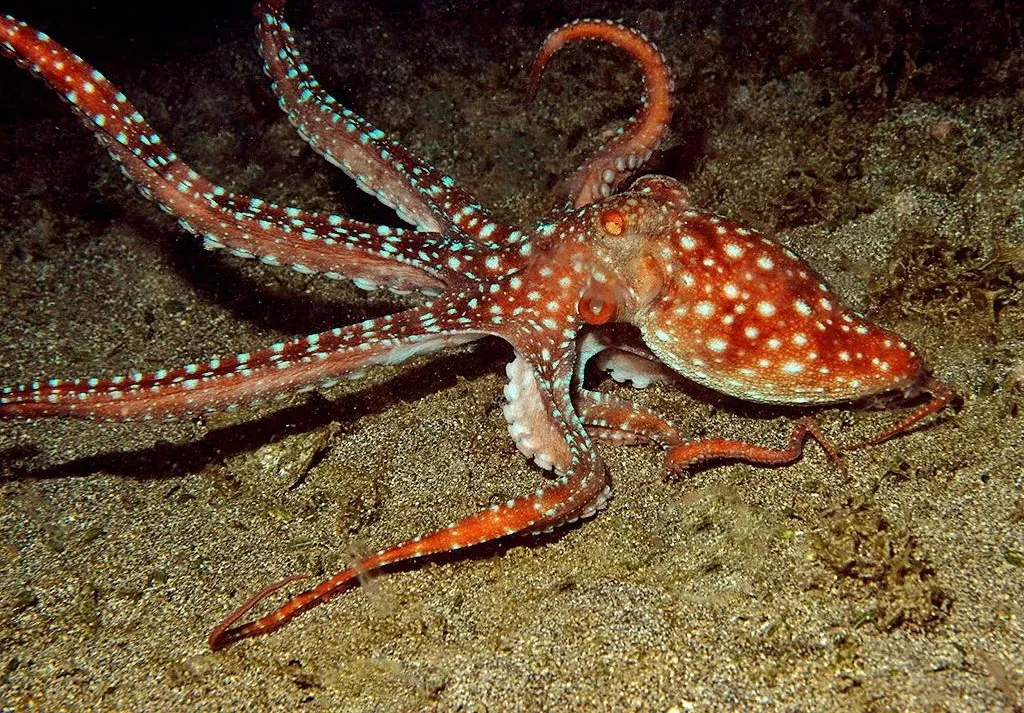
A diverse array of marine species finds habitat among La Xinxa's rock formations and intricate surfaces. Divers commonly encounter octopuses, various labrids, and schools of castanets moving through the water column.
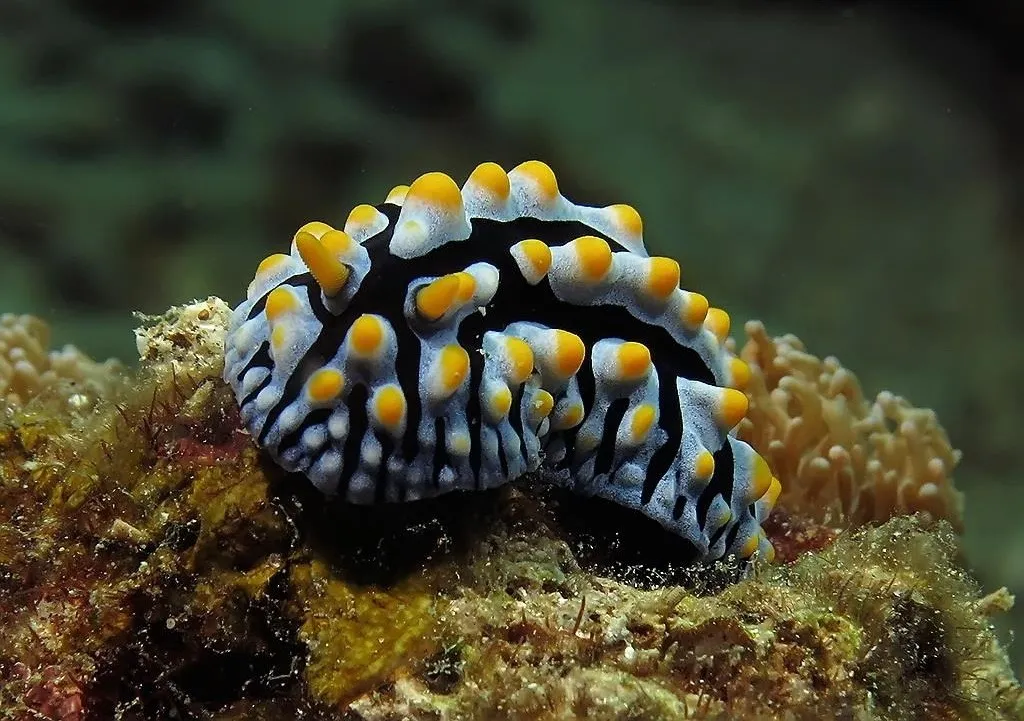
Walls of rock structures are abundantly covered with sponges and different types of corals, creating a colorful, textured backdrop. For macro enthusiasts, this site offers considerable rewards, proving a good area to spot an array of nudibranchs.
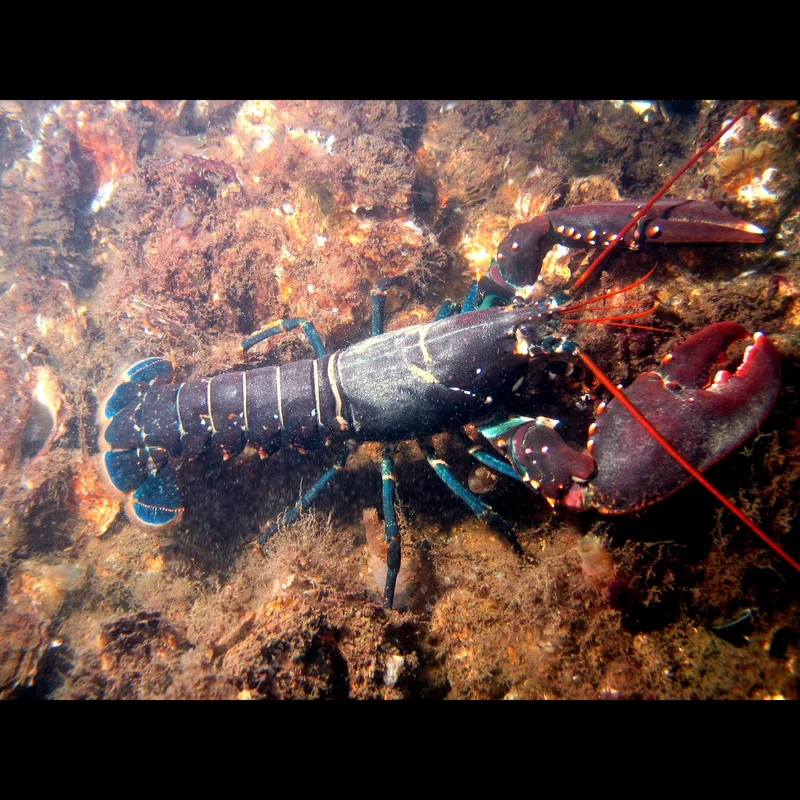
In deeper sections and along the rocky slope to the east, observers may find red coral and other crustaceans, such as lobsters.

Dive Sites Near La Xinxa
View all dive sites in SpainDiscover more underwater gems in this area.
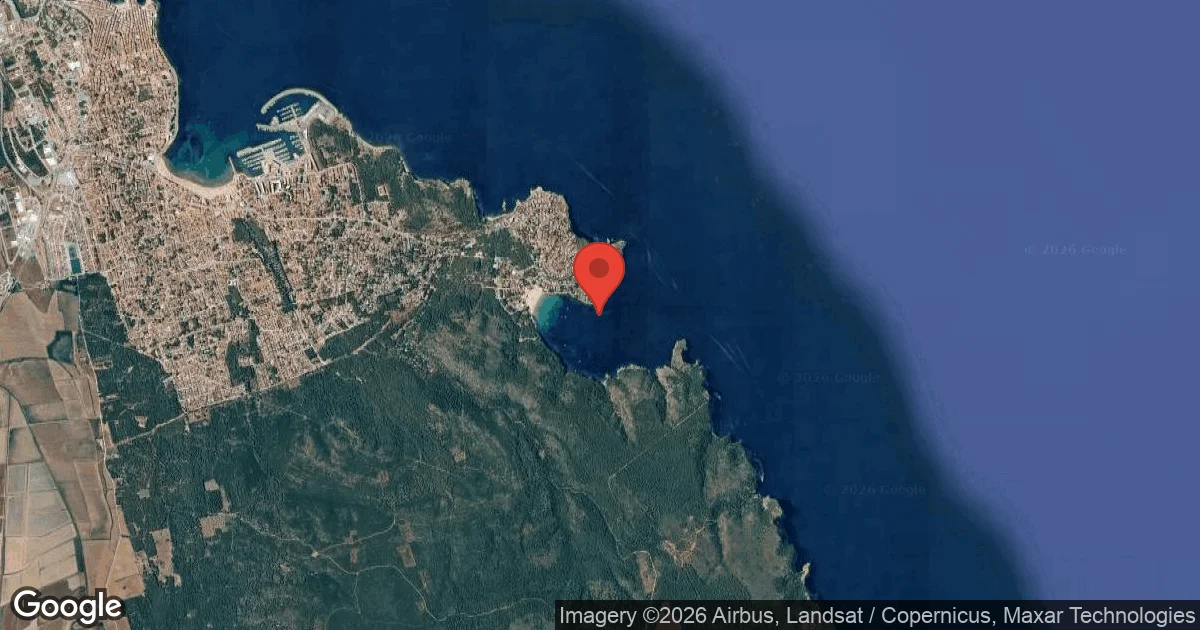
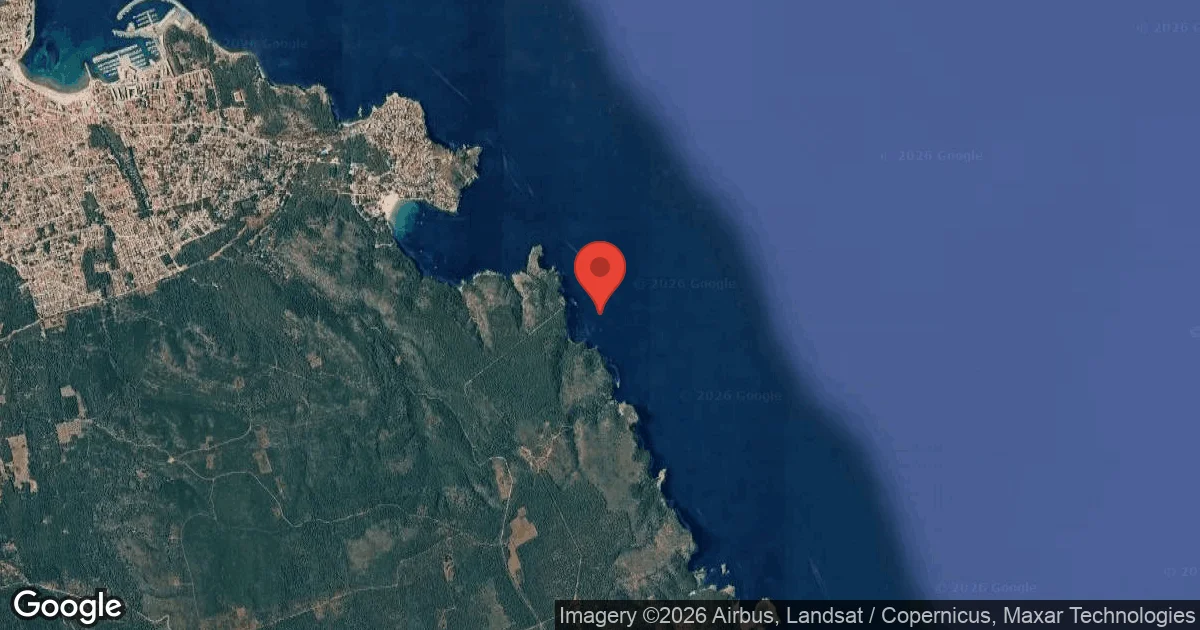
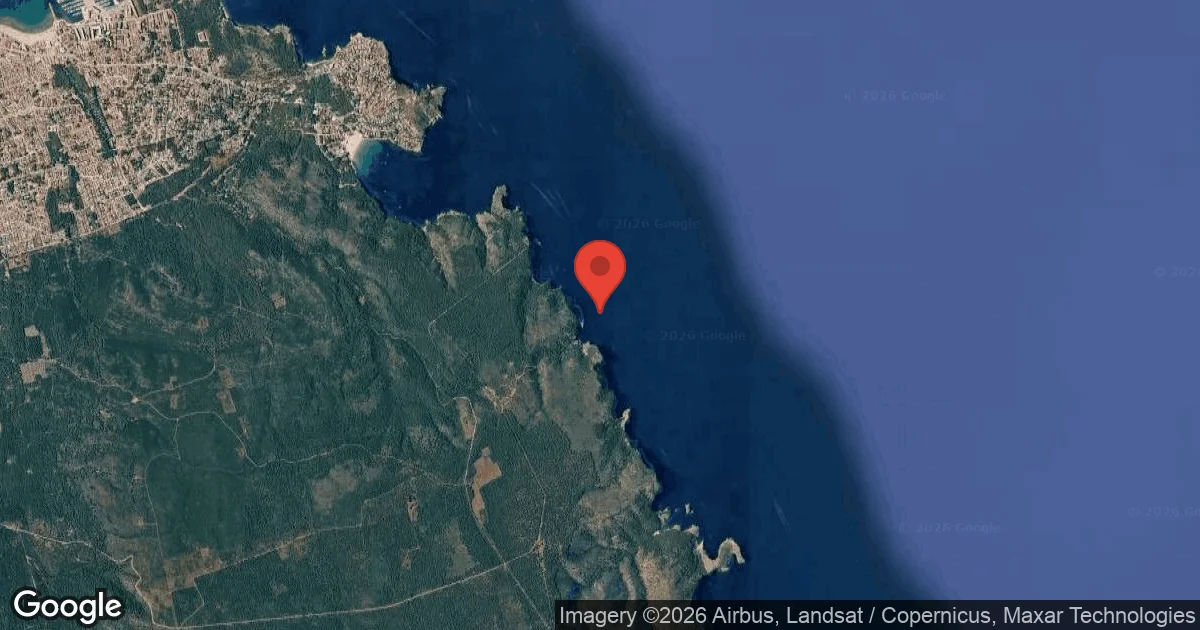
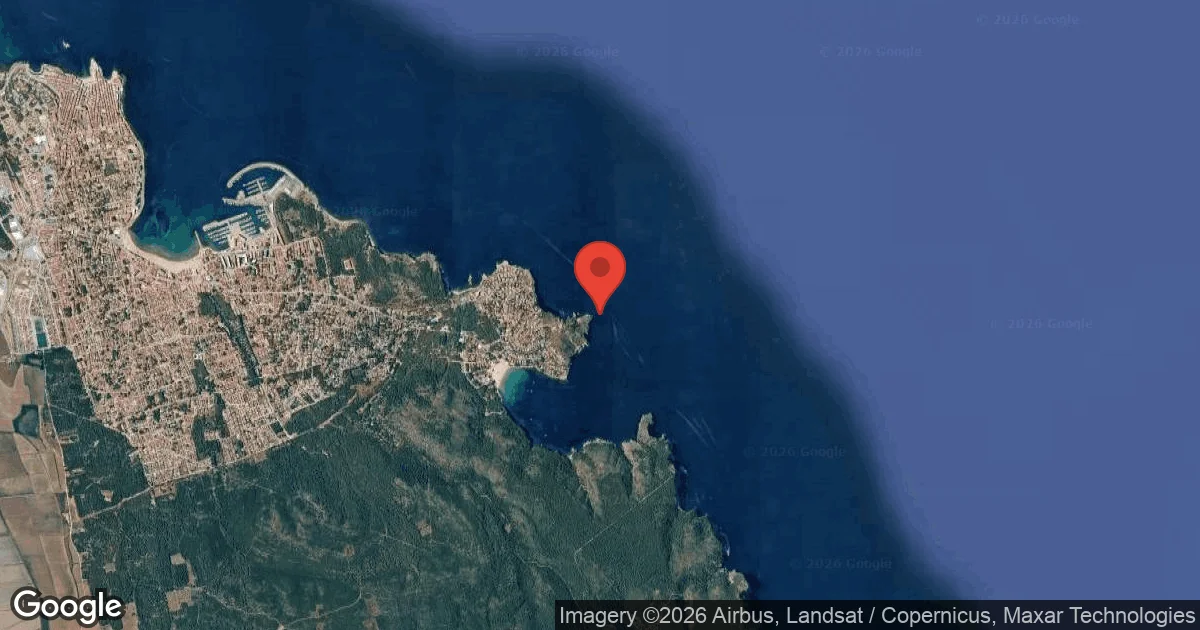
Dive Centers Near La Xinxa
Today: 08:00 - 18:00

Nearest Airports
Nearest airports to help plan travel to this dive area.
Search Flights
Check available flights and routes on Expedia, using the nearby airports listed in this section.
Search Flights on ExpediaFrequently Asked Questions
What is the typical depth range for diving at La Xinxa?
La Xinxa generally offers a dive profile ranging from 8 meters (26 ft) to 20 meters (66 ft) in depth. Some rocky platforms are found at 10-12 meters, with a deeper shelf descending to 18 meters.
Are there any tunnels at La Xinxa?
Yes, there is a small, coral-lined tunnel, approximately 4 meters long, found at about 9 meters (30 ft) deep. It is generally suitable for diver passage.
What kind of marine life can I expect to see?
You can anticipate seeing octopuses, labrids, and castanets. The site is also rich in macro life, with abundant nudibranchs, sponges, and corals covering the rock walls and inside the tunnel.
Is La Xinxa suitable for beginner divers?
With a maximum depth of 20 meters (66 ft) and a generally navigable layout, the site is suitable for Open Water certified divers. Good buoyancy control is recommended, especially for navigating the tunnel.
When is the best time of year to dive La Xinxa?
The months between May and October typically offer the best diving experience. This period brings warmer air temperatures, reduced rainfall, and calmer surface conditions, enhancing overall comfort and enjoyment.
Do I need a dive light for this site?
While not strictly required for the entire dive, an underwater light is highly recommended. It will enhance your view of the corals within the tunnel and help illuminate smaller macro life along the rock faces.
Planning to dive La Xinxa?
Send one inquiry and receive offers directly from the best verified local dive operators.
Conditions are Excellent
07:00 - 14:00
Optimal conditions expected
Current conditions near La Xinxa show 21° air, 24° sea temperature, 0.4 m waves, and 21 km/h wind. Forecast data is refreshed regularly to ensure accuracy.