
Diving at Puig de la Sardina (Spain)
For divers seeking an immersive experience beyond typical island walls, Puig de la Sardina presents a distinctive challenge. A free-standing seamount, it rises from depths exceeding 40 m / 130 ft, serving as the Montgrí coast's premier deep dive. Its isolation in open water draws pelagic species, setting the site apart. Advanced Open Water certification is the practical minimum for exploring its rich gorgonian formations.
Evening condition tracking at Puig de la Sardina features an air temperature of 19.5°C. We have recorded wave heights measuring 0.4 m during this period. These figures outline the environmental parameters currently present.
Dive Site Location & Key Facts
Dive Site Overview
Rising from the Mediterranean seabed, Puig de la Sardina comprises three distinct peaks; a mooring buoy typically marks a saddle between two of them, found around 21 m / 70 ft. Descending, divers can spiral along the rock formations.
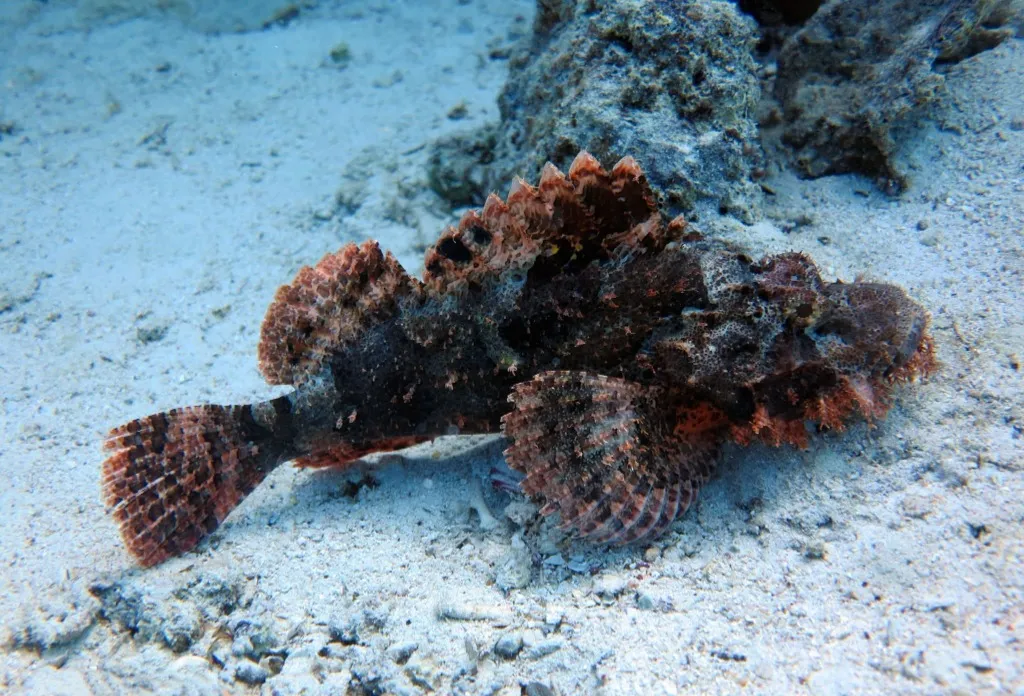
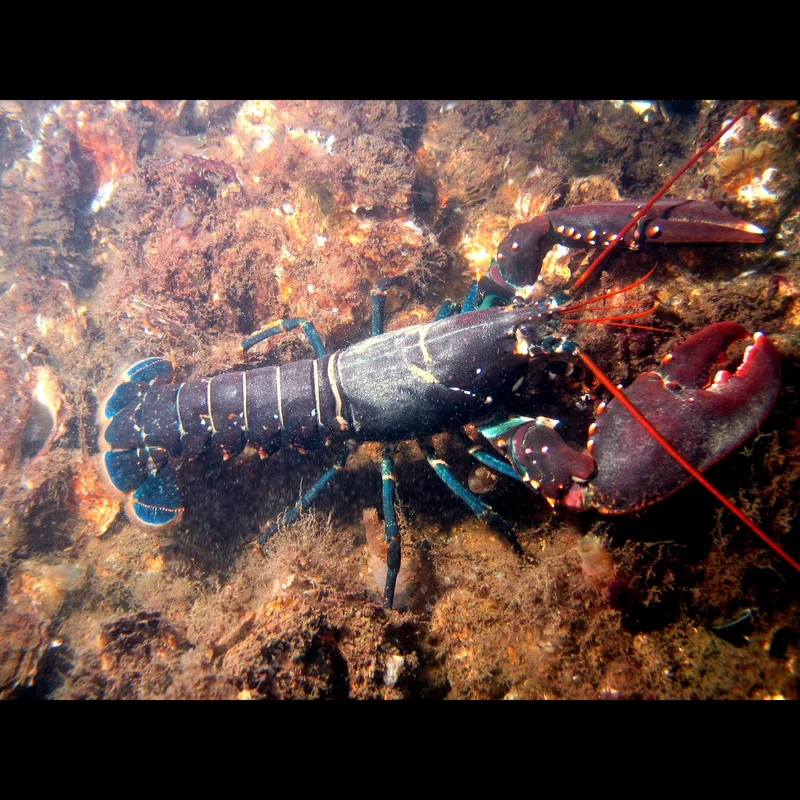
East-facing walls reveal some of the Costa Brava's most concentrated gorgonian fields. Vibrant red and yellow fans create dense, colorful tapestries, particularly striking when illuminated. At ranges commonly between 25 and 35 meters, crevices shelter various macro life, including lobsters and large scorpionfish.
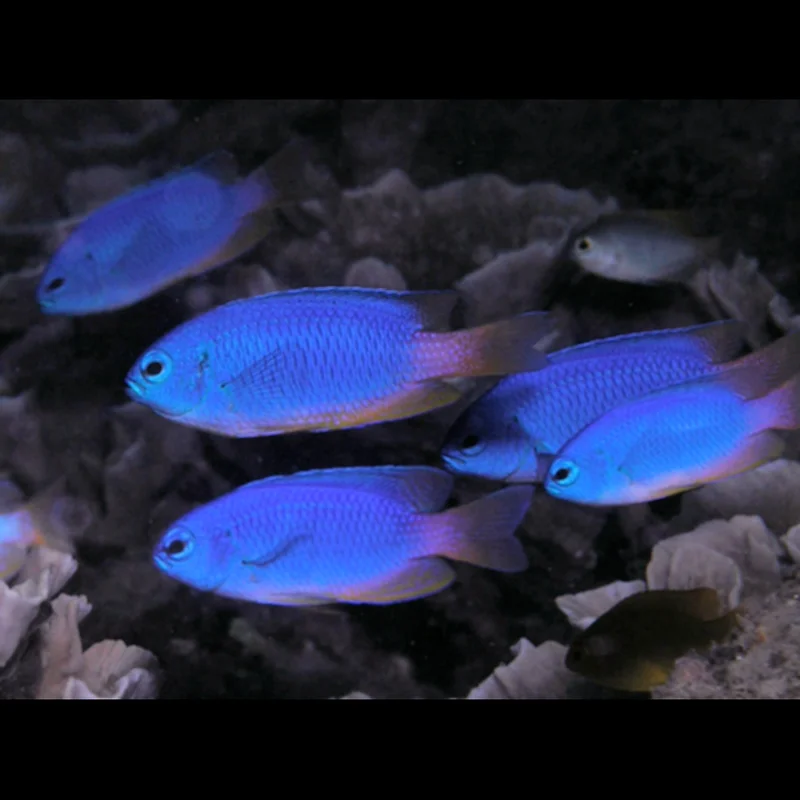
Open water column between the towering peaks buzzes with activity; schools of damselfish and anthias drift, while sea bream navigate currents. A typical dive profile involves exploring these deeper sections before ascending along a peak wall.
Dives often culminate in a safety stop near the shallowest summit, overlooking the expansive Mediterranean blue. Primary attractions are well within the mid-30s of meters, though maximum depths extend significantly.
Conditions are Excellent
07:00 - 14:00
Optimal conditions expected
Current conditions near Puig de la Sardina show 20° air, 26° sea temperature, 0.5 m waves, and 23 km/h wind. Forecast data is refreshed regularly to ensure accuracy.
Best Time to Dive
May through September consistently offers the best conditions for diving Puig de la Sardina, marked by high dive scores. This period sees average air temperatures ranging from 18°C to 26°C (64-78°F), enhancing comfort. Wave heights are typically lower, averaging 0.6 to 0.9 meters (2-3 feet), and rainfall is minimal, usually below 2 millimeters (0.08 inches) per month, contributing to calmer seas and better visibility. Barracuda sightings are most frequent between June and October, with peak schooling activity in July and August. While diving is possible year-round, with good conditions extending into the shoulder seasons, winter months see average air temperatures drop to 10-13°C (49-55°F) and slightly higher wave activity, averaging 1.1 to 1.4 meters (3.6-4.6 feet). Water temperatures typically range from 13°C to 24°C (55-75°F) across the year, necessitating appropriate thermal protection.
PEAK SEASON SCORE
Scores combine air & water temps, waves, wind & rainfall for overall conditions.
BEST MONTHS TO DIVE
Monthly records compiled from satellite and marine observation nodes over the last 3 years. Data provided by Open-Meteo and MET Norway.
Dive Experience & Conditions
Divers encounter a range of underwater conditions at Puig de la Sardina. Visibility generally spans 10 to 25 meters (33-82 feet), varying with weather and seasonal factors. Water temperatures fluctuate from 13°C (55°F) in cooler months to 24°C (75°F) during summer. Current strength is not consistently reported and can vary, requiring divers to remain aware and prepared for potential drift. Its depth profile and structure make the site challenging. Advanced Open Water (AOW) is the minimum recommended certification, largely due to the typical dive range, which frequently extends into the 20s and 30s of meters, and the walls' rapid descent beyond 40 meters. Good depth awareness and gas management are crucial. Excellent buoyancy control is essential, particularly when navigating near delicate gorgonian formations. Nitrox (EAN32) is often recommended to maximize no-decompression limits at these prevalent dive depths.
Dive Difficulty & Safety Guidelines
A primary concern for divers at Puig de la Sardina is depth creep. Seamount walls descend rapidly, offering no shallow shelf to halt an accidental descent, making precise depth planning before the dive essential. To protect the fragile marine ecosystem, maintaining a distance of 1 to 2 meters (3-6 feet) from the walls is critical.
Gorgonians grow slowly; inadvertent contact from fins or equipment can inflict damage that takes decades to recover. All divers exploring this site must possess a valid permit from the Parc Natural del Montgrí, les Illes Medes i el Baix Ter, costing 5.15€ per person.
This regulation supports conservation efforts within the protected area. Buoyancy discipline isn't just about safety; it's a direct contribution to preserving the site's rich biodiversity.
Recommended Equipment
- Dive Computer
This gear list is based on verified equipment signals for Puig de la Sardina, Spain. Always confirm final gear choices with your dive operator, guide, or liveaboard.
Recommended Dive Suit
Divers planning deeper dives may feel cooler than those staying in shallower areas.
Many divers find that 3mm wetsuit offers a comfortable balance between warmth and mobility. A hood or vest is suggested for sensitive divers due to surface winds. Surface intervals may feel cooler. Environmental models indicate a modest warming trend ahead. A warming trend is expected over the next few days.
Water temperatures across the dive area at Puig de la Sardina are presently estimated to be around 26°C (79°F). Surface air temperatures are resting at 20°C (67°F).
Emergency & Medical Support
Essential information to help you plan your dive trip to Puig de la Sardina.

Hyperbaric chambers are a critical part of dive safety infrastructure. Availability varies significantly by region, and not all dive areas have immediate access.
Before diving, it's recommended to:
- confirm nearest medical facilities
- check emergency procedures with local dive operators
- ensure dive insurance covers evacuation if required
Divers Alert Network
Diving emergency assistance available through DAN Europe.
+39 0642115685- 24/7 emergency hotline
- Diving medical assistance
- Evacuation coordination
Emergency contacts are provided for reference. Always verify local emergency services before diving.
Closest Listed Hyperbaric Chambers
Showing listed hyperbaric chamber facilities within 200 km of this dive site.
Distances are approximate straight-line distances and may not reflect emergency travel time.
Unitat de Medicina Hiperbàrica (UMH)
24/7 ListedPalamos (Girona), Spain•Approx. 26 km straight-line
Unitat de Medicina Hiperbàrica (UMH)
24/7 ListedInformation is provided for reference and planning purposes only. Dive Navigator does not verify operational status, staffing, availability, or quality of care at listed facilities. In an emergency, contact local emergency services, DAN, your dive operator, or the chamber directly. Do not travel to a facility without calling ahead.
UTH-CSI
24/7 ListedICU CapableSant Joan Despí, Spain•Approx. 124 km straight-line
UTH-CSI
24/7 ListedICU CapableInformation is provided for reference and planning purposes only. Dive Navigator does not verify operational status, staffing, availability, or quality of care at listed facilities. In an emergency, contact local emergency services, DAN, your dive operator, or the chamber directly. Do not travel to a facility without calling ahead.
Marine Life at Puig de la Sardina
The distinct topography of Puig de la Sardina fosters a diverse marine ecosystem. Its east-facing walls are particularly noteworthy for their dense, colorful formations of red and yellow gorgonian fans, among the most impressive on the Costa Brava.
Within the numerous cracks and crevices that line the deeper sections, divers often spot elusive lobsters and well-camouflaged large scorpionfish. Being a free-standing seamount, the site attracts open-water species less commonly seen on island wall dives.
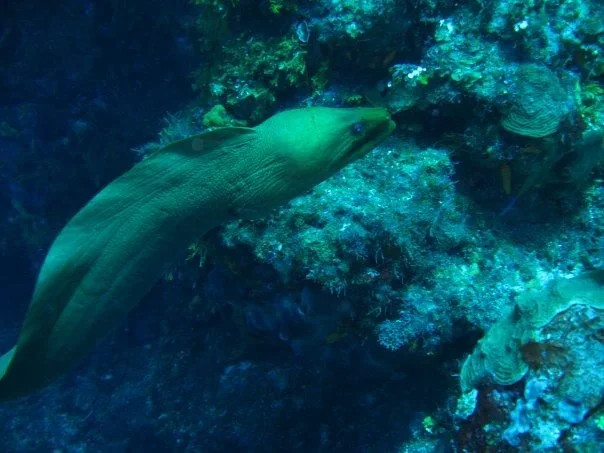
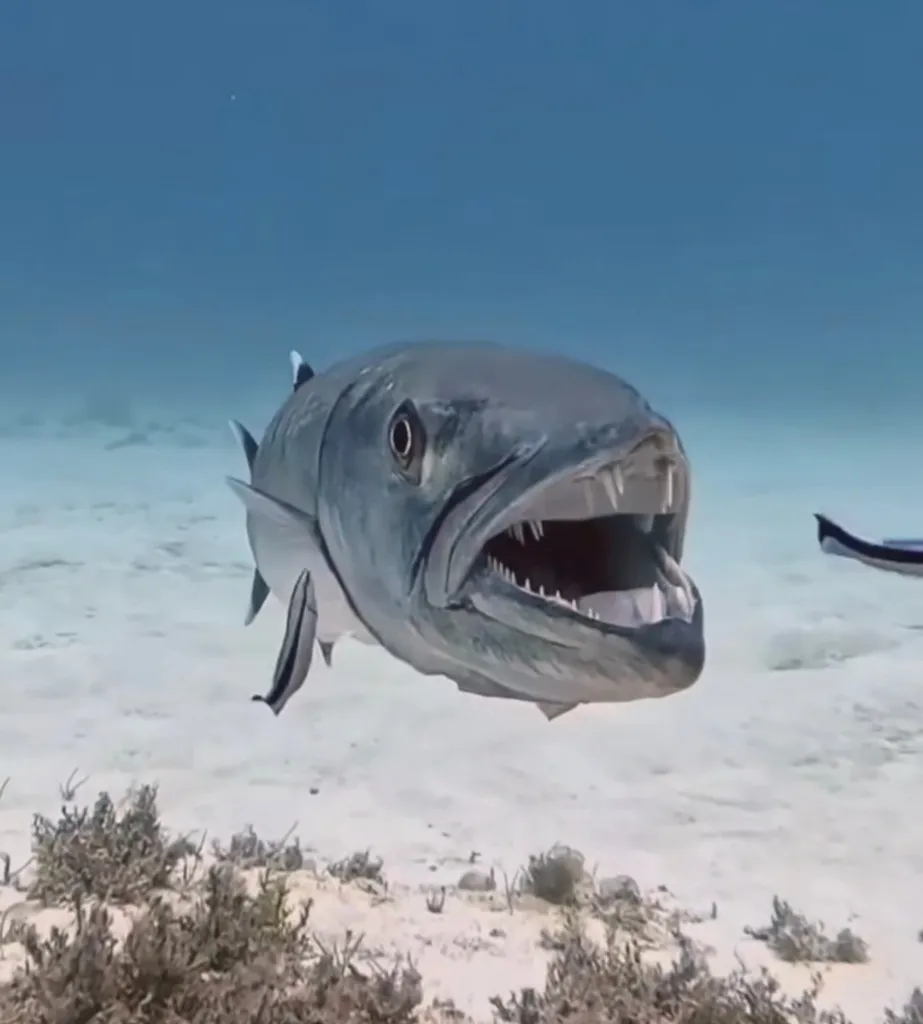
Moray eels are regular inhabitants, while schools of damselfish, anthias, and sea bream populate the water column around the peaks. During the summer months, Mediterranean barracuda form impressive schools, cruising in the open water between and around the seamount's summits.
Dive Sites Near Puig de la Sardina
View all dive sites in SpainDiscover more underwater gems in this area.
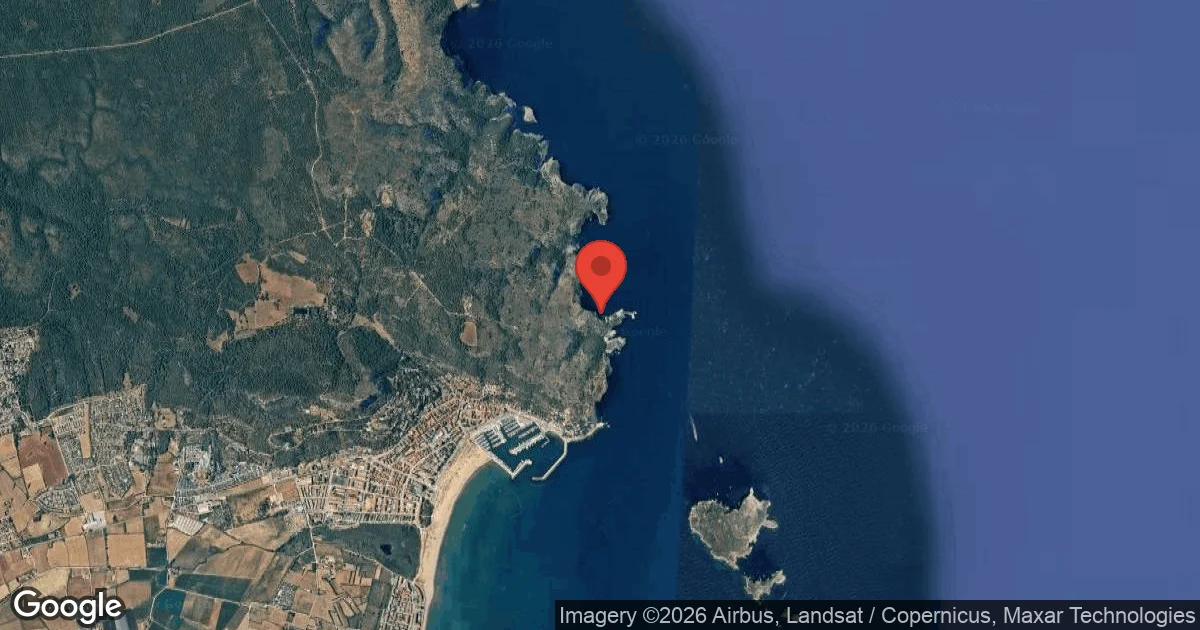
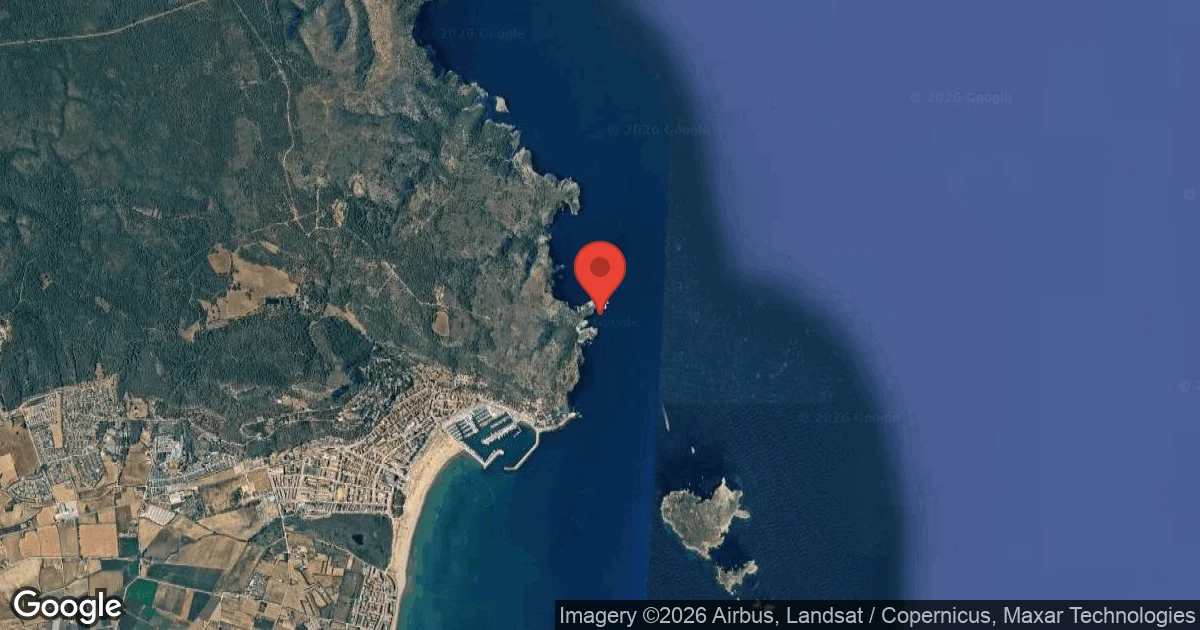
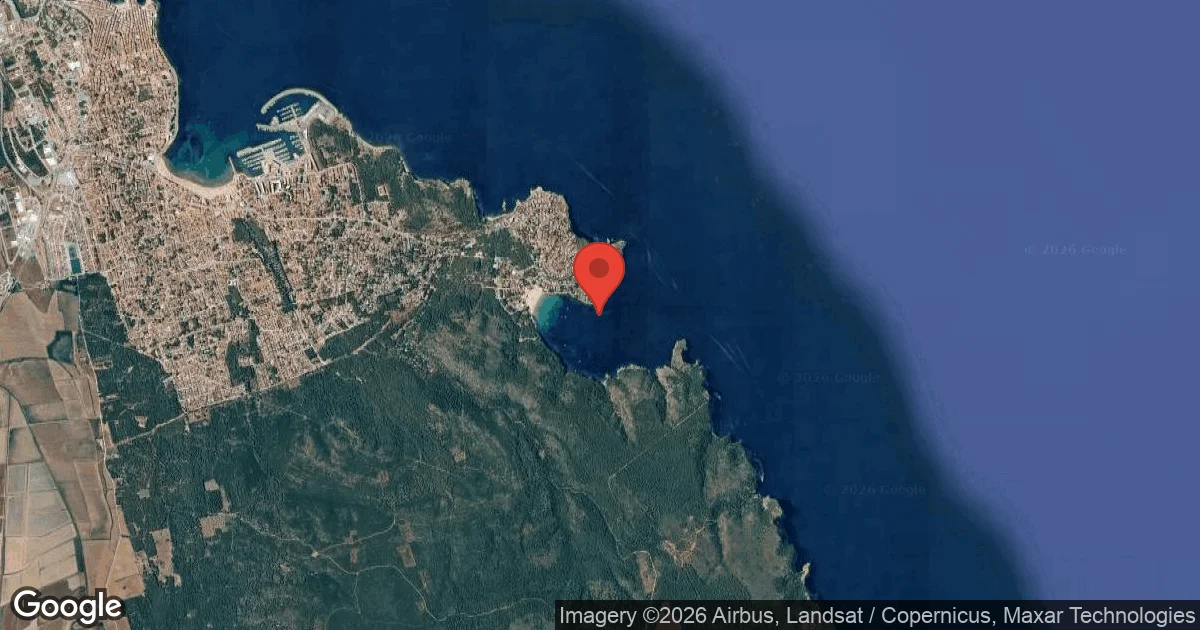
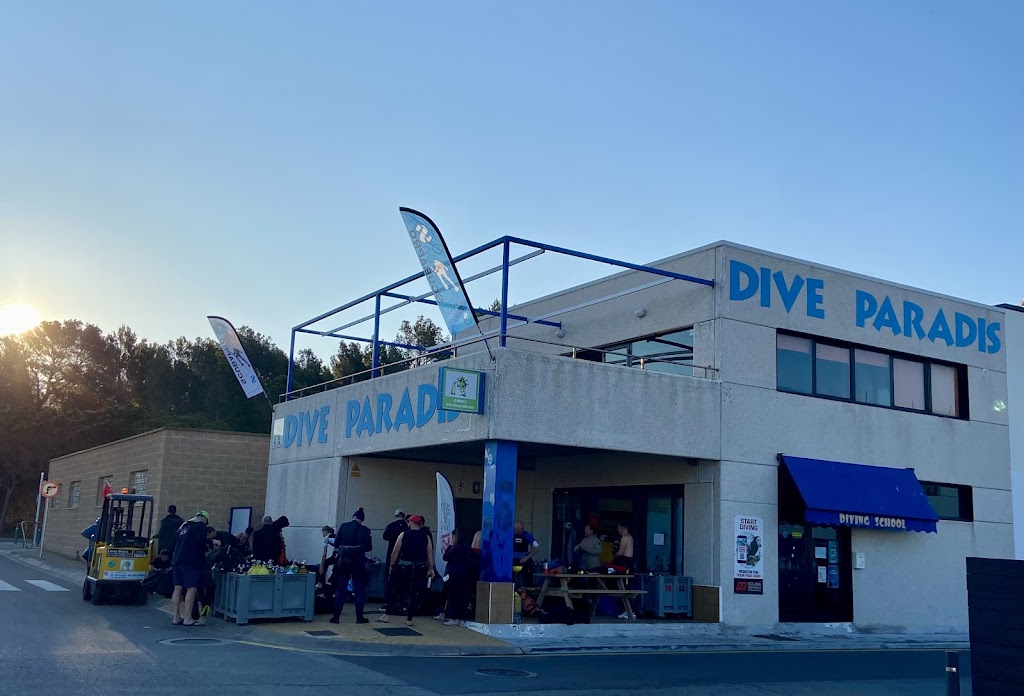
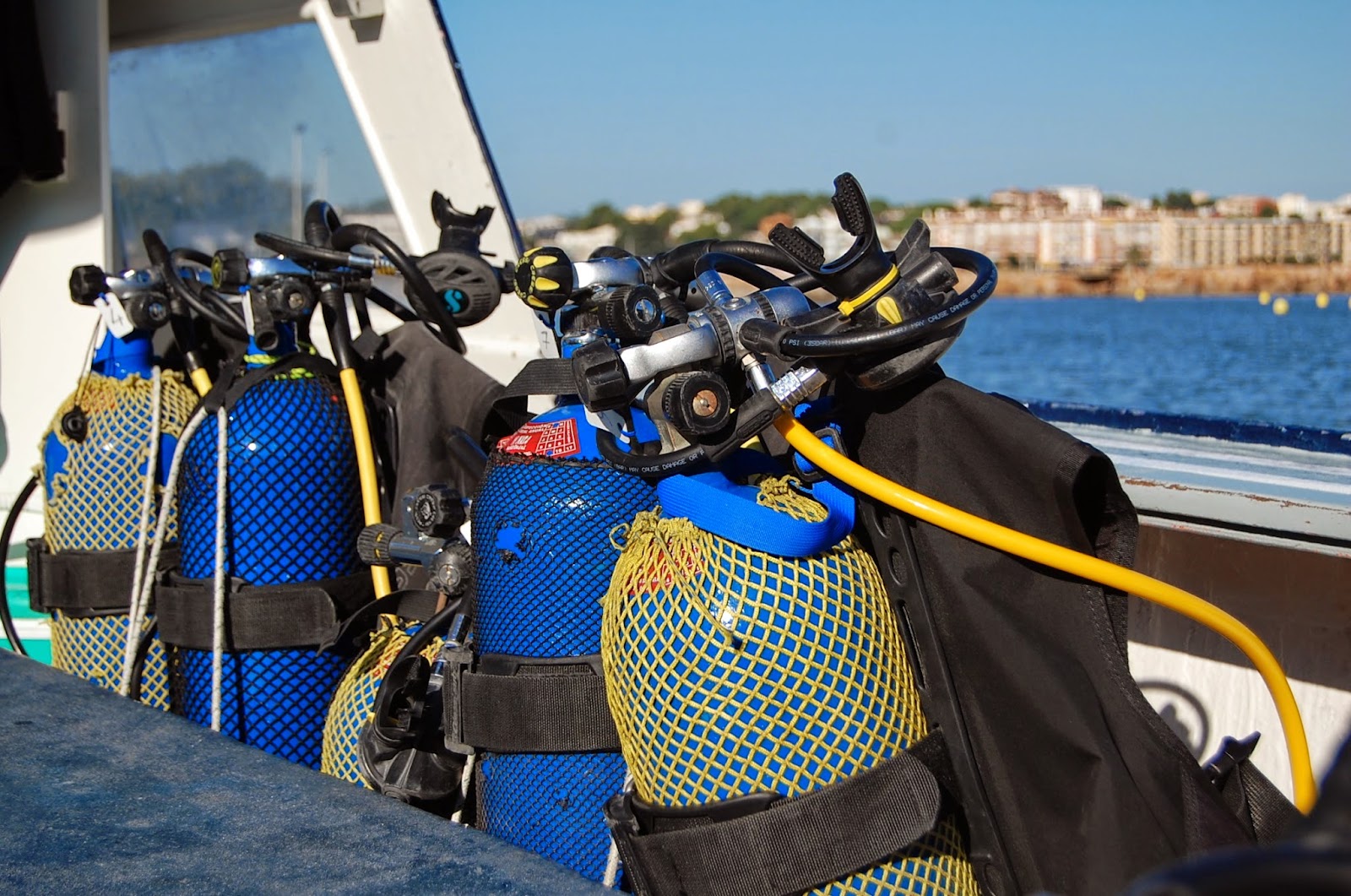
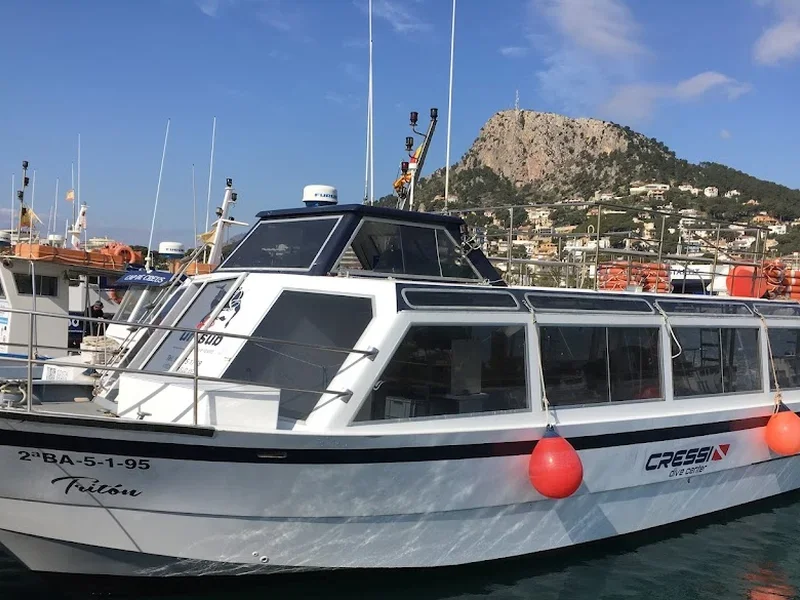
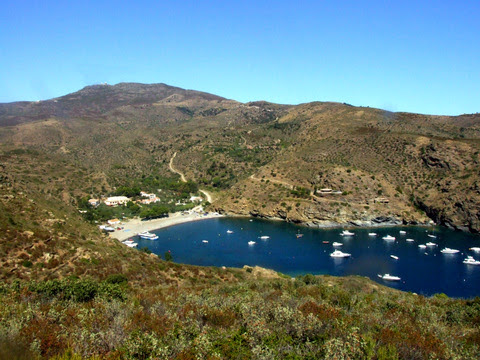
Dive Centers Near Puig de la Sardina

Today: 08:00 - 18:00
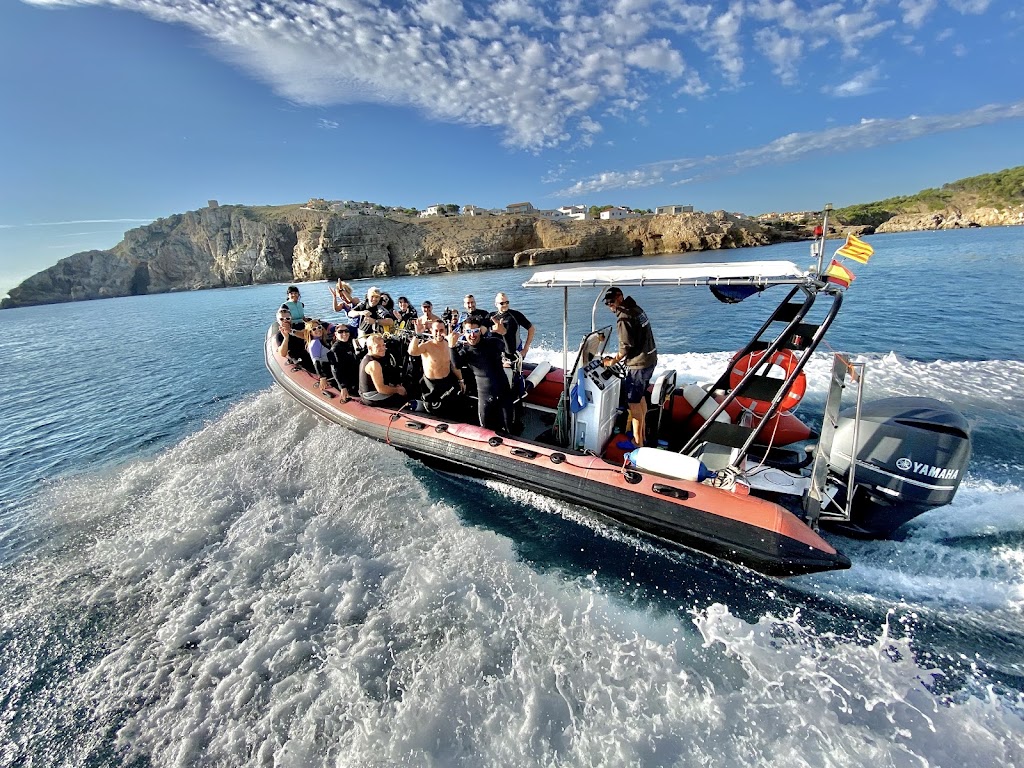
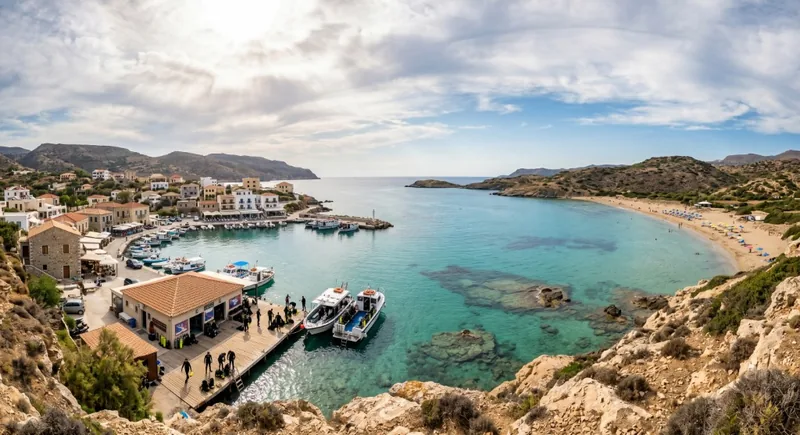
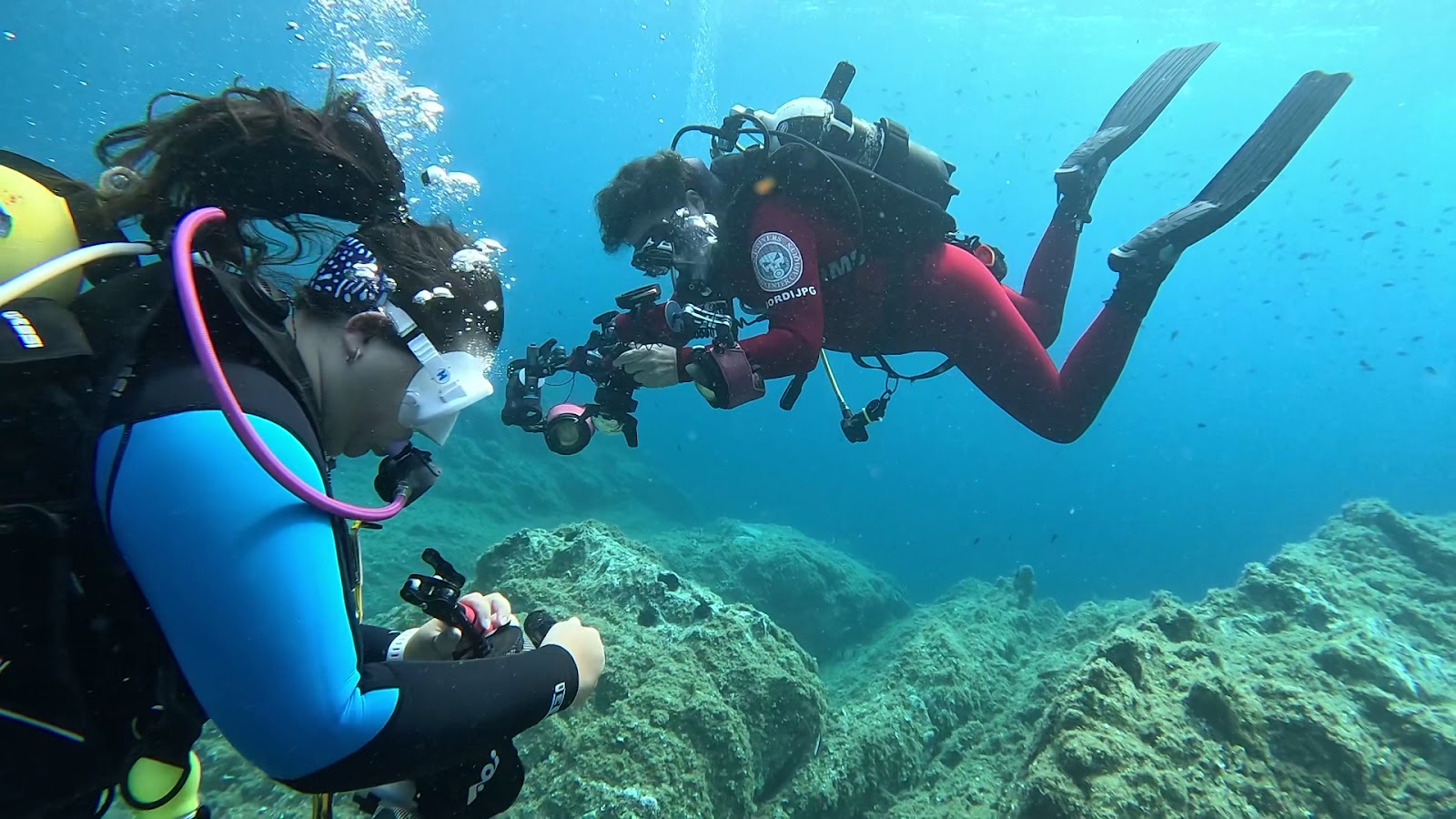
Nearest Airports
Nearest airports to help plan travel to this dive area.
Search Flights
Check available flights and routes on Expedia, using the nearby airports listed in this section.
Search Flights on ExpediaFrequently Asked Questions
What certification is required to dive Puig de la Sardina?
Advanced Open Water (AOW) or an equivalent certification is the practical minimum. The dive profile, with a mooring buoy found at about 21 meters and gorgonian walls extending significantly deeper, makes AOW the sensible choice for managing depth and gas.
When is the best time to see barracuda at this site?
Mediterranean barracuda school around the peaks primarily between June and October. Peak sightings occur in July and August, so divers should look for them in the open water away from the walls during this period.
Is a dive torch necessary for Puig de la Sardina?
Yes, a dive torch is highly recommended. It helps illuminate lobsters in deeper crevices and reveals the natural, vibrant colors of the gorgonians, which would otherwise appear muted blue-grey under ambient light at typical dive depths, often in the 20 to 30-meter range.
How do the gorgonian walls here compare to the Medes Islands?
The gorgonian coverage at Puig de la Sardina ranks among the best on the Costa Brava, comparable to the Medes Islands sites. The key difference lies in its seamount setting, which increases the likelihood of encountering pelagic species, unlike the island wall dives.
How deep do you need to go to see the gorgonians?
The gorgonian walls typically start around 20 meters on the east-facing sides of the peaks and extend deeper. Diving to 30 or 35 meters is sufficient to experience the full spectacle of these formations, as going beyond 40 meters adds risk without significant additional reward.
Is Puig de la Sardina part of the Medes Islands?
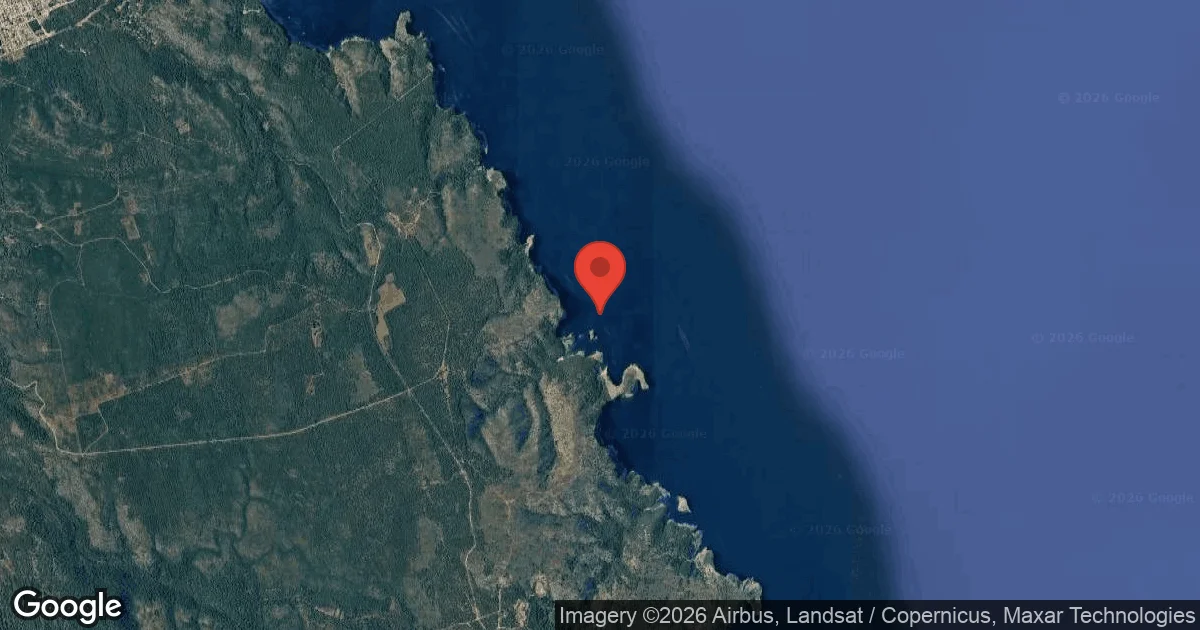
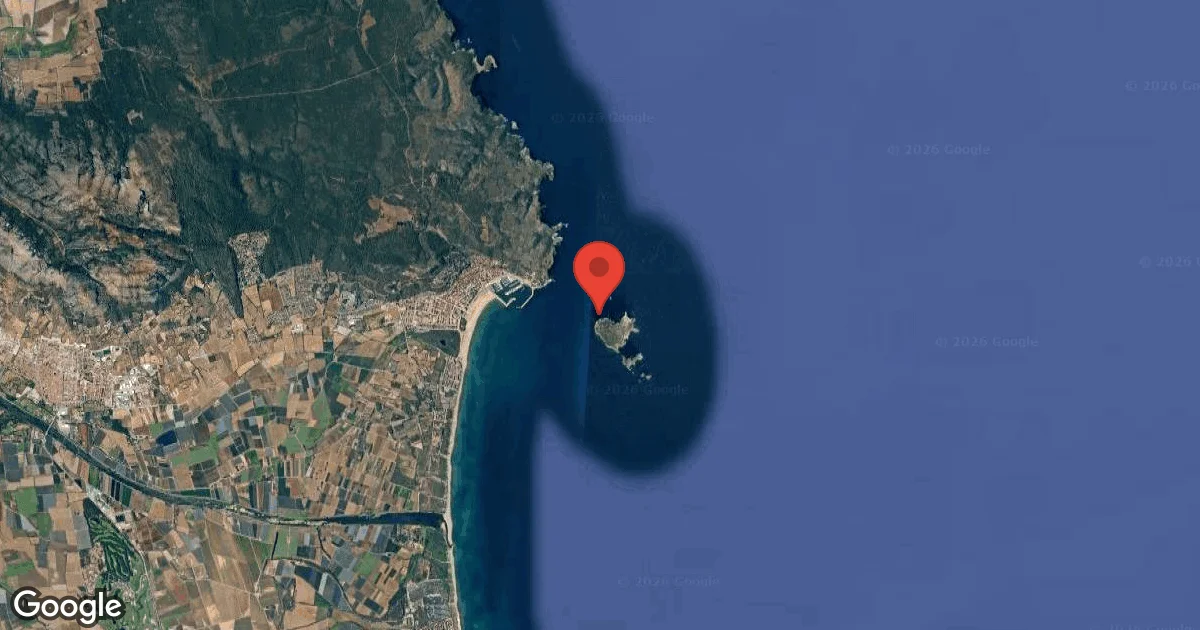
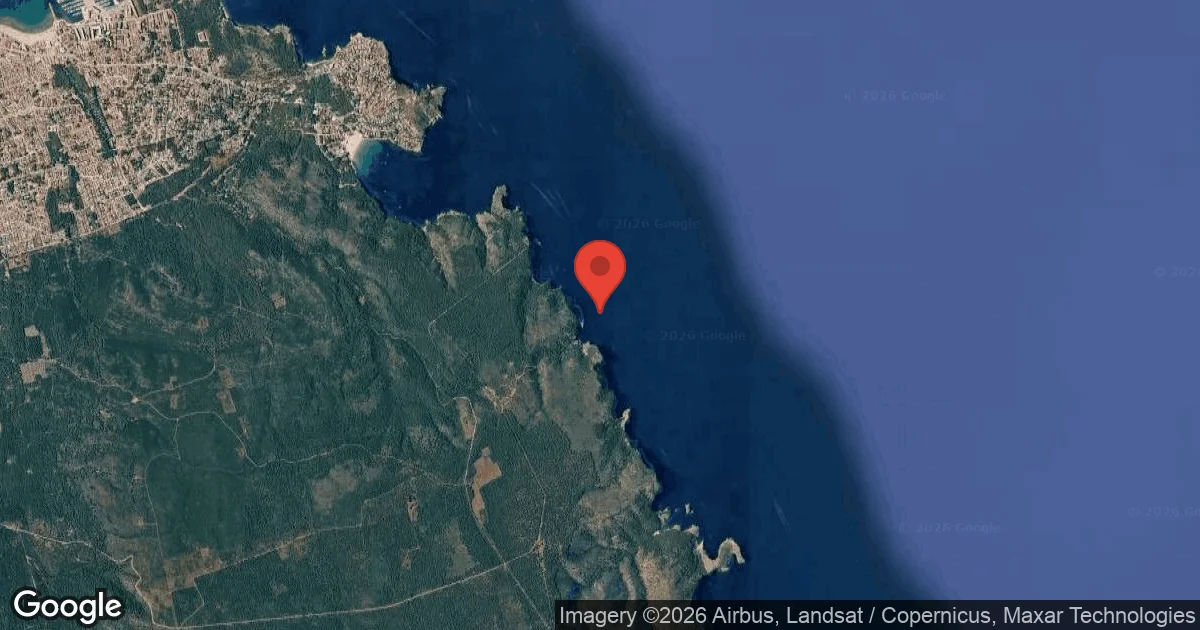
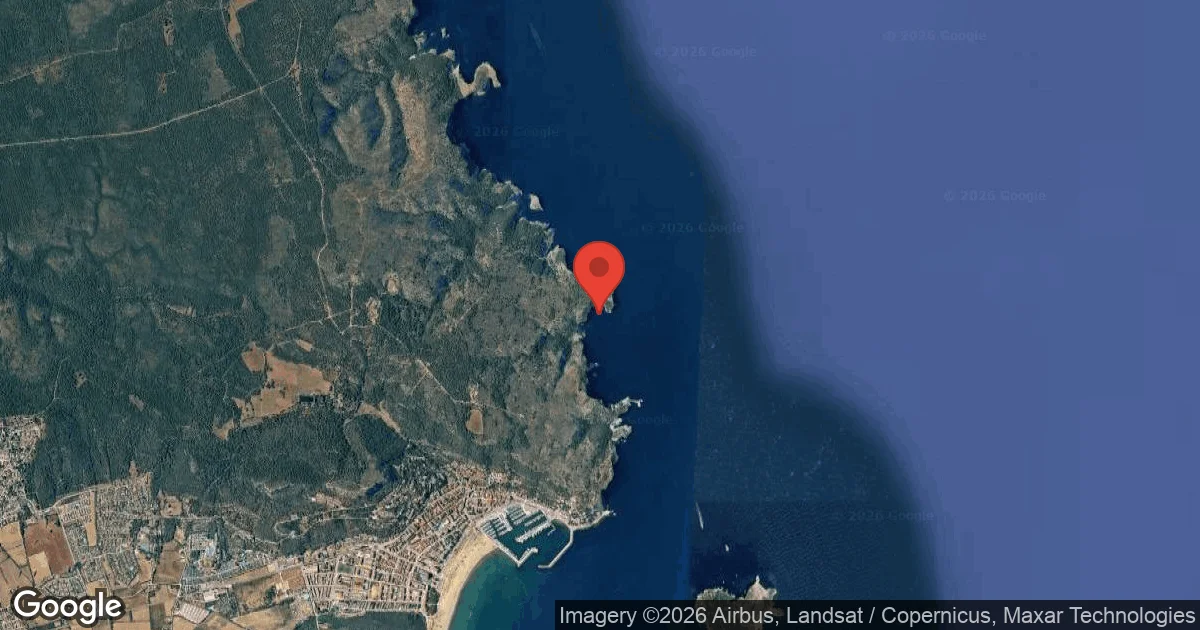
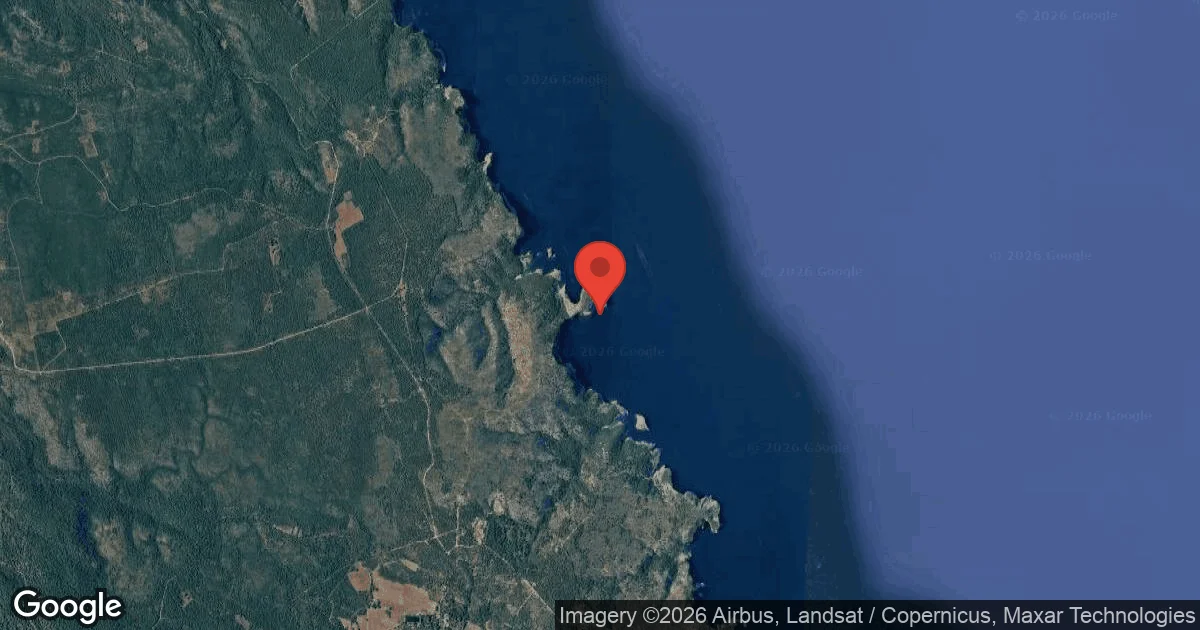
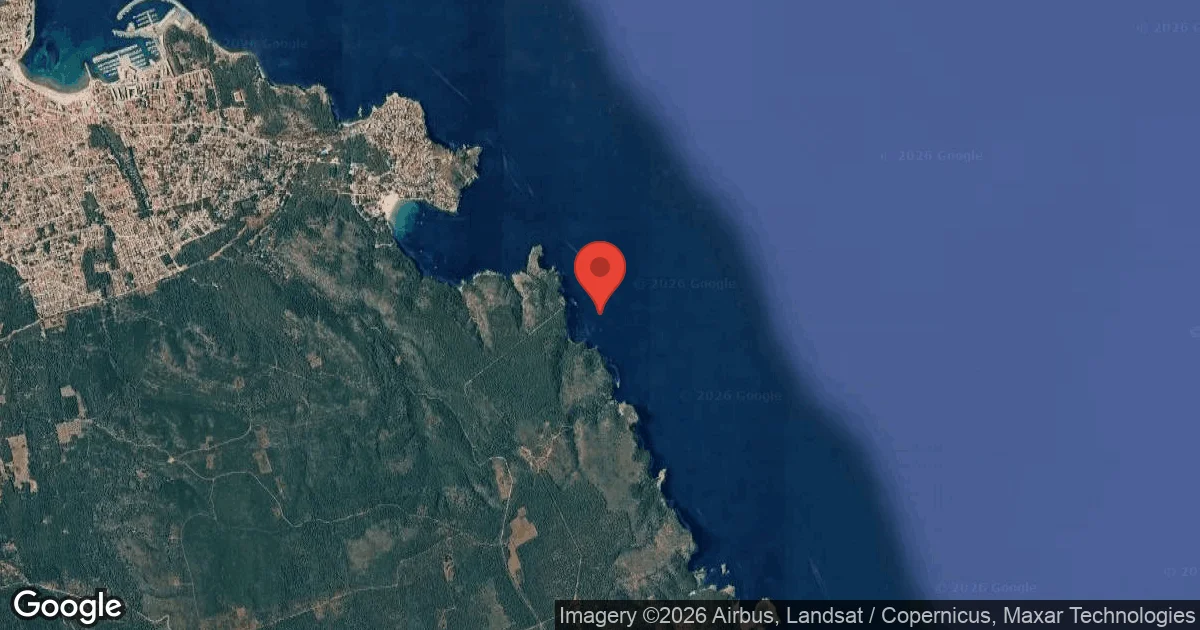
No, it is not. Puig de la Sardina is an isolated underwater mountain about 100-200 m / 330-650 ft from the Montgrí mainland coast. It sits within the same natural park but is distinct from the Medes Islands reserve.
What is the main safety concern at Puig de la Sardina?
The primary safety concern is depth creep. The seamount walls drop rapidly to significant depths, meaning there isn't a natural shelf to arrest a distracted descent. Divers must plan and adhere strictly to their maximum depth before entering the water.
Planning to dive Puig de la Sardina?
Send one inquiry and receive offers directly from the best verified local dive operators.
Conditions are Excellent
07:00 - 14:00
Optimal conditions expected
Current conditions near Puig de la Sardina show 20° air, 26° sea temperature, 0.5 m waves, and 23 km/h wind. Forecast data is refreshed regularly to ensure accuracy.