
Diving at Baix de Cols (Spain)
For divers seeking a vibrant yet manageable underwater exploration along Spain's Costa Brava, Baix de Cols offers a compelling experience. This site draws you into a world defined by its distinct pinnacles and a captivating wall, where marine life finds abundant refuge. Imagine swimming through a miniature tunnel, then spotting hidden lobsters or an elusive octopus in a crevice. It’s an ideal setting for encountering a diverse array of Mediterranean species in a memorable environment.
Evening condition tracking at Baix de Cols features an air temperature of 26°C. We have recorded wave heights measuring 0.8 m during this period. These figures outline the environmental parameters currently present.
Dive Site Location & Key Facts
Dive Site Overview
At Baix de Cols, the underwater topography is primarily defined by a dramatic wall and two prominent pinnacles. Opposite the tip of the Basseta, a submerged rock reaches within 1 meter (3 ft) of the surface, providing a clear navigational reference.
One large pinnacle descends from the surface to depths of 20-22 meters (66-72 ft). Its smaller counterpart begins shallow, around 1-2 meters, extending to about 18 meters. Divers can explore the main cliff, dropping vertically to approximately 15 meters.
From there, a small, roughly 10-meter-long tunnel offers an engaging swim-through experience. Beyond the wall, a sandy bottom corridor, about 15 meters wide, invites further exploration.
These varied geological features create numerous hiding spots for marine life and intricate paths for divers to follow. The site's complex layout ensures a dynamic and rewarding dive, blending vertical drops with shallower reef sections.
Conditions are Excellent
07:00 - 14:00
Optimal conditions expected
Current conditions near Baix de Cols show 26° air, 24° sea temperature, 0.4 m waves, and 14 km/h wind. Forecast data is refreshed regularly to ensure accuracy.
Best Time to Dive
Planning a dive trip to Baix de Cols means considering the seasonal shifts in the Mediterranean. May through October generally provide the most favorable conditions, with average air temperatures ranging from 18°C (64°F) in May to 26°C (79°F) in July and August. During these months, wave heights tend to be lower, and wind speeds are less impactful, contributing to a more comfortable boat journey and underwater experience. Although dive scores remain 'Good' (7-8) year-round, the warmer air and calmer seas of late spring to early autumn enhance the overall experience. Rainfall is consistently low across all months, so it rarely dictates dive planning. Water temperature specifics aren't consistently reported, but generally mirror air temperature trends, peaking in late summer.
PEAK SEASON SCORE
Scores combine air & water temps, waves, wind & rainfall for overall conditions.
BEST MONTHS TO DIVE
Monthly records compiled from satellite and marine observation nodes over the last 3 years. Data provided by Open-Meteo and MET Norway.
Dive Experience & Conditions
Descending into Baix de Cols, divers will quickly notice the intricate vertical structures of the wall and pinnacles. Buoyancy control becomes paramount, especially when navigating close to the wall, to protect the delicate white gorgonians that grow from its surface. Visibility typically varies with local conditions and recent weather patterns but can be quite clear around these rock formations. Current strength isn't consistently reported, but a boat dive here often implies managing some degree of water movement. While specific water temperatures are not documented in available data, divers should expect typical Mediterranean temperatures that cool in winter and warm significantly by late summer.
Dive Difficulty & Safety Guidelines
Navigating Baix de Cols requires careful attention to buoyancy control to safeguard the vibrant gorgonian corals covering the wall. Divers exploring the site's small tunnel should be comfortable in enclosed spaces and carry a dive light to illuminate internal features. Maintaining situational awareness around the pinnacles is key, particularly if navigating through multiple groups.
While local hazards aren't specifically documented, always adhere to standard safe diving practices, including proper air management and ascending slowly. Groupers, although often described as friendly, should be observed from a respectful distance to avoid any misunderstandings.
Recommended Equipment
- Dive Computer
This gear list is based on verified equipment signals for Baix de Cols, Spain. Always confirm final gear choices with your dive operator, guide, or liveaboard.
Recommended Dive Suit
With water temperatures around 24°C (76°F), many divers find a 3mm wetsuit provides comfortable protection.
Local conditions can vary slightly across different parts of the same dive site.
Conditions are expected to stay fairly consistent in the days ahead.
Due to technical issues with our weather providers, data hasn't been fetched for over 48 hours. The data above reflects the conditions at the time of the last successful fetch.
Emergency & Medical Support
Essential information to help you plan your dive trip to Baix de Cols.

Hyperbaric chambers are a critical part of dive safety infrastructure. Availability varies significantly by region, and not all dive areas have immediate access.
Before diving, it's recommended to:
- confirm nearest medical facilities
- check emergency procedures with local dive operators
- ensure dive insurance covers evacuation if required
Divers Alert Network
Diving emergency assistance available through DAN Europe.
+39 0642115685- 24/7 emergency hotline
- Diving medical assistance
- Evacuation coordination
Emergency contacts are provided for reference. Always verify local emergency services before diving.
Closest Listed Hyperbaric Chambers
Showing listed hyperbaric chamber facilities within 200 km of this dive site.
Distances are approximate straight-line distances and may not reflect emergency travel time.
Unitat de Medicina Hiperbàrica (UMH)
24/7 ListedPalamos (Girona), Spain•Approx. 28 km straight-line
Unitat de Medicina Hiperbàrica (UMH)
24/7 ListedInformation is provided for reference and planning purposes only. Dive Navigator does not verify operational status, staffing, availability, or quality of care at listed facilities. In an emergency, contact local emergency services, DAN, your dive operator, or the chamber directly. Do not travel to a facility without calling ahead.
UTH-CSI
24/7 ListedICU CapableSant Joan Despí, Spain•Approx. 124 km straight-line
UTH-CSI
24/7 ListedICU CapableInformation is provided for reference and planning purposes only. Dive Navigator does not verify operational status, staffing, availability, or quality of care at listed facilities. In an emergency, contact local emergency services, DAN, your dive operator, or the chamber directly. Do not travel to a facility without calling ahead.
Marine Life at Baix de Cols
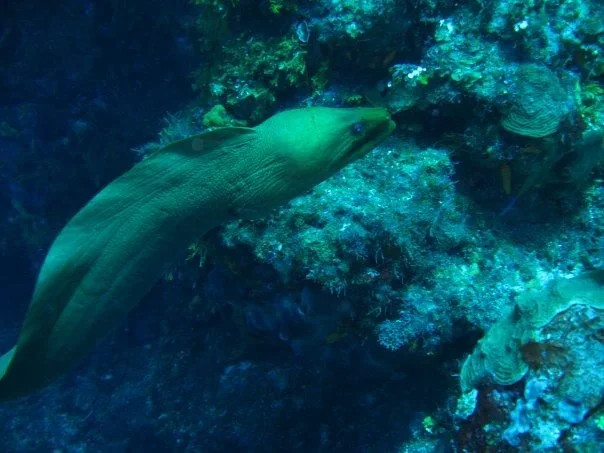
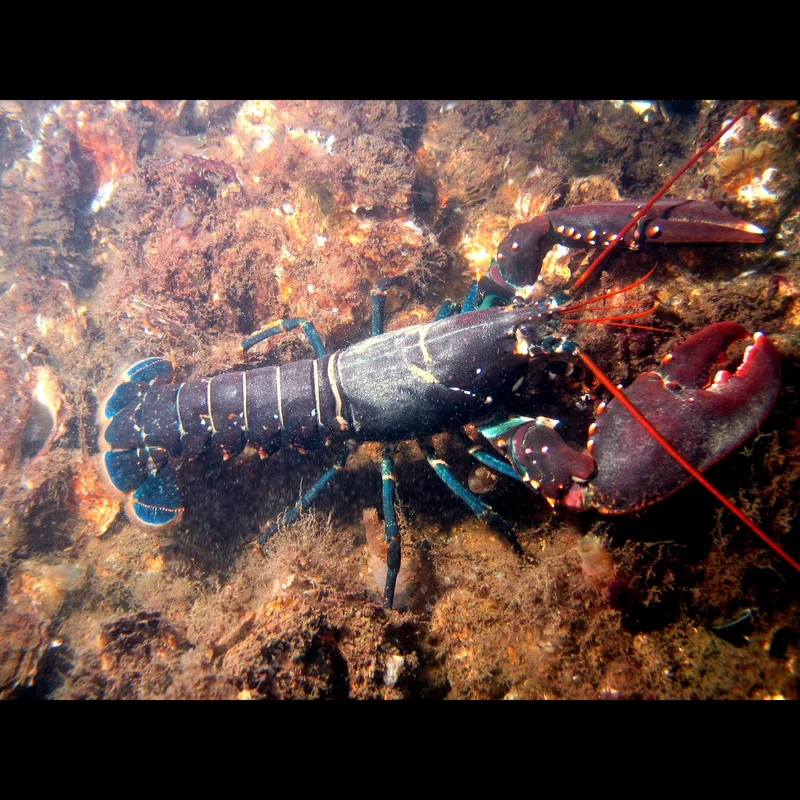
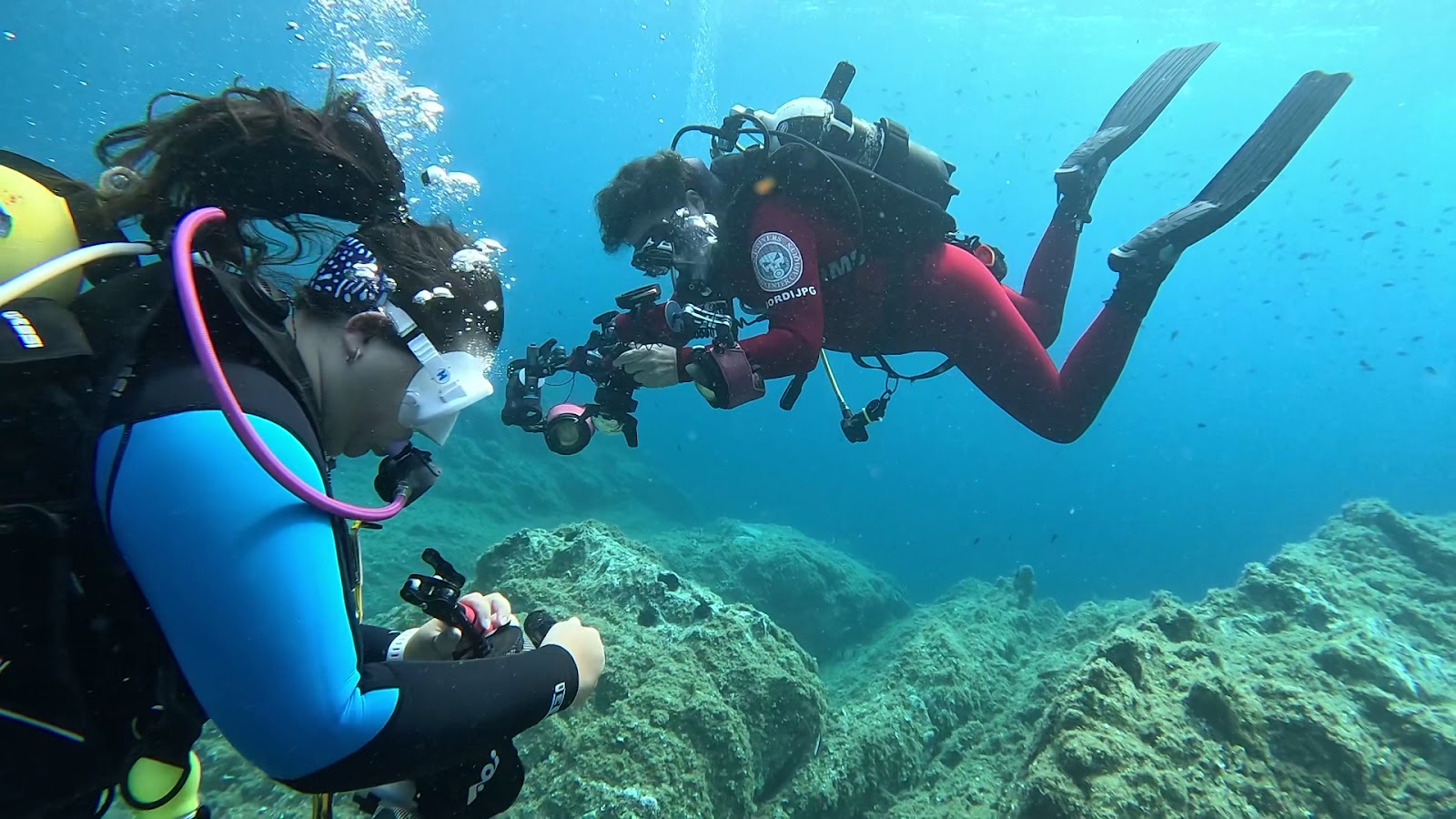
Initial sightings often reveal a diverse array of Mediterranean inhabitants among the pinnacles and wall. Keep an eye out for moray eels and lobsters tucked into the numerous crevices and holes.
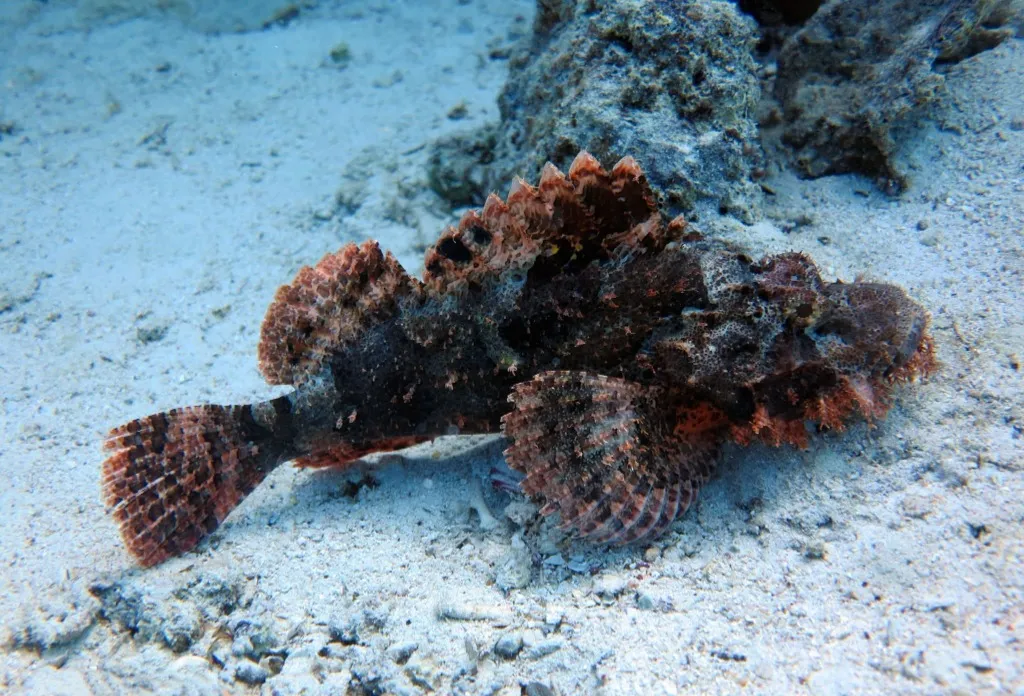
Scorpionfish are frequently spotted blending into the rocky terrain. Around the pinnacles, schools of sargo often cruise by, while nudibranchs add splashes of color to the reef.
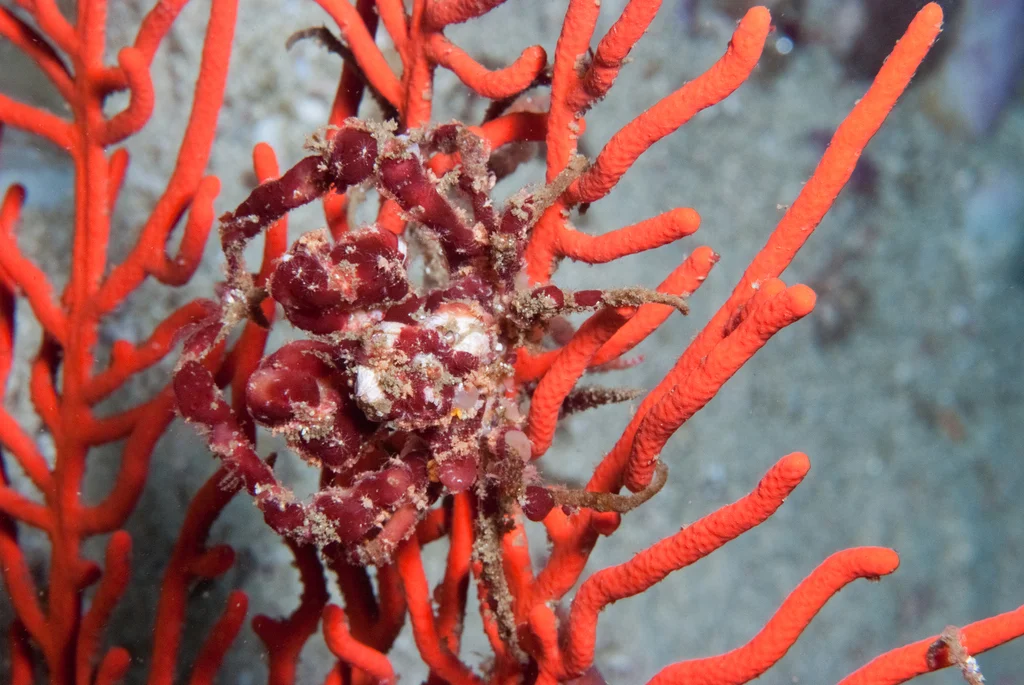
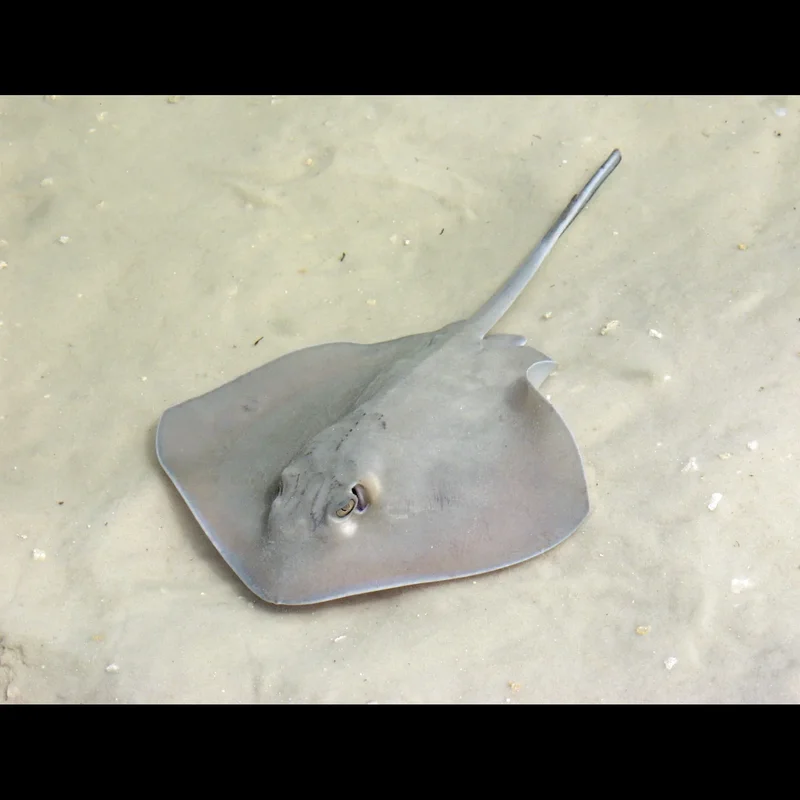
On the sandy bottom sections, with some careful observation and luck, you might encounter spider crabs or even stingrays. Barracuda are also known to frequent the area, adding to the pelagic encounters.
Dive Sites Near Baix de Cols
View all dive sites in SpainDiscover more underwater gems in this area.
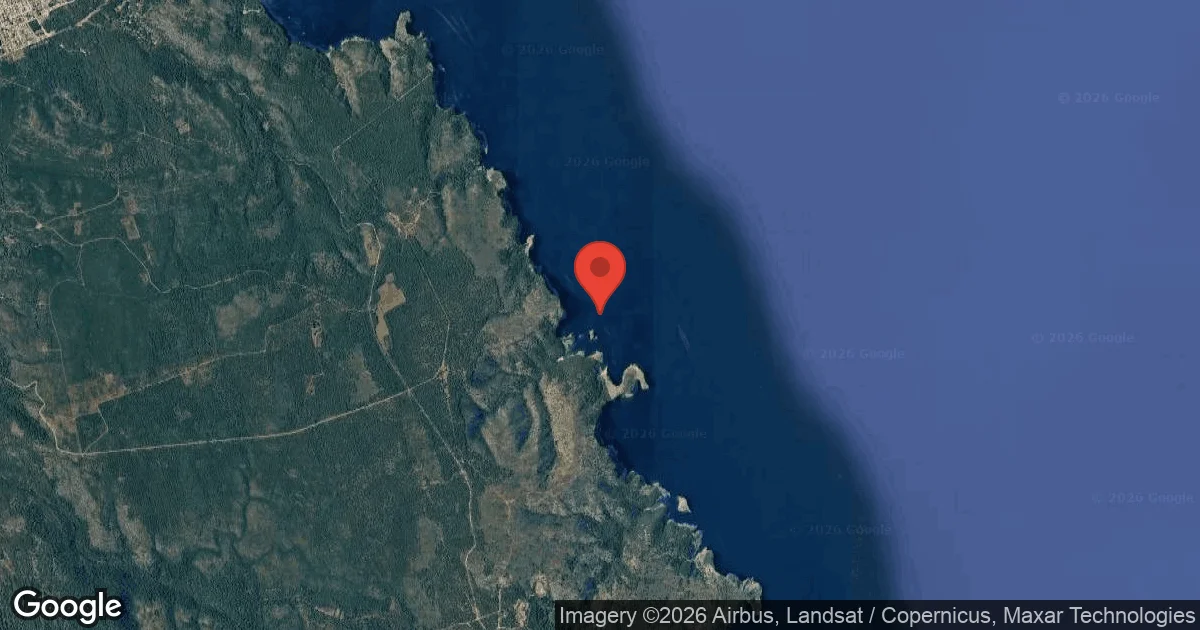
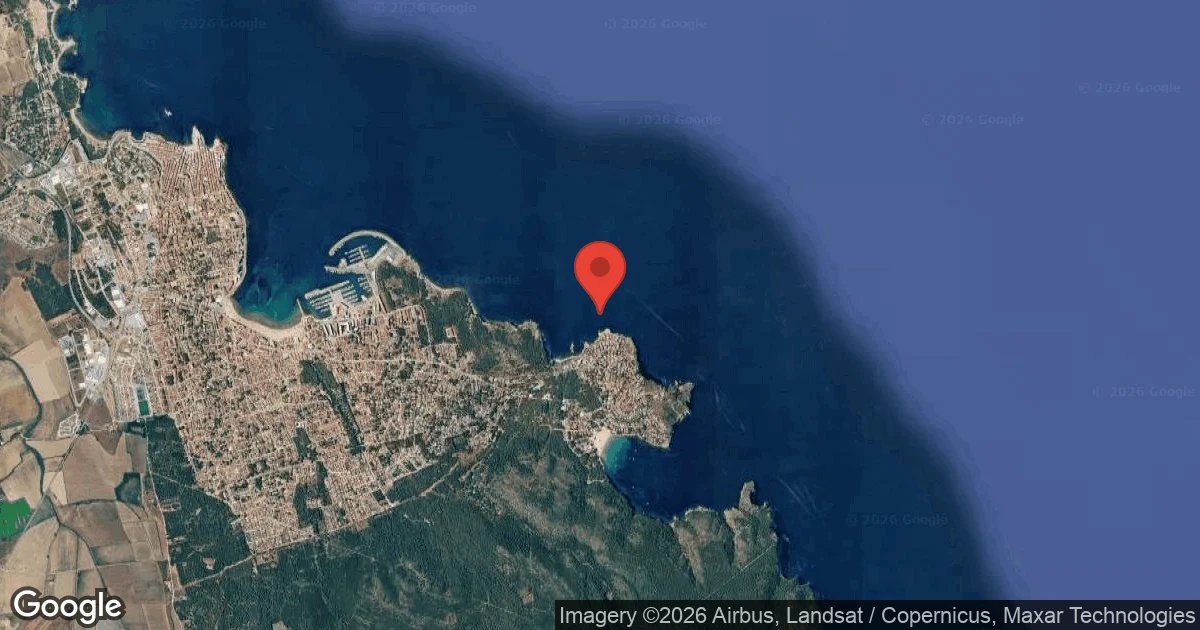
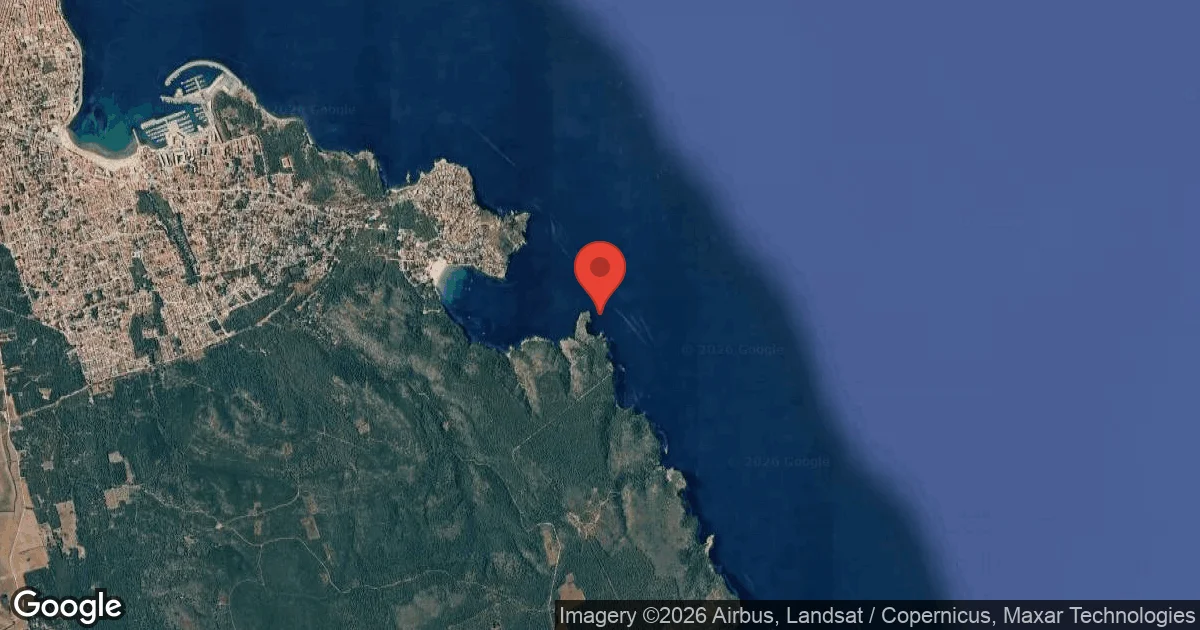
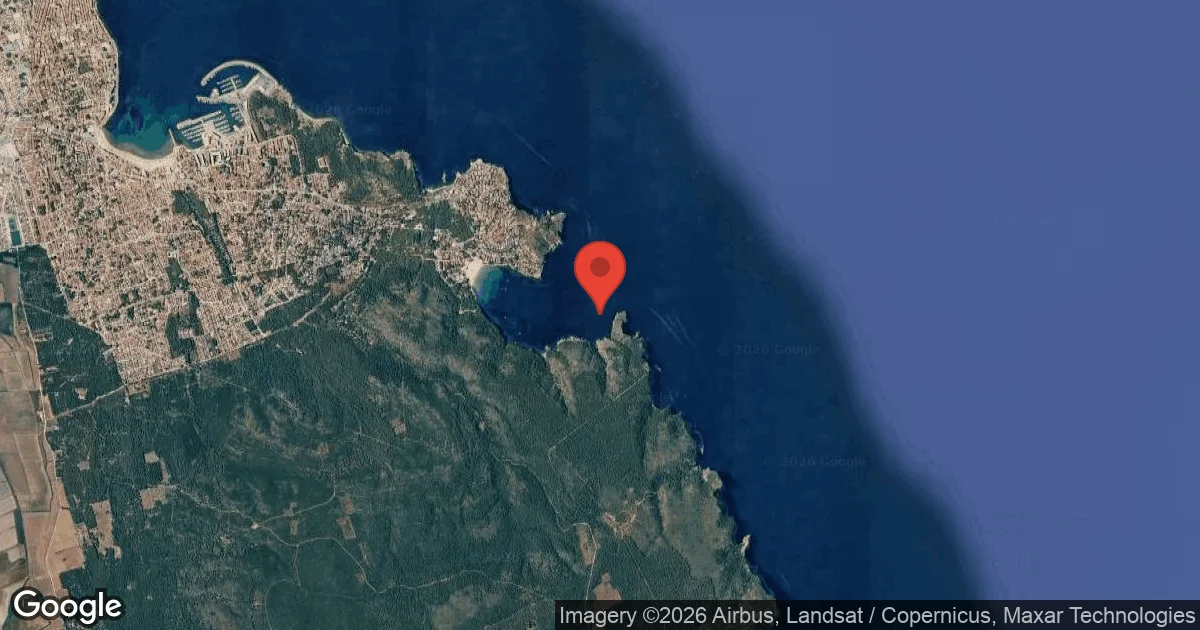
Dive Centers Near Baix de Cols

Today: 08:00 - 18:00
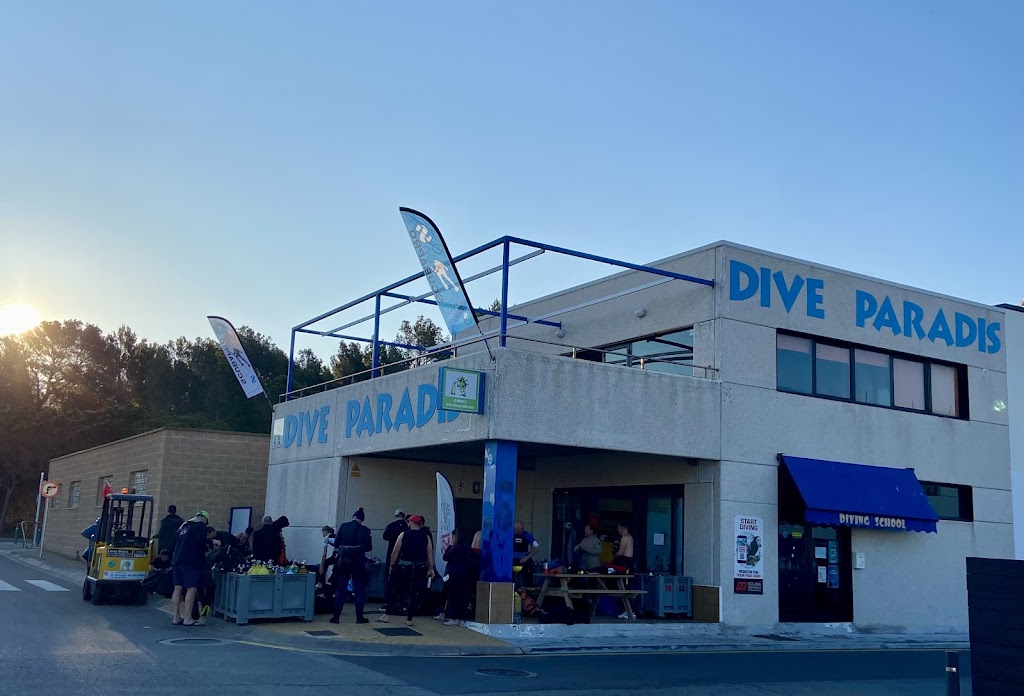
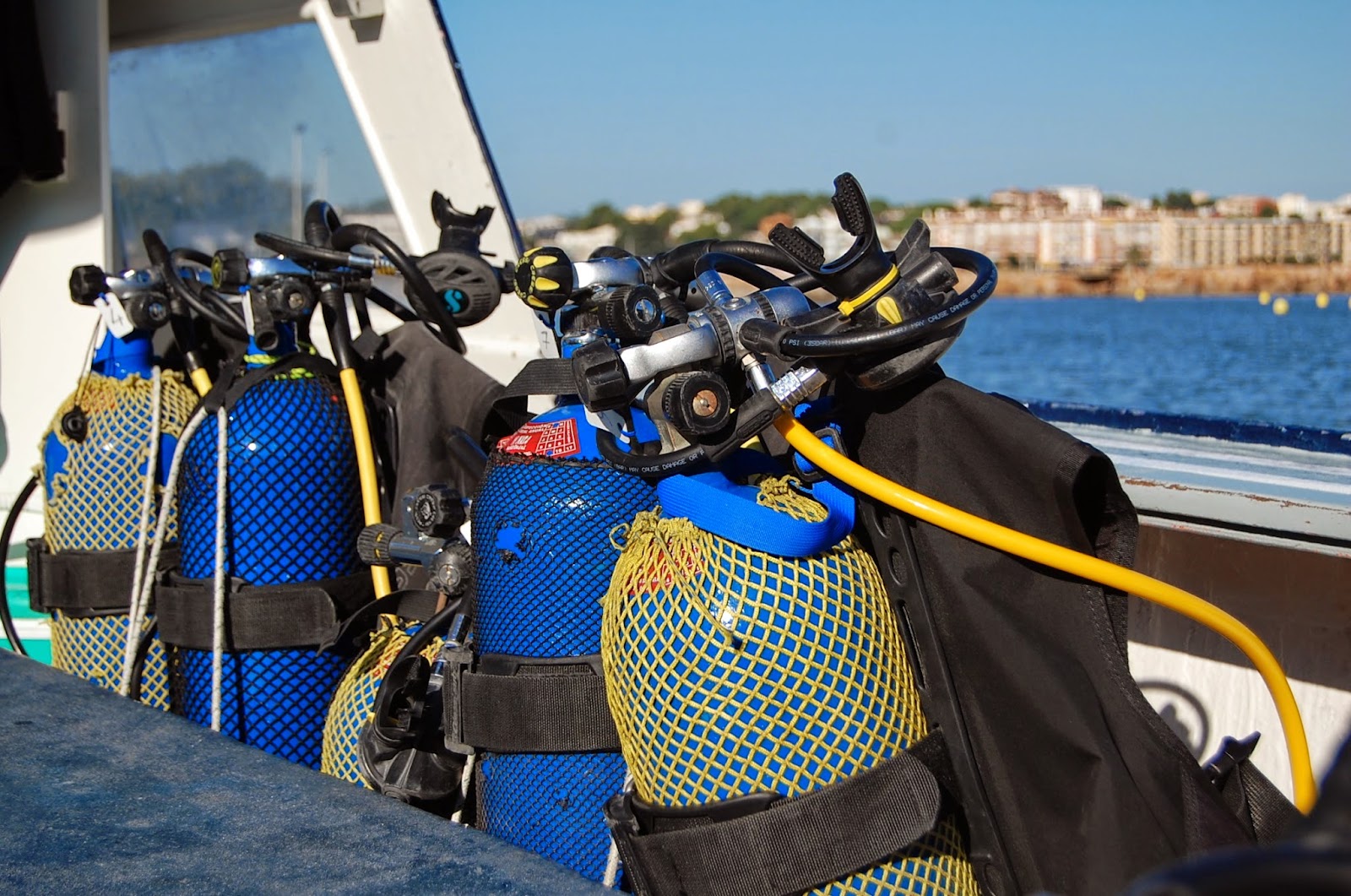
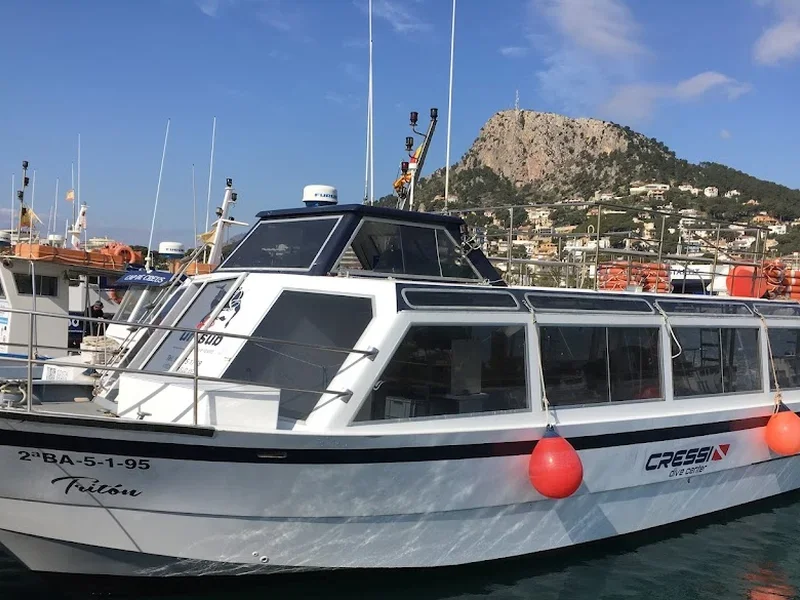
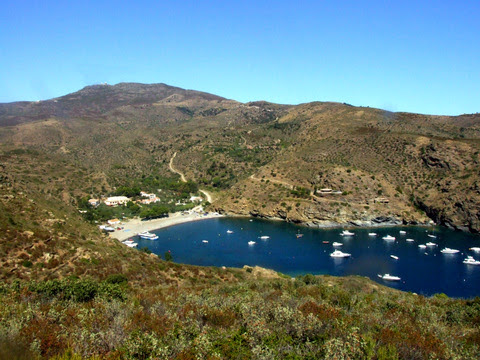
Nearest Airports
Nearest airports to help plan travel to this dive area.
Search Flights
Check available flights and routes on Expedia, using the nearby airports listed in this section.
Search Flights on ExpediaFrequently Asked Questions
What are the main topographical features of Baix de Cols?
Baix de Cols is defined by a striking wall and two prominent pinnacles. One large pinnacle descends from the surface to 20-22 meters (66-72 ft). A smaller one starts just below the surface and reaches about 18 meters. A vertical cliff face also drops to around 15 meters, featuring a 10-meter-long tunnel.
What is the maximum depth at Baix de Cols?
The maximum reported depth at Baix de Cols is 22 meters (72 ft). Found at the base of the largest pinnacle, this depth remains suitable for recreational divers.
What marine life can I expect to see at Baix de Cols?
Divers often encounter moray eels, lobsters, and scorpionfish camouflaged on the rocks. You'll also likely spot nudibranchs, octopus, and schools of sargo. Occasionally, barracuda, spider crabs, and stingrays are observed, especially on the sandy bottom sections.
Is Baix de Cols suitable for beginner divers?
Yes, Baix de Cols is generally considered a good spot for beginners. Its maximum depth is within recreational limits, and the site offers various features, including a short swim-through tunnel, that can be managed with proper guidance.
Why is buoyancy control important at this site?
Precise buoyancy control is crucial at Baix de Cols to avoid damaging the white gorgonian corals. These delicate organisms grow along the wall, and accidental contact can harm them. Maintaining good control helps protect the ecosystem.
Are there any specific safety considerations for the tunnel?
The tunnel at Baix de Cols is small, approximately 10 meters long. Divers should be comfortable in confined spaces and carry a dive light. It's often compared to a miniature version of a larger local tunnel, implying it's a manageable, but distinct, feature.
What are the best months for diving here based on weather?
May through October are generally ideal, offering warmer average air temperatures ranging from 18°C to 26°C (64-79°F). During these months, lower wave heights and reduced wind speeds contribute to more comfortable diving conditions. Rainfall is consistently low year-round.
Planning to dive Baix de Cols?
Send one inquiry and receive offers directly from the best verified local dive operators.
Conditions are Excellent
07:00 - 14:00
Optimal conditions expected
Current conditions near Baix de Cols show 26° air, 24° sea temperature, 0.4 m waves, and 14 km/h wind. Forecast data is refreshed regularly to ensure accuracy.